Some data may have been extracted from scientific literature using a pipeline that uses large language models (LLMs). Source articles are cited where applicable to help verify the extracted relationships.
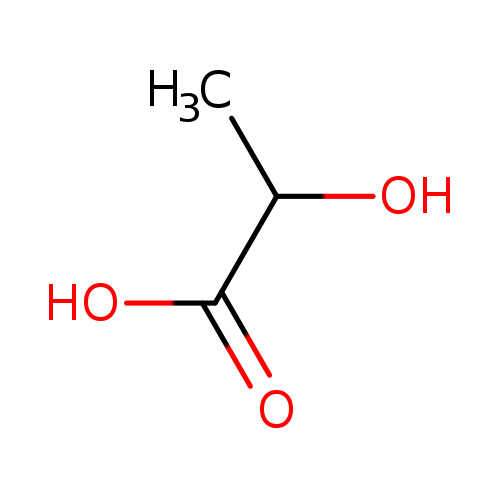
WHEY is an organic compound with the chemical formula C3H6O3 and an average molecular weight of 90.08 g/mol. WHEY belongs to the alpha hydroxy acids and derivatives, a subclass of hydroxy acids and derivatives within the organic compounds.
In industrial applications, the compound serves a wide variety of roles and uses. It is utilized as a solvent, a dye, and a surface modifier. Additionally, it functions as a thickening agent, a softener and conditioner, and a flavouring and nutrient. It is also categorized as a processing aid not otherwise specified.
WHEY is recorded as being found in or released from five specific sources. Within the building and construction sector, it is associated with ceilings, fencing, floors, and roofs. In the realm of electrical and electronic equipment, it is found in antennas.
Belongs to the class of organic compounds known as alpha hydroxy acids and derivatives. These are organic compounds containing a carboxylic acid substituted with a hydroxyl group on the adjacent carbon.
Cancer is a group of diseases involving abnormal cell growth with the potential to invade or spread to other parts of the body. Possible signs and symptoms include a lump, abnormal bleeding, prolonged cough, unexplained weight loss, and a change in bowel movements. There are over 100 types of cancers affect humans. The risk of developing certain cancers can be reduced by not smoking, maintaining a healthy weight, not drinking too much alcohol, eating plenty of vegetables, fruits and whole grains, vaccination against certain infectious diseases, not eating too much processed and red meat and avoiding too much sunlight exposure. Cancer is often treated with some combination of radiation therapy, surgery, chemotherapy and targeted therapy. The majority of cancers, some 90–95% of cases, are due to genetic mutations from environmental and lifestyle factors. The remaining 5–10% are due to inherited genetics.
Cancer is a group of diseases involving abnormal cell growth with the potential to invade or spread to other parts of the body. Possible signs and symptoms include a lump, abnormal bleeding, prolonged cough, unexplained weight loss, and a change in bowel movements. There are over 100 types of cancers affect humans. The risk of developing certain cancers can be reduced by not smoking, maintaining a healthy weight, not drinking too much alcohol, eating plenty of vegetables, fruits and whole grains, vaccination against certain infectious diseases, not eating too much processed and red meat and avoiding too much sunlight exposure. Cancer is often treated with some combination of radiation therapy, surgery, chemotherapy and targeted therapy. The majority of cancers, some 90–95% of cases, are due to genetic mutations from environmental and lifestyle factors. The remaining 5–10% are due to inherited genetics.
A disorder characterized by a state of generalized weakness with a pronounced inability to summon sufficient energy to accomplish daily activities. (NCI CTCAE)
A disorder characterized by a state of generalized weakness with a pronounced inability to summon sufficient energy to accomplish daily activities. (NCI CTCAE)
A cell type cancer that has material basis in abnormally proliferating cells derives from melanocytes which are found in skin, the bowel and the eye. (DO)
A disorder characterized by the inability of the heart to pump blood at an adequate volume to meet tissue metabolic requirements, or, the ability to do so only at an elevation in the filling pressure. (NCI CTCAE)
A lung disease that involves lung parenchyma or alveolar inflammation and abnormal alveolar filling with fluid (consolidation and exudation). It results from a variety of causes including infection with bacteria, viruses, fungi or parasites, and chemical or physical injury to the lungs. It is accompanied by fever, chills, cough, and difficulty in breathing. (DO)
A disorder characterized by a decrease or absence of blood supply to an organ or tissue, caused by obstruction (thrombosis or embolism) of an artery. (NCI CTCAE)
An opportunistic mycosis that involves fungal infection of the mouth, throat, skin, scalp, vagina, fingers, nails, bronchi, lungs, heart and brain by Candida species, of which Candida albicans is the most common. Systemic Candida infections are usually confined to severely immunocompromised persons.
An acquired metabolic disease that has material basis in low pH in body tissues and blood accompanied by the buildup of lactate especially D-lactate. (DO)
An acquired metabolic disease that has material basis in low pH in body tissues and blood accompanied by the buildup of lactate especially D-lactate. (DO)
A brain disease that is caused by damage to the motor control centers of the developing brain during pregnancy, during childbirth or after birth, which affects muscle movement and balance. (DO)
Soil?Soil serves as a critical medium for plant growth and sustains various ecological functions; however, it can become a reservoir for synthetic chemical contamination.
Stormwater runoff?Stormwater runoff refers to the flow of rainwater or melted snow that does not soak into the ground and instead collects pollutants as it travels over impervious surfaces such as roads and parking lots.
Ballast water?Ballast water, taken on by ships to maintain stability and balance, often contains a diverse array of microorganisms, including bacteria, viruses, and plankton.
Bilge water?Bilge water is a byproduct generated from the accumulation of water in the lowest part of a ship's hull, which may include a mixture of seawater, oil, fuel residues, and various contaminants.
Effluent?Effluent refers to liquid waste or sewage that is discharged into the environment, typically resulting from industrial processes, municipal wastewater treatment, or agricultural runoff.
Ceilings?Ceilings in built environments can be a source of synthetic chemical contamination due to the materials used in their construction and finishes.
Fencing?Fencing materials, particularly those used in construction and landscaping, can be a source of synthetic chemical contamination due to the treatments and coatings applied for durability and weather resistance.
Floors?Floors in built environments can be a significant source of synthetic chemical contamination due to the materials and finishes used in their construction.
Antennas?Antennas, commonly used in communication technologies, can be a source of synthetic chemical contamination through the materials and coatings used in their construction.
Manufacture Preparation Of Tobacco Products?The manufacture and preparation of tobacco products involve various processes that can result in the introduction of synthetic chemicals into the environment.
Fire Fighting Gels?Fire fighting gels are synthetic chemical formulations designed to enhance fire suppression effectiveness by creating a protective barrier against heat and flames.
Gaseous Fire Fighting?Gaseous fire fighting systems utilize synthetic chemicals, such as halocarbons and inert gases, to suppress fires through chemical and physical processes.
PFAS Fire Fighting Foam?PFAS fire fighting foam refers to a class of synthetic foams containing per- and polyfluoroalkyl substances (PFAS), which are designed to suppress flammable liquid fires.
Solid Fire Fighting Substances?Solid fire fighting substances, such as certain types of dry chemical powders, are used in fire suppression applications to extinguish flames and prevent fire spread.
Airplanes And Helicopters?Airplanes and helicopters are significant sources of synthetic chemical contamination primarily through the use of aviation fuels, lubricants, and de-icing agents.
Unmanned Aerial Vehicles?Unmanned Aerial Vehicles (UAVs), commonly known as drones, utilize various synthetic chemicals in their manufacturing, operation, and maintenance processes.
Nitrogenous Fertilisers?Nitrogenous fertilizers are synthetic chemical compounds primarily used to enhance plant growth by supplying essential nitrogen, a crucial nutrient for photosynthesis and protein synthesis.
Cements?Cements are a composite material primarily used as a binding agent in construction applications, formed by the calcination of limestone and clay minerals at high temperatures.
Clay Wares?Clay wares are ceramic products made from natural clay, often utilized in various construction applications such as tiles, bricks, and sanitary ware.
Glass Coatings?Glass coatings are synthetic chemical formulations applied to glass surfaces to enhance properties such as durability, UV resistance, and aesthetic appeal.
Lime?Lime, primarily comprised of calcium oxide (CaO) or calcium hydroxide (Ca(OH)₂), is widely used in various applications, including as a key ingredient in mortars, plasters, and cement.
Silica Free Oxide Glass?Silica Free Oxide Glass is a type of glass that is produced using alternative materials to traditional silica-based formulations.
Silica Glass?Silica glass, primarily composed of silicon dioxide (SiO2), is widely used in various applications, including windows, glass facades, and insulation materials.
Treatment Of Milk Or Cream?The treatment of milk or cream involves various processes such as pasteurization, homogenization, and the addition of preservatives to enhance shelf life and safety.
Nanotechnology?Nanotechnology involves the manipulation of materials at the molecular or atomic level, typically within the range of 1 to 100 nanometers.
Mining Or Quarrying?Mining and quarrying operations can lead to synthetic chemical contamination through the release of various pollutants associated with the extraction and processing of minerals.
Bookbinding?Bookbinding involves the use of various synthetic chemicals, including adhesives, inks, and coatings, which can contribute to environmental contamination.
Chalks?Chalks, primarily composed of calcium carbonate, are commonly used in various industrial applications, including as fillers and coatings in the production of paper and related products.
Coloured Pencils?Coloured pencils are commonly used tools for artistic expression and education, composed primarily of a wood casing and a core made from a mixture of pigments, binders, and waxes.
Embossing Machines?Embossing machines are industrial devices used to create raised patterns or designs on materials, including paper and fiber products.
Erasers?Erasers, commonly used in writing and drawing applications, are often made from synthetic rubber or thermoplastic materials, which can contain various additives such as plasticizers, fillers, and colorants.
Contact Lens Cases?Contact lens cases are small containers designed to store contact lenses in a sterile environment, typically made from various synthetic materials including plastics such as polypropylene or polycarbonate.
Coating Compositions?Coating compositions, which include paints, sealants, and varnishes, are formulated with a variety of synthetic chemicals such as solvents, resins, pigments, and additives.
Chemical Igniters?Chemical igniters are substances or devices designed to initiate combustion in various applications, often found in products like lighters, candles, and certain household cleaning agents.
Leather Tanning?Leather tanning is a process that transforms raw animal hides into durable leather through the application of various chemicals, including chromium salts, aldehydes, and vegetable tannins.
Sludge Treatment?Sludge treatment involves the processing of waste materials generated from wastewater treatment plants, which often contain a variety of organic and inorganic substances.
Water, Wastewater, & Sewage Treatment?Water, wastewater, and sewage treatment processes are critical for managing and mitigating pollutants in water systems.