Cinidon-ethyl (CED0026944)

Record Information
Version1.0
Creation Date2016-05-19 02:43:08 UTC
Update Date2026-08-20 02:12:43 UTC
SynCED IDCED0026944
Secondary Accession Numbers
  • CHEM008298
Identification
Common NameCinidon-ethyl
ClassSmall Molecule
Description
Cinidon-ethyl is an organic compound with the chemical formula C19H17Cl2NO4 and an average molecular weight of 394.25 g/mol. Cinidon-ethyl belongs to the cinnamic acid esters, a subclass of cinnamic acids and derivatives within the organic compounds. It is further classified under the superclass of phenylpropanoids and polyketides. This compound has been identified in or released from seven recorded sources across various categories. Within the realm of electrical and electronic equipment, it is found in antennas, relays, and video games. In building and construction materials, it is associated with floors as well as tents or canopies. Additionally, it has been detected in drinking water and water supply systems, and among household items, it is found in coins. The recorded route of exposure for cinidon-ethyl is oral.
Contaminant TypeNot Available
Chemical Structure
Synonyms
ValueSource
Cinidon-ethylChEBI
Ethyl (2Z)-2-chloro-3-[2-chloro-5-(1,3-dioxo-1,3,4,5,6,7-hexahydro-2H-isoindol-2-yl)phenyl]acrylateChEBI
Ethyl (2Z)-2-chloro-3-[2-chloro-5-(1,3-dioxo-1,3,4,5,6,7-hexahydro-2H-isoindol-2-yl)phenyl]acrylic acidGenerator
Ethyl 2-chloro-3-(2-chloro-5-(1,2-cyclohex-1-enedicarboximido)phenyl)acrylateMeSH
Ethyl (Z)-2-chloro-3-[2-chloro-5-(1,3-dioxo-4,5,6,7-tetrahydroisoindol-2-yl)phenyl]prop-2-enoic acidGenerator
Chemical FormulaC19H17Cl2NO4
Average Molecular Mass394.250 g/mol
Monoisotopic Mass393.053 g/mol
CAS Registry Number142891-20-1
IUPAC Nameethyl (2Z)-2-chloro-3-[2-chloro-5-(1,3-dioxo-2,3,4,5,6,7-hexahydro-1H-isoindol-2-yl)phenyl]prop-2-enoate
Traditional Namecinidon ethyl
SMILES[H]\C(=C(\Cl)C(=O)OCC)C1=CC(=CC=C1Cl)N1C(=O)C2=C(CCCC2)C1=O
InChI IdentifierInChI=1S/C19H17Cl2NO4/c1-2-26-19(25)16(21)10-11-9-12(7-8-15(11)20)22-17(23)13-5-3-4-6-14(13)18(22)24/h7-10H,2-6H2,1H3/b16-10-
InChI KeyNNKKTZOEKDFTBU-YBEGLDIGSA-N
Chemical Taxonomy
Description Belongs to the class of organic compounds known as cinnamic acid esters. These are compound containing an ester derivative of cinnamic acid.
KingdomOrganic compounds
Super ClassPhenylpropanoids and polyketides
ClassCinnamic acids and derivatives
Sub ClassCinnamic acid esters
Direct ParentCinnamic acid esters
Alternative Parents
Substituents
  • Cinnamic acid ester
  • 1-phenylpyrroline
  • Isoindolone
  • Isoindole
  • Isoindole or derivatives
  • Chlorobenzene
  • Fatty acid ester
  • Halobenzene
  • Maleimide
  • Aryl chloride
  • Aryl halide
  • Monocyclic benzene moiety
  • Fatty acyl
  • Benzenoid
  • Carboxylic acid imide, n-substituted
  • Alpha-halocarboxylic acid derivative
  • Alpha-halocarboxylic acid or derivatives
  • Carboxylic acid imide
  • Dicarboximide
  • Alpha,beta-unsaturated carboxylic ester
  • Enoate ester
  • Pyrrole
  • Pyrroline
  • Lactam
  • Carboxylic acid ester
  • Vinyl halide
  • Vinyl chloride
  • Monocarboxylic acid or derivatives
  • Organoheterocyclic compound
  • Haloalkene
  • Chloroalkene
  • Azacycle
  • Carboxylic acid derivative
  • Organohalogen compound
  • Organic oxide
  • Organic nitrogen compound
  • Organochloride
  • Organonitrogen compound
  • Organooxygen compound
  • Organopnictogen compound
  • Carbonyl group
  • Hydrocarbon derivative
  • Organic oxygen compound
  • Aromatic heteropolycyclic compound
Molecular FrameworkAromatic heteropolycyclic compounds
External Descriptors
Biological Properties
StatusDetected and Not Quantified
OriginNot Available
Cellular LocationsNot Available
Biofluid LocationsNot Available
Tissue LocationsNot Available
ApplicationsNot Available
Biological Roles
Chemical RolesNot Available
Organoleptic EffectsNot Available
Physical Properties
StateNot Available
AppearanceNot Available
Experimental Properties
PropertyValue
Melting PointNot Available
Boiling PointNot Available
SolubilityNot Available
Predicted Properties
PropertyValueSource
Water Solubility0.0018 g/LALOGPS
logP3.88ALOGPS
logP4.35ChemAxon
logS-5.3ALOGPS
pKa (Strongest Basic)1.18ChemAxon
Physiological Charge0ChemAxon
Hydrogen Acceptor Count3ChemAxon
Hydrogen Donor Count0ChemAxon
Polar Surface Area63.68 ŲChemAxon
Rotatable Bond Count5ChemAxon
Refractivity100.26 m³·mol⁻¹ChemAxon
Polarizability39.73 ųChemAxon
Number of Rings3ChemAxon
BioavailabilityYesChemAxon
Rule of FiveYesChemAxon
Ghose FilterYesChemAxon
Veber's RuleNoChemAxon
MDDR-like RuleNoChemAxon
Spectra
Spectra
Spectrum TypeDescriptionSplash KeyDeposition DateView
Predicted LC-MS/MSPredicted LC-MS/MS Spectrumsplash10-006x-0019000000-78ab8cc9d896729ce9b3Not AvailableView Spectrum
Predicted LC-MS/MSPredicted LC-MS/MS Spectrumsplash10-00dj-3049000000-9fe3bb082f07ca92ddc8Not AvailableView Spectrum
Predicted LC-MS/MSPredicted LC-MS/MS Spectrumsplash10-08fr-9361000000-72c60dded0b75ccd1867Not AvailableView Spectrum
Predicted LC-MS/MSPredicted LC-MS/MS Spectrumsplash10-0007-4309000000-3ebd6b4ae425eabba32dNot AvailableView Spectrum
Predicted LC-MS/MSPredicted LC-MS/MS Spectrumsplash10-0002-2119000000-47f3203369997350a821Not AvailableView Spectrum
Predicted LC-MS/MSPredicted LC-MS/MS Spectrumsplash10-0059-9668000000-1f5d6168ffe9f9e53e3dNot AvailableView Spectrum
Toxicity Profile
Toxicity Values
Toxicity ValueOrganismDose DescriptorRoute of ExposurePredicted or ExperimentalToxicity RatingReference
2309.0 Log mg/kg [1300:4100]RatLD50oralpredictedNot AvailableNot Available
Toxicity / Toxin ClassNot Available
Mechanism of ToxicityNot Available
Carcinogenicity (IARC Classification)Not Available
Minimum Risk LevelNot Available
SymptomsNot Available
TreatmentNot Available
Health Effects
Health EffectRelationshipDirectionDescriptionReference
Exposure Sources
Source IDSourceSectorReference
CEDs000010Insecticides?Insecticides are synthetic chemicals designed to control or eliminate insect pests that threaten crops and other agricultural products.Agriculture & land managementPubChem
CEDs000115Drinking water?Drinking water can be a medium for synthetic chemical contamination, often originating from various industrial processes and agricultural practices.Drinking water & water supplyNot Available
CEDs000497Floors?Floors in built environments can be a significant source of synthetic chemical contamination due to the materials and finishes used in their construction.Building & ConstructionPubChem
CEDs000503Tents Or Canopies?Tents and canopies used in various applications can be a source of synthetic chemical contamination primarily due to the materials from which they are made.Building & ConstructionPubChem
CEDs000506Antennas?Antennas, commonly used in communication technologies, can be a source of synthetic chemical contamination through the materials and coatings used in their construction.Electrical & Electronic EquipmentPubChem
CEDs000517Electric Switches?Electric switches, integral components in numerous devices, can be a source of synthetic chemical contamination due to the materials and manufacturing processes involved in their production.Electrical & Electronic EquipmentPubChem
CEDs000530Radio Transmission Systems?Radio transmission systems utilize a variety of synthetic chemicals in their manufacturing and maintenance processes.Electrical & Electronic EquipmentPubChem
CEDs000531Relays?Relays are electromechanical switches used to control circuits and manage electrical loads.Electrical & Electronic EquipmentPubChem
CEDs000537Television Systems?Television systems can be a source of synthetic chemical contamination due to the various materials and components used in their manufacture and operation.Electrical & Electronic EquipmentPubChem
CEDs000539Video Games?Video games, through their production and disposal processes, can be a source of synthetic chemical contamination.Electrical & Electronic EquipmentPubChem
CEDs000545Food Preservation?Food preservation often involves the use of synthetic chemicals, such as preservatives, flavor enhancers, and color additives, to extend shelf life and enhance the sensory qualities of food products.Food, food processing & cookwarePubChem
CEDs000561Perfumes Within Detergents And Soaps?Perfumes within detergents and soaps are synthetic fragrance compounds added to enhance the sensory experience of cleaning products.Household cleaning & consumer productsPubChem
CEDs000571Coins?Coins can serve as a source of synthetic chemical contamination due to their production processes and the materials used in their composition.Household itemsPubChem
CEDs000596Acaricides?Acaricides are synthetic chemicals specifically designed to target and control mite populations that can damage crops and plants.Agriculture & land managementPubChem
CEDs000600Herbicides And Algicides?Herbicides and algicides are synthetic chemicals primarily used to control unwanted plants and algae in various environments.Agriculture & land managementPubChem
CEDs000602Molluscicides?Molluscicides are synthetic chemicals specifically designed to control and eliminate mollusks, such as snails and slugs, which can be detrimental to crops and agricultural productivity.Agriculture & land managementPubChem
CEDs000603Nematocides?Nematocides are synthetic chemicals specifically designed to control nematodes, which are microscopic roundworms that can cause significant damage to crops and plants.Agriculture & land managementPubChem
CEDs000605Pest Repellants?Pest repellents, often formulated from synthetic chemicals, are widely used to protect crops from insect infestations and other pests.Agriculture & land managementPubChem
CEDs000606Plant Growth Regulators?Plant Growth Regulators (PGRs) are synthetic chemicals designed to influence the growth and development of plants.Agriculture & land managementPubChem
CEDs000611Anti Perspirants Or Body Deoderants?Antiperspirants and body deodorants commonly contain synthetic chemicals such as aluminum compounds, parabens, and synthetic fragrances.Personal care & cosmeticsPubChem
CEDs000612Body Washing Or Cleaning Implements?Body washing or cleaning implements, such as synthetic sponges, loofahs, and washcloths, can be sources of synthetic chemical contamination due to the materials used in their production.Personal care & cosmeticsPubChem
CEDs000620Card Games?Card games often utilize synthetic materials for playing cards and associated gaming equipment, which may contain various chemicals such as polyvinyl chloride (PVC), plastics, and dyes.Recreation & sports surfacesPubChem
CEDs000622Game Accessories?Game accessories, such as synthetic turf, athletic shoes, and other sports-related equipment, often incorporate various synthetic chemicals in their production.Recreation & sports surfacesPubChem
CEDs000627Roulette Games?Roulette games, often played on synthetic surfaces like those found in recreational facilities, can be associated with various synthetic chemical contaminants.Recreation & sports surfacesPubChem
CEDs000630Toys?Toys, particularly those made from synthetic materials such as plastics, can be a source of chemical contamination due to the presence of various additives and compounds used in their production.Recreation & sports surfacesPubChem
CEDs000632Apparel?Apparel production often involves the use of various synthetic chemicals, including dyes, finishing agents, and preservatives.Textiles, leather & furnishingsPubChem
CEDs000642Footwear?Footwear production often involves the use of various synthetic chemicals, such as adhesives, dyes, and treatments, which can contribute to environmental contamination.Textiles, leather & furnishingsPubChem
CEDs000650Purses Luggage Hand Bags?Purses, luggage, and handbags are often manufactured using synthetic materials such as polyvinyl chloride (PVC), polyurethane, and various types of nylon.Textiles, leather & furnishingsPubChem
CEDs000671Airplanes And Helicopters?Airplanes and helicopters are significant sources of synthetic chemical contamination primarily through the use of aviation fuels, lubricants, and de-icing agents.Aviation & AerospacePubChem
CEDs000673Unmanned Aerial Vehicles?Unmanned Aerial Vehicles (UAVs), commonly known as drones, utilize various synthetic chemicals in their manufacturing, operation, and maintenance processes.Aviation & AerospacePubChem
CEDs000678Nitrogenous Fertilisers?Nitrogenous fertilizers are synthetic chemical compounds primarily used to enhance plant growth by supplying essential nitrogen, a crucial nutrient for photosynthesis and protein synthesis.Agriculture & land managementPubChem
CEDs000679Phosphatic Fertilisers?Phosphatic fertilizers are synthetic chemical products primarily composed of phosphorus, which is essential for plant growth.Agriculture & land managementPubChem
CEDs000685Ceramics?Ceramics can be a source of synthetic chemical contamination through various additives and processing agents used in their production.Building & ConstructionPubChem
CEDs000688Glass Coatings?Glass coatings are synthetic chemical formulations applied to glass surfaces to enhance properties such as durability, UV resistance, and aesthetic appeal.Building & ConstructionPubChem
CEDs000693Silica Glass?Silica glass, primarily composed of silicon dioxide (SiO2), is widely used in various applications, including windows, glass facades, and insulation materials.Building & ConstructionPubChem
CEDs000696Nanotechnology?Nanotechnology involves the manipulation of materials at the molecular or atomic level, typically within the range of 1 to 100 nanometers.Industrial manufacturing & chemical processingPubChem
CEDs000705Bookbinding?Bookbinding involves the use of various synthetic chemicals, including adhesives, inks, and coatings, which can contribute to environmental contamination.Paper, pulp & fiber productsPubChem
CEDs000727Printing Machines Or Presses?Printing machines or presses commonly utilize synthetic chemicals such as inks, solvents, and cleaning agents.Paper, pulp & fiber productsPubChem
CEDs000729Stamps?Stamps, particularly those produced using synthetic inks and adhesives, can contribute to chemical contamination when disposed of improperly.Paper, pulp & fiber productsPubChem
CEDs000738Cooling Circuit Water?Cooling circuit water is utilized in various industrial processes to absorb and dissipate heat generated during operations.Industrial manufacturing & chemical processingPubChem
CEDs000739Inks?Inks are complex mixtures composed of pigments or dyes, solvents, resins, and additives used primarily for printing and writing applications.Paper, pulp & fiber productsPubChem
CEDs000740Paper?Paper production involves the processing of wood fibers and the use of various chemicals, which can lead to synthetic chemical contamination.Paper, pulp & fiber productsPubChem
CEDs000741Pigment Pastes?Pigment pastes are concentrated dispersions of pigments used to impart color and properties to materials.Paper, pulp & fiber productsPubChem
CEDs000744Water, Wastewater, & Sewage Treatment?Water, wastewater, and sewage treatment processes are critical for managing and mitigating pollutants in water systems.Wastewater, sanitation & biosolidsPubChem
Pathways
0 pathwaysPathway Source: PathBank

No pathways found

No metabolic pathways have been associated with this synthetic chemical

Targets
StructureProteinUniProt IDOrganismRelationshipDetails
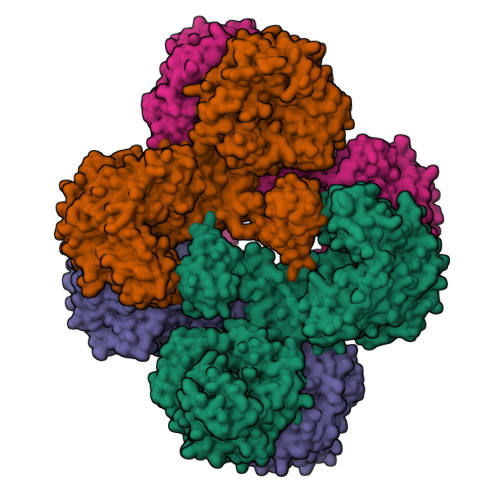
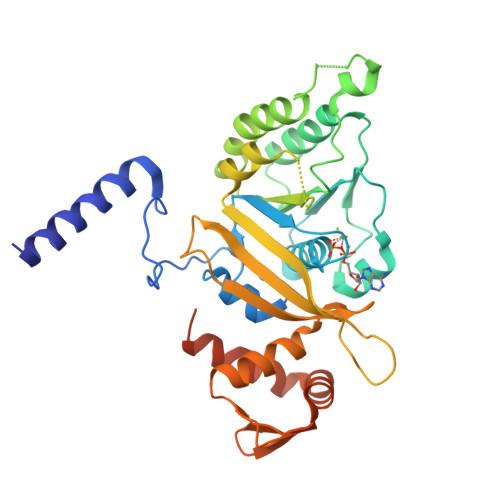
Click to view 3D structureProtoporphyrinogen oxidase, chloroplasticQ9AR38Oryza sativa subsp. japonicaPredicted (SEA)
Prediction Confidence Score
0.321
Applicability Domain
0.412
Statistical Significance
6.00e-05
Supporting Reference Compounds
2
E-value
0.467095
Coproporphyrinogen III oxidase structureClick to view 3D structureCoproporphyrinogen III oxidaseP32397Bacillus subtilis (strain 168)Predicted (SEA)
Prediction Confidence Score
0.315
Applicability Domain
0.315
Statistical Significance
1.40e-04
Supporting Reference Compounds
1
E-value
1.08989
Pyruvate carboxylase structureClick to view 3D structurePyruvate carboxylaseA0A0H3JRU9Staphylococcus aureus (strain Mu50 / ATCC 700699)Predicted (SEA)
Prediction Confidence Score
0.281
Applicability Domain
0.281 Low confidence
Statistical Significance
7.10e-04
Supporting Reference Compounds
1
E-value
5.52729
Bcl-2-related protein A1 structureClick to view 3D structureBcl-2-related protein A1Q07440Mus musculusPredicted (SEA)
Prediction Confidence Score
0.275
Applicability Domain
0.306
Statistical Significance
5.70e-04
Supporting Reference Compounds
32
E-value
4.43741
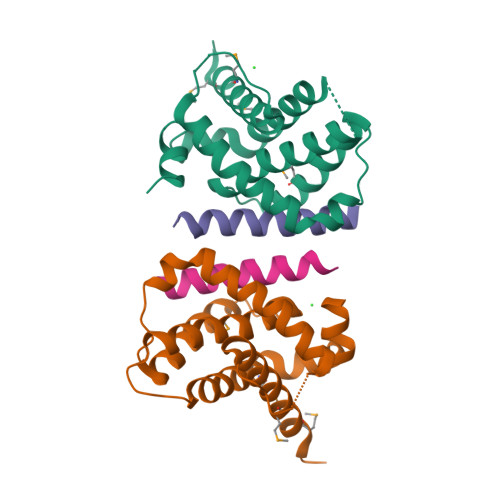
DNA repair protein complementing XP-A cells structureClick to view 3D structureDNA repair protein complementing XP-A cellsP23025HumansPredicted (SEA)
Prediction Confidence Score
0.273
Applicability Domain
0.273 Low confidence
Statistical Significance
6.20e-04
Supporting Reference Compounds
1
E-value
4.82665
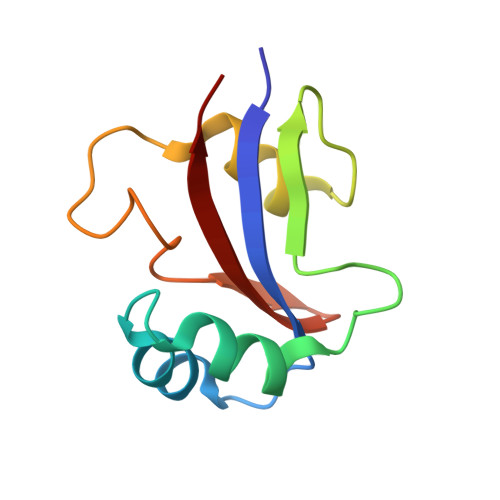
Peptidyl-prolyl cis-trans isomerase NIMA-interacting 4 structureClick to view 3D structurePeptidyl-prolyl cis-trans isomerase NIMA-interacting 4Q9Y237HumansPredicted (SEA)
Prediction Confidence Score
0.267
Applicability Domain
0.267 Low confidence
Statistical Significance
9.20e-04
Supporting Reference Compounds
1
E-value
7.16213
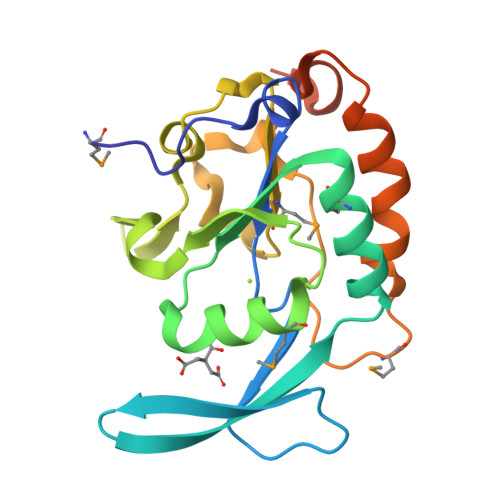
Carboxy-terminal domain RNA polymerase II polypeptide A small phosphatase 1 structureClick to view 3D structureCarboxy-terminal domain RNA polymerase II polypeptide A small phosphatase 1Q9GZU7HumansPredicted (SEA)
Prediction Confidence Score
0.259
Applicability Domain
0.333
Statistical Significance
0.0323
Supporting Reference Compounds
128
E-value
251.453
Protein RecA structureClick to view 3D structureProtein RecAP9WHJ3Mycobacterium tuberculosisPredicted (SEA)
Prediction Confidence Score
0.257
Applicability Domain
0.297 Low confidence
Statistical Significance
0.0741
Supporting Reference Compounds
296
E-value
577.018
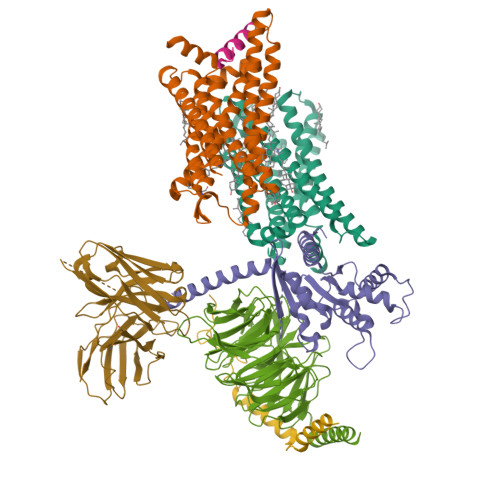
Mu-type opioid receptor structureClick to view 3D structureMu-type opioid receptorP35372HumansPredicted (SEA)
Prediction Confidence Score
0.249
Applicability Domain
0.299 Low confidence
Statistical Significance
0.2153
Supporting Reference Compounds
527
E-value
1675.94
Sigma non-opioid intracellular receptor 1 structureClick to view 3D structureSigma non-opioid intracellular receptor 1Q99720HumansPredicted (SEA)
Prediction Confidence Score
0.248
Applicability Domain
0.25 Low confidence
Statistical Significance
0.2253
Supporting Reference Compounds
562
E-value
1754.1
Click to view 3D structureKappa-type opioid receptorP41144Cavia porcellusPredicted (SEA)
Prediction Confidence Score
0.248
Applicability Domain
0.25 Low confidence
Statistical Significance
0.082
Supporting Reference Compounds
199
E-value
638.13
Kappa-type opioid receptor structureClick to view 3D structureKappa-type opioid receptorP41145HumansPredicted (SEA)
Prediction Confidence Score
0.244
Applicability Domain
0.25 Low confidence
Statistical Significance
0.2564
Supporting Reference Compounds
532
E-value
1996.44
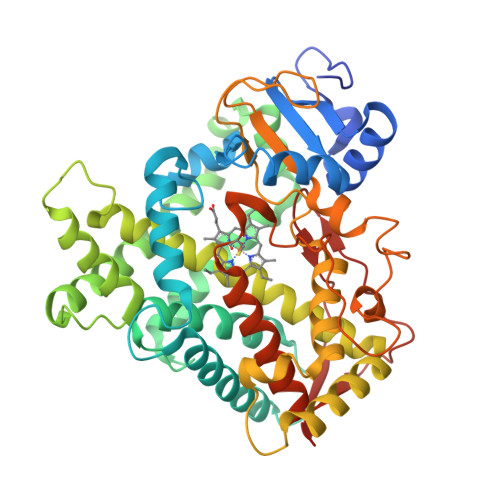
Cytochrome P450 3A4 structureClick to view 3D structureCytochrome P450 3A4P08684HumansPredicted (SEA)
Prediction Confidence Score
0.244
Applicability Domain
0.294 Low confidence
Statistical Significance
0.6258
Supporting Reference Compounds
1538
E-value
4871.8
Dual specificity tyrosine-phosphorylation-regulated kinase 1A structureClick to view 3D structureDual specificity tyrosine-phosphorylation-regulated kinase 1AQ13627HumansPredicted (SEA)
Prediction Confidence Score
0.244
Applicability Domain
0.253 Low confidence
Statistical Significance
0.4048
Supporting Reference Compounds
906
E-value
3151.65
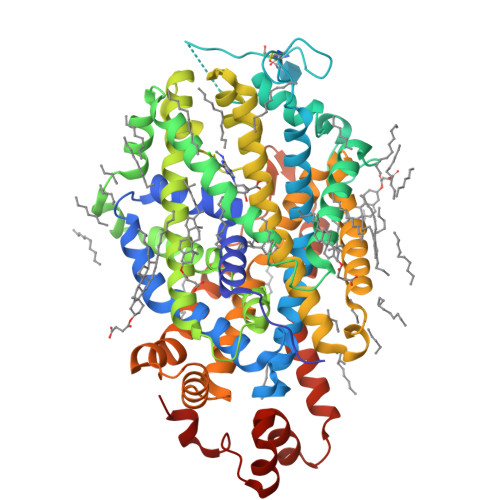
Click to view 3D structureSodium-dependent serotonin transporterP31652Rattus norvegicusPredicted (SEA)
Prediction Confidence Score
0.244
Applicability Domain
0.299 Low confidence
Statistical Significance
0.122
Supporting Reference Compounds
297
E-value
949.838
Click to view 3D structureSodium-dependent dopamine transporterP23977Rattus norvegicusPredicted (SEA)
Prediction Confidence Score
0.243
Applicability Domain
0.299 Low confidence
Statistical Significance
0.0824
Supporting Reference Compounds
203
E-value
641.633
Bcl-2-related protein A1 structureClick to view 3D structureBcl-2-related protein A1Q16548HumansPredicted (SEA)
Prediction Confidence Score
0.242
Applicability Domain
0.297 Low confidence
Statistical Significance
0.0049
Supporting Reference Compounds
21
E-value
37.9126
Sodium-dependent dopamine transporter structureClick to view 3D structureSodium-dependent dopamine transporterQ01959HumansPredicted (SEA)
Prediction Confidence Score
0.241
Applicability Domain
0.275 Low confidence
Statistical Significance
0.2485
Supporting Reference Compounds
506
E-value
1934.79
Cytochrome P450 2C9 structureClick to view 3D structureCytochrome P450 2C9P11712HumansPredicted (SEA)
Prediction Confidence Score
0.241
Applicability Domain
0.294 Low confidence
Statistical Significance
0.615
Supporting Reference Compounds
1245
E-value
4787.42
Vascular endothelial growth factor receptor 2 structureClick to view 3D structureVascular endothelial growth factor receptor 2P35968HumansPredicted (SEA)
Prediction Confidence Score
0.241
Applicability Domain
0.256 Low confidence
Statistical Significance
0.531
Supporting Reference Compounds
1660
E-value
4133.79
RAC-alpha serine/threonine-protein kinase structureClick to view 3D structureRAC-alpha serine/threonine-protein kinaseP31749HumansPredicted (SEA)
Prediction Confidence Score
0.239
Applicability Domain
0.256 Low confidence
Statistical Significance
0.4235
Supporting Reference Compounds
797
E-value
3296.99
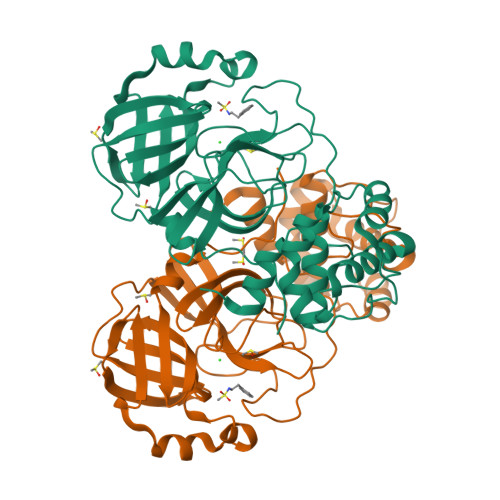
Replicase polyprotein 1ab structureClick to view 3D structureReplicase polyprotein 1abP0DTD1SARS-CoV-2Predicted (SEA)
Prediction Confidence Score
0.238
Applicability Domain
0.297 Low confidence
Statistical Significance
0.092
Supporting Reference Compounds
215
E-value
716.446
Sodium-dependent serotonin transporter structureClick to view 3D structureSodium-dependent serotonin transporterP31645HumansPredicted (SEA)
Prediction Confidence Score
0.238
Applicability Domain
0.275 Low confidence
Statistical Significance
0.2813
Supporting Reference Compounds
593
E-value
2190.29
Click to view 3D structureDelta-type opioid receptorP33533Rattus norvegicusPredicted (SEA)
Prediction Confidence Score
0.238
Applicability Domain
0.25 Low confidence
Statistical Significance
0.0957
Supporting Reference Compounds
164
E-value
745.328
Click to view 3D structureKappa-type opioid receptorP33534Mus musculusPredicted (SEA)
Prediction Confidence Score
0.237
Applicability Domain
0.25 Low confidence
Statistical Significance
0.0427
Supporting Reference Compounds
61
E-value
332.183
Concentrations
Not Available
External Links
DrugBank IDNot Available
HMDB IDNot Available
FooDB IDNot Available
Phenol Explorer IDNot Available
KNApSAcK IDNot Available
BiGG IDNot Available
BioCyc IDNot Available
METLIN IDNot Available
PDB IDNot Available
Wikipedia LinkNot Available
Chemspider IDNot Available
ChEBI ID63927
PubChem Compound ID5851439
Kegg Compound IDNot Available
YMDB IDNot Available
ECMDB IDNot Available
References
Synthesis ReferenceNot Available
MSDSNot Available
General ReferencesNot Available