 Click to view 3D structure | Cytochrome P450 1A2 | P05177 | Humans | Predicted (SEA) | - Prediction Confidence Score
- 0.301
- Applicability Domain
- 0.457
- Statistical Significance
- 0.0708
- Supporting Reference Compounds
- 793
- E-value
- 551.25
|
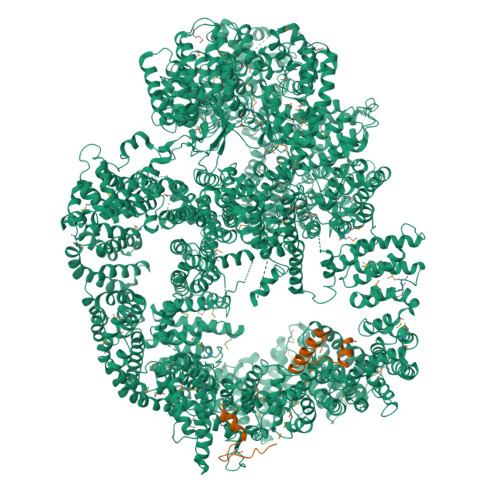 Click to view 3D structure | DNA-dependent protein kinase catalytic subunit | P78527 | Humans | Predicted (SEA) | - Prediction Confidence Score
- 0.281
- Applicability Domain
- 0.346
- Statistical Significance
- 0.0228
- Supporting Reference Compounds
- 219
- E-value
- 177.885
|
 Click to view 3D structure | Carboxylic ester hydrolase | A0A286ZKB1 | Sus scrofa | Predicted (SEA) | - Prediction Confidence Score
- 0.281
- Applicability Domain
- 0.346
- Statistical Significance
- 6.50e-04
- Supporting Reference Compounds
- 9
- E-value
- 5.0602
|
 Click to view 3D structure | Toll-like receptor 9 | Q9NR96 | Humans | Predicted (SEA) | - Prediction Confidence Score
- 0.272
- Applicability Domain
- 0.326
- Statistical Significance
- 0.01
- Supporting Reference Compounds
- 111
- E-value
- 78.2385
|
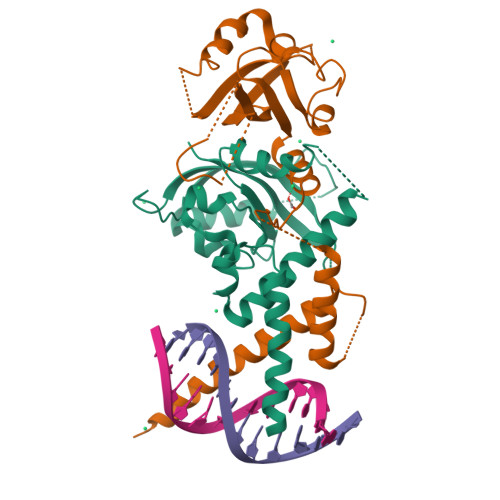 Click to view 3D structure | Aryl hydrocarbon receptor | P35869 | Humans | Predicted (SEA) | - Prediction Confidence Score
- 0.266
- Applicability Domain
- 0.457
- Statistical Significance
- 0.0046
- Supporting Reference Compounds
- 42
- E-value
- 35.8106
|
| Click to view 3D structure | Heat shock factor protein 1 | P38532 | Mus musculus | Predicted (SEA) | - Prediction Confidence Score
- 0.265
- Applicability Domain
- 0.326
- Statistical Significance
- 0.0365
- Supporting Reference Compounds
- 166
- E-value
- 284.461
|
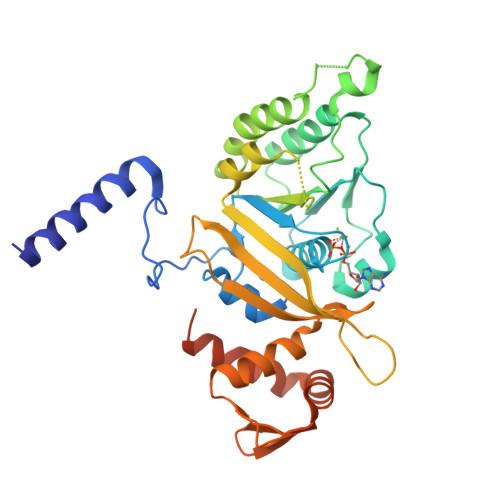 Click to view 3D structure | Protein RecA | P9WHJ3 | Mycobacterium tuberculosis | Predicted (SEA) | - Prediction Confidence Score
- 0.265
- Applicability Domain
- 0.326
- Statistical Significance
- 0.0517
- Supporting Reference Compounds
- 296
- E-value
- 402.87
|
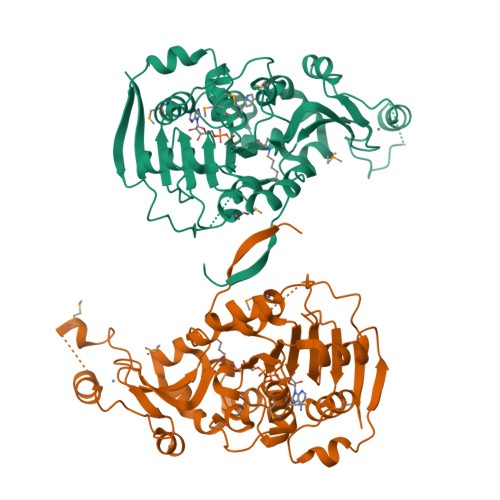 Click to view 3D structure | NAD-dependent histone deacetylase SIR2 | P06700 | Saccharomyces cerevisiae S288c | Predicted (SEA) | - Prediction Confidence Score
- 0.263
- Applicability Domain
- 0.263 Low confidence
- Statistical Significance
- 3.20e-04
- Supporting Reference Compounds
- 1
- E-value
- 2.49118
|
| Click to view 3D structure | Trans-cinnamate 4-monooxygenase | Q04468 | Helianthus tuberosus | Predicted (SEA) | - Prediction Confidence Score
- 0.262
- Applicability Domain
- 0.262 Low confidence
- Statistical Significance
- 0.0017
- Supporting Reference Compounds
- 1
- E-value
- 13.1565
|
 Click to view 3D structure | Amine oxidase [flavin-containing] A | P21397 | Humans | Predicted (SEA) | - Prediction Confidence Score
- 0.253
- Applicability Domain
- 0.457
- Statistical Significance
- 0.0803
- Supporting Reference Compounds
- 241
- E-value
- 624.818
|
| Click to view 3D structure | ATP-dependent molecular chaperone HSP82 | C4YTQ8 | Candida albicans (strain WO-1) (Yeast) | Predicted (SEA) | - Prediction Confidence Score
- 0.252
- Applicability Domain
- 0.283 Low confidence
- Statistical Significance
- 0.0609
- Supporting Reference Compounds
- 205
- E-value
- 474.491
|
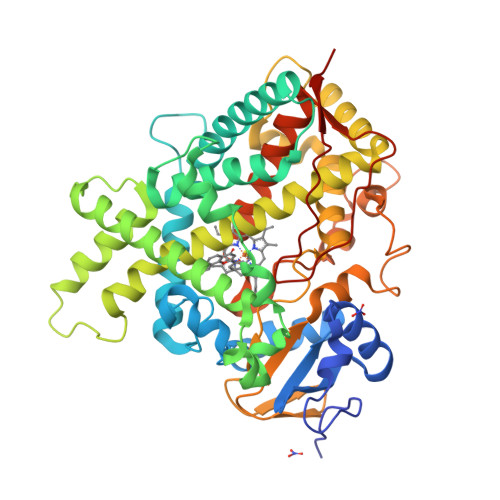 Click to view 3D structure | Cytochrome P450 1A1 | P04798 | Humans | Predicted (SEA) | - Prediction Confidence Score
- 0.245
- Applicability Domain
- 0.25 Low confidence
- Statistical Significance
- 0.0254
- Supporting Reference Compounds
- 77
- E-value
- 197.503
|
 Click to view 3D structure | Glycogen synthase kinase-3 beta | P49841 | Humans | Predicted (SEA) | - Prediction Confidence Score
- 0.243
- Applicability Domain
- 0.275 Low confidence
- Statistical Significance
- 0.4725
- Supporting Reference Compounds
- 1157
- E-value
- 3678.45
|
 Click to view 3D structure | Cytochrome P450 1B1 | Q16678 | Humans | Predicted (SEA) | - Prediction Confidence Score
- 0.241
- Applicability Domain
- 0.25 Low confidence
- Statistical Significance
- 0.0358
- Supporting Reference Compounds
- 88
- E-value
- 279.089
|
 Click to view 3D structure | Xanthine dehydrogenase/oxidase | P80457 | Bos taurus | Predicted (SEA) | - Prediction Confidence Score
- 0.239
- Applicability Domain
- 0.333
- Statistical Significance
- 0.0081
- Supporting Reference Compounds
- 29
- E-value
- 63.4471
|
 Click to view 3D structure | Endolysin | P00720 | Enterobacteria phage T4 | Predicted (SEA) | - Prediction Confidence Score
- 0.237
- Applicability Domain
- 0.237 Low confidence
- Statistical Significance
- 0.0045
- Supporting Reference Compounds
- 1
- E-value
- 35.3435
|
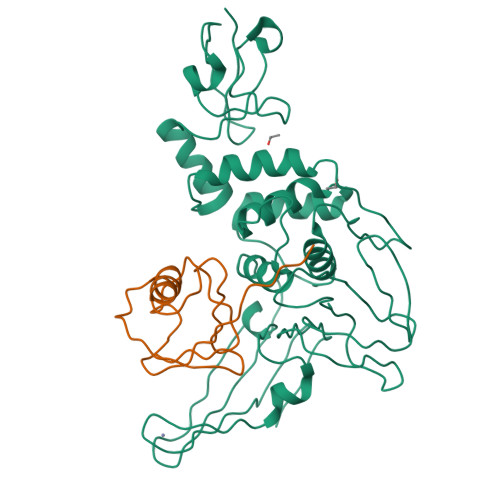 Click to view 3D structure | Replicase polyprotein 1ab | K9N7C7 | Middle East respiratory syndrome-related coronavirus (isolate United Kingdom/H123990006/2012) | Predicted (SEA) | - Prediction Confidence Score
- 0.237
- Applicability Domain
- 0.308
- Statistical Significance
- 0.0047
- Supporting Reference Compounds
- 48
- E-value
- 36.9784
|
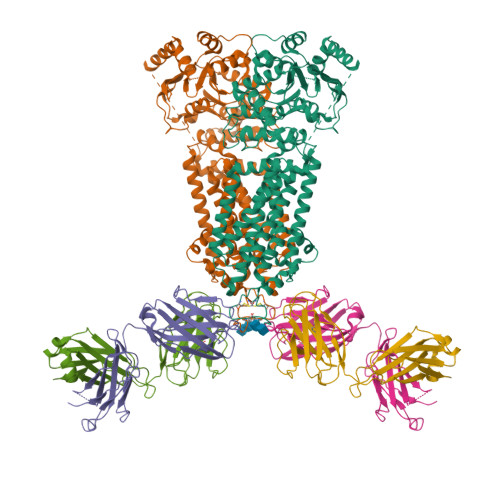 Click to view 3D structure | Broad substrate specificity ATP-binding cassette transporter ABCG2 | Q9UNQ0 | Humans | Predicted (SEA) | - Prediction Confidence Score
- 0.235
- Applicability Domain
- 0.25 Low confidence
- Statistical Significance
- 0.1228
- Supporting Reference Compounds
- 126
- E-value
- 956.3
|
 Click to view 3D structure | Arylsulfatase | P51691 | Pseudomonas aeruginosa (strain ATCC 15692 / PAO1 / 1C / PRS 101 / LMG 12228) | Predicted (SEA) | - Prediction Confidence Score
- 0.234
- Applicability Domain
- 0.234 Low confidence
- Statistical Significance
- 0.0041
- Supporting Reference Compounds
- 1
- E-value
- 32.0739
|
 Click to view 3D structure | Type-1 angiotensin II receptor | P30556 | Humans | Predicted (SEA) | - Prediction Confidence Score
- 0.233
- Applicability Domain
- 0.306
- Statistical Significance
- 0.1319
- Supporting Reference Compounds
- 141
- E-value
- 1026.91
|
 Click to view 3D structure | Genome polyprotein | P29990 | dengue virus type 2 | Predicted (SEA) | - Prediction Confidence Score
- 0.232
- Applicability Domain
- 0.298 Low confidence
- Statistical Significance
- 0.0503
- Supporting Reference Compounds
- 58
- E-value
- 391.348
|
 Click to view 3D structure | ATP phosphoribosyltransferase | P9WMN1 | Mycobacterium tuberculosis | Predicted (SEA) | - Prediction Confidence Score
- 0.232
- Applicability Domain
- 0.295 Low confidence
- Statistical Significance
- 0.0021
- Supporting Reference Compounds
- 2
- E-value
- 16.1926
|
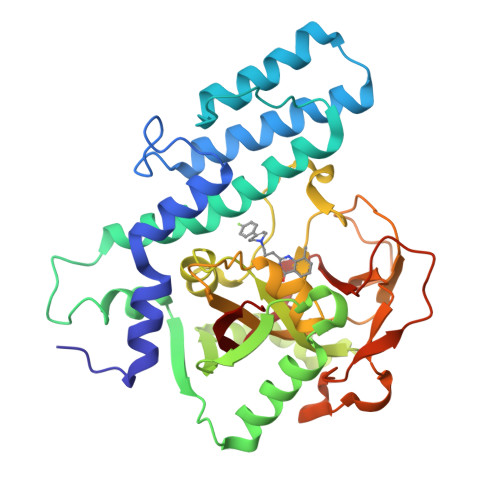 Click to view 3D structure | Poly [ADP-ribose] polymerase 1 | P09874 | Humans | Predicted (SEA) | - Prediction Confidence Score
- 0.232
- Applicability Domain
- 0.28 Low confidence
- Statistical Significance
- 0.1185
- Supporting Reference Compounds
- 146
- E-value
- 922.202
|
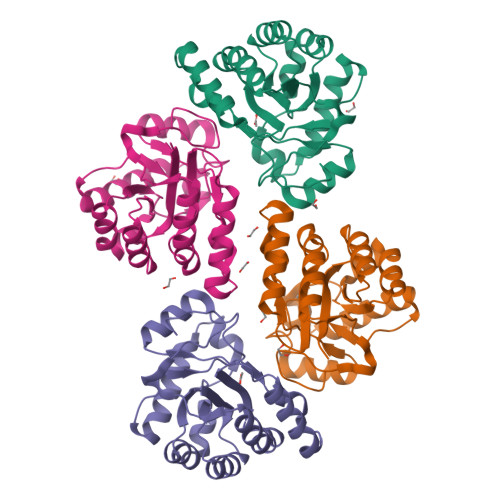 Click to view 3D structure | Peptidoglycan-N-acetylglucosamine deacetylase BC_1974 | Q81EJ6 | Bacillus cereus (strain ATCC 14579 / DSM 31 / JCM 2152 / NBRC 15305 /NCIMB 9373 / NRRL B-3711) | Predicted (SEA) | - Prediction Confidence Score
- 0.229
- Applicability Domain
- 0.229 Low confidence
- Statistical Significance
- 0.0138
- Supporting Reference Compounds
- 1
- E-value
- 107.51
|
 Click to view 3D structure | Poly [ADP-ribose] polymerase tankyrase-2 | Q9H2K2 | Humans | Predicted (SEA) | - Prediction Confidence Score
- 0.228
- Applicability Domain
- 0.28 Low confidence
- Statistical Significance
- 0.0644
- Supporting Reference Compounds
- 90
- E-value
- 501.738
|


