Dicyclohexylamine (CED0011701)

Record Information
Version1.0
Creation Date2016-05-19 02:56:20 UTC
Update Date2026-08-18 20:47:03 UTC
SynCED IDCED0011701
Secondary Accession Numbers
  • CHEM008993
Identification
Common NameDicyclohexylamine
ClassSmall Molecule
Description
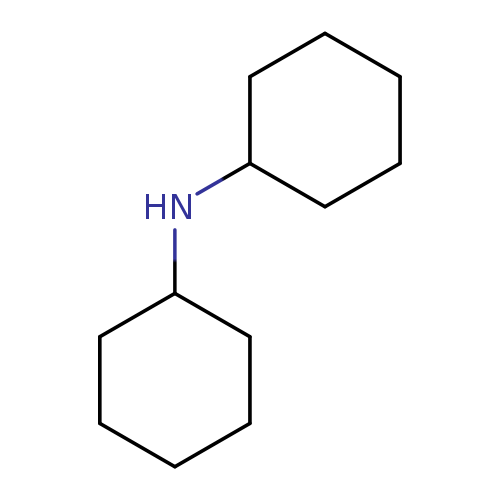
Dicyclohexylamine is an organic nitrogen compound with the chemical formula $\text{C}_{12}\text{H}_{23}\text{N}$ and an average molecular weight of 181.32 g/mol. Dicyclohexylamine belongs to the cyclohexylamines, a subclass of organonitrogen compounds within the organic compounds. This compound has been identified in or released from 22 recorded sources across various sectors. Within electrical and electronic equipment, it is associated with batteries, capacitors, printed circuit boards, wires and cables, and cell phones, among four other sources. In the category of household cleaning and consumer products, it is found in soap detergents, perfumes within detergents and soaps, and cigar cigarettes. Its presence in food, food processing, and cookware includes fermentation processes for beer and food packaging. Additionally, it is found in textiles, leather, and furnishings, specifically in carpets, rugs, and synthetic textiles. Environmental and utility sources include indoor air and drinking water and water supply, along with four other sectors. Recorded routes of exposure for dicyclohexylamine include oral, inhalation, and touch.
Contaminant Type
  • PFAS
Chemical Structure
Synonyms
ValueSource
N-CyclohexylcyclohexanamineKegg
Cyclohexanamine, N-cyclohexyl-, sulfate (1:1)MeSH
Dicyclohexylamine hydrochlorideMeSH
Dicyclohexylamine nitrateMeSH
Dicyclohexylamine nitriteMeSH
Dicyclohexylamine phosphate (3:1)MeSH
Dicyclohexylamine sulfateMeSH
Dicyclohexylamine sulfate (1:1)MeSH
DicyclohexylammoniumMeSH
Chemical FormulaC12H23N
Average Molecular Mass181.318 g/mol
Monoisotopic Mass181.183 g/mol
CAS Registry Number101-83-7
IUPAC NameN-cyclohexylcyclohexanamine
Traditional Namedicha
SMILESC1CCC(CC1)NC1CCCCC1
InChI IdentifierInChI=1S/C12H23N/c1-3-7-11(8-4-1)13-12-9-5-2-6-10-12/h11-13H,1-10H2
InChI KeyXBPCUCUWBYBCDP-UHFFFAOYSA-N
Chemical Taxonomy
Description Belongs to the class of organic compounds known as cyclohexylamines. These are organic compounds containing a cyclohexylamine moiety, which consist of a cyclohexane ring attached to an amine group.
KingdomOrganic compounds
Super ClassOrganic nitrogen compounds
ClassOrganonitrogen compounds
Sub ClassCyclohexylamines
Direct ParentCyclohexylamines
Alternative Parents
Substituents
  • Cyclohexylamine
  • Secondary amine
  • Secondary aliphatic amine
  • Organopnictogen compound
  • Hydrocarbon derivative
  • Amine
  • Aliphatic homomonocyclic compound
Molecular FrameworkAliphatic homomonocyclic compounds
External Descriptors
Biological Properties
StatusDetected and Not Quantified
OriginNot Available
Cellular LocationsNot Available
Biofluid LocationsNot Available
Tissue LocationsNot Available
ApplicationsNot Available
Biological RolesNot Available
Chemical RolesNot Available
Organoleptic EffectsNot Available
Physical Properties
StateNot Available
AppearanceNot Available
Experimental Properties
PropertyValue
Melting PointNot Available
Boiling PointNot Available
SolubilityNot Available
Predicted Properties
PropertyValueSource
Water Solubility0.0098 g/LALOGPS
logP4.16ALOGPS
logP3.41ChemAxon
logS-4.3ALOGPS
pKa (Strongest Basic)11.12ChemAxon
Physiological Charge1ChemAxon
Hydrogen Acceptor Count1ChemAxon
Hydrogen Donor Count1ChemAxon
Polar Surface Area12.03 ŲChemAxon
Rotatable Bond Count2ChemAxon
Refractivity56.72 m³·mol⁻¹ChemAxon
Polarizability23.42 ųChemAxon
Number of Rings2ChemAxon
BioavailabilityYesChemAxon
Rule of FiveYesChemAxon
Ghose FilterYesChemAxon
Veber's RuleYesChemAxon
MDDR-like RuleNoChemAxon
Spectra
Spectra
Spectrum TypeDescriptionSplash KeyDeposition DateView
Predicted GC-MSPredicted GC-MS Spectrumsplash10-001r-7900000000-1722741651fa1a197789Not AvailableView Spectrum
Predicted GC-MSPredicted GC-MS SpectrumNot AvailableNot AvailableView Spectrum
Predicted LC-MS/MSPredicted LC-MS/MS Spectrumsplash10-001i-1900000000-4938d59c90786c6925fbNot AvailableView Spectrum
Predicted LC-MS/MSPredicted LC-MS/MS Spectrumsplash10-001i-6900000000-e62b97bb9ee22b58f108Not AvailableView Spectrum
Predicted LC-MS/MSPredicted LC-MS/MS Spectrumsplash10-001l-9100000000-05c6595ed898ec87e285Not AvailableView Spectrum
Predicted LC-MS/MSPredicted LC-MS/MS Spectrumsplash10-001i-0900000000-eb2228acb39d9c9eebdbNot AvailableView Spectrum
Predicted LC-MS/MSPredicted LC-MS/MS Spectrumsplash10-001i-1900000000-55f40e2e81ac2f31b2b0Not AvailableView Spectrum
Predicted LC-MS/MSPredicted LC-MS/MS Spectrumsplash10-000t-9400000000-f7a3ca78803b343d3eccNot AvailableView Spectrum
Predicted LC-MS/MSPredicted LC-MS/MS Spectrumsplash10-001i-0900000000-ac8ad0faca347c227fc9Not AvailableView Spectrum
Predicted LC-MS/MSPredicted LC-MS/MS Spectrumsplash10-001j-9300000000-ecb0969d9244471e1f8fNot AvailableView Spectrum
Predicted LC-MS/MSPredicted LC-MS/MS Spectrumsplash10-053r-9100000000-24ebc31d6c628a8e91d4Not AvailableView Spectrum
Predicted LC-MS/MSPredicted LC-MS/MS Spectrumsplash10-001i-0900000000-01055865ae43f25c83dbNot AvailableView Spectrum
Predicted LC-MS/MSPredicted LC-MS/MS Spectrumsplash10-001i-0900000000-93251987437f5d4dd60dNot AvailableView Spectrum
Predicted LC-MS/MSPredicted LC-MS/MS Spectrumsplash10-0002-9000000000-8eaf71d76d422f759cb5Not AvailableView Spectrum
MSMS Spectrumsplash10-000i-8900000000-ab8b6f8f2c6611dd497fNot AvailableView Spectrum
Toxicity Profile
Toxicity Values
Toxicity ValueOrganismDose DescriptorRoute of ExposurePredicted or ExperimentalToxicity RatingReference
251.0 Log mg/kg [140:450]RatLD50oralpredictedNot AvailableNot Available
Toxicity / Toxin ClassNot Available
Mechanism of ToxicityNot Available
Carcinogenicity (IARC Classification)Not Available
Minimum Risk LevelNot Available
SymptomsNot Available
TreatmentNot Available
Health Effects
Health EffectRelationshipDirectionDescriptionReference
Exposure Sources
Source IDSourceSectorReference
CEDs000007Pesticides?Pesticides are synthetic chemicals designed to prevent, destroy, or control pests that threaten crops and agricultural productivity.Agriculture & land managementNot Available
CEDs000019Indoor air?Indoor air can be a significant reservoir for synthetic chemical contaminants, which often originate from various sources within enclosed environments.Air, dust & atmospheric transportNot Available
CEDs000115Drinking water?Drinking water can be a medium for synthetic chemical contamination, often originating from various industrial processes and agricultural practices.Drinking water & water supplyNot Available
CEDs000120Wires and cables?Wires and cables are integral components in the transmission of electrical power and signals.Electrical & Electronic EquipmentNot Available
CEDs000121Printed circuit boards?Printed circuit boards (PCBs) are essential components in the manufacturing of electronic devices, serving as the backbone for electrical connections and circuit pathways.Electrical & Electronic EquipmentNot Available
CEDs000125Batteries?Batteries are devices that store and release electrical energy through electrochemical reactions.Electrical & Electronic EquipmentNot Available
CEDs000130Semiconductors?Semiconductors are materials that possess electrical conductivity between that of conductors and insulators, making them essential for various electronic applications, including transistors, diodes, and integrated circuits.Electrical & Electronic EquipmentNot Available
CEDs000138Lubricants?Lubricants are synthetic or petroleum-derived substances used to reduce friction between surfaces in machinery and equipment, enhancing operational efficiency and longevity.Energy, oil & gasNot Available
CEDs000147Food packaging?Food packaging often utilizes synthetic chemicals, such as plastics and coatings, to enhance durability, moisture resistance, and shelf life.Food, food processing & cookwareNot Available
CEDs000174Lubricants?Lubricants are synthetic or petroleum-based substances used to reduce friction and wear between moving parts in machinery and equipment.Industrial manufacturing & chemical processingNot Available
CEDs000234Medical devices?Medical devices often incorporate synthetic chemicals in their manufacturing processes, which can contribute to contamination in healthcare settings.Healthcare, pharmaceuticals & veterinary productsNot Available
CEDs000451Carpets and Rugs?Carpets and rugs are commonly manufactured using synthetic fibers such as nylon, polyester, and polypropylene, which can be derived from petrochemical sources.Textiles, leather & furnishingsNot Available
CEDs000454Synthetic textiles?Synthetic textiles are materials derived from man-made fibers, such as polyester, nylon, and acrylic, which are produced through chemical processes involving petrochemicals.Textiles, leather & furnishingsNot Available
CEDs000490Personal care & cosmeticsNot Available
CEDs000492Cell phones?Cell phones contain a variety of synthetic chemicals and materials, including plastics, metals, and glass, which can contribute to environmental contamination.Electrical & Electronic EquipmentNot Available
CEDs000493Capacitors?Capacitors are electronic components that store and release electrical energy, often using dielectric materials that can include synthetic chemicals.Electrical & Electronic EquipmentNot Available
CEDs000511Conductors Or Conductive Bodies Characterised By The Conductive Materials?Conductors, or conductive bodies, are materials that allow the flow of electrical current, typically made from metals such as copper, aluminum, or silver.Electrical & Electronic EquipmentPubChem
CEDs000519Electrodes?Electrodes, used in various electrical and electronic applications, can be a source of synthetic chemical contamination due to the materials from which they are constructed and the processes involved in their manufacturing.Electrical & Electronic EquipmentPubChem
CEDs000521Fixed Capacitors And Their Manufacture?Fixed capacitors are passive electronic components used to store and release electrical energy, playing a critical role in various circuits.Electrical & Electronic EquipmentPubChem
CEDs000544Fermentation Processes For Beer?Fermentation processes for beer involve the conversion of sugars into alcohol and carbon dioxide by yeast.Food, food processing & cookwarePubChem
CEDs000556Cigar Cigarettes?Cigar cigarettes are a source of synthetic chemical contamination due to the combustion of various tobacco blends and additives.Household cleaning & consumer productsPubChem
CEDs000561Perfumes Within Detergents And Soaps?Perfumes within detergents and soaps are synthetic fragrance compounds added to enhance the sensory experience of cleaning products.Household cleaning & consumer productsPubChem
CEDs000563Soap Detergents?Soap detergents are synthetic surfactants designed to enhance the cleaning efficacy of water by reducing surface tension, allowing for better interaction with dirt and grease.Household cleaning & consumer productsPubChem
CEDs000580Manufacture Preparation Of Tobacco Products?The manufacture and preparation of tobacco products involve various processes that can result in the introduction of synthetic chemicals into the environment.Industrial manufacturing & chemical processingPubChem
CEDs000603Nematocides?Nematocides are synthetic chemicals specifically designed to control nematodes, which are microscopic roundworms that can cause significant damage to crops and plants.Agriculture & land managementPubChem
CEDs000606Plant Growth Regulators?Plant Growth Regulators (PGRs) are synthetic chemicals designed to influence the growth and development of plants.Agriculture & land managementPubChem
CEDs000610Aftersun Products?Aftersun products are designed to soothe and hydrate the skin after sun exposure, often containing various synthetic chemicals such as emollients, preservatives, and fragrances.Personal care & cosmeticsPubChem
CEDs000611Anti Perspirants Or Body Deoderants?Antiperspirants and body deodorants commonly contain synthetic chemicals such as aluminum compounds, parabens, and synthetic fragrances.Personal care & cosmeticsPubChem
CEDs000616Face Mask Cosmetics?Face mask cosmetics often contain a variety of synthetic chemicals, including preservatives, emulsifiers, and fragrances, which can contribute to chemical contamination.Personal care & cosmeticsPubChem
CEDs000632Apparel?Apparel production often involves the use of various synthetic chemicals, including dyes, finishing agents, and preservatives.Textiles, leather & furnishingsPubChem
CEDs000642Footwear?Footwear production often involves the use of various synthetic chemicals, such as adhesives, dyes, and treatments, which can contribute to environmental contamination.Textiles, leather & furnishingsPubChem
CEDs000652Ropes?Ropes manufactured from synthetic fibers, such as polypropylene, nylon, and polyester, are widely used in various applications, including marine, construction, and outdoor activities.Textiles, leather & furnishingsPubChem
CEDs000678Nitrogenous Fertilisers?Nitrogenous fertilizers are synthetic chemical compounds primarily used to enhance plant growth by supplying essential nitrogen, a crucial nutrient for photosynthesis and protein synthesis.Agriculture & land managementPubChem
CEDs000684Cements?Cements are a composite material primarily used as a binding agent in construction applications, formed by the calcination of limestone and clay minerals at high temperatures.Building & ConstructionPubChem
CEDs000685Ceramics?Ceramics can be a source of synthetic chemical contamination through various additives and processing agents used in their production.Building & ConstructionPubChem
CEDs000686Clay Wares?Clay wares are ceramic products made from natural clay, often utilized in various construction applications such as tiles, bricks, and sanitary ware.Building & ConstructionPubChem
CEDs000688Glass Coatings?Glass coatings are synthetic chemical formulations applied to glass surfaces to enhance properties such as durability, UV resistance, and aesthetic appeal.Building & ConstructionPubChem
CEDs000696Nanotechnology?Nanotechnology involves the manipulation of materials at the molecular or atomic level, typically within the range of 1 to 100 nanometers.Industrial manufacturing & chemical processingPubChem
CEDs000734Coating Compositions?Coating compositions, which include paints, sealants, and varnishes, are formulated with a variety of synthetic chemicals such as solvents, resins, pigments, and additives.Building & ConstructionPubChem
CEDs000735Explosives?Explosives are chemical compounds or mixtures designed to undergo rapid decomposition, releasing energy in the form of gas and heat.Defense & military infrastructurePubChem
CEDs000739Inks?Inks are complex mixtures composed of pigments or dyes, solvents, resins, and additives used primarily for printing and writing applications.Paper, pulp & fiber productsPubChem
CEDs000740Paper?Paper production involves the processing of wood fibers and the use of various chemicals, which can lead to synthetic chemical contamination.Paper, pulp & fiber productsPubChem
CEDs000744Water, Wastewater, & Sewage Treatment?Water, wastewater, and sewage treatment processes are critical for managing and mitigating pollutants in water systems.Wastewater, sanitation & biosolidsPubChem
CEDs03009Waste WaterWastewater, sanitation & biosolidsPMC8204317
CEDs03334Roadway RunoffAutomotive & urban infrastructurePMC8204317 , PMC8204317
Pathways
0 pathwaysPathway Source: PathBank

No pathways found

No metabolic pathways have been associated with this synthetic chemical

Targets
StructureProteinUniProt IDOrganismRelationshipDetails
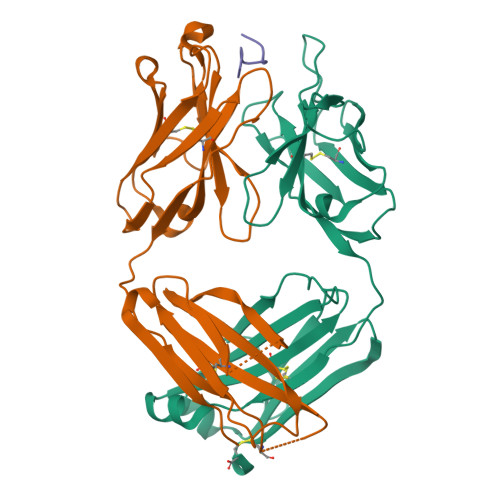
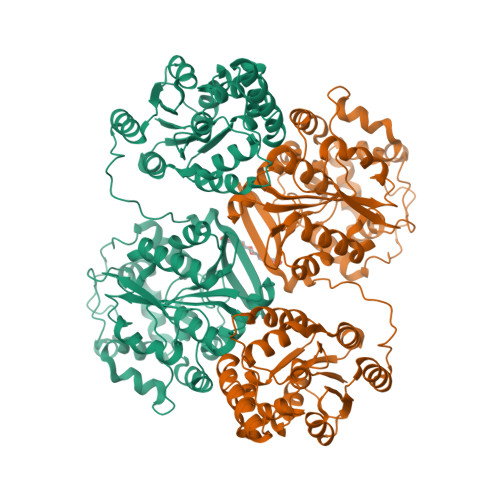
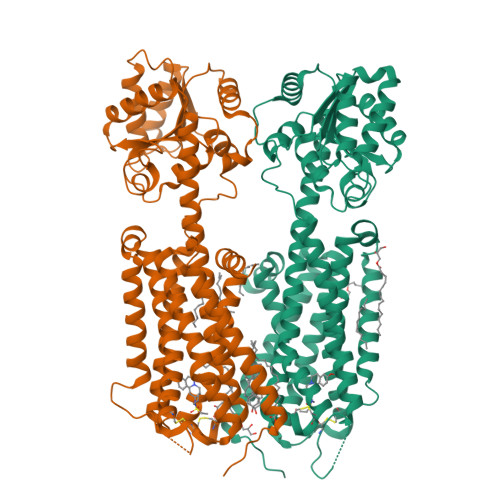
All-trans-retinol dehydrogenase [NAD(+)] ADH4 structureClick to view 3D structureAll-trans-retinol dehydrogenase [NAD(+)] ADH4P08319HumansPredicted (SEA)
Prediction Confidence Score
0.333
Applicability Domain
0.333
Statistical Significance
3.00e-05
Supporting Reference Compounds
1
E-value
0.233548
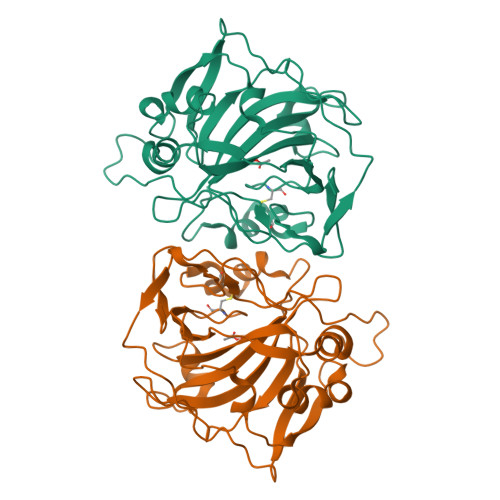
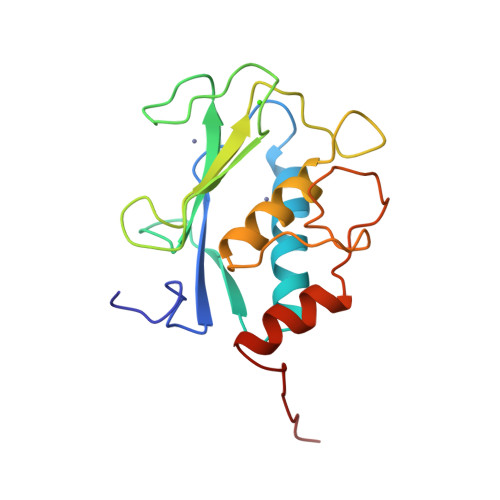
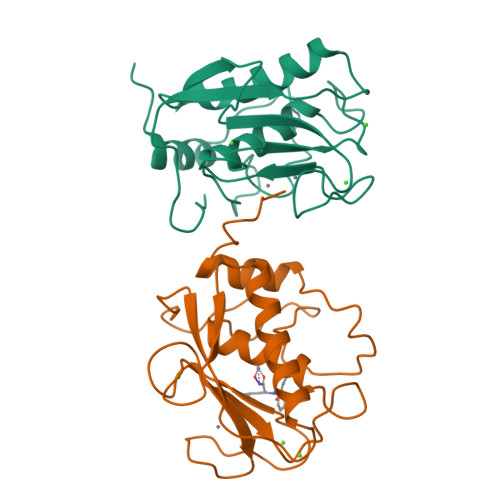
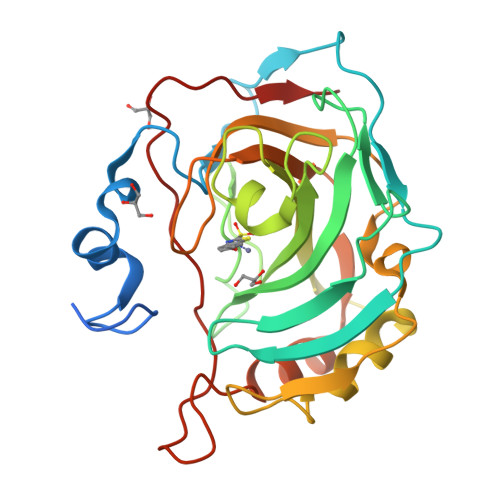
Carbonic anhydrase 2 structureClick to view 3D structureCarbonic anhydrase 2P00918HumansPredicted (SEA)
Prediction Confidence Score
0.277
Applicability Domain
0.36
Statistical Significance
0.0806
Supporting Reference Compounds
472
E-value
627.62
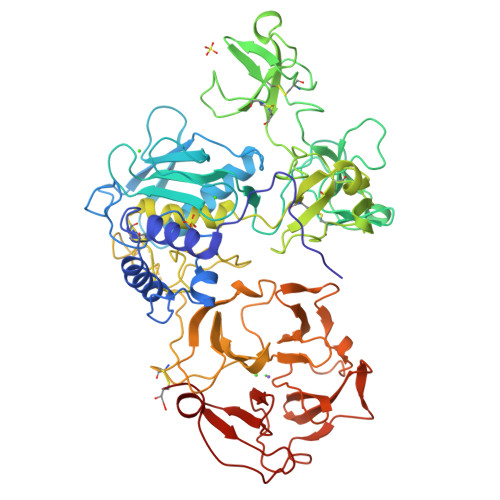
Carbonic anhydrase 1 structureClick to view 3D structureCarbonic anhydrase 1P00915HumansPredicted (SEA)
Prediction Confidence Score
0.277
Applicability Domain
0.36
Statistical Significance
0.0664
Supporting Reference Compounds
407
E-value
516.607
Carbonic anhydrase 9 structureClick to view 3D structureCarbonic anhydrase 9Q16790HumansPredicted (SEA)
Prediction Confidence Score
0.274
Applicability Domain
0.36
Statistical Significance
0.0671
Supporting Reference Compounds
372
E-value
522.213
Carbonic anhydrase 12 structureClick to view 3D structureCarbonic anhydrase 12O43570HumansPredicted (SEA)
Prediction Confidence Score
0.274
Applicability Domain
0.36
Statistical Significance
0.0594
Supporting Reference Compounds
332
E-value
462.58
72 kDa type IV collagenase structureClick to view 3D structure72 kDa type IV collagenaseP08253HumansPredicted (SEA)
Prediction Confidence Score
0.273
Applicability Domain
0.36
Statistical Significance
0.0827
Supporting Reference Compounds
400
E-value
643.891
Click to view 3D structureEpoxide hydrolase 1P07099HumansPredicted (SEA)
Prediction Confidence Score
0.271
Applicability Domain
0.29 Low confidence
Statistical Significance
0.0076
Supporting Reference Compounds
18
E-value
59.1654
Click to view 3D structureEpoxide hydrolase 1Q9D379Mus musculusPredicted (SEA)
Prediction Confidence Score
0.271
Applicability Domain
0.29 Low confidence
Statistical Significance
0.0028
Supporting Reference Compounds
8
E-value
21.5642
Bifunctional epoxide hydrolase 2 structureClick to view 3D structureBifunctional epoxide hydrolase 2P34913HumansPredicted (SEA)
Prediction Confidence Score
0.244
Applicability Domain
0.29 Low confidence
Statistical Significance
0.0993
Supporting Reference Compounds
93
E-value
772.731
Interstitial collagenase structureClick to view 3D structureInterstitial collagenaseP03956HumansPredicted (SEA)
Prediction Confidence Score
0.242
Applicability Domain
0.36
Statistical Significance
0.1482
Supporting Reference Compounds
258
E-value
1154.11
All-trans-retinol dehydrogenase [NAD(+)] ADH1B structureClick to view 3D structureAll-trans-retinol dehydrogenase [NAD(+)] ADH1BP00325HumansPredicted (SEA)
Prediction Confidence Score
0.234
Applicability Domain
0.4
Statistical Significance
2.00e-05
Supporting Reference Compounds
6
E-value
0.155698
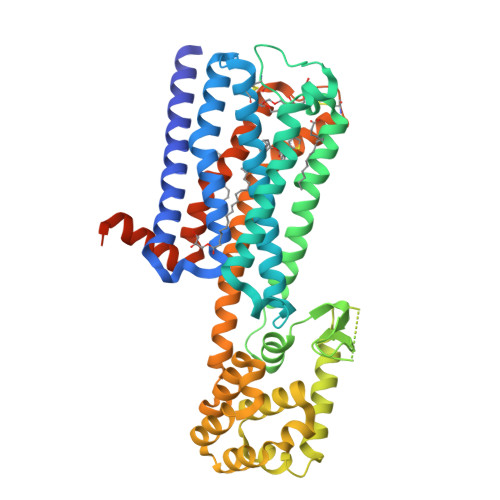
Muscarinic acetylcholine receptor M5 structureClick to view 3D structureMuscarinic acetylcholine receptor M5P08912HumansPredicted (SEA)
Prediction Confidence Score
0.223
Applicability Domain
0.25 Low confidence
Statistical Significance
0.2755
Supporting Reference Compounds
266
E-value
2145.06
Alcohol dehydrogenase 1A structureClick to view 3D structureAlcohol dehydrogenase 1AP07327HumansPredicted (SEA)
Prediction Confidence Score
0.222
Applicability Domain
0.4
Statistical Significance
1.50e-04
Supporting Reference Compounds
8
E-value
1.16774
Stromelysin-1 structureClick to view 3D structureStromelysin-1P08254HumansPredicted (SEA)
Prediction Confidence Score
0.219
Applicability Domain
0.36
Statistical Significance
0.2584
Supporting Reference Compounds
200
E-value
2011.31
Click to view 3D structureSigma non-opioid intracellular receptor 1Q9R0C9Rattus norvegicusPredicted (SEA)
Prediction Confidence Score
0.206
Applicability Domain
0.25 Low confidence
Statistical Significance
0.2922
Supporting Reference Compounds
207
E-value
2274.75
Muscarinic acetylcholine receptor M4 structureClick to view 3D structureMuscarinic acetylcholine receptor M4P08173HumansPredicted (SEA)
Prediction Confidence Score
0.202
Applicability Domain
0.25 Low confidence
Statistical Significance
0.5447
Supporting Reference Compounds
297
E-value
4240.37
Epidermal growth factor receptor structureClick to view 3D structureEpidermal growth factor receptorP00533HumansPredicted (SEA)
Prediction Confidence Score
0.196
Applicability Domain
0.241 Low confidence
Statistical Significance
0.9138
Supporting Reference Compounds
1301
E-value
7113.94
Camphor 5-monooxygenase structureClick to view 3D structureCamphor 5-monooxygenaseP00183Pseudomonas putidaPredicted (SEA)
Prediction Confidence Score
0.194
Applicability Domain
0.194 Low confidence
Statistical Significance
0.0036
Supporting Reference Compounds
1
E-value
28.415
Alpha-2C adrenergic receptor structureClick to view 3D structureAlpha-2C adrenergic receptorP18825HumansPredicted (SEA)
Prediction Confidence Score
0.193
Applicability Domain
0.25 Low confidence
Statistical Significance
0.7032
Supporting Reference Compounds
386
E-value
5474.75
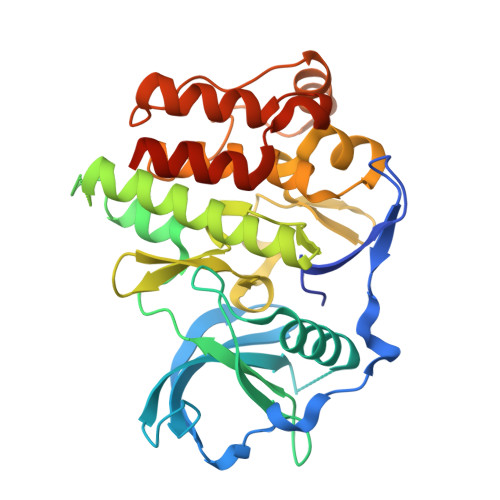
Tyrosine-protein kinase Fyn structureClick to view 3D structureTyrosine-protein kinase FynP06241HumansPredicted (SEA)
Prediction Confidence Score
0.19
Applicability Domain
0.241 Low confidence
Statistical Significance
0.8919
Supporting Reference Compounds
707
E-value
6943.76
Carbonic anhydrase 7 structureClick to view 3D structureCarbonic anhydrase 7P43166HumansPredicted (SEA)
Prediction Confidence Score
0.189
Applicability Domain
0.214 Low confidence
Statistical Significance
0.5477
Supporting Reference Compounds
242
E-value
4263.96
Click to view 3D structureFatty-acid amide hydrolase 1O00519HumansPredicted (SEA)
Prediction Confidence Score
0.189
Applicability Domain
0.243 Low confidence
Statistical Significance
0.5612
Supporting Reference Compounds
106
E-value
4368.82
Glycogen synthase kinase-3 beta structureClick to view 3D structureGlycogen synthase kinase-3 betaP49841HumansPredicted (SEA)
Prediction Confidence Score
0.188
Applicability Domain
0.2 Low confidence
Statistical Significance
0.9391
Supporting Reference Compounds
1157
E-value
7310.59
Serine/threonine-protein kinase pim-1 structureClick to view 3D structureSerine/threonine-protein kinase pim-1P11309HumansPredicted (SEA)
Prediction Confidence Score
0.188
Applicability Domain
0.2 Low confidence
Statistical Significance
0.92
Supporting Reference Compounds
967
E-value
7162.13
Receptor-type tyrosine-protein kinase FLT3 structureClick to view 3D structureReceptor-type tyrosine-protein kinase FLT3P36888HumansPredicted (SEA)
Prediction Confidence Score
0.187
Applicability Domain
0.2 Low confidence
Statistical Significance
0.9314
Supporting Reference Compounds
1274
E-value
7250.8
Concentrations
Not Available
External Links
DrugBank IDNot Available
HMDB IDHMDB0251214
FooDB IDNot Available
Phenol Explorer IDNot Available
KNApSAcK IDNot Available
BiGG IDNot Available
BioCyc IDNot Available
METLIN IDNot Available
PDB IDNot Available
Wikipedia LinkNot Available
Chemspider ID7301
ChEBI IDNot Available
PubChem Compound ID7582
Kegg Compound IDC14686
YMDB IDNot Available
ECMDB IDECMDB20446
References
Synthesis ReferenceNot Available
MSDSNot Available
General ReferencesNot Available