Some data may have been extracted from scientific literature using a pipeline that uses large language models (LLMs). Source articles are cited where applicable to help verify the extracted relationships.
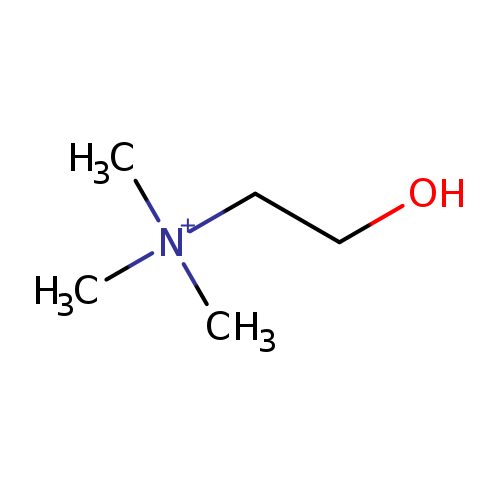
Ethanaminium, 2-hydroxy-N,N,N-trimethyl-, hydroxide is an organic nitrogen compound with the formula C5H14NO and an average molecular weight of 104.17 g/mol. Ethanaminium, 2-hydroxy-N,N,N-trimethyl-, hydroxide belongs to the quaternary ammonium salts, a subclass of organonitrogen compounds within the organic compounds. It serves several industrial roles, acting as an ionic liquid (PMC11678903 ), a surfactant (PMC11592201 ), and an amino acid (PMC11480432 ). Additionally, it is utilized as a biological and environmental nutrient (PMC3202849 , PMC4179167 ).
The compound is found in or released from 22 recorded sources, including household cleaning and consumer products such as soap detergents, bleaching agents, perfumes within detergents and soaps, cigar cigarettes, and non electric simulated smoking devices. It is also associated with food contact materials and food processing, including fermentation processes for beer, food preservation, and the preparation of wine, sparkling wine, or wort. Other sources include electrical and electronic equipment, such as amplifiers, antennas, discharge lamps, electric switches, and conductors or conductive bodies characterised by the conductive materials. Recorded exposure routes include oral, inhalation, and touch.
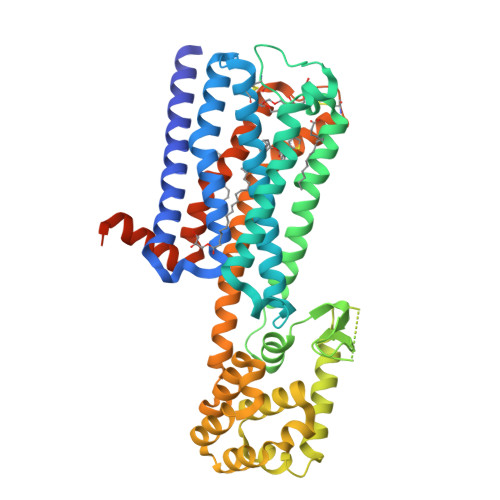
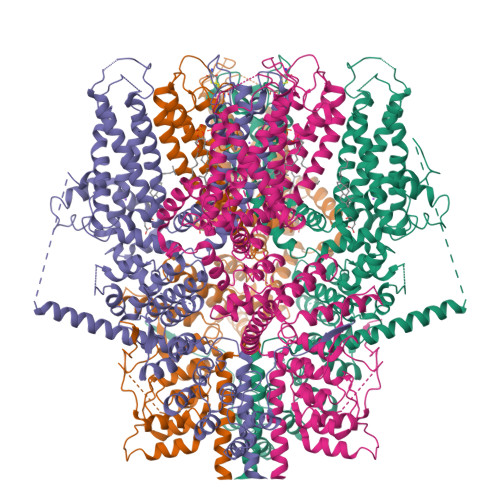
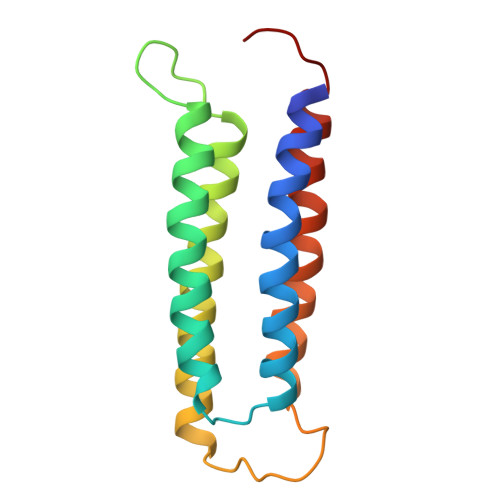
Biologically, the compound targets the neuronal acetylcholine receptor subunit alpha-2 (CHRNA2), the neuronal acetylcholine receptor subunit alpha-7 (CHRNA7), and choline-phosphate cytidylyltransferase B (PCYT1B), acting as an agonist, inhibitor, or product. It is a biomarker of colorectal cancer (PMC10026263 ). Health effects associated with the compound include liver disease (PMC9439934 ), atherosclerosis (PMC9439934 ), neurodegenerative disease (PMC6378111 ), an increase in anxiety (PMC8346244 ), and an increase in osteoporosis (PMC12220277 ).
nutrient (PMC9254222 , PMC13114907 )?A chemical in food, further ingested and utilized by an organism for its well-being, growth and reproduction.
osmolyte (PMC13343859 )?A chemical that affects osmosis. Osmolytes are soluble in the cell or in the fluid between cells, and are utilized by cells during water stress to maintain the cell volume
micronutrient (PMC10528917 )?A chemical consumed at low amounts via food and is essential for many physiological and biochemical processes.
Cancer is a group of diseases involving abnormal cell growth with the potential to invade or spread to other parts of the body. Possible signs and symptoms include a lump, abnormal bleeding, prolonged cough, unexplained weight loss, and a change in bowel movements. There are over 100 types of cancers affect humans. The risk of developing certain cancers can be reduced by not smoking, maintaining a healthy weight, not drinking too much alcohol, eating plenty of vegetables, fruits and whole grains, vaccination against certain infectious diseases, not eating too much processed and red meat and avoiding too much sunlight exposure. Cancer is often treated with some combination of radiation therapy, surgery, chemotherapy and targeted therapy. The majority of cancers, some 90–95% of cases, are due to genetic mutations from environmental and lifestyle factors. The remaining 5–10% are due to inherited genetics.
Cancer is a group of diseases involving abnormal cell growth with the potential to invade or spread to other parts of the body. Possible signs and symptoms include a lump, abnormal bleeding, prolonged cough, unexplained weight loss, and a change in bowel movements. There are over 100 types of cancers affect humans. The risk of developing certain cancers can be reduced by not smoking, maintaining a healthy weight, not drinking too much alcohol, eating plenty of vegetables, fruits and whole grains, vaccination against certain infectious diseases, not eating too much processed and red meat and avoiding too much sunlight exposure. Cancer is often treated with some combination of radiation therapy, surgery, chemotherapy and targeted therapy. The majority of cancers, some 90–95% of cases, are due to genetic mutations from environmental and lifestyle factors. The remaining 5–10% are due to inherited genetics.
A disorder characterized by reduced bone mass, with a decrease in cortical thickness and in the number and size of the trabeculae of cancellous bone (but normal chemical composition), resulting in increased fracture incidence. (NCI CTCAE)
A bronchial disease that is characterized by chronic inflammation and narrowing of the airways, which is caused by a combination of environmental and genetic factors. The disease has symptom recurring periods of wheezing (a whistling sound while breathing), has symptom chest tightness, has symptom shortness of breath, has symptom mucus production and has symptom coughing. The symptoms appear due to a variety of triggers such as allergens, irritants, respiratory infections, weather changes, exercise, stress, reflux disease, medications, foods and emotional anxiety. (DO)
A cell type cancer that has material basis in abnormally proliferating cells derives from melanocytes which are found in skin, the bowel and the eye. (DO)
A cell type cancer that has material basis in abnormally proliferating cells derives from melanocytes which are found in skin, the bowel and the eye. (DO)
A disorder characterized by apprehension of danger and dread accompanied by restlessness, tension, tachycardia, and dyspnea unattached to a clearly identifiable stimulus. (NCI CTCAE)
A disorder involving build-up of fatty material and calcium deposition in the arterial wall. It results in partial or complete occlusion of the arterial lumen.
An artery disease that is characterized by plaque building up along the inner walls of the arteries of the heart resulting in a narrowing of the arteries and a reduced blood supply to the cardiac muscles. (DO)
Endometriosis is a condition that affects women in which cells similar to those in the endometrium, the layer of tissue that normally covers the inside of the uterus, grow outside the uterus (mainly in the ovaries and fallopian tubes). The main symptoms are pelvic pain and infertility, although 20-25% of women are asymptomatic. Pain during sexual intercourse is also common. Other symptoms include diarrhea or constipation, chronic fatigue, nausea and vomiting, headaches, low-grade fevers, heavy and/or irregular periods, and hypoglycemia. Endometriosis is a common condition. About 6–10% of women are affected. Endometriosis is most common in those in their thirties and forties; however, it can begin in girls as early as eight years old.
Brushes?Brushes used in personal care and cosmetics can be a source of synthetic chemical contamination due to the materials and coatings used in their manufacturing.
Food contact materials?Food contact materials refer to substances and products that are intended to come into contact with food during processing, packaging, or preparation.
Amplifiers?Amplifiers, commonly used in various electronic devices to enhance signal strength, can be a source of synthetic chemical contamination due to the materials and processes involved in their production and disposal.
Antennas?Antennas, commonly used in communication technologies, can be a source of synthetic chemical contamination through the materials and coatings used in their construction.
Conductors Or Conductive Bodies Characterised By The Conductive Materials?Conductors, or conductive bodies, are materials that allow the flow of electrical current, typically made from metals such as copper, aluminum, or silver.
Discharge Lamps?Discharge lamps, including fluorescent and high-intensity discharge (HID) lamps, are commonly used for lighting applications due to their energy efficiency and brightness.
Electric Switches?Electric switches, integral components in numerous devices, can be a source of synthetic chemical contamination due to the materials and manufacturing processes involved in their production.
Electrically Stimulated Smoking Devices?Electrically stimulated smoking devices, commonly known as e-cigarettes or vape pens, utilize electrical components to heat a liquid solution, often containing nicotine, flavorings, and other additives, to produce an aerosol for inhalation.
Electrodes?Electrodes, used in various electrical and electronic applications, can be a source of synthetic chemical contamination due to the materials from which they are constructed and the processes involved in their manufacturing.
Hybrid Capacitors?Hybrid capacitors are energy storage devices that combine the properties of electrolytic and supercapacitors, utilizing a combination of electrochemical principles to achieve higher energy density and power density.
Food Preservation?Food preservation often involves the use of synthetic chemicals, such as preservatives, flavor enhancers, and color additives, to extend shelf life and enhance the sensory qualities of food products.
Preparation Of Wine Or Sparkling Wine?The preparation of wine or sparkling wine involves various stages, including fermentation, aging, and bottling, which can introduce potential sources of synthetic chemical contamination.
Treatment Of Hops?Hops, a key ingredient in brewing and food flavoring, can be a source of synthetic chemical contamination due to various agricultural practices.
Bleaching Agents?Bleaching agents are chemical substances used to whiten or lighten materials, often employed in various cleaning products for their stain removal and disinfecting properties.
Non Electric Simulated Smoking Devices?Non-electric simulated smoking devices, often designed to mimic the experience of smoking without combustion, can be sources of synthetic chemical contamination due to the materials and chemicals used in their construction and operation.
Perfumes Within Detergents And Soaps?Perfumes within detergents and soaps are synthetic fragrance compounds added to enhance the sensory experience of cleaning products.
Soap Detergents?Soap detergents are synthetic surfactants designed to enhance the cleaning efficacy of water by reducing surface tension, allowing for better interaction with dirt and grease.
Tobacco Smoke Filters?Tobacco smoke filters are designed to reduce the inhalation of harmful substances in cigarette smoke, including tar and other particulate matter.
Making Cigars?The process of making cigars involves several steps, including the cultivation of tobacco, fermentation, and the application of various additives to enhance flavor and preservation.
Manufacture Preparation Of Tobacco Products?The manufacture and preparation of tobacco products involve various processes that can result in the introduction of synthetic chemicals into the environment.
Paper Making Machines?Paper making machines utilize various synthetic chemicals throughout the production process, including additives, coatings, and bleaching agents.
Molluscicides?Molluscicides are synthetic chemicals specifically designed to control and eliminate mollusks, such as snails and slugs, which can be detrimental to crops and agricultural productivity.
Nematocides?Nematocides are synthetic chemicals specifically designed to control nematodes, which are microscopic roundworms that can cause significant damage to crops and plants.
Aftersun Products?Aftersun products are designed to soothe and hydrate the skin after sun exposure, often containing various synthetic chemicals such as emollients, preservatives, and fragrances.
Anti Perspirants Or Body Deoderants?Antiperspirants and body deodorants commonly contain synthetic chemicals such as aluminum compounds, parabens, and synthetic fragrances.
Essential Oils Or Perfumes?Essential oils and perfumes are complex mixtures of volatile compounds derived from natural or synthetic sources, commonly used for their aromatic properties.
Eye Makeup Products?Eye makeup products, including mascaras, eyeliners, and eyeshadows, often contain a variety of synthetic chemicals such as pigments, preservatives, and film-forming agents.
Lip Care Products?Lip care products, including lipsticks, balms, and glosses, often contain a variety of synthetic chemicals such as parabens, phthalates, and synthetic fragrances.
Lip Makeup Products?Lip makeup products, such as lipsticks, lip glosses, and lip liners, often contain a variety of synthetic chemicals, including pigments, preservatives, and emollients.
Azo Dyes?Azo dyes are synthetic organic compounds characterized by the presence of one or more azo groups (-N=N-), which are widely used for coloring textiles, leather, and furnishings.
Footwear?Footwear production often involves the use of various synthetic chemicals, such as adhesives, dyes, and treatments, which can contribute to environmental contamination.
Purses Luggage Hand Bags?Purses, luggage, and handbags are often manufactured using synthetic materials such as polyvinyl chloride (PVC), polyurethane, and various types of nylon.
Ropes?Ropes manufactured from synthetic fibers, such as polypropylene, nylon, and polyester, are widely used in various applications, including marine, construction, and outdoor activities.
Yarns Or Threads?Yarns or threads used in textiles can be a source of synthetic chemical contamination due to the production processes and treatments they undergo.
Solid Fire Fighting Substances?Solid fire fighting substances, such as certain types of dry chemical powders, are used in fire suppression applications to extinguish flames and prevent fire spread.
Airplanes And Helicopters?Airplanes and helicopters are significant sources of synthetic chemical contamination primarily through the use of aviation fuels, lubricants, and de-icing agents.
Nitrogenous Fertilisers?Nitrogenous fertilizers are synthetic chemical compounds primarily used to enhance plant growth by supplying essential nitrogen, a crucial nutrient for photosynthesis and protein synthesis.
Glass Coatings?Glass coatings are synthetic chemical formulations applied to glass surfaces to enhance properties such as durability, UV resistance, and aesthetic appeal.
Silica Glass?Silica glass, primarily composed of silicon dioxide (SiO2), is widely used in various applications, including windows, glass facades, and insulation materials.
Nanotechnology?Nanotechnology involves the manipulation of materials at the molecular or atomic level, typically within the range of 1 to 100 nanometers.
Contact Lens Cases?Contact lens cases are small containers designed to store contact lenses in a sterile environment, typically made from various synthetic materials including plastics such as polypropylene or polycarbonate.
Walking Sticks?Walking sticks, while primarily designed for mobility assistance, can be sources of synthetic chemical contamination if not properly manufactured or maintained.
Coating Compositions?Coating compositions, which include paints, sealants, and varnishes, are formulated with a variety of synthetic chemicals such as solvents, resins, pigments, and additives.
Leather Tanning?Leather tanning is a process that transforms raw animal hides into durable leather through the application of various chemicals, including chromium salts, aldehydes, and vegetable tannins.
Sludge Treatment?Sludge treatment involves the processing of waste materials generated from wastewater treatment plants, which often contain a variety of organic and inorganic substances.
Water, Wastewater, & Sewage Treatment?Water, wastewater, and sewage treatment processes are critical for managing and mitigating pollutants in water systems.