1,1,1-Trimethoxyethane (CED0033702)

Record Information
Version1.0
Creation Date2016-05-19 03:18:47 UTC
Update Date2026-08-22 20:55:13 UTC
SynCED IDCED0033702
Secondary Accession Numbers
  • CHEM010226
Identification
Common Name1,1,1-Trimethoxyethane
ClassSmall Molecule
Description
1,1,1-Trimethoxyethane is an organic compound with the formula C5H12O3 and an average molecular weight of 120.15 g/mol. 1,1,1-Trimethoxyethane belongs to the ortho esters, a subclass of organooxygen compounds within the organic compounds. This substance is associated with five recorded sources across various sectors. In the category of household cleaning and consumer products, it is found in soap detergents, bleaching agents, and tobacco smoke filters. Additionally, it is released from hybrid capacitors used in electrical and electronic equipment. Within the food, food processing and cookware sector, it is identified in the processing of meats.
Contaminant TypeNot Available
Chemical Structure
Synonyms
ValueSource
Trimethyl orthoacetic acidGenerator
Chemical FormulaC5H12O3
Average Molecular Mass120.148 g/mol
Monoisotopic Mass120.079 g/mol
CAS Registry Number1445-45-0
IUPAC Name1,1,1-trimethoxyethane
Traditional Name1,1,1-trimethoxyethane
SMILESCOC(C)(OC)OC
InChI IdentifierInChI=1S/C5H12O3/c1-5(6-2,7-3)8-4/h1-4H3
InChI KeyHDPNBNXLBDFELL-UHFFFAOYSA-N
Chemical Taxonomy
Description Belongs to the class of organic compounds known as ortho esters. Ortho esters are compounds having the general structure RC(OR')3 ( R' not H), or the structure C(OR')4 ( R' not H).
KingdomOrganic compounds
Super ClassOrganic oxygen compounds
ClassOrganooxygen compounds
Sub ClassOrtho esters
Direct ParentOrtho esters
Alternative Parents
Substituents
  • Ortho ester
  • Carboxylic acid orthoester
  • Orthocarboxylic acid derivative
  • Hydrocarbon derivative
  • Aliphatic acyclic compound
Molecular FrameworkAliphatic acyclic compounds
External DescriptorsNot Available
Biological Properties
StatusDetected and Not Quantified
OriginNot Available
Cellular LocationsNot Available
Biofluid LocationsNot Available
Tissue LocationsNot Available
ApplicationsNot Available
Biological RolesNot Available
Chemical RolesNot Available
Organoleptic EffectsNot Available
Physical Properties
StateNot Available
AppearanceNot Available
Experimental Properties
PropertyValue
Melting PointNot Available
Boiling PointNot Available
SolubilityNot Available
Predicted Properties
PropertyValueSource
Water Solubility94 g/LALOGPS
logP0.39ALOGPS
logP0.99ChemAxon
logS-0.11ALOGPS
pKa (Strongest Basic)-4ChemAxon
Physiological Charge0ChemAxon
Hydrogen Acceptor Count3ChemAxon
Hydrogen Donor Count0ChemAxon
Polar Surface Area27.69 ŲChemAxon
Rotatable Bond Count3ChemAxon
Refractivity30.19 m³·mol⁻¹ChemAxon
Polarizability12.67 ųChemAxon
Number of Rings0ChemAxon
BioavailabilityYesChemAxon
Rule of FiveYesChemAxon
Ghose FilterNoChemAxon
Veber's RuleYesChemAxon
MDDR-like RuleNoChemAxon
Spectra
Spectra
Spectrum TypeDescriptionSplash KeyDeposition DateView
Predicted GC-MSPredicted GC-MS Spectrumsplash10-053i-9400000000-ba716ff444f072b59f18Not AvailableView Spectrum
Predicted GC-MSPredicted GC-MS SpectrumNot AvailableNot AvailableView Spectrum
Predicted LC-MS/MSPredicted LC-MS/MS Spectrumsplash10-00di-4900000000-ff16169f3eb2d5570ee2Not AvailableView Spectrum
Predicted LC-MS/MSPredicted LC-MS/MS Spectrumsplash10-00di-2900000000-55e1cadc7ba7889ffa1bNot AvailableView Spectrum
Predicted LC-MS/MSPredicted LC-MS/MS Spectrumsplash10-001i-9000000000-d2cded4fadaf19022921Not AvailableView Spectrum
Predicted LC-MS/MSPredicted LC-MS/MS Spectrumsplash10-014i-1900000000-39820030e9c6c7db028dNot AvailableView Spectrum
Predicted LC-MS/MSPredicted LC-MS/MS Spectrumsplash10-014i-2900000000-ed1878490693359369d6Not AvailableView Spectrum
Predicted LC-MS/MSPredicted LC-MS/MS Spectrumsplash10-0670-9400000000-c05a8c5e6e36c0c6e37dNot AvailableView Spectrum
1D NMR13C NMR Spectrum (1D, D2O, predicted)Not AvailableNot AvailableView Spectrum
1D NMR1H NMR Spectrum (1D, D2O, predicted)Not AvailableNot AvailableView Spectrum
Toxicity Profile
Toxicity Values
Toxicity ValueOrganismDose DescriptorRoute of ExposurePredicted or ExperimentalToxicity RatingReference
3666.0 Log mg/kg [2100:6500]RatLD50oralpredictedNot AvailableNot Available
Toxicity / Toxin ClassNot Available
Mechanism of ToxicityNot Available
Carcinogenicity (IARC Classification)Not Available
Minimum Risk LevelNot Available
SymptomsNot Available
TreatmentNot Available
Health Effects
Health EffectRelationshipDirectionDescriptionReference
Exposure Sources
Source IDSourceSectorReference
CEDs000010Insecticides?Insecticides are synthetic chemicals designed to control or eliminate insect pests that threaten crops and other agricultural products.Agriculture & land managementPubChem
CEDs000511Conductors Or Conductive Bodies Characterised By The Conductive Materials?Conductors, or conductive bodies, are materials that allow the flow of electrical current, typically made from metals such as copper, aluminum, or silver.Electrical & Electronic EquipmentPubChem
CEDs000519Electrodes?Electrodes, used in various electrical and electronic applications, can be a source of synthetic chemical contamination due to the materials from which they are constructed and the processes involved in their manufacturing.Electrical & Electronic EquipmentPubChem
CEDs000524Hybrid Capacitors?Hybrid capacitors are energy storage devices that combine the properties of electrolytic and supercapacitors, utilizing a combination of electrochemical principles to achieve higher energy density and power density.Electrical & Electronic EquipmentPubChem
CEDs000545Food Preservation?Food preservation often involves the use of synthetic chemicals, such as preservatives, flavor enhancers, and color additives, to extend shelf life and enhance the sensory qualities of food products.Food, food processing & cookwarePubChem
CEDs000552Processing Meats?Processing meats can lead to synthetic chemical contamination primarily through the use of additives and preservatives.Food, food processing & cookwarePubChem
CEDs000555Bleaching Agents?Bleaching agents are chemical substances used to whiten or lighten materials, often employed in various cleaning products for their stain removal and disinfecting properties.Household cleaning & consumer productsPubChem
CEDs000561Perfumes Within Detergents And Soaps?Perfumes within detergents and soaps are synthetic fragrance compounds added to enhance the sensory experience of cleaning products.Household cleaning & consumer productsPubChem
CEDs000563Soap Detergents?Soap detergents are synthetic surfactants designed to enhance the cleaning efficacy of water by reducing surface tension, allowing for better interaction with dirt and grease.Household cleaning & consumer productsPubChem
CEDs000569Tobacco Smoke Filters?Tobacco smoke filters are designed to reduce the inhalation of harmful substances in cigarette smoke, including tar and other particulate matter.Household cleaning & consumer productsPubChem
CEDs000580Manufacture Preparation Of Tobacco Products?The manufacture and preparation of tobacco products involve various processes that can result in the introduction of synthetic chemicals into the environment.Industrial manufacturing & chemical processingPubChem
CEDs000595Ships?Ships, as vehicles for international trade and transportation, can be significant sources of synthetic chemical contamination in marine environments.Marine, shipping & aquaculturePubChem
CEDs000596Acaricides?Acaricides are synthetic chemicals specifically designed to target and control mite populations that can damage crops and plants.Agriculture & land managementPubChem
CEDs000600Herbicides And Algicides?Herbicides and algicides are synthetic chemicals primarily used to control unwanted plants and algae in various environments.Agriculture & land managementPubChem
CEDs000609Aftershave?Aftershave is a grooming product typically used to soothe and protect the skin following shaving.Personal care & cosmeticsPubChem
CEDs000611Anti Perspirants Or Body Deoderants?Antiperspirants and body deodorants commonly contain synthetic chemicals such as aluminum compounds, parabens, and synthetic fragrances.Personal care & cosmeticsPubChem
CEDs000614Essential Oils Or Perfumes?Essential oils and perfumes are complex mixtures of volatile compounds derived from natural or synthetic sources, commonly used for their aromatic properties.Personal care & cosmeticsPubChem
CEDs000632Apparel?Apparel production often involves the use of various synthetic chemicals, including dyes, finishing agents, and preservatives.Textiles, leather & furnishingsPubChem
CEDs000650Purses Luggage Hand Bags?Purses, luggage, and handbags are often manufactured using synthetic materials such as polyvinyl chloride (PVC), polyurethane, and various types of nylon.Textiles, leather & furnishingsPubChem
CEDs000678Nitrogenous Fertilisers?Nitrogenous fertilizers are synthetic chemical compounds primarily used to enhance plant growth by supplying essential nitrogen, a crucial nutrient for photosynthesis and protein synthesis.Agriculture & land managementPubChem
CEDs000685Ceramics?Ceramics can be a source of synthetic chemical contamination through various additives and processing agents used in their production.Building & ConstructionPubChem
CEDs000688Glass Coatings?Glass coatings are synthetic chemical formulations applied to glass surfaces to enhance properties such as durability, UV resistance, and aesthetic appeal.Building & ConstructionPubChem
CEDs000696Nanotechnology?Nanotechnology involves the manipulation of materials at the molecular or atomic level, typically within the range of 1 to 100 nanometers.Industrial manufacturing & chemical processingPubChem
CEDs000734Coating Compositions?Coating compositions, which include paints, sealants, and varnishes, are formulated with a variety of synthetic chemicals such as solvents, resins, pigments, and additives.Building & ConstructionPubChem
CEDs000739Inks?Inks are complex mixtures composed of pigments or dyes, solvents, resins, and additives used primarily for printing and writing applications.Paper, pulp & fiber productsPubChem
CEDs000740Paper?Paper production involves the processing of wood fibers and the use of various chemicals, which can lead to synthetic chemical contamination.Paper, pulp & fiber productsPubChem
CEDs000741Pigment Pastes?Pigment pastes are concentrated dispersions of pigments used to impart color and properties to materials.Paper, pulp & fiber productsPubChem
Pathways
0 pathwaysPathway Source: PathBank

No pathways found

No metabolic pathways have been associated with this synthetic chemical

Targets
StructureProteinUniProt IDOrganismRelationshipDetails
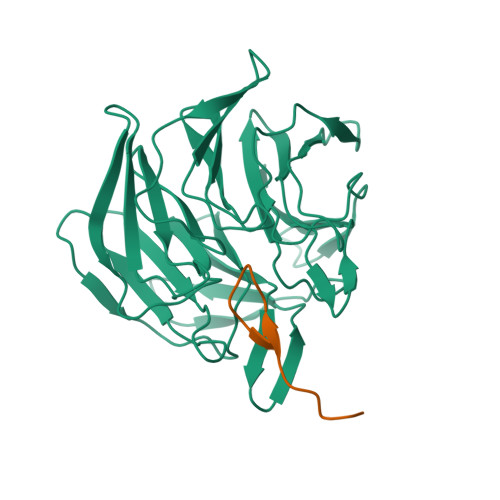
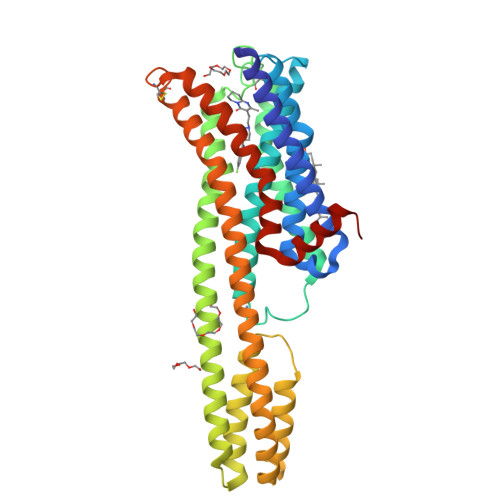
5-hydroxytryptamine receptor 2C structureClick to view 3D structure5-hydroxytryptamine receptor 2CP28335HumansPredicted (SEA)
Prediction Confidence Score
0.104
Applicability Domain
0.118 Low confidence
Statistical Significance
0.9998
Supporting Reference Compounds
823
E-value
7783.68
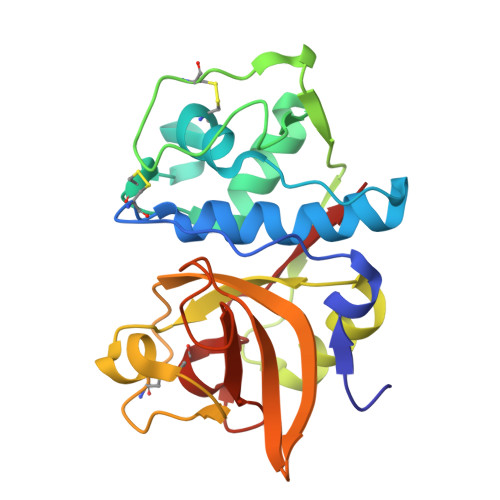
Cathepsin B structureClick to view 3D structureCathepsin BP07858HumansPredicted (SEA)
Prediction Confidence Score
0.104
Applicability Domain
0.133 Low confidence
Statistical Significance
0.9988
Supporting Reference Compounds
173
E-value
7775.97
Cytochrome P450 1A1 structureClick to view 3D structureCytochrome P450 1A1P04798HumansPredicted (SEA)
Prediction Confidence Score
0.104
Applicability Domain
0.129 Low confidence
Statistical Significance
0.987
Supporting Reference Compounds
77
E-value
7683.87
5-hydroxytryptamine receptor 6 structureClick to view 3D structure5-hydroxytryptamine receptor 6P50406HumansPredicted (SEA)
Prediction Confidence Score
0.104
Applicability Domain
0.136 Low confidence
Statistical Significance
0.9996
Supporting Reference Compounds
536
E-value
7781.65
Procathepsin L structureClick to view 3D structureProcathepsin LP07711HumansPredicted (SEA)
Prediction Confidence Score
0.104
Applicability Domain
0.133 Low confidence
Statistical Significance
0.999
Supporting Reference Compounds
167
E-value
7776.9
Cytochrome P450 1B1 structureClick to view 3D structureCytochrome P450 1B1Q16678HumansPredicted (SEA)
Prediction Confidence Score
0.104
Applicability Domain
0.129 Low confidence
Statistical Significance
0.9783
Supporting Reference Compounds
88
E-value
7616.38
Click to view 3D structureSarcoplasmic/endoplasmic reticulum calcium ATPase 2P11507Rattus norvegicusPredicted (SEA)
Prediction Confidence Score
0.136
Applicability Domain
0.136 Low confidence
Statistical Significance
0.0279
Supporting Reference Compounds
1
E-value
217.589
Glyceraldehyde-3-phosphate dehydrogenase structureClick to view 3D structureGlyceraldehyde-3-phosphate dehydrogenaseP46406Oryctolagus cuniculusPredicted (SEA)
Prediction Confidence Score
0.129
Applicability Domain
0.129 Low confidence
Statistical Significance
0.0106
Supporting Reference Compounds
1
E-value
82.9094
Carbonic anhydrase 2 structureClick to view 3D structureCarbonic anhydrase 2P00918HumansPredicted (SEA)
Prediction Confidence Score
0.124
Applicability Domain
0.158 Low confidence
Statistical Significance
0.9982
Supporting Reference Compounds
472
E-value
7770.99
Carbonic anhydrase 14 structureClick to view 3D structureCarbonic anhydrase 14Q9ULX7HumansPredicted (SEA)
Prediction Confidence Score
0.117
Applicability Domain
0.158 Low confidence
Statistical Significance
0.9931
Supporting Reference Compounds
172
E-value
7731.44
Carbonic anhydrase 9 structureClick to view 3D structureCarbonic anhydrase 9Q16790HumansPredicted (SEA)
Prediction Confidence Score
0.115
Applicability Domain
0.158 Low confidence
Statistical Significance
0.999
Supporting Reference Compounds
372
E-value
7776.83
Carbonic anhydrase 7 structureClick to view 3D structureCarbonic anhydrase 7P43166HumansPredicted (SEA)
Prediction Confidence Score
0.115
Applicability Domain
0.158 Low confidence
Statistical Significance
0.9977
Supporting Reference Compounds
242
E-value
7766.94
Carbonic anhydrase 12 structureClick to view 3D structureCarbonic anhydrase 12O43570HumansPredicted (SEA)
Prediction Confidence Score
0.115
Applicability Domain
0.158 Low confidence
Statistical Significance
0.9984
Supporting Reference Compounds
332
E-value
7772.7
Inward rectifier potassium channel 2 structureClick to view 3D structureInward rectifier potassium channel 2P35561Mus musculusPredicted (SEA)
Prediction Confidence Score
0.114
Applicability Domain
0.114 Low confidence
Statistical Significance
0.5948
Supporting Reference Compounds
1
E-value
4630.16
Sarcoplasmic/endoplasmic reticulum calcium ATPase 1 structureClick to view 3D structureSarcoplasmic/endoplasmic reticulum calcium ATPase 1P04191Oryctolagus cuniculusPredicted (SEA)
Prediction Confidence Score
0.109
Applicability Domain
0.143 Low confidence
Statistical Significance
0.5894
Supporting Reference Compounds
15
E-value
4588.82
Polyunsaturated fatty acid 5-lipoxygenase structureClick to view 3D structurePolyunsaturated fatty acid 5-lipoxygenaseP09917HumansPredicted (SEA)
Prediction Confidence Score
0.108
Applicability Domain
0.129 Low confidence
Statistical Significance
0.9985
Supporting Reference Compounds
182
E-value
7773.01
Click to view 3D structureTransient receptor potential cation channel subfamily A member 1Q6RI86Rattus norvegicusPredicted (SEA)
Prediction Confidence Score
0.106
Applicability Domain
0.125 Low confidence
Statistical Significance
0.9952
Supporting Reference Compounds
56
E-value
7747.79
Transient receptor potential cation channel subfamily V member 1 structureClick to view 3D structureTransient receptor potential cation channel subfamily V member 1Q8NER1HumansPredicted (SEA)
Prediction Confidence Score
0.106
Applicability Domain
0.125 Low confidence
Statistical Significance
0.9986
Supporting Reference Compounds
104
E-value
7774.33
Click to view 3D structurePotassium voltage-gated channel subfamily KQT member 4Q9JK96Rattus norvegicusPredicted (SEA)
Prediction Confidence Score
0.106
Applicability Domain
0.106 Low confidence
Statistical Significance
0.6645
Supporting Reference Compounds
1
E-value
5173.24
Nuclear factor erythroid 2-related factor 2 structureClick to view 3D structureNuclear factor erythroid 2-related factor 2Q16236HumansPredicted (SEA)
Prediction Confidence Score
0.106
Applicability Domain
0.158 Low confidence
Statistical Significance
0.8486
Supporting Reference Compounds
19
E-value
6606.13
Transthyretin structureClick to view 3D structureTransthyretinP02766HumansPredicted (SEA)
Prediction Confidence Score
0.106
Applicability Domain
0.129 Low confidence
Statistical Significance
0.9853
Supporting Reference Compounds
55
E-value
7670.56
Cathepsin S structureClick to view 3D structureCathepsin SP25774HumansPredicted (SEA)
Prediction Confidence Score
0.106
Applicability Domain
0.133 Low confidence
Statistical Significance
0.9984
Supporting Reference Compounds
141
E-value
7772.39
Cathepsin K structureClick to view 3D structureCathepsin KP43235HumansPredicted (SEA)
Prediction Confidence Score
0.106
Applicability Domain
0.133 Low confidence
Statistical Significance
0.9981
Supporting Reference Compounds
129
E-value
7770.52
Carbonic anhydrase 1 structureClick to view 3D structureCarbonic anhydrase 1P00915HumansPredicted (SEA)
Prediction Confidence Score
0.106
Applicability Domain
0.111 Low confidence
Statistical Significance
0.9997
Supporting Reference Compounds
407
E-value
7782.43
5-hydroxytryptamine receptor 2A structureClick to view 3D structure5-hydroxytryptamine receptor 2AP28223HumansPredicted (SEA)
Prediction Confidence Score
0.105
Applicability Domain
0.118 Low confidence
Statistical Significance
0.9998
Supporting Reference Compounds
955
E-value
7783.6
Concentrations
Not Available
External Links
DrugBank IDNot Available
HMDB IDHMDB0259236
FooDB IDNot Available
Phenol Explorer IDNot Available
KNApSAcK IDNot Available
BiGG IDNot Available
BioCyc IDNot Available
METLIN IDNot Available
PDB IDNot Available
Wikipedia LinkNot Available
Chemspider ID14322
ChEBI IDNot Available
PubChem Compound IDNot Available
Kegg Compound IDNot Available
YMDB IDNot Available
ECMDB IDNot Available
References
Synthesis ReferenceNot Available
MSDSNot Available
General ReferencesNot Available