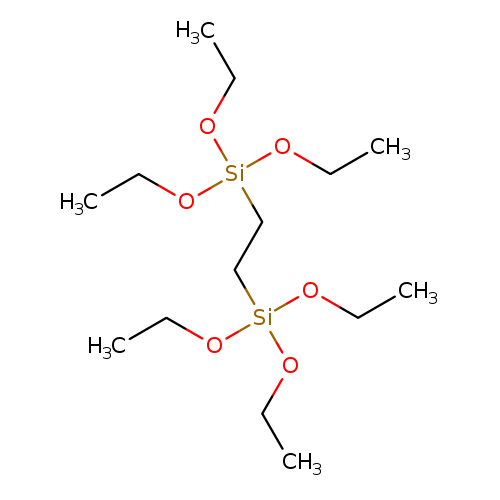
3,8-Dioxa-4,7-disiladecane, 4,4,7,7-tetraethoxy- (CED0090166)

Record Information
Version1.0
Creation Date2016-05-19 03:22:41 UTC
Update Date2026-08-19 08:08:16 UTC
SynCED IDCED0090166
Secondary Accession Numbers
  • CHEM010455
Identification
Common Name3,8-Dioxa-4,7-disiladecane, 4,4,7,7-tetraethoxy-
ClassSmall Molecule
Description
3,8-Dioxa-4,7-disiladecane, 4,4,7,7-tetraethoxy- belongs to the organosilicon compounds, a subclass of organometalloid compounds within the organic compounds. This compound has the chemical formula C14H34O6Si2 and an average molecular weight of 354.59 g/mol. In industrial applications, it serves as a chemical reaction regulator and an adhesion/cohesion promoter. The substance is found in or released from five recorded sources. These include electrical and electronic equipment, specifically antennas, amplifiers, and power cables, as well as other smoking requisites within household cleaning and consumer products. Additionally, it is present in indoor air, dust, and atmospheric transport. The recorded route of exposure for this compound is inhalation.
Contaminant TypeNot Available
Chemical Structure
Synonyms
ValueSource
1,2-Bis(triethoxysilyl)ethaneMeSH
Chemical FormulaC14H34O6Si2
Average Molecular Mass354.590 g/mol
Monoisotopic Mass354.189 g/mol
CAS Registry Number16068-37-4
IUPAC Name4,4,7,7-tetraethoxy-3,8-dioxa-4,7-disiladecane
Traditional Name4,4,7,7-tetraethoxy-3,8-dioxa-4,7-disiladecane
SMILESCCO[Si](CC[Si](OCC)(OCC)OCC)(OCC)OCC
InChI IdentifierInChI=1S/C14H34O6Si2/c1-7-15-21(16-8-2,17-9-3)13-14-22(18-10-4,19-11-5)20-12-6/h7-14H2,1-6H3
InChI KeyIZRJPHXTEXTLHY-UHFFFAOYSA-N
Chemical Taxonomy
Description Belongs to the class of organic compounds known as trialkoxysilanes. These are organosilicon compounds with the general formula RO[Si](R')(OR'')OR''' (R-R''' = aliphatic organyl group).
KingdomOrganic compounds
Super ClassOrganometallic compounds
ClassOrganometalloid compounds
Sub ClassOrganosilicon compounds
Direct ParentTrialkoxysilanes
Alternative Parents
Substituents
  • Trialkoxysilane
  • Silyl ether
  • Organoheterosilane
  • Organic metalloid salt
  • Organic oxygen compound
  • Hydrocarbon derivative
  • Organic salt
  • Organooxygen compound
  • Aliphatic acyclic compound
Molecular FrameworkAliphatic acyclic compounds
External DescriptorsNot Available
Biological Properties
StatusDetected and Not Quantified
OriginNot Available
Cellular LocationsNot Available
Biofluid LocationsNot Available
Tissue LocationsNot Available
ApplicationsNot Available
Biological RolesNot Available
Chemical RolesNot Available
Organoleptic EffectsNot Available
Physical Properties
StateNot Available
AppearanceNot Available
Experimental Properties
PropertyValue
Melting PointNot Available
Boiling PointNot Available
SolubilityNot Available
Predicted Properties
PropertyValueSource
Water Solubility0.014 g/LALOGPS
logP4.13ALOGPS
logP3.08ChemAxon
logS-4.4ALOGPS
pKa (Strongest Basic)-3.5ChemAxon
Physiological Charge0ChemAxon
Hydrogen Acceptor Count6ChemAxon
Hydrogen Donor Count0ChemAxon
Polar Surface Area55.38 ŲChemAxon
Rotatable Bond Count15ChemAxon
Refractivity79.7 m³·mol⁻¹ChemAxon
Polarizability38.62 ųChemAxon
Number of Rings0ChemAxon
BioavailabilityYesChemAxon
Rule of FiveYesChemAxon
Ghose FilterYesChemAxon
Veber's RuleNoChemAxon
MDDR-like RuleNoChemAxon
Spectra
Spectra
Spectrum TypeDescriptionSplash KeyDeposition DateView
Predicted LC-MS/MSPredicted LC-MS/MS Spectrumsplash10-0a4i-1709000000-cc6cbf94f2af0349a4e5Not AvailableView Spectrum
Predicted LC-MS/MSPredicted LC-MS/MS Spectrumsplash10-002b-4295000000-8b42e31068c8d8532ca8Not AvailableView Spectrum
Predicted LC-MS/MSPredicted LC-MS/MS Spectrumsplash10-004r-3901000000-33a628867688690d701fNot AvailableView Spectrum
Predicted LC-MS/MSPredicted LC-MS/MS Spectrumsplash10-03di-0914000000-4f2fe4f59f201301fe80Not AvailableView Spectrum
Predicted LC-MS/MSPredicted LC-MS/MS Spectrumsplash10-0ika-2669000000-e24b645cfd5ceef00ab1Not AvailableView Spectrum
Predicted LC-MS/MSPredicted LC-MS/MS Spectrumsplash10-01ot-8962000000-e060e4f3a6a6c8ee9bbaNot AvailableView Spectrum
Toxicity Profile
Toxicity Values
Toxicity ValueOrganismDose DescriptorRoute of ExposurePredicted or ExperimentalToxicity RatingReference
3120.0 Log mg/kg [1800:5500]RatLD50oralpredictedNot AvailableNot Available
Toxicity / Toxin ClassNot Available
Mechanism of ToxicityNot Available
Carcinogenicity (IARC Classification)Not Available
Minimum Risk LevelNot Available
SymptomsNot Available
TreatmentNot Available
Health Effects
Health EffectRelationshipDirectionDescriptionReference
Exposure Sources
Source IDSourceSectorReference
CEDs000010Insecticides?Insecticides are synthetic chemicals designed to control or eliminate insect pests that threaten crops and other agricultural products.Agriculture & land managementPubChem
CEDs000019Indoor air?Indoor air can be a significant reservoir for synthetic chemical contaminants, which often originate from various sources within enclosed environments.Air, dust & atmospheric transportNot Available
CEDs000070Stormwater runoff?Stormwater runoff refers to the flow of rainwater or melted snow that does not soak into the ground and instead collects pollutants as it travels over impervious surfaces such as roads and parking lots.Automotive & urban infrastructurePubChem
CEDs000505Amplifiers?Amplifiers, commonly used in various electronic devices to enhance signal strength, can be a source of synthetic chemical contamination due to the materials and processes involved in their production and disposal.Electrical & Electronic EquipmentPubChem
CEDs000506Antennas?Antennas, commonly used in communication technologies, can be a source of synthetic chemical contamination through the materials and coatings used in their construction.Electrical & Electronic EquipmentPubChem
CEDs000511Conductors Or Conductive Bodies Characterised By The Conductive Materials?Conductors, or conductive bodies, are materials that allow the flow of electrical current, typically made from metals such as copper, aluminum, or silver.Electrical & Electronic EquipmentPubChem
CEDs000517Electric Switches?Electric switches, integral components in numerous devices, can be a source of synthetic chemical contamination due to the materials and manufacturing processes involved in their production.Electrical & Electronic EquipmentPubChem
CEDs000518Electrically Stimulated Smoking Devices?Electrically stimulated smoking devices, commonly known as e-cigarettes or vape pens, utilize electrical components to heat a liquid solution, often containing nicotine, flavorings, and other additives, to produce an aerosol for inhalation.Electrical & Electronic EquipmentPubChem
CEDs000519Electrodes?Electrodes, used in various electrical and electronic applications, can be a source of synthetic chemical contamination due to the materials from which they are constructed and the processes involved in their manufacturing.Electrical & Electronic EquipmentPubChem
CEDs000521Fixed Capacitors And Their Manufacture?Fixed capacitors are passive electronic components used to store and release electrical energy, playing a critical role in various circuits.Electrical & Electronic EquipmentPubChem
CEDs000529Power Cables?Power cables are used to transmit electrical energy and are typically composed of conductive materials, insulation, and protective coatings.Electrical & Electronic EquipmentPubChem
CEDs000545Food Preservation?Food preservation often involves the use of synthetic chemicals, such as preservatives, flavor enhancers, and color additives, to extend shelf life and enhance the sensory qualities of food products.Food, food processing & cookwarePubChem
CEDs000555Bleaching Agents?Bleaching agents are chemical substances used to whiten or lighten materials, often employed in various cleaning products for their stain removal and disinfecting properties.Household cleaning & consumer productsPubChem
CEDs000560Other Smoking Requisites?Other smoking requisites, including items such as lighters, matches, and rolling papers, can introduce synthetic chemical contamination through various components and additives.Household cleaning & consumer productsPubChem
CEDs000561Perfumes Within Detergents And Soaps?Perfumes within detergents and soaps are synthetic fragrance compounds added to enhance the sensory experience of cleaning products.Household cleaning & consumer productsPubChem
CEDs000611Anti Perspirants Or Body Deoderants?Antiperspirants and body deodorants commonly contain synthetic chemicals such as aluminum compounds, parabens, and synthetic fragrances.Personal care & cosmeticsPubChem
CEDs000614Essential Oils Or Perfumes?Essential oils and perfumes are complex mixtures of volatile compounds derived from natural or synthetic sources, commonly used for their aromatic properties.Personal care & cosmeticsPubChem
CEDs000615Eye Makeup Products?Eye makeup products, including mascaras, eyeliners, and eyeshadows, often contain a variety of synthetic chemicals such as pigments, preservatives, and film-forming agents.Personal care & cosmeticsPubChem
CEDs000618Lip Makeup Products?Lip makeup products, such as lipsticks, lip glosses, and lip liners, often contain a variety of synthetic chemicals, including pigments, preservatives, and emollients.Personal care & cosmeticsPubChem
CEDs000619Manicure Pedicure?Manicure and pedicure procedures often involve the use of various synthetic chemicals, including solvents, nail polishes, and nail adhesives.Personal care & cosmeticsPubChem
CEDs000632Apparel?Apparel production often involves the use of various synthetic chemicals, including dyes, finishing agents, and preservatives.Textiles, leather & furnishingsPubChem
CEDs000642Footwear?Footwear production often involves the use of various synthetic chemicals, such as adhesives, dyes, and treatments, which can contribute to environmental contamination.Textiles, leather & furnishingsPubChem
CEDs000662Yarns Or Threads?Yarns or threads used in textiles can be a source of synthetic chemical contamination due to the production processes and treatments they undergo.Textiles, leather & furnishingsPubChem
CEDs000671Airplanes And Helicopters?Airplanes and helicopters are significant sources of synthetic chemical contamination primarily through the use of aviation fuels, lubricants, and de-icing agents.Aviation & AerospacePubChem
CEDs000685Ceramics?Ceramics can be a source of synthetic chemical contamination through various additives and processing agents used in their production.Building & ConstructionPubChem
CEDs000688Glass Coatings?Glass coatings are synthetic chemical formulations applied to glass surfaces to enhance properties such as durability, UV resistance, and aesthetic appeal.Building & ConstructionPubChem
CEDs000693Silica Glass?Silica glass, primarily composed of silicon dioxide (SiO2), is widely used in various applications, including windows, glass facades, and insulation materials.Building & ConstructionPubChem
CEDs000696Nanotechnology?Nanotechnology involves the manipulation of materials at the molecular or atomic level, typically within the range of 1 to 100 nanometers.Industrial manufacturing & chemical processingPubChem
CEDs000727Printing Machines Or Presses?Printing machines or presses commonly utilize synthetic chemicals such as inks, solvents, and cleaning agents.Paper, pulp & fiber productsPubChem
CEDs000734Coating Compositions?Coating compositions, which include paints, sealants, and varnishes, are formulated with a variety of synthetic chemicals such as solvents, resins, pigments, and additives.Building & ConstructionPubChem
CEDs000739Inks?Inks are complex mixtures composed of pigments or dyes, solvents, resins, and additives used primarily for printing and writing applications.Paper, pulp & fiber productsPubChem
CEDs000740Paper?Paper production involves the processing of wood fibers and the use of various chemicals, which can lead to synthetic chemical contamination.Paper, pulp & fiber productsPubChem
CEDs000741Pigment Pastes?Pigment pastes are concentrated dispersions of pigments used to impart color and properties to materials.Paper, pulp & fiber productsPubChem
CEDs000744Water, Wastewater, & Sewage Treatment?Water, wastewater, and sewage treatment processes are critical for managing and mitigating pollutants in water systems.Wastewater, sanitation & biosolidsPubChem
Pathways
0 pathwaysPathway Source: PathBank

No pathways found

No metabolic pathways have been associated with this synthetic chemical

Targets
StructureProteinUniProt IDOrganismRelationshipDetails
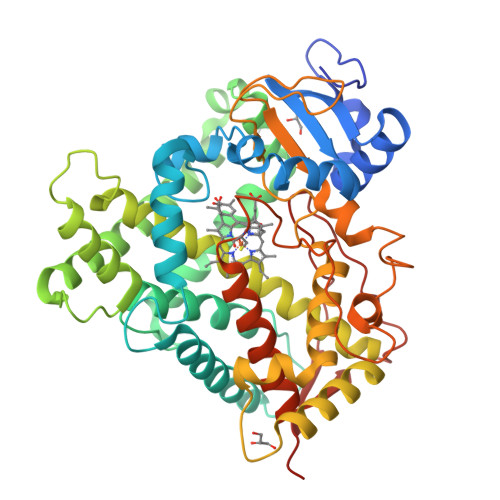
Cytochrome P450 3A4 structureClick to view 3D structureCytochrome P450 3A4P08684HumansPredicted (SEA)
Prediction Confidence Score
0.135
Applicability Domain
0.143 Low confidence
Statistical Significance
0.9989
Supporting Reference Compounds
1538
E-value
7776.67
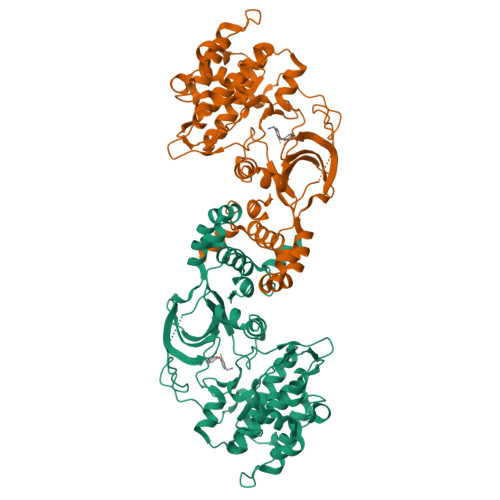
Dual specificity protein kinase CLK2 structureClick to view 3D structureDual specificity protein kinase CLK2P49760HumansPredicted (SEA)
Prediction Confidence Score
0.133
Applicability Domain
0.143 Low confidence
Statistical Significance
0.9937
Supporting Reference Compounds
727
E-value
7735.8
Glycogen synthase kinase-3 beta structureClick to view 3D structureGlycogen synthase kinase-3 betaP49841HumansPredicted (SEA)
Prediction Confidence Score
0.133
Applicability Domain
0.143 Low confidence
Statistical Significance
0.9967
Supporting Reference Compounds
1157
E-value
7759.54
Rho-associated protein kinase 1 structureClick to view 3D structureRho-associated protein kinase 1Q13464HumansPredicted (SEA)
Prediction Confidence Score
0.133
Applicability Domain
0.143 Low confidence
Statistical Significance
0.9958
Supporting Reference Compounds
834
E-value
7752.46
Dual specificity protein kinase CLK4 structureClick to view 3D structureDual specificity protein kinase CLK4Q9HAZ1HumansPredicted (SEA)
Prediction Confidence Score
0.133
Applicability Domain
0.143 Low confidence
Statistical Significance
0.9932
Supporting Reference Compounds
742
E-value
7731.67
Click to view 3D structureHistidine biosynthesis bifunctional protein HisBP06987Escherichia coli O26:H11 str. CFSAN001629Predicted (SEA)
Prediction Confidence Score
0.132
Applicability Domain
0.132 Low confidence
Statistical Significance
0.0358
Supporting Reference Compounds
1
E-value
279.012
Dual specificity tyrosine-phosphorylation-regulated kinase 1A structureClick to view 3D structureDual specificity tyrosine-phosphorylation-regulated kinase 1AQ13627HumansPredicted (SEA)
Prediction Confidence Score
0.131
Applicability Domain
0.143 Low confidence
Statistical Significance
0.9954
Supporting Reference Compounds
906
E-value
7748.96
Rho-associated protein kinase 2 structureClick to view 3D structureRho-associated protein kinase 2O75116HumansPredicted (SEA)
Prediction Confidence Score
0.131
Applicability Domain
0.143 Low confidence
Statistical Significance
0.9964
Supporting Reference Compounds
811
E-value
7756.74
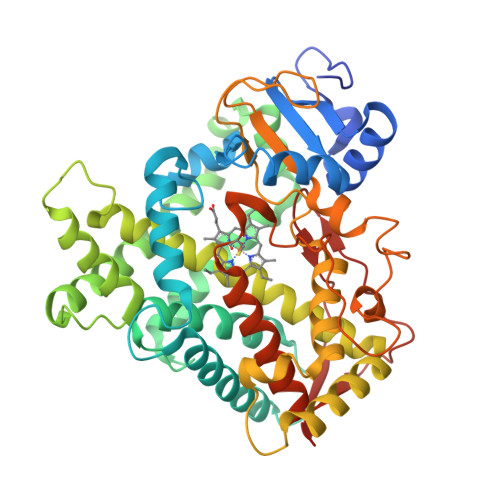
Aromatase structureClick to view 3D structureAromataseP11511HumansPredicted (SEA)
Prediction Confidence Score
0.131
Applicability Domain
0.135 Low confidence
Statistical Significance
0.9672
Supporting Reference Compounds
127
E-value
7529.89
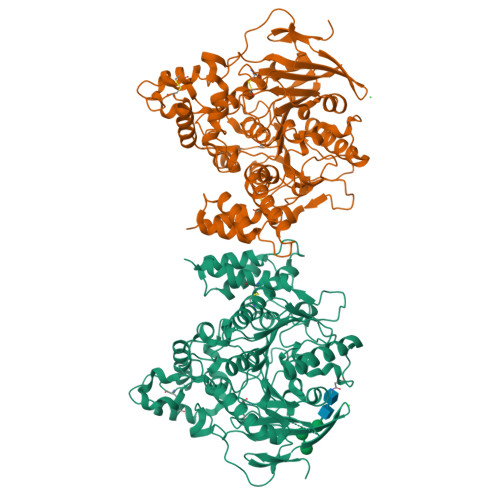
Click to view 3D structure1-deoxy-D-xylulose-5-phosphate synthaseB7UJP3Escherichia coli O127:H6 (strain E2348/69 / EPEC)Predicted (SEA)
Prediction Confidence Score
0.155
Applicability Domain
0.185 Low confidence
Statistical Significance
0.0066
Supporting Reference Compounds
2
E-value
51.5362
Cytochrome P450 1A2 structureClick to view 3D structureCytochrome P450 1A2P05177HumansPredicted (SEA)
Prediction Confidence Score
0.148
Applicability Domain
0.159 Low confidence
Statistical Significance
0.9941
Supporting Reference Compounds
793
E-value
7738.91
Cytochrome P450 2C19 structureClick to view 3D structureCytochrome P450 2C19P33261HumansPredicted (SEA)
Prediction Confidence Score
0.146
Applicability Domain
0.159 Low confidence
Statistical Significance
0.9961
Supporting Reference Compounds
825
E-value
7754.48
Cytochrome P450 2D6 structureClick to view 3D structureCytochrome P450 2D6P10635HumansPredicted (SEA)
Prediction Confidence Score
0.144
Applicability Domain
0.152 Low confidence
Statistical Significance
0.9974
Supporting Reference Compounds
1130
E-value
7764.37
Cytochrome P450 2C9 structureClick to view 3D structureCytochrome P450 2C9P11712HumansPredicted (SEA)
Prediction Confidence Score
0.143
Applicability Domain
0.159 Low confidence
Statistical Significance
0.9978
Supporting Reference Compounds
1245
E-value
7767.87
Acetylcholinesterase structureClick to view 3D structureAcetylcholinesteraseP07140Drosophila melanogasterPredicted (SEA)
Prediction Confidence Score
0.141
Applicability Domain
0.172 Low confidence
Statistical Significance
0.01
Supporting Reference Compounds
2
E-value
77.8492
Carbonic anhydrase structureClick to view 3D structureCarbonic anhydraseQ50565Methanobacterium thermoautotrophicumPredicted (SEA)
Prediction Confidence Score
0.14
Applicability Domain
0.14 Low confidence
Statistical Significance
0.1822
Supporting Reference Compounds
1
E-value
1418.8
Carbonic anhydrase 2 structureClick to view 3D structureCarbonic anhydrase 2P00918HumansPredicted (SEA)
Prediction Confidence Score
0.139
Applicability Domain
0.161 Low confidence
Statistical Significance
0.9895
Supporting Reference Compounds
472
E-value
7703.57
Carbonic anhydrase 1 structureClick to view 3D structureCarbonic anhydrase 1P00915HumansPredicted (SEA)
Prediction Confidence Score
0.139
Applicability Domain
0.161 Low confidence
Statistical Significance
0.984
Supporting Reference Compounds
407
E-value
7660.36
Cytochrome P450 2C8 structureClick to view 3D structureCytochrome P450 2C8P10632HumansPredicted (SEA)
Prediction Confidence Score
0.139
Applicability Domain
0.159 Low confidence
Statistical Significance
0.9929
Supporting Reference Compounds
305
E-value
7729.65
Carbonic anhydrase 9 structureClick to view 3D structureCarbonic anhydrase 9Q16790HumansPredicted (SEA)
Prediction Confidence Score
0.138
Applicability Domain
0.161 Low confidence
Statistical Significance
0.9849
Supporting Reference Compounds
372
E-value
7667.37
Click to view 3D structureSodium- and chloride-dependent creatine transporter 1P28570Rattus norvegicusPredicted (SEA)
Prediction Confidence Score
0.138
Applicability Domain
0.138 Low confidence
Statistical Significance
0.0086
Supporting Reference Compounds
1
E-value
66.7946
Carbonic anhydrase 12 structureClick to view 3D structureCarbonic anhydrase 12O43570HumansPredicted (SEA)
Prediction Confidence Score
0.137
Applicability Domain
0.161 Low confidence
Statistical Significance
0.9821
Supporting Reference Compounds
332
E-value
7645.57
Carbonic anhydrase 7 structureClick to view 3D structureCarbonic anhydrase 7P43166HumansPredicted (SEA)
Prediction Confidence Score
0.136
Applicability Domain
0.161 Low confidence
Statistical Significance
0.9742
Supporting Reference Compounds
242
E-value
7584.38
Carbonic anhydrase 14 structureClick to view 3D structureCarbonic anhydrase 14Q9ULX7HumansPredicted (SEA)
Prediction Confidence Score
0.136
Applicability Domain
0.161 Low confidence
Statistical Significance
0.9509
Supporting Reference Compounds
172
E-value
7402.53
Peptidyl-prolyl cis-trans isomerase NIMA-interacting 4 structureClick to view 3D structurePeptidyl-prolyl cis-trans isomerase NIMA-interacting 4Q9Y237HumansPredicted (SEA)
Prediction Confidence Score
0.135
Applicability Domain
0.135 Low confidence
Statistical Significance
0.2441
Supporting Reference Compounds
1
E-value
1900.53
Concentrations
Not Available
External Links
DrugBank IDNot Available
HMDB IDNot Available
FooDB IDNot Available
Phenol Explorer IDNot Available
KNApSAcK IDNot Available
BiGG IDNot Available
BioCyc IDNot Available
METLIN IDNot Available
PDB IDNot Available
Wikipedia LinkNot Available
Chemspider IDNot Available
ChEBI IDNot Available
PubChem Compound ID85266
Kegg Compound IDNot Available
YMDB IDNot Available
ECMDB IDNot Available
References
Synthesis ReferenceNot Available
MSDSNot Available
General ReferencesNot Available