| CEDs000456 | Nylon?Nylon is a synthetic polymer, primarily composed of polyamide, created through the polymerization of amine and carboxylic acid monomers. | Textiles, leather & furnishings | PMC10278095 |
| CEDs000503 | Tents Or Canopies?Tents and canopies used in various applications can be a source of synthetic chemical contamination primarily due to the materials from which they are made. | Building & Construction | PubChem |
| CEDs000517 | Electric Switches?Electric switches, integral components in numerous devices, can be a source of synthetic chemical contamination due to the materials and manufacturing processes involved in their production. | Electrical & Electronic Equipment | PubChem |
| CEDs000521 | Fixed Capacitors And Their Manufacture?Fixed capacitors are passive electronic components used to store and release electrical energy, playing a critical role in various circuits. | Electrical & Electronic Equipment | PubChem |
| CEDs000539 | Video Games?Video games, through their production and disposal processes, can be a source of synthetic chemical contamination. | Electrical & Electronic Equipment | PubChem |
| CEDs000589 | Life Buoys?Life buoys, commonly used in marine environments for safety and rescue operations, can be a source of synthetic chemical contamination due to the materials used in their production. | Marine, shipping & aquaculture | PubChem |
| CEDs000630 | Toys?Toys, particularly those made from synthetic materials such as plastics, can be a source of chemical contamination due to the presence of various additives and compounds used in their production. | Recreation & sports surfaces | PubChem |
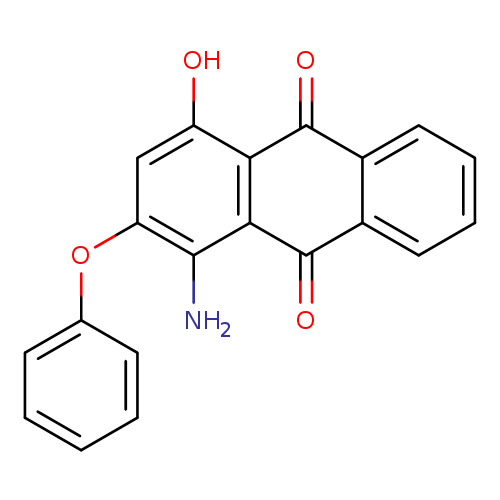
| CEDs000631 | Anthraquinone Dyes?Anthraquinone dyes are a class of synthetic organic compounds characterized by their vibrant colors and stability, making them widely used in various applications, particularly in coloring textiles and leather. | Textiles, leather & furnishings | PubChem |
| CEDs000632 | Apparel?Apparel production often involves the use of various synthetic chemicals, including dyes, finishing agents, and preservatives. | Textiles, leather & furnishings | PubChem |
| CEDs000633 | Azo Dyes?Azo dyes are synthetic organic compounds characterized by the presence of one or more azo groups (-N=N-), which are widely used for coloring textiles, leather, and furnishings. | Textiles, leather & furnishings | PubChem |
| CEDs000638 | Decorating Textiles?Decorating textiles often involves the use of synthetic chemicals such as dyes, finishes, and coatings. | Textiles, leather & furnishings | PubChem |
| CEDs000640 | Embroidering And Tufting?Embroidering and tufting processes often involve the use of synthetic chemicals such as dyes, adhesives, and finishing agents. | Textiles, leather & furnishings | PubChem |
| CEDs000641 | Foam Dyeing?Foam dyeing is a textile dyeing technique that utilizes a foaming agent to create a dye solution in a gaseous form, allowing for the application of dyes onto fabrics. | Textiles, leather & furnishings | PubChem |
| CEDs000643 | Headwear?Headwear made from synthetic materials often incorporates chemicals used in the manufacturing and finishing processes, such as dyes, flame retardants, and water repellents. | Textiles, leather & furnishings | PubChem |
| CEDs000645 | Inorganic Fibres?Inorganic fibres, such as asbestos, glass wool, and ceramic fibres, are used in various applications due to their thermal resistance, strength, and durability. | Textiles, leather & furnishings | PubChem |
| CEDs000647 | Multicolour Dyeing?Multicolour dyeing involves the application of multiple synthetic dyes to textiles and other materials to achieve vibrant, diverse color patterns. | Textiles, leather & furnishings | PubChem |
| CEDs000648 | Nitro Dyes?Nitro dyes are synthetic colorants that contain nitro groups (-NO2) in their chemical structure. | Textiles, leather & furnishings | PubChem |
| CEDs000655 | Slide Fasteners?Slide fasteners, commonly known as zippers, are mechanical devices used to join two edges of fabric or other materials. | Textiles, leather & furnishings | PubChem |
| CEDs000659 | Transfer Printing?Transfer printing is a process used to apply designs and patterns onto various substrates, commonly utilizing synthetic dyes and inks that can contain hazardous chemicals. | Textiles, leather & furnishings | PubChem |
| CEDs000661 | Umbrellas?Umbrellas are commonly manufactured using synthetic materials such as polyester, nylon, and polyvinyl chloride (PVC), which can contribute to synthetic chemical contamination. | Textiles, leather & furnishings | PubChem |
| CEDs000662 | Yarns Or Threads?Yarns or threads used in textiles can be a source of synthetic chemical contamination due to the production processes and treatments they undergo. | Textiles, leather & furnishings | PubChem |
| CEDs000684 | Cements?Cements are a composite material primarily used as a binding agent in construction applications, formed by the calcination of limestone and clay minerals at high temperatures. | Building & Construction | PubChem |
| CEDs000685 | Ceramics?Ceramics can be a source of synthetic chemical contamination through various additives and processing agents used in their production. | Building & Construction | PubChem |
| CEDs000686 | Clay Wares?Clay wares are ceramic products made from natural clay, often utilized in various construction applications such as tiles, bricks, and sanitary ware. | Building & Construction | PubChem |
| CEDs000696 | Nanotechnology?Nanotechnology involves the manipulation of materials at the molecular or atomic level, typically within the range of 1 to 100 nanometers. | Industrial manufacturing & chemical processing | PubChem |
| CEDs000717 | Fountain Pens?Fountain pens utilize a liquid ink that often contains synthetic chemicals, including dyes, pigments, and solvents, which can contribute to environmental contamination. | Paper, pulp & fiber products | PubChem |
| CEDs000720 | Ink Reservoir Pens2?Ink reservoir pens are writing instruments that utilize a reservoir to store ink, which is often composed of synthetic dyes, solvents, and additives. | Paper, pulp & fiber products | PubChem |
| CEDs000726 | Pens?Pens, commonly utilized for writing and marking, can be a source of synthetic chemical contamination primarily due to the materials used in their manufacturing. | Paper, pulp & fiber products | PubChem |
| CEDs000727 | Printing Machines Or Presses?Printing machines or presses commonly utilize synthetic chemicals such as inks, solvents, and cleaning agents. | Paper, pulp & fiber products | PubChem |
| CEDs000729 | Stamps?Stamps, particularly those produced using synthetic inks and adhesives, can contribute to chemical contamination when disposed of improperly. | Paper, pulp & fiber products | PubChem |
| CEDs000734 | Coating Compositions?Coating compositions, which include paints, sealants, and varnishes, are formulated with a variety of synthetic chemicals such as solvents, resins, pigments, and additives. | Building & Construction | PubChem |
| CEDs000739 | Inks?Inks are complex mixtures composed of pigments or dyes, solvents, resins, and additives used primarily for printing and writing applications. | Paper, pulp & fiber products | PubChem |
| CEDs000740 | Paper?Paper production involves the processing of wood fibers and the use of various chemicals, which can lead to synthetic chemical contamination. | Paper, pulp & fiber products | PubChem |
| CEDs000741 | Pigment Pastes?Pigment pastes are concentrated dispersions of pigments used to impart color and properties to materials. | Paper, pulp & fiber products | PubChem |
| CEDs000744 | Water, Wastewater, & Sewage Treatment?Water, wastewater, and sewage treatment processes are critical for managing and mitigating pollutants in water systems. | Wastewater, sanitation & biosolids | PubChem |
| CEDs01152 | Food Chain | Food, food processing & cookware | PMC12924119 |
| CEDs01886 | Plastic | Industrial manufacturing & chemical processing | PMC10278095 |
| CEDs03009 | Waste Water | Wastewater, sanitation & biosolids | PMC12924119 |