Benzenamine, 2,6-bis(1-methylethyl)- (CED0173047)

Record Information
Version1.0
Creation Date2016-05-19 03:33:41 UTC
Update Date2026-08-18 19:51:49 UTC
SynCED IDCED0173047
Secondary Accession Numbers
  • CHEM011142
Identification
Common NameBenzenamine, 2,6-bis(1-methylethyl)-
ClassSmall Molecule
Description
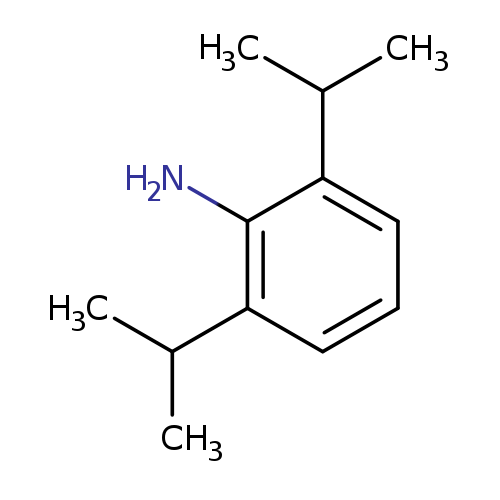
Benzenamine, 2,6-bis(1-methylethyl)- is an organic compound with the formula C12H19N and an average molecular weight of 177.29 g/mol. Benzenamine, 2,6-bis(1-methylethyl)- belongs to the cumenes, a subclass of benzene and substituted derivatives within the organic compounds. This substance is associated with six recorded sources. These include food contact materials used in food, food processing, and cookware, as well as drinking water and water supply. Additionally, it is found in or released from electrical and electronic equipment, specifically antennas, electric switches, fixed capacitors and their manufacture, and thin magnetic films. Human exposure to the compound occurs through recorded routes of inhalation, oral ingestion, and touch.
Contaminant TypeNot Available
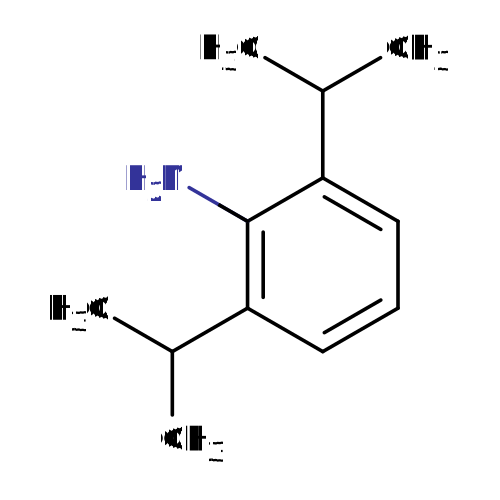
Chemical Structure
SynonymsNot Available
Chemical FormulaC12H19N
Average Molecular Mass177.291 g/mol
Monoisotopic Mass177.152 g/mol
CAS Registry Number24544-04-5
IUPAC Name2,6-bis(propan-2-yl)aniline
Traditional Name2,6-diisopropylaniline
SMILESCC(C)C1=CC=CC(C(C)C)=C1N
InChI IdentifierInChI=1S/C12H19N/c1-8(2)10-6-5-7-11(9(3)4)12(10)13/h5-9H,13H2,1-4H3
InChI KeyWKBALTUBRZPIPZ-UHFFFAOYSA-N
Chemical Taxonomy
Description Belongs to the class of organic compounds known as cumenes. These are aromatic compounds containing a prop-2-ylbenzene moiety.
KingdomOrganic compounds
Super ClassBenzenoids
ClassBenzene and substituted derivatives
Sub ClassCumenes
Direct ParentCumenes
Alternative Parents
Substituents
  • Phenylpropane
  • Cumene
  • Aniline or substituted anilines
  • Organic nitrogen compound
  • Organopnictogen compound
  • Hydrocarbon derivative
  • Primary amine
  • Organonitrogen compound
  • Amine
  • Aromatic homomonocyclic compound
Molecular FrameworkAromatic homomonocyclic compounds
External DescriptorsNot Available
Biological Properties
StatusDetected and Not Quantified
OriginNot Available
Cellular LocationsNot Available
Biofluid LocationsNot Available
Tissue LocationsNot Available
ApplicationsNot Available
Biological RolesNot Available
Chemical RolesNot Available
Organoleptic EffectsNot Available
Physical Properties
StateNot Available
AppearanceNot Available
Experimental Properties
PropertyValue
Melting PointNot Available
Boiling PointNot Available
SolubilityNot Available
Predicted Properties
PropertyValueSource
Water Solubility0.07 g/LALOGPS
logP3.57ALOGPS
logP3.63ChemAxon
logS-3.4ALOGPS
pKa (Strongest Basic)4ChemAxon
Physiological Charge0ChemAxon
Hydrogen Acceptor Count1ChemAxon
Hydrogen Donor Count1ChemAxon
Polar Surface Area26.02 ŲChemAxon
Rotatable Bond Count2ChemAxon
Refractivity59.14 m³·mol⁻¹ChemAxon
Polarizability22.12 ųChemAxon
Number of Rings1ChemAxon
BioavailabilityYesChemAxon
Rule of FiveYesChemAxon
Ghose FilterYesChemAxon
Veber's RuleYesChemAxon
MDDR-like RuleNoChemAxon
Spectra
Spectra
Spectrum TypeDescriptionSplash KeyDeposition DateView
Predicted LC-MS/MSPredicted LC-MS/MS Spectrumsplash10-01t9-0900000000-ddf01b684a5ecbaa3060Not AvailableView Spectrum
Predicted LC-MS/MSPredicted LC-MS/MS Spectrumsplash10-01t9-0900000000-dc902047b457f0c77a49Not AvailableView Spectrum
Predicted LC-MS/MSPredicted LC-MS/MS Spectrumsplash10-03xv-5900000000-c543f2b2815d628b4356Not AvailableView Spectrum
Predicted LC-MS/MSPredicted LC-MS/MS Spectrumsplash10-004i-0900000000-a50cd7bfa51888491d93Not AvailableView Spectrum
Predicted LC-MS/MSPredicted LC-MS/MS Spectrumsplash10-004i-0900000000-c13797000f089a7bc1beNot AvailableView Spectrum
Predicted LC-MS/MSPredicted LC-MS/MS Spectrumsplash10-004i-1900000000-f55b7fdb25a439e5eb63Not AvailableView Spectrum
Toxicity Profile
Toxicity Values
Toxicity ValueOrganismDose DescriptorRoute of ExposurePredicted or ExperimentalToxicity RatingReference
1155.0 Log mg/kg [650:2100]RatLD50oralpredictedNot AvailableNot Available
Toxicity / Toxin ClassNot Available
Mechanism of ToxicityNot Available
Carcinogenicity (IARC Classification)Not Available
Minimum Risk LevelNot Available
SymptomsNot Available
TreatmentNot Available
Health Effects
Health EffectRelationshipDirectionReference
Exposure Sources
Source IDSourceSectorReference
CEDs000115Drinking water?Drinking water can be a medium for synthetic chemical contamination, often originating from various industrial processes and agricultural practices.Drinking water & water supplyNot Available
CEDs000494Food contact materials?Food contact materials refer to substances and products that are intended to come into contact with food during processing, packaging, or preparation.Food, food processing & cookwareNot Available
CEDs000506Antennas?Antennas, commonly used in communication technologies, can be a source of synthetic chemical contamination through the materials and coatings used in their construction.Electrical & Electronic EquipmentNot Available
CEDs000511Conductors Or Conductive Bodies Characterised By The Conductive Materials?Conductors, or conductive bodies, are materials that allow the flow of electrical current, typically made from metals such as copper, aluminum, or silver.Electrical & Electronic EquipmentNot Available
CEDs000517Electric Switches?Electric switches, integral components in numerous devices, can be a source of synthetic chemical contamination due to the materials and manufacturing processes involved in their production.Electrical & Electronic EquipmentNot Available
CEDs000519Electrodes?Electrodes, used in various electrical and electronic applications, can be a source of synthetic chemical contamination due to the materials from which they are constructed and the processes involved in their manufacturing.Electrical & Electronic EquipmentNot Available
CEDs000521Fixed Capacitors And Their Manufacture?Fixed capacitors are passive electronic components used to store and release electrical energy, playing a critical role in various circuits.Electrical & Electronic EquipmentNot Available
CEDs000524Hybrid Capacitors?Hybrid capacitors are energy storage devices that combine the properties of electrolytic and supercapacitors, utilizing a combination of electrochemical principles to achieve higher energy density and power density.Electrical & Electronic EquipmentNot Available
CEDs000538Thin Magnetic Films?Thin magnetic films are layers of magnetic material ranging from a few nanometers to several micrometers in thickness, commonly used in applications such as magnetic sensors, data storage devices, and electronic components.Electrical & Electronic EquipmentNot Available
CEDs000545Food Preservation?Food preservation often involves the use of synthetic chemicals, such as preservatives, flavor enhancers, and color additives, to extend shelf life and enhance the sensory qualities of food products.Food, food processing & cookwareNot Available
CEDs000604Pest Attractants?Pest attractants are synthetic chemicals designed to lure specific pests for monitoring or control purposes.Agriculture & land managementNot Available
CEDs000632Apparel?Apparel production often involves the use of various synthetic chemicals, including dyes, finishing agents, and preservatives.Textiles, leather & furnishingsNot Available
CEDs000634Buckles?Buckles, commonly used as fasteners in clothing, accessories, and furniture, can be a source of synthetic chemical contamination due to the materials and coatings employed in their production.Textiles, leather & furnishingsNot Available
CEDs000642Footwear?Footwear production often involves the use of various synthetic chemicals, such as adhesives, dyes, and treatments, which can contribute to environmental contamination.Textiles, leather & furnishingsNot Available
CEDs000643Headwear?Headwear made from synthetic materials often incorporates chemicals used in the manufacturing and finishing processes, such as dyes, flame retardants, and water repellents.Textiles, leather & furnishingsNot Available
CEDs000671Airplanes And Helicopters?Airplanes and helicopters are significant sources of synthetic chemical contamination primarily through the use of aviation fuels, lubricants, and de-icing agents.Aviation & AerospaceNot Available
CEDs000684Cements?Cements are a composite material primarily used as a binding agent in construction applications, formed by the calcination of limestone and clay minerals at high temperatures.Building & ConstructionNot Available
CEDs000685Ceramics?Ceramics can be a source of synthetic chemical contamination through various additives and processing agents used in their production.Building & ConstructionNot Available
CEDs000696Nanotechnology?Nanotechnology involves the manipulation of materials at the molecular or atomic level, typically within the range of 1 to 100 nanometers.Industrial manufacturing & chemical processingNot Available
CEDs000703Blackboards?Blackboards, traditionally made from slate or coated wood, can also be produced using synthetic materials that may contain various chemicals.Paper, pulp & fiber productsNot Available
CEDs000735Explosives?Explosives are chemical compounds or mixtures designed to undergo rapid decomposition, releasing energy in the form of gas and heat.Defense & military infrastructureNot Available
CEDs000739Inks?Inks are complex mixtures composed of pigments or dyes, solvents, resins, and additives used primarily for printing and writing applications.Paper, pulp & fiber productsNot Available
CEDs000740Paper?Paper production involves the processing of wood fibers and the use of various chemicals, which can lead to synthetic chemical contamination.Paper, pulp & fiber productsNot Available
CEDs000741Pigment Pastes?Pigment pastes are concentrated dispersions of pigments used to impart color and properties to materials.Paper, pulp & fiber productsNot Available
CEDs000743Sludge Treatment?Sludge treatment involves the processing of waste materials generated from wastewater treatment plants, which often contain a variety of organic and inorganic substances.Wastewater, sanitation & biosolidsNot Available
CEDs000744Water, Wastewater, & Sewage Treatment?Water, wastewater, and sewage treatment processes are critical for managing and mitigating pollutants in water systems.Wastewater, sanitation & biosolidsNot Available
Pathways
0 pathwaysPathway Source: PathBank

No pathways found

No metabolic pathways have been associated with this synthetic chemical

Targets
StructureProteinUniProt IDOrganismRelationshipDetails
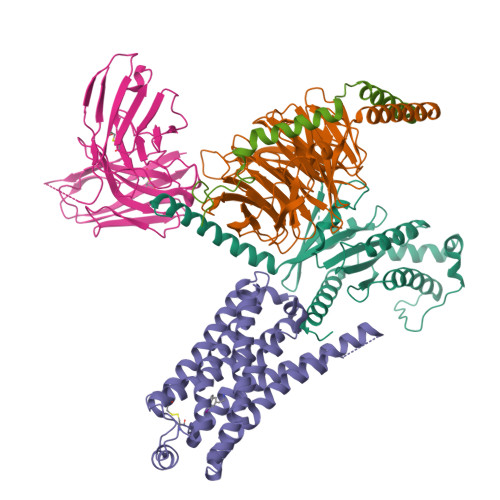
Sodium-dependent noradrenaline transporter structureClick to view 3D structureSodium-dependent noradrenaline transporterP23975HumansPredicted (SEA)
Prediction Confidence Score
0.332
Applicability Domain
0.545
Statistical Significance
0.018
Supporting Reference Compounds
451
E-value
140.206
5-hydroxytryptamine receptor 2B structureClick to view 3D structure5-hydroxytryptamine receptor 2BP41595HumansPredicted (SEA)
Prediction Confidence Score
0.324
Applicability Domain
0.545
Statistical Significance
0.0308
Supporting Reference Compounds
686
E-value
240.087
5-hydroxytryptamine receptor 2C structureClick to view 3D structure5-hydroxytryptamine receptor 2CP28335HumansPredicted (SEA)
Prediction Confidence Score
0.304
Applicability Domain
0.545
Statistical Significance
0.0611
Supporting Reference Compounds
823
E-value
475.581
Click to view 3D structureSodium-dependent dopamine transporterP23977Rattus norvegicusPredicted (SEA)
Prediction Confidence Score
0.293
Applicability Domain
0.333
Statistical Significance
0.0229
Supporting Reference Compounds
203
E-value
178.43
Prostaglandin G/H synthase 1 structureClick to view 3D structureProstaglandin G/H synthase 1P23219HumansPredicted (SEA)
Prediction Confidence Score
0.292
Applicability Domain
0.545
Statistical Significance
0.0125
Supporting Reference Compounds
136
E-value
97.0001
Click to view 3D structureSodium-dependent serotonin transporterP31652Rattus norvegicusPredicted (SEA)
Prediction Confidence Score
0.283
Applicability Domain
0.333
Statistical Significance
0.0446
Supporting Reference Compounds
297
E-value
347.363
Polyunsaturated fatty acid lipoxygenase ALOX15 structureClick to view 3D structurePolyunsaturated fatty acid lipoxygenase ALOX15P12530Oryctolagus cuniculusPredicted (SEA)
Prediction Confidence Score
0.276
Applicability Domain
0.545
Statistical Significance
0.0029
Supporting Reference Compounds
47
E-value
22.732
Amine oxidase [flavin-containing] A structureClick to view 3D structureAmine oxidase [flavin-containing] AP21396Rattus norvegicusPredicted (SEA)
Prediction Confidence Score
0.27
Applicability Domain
0.313
Statistical Significance
0.0133
Supporting Reference Compounds
66
E-value
103.384
Trace amine-associated receptor 1 structureClick to view 3D structureTrace amine-associated receptor 1Q96RJ0HumansPredicted (SEA)
Prediction Confidence Score
0.263
Applicability Domain
0.333
Statistical Significance
0.014
Supporting Reference Compounds
63
E-value
108.755
Click to view 3D structureTrace amine-associated receptor 1Q8HZ64Macaca mulattaPredicted (SEA)
Prediction Confidence Score
0.261
Applicability Domain
0.333
Statistical Significance
7.70e-04
Supporting Reference Compounds
8
E-value
5.99439
Sodium-dependent dopamine transporter structureClick to view 3D structureSodium-dependent dopamine transporterQ01959HumansPredicted (SEA)
Prediction Confidence Score
0.256
Applicability Domain
0.333
Statistical Significance
0.1465
Supporting Reference Compounds
506
E-value
1140.57
Sodium-dependent serotonin transporter structureClick to view 3D structureSodium-dependent serotonin transporterP31645HumansPredicted (SEA)
Prediction Confidence Score
0.25
Applicability Domain
0.333
Statistical Significance
0.1938
Supporting Reference Compounds
593
E-value
1508.64
5-hydroxytryptamine receptor 2A structureClick to view 3D structure5-hydroxytryptamine receptor 2AP28223HumansPredicted (SEA)
Prediction Confidence Score
0.247
Applicability Domain
0.313
Statistical Significance
0.3227
Supporting Reference Compounds
955
E-value
2512.58
Trace amine-associated receptor 1 structureClick to view 3D structureTrace amine-associated receptor 1Q923Y8Mus musculusPredicted (SEA)
Prediction Confidence Score
0.245
Applicability Domain
0.333
Statistical Significance
0.0039
Supporting Reference Compounds
18
E-value
30.3612
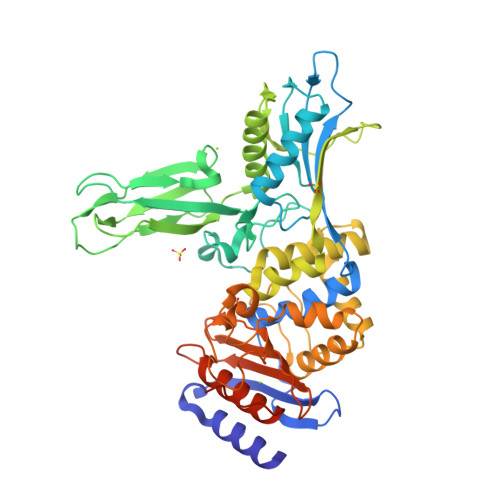
D-alanyl-D-alanine carboxypeptidase structureClick to view 3D structureD-alanyl-D-alanine carboxypeptidaseP39045Actinomadura sp. (strain R39)Predicted (SEA)
Prediction Confidence Score
0.243
Applicability Domain
0.243 Low confidence
Statistical Significance
0.0021
Supporting Reference Compounds
1
E-value
16.2705
5-hydroxytryptamine receptor 2C structureClick to view 3D structure5-hydroxytryptamine receptor 2CP08909RatPredicted (SEA)
Prediction Confidence Score
0.241
Applicability Domain
0.333
Statistical Significance
0.1123
Supporting Reference Compounds
185
E-value
874.558
Sterol O-acyltransferase 1 structureClick to view 3D structureSterol O-acyltransferase 1P35610HumansPredicted (SEA)
Prediction Confidence Score
0.241
Applicability Domain
0.293 Low confidence
Statistical Significance
0.0126
Supporting Reference Compounds
36
E-value
98.2457
Alpha-2B adrenergic receptor structureClick to view 3D structureAlpha-2B adrenergic receptorP18089HumansPredicted (SEA)
Prediction Confidence Score
0.239
Applicability Domain
0.27 Low confidence
Statistical Significance
0.1707
Supporting Reference Compounds
340
E-value
1329.04
Alpha-1A adrenergic receptor structureClick to view 3D structureAlpha-1A adrenergic receptorP35348HumansPredicted (SEA)
Prediction Confidence Score
0.238
Applicability Domain
0.27 Low confidence
Statistical Significance
0.2062
Supporting Reference Compounds
376
E-value
1605.56
5-hydroxytryptamine receptor 2A structureClick to view 3D structure5-hydroxytryptamine receptor 2AP14842Rattus norvegicusPredicted (SEA)
Prediction Confidence Score
0.238
Applicability Domain
0.333
Statistical Significance
0.1995
Supporting Reference Compounds
380
E-value
1553.4
Click to view 3D structureNorepinephrine transporterQ9WTR4Rattus norvegicusPredicted (SEA)
Prediction Confidence Score
0.237
Applicability Domain
0.313
Statistical Significance
0.051
Supporting Reference Compounds
112
E-value
396.797
Click to view 3D structureTrace amine-associated receptor 1Q923Y9Rattus norvegicusPredicted (SEA)
Prediction Confidence Score
0.237
Applicability Domain
0.333
Statistical Significance
0.0093
Supporting Reference Compounds
18
E-value
72.3998
Click to view 3D structure5-hydroxytryptamine receptor 2BP30994Rattus norvegicusPredicted (SEA)
Prediction Confidence Score
0.237
Applicability Domain
0.333
Statistical Significance
0.0218
Supporting Reference Compounds
40
E-value
169.711
Click to view 3D structureSterol O-acyltransferase 1O70536Rattus norvegicusPredicted (SEA)
Prediction Confidence Score
0.235
Applicability Domain
0.273 Low confidence
Statistical Significance
0.0043
Supporting Reference Compounds
13
E-value
33.553
Click to view 3D structureAlpha-1B adrenergic receptorP35368HumansPredicted (SEA)
Prediction Confidence Score
0.234
Applicability Domain
0.27 Low confidence
Statistical Significance
0.1965
Supporting Reference Compounds
298
E-value
1529.43
Concentrations
Not Available
External Links
DrugBank IDNot Available
HMDB IDNot Available
FooDB IDNot Available
Phenol Explorer IDNot Available
KNApSAcK IDNot Available
BiGG IDNot Available
BioCyc IDNot Available
METLIN IDNot Available
PDB IDNot Available
Wikipedia LinkNot Available
Chemspider IDNot Available
ChEBI IDNot Available
PubChem Compound ID32484
Kegg Compound IDNot Available
YMDB IDNot Available
ECMDB IDNot Available
References
Synthesis ReferenceNot Available
MSDSNot Available
General ReferencesNot Available