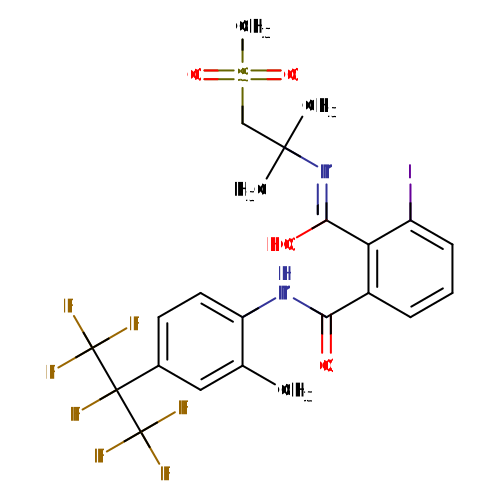
| CEDs000007 | Pesticides?Pesticides are synthetic chemicals designed to prevent, destroy, or control pests that threaten crops and agricultural productivity. | Agriculture & land management | Not Available |
| CEDs000010 | Insecticides?Insecticides are synthetic chemicals designed to control or eliminate insect pests that threaten crops and other agricultural products. | Agriculture & land management | Not Available |
| CEDs000115 | Drinking water?Drinking water can be a medium for synthetic chemical contamination, often originating from various industrial processes and agricultural practices. | Drinking water & water supply | Not Available |
| CEDs000120 | Wires and cables?Wires and cables are integral components in the transmission of electrical power and signals. | Electrical & Electronic Equipment | Not Available |
| CEDs000121 | Printed circuit boards?Printed circuit boards (PCBs) are essential components in the manufacturing of electronic devices, serving as the backbone for electrical connections and circuit pathways. | Electrical & Electronic Equipment | Not Available |
| CEDs000125 | Batteries?Batteries are devices that store and release electrical energy through electrochemical reactions. | Electrical & Electronic Equipment | Not Available |
| CEDs000130 | Semiconductors?Semiconductors are materials that possess electrical conductivity between that of conductors and insulators, making them essential for various electronic applications, including transistors, diodes, and integrated circuits. | Electrical & Electronic Equipment | Not Available |
| CEDs000138 | Lubricants?Lubricants are synthetic or petroleum-derived substances used to reduce friction between surfaces in machinery and equipment, enhancing operational efficiency and longevity. | Energy, oil & gas | Not Available |
| CEDs000147 | Food packaging?Food packaging often utilizes synthetic chemicals, such as plastics and coatings, to enhance durability, moisture resistance, and shelf life. | Food, food processing & cookware | Not Available |
| CEDs000174 | Lubricants?Lubricants are synthetic or petroleum-based substances used to reduce friction and wear between moving parts in machinery and equipment. | Industrial manufacturing & chemical processing | Not Available |
| CEDs000233 | Brushes?Brushes used in personal care and cosmetics can be a source of synthetic chemical contamination due to the materials and coatings used in their manufacturing. | Personal care & cosmetics | Not Available |
| CEDs000234 | Medical devices?Medical devices often incorporate synthetic chemicals in their manufacturing processes, which can contribute to contamination in healthcare settings. | Healthcare, pharmaceuticals & veterinary products | Not Available |
| CEDs000451 | Carpets and Rugs?Carpets and rugs are commonly manufactured using synthetic fibers such as nylon, polyester, and polypropylene, which can be derived from petrochemical sources. | Textiles, leather & furnishings | Not Available |
| CEDs000454 | Synthetic textiles?Synthetic textiles are materials derived from man-made fibers, such as polyester, nylon, and acrylic, which are produced through chemical processes involving petrochemicals. | Textiles, leather & furnishings | Not Available |
| CEDs000490 | | Personal care & cosmetics | Not Available |
| CEDs000492 | Cell phones?Cell phones contain a variety of synthetic chemicals and materials, including plastics, metals, and glass, which can contribute to environmental contamination. | Electrical & Electronic Equipment | Not Available |
| CEDs000493 | Capacitors?Capacitors are electronic components that store and release electrical energy, often using dielectric materials that can include synthetic chemicals. | Electrical & Electronic Equipment | Not Available |
| CEDs000496 | Fencing?Fencing materials, particularly those used in construction and landscaping, can be a source of synthetic chemical contamination due to the treatments and coatings applied for durability and weather resistance. | Building & Construction | Not Available |
| CEDs000497 | Floors?Floors in built environments can be a significant source of synthetic chemical contamination due to the materials and finishes used in their construction. | Building & Construction | Not Available |
| CEDs000503 | Tents Or Canopies?Tents and canopies used in various applications can be a source of synthetic chemical contamination primarily due to the materials from which they are made. | Building & Construction | Not Available |
| CEDs000510 | Communication Cables Or Conductors?Communication cables or conductors are essential components in the transmission of data and signals in various applications, including telecommunications and networking. | Electrical & Electronic Equipment | Not Available |
| CEDs000516 | Electric Hearing Aids?Electric hearing aids are small electronic devices designed to amplify sound for individuals with hearing loss. | Electrical & Electronic Equipment | Not Available |
| CEDs000517 | Electric Switches?Electric switches, integral components in numerous devices, can be a source of synthetic chemical contamination due to the materials and manufacturing processes involved in their production. | Electrical & Electronic Equipment | Not Available |
| CEDs000519 | Electrodes?Electrodes, used in various electrical and electronic applications, can be a source of synthetic chemical contamination due to the materials from which they are constructed and the processes involved in their manufacturing. | Electrical & Electronic Equipment | Not Available |
| CEDs000524 | Hybrid Capacitors?Hybrid capacitors are energy storage devices that combine the properties of electrolytic and supercapacitors, utilizing a combination of electrochemical principles to achieve higher energy density and power density. | Electrical & Electronic Equipment | Not Available |
| CEDs000529 | Power Cables?Power cables are used to transmit electrical energy and are typically composed of conductive materials, insulation, and protective coatings. | Electrical & Electronic Equipment | Not Available |
| CEDs000530 | Radio Transmission Systems?Radio transmission systems utilize a variety of synthetic chemicals in their manufacturing and maintenance processes. | Electrical & Electronic Equipment | Not Available |
| CEDs000533 | Sparking Plugs?Spark plugs are critical components in internal combustion engines, facilitating the ignition of fuel-air mixtures by generating a spark. | Electrical & Electronic Equipment | Not Available |
| CEDs000545 | Food Preservation?Food preservation often involves the use of synthetic chemicals, such as preservatives, flavor enhancers, and color additives, to extend shelf life and enhance the sensory qualities of food products. | Food, food processing & cookware | Not Available |
| CEDs000546 | Molasses And Treatment Of Molasses?Molasses is a thick, viscous byproduct of sugar production, derived from the extraction of sugar cane or sugar beet juice. | Food, food processing & cookware | Not Available |
| CEDs000551 | Processing Fish?Processing fish can lead to synthetic chemical contamination through various stages of production and preservation. | Food, food processing & cookware | Not Available |
| CEDs000553 | Treatment Of Hops?Hops, a key ingredient in brewing and food flavoring, can be a source of synthetic chemical contamination due to various agricultural practices. | Food, food processing & cookware | Not Available |
| CEDs000556 | Cigar Cigarettes?Cigar cigarettes are a source of synthetic chemical contamination due to the combustion of various tobacco blends and additives. | Household cleaning & consumer products | Not Available |
| CEDs000561 | Perfumes Within Detergents And Soaps?Perfumes within detergents and soaps are synthetic fragrance compounds added to enhance the sensory experience of cleaning products. | Household cleaning & consumer products | Not Available |
| CEDs000563 | Soap Detergents?Soap detergents are synthetic surfactants designed to enhance the cleaning efficacy of water by reducing surface tension, allowing for better interaction with dirt and grease. | Household cleaning & consumer products | Not Available |
| CEDs000569 | Tobacco Smoke Filters?Tobacco smoke filters are designed to reduce the inhalation of harmful substances in cigarette smoke, including tar and other particulate matter. | Household cleaning & consumer products | Not Available |
| CEDs000580 | Manufacture Preparation Of Tobacco Products?The manufacture and preparation of tobacco products involve various processes that can result in the introduction of synthetic chemicals into the environment. | Industrial manufacturing & chemical processing | Not Available |
| CEDs000581 | Paper Making Machines?Paper making machines utilize various synthetic chemicals throughout the production process, including additives, coatings, and bleaching agents. | Industrial manufacturing & chemical processing | Not Available |
| CEDs000596 | Acaricides?Acaricides are synthetic chemicals specifically designed to target and control mite populations that can damage crops and plants. | Agriculture & land management | Not Available |
| CEDs000597 | Chemosterilants?Chemosterilants are synthetic chemicals designed to induce sterility in target pest populations, thereby controlling their reproduction and mitigating damage to crops. | Agriculture & land management | Not Available |
| CEDs000598 | Fertiliser Distributors?Fertiliser distributors play a critical role in the supply of synthetic fertilizers, which are widely used to enhance soil fertility and crop yield. | Agriculture & land management | Not Available |
| CEDs000600 | Herbicides And Algicides?Herbicides and algicides are synthetic chemicals primarily used to control unwanted plants and algae in various environments. | Agriculture & land management | Not Available |
| CEDs000602 | Molluscicides?Molluscicides are synthetic chemicals specifically designed to control and eliminate mollusks, such as snails and slugs, which can be detrimental to crops and agricultural productivity. | Agriculture & land management | Not Available |
| CEDs000603 | Nematocides?Nematocides are synthetic chemicals specifically designed to control nematodes, which are microscopic roundworms that can cause significant damage to crops and plants. | Agriculture & land management | Not Available |
| CEDs000604 | Pest Attractants?Pest attractants are synthetic chemicals designed to lure specific pests for monitoring or control purposes. | Agriculture & land management | Not Available |
| CEDs000605 | Pest Repellants?Pest repellents, often formulated from synthetic chemicals, are widely used to protect crops from insect infestations and other pests. | Agriculture & land management | Not Available |
| CEDs000606 | Plant Growth Regulators?Plant Growth Regulators (PGRs) are synthetic chemicals designed to influence the growth and development of plants. | Agriculture & land management | Not Available |
| CEDs000607 | Rodenticides(1)?Rodenticides are synthetic chemicals specifically formulated to control rodent populations, serving as a crucial tool in managing pests that can damage crops and spread diseases. | Agriculture & land management | Not Available |
| CEDs000608 | Rodenticides?Rodenticides are chemical substances specifically designed to control rodent populations by causing death through various mechanisms, including anticoagulation or neurotoxicity. | Agriculture & land management | Not Available |
| CEDs000609 | Aftershave?Aftershave is a grooming product typically used to soothe and protect the skin following shaving. | Personal care & cosmetics | Not Available |
| CEDs000611 | Anti Perspirants Or Body Deoderants?Antiperspirants and body deodorants commonly contain synthetic chemicals such as aluminum compounds, parabens, and synthetic fragrances. | Personal care & cosmetics | Not Available |
| CEDs000614 | Essential Oils Or Perfumes?Essential oils and perfumes are complex mixtures of volatile compounds derived from natural or synthetic sources, commonly used for their aromatic properties. | Personal care & cosmetics | Not Available |
| CEDs000615 | Eye Makeup Products?Eye makeup products, including mascaras, eyeliners, and eyeshadows, often contain a variety of synthetic chemicals such as pigments, preservatives, and film-forming agents. | Personal care & cosmetics | Not Available |
| CEDs000618 | Lip Makeup Products?Lip makeup products, such as lipsticks, lip glosses, and lip liners, often contain a variety of synthetic chemicals, including pigments, preservatives, and emollients. | Personal care & cosmetics | Not Available |
| CEDs000620 | Card Games?Card games often utilize synthetic materials for playing cards and associated gaming equipment, which may contain various chemicals such as polyvinyl chloride (PVC), plastics, and dyes. | Recreation & sports surfaces | Not Available |
| CEDs000622 | Game Accessories?Game accessories, such as synthetic turf, athletic shoes, and other sports-related equipment, often incorporate various synthetic chemicals in their production. | Recreation & sports surfaces | Not Available |
| CEDs000627 | Roulette Games?Roulette games, often played on synthetic surfaces like those found in recreational facilities, can be associated with various synthetic chemical contaminants. | Recreation & sports surfaces | Not Available |
| CEDs000632 | Apparel?Apparel production often involves the use of various synthetic chemicals, including dyes, finishing agents, and preservatives. | Textiles, leather & furnishings | Not Available |
| CEDs000638 | Decorating Textiles?Decorating textiles often involves the use of synthetic chemicals such as dyes, finishes, and coatings. | Textiles, leather & furnishings | Not Available |
| CEDs000642 | Footwear?Footwear production often involves the use of various synthetic chemicals, such as adhesives, dyes, and treatments, which can contribute to environmental contamination. | Textiles, leather & furnishings | Not Available |
| CEDs000671 | Airplanes And Helicopters?Airplanes and helicopters are significant sources of synthetic chemical contamination primarily through the use of aviation fuels, lubricants, and de-icing agents. | Aviation & Aerospace | Not Available |
| CEDs000673 | Unmanned Aerial Vehicles?Unmanned Aerial Vehicles (UAVs), commonly known as drones, utilize various synthetic chemicals in their manufacturing, operation, and maintenance processes. | Aviation & Aerospace | Not Available |
| CEDs000678 | Nitrogenous Fertilisers?Nitrogenous fertilizers are synthetic chemical compounds primarily used to enhance plant growth by supplying essential nitrogen, a crucial nutrient for photosynthesis and protein synthesis. | Agriculture & land management | Not Available |
| CEDs000679 | Phosphatic Fertilisers?Phosphatic fertilizers are synthetic chemical products primarily composed of phosphorus, which is essential for plant growth. | Agriculture & land management | Not Available |
| CEDs000685 | Ceramics?Ceramics can be a source of synthetic chemical contamination through various additives and processing agents used in their production. | Building & Construction | Not Available |
| CEDs000686 | Clay Wares?Clay wares are ceramic products made from natural clay, often utilized in various construction applications such as tiles, bricks, and sanitary ware. | Building & Construction | Not Available |
| CEDs000696 | Nanotechnology?Nanotechnology involves the manipulation of materials at the molecular or atomic level, typically within the range of 1 to 100 nanometers. | Industrial manufacturing & chemical processing | Not Available |
| CEDs000739 | Inks?Inks are complex mixtures composed of pigments or dyes, solvents, resins, and additives used primarily for printing and writing applications. | Paper, pulp & fiber products | Not Available |
| CEDs000740 | Paper?Paper production involves the processing of wood fibers and the use of various chemicals, which can lead to synthetic chemical contamination. | Paper, pulp & fiber products | Not Available |
| CEDs000741 | Pigment Pastes?Pigment pastes are concentrated dispersions of pigments used to impart color and properties to materials. | Paper, pulp & fiber products | Not Available |
| CEDs000744 | Water, Wastewater, & Sewage Treatment?Water, wastewater, and sewage treatment processes are critical for managing and mitigating pollutants in water systems. | Wastewater, sanitation & biosolids | Not Available |