1,2-Epoxydodecane (CED0021838)

Record Information
Version1.0
Creation Date2016-05-19 03:40:35 UTC
Update Date2026-08-18 20:56:12 UTC
SynCED IDCED0021838
Secondary Accession Numbers
  • CHEM011546
Identification
Common Name1,2-Epoxydodecane
ClassSmall Molecule
Description
1,2-Epoxydodecane belongs to the epoxides, a class of organoheterocyclic compounds within the organic compounds. This compound has the chemical formula C12H24O and an average molecular weight of 184.32 g/mol. It is present in polyethylene terephthalate plastics. There are eight recorded sources from which 1,2-Epoxydodecane is found in or released. These include electrical and electronic equipment, specifically power cables, fixed capacitors and their manufacture, and discharge lamps. Within the category of household cleaning and consumer products, it is found in soap detergents and bleaching agents. It is also associated with food, food processing and cookware, specifically fermentation processes for beer and food contact materials. Additionally, it is found in drinking water and water supply. Recorded exposure routes for this compound include touch, oral, and inhalation.
Contaminant TypeNot Available
Chemical Structure
SynonymsNot Available
Chemical FormulaC12H24O
Average Molecular Mass184.323 g/mol
Monoisotopic Mass184.183 g/mol
CAS Registry Number2855-19-8
IUPAC Name2-decyloxirane
Traditional Name2-decyloxirane
SMILESCCCCCCCCCCC1CO1
InChI IdentifierInChI=1S/C12H24O/c1-2-3-4-5-6-7-8-9-10-12-11-13-12/h12H,2-11H2,1H3
InChI KeyMPGABYXKKCLIRW-UHFFFAOYSA-N
Chemical Taxonomy
Description Belongs to the class of organic compounds known as epoxides. Epoxides are compounds containing a cyclic ether with three ring atoms(one oxygen and two carbon atoms).
KingdomOrganic compounds
Super ClassOrganoheterocyclic compounds
ClassEpoxides
Sub ClassNot Available
Direct ParentEpoxides
Alternative Parents
Substituents
  • Oxacycle
  • Ether
  • Oxirane
  • Dialkyl ether
  • Organic oxygen compound
  • Hydrocarbon derivative
  • Organooxygen compound
  • Aliphatic heteromonocyclic compound
Molecular FrameworkAliphatic heteromonocyclic compounds
External DescriptorsNot Available
Biological Properties
StatusDetected and Not Quantified
OriginNot Available
Cellular LocationsNot Available
Biofluid LocationsNot Available
Tissue LocationsNot Available
ApplicationsNot Available
Biological RolesNot Available
Chemical RolesNot Available
Organoleptic EffectsNot Available
Physical Properties
StateNot Available
AppearanceNot Available
Experimental Properties
PropertyValue
Melting PointNot Available
Boiling PointNot Available
SolubilityNot Available
Predicted Properties
PropertyValueSource
Water Solubility0.00073 g/LALOGPS
logP5.4ALOGPS
logP4.45ChemAxon
logS-5.4ALOGPS
pKa (Strongest Basic)-4.2ChemAxon
Physiological Charge0ChemAxon
Hydrogen Acceptor Count1ChemAxon
Hydrogen Donor Count0ChemAxon
Polar Surface Area12.53 ŲChemAxon
Rotatable Bond Count9ChemAxon
Refractivity56.79 m³·mol⁻¹ChemAxon
Polarizability24.83 ųChemAxon
Number of Rings1ChemAxon
BioavailabilityYesChemAxon
Rule of FiveYesChemAxon
Ghose FilterYesChemAxon
Veber's RuleYesChemAxon
MDDR-like RuleNoChemAxon
Spectra
Spectra
Spectrum TypeDescriptionSplash KeyDeposition DateView
Predicted LC-MS/MSPredicted LC-MS/MS Spectrumsplash10-000i-1900000000-acaa4361b76cffcfbd75Not AvailableView Spectrum
Predicted LC-MS/MSPredicted LC-MS/MS Spectrumsplash10-05n0-4900000000-5f191ac6c42855f3f46dNot AvailableView Spectrum
Predicted LC-MS/MSPredicted LC-MS/MS Spectrumsplash10-0006-9000000000-86a786a9b6ec521d58a3Not AvailableView Spectrum
Predicted LC-MS/MSPredicted LC-MS/MS Spectrumsplash10-001i-0900000000-0618ff34bb4b2eb40a33Not AvailableView Spectrum
Predicted LC-MS/MSPredicted LC-MS/MS Spectrumsplash10-001i-1900000000-a4f00b4ad1374cc7de5dNot AvailableView Spectrum
Predicted LC-MS/MSPredicted LC-MS/MS Spectrumsplash10-0006-9200000000-3b3737715d483bd662f3Not AvailableView Spectrum
Toxicity Profile
Toxicity Values
Toxicity ValueOrganismDose DescriptorRoute of ExposurePredicted or ExperimentalToxicity RatingReference
5698.0 Log mg/kg [3200:10000]RatLD50oralpredictedNot AvailableNot Available
Toxicity / Toxin ClassNot Available
Mechanism of ToxicityNot Available
Carcinogenicity (IARC Classification)Not Available
Minimum Risk LevelNot Available
SymptomsNot Available
TreatmentNot Available
Health Effects
Health EffectRelationshipDirectionDescriptionReference
Exposure Sources
Source IDSourceSectorReference
CEDs000115Drinking water?Drinking water can be a medium for synthetic chemical contamination, often originating from various industrial processes and agricultural practices.Drinking water & water supplyNot Available
CEDs000494Food contact materials?Food contact materials refer to substances and products that are intended to come into contact with food during processing, packaging, or preparation.Food, food processing & cookwareNot Available
CEDs000511Conductors Or Conductive Bodies Characterised By The Conductive Materials?Conductors, or conductive bodies, are materials that allow the flow of electrical current, typically made from metals such as copper, aluminum, or silver.Electrical & Electronic EquipmentPubChem
CEDs000514Discharge Lamps?Discharge lamps, including fluorescent and high-intensity discharge (HID) lamps, are commonly used for lighting applications due to their energy efficiency and brightness.Electrical & Electronic EquipmentPubChem
CEDs000519Electrodes?Electrodes, used in various electrical and electronic applications, can be a source of synthetic chemical contamination due to the materials from which they are constructed and the processes involved in their manufacturing.Electrical & Electronic EquipmentPubChem
CEDs000521Fixed Capacitors And Their Manufacture?Fixed capacitors are passive electronic components used to store and release electrical energy, playing a critical role in various circuits.Electrical & Electronic EquipmentPubChem
CEDs000524Hybrid Capacitors?Hybrid capacitors are energy storage devices that combine the properties of electrolytic and supercapacitors, utilizing a combination of electrochemical principles to achieve higher energy density and power density.Electrical & Electronic EquipmentPubChem
CEDs000529Power Cables?Power cables are used to transmit electrical energy and are typically composed of conductive materials, insulation, and protective coatings.Electrical & Electronic EquipmentPubChem
CEDs000544Fermentation Processes For Beer?Fermentation processes for beer involve the conversion of sugars into alcohol and carbon dioxide by yeast.Food, food processing & cookwarePubChem
CEDs000555Bleaching Agents?Bleaching agents are chemical substances used to whiten or lighten materials, often employed in various cleaning products for their stain removal and disinfecting properties.Household cleaning & consumer productsPubChem
CEDs000561Perfumes Within Detergents And Soaps?Perfumes within detergents and soaps are synthetic fragrance compounds added to enhance the sensory experience of cleaning products.Household cleaning & consumer productsPubChem
CEDs000563Soap Detergents?Soap detergents are synthetic surfactants designed to enhance the cleaning efficacy of water by reducing surface tension, allowing for better interaction with dirt and grease.Household cleaning & consumer productsPubChem
CEDs000609Aftershave?Aftershave is a grooming product typically used to soothe and protect the skin following shaving.Personal care & cosmeticsPubChem
CEDs000611Anti Perspirants Or Body Deoderants?Antiperspirants and body deodorants commonly contain synthetic chemicals such as aluminum compounds, parabens, and synthetic fragrances.Personal care & cosmeticsPubChem
CEDs000614Essential Oils Or Perfumes?Essential oils and perfumes are complex mixtures of volatile compounds derived from natural or synthetic sources, commonly used for their aromatic properties.Personal care & cosmeticsPubChem
CEDs000615Eye Makeup Products?Eye makeup products, including mascaras, eyeliners, and eyeshadows, often contain a variety of synthetic chemicals such as pigments, preservatives, and film-forming agents.Personal care & cosmeticsPubChem
CEDs000618Lip Makeup Products?Lip makeup products, such as lipsticks, lip glosses, and lip liners, often contain a variety of synthetic chemicals, including pigments, preservatives, and emollients.Personal care & cosmeticsPubChem
CEDs000642Footwear?Footwear production often involves the use of various synthetic chemicals, such as adhesives, dyes, and treatments, which can contribute to environmental contamination.Textiles, leather & furnishingsPubChem
CEDs000657Surface Finishing Of Leather?Surface finishing of leather often involves the use of various synthetic chemicals, including dyes, resins, and finishing agents.Textiles, leather & furnishingsPubChem
CEDs000685Ceramics?Ceramics can be a source of synthetic chemical contamination through various additives and processing agents used in their production.Building & ConstructionPubChem
CEDs000688Glass Coatings?Glass coatings are synthetic chemical formulations applied to glass surfaces to enhance properties such as durability, UV resistance, and aesthetic appeal.Building & ConstructionPubChem
CEDs000689Glass Fibres?Glass fibres are composed of fine strands of glass, commonly utilized for their tensile strength and lightweight properties.Building & ConstructionPubChem
CEDs000693Silica Glass?Silica glass, primarily composed of silicon dioxide (SiO2), is widely used in various applications, including windows, glass facades, and insulation materials.Building & ConstructionPubChem
CEDs000696Nanotechnology?Nanotechnology involves the manipulation of materials at the molecular or atomic level, typically within the range of 1 to 100 nanometers.Industrial manufacturing & chemical processingPubChem
CEDs000727Printing Machines Or Presses?Printing machines or presses commonly utilize synthetic chemicals such as inks, solvents, and cleaning agents.Paper, pulp & fiber productsPubChem
CEDs000734Coating Compositions?Coating compositions, which include paints, sealants, and varnishes, are formulated with a variety of synthetic chemicals such as solvents, resins, pigments, and additives.Building & ConstructionPubChem
CEDs000735Explosives?Explosives are chemical compounds or mixtures designed to undergo rapid decomposition, releasing energy in the form of gas and heat.Defense & military infrastructurePubChem
CEDs000738Cooling Circuit Water?Cooling circuit water is utilized in various industrial processes to absorb and dissipate heat generated during operations.Industrial manufacturing & chemical processingPubChem
CEDs000739Inks?Inks are complex mixtures composed of pigments or dyes, solvents, resins, and additives used primarily for printing and writing applications.Paper, pulp & fiber productsPubChem
CEDs000740Paper?Paper production involves the processing of wood fibers and the use of various chemicals, which can lead to synthetic chemical contamination.Paper, pulp & fiber productsPubChem
CEDs000741Pigment Pastes?Pigment pastes are concentrated dispersions of pigments used to impart color and properties to materials.Paper, pulp & fiber productsPubChem
CEDs000742Leather Tanning?Leather tanning is a process that transforms raw animal hides into durable leather through the application of various chemicals, including chromium salts, aldehydes, and vegetable tannins.Textiles, leather & furnishingsPubChem
CEDs000743Sludge Treatment?Sludge treatment involves the processing of waste materials generated from wastewater treatment plants, which often contain a variety of organic and inorganic substances.Wastewater, sanitation & biosolidsPubChem
CEDs000744Water, Wastewater, & Sewage Treatment?Water, wastewater, and sewage treatment processes are critical for managing and mitigating pollutants in water systems.Wastewater, sanitation & biosolidsPubChem
Pathways
0 pathwaysPathway Source: PathBank

No pathways found

No metabolic pathways have been associated with this synthetic chemical

Targets
StructureProteinUniProt IDOrganismRelationshipDetails
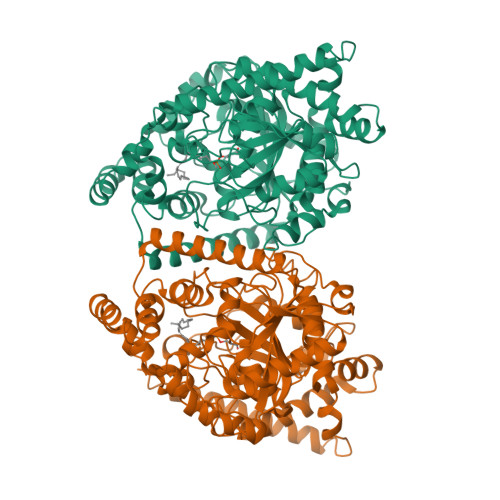
Autotaxin structureClick to view 3D structureAutotaxinQ13822HumansPredicted (SEA)
Prediction Confidence Score
0.37
Applicability Domain
0.37
Statistical Significance
8.60e-04
Supporting Reference Compounds
40
E-value
6.69503
Click to view 3D structureLysophosphatidic acid receptor 3Q8K5E0Rattus norvegicusPredicted (SEA)
Prediction Confidence Score
0.364
Applicability Domain
0.37
Statistical Significance
3.00e-05
Supporting Reference Compounds
4
E-value
0.233548
Lysophosphatidic acid receptor 2 structureClick to view 3D structureLysophosphatidic acid receptor 2Q9HBW0HumansPredicted (SEA)
Prediction Confidence Score
0.346
Applicability Domain
0.37
Statistical Significance
5.70e-04
Supporting Reference Compounds
30
E-value
4.43741
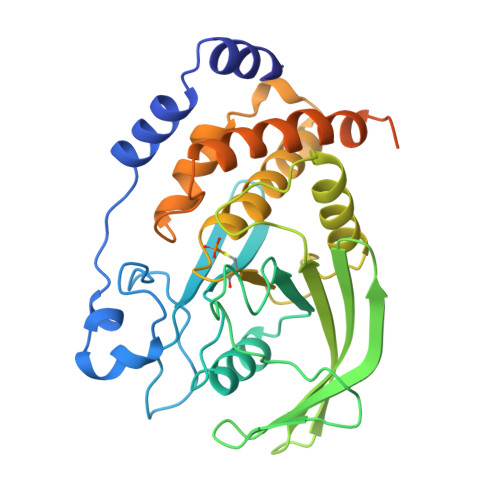
Cytosolic beta-glucosidase structureClick to view 3D structureCytosolic beta-glucosidaseQ9H227HumansPredicted (SEA)
Prediction Confidence Score
0.325
Applicability Domain
0.325
Statistical Significance
1.00e-04
Supporting Reference Compounds
1
E-value
0.778492
Click to view 3D structurePhospholipase BQ9P8P2Cryptococcus neoformansPredicted (SEA)
Prediction Confidence Score
0.32
Applicability Domain
0.32
Statistical Significance
5.00e-05
Supporting Reference Compounds
1
E-value
0.389246
Click to view 3D structureCarnitine palmitoyltransferase 1AQ9MYX2Sus scrofaPredicted (SEA)
Prediction Confidence Score
0.302
Applicability Domain
0.333
Statistical Significance
1.40e-04
Supporting Reference Compounds
2
E-value
1.08989
Click to view 3D structureSucrase-isomaltase, intestinalP23739Rattus norvegicusPredicted (SEA)
Prediction Confidence Score
0.3
Applicability Domain
0.324
Statistical Significance
5.30e-04
Supporting Reference Compounds
25
E-value
4.12601
Lysosomal acid glucosylceramidase structureClick to view 3D structureLysosomal acid glucosylceramidaseP04062HumansPredicted (SEA)
Prediction Confidence Score
0.297
Applicability Domain
0.325
Statistical Significance
5.90e-04
Supporting Reference Compounds
35
E-value
4.5931
Click to view 3D structureNon-lysosomal glucosylceramidaseQ9HCG7HumansPredicted (SEA)
Prediction Confidence Score
0.289
Applicability Domain
0.289 Low confidence
Statistical Significance
4.70e-04
Supporting Reference Compounds
21
E-value
3.65891
Click to view 3D structureLysosomal alpha-glucosidaseP70699Mus musculusPredicted (SEA)
Prediction Confidence Score
0.283
Applicability Domain
0.324
Statistical Significance
3.60e-04
Supporting Reference Compounds
7
E-value
2.80257
All-trans-retinol dehydrogenase [NAD(+)] ADH7 structureClick to view 3D structureAll-trans-retinol dehydrogenase [NAD(+)] ADH7P40394HumansPredicted (SEA)
Prediction Confidence Score
0.276
Applicability Domain
0.276 Low confidence
Statistical Significance
6.00e-04
Supporting Reference Compounds
1
E-value
4.67095
Fatty-acid amide hydrolase 1 structureClick to view 3D structureFatty-acid amide hydrolase 1P97612Rattus norvegicusPredicted (SEA)
Prediction Confidence Score
0.271
Applicability Domain
0.333
Statistical Significance
0.0231
Supporting Reference Compounds
102
E-value
180.221
Click to view 3D structureSucrase-isomaltaseB5THE3Mus musculusPredicted (SEA)
Prediction Confidence Score
0.269
Applicability Domain
0.289 Low confidence
Statistical Significance
4.00e-04
Supporting Reference Compounds
7
E-value
3.11397
Peroxisome proliferator-activated receptor alpha structureClick to view 3D structurePeroxisome proliferator-activated receptor alphaQ07869HumansPredicted (SEA)
Prediction Confidence Score
0.268
Applicability Domain
0.286 Low confidence
Statistical Significance
0.0389
Supporting Reference Compounds
127
E-value
303.067
Tyrosine-protein phosphatase non-receptor type 1 structureClick to view 3D structureTyrosine-protein phosphatase non-receptor type 1P18031HumansPredicted (SEA)
Prediction Confidence Score
0.266
Applicability Domain
0.286 Low confidence
Statistical Significance
0.0323
Supporting Reference Compounds
197
E-value
251.687
Click to view 3D structureCeramide glucosyltransferaseO88693Mus musculusPredicted (SEA)
Prediction Confidence Score
0.263
Applicability Domain
0.289 Low confidence
Statistical Significance
5.00e-04
Supporting Reference Compounds
14
E-value
3.89246
Click to view 3D structureLysosomal alpha-glucosidaseQ6P7A9Rattus norvegicusPredicted (SEA)
Prediction Confidence Score
0.262
Applicability Domain
0.324
Statistical Significance
5.80e-04
Supporting Reference Compounds
21
E-value
4.51525
Click to view 3D structureCalpain-2 catalytic subunitP43367Sus scrofaPredicted (SEA)
Prediction Confidence Score
0.261
Applicability Domain
0.289 Low confidence
Statistical Significance
0.0146
Supporting Reference Compounds
63
E-value
113.426
Lysosomal alpha-glucosidase structureClick to view 3D structureLysosomal alpha-glucosidaseP10253HumansPredicted (SEA)
Prediction Confidence Score
0.26
Applicability Domain
0.324
Statistical Significance
6.00e-04
Supporting Reference Compounds
21
E-value
4.67095
Click to view 3D structureSodium- and chloride-dependent creatine transporter 1P28570Rattus norvegicusPredicted (SEA)
Prediction Confidence Score
0.258
Applicability Domain
0.258 Low confidence
Statistical Significance
3.40e-04
Supporting Reference Compounds
1
E-value
2.64687
Peroxisome proliferator-activated receptor delta structureClick to view 3D structurePeroxisome proliferator-activated receptor deltaQ03181HumansPredicted (SEA)
Prediction Confidence Score
0.257
Applicability Domain
0.286 Low confidence
Statistical Significance
0.0372
Supporting Reference Compounds
89
E-value
289.833
Transient receptor potential cation channel subfamily V member 2 structureClick to view 3D structureTransient receptor potential cation channel subfamily V member 2Q9WUD2Rattus norvegicusPredicted (SEA)
Prediction Confidence Score
0.254
Applicability Domain
0.286 Low confidence
Statistical Significance
0.0046
Supporting Reference Compounds
21
E-value
36.122
G-protein coupled receptor 84 structureClick to view 3D structureG-protein coupled receptor 84Q9NQS5HumansPredicted (SEA)
Prediction Confidence Score
0.254
Applicability Domain
0.286 Low confidence
Statistical Significance
0.0026
Supporting Reference Compounds
15
E-value
20.3186
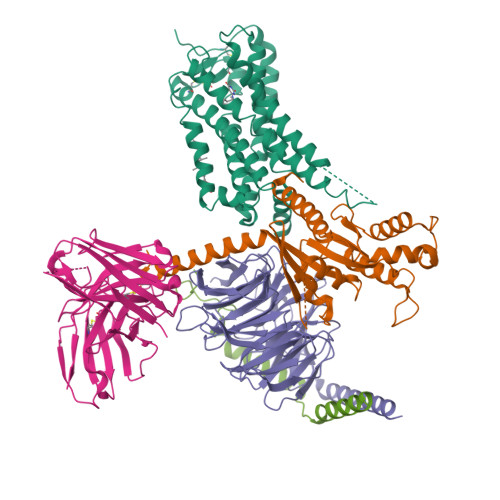
Guanine nucleotide-binding protein G(o) subunit alpha structureClick to view 3D structureGuanine nucleotide-binding protein G(o) subunit alphaP09471HumansPredicted (SEA)
Prediction Confidence Score
0.248
Applicability Domain
0.263 Low confidence
Statistical Significance
4.20e-04
Supporting Reference Compounds
2
E-value
3.26967
Click to view 3D structureFatty-acid amide hydrolase 1O08914Mus musculusPredicted (SEA)
Prediction Confidence Score
0.247
Applicability Domain
0.276 Low confidence
Statistical Significance
0.0264
Supporting Reference Compounds
46
E-value
205.833
Concentrations
Not Available
External Links
DrugBank IDNot Available
HMDB IDNot Available
FooDB IDNot Available
Phenol Explorer IDNot Available
KNApSAcK IDNot Available
BiGG IDNot Available
BioCyc IDNot Available
METLIN IDNot Available
PDB IDNot Available
Wikipedia LinkNot Available
Chemspider IDNot Available
ChEBI IDNot Available
PubChem Compound ID17858
Kegg Compound IDNot Available
YMDB IDNot Available
ECMDB IDNot Available
References
Synthesis ReferenceNot Available
MSDSNot Available
General ReferencesNot Available