Peroxide, bis(3,5,5-trimethyl-1-oxohexyl) (CED0167440)

Record Information
Version1.0
Creation Date2016-05-19 03:50:34 UTC
Update Date2026-08-20 01:36:04 UTC
SynCED IDCED0167440
Secondary Accession Numbers
  • CHEM012154
Identification
Common NamePeroxide, bis(3,5,5-trimethyl-1-oxohexyl)
ClassSmall Molecule
Description
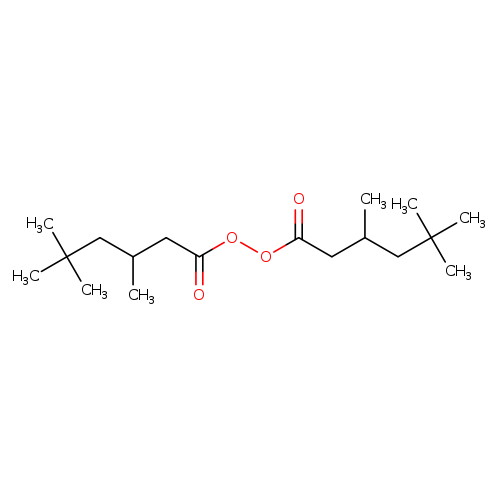
Peroxide, bis(3,5,5-trimethyl-1-oxohexyl) is an organic compound with the formula C18H34O4 and an average molecular weight of 314.47 g/mol. Peroxide, bis(3,5,5-trimethyl-1-oxohexyl) belongs to the dicarboxylic acids and derivatives, a subclass of carboxylic acids and derivatives within the organic compounds. Industrially, the substance serves as a catalyst and a chemical reaction regulator. The compound has been identified in six recorded sources. These include indoor air, drinking water, and food processing for meats. It is also associated with electrical and electronic equipment, specifically radio transmission systems, line transmission systems, and antennas. Recorded exposure routes for this compound include oral and inhalation.
Contaminant TypeNot Available
Chemical Structure
SynonymsNot Available
Chemical FormulaC18H34O4
Average Molecular Mass314.466 g/mol
Monoisotopic Mass314.246 g/mol
CAS Registry Number3851-87-4
IUPAC Name3,5,5-trimethylhexanoyl 3,5,5-trimethylhexaneperoxoate
Traditional Name3,5,5-trimethylhexanoyl 3,5,5-trimethylhexaneperoxoate
SMILESCC(CC(=O)OOC(=O)CC(C)CC(C)(C)C)CC(C)(C)C
InChI IdentifierInChI=1S/C18H34O4/c1-13(11-17(3,4)5)9-15(19)21-22-16(20)10-14(2)12-18(6,7)8/h13-14H,9-12H2,1-8H3
InChI KeyKFGFVPMRLOQXNB-UHFFFAOYSA-N
Chemical Taxonomy
Description Belongs to the class of organic compounds known as diacyl peroxides. These are organooxygen compounds containing a peroxide disubstituted with acyl groups.
KingdomOrganic compounds
Super ClassOrganic acids and derivatives
ClassCarboxylic acids and derivatives
Sub ClassDicarboxylic acids and derivatives
Direct ParentDiacyl peroxides
Alternative Parents
Substituents
  • Diacyl peroxide
  • Peroxycarboxylic acid or derivatives
  • Carboxylic acid salt
  • Organic oxygen compound
  • Organic oxide
  • Hydrocarbon derivative
  • Organic salt
  • Organooxygen compound
  • Carbonyl group
  • Aliphatic acyclic compound
Molecular FrameworkAliphatic acyclic compounds
External DescriptorsNot Available
Biological Properties
StatusDetected and Not Quantified
OriginNot Available
Cellular LocationsNot Available
Biofluid LocationsNot Available
Tissue LocationsNot Available
ApplicationsNot Available
Biological RolesNot Available
Chemical RolesNot Available
Organoleptic EffectsNot Available
Physical Properties
StateNot Available
AppearanceNot Available
Experimental Properties
PropertyValue
Melting PointNot Available
Boiling PointNot Available
SolubilityNot Available
Predicted Properties
PropertyValueSource
Water Solubility0.0028 g/LALOGPS
logP5.82ALOGPS
logP5.66ChemAxon
logS-5.1ALOGPS
pKa (Strongest Basic)-7.4ChemAxon
Physiological Charge0ChemAxon
Hydrogen Acceptor Count2ChemAxon
Hydrogen Donor Count0ChemAxon
Polar Surface Area52.6 ŲChemAxon
Rotatable Bond Count11ChemAxon
Refractivity87.44 m³·mol⁻¹ChemAxon
Polarizability36.9 ųChemAxon
Number of Rings0ChemAxon
BioavailabilityNoChemAxon
Rule of FiveNoChemAxon
Ghose FilterNoChemAxon
Veber's RuleNoChemAxon
MDDR-like RuleNoChemAxon
Spectra
Spectra
Spectrum TypeDescriptionSplash KeyDeposition DateView
Predicted LC-MS/MSPredicted LC-MS/MS Spectrumsplash10-0295-2944000000-7fa0833bc3a5701ef7d8Not AvailableView Spectrum
Predicted LC-MS/MSPredicted LC-MS/MS Spectrumsplash10-01ow-5900000000-4eeaca6ab3e9f0dcddf8Not AvailableView Spectrum
Predicted LC-MS/MSPredicted LC-MS/MS Spectrumsplash10-0002-9200000000-457c20c705e99d68b54eNot AvailableView Spectrum
Predicted LC-MS/MSPredicted LC-MS/MS Spectrumsplash10-03di-0509000000-e963d7a05fd47be825cbNot AvailableView Spectrum
Predicted LC-MS/MSPredicted LC-MS/MS Spectrumsplash10-08g0-0902000000-8b76991b763904452212Not AvailableView Spectrum
Predicted LC-MS/MSPredicted LC-MS/MS Spectrumsplash10-0btl-3900000000-86672028c9117a0cbc87Not AvailableView Spectrum
Toxicity Profile
Toxicity Values
Toxicity ValueOrganismDose DescriptorRoute of ExposurePredicted or ExperimentalToxicity RatingReference
6928.0 Log mg/kg [3900:12000]RatLD50oralpredictedNot AvailableNot Available
Toxicity / Toxin ClassNot Available
Mechanism of ToxicityNot Available
Carcinogenicity (IARC Classification)Not Available
Minimum Risk LevelNot Available
SymptomsNot Available
TreatmentNot Available
Health Effects
Health EffectRelationshipDirectionDescriptionReference
Exposure Sources
Source IDSourceSectorReference
CEDs000010Insecticides?Insecticides are synthetic chemicals designed to control or eliminate insect pests that threaten crops and other agricultural products.Agriculture & land managementPubChem
CEDs000019Indoor air?Indoor air can be a significant reservoir for synthetic chemical contaminants, which often originate from various sources within enclosed environments.Air, dust & atmospheric transportNot Available
CEDs000115Drinking water?Drinking water can be a medium for synthetic chemical contamination, often originating from various industrial processes and agricultural practices.Drinking water & water supplyNot Available
CEDs000506Antennas?Antennas, commonly used in communication technologies, can be a source of synthetic chemical contamination through the materials and coatings used in their construction.Electrical & Electronic EquipmentPubChem
CEDs000511Conductors Or Conductive Bodies Characterised By The Conductive Materials?Conductors, or conductive bodies, are materials that allow the flow of electrical current, typically made from metals such as copper, aluminum, or silver.Electrical & Electronic EquipmentPubChem
CEDs000519Electrodes?Electrodes, used in various electrical and electronic applications, can be a source of synthetic chemical contamination due to the materials from which they are constructed and the processes involved in their manufacturing.Electrical & Electronic EquipmentPubChem
CEDs000521Fixed Capacitors And Their Manufacture?Fixed capacitors are passive electronic components used to store and release electrical energy, playing a critical role in various circuits.Electrical & Electronic EquipmentPubChem
CEDs000524Hybrid Capacitors?Hybrid capacitors are energy storage devices that combine the properties of electrolytic and supercapacitors, utilizing a combination of electrochemical principles to achieve higher energy density and power density.Electrical & Electronic EquipmentPubChem
CEDs000525Line Transmission Systems?Line Transmission Systems, commonly used for the distribution of electrical energy, can be a source of synthetic chemical contamination through the insulation materials and coatings utilized in their construction.Electrical & Electronic EquipmentPubChem
CEDs000530Radio Transmission Systems?Radio transmission systems utilize a variety of synthetic chemicals in their manufacturing and maintenance processes.Electrical & Electronic EquipmentPubChem
CEDs000545Food Preservation?Food preservation often involves the use of synthetic chemicals, such as preservatives, flavor enhancers, and color additives, to extend shelf life and enhance the sensory qualities of food products.Food, food processing & cookwarePubChem
CEDs000552Processing Meats?Processing meats can lead to synthetic chemical contamination primarily through the use of additives and preservatives.Food, food processing & cookwarePubChem
CEDs000555Bleaching Agents?Bleaching agents are chemical substances used to whiten or lighten materials, often employed in various cleaning products for their stain removal and disinfecting properties.Household cleaning & consumer productsPubChem
CEDs000561Perfumes Within Detergents And Soaps?Perfumes within detergents and soaps are synthetic fragrance compounds added to enhance the sensory experience of cleaning products.Household cleaning & consumer productsPubChem
CEDs000563Soap Detergents?Soap detergents are synthetic surfactants designed to enhance the cleaning efficacy of water by reducing surface tension, allowing for better interaction with dirt and grease.Household cleaning & consumer productsPubChem
CEDs000579Manufacture Of Iron Or Steel?The manufacture of iron or steel involves various processes, including smelting, refining, and alloying, which can result in the release of synthetic chemicals and contaminants.Industrial manufacturing & chemical processingPubChem
CEDs000596Acaricides?Acaricides are synthetic chemicals specifically designed to target and control mite populations that can damage crops and plants.Agriculture & land managementPubChem
CEDs000600Herbicides And Algicides?Herbicides and algicides are synthetic chemicals primarily used to control unwanted plants and algae in various environments.Agriculture & land managementPubChem
CEDs000611Anti Perspirants Or Body Deoderants?Antiperspirants and body deodorants commonly contain synthetic chemicals such as aluminum compounds, parabens, and synthetic fragrances.Personal care & cosmeticsPubChem
CEDs000614Essential Oils Or Perfumes?Essential oils and perfumes are complex mixtures of volatile compounds derived from natural or synthetic sources, commonly used for their aromatic properties.Personal care & cosmeticsPubChem
CEDs000615Eye Makeup Products?Eye makeup products, including mascaras, eyeliners, and eyeshadows, often contain a variety of synthetic chemicals such as pigments, preservatives, and film-forming agents.Personal care & cosmeticsPubChem
CEDs000618Lip Makeup Products?Lip makeup products, such as lipsticks, lip glosses, and lip liners, often contain a variety of synthetic chemicals, including pigments, preservatives, and emollients.Personal care & cosmeticsPubChem
CEDs000619Manicure Pedicure?Manicure and pedicure procedures often involve the use of various synthetic chemicals, including solvents, nail polishes, and nail adhesives.Personal care & cosmeticsPubChem
CEDs000632Apparel?Apparel production often involves the use of various synthetic chemicals, including dyes, finishing agents, and preservatives.Textiles, leather & furnishingsPubChem
CEDs000642Footwear?Footwear production often involves the use of various synthetic chemicals, such as adhesives, dyes, and treatments, which can contribute to environmental contamination.Textiles, leather & furnishingsPubChem
CEDs000652Ropes?Ropes manufactured from synthetic fibers, such as polypropylene, nylon, and polyester, are widely used in various applications, including marine, construction, and outdoor activities.Textiles, leather & furnishingsPubChem
CEDs000653Sewing?Sewing processes often involve the use of various synthetic chemicals, which can become sources of contamination in the environment.Textiles, leather & furnishingsPubChem
CEDs000662Yarns Or Threads?Yarns or threads used in textiles can be a source of synthetic chemical contamination due to the production processes and treatments they undergo.Textiles, leather & furnishingsPubChem
CEDs000685Ceramics?Ceramics can be a source of synthetic chemical contamination through various additives and processing agents used in their production.Building & ConstructionPubChem
CEDs000688Glass Coatings?Glass coatings are synthetic chemical formulations applied to glass surfaces to enhance properties such as durability, UV resistance, and aesthetic appeal.Building & ConstructionPubChem
CEDs000696Nanotechnology?Nanotechnology involves the manipulation of materials at the molecular or atomic level, typically within the range of 1 to 100 nanometers.Industrial manufacturing & chemical processingPubChem
CEDs000734Coating Compositions?Coating compositions, which include paints, sealants, and varnishes, are formulated with a variety of synthetic chemicals such as solvents, resins, pigments, and additives.Building & ConstructionPubChem
CEDs000735Explosives?Explosives are chemical compounds or mixtures designed to undergo rapid decomposition, releasing energy in the form of gas and heat.Defense & military infrastructurePubChem
CEDs000739Inks?Inks are complex mixtures composed of pigments or dyes, solvents, resins, and additives used primarily for printing and writing applications.Paper, pulp & fiber productsPubChem
CEDs000740Paper?Paper production involves the processing of wood fibers and the use of various chemicals, which can lead to synthetic chemical contamination.Paper, pulp & fiber productsPubChem
CEDs000741Pigment Pastes?Pigment pastes are concentrated dispersions of pigments used to impart color and properties to materials.Paper, pulp & fiber productsPubChem
CEDs000744Water, Wastewater, & Sewage Treatment?Water, wastewater, and sewage treatment processes are critical for managing and mitigating pollutants in water systems.Wastewater, sanitation & biosolidsPubChem
Pathways
0 pathwaysPathway Source: PathBank

No pathways found

No metabolic pathways have been associated with this synthetic chemical

Targets
StructureProteinUniProt IDOrganismRelationshipDetails
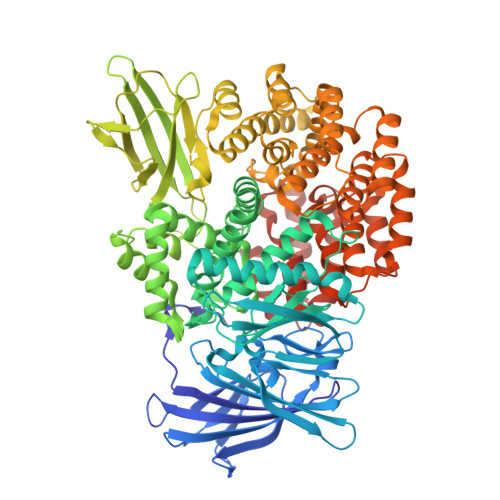
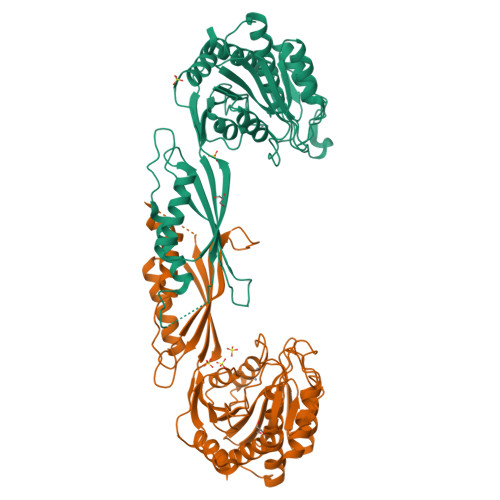
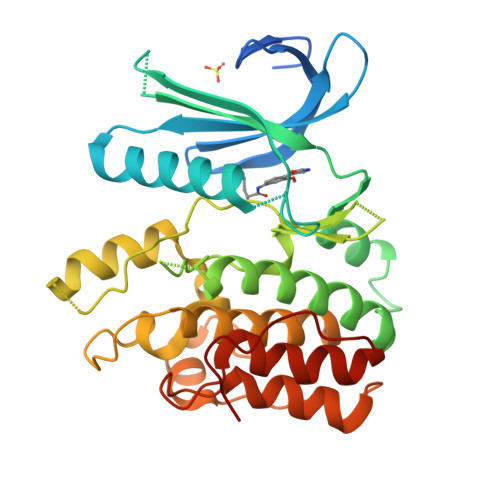
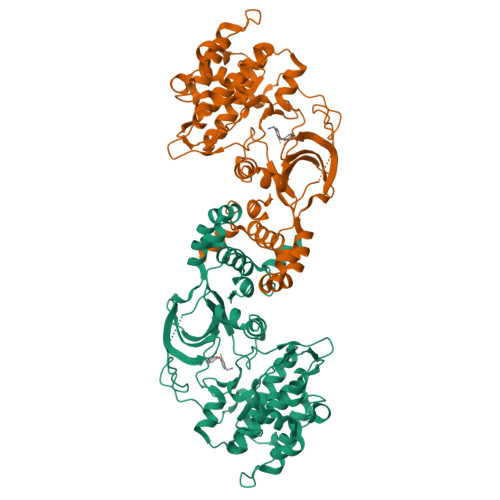
Click to view 3D structureExcitatory amino acid transporter 3P51907Rattus norvegicusPredicted (SEA)
Prediction Confidence Score
0.209
Applicability Domain
0.209 Low confidence
Statistical Significance
9.30e-04
Supporting Reference Compounds
1
E-value
7.23998
Click to view 3D structureCytochrome P450 2C23P24470Rattus norvegicusPredicted (SEA)
Prediction Confidence Score
0.2
Applicability Domain
0.2 Low confidence
Statistical Significance
0.0024
Supporting Reference Compounds
1
E-value
18.4503
Click to view 3D structureS-methylmethionine--homocysteine S-methyltransferase BHMT2Q9H2M3HumansPredicted (SEA)
Prediction Confidence Score
0.2
Applicability Domain
0.2 Low confidence
Statistical Significance
0.0015
Supporting Reference Compounds
1
E-value
11.9109
Click to view 3D structureMitochondrial carnitine/acylcarnitine carrier proteinO43772HumansPredicted (SEA)
Prediction Confidence Score
0.191
Applicability Domain
0.191 Low confidence
Statistical Significance
0.0038
Supporting Reference Compounds
1
E-value
29.972
Click to view 3D structureCAI-1 autoinducer sensor kinase/phosphatase CqsSQ9KM66Vibrio cholerae serotype O1 (strain ATCC 39315 / El Tor Inaba N16961)Predicted (SEA)
Prediction Confidence Score
0.189
Applicability Domain
0.189 Low confidence
Statistical Significance
0.0062
Supporting Reference Compounds
1
E-value
48.5779
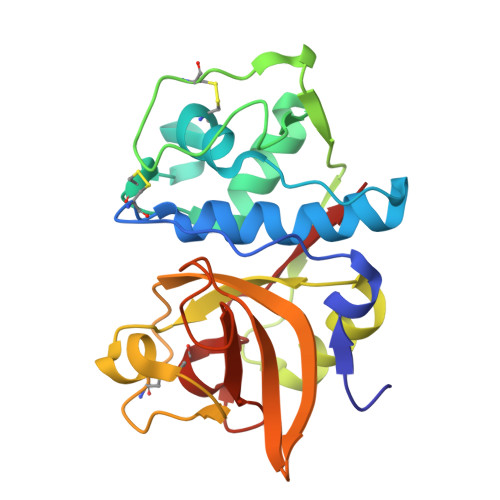
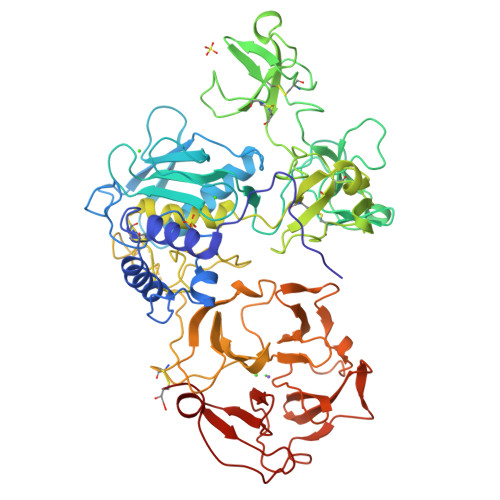
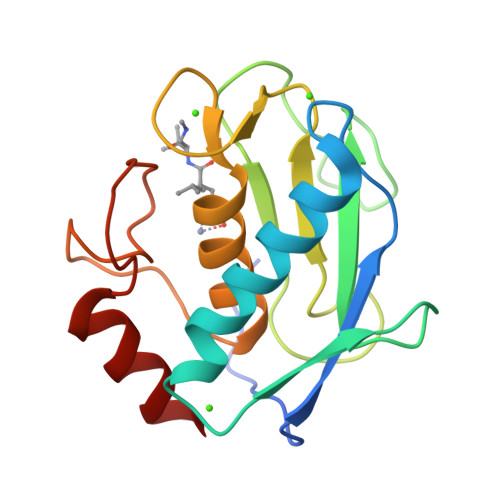
Cathepsin S structureClick to view 3D structureCathepsin SP25774HumansPredicted (SEA)
Prediction Confidence Score
0.189
Applicability Domain
0.231 Low confidence
Statistical Significance
0.5275
Supporting Reference Compounds
141
E-value
4106.47
Glutamate receptor ionotropic, kainate 1 structureClick to view 3D structureGlutamate receptor ionotropic, kainate 1P39086HumansPredicted (SEA)
Prediction Confidence Score
0.185
Applicability Domain
0.206 Low confidence
Statistical Significance
0.0277
Supporting Reference Compounds
31
E-value
215.487
Click to view 3D structureMuscarinic acetylcholine receptor M2P10980Rattus norvegicusPredicted (SEA)
Prediction Confidence Score
0.184
Applicability Domain
0.229 Low confidence
Statistical Significance
0.3539
Supporting Reference Compounds
98
E-value
2754.93
Aminopeptidase N structureClick to view 3D structureAminopeptidase NP04825Escherichia coli (strain K12)Predicted (SEA)
Prediction Confidence Score
0.184
Applicability Domain
0.184 Low confidence
Statistical Significance
0.0023
Supporting Reference Compounds
1
E-value
18.2946
Muscarinic acetylcholine receptor M2 structureClick to view 3D structureMuscarinic acetylcholine receptor M2P08172HumansPredicted (SEA)
Prediction Confidence Score
0.183
Applicability Domain
0.229 Low confidence
Statistical Significance
0.8577
Supporting Reference Compounds
373
E-value
6677.21
Cathepsin K structureClick to view 3D structureCathepsin KP43235HumansPredicted (SEA)
Prediction Confidence Score
0.183
Applicability Domain
0.192 Low confidence
Statistical Significance
0.5599
Supporting Reference Compounds
129
E-value
4358.54
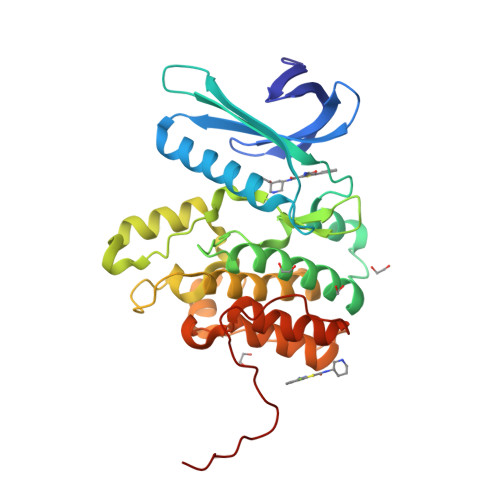
AP2-associated protein kinase 1 structureClick to view 3D structureAP2-associated protein kinase 1Q2M2I8HumansPredicted (SEA)
Prediction Confidence Score
0.182
Applicability Domain
0.19 Low confidence
Statistical Significance
0.7194
Supporting Reference Compounds
161
E-value
5600.63
Muscarinic acetylcholine receptor M4 structureClick to view 3D structureMuscarinic acetylcholine receptor M4P08173HumansPredicted (SEA)
Prediction Confidence Score
0.182
Applicability Domain
0.229 Low confidence
Statistical Significance
0.7991
Supporting Reference Compounds
297
E-value
6221.24
Succinyl-diaminopimelate desuccinylase structureClick to view 3D structureSuccinyl-diaminopimelate desuccinylaseP44514Haemophilus influenzae (strain ATCC 51907 / DSM 11121 / KW20 / Rd)Predicted (SEA)
Prediction Confidence Score
0.182
Applicability Domain
0.212 Low confidence
Statistical Significance
0.0023
Supporting Reference Compounds
2
E-value
18.2167
Click to view 3D structurePotassium voltage-gated channel subfamily KQT member 4Q9JK96Rattus norvegicusPredicted (SEA)
Prediction Confidence Score
0.182
Applicability Domain
0.182 Low confidence
Statistical Significance
0.0439
Supporting Reference Compounds
1
E-value
341.525
Muscarinic acetylcholine receptor M3 structureClick to view 3D structureMuscarinic acetylcholine receptor M3P08483Rattus norvegicusPredicted (SEA)
Prediction Confidence Score
0.182
Applicability Domain
0.229 Low confidence
Statistical Significance
0.3256
Supporting Reference Compounds
55
E-value
2535.16
AP2-associated protein kinase 1 structureClick to view 3D structureAP2-associated protein kinase 1Q3UHJ0Mus musculusPredicted (SEA)
Prediction Confidence Score
0.181
Applicability Domain
0.19 Low confidence
Statistical Significance
0.1355
Supporting Reference Compounds
14
E-value
1055.25
72 kDa type IV collagenase structureClick to view 3D structure72 kDa type IV collagenaseP08253HumansPredicted (SEA)
Prediction Confidence Score
0.181
Applicability Domain
0.213 Low confidence
Statistical Significance
0.8078
Supporting Reference Compounds
400
E-value
6288.97
Protein kinase C alpha type structureClick to view 3D structureProtein kinase C alpha typeP17252HumansPredicted (SEA)
Prediction Confidence Score
0.18
Applicability Domain
0.208 Low confidence
Statistical Significance
0.7974
Supporting Reference Compounds
258
E-value
6208.09
Click to view 3D structureMuscarinic acetylcholine receptor M1P08482Rattus norvegicusPredicted (SEA)
Prediction Confidence Score
0.18
Applicability Domain
0.229 Low confidence
Statistical Significance
0.5366
Supporting Reference Compounds
109
E-value
4177.39
BMP-2-inducible protein kinase structureClick to view 3D structureBMP-2-inducible protein kinaseQ9NSY1HumansPredicted (SEA)
Prediction Confidence Score
0.18
Applicability Domain
0.19 Low confidence
Statistical Significance
0.733
Supporting Reference Compounds
148
E-value
5706.58
Rho-associated protein kinase 2 structureClick to view 3D structureRho-associated protein kinase 2O75116HumansPredicted (SEA)
Prediction Confidence Score
0.179
Applicability Domain
0.19 Low confidence
Statistical Significance
0.9488
Supporting Reference Compounds
811
E-value
7386.33
Click to view 3D structureHomeodomain-interacting protein kinase 4Q8NE63HumansPredicted (SEA)
Prediction Confidence Score
0.178
Applicability Domain
0.19 Low confidence
Statistical Significance
0.9096
Supporting Reference Compounds
478
E-value
7081.17
MAP kinase-interacting serine/threonine-protein kinase 2 structureClick to view 3D structureMAP kinase-interacting serine/threonine-protein kinase 2Q9HBH9HumansPredicted (SEA)
Prediction Confidence Score
0.178
Applicability Domain
0.19 Low confidence
Statistical Significance
0.922
Supporting Reference Compounds
550
E-value
7177.78
Matrix metalloproteinase-9 structureClick to view 3D structureMatrix metalloproteinase-9P14780HumansPredicted (SEA)
Prediction Confidence Score
0.177
Applicability Domain
0.213 Low confidence
Statistical Significance
0.7826
Supporting Reference Compounds
292
E-value
6092.87
Concentrations
Not Available
External Links
DrugBank IDNot Available
HMDB IDNot Available
FooDB IDNot Available
Phenol Explorer IDNot Available
KNApSAcK IDNot Available
BiGG IDNot Available
BioCyc IDNot Available
METLIN IDNot Available
PDB IDNot Available
Wikipedia LinkNot Available
Chemspider IDNot Available
ChEBI IDNot Available
PubChem Compound ID107176
Kegg Compound IDNot Available
YMDB IDNot Available
ECMDB IDNot Available
References
Synthesis ReferenceNot Available
MSDSNot Available
General ReferencesNot Available