Dodecamethylcyclohexasiloxane (CED0015905)

Record Information
Version1.0
Creation Date2016-05-19 04:00:18 UTC
Update Date2026-08-18 21:10:08 UTC
SynCED IDCED0015905
Secondary Accession Numbers
  • CHEM012701
Identification
Common NameDodecamethylcyclohexasiloxane
ClassSmall Molecule
Description
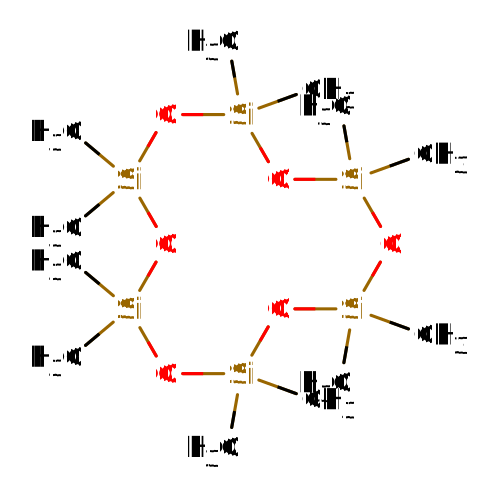
Dodecamethylcyclohexasiloxane (C12H36O6Si6) is a chemical compound with an average molecular weight of 444.92 g/mol. Dodecamethylcyclohexasiloxane belongs to the organosilicon compounds, a subclass of organometalloid compounds within the organic compounds. Industrially, the substance is utilized as a solvent as well as a softener and conditioner. The compound is associated with 18 recorded sources. Within household cleaning and consumer products, it is found in soap detergents, bleaching agents, perfumes within detergents and soaps, cigar cigarettes, and non electric simulated smoking devices. It is present in food, food processing, and cookware, specifically in food contact materials, food preservation, and the preparation of vinegar, wine, or sparkling wine. In the context of electrical and electronic equipment, it is found in antennas, electrodes, electric switches, hybrid capacitors, conductors or conductive bodies characterised by the conductive materials, and three additional sources. Additionally, it is found in drinking water and water supply. Recorded exposure routes for the compound include oral, inhalation, and touch. Regarding plastics, dodecamethylcyclohexasiloxane is used in low-density polyethylene and high-density polyethylene. It is released in polypropylene, while its presence or role in polyurethane remains inconclusive.
Contaminant TypeNot Available
Chemical Structure
Synonyms
ValueSource
DodecamethylcyclohexasiloxaneMeSH
Chemical FormulaC12H36O6Si6
Average Molecular Mass444.924 g/mol
Monoisotopic Mass444.113 g/mol
CAS Registry Number540-97-6
IUPAC Namedodecamethylcyclohexasiloxane
Traditional Namedodecamethylcyclohexasiloxane
SMILESC[Si]1(C)O[Si](C)(C)O[Si](C)(C)O[Si](C)(C)O[Si](C)(C)O[Si](C)(C)O1
InChI IdentifierInChI=1S/C12H36O6Si6/c1-19(2)13-20(3,4)15-22(7,8)17-24(11,12)18-23(9,10)16-21(5,6)14-19/h1-12H3
InChI KeyIUMSDRXLFWAGNT-UHFFFAOYSA-N
Chemical Taxonomy
Description Belongs to the class of organic compounds known as organoheterosilanes. These are organosilicon compounds where the tetravalent silicon atom is linked to one or more heteroatoms.
KingdomOrganic compounds
Super ClassOrganometallic compounds
ClassOrganometalloid compounds
Sub ClassOrganosilicon compounds
Direct ParentOrganoheterosilanes
Alternative Parents
Substituents
  • Organoheterosilane
  • Organic metalloid salt
  • Organic oxygen compound
  • Hydrocarbon derivative
  • Organic salt
  • Aliphatic heteromonocyclic compound
Molecular FrameworkAliphatic heteromonocyclic compounds
External DescriptorsNot Available
Biological Properties
StatusDetected and Not Quantified
OriginNot Available
Cellular LocationsNot Available
Biofluid LocationsNot Available
Tissue LocationsNot Available
ApplicationsNot Available
Biological RolesNot Available
Chemical RolesNot Available
Organoleptic Effects
  • colorless colour ?
Physical Properties
StateNot Available
AppearanceNot Available
Experimental Properties
PropertyValue
Melting PointNot Available
Boiling PointNot Available
SolubilityNot Available
Predicted Properties
PropertyValueSource
Water Solubility0.0016 g/LALOGPS
logP4.61ALOGPS
logP1.15ChemAxon
logS-5.5ALOGPS
pKa (Strongest Basic)-3.3ChemAxon
Physiological Charge0ChemAxon
Hydrogen Acceptor Count6ChemAxon
Hydrogen Donor Count0ChemAxon
Polar Surface Area55.38 ŲChemAxon
Rotatable Bond Count0ChemAxon
Refractivity79.45 m³·mol⁻¹ChemAxon
Polarizability42.48 ųChemAxon
Number of Rings1ChemAxon
BioavailabilityYesChemAxon
Rule of FiveYesChemAxon
Ghose FilterYesChemAxon
Veber's RuleNoChemAxon
MDDR-like RuleNoChemAxon
Spectra
Spectra
Spectrum TypeDescriptionSplash KeyDeposition DateView
Predicted LC-MS/MSPredicted LC-MS/MS Spectrumsplash10-0002-0000900000-b1714345944ab90e2cccNot AvailableView Spectrum
Predicted LC-MS/MSPredicted LC-MS/MS Spectrumsplash10-0002-5682900000-0b186425005ac54ba5f6Not AvailableView Spectrum
Predicted LC-MS/MSPredicted LC-MS/MS Spectrumsplash10-0a6s-9782300000-dd352dc2f1452f02e6ecNot AvailableView Spectrum
Predicted LC-MS/MSPredicted LC-MS/MS Spectrumsplash10-0006-0010900000-f0227cad00494ceabfb7Not AvailableView Spectrum
Predicted LC-MS/MSPredicted LC-MS/MS Spectrumsplash10-0006-4222900000-46e65d818e22f224376cNot AvailableView Spectrum
Predicted LC-MS/MSPredicted LC-MS/MS Spectrumsplash10-00fs-9684500000-a6ee343ff0cafa0b7090Not AvailableView Spectrum
Toxicity Profile
Toxicity Values
Toxicity ValueOrganismDose DescriptorRoute of ExposurePredicted or ExperimentalToxicity RatingReference
8726.0 Log mg/kg [4900:16000]RatLD50oralpredictedNot AvailableNot Available
Toxicity / Toxin ClassNot Available
Mechanism of ToxicityNot Available
Carcinogenicity (IARC Classification)Not Available
Minimum Risk LevelNot Available
SymptomsNot Available
TreatmentNot Available
Health Effects
Health EffectRelationshipDirectionDescriptionReference
Exposure Sources
Source IDSourceSectorReference
CEDs000010Insecticides?Insecticides are synthetic chemicals designed to control or eliminate insect pests that threaten crops and other agricultural products.Agriculture & land managementPubChem
CEDs000013Soil?Soil serves as a critical medium for plant growth and sustains various ecological functions; however, it can become a reservoir for synthetic chemical contamination.Agriculture & land managementPMC12362215 , PMC12362215
CEDs000115Drinking water?Drinking water can be a medium for synthetic chemical contamination, often originating from various industrial processes and agricultural practices.Drinking water & water supplyNot Available
CEDs000233Brushes?Brushes used in personal care and cosmetics can be a source of synthetic chemical contamination due to the materials and coatings used in their manufacturing.Personal care & cosmeticsPubChem
CEDs000234Medical devices?Medical devices often incorporate synthetic chemicals in their manufacturing processes, which can contribute to contamination in healthcare settings.Healthcare, pharmaceuticals & veterinary productsPMC12810245
CEDs000494Food contact materials?Food contact materials refer to substances and products that are intended to come into contact with food during processing, packaging, or preparation.Food, food processing & cookwareNot Available
CEDs000506Antennas?Antennas, commonly used in communication technologies, can be a source of synthetic chemical contamination through the materials and coatings used in their construction.Electrical & Electronic EquipmentPubChem
CEDs000511Conductors Or Conductive Bodies Characterised By The Conductive Materials?Conductors, or conductive bodies, are materials that allow the flow of electrical current, typically made from metals such as copper, aluminum, or silver.Electrical & Electronic EquipmentPubChem
CEDs000517Electric Switches?Electric switches, integral components in numerous devices, can be a source of synthetic chemical contamination due to the materials and manufacturing processes involved in their production.Electrical & Electronic EquipmentPubChem
CEDs000519Electrodes?Electrodes, used in various electrical and electronic applications, can be a source of synthetic chemical contamination due to the materials from which they are constructed and the processes involved in their manufacturing.Electrical & Electronic EquipmentPubChem
CEDs000524Hybrid Capacitors?Hybrid capacitors are energy storage devices that combine the properties of electrolytic and supercapacitors, utilizing a combination of electrochemical principles to achieve higher energy density and power density.Electrical & Electronic EquipmentPubChem
CEDs000527Magnets?Magnets, commonly used in various electrical and electronic applications, can be a source of synthetic chemical contamination due to the materials used in their production.Electrical & Electronic EquipmentPubChem
CEDs000529Power Cables?Power cables are used to transmit electrical energy and are typically composed of conductive materials, insulation, and protective coatings.Electrical & Electronic EquipmentPubChem
CEDs000532Selectors?Selectors are components used in various electronic devices to control the flow of electrical signals.Electrical & Electronic EquipmentPubChem
CEDs000545Food Preservation?Food preservation often involves the use of synthetic chemicals, such as preservatives, flavor enhancers, and color additives, to extend shelf life and enhance the sensory qualities of food products.Food, food processing & cookwarePubChem
CEDs000548Preparation Of Vinegar?Vinegar is produced through the fermentation of ethanol by acetic acid bacteria, resulting in a solution that typically contains 4-8% acetic acid.Food, food processing & cookwarePubChem
CEDs000549Preparation Of Wine Or Sparkling Wine?The preparation of wine or sparkling wine involves various stages, including fermentation, aging, and bottling, which can introduce potential sources of synthetic chemical contamination.Food, food processing & cookwarePubChem
CEDs000555Bleaching Agents?Bleaching agents are chemical substances used to whiten or lighten materials, often employed in various cleaning products for their stain removal and disinfecting properties.Household cleaning & consumer productsPubChem
CEDs000556Cigar Cigarettes?Cigar cigarettes are a source of synthetic chemical contamination due to the combustion of various tobacco blends and additives.Household cleaning & consumer productsPubChem
CEDs000559Non Electric Simulated Smoking Devices?Non-electric simulated smoking devices, often designed to mimic the experience of smoking without combustion, can be sources of synthetic chemical contamination due to the materials and chemicals used in their construction and operation.Household cleaning & consumer productsPubChem
CEDs000561Perfumes Within Detergents And Soaps?Perfumes within detergents and soaps are synthetic fragrance compounds added to enhance the sensory experience of cleaning products.Household cleaning & consumer productsPubChem
CEDs000563Soap Detergents?Soap detergents are synthetic surfactants designed to enhance the cleaning efficacy of water by reducing surface tension, allowing for better interaction with dirt and grease.Household cleaning & consumer productsPubChem
CEDs000580Manufacture Preparation Of Tobacco Products?The manufacture and preparation of tobacco products involve various processes that can result in the introduction of synthetic chemicals into the environment.Industrial manufacturing & chemical processingPubChem
CEDs000581Paper Making Machines?Paper making machines utilize various synthetic chemicals throughout the production process, including additives, coatings, and bleaching agents.Industrial manufacturing & chemical processingPubChem
CEDs000605Pest Repellants?Pest repellents, often formulated from synthetic chemicals, are widely used to protect crops from insect infestations and other pests.Agriculture & land managementPubChem
CEDs000606Plant Growth Regulators?Plant Growth Regulators (PGRs) are synthetic chemicals designed to influence the growth and development of plants.Agriculture & land managementPubChem
CEDs000609Aftershave?Aftershave is a grooming product typically used to soothe and protect the skin following shaving.Personal care & cosmeticsPubChem
CEDs000610Aftersun Products?Aftersun products are designed to soothe and hydrate the skin after sun exposure, often containing various synthetic chemicals such as emollients, preservatives, and fragrances.Personal care & cosmeticsPubChem
CEDs000611Anti Perspirants Or Body Deoderants?Antiperspirants and body deodorants commonly contain synthetic chemicals such as aluminum compounds, parabens, and synthetic fragrances.Personal care & cosmeticsPubChem
CEDs000612Body Washing Or Cleaning Implements?Body washing or cleaning implements, such as synthetic sponges, loofahs, and washcloths, can be sources of synthetic chemical contamination due to the materials used in their production.Personal care & cosmeticsPubChem
CEDs000613Depilatories?Depilatories are products designed to remove unwanted hair through the application of synthetic chemicals that break down the protein structure of hair, facilitating its removal.Personal care & cosmeticsPubChem
CEDs000614Essential Oils Or Perfumes?Essential oils and perfumes are complex mixtures of volatile compounds derived from natural or synthetic sources, commonly used for their aromatic properties.Personal care & cosmeticsPubChem
CEDs000615Eye Makeup Products?Eye makeup products, including mascaras, eyeliners, and eyeshadows, often contain a variety of synthetic chemicals such as pigments, preservatives, and film-forming agents.Personal care & cosmeticsPubChem
CEDs000616Face Mask Cosmetics?Face mask cosmetics often contain a variety of synthetic chemicals, including preservatives, emulsifiers, and fragrances, which can contribute to chemical contamination.Personal care & cosmeticsPubChem
CEDs000617Lip Care Products?Lip care products, including lipsticks, balms, and glosses, often contain a variety of synthetic chemicals such as parabens, phthalates, and synthetic fragrances.Personal care & cosmeticsPubChem
CEDs000618Lip Makeup Products?Lip makeup products, such as lipsticks, lip glosses, and lip liners, often contain a variety of synthetic chemicals, including pigments, preservatives, and emollients.Personal care & cosmeticsPubChem
CEDs000619Manicure Pedicure?Manicure and pedicure procedures often involve the use of various synthetic chemicals, including solvents, nail polishes, and nail adhesives.Personal care & cosmeticsPubChem
CEDs000630Toys?Toys, particularly those made from synthetic materials such as plastics, can be a source of chemical contamination due to the presence of various additives and compounds used in their production.Recreation & sports surfacesPubChem
CEDs000632Apparel?Apparel production often involves the use of various synthetic chemicals, including dyes, finishing agents, and preservatives.Textiles, leather & furnishingsPubChem
CEDs000639Degreasing Leather?Degreasing leather involves the removal of natural fats and oils from animal hides to prepare them for tanning and finishing processes.Textiles, leather & furnishingsPubChem
CEDs000640Embroidering And Tufting?Embroidering and tufting processes often involve the use of synthetic chemicals such as dyes, adhesives, and finishing agents.Textiles, leather & furnishingsPubChem
CEDs000642Footwear?Footwear production often involves the use of various synthetic chemicals, such as adhesives, dyes, and treatments, which can contribute to environmental contamination.Textiles, leather & furnishingsPubChem
CEDs000647Multicolour Dyeing?Multicolour dyeing involves the application of multiple synthetic dyes to textiles and other materials to achieve vibrant, diverse color patterns.Textiles, leather & furnishingsPubChem
CEDs000657Surface Finishing Of Leather?Surface finishing of leather often involves the use of various synthetic chemicals, including dyes, resins, and finishing agents.Textiles, leather & furnishingsPubChem
CEDs000662Yarns Or Threads?Yarns or threads used in textiles can be a source of synthetic chemical contamination due to the production processes and treatments they undergo.Textiles, leather & furnishingsPubChem
CEDs000684Cements?Cements are a composite material primarily used as a binding agent in construction applications, formed by the calcination of limestone and clay minerals at high temperatures.Building & ConstructionPubChem
CEDs000685Ceramics?Ceramics can be a source of synthetic chemical contamination through various additives and processing agents used in their production.Building & ConstructionPubChem
CEDs000686Clay Wares?Clay wares are ceramic products made from natural clay, often utilized in various construction applications such as tiles, bricks, and sanitary ware.Building & ConstructionPubChem
CEDs000688Glass Coatings?Glass coatings are synthetic chemical formulations applied to glass surfaces to enhance properties such as durability, UV resistance, and aesthetic appeal.Building & ConstructionPubChem
CEDs000692Silica Free Oxide Glass?Silica Free Oxide Glass is a type of glass that is produced using alternative materials to traditional silica-based formulations.Building & ConstructionPubChem
CEDs000693Silica Glass?Silica glass, primarily composed of silicon dioxide (SiO2), is widely used in various applications, including windows, glass facades, and insulation materials.Building & ConstructionPubChem
CEDs000696Nanotechnology?Nanotechnology involves the manipulation of materials at the molecular or atomic level, typically within the range of 1 to 100 nanometers.Industrial manufacturing & chemical processingPubChem
CEDs000703Blackboards?Blackboards, traditionally made from slate or coated wood, can also be produced using synthetic materials that may contain various chemicals.Paper, pulp & fiber productsPubChem
CEDs000734Coating Compositions?Coating compositions, which include paints, sealants, and varnishes, are formulated with a variety of synthetic chemicals such as solvents, resins, pigments, and additives.Building & ConstructionPubChem
CEDs000739Inks?Inks are complex mixtures composed of pigments or dyes, solvents, resins, and additives used primarily for printing and writing applications.Paper, pulp & fiber productsPubChem
CEDs000740Paper?Paper production involves the processing of wood fibers and the use of various chemicals, which can lead to synthetic chemical contamination.Paper, pulp & fiber productsPubChem
CEDs000741Pigment Pastes?Pigment pastes are concentrated dispersions of pigments used to impart color and properties to materials.Paper, pulp & fiber productsPubChem
CEDs000742Leather Tanning?Leather tanning is a process that transforms raw animal hides into durable leather through the application of various chemicals, including chromium salts, aldehydes, and vegetable tannins.Textiles, leather & furnishingsPubChem
CEDs000743Sludge Treatment?Sludge treatment involves the processing of waste materials generated from wastewater treatment plants, which often contain a variety of organic and inorganic substances.Wastewater, sanitation & biosolidsPubChem
CEDs000744Water, Wastewater, & Sewage Treatment?Water, wastewater, and sewage treatment processes are critical for managing and mitigating pollutants in water systems.Wastewater, sanitation & biosolidsPubChem
CEDs01219JuicesFood, food processing & cookwarePMC7307432
CEDs02264SedimentAquatic systems & sedimentsPMC9658807 , PMC9658807
CEDs02268Water SamplesAquatic systems & sedimentsPMC12362215
CEDs02589AirAir, dust & atmospheric transportPMC9658807
CEDs02602Outdoor AirAir, dust & atmospheric transportPMC12810245
CEDs03010Municipal Sewage SludgeWastewater, sanitation & biosolidsPMC8930529
CEDs03169Consumer ProductsHousehold cleaning & consumer productsPMC12362215
CEDs03276Urban EnvironmentAutomotive & urban infrastructurePMC9658807
Pathways
0 pathwaysPathway Source: PathBank

No pathways found

No metabolic pathways have been associated with this synthetic chemical

Targets
StructureProteinUniProt IDOrganismRelationshipDetails
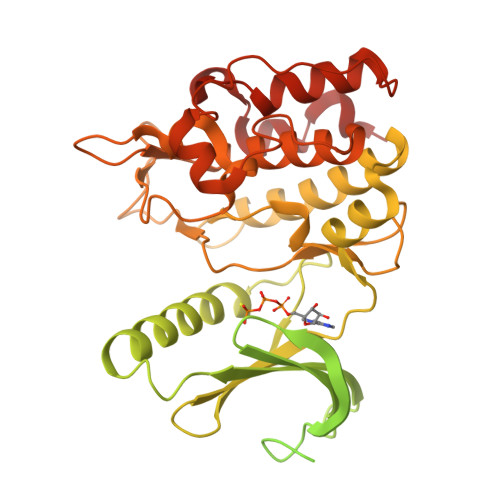
Poly [ADP-ribose] polymerase tankyrase-1 structureClick to view 3D structurePoly [ADP-ribose] polymerase tankyrase-1O95271HumansPredicted (SEA)
Prediction Confidence Score
0.079
Applicability Domain
0.086 Low confidence
Statistical Significance
0.9991
Supporting Reference Compounds
94
E-value
7778.07
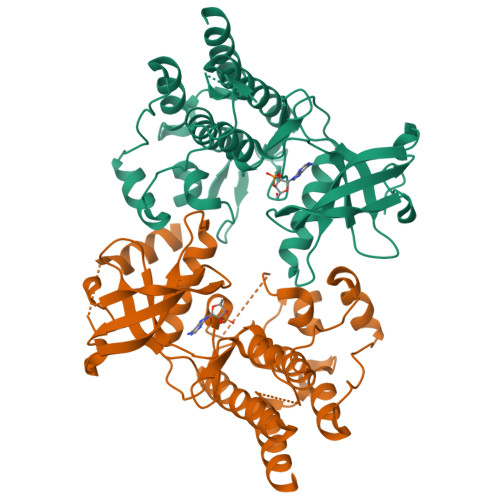
3-phosphoinositide-dependent protein kinase 1 structureClick to view 3D structure3-phosphoinositide-dependent protein kinase 1O15530HumansPredicted (SEA)
Prediction Confidence Score
0.078
Applicability Domain
0.093 Low confidence
Statistical Significance
0.9999
Supporting Reference Compounds
591
E-value
7784.38
Vascular endothelial growth factor receptor 2 structureClick to view 3D structureVascular endothelial growth factor receptor 2P35968HumansPredicted (SEA)
Prediction Confidence Score
0.076
Applicability Domain
0.083 Low confidence
Statistical Significance
1.0
Supporting Reference Compounds
1660
E-value
7784.61
Receptor-type tyrosine-protein kinase FLT3 structureClick to view 3D structureReceptor-type tyrosine-protein kinase FLT3P36888HumansPredicted (SEA)
Prediction Confidence Score
0.075
Applicability Domain
0.083 Low confidence
Statistical Significance
0.9999
Supporting Reference Compounds
1274
E-value
7784.53
Serine/threonine-protein phosphatase 2A 65 kDa regulatory subunit A alpha isoform structureClick to view 3D structureSerine/threonine-protein phosphatase 2A 65 kDa regulatory subunit A alpha isoformQ76MZ3Mus musculusPredicted (SEA)
Prediction Confidence Score
0.074
Applicability Domain
0.074 Low confidence
Statistical Significance
0.4139
Supporting Reference Compounds
1
E-value
3222.26
Cytochrome P450 1B1 structureClick to view 3D structureCytochrome P450 1B1Q16678HumansPredicted (SEA)
Prediction Confidence Score
0.071
Applicability Domain
0.075 Low confidence
Statistical Significance
0.9985
Supporting Reference Compounds
88
E-value
7773.01
Cytochrome P450 1A1 structureClick to view 3D structureCytochrome P450 1A1P04798HumansPredicted (SEA)
Prediction Confidence Score
0.071
Applicability Domain
0.075 Low confidence
Statistical Significance
0.9996
Supporting Reference Compounds
77
E-value
7781.57
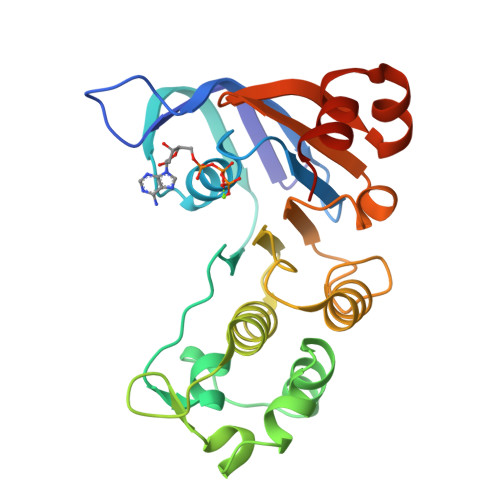
Poly [ADP-ribose] polymerase tankyrase-2 structureClick to view 3D structurePoly [ADP-ribose] polymerase tankyrase-2Q9H2K2HumansPredicted (SEA)
Prediction Confidence Score
0.071
Applicability Domain
0.086 Low confidence
Statistical Significance
0.9996
Supporting Reference Compounds
90
E-value
7782.04
Serine/threonine-protein kinase tousled-like 2 structureClick to view 3D structureSerine/threonine-protein kinase tousled-like 2Q86UE8HumansPredicted (SEA)
Prediction Confidence Score
0.071
Applicability Domain
0.093 Low confidence
Statistical Significance
0.9998
Supporting Reference Compounds
94
E-value
7783.6
Cytochrome P450 1A2 structureClick to view 3D structureCytochrome P450 1A2P05177HumansPredicted (SEA)
Prediction Confidence Score
0.07
Applicability Domain
0.071 Low confidence
Statistical Significance
1.0
Supporting Reference Compounds
793
E-value
7784.61
Tyrosine-protein phosphatase non-receptor type 1 structureClick to view 3D structureTyrosine-protein phosphatase non-receptor type 1P18031HumansPredicted (SEA)
Prediction Confidence Score
0.069
Applicability Domain
0.081 Low confidence
Statistical Significance
0.9999
Supporting Reference Compounds
197
E-value
7784.3
Protein deacetylase HDAC6 structureClick to view 3D structureProtein deacetylase HDAC6Q9UBN7HumansPredicted (SEA)
Prediction Confidence Score
0.068
Applicability Domain
0.079 Low confidence
Statistical Significance
0.9999
Supporting Reference Compounds
553
E-value
7784.38
Platelet-derived growth factor receptor beta structureClick to view 3D structurePlatelet-derived growth factor receptor betaP09619HumansPredicted (SEA)
Prediction Confidence Score
0.067
Applicability Domain
0.073 Low confidence
Statistical Significance
1.0
Supporting Reference Compounds
597
E-value
7784.61
Carbonic anhydrase 12 structureClick to view 3D structureCarbonic anhydrase 12O43570HumansPredicted (SEA)
Prediction Confidence Score
0.067
Applicability Domain
0.074 Low confidence
Statistical Significance
1.0
Supporting Reference Compounds
332
E-value
7784.69
Induced myeloid leukemia cell differentiation protein Mcl-1 structureClick to view 3D structureInduced myeloid leukemia cell differentiation protein Mcl-1Q07820HumansPredicted (SEA)
Prediction Confidence Score
0.067
Applicability Domain
0.083 Low confidence
Statistical Significance
1.0
Supporting Reference Compounds
343
E-value
7784.61
Poly [ADP-ribose] polymerase 1 structureClick to view 3D structurePoly [ADP-ribose] polymerase 1P09874HumansPredicted (SEA)
Prediction Confidence Score
0.066
Applicability Domain
0.086 Low confidence
Statistical Significance
0.9998
Supporting Reference Compounds
146
E-value
7783.44
Click to view 3D structureAldo-keto reductase family 1 member B1P07943Rattus norvegicusPredicted (SEA)
Prediction Confidence Score
0.066
Applicability Domain
0.071 Low confidence
Statistical Significance
0.9998
Supporting Reference Compounds
70
E-value
7783.37
Proto-oncogene tyrosine-protein kinase receptor Ret structureClick to view 3D structureProto-oncogene tyrosine-protein kinase receptor RetP07949HumansPredicted (SEA)
Prediction Confidence Score
0.066
Applicability Domain
0.083 Low confidence
Statistical Significance
1.0
Supporting Reference Compounds
764
E-value
7784.61
Multidrug resistance-associated protein 1 structureClick to view 3D structureMultidrug resistance-associated protein 1P33527HumansPredicted (SEA)
Prediction Confidence Score
0.065
Applicability Domain
0.07 Low confidence
Statistical Significance
0.9998
Supporting Reference Compounds
49
E-value
7783.29
Hydroxycarboxylic acid receptor 2 structureClick to view 3D structureHydroxycarboxylic acid receptor 2Q8TDS4HumansPredicted (SEA)
Prediction Confidence Score
0.065
Applicability Domain
0.077 Low confidence
Statistical Significance
0.9994
Supporting Reference Compounds
21
E-value
7780.56
Carbonic anhydrase 1 structureClick to view 3D structureCarbonic anhydrase 1P00915HumansPredicted (SEA)
Prediction Confidence Score
0.065
Applicability Domain
0.074 Low confidence
Statistical Significance
1.0
Supporting Reference Compounds
407
E-value
7784.84
Amine oxidase [flavin-containing] B structureClick to view 3D structureAmine oxidase [flavin-containing] BP27338HumansPredicted (SEA)
Prediction Confidence Score
0.065
Applicability Domain
0.086 Low confidence
Statistical Significance
1.0
Supporting Reference Compounds
315
E-value
7784.61
Tyrosine-protein kinase JAK3 structureClick to view 3D structureTyrosine-protein kinase JAK3P52333HumansPredicted (SEA)
Prediction Confidence Score
0.065
Applicability Domain
0.083 Low confidence
Statistical Significance
1.0
Supporting Reference Compounds
961
E-value
7784.69
NADPH--cytochrome P450 reductase structureClick to view 3D structureNADPH--cytochrome P450 reductaseP16435HumansPredicted (SEA)
Prediction Confidence Score
0.065
Applicability Domain
0.065 Low confidence
Statistical Significance
0.8445
Supporting Reference Compounds
1
E-value
6574.68
SPRY domain-containing SOCS box protein 2 structureClick to view 3D structureSPRY domain-containing SOCS box protein 2O88838Mus musculusPredicted (SEA)
Prediction Confidence Score
0.065
Applicability Domain
0.065 Low confidence
Statistical Significance
0.9666
Supporting Reference Compounds
1
E-value
7524.98
Concentrations
Not Available
External Links
DrugBank IDNot Available
HMDB IDNot Available
FooDB IDNot Available
Phenol Explorer IDNot Available
KNApSAcK IDNot Available
BiGG IDNot Available
BioCyc IDNot Available
METLIN IDNot Available
PDB IDNot Available
Wikipedia LinkNot Available
Chemspider IDNot Available
ChEBI IDNot Available
PubChem Compound ID10911
Kegg Compound IDNot Available
YMDB IDNot Available
ECMDB IDNot Available
References
Synthesis ReferenceNot Available
MSDSNot Available
General ReferencesNot Available