2,3-Dinitrotoluene (CED0030513)

Record Information
Version1.0
Creation Date2016-05-19 04:05:44 UTC
Update Date2026-08-24 05:51:55 UTC
SynCED IDCED0030513
Secondary Accession Numbers
  • CHEM012991
Identification
Common Name2,3-Dinitrotoluene
ClassSmall Molecule
Description
2,3-Dinitrotoluene is an organic compound with the formula C7H6N2O4 and an average molecular weight of 182.13 g/mol. 2,3-Dinitrotoluene belongs to the toluenes, a subclass of benzene and substituted derivatives within the organic compounds. The compound has been identified in or released from 27 recorded sources. These include electrical and electronic equipment, specifically relays, hybrid capacitors, electric switches, emergency protective devices, conductors or conductive bodies characterised by the conductive materials, and one additional source. It is found in drinking water and water supply systems, including tap water, bottled water, desalinated water, and drinking water. It is also present in aquatic systems and sediments, such as freshwater, seawater, surface water, and groundwater. Further sources include wastewater, sanitation, and biosolids, comprising industrial wastewater, mine wastewater, wastewater treatment effluent, and unspecified wastewater. In the sector of appliances, HVAC, and refrigerants, it is associated with water heaters and water coolers. Additionally, it is found in marine, shipping, and aquaculture sources, specifically bilge water and ballast water, along with four more sectors. Recorded exposure routes for 2,3-Dinitrotoluene include touch, oral, and inhalation.
Contaminant Type
  • PMT
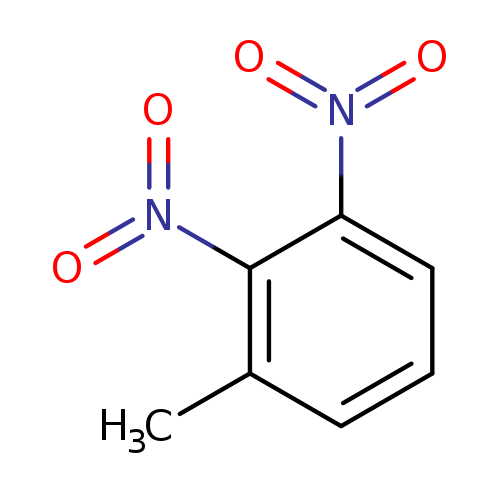
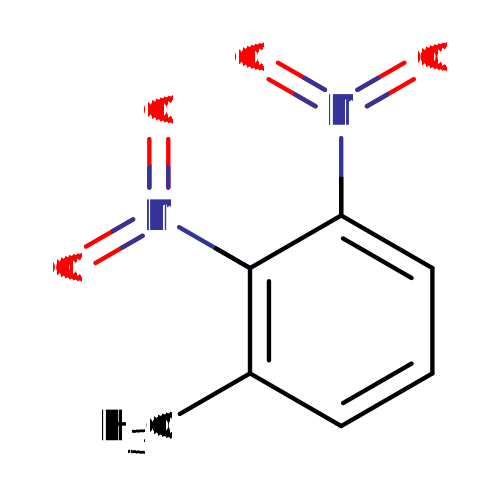
Chemical Structure
Synonyms
ValueSource
2,3-DNTChEBI
2,3-DinitrotolueneMeSH
Chemical FormulaC7H6N2O4
Average Molecular Mass182.135 g/mol
Monoisotopic Mass182.033 g/mol
CAS Registry Number602-01-7
IUPAC Name1-methyl-2,3-dinitrobenzene
Traditional Name2,3-dinitrotoluene
SMILESCC1=C(C(=CC=C1)N(=O)=O)N(=O)=O
InChI IdentifierInChI=1S/C7H6N2O4/c1-5-3-2-4-6(8(10)11)7(5)9(12)13/h2-4H,1H3
InChI KeyDYSXLQBUUOPLBB-UHFFFAOYSA-N
Chemical Taxonomy
Description Belongs to the class of organic compounds known as dinitrotoluenes. These are organic aromatic compounds containing a benzene that carries a single methyl group and exactly two nitro groups.
KingdomOrganic compounds
Super ClassBenzenoids
ClassBenzene and substituted derivatives
Sub ClassToluenes
Direct ParentDinitrotoluenes
Alternative Parents
Substituents
  • Dinitrotoluene
  • Nitrobenzene
  • Nitroaromatic compound
  • C-nitro compound
  • Organic nitro compound
  • Organic oxoazanium
  • Allyl-type 1,3-dipolar organic compound
  • Propargyl-type 1,3-dipolar organic compound
  • Organic 1,3-dipolar compound
  • Organic nitrogen compound
  • Hydrocarbon derivative
  • Organic oxide
  • Organonitrogen compound
  • Organopnictogen compound
  • Organic oxygen compound
  • Aromatic homomonocyclic compound
Molecular FrameworkAromatic homomonocyclic compounds
External DescriptorsNot Available
Biological Properties
StatusDetected and Not Quantified
OriginNot Available
Cellular LocationsNot Available
Biofluid LocationsNot Available
Tissue LocationsNot Available
ApplicationsNot Available
Biological RolesNot Available
Chemical RolesNot Available
Organoleptic EffectsNot Available
Physical Properties
StateNot Available
AppearanceNot Available
Experimental Properties
PropertyValue
Melting PointNot Available
Boiling PointNot Available
SolubilityNot Available
Predicted Properties
PropertyValueSource
Water Solubility0.095 g/LALOGPS
logP1.88ALOGPS
logP2.37ChemAxon
logS-3.3ALOGPS
Physiological Charge0ChemAxon
Hydrogen Acceptor Count4ChemAxon
Hydrogen Donor Count0ChemAxon
Polar Surface Area91.64 ŲChemAxon
Rotatable Bond Count2ChemAxon
Refractivity45.75 m³·mol⁻¹ChemAxon
Polarizability15.42 ųChemAxon
Number of Rings1ChemAxon
BioavailabilityYesChemAxon
Rule of FiveYesChemAxon
Ghose FilterNoChemAxon
Veber's RuleNoChemAxon
MDDR-like RuleNoChemAxon
Spectra
Spectra
Spectrum TypeDescriptionSplash KeyDeposition DateView
Predicted GC-MSPredicted GC-MS Spectrumsplash10-001a-9300000000-d229488d343ff8c71661Not AvailableView Spectrum
Predicted GC-MSPredicted GC-MS SpectrumNot AvailableNot AvailableView Spectrum
Predicted LC-MS/MSPredicted LC-MS/MS Spectrumsplash10-001i-0900000000-a5fbbe5fe3024834dec1Not AvailableView Spectrum
Predicted LC-MS/MSPredicted LC-MS/MS Spectrumsplash10-0a6r-0900000000-2659683f263a43d8a4b1Not AvailableView Spectrum
Predicted LC-MS/MSPredicted LC-MS/MS Spectrumsplash10-056r-0900000000-5259568b193d288ad589Not AvailableView Spectrum
Predicted LC-MS/MSPredicted LC-MS/MS Spectrumsplash10-001i-0900000000-3836961d9806437245dcNot AvailableView Spectrum
Predicted LC-MS/MSPredicted LC-MS/MS Spectrumsplash10-001i-0900000000-165fbd3a23d990fb8626Not AvailableView Spectrum
Predicted LC-MS/MSPredicted LC-MS/MS Spectrumsplash10-00ec-0900000000-c0d2987a77c0ba84b673Not AvailableView Spectrum
Toxicity Profile
Toxicity Values
Toxicity ValueOrganismDose DescriptorRoute of ExposurePredicted or ExperimentalToxicity RatingReference
556.0 Log mg/kg [310:990]RatLD50oralpredictedNot AvailableNot Available
Toxicity / Toxin ClassNot Available
Mechanism of ToxicityNot Available
Carcinogenicity (IARC Classification)Not Available
Minimum Risk LevelNot Available
SymptomsNot Available
TreatmentNot Available
Health Effects
Health EffectRelationshipDirectionReference
Exposure Sources
Source IDSourceSectorReference
CEDs000003Irrigation water?Irrigation water can serve as a vector for synthetic chemical contamination due to its potential exposure to agricultural inputs such as fertilizers, pesticides, and herbicides.Agriculture & land managementNot Available
CEDs000027Water Coolers?Water coolers can be a source of synthetic chemical contamination due to various materials used in their construction and operation.Appliances, HVAC & refrigerantsNot Available
CEDs000043Water heaters?Water heaters can be a source of synthetic chemical contamination primarily through the materials and coatings used in their construction.Appliances, HVAC & refrigerantsNot Available
CEDs000050Groundwater?Groundwater serves as a vital resource for drinking water and agricultural irrigation but is increasingly susceptible to contamination from synthetic chemicals.Aquatic systems & sedimentsNot Available
CEDs000051Surface water?Surface water can serve as a significant vector for the introduction of synthetic chemical contaminants into aquatic ecosystems.Aquatic systems & sedimentsNot Available
CEDs000052Seawater?Seawater can serve as a significant reservoir for synthetic chemical contamination due to various industrial activities, including shipping, oil drilling, and coastal manufacturing.Aquatic systems & sedimentsNot Available
CEDs000053Freshwater?Freshwater bodies, including rivers, lakes, and reservoirs, can serve as significant sources of synthetic chemical contamination due to various anthropogenic activities.Aquatic systems & sedimentsNot Available
CEDs000070Stormwater runoff?Stormwater runoff refers to the flow of rainwater or melted snow that does not soak into the ground and instead collects pollutants as it travels over impervious surfaces such as roads and parking lots.Automotive & urban infrastructureNot Available
CEDs000088Waterproofing sprays?Waterproofing sprays are synthetic chemical formulations designed to create a protective barrier against moisture on various surfaces, including fabrics, wood, and masonry.Building & ConstructionNot Available
CEDs000115Drinking water?Drinking water can be a medium for synthetic chemical contamination, often originating from various industrial processes and agricultural practices.Drinking water & water supplyNot Available
CEDs000116Tap water?Tap water can be a potential source of synthetic chemical contamination due to various industrial processes and agricultural runoff.Drinking water & water supplyNot Available
CEDs000117Bottled water?Bottled water, while perceived as a safe and convenient alternative to tap water, can be a source of synthetic chemical contamination.Drinking water & water supplyNot Available
CEDs000118Desalinated water?Desalinated water, produced through processes such as reverse osmosis or distillation, is increasingly utilized to meet freshwater demands in various regions.Drinking water & water supplyNot Available
CEDs000181Ballast water?Ballast water, taken on by ships to maintain stability and balance, often contains a diverse array of microorganisms, including bacteria, viruses, and plankton.Marine, shipping & aquacultureNot Available
CEDs000182Bilge water?Bilge water is a byproduct generated from the accumulation of water in the lowest part of a ship's hull, which may include a mixture of seawater, oil, fuel residues, and various contaminants.Marine, shipping & aquacultureNot Available
CEDs000468Industrial wastewater?Industrial wastewater is a byproduct generated during various manufacturing and processing activities, which often contains a complex mixture of organic and inorganic synthetic chemicals.Wastewater, sanitation & biosolidsNot Available
CEDs000470Wastewater treatment effluent?Wastewater treatment effluent is the liquid byproduct discharged from the treatment processes designed to remove contaminants from wastewater.Wastewater, sanitation & biosolidsNot Available
CEDs000475Mine wastewater?Mine wastewater refers to the liquid waste generated during the extraction and processing of minerals.Wastewater, sanitation & biosolidsNot Available
CEDs000477Wastewater, unspecified?Wastewater refers to water that has been adversely affected in quality by anthropogenic influence, typically through domestic, industrial, or agricultural activities.Wastewater, sanitation & biosolidsNot Available
CEDs000511Conductors Or Conductive Bodies Characterised By The Conductive Materials?Conductors, or conductive bodies, are materials that allow the flow of electrical current, typically made from metals such as copper, aluminum, or silver.Electrical & Electronic EquipmentNot Available
CEDs000517Electric Switches?Electric switches, integral components in numerous devices, can be a source of synthetic chemical contamination due to the materials and manufacturing processes involved in their production.Electrical & Electronic EquipmentNot Available
CEDs000519Electrodes?Electrodes, used in various electrical and electronic applications, can be a source of synthetic chemical contamination due to the materials from which they are constructed and the processes involved in their manufacturing.Electrical & Electronic EquipmentNot Available
CEDs000520Emergency Protective Devices?Emergency protective devices, such as circuit breakers and surge protectors, are essential components in electrical systems designed to prevent damage from overcurrent and surges.Electrical & Electronic EquipmentNot Available
CEDs000524Hybrid Capacitors?Hybrid capacitors are energy storage devices that combine the properties of electrolytic and supercapacitors, utilizing a combination of electrochemical principles to achieve higher energy density and power density.Electrical & Electronic EquipmentNot Available
CEDs000531Relays?Relays are electromechanical switches used to control circuits and manage electrical loads.Electrical & Electronic EquipmentNot Available
CEDs000537Television Systems?Television systems can be a source of synthetic chemical contamination due to the various materials and components used in their manufacture and operation.Electrical & Electronic EquipmentNot Available
CEDs000544Fermentation Processes For Beer?Fermentation processes for beer involve the conversion of sugars into alcohol and carbon dioxide by yeast.Food, food processing & cookwareNot Available
CEDs000545Food Preservation?Food preservation often involves the use of synthetic chemicals, such as preservatives, flavor enhancers, and color additives, to extend shelf life and enhance the sensory qualities of food products.Food, food processing & cookwareNot Available
CEDs000579Manufacture Of Iron Or Steel?The manufacture of iron or steel involves various processes, including smelting, refining, and alloying, which can result in the release of synthetic chemicals and contaminants.Industrial manufacturing & chemical processingNot Available
CEDs000606Plant Growth Regulators?Plant Growth Regulators (PGRs) are synthetic chemicals designed to influence the growth and development of plants.Agriculture & land managementNot Available
CEDs000632Apparel?Apparel production often involves the use of various synthetic chemicals, including dyes, finishing agents, and preservatives.Textiles, leather & furnishingsNot Available
CEDs000633Azo Dyes?Azo dyes are synthetic organic compounds characterized by the presence of one or more azo groups (-N=N-), which are widely used for coloring textiles, leather, and furnishings.Textiles, leather & furnishingsNot Available
CEDs000642Footwear?Footwear production often involves the use of various synthetic chemicals, such as adhesives, dyes, and treatments, which can contribute to environmental contamination.Textiles, leather & furnishingsNot Available
CEDs000648Nitro Dyes?Nitro dyes are synthetic colorants that contain nitro groups (-NO2) in their chemical structure.Textiles, leather & furnishingsNot Available
CEDs000671Airplanes And Helicopters?Airplanes and helicopters are significant sources of synthetic chemical contamination primarily through the use of aviation fuels, lubricants, and de-icing agents.Aviation & AerospaceNot Available
CEDs000673Unmanned Aerial Vehicles?Unmanned Aerial Vehicles (UAVs), commonly known as drones, utilize various synthetic chemicals in their manufacturing, operation, and maintenance processes.Aviation & AerospaceNot Available
CEDs000678Nitrogenous Fertilisers?Nitrogenous fertilizers are synthetic chemical compounds primarily used to enhance plant growth by supplying essential nitrogen, a crucial nutrient for photosynthesis and protein synthesis.Agriculture & land managementNot Available
CEDs000679Phosphatic Fertilisers?Phosphatic fertilizers are synthetic chemical products primarily composed of phosphorus, which is essential for plant growth.Agriculture & land managementNot Available
CEDs000685Ceramics?Ceramics can be a source of synthetic chemical contamination through various additives and processing agents used in their production.Building & ConstructionNot Available
CEDs000686Clay Wares?Clay wares are ceramic products made from natural clay, often utilized in various construction applications such as tiles, bricks, and sanitary ware.Building & ConstructionNot Available
CEDs000688Glass Coatings?Glass coatings are synthetic chemical formulations applied to glass surfaces to enhance properties such as durability, UV resistance, and aesthetic appeal.Building & ConstructionNot Available
CEDs000696Nanotechnology?Nanotechnology involves the manipulation of materials at the molecular or atomic level, typically within the range of 1 to 100 nanometers.Industrial manufacturing & chemical processingNot Available
CEDs000735Explosives?Explosives are chemical compounds or mixtures designed to undergo rapid decomposition, releasing energy in the form of gas and heat.Defense & military infrastructureNot Available
CEDs000736Fuses?Fuses are safety devices designed to protect electrical circuits by breaking the circuit when excessive current flows through.Electrical & Electronic EquipmentNot Available
CEDs000737Chemical Igniters?Chemical igniters are substances or devices designed to initiate combustion in various applications, often found in products like lighters, candles, and certain household cleaning agents.Household itemsNot Available
CEDs000739Inks?Inks are complex mixtures composed of pigments or dyes, solvents, resins, and additives used primarily for printing and writing applications.Paper, pulp & fiber productsNot Available
CEDs000740Paper?Paper production involves the processing of wood fibers and the use of various chemicals, which can lead to synthetic chemical contamination.Paper, pulp & fiber productsNot Available
CEDs000743Sludge Treatment?Sludge treatment involves the processing of waste materials generated from wastewater treatment plants, which often contain a variety of organic and inorganic substances.Wastewater, sanitation & biosolidsNot Available
CEDs000744Water, Wastewater, & Sewage Treatment?Water, wastewater, and sewage treatment processes are critical for managing and mitigating pollutants in water systems.Wastewater, sanitation & biosolidsNot Available
Pathways
0 pathwaysPathway Source: PathBank

No pathways found

No metabolic pathways have been associated with this synthetic chemical

Targets
StructureProteinUniProt IDOrganismRelationshipDetails
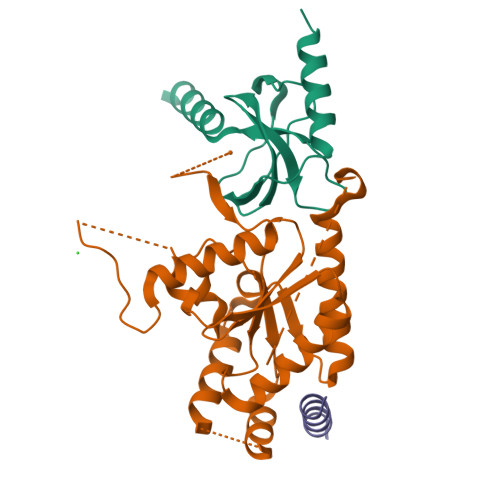
Click to view 3D structureCarboxylesteraseB3TNN2Loxostege sticticalisPredicted (SEA)
Prediction Confidence Score
0.333
Applicability Domain
0.333
Statistical Significance
3.00e-05
Supporting Reference Compounds
1
E-value
0.233548
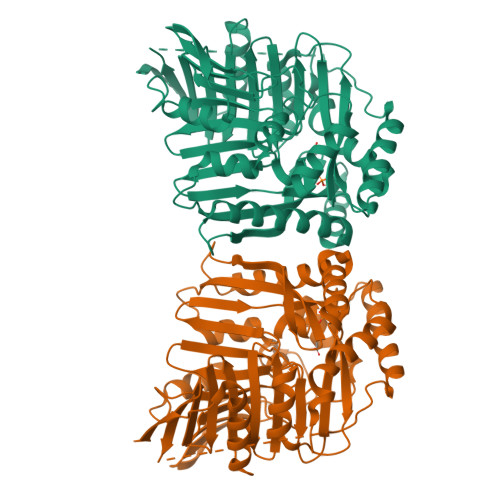
Cystathionine beta-lyase MetC structureClick to view 3D structureCystathionine beta-lyase MetCP06721Escherichia coli K-12Predicted (SEA)
Prediction Confidence Score
0.295
Applicability Domain
0.295 Low confidence
Statistical Significance
4.70e-04
Supporting Reference Compounds
1
E-value
3.65891
Click to view 3D structureATP-dependent molecular chaperone HSP82C4YTQ8Candida albicans (strain WO-1) (Yeast)Predicted (SEA)
Prediction Confidence Score
0.285
Applicability Domain
0.359
Statistical Significance
0.015
Supporting Reference Compounds
205
E-value
116.93
Click to view 3D structureHeat shock factor protein 1P38532Mus musculusPredicted (SEA)
Prediction Confidence Score
0.283
Applicability Domain
0.359
Statistical Significance
0.0165
Supporting Reference Compounds
166
E-value
128.685
Endolysin structureClick to view 3D structureEndolysinP00720Enterobacteria phage T4Predicted (SEA)
Prediction Confidence Score
0.281
Applicability Domain
0.281 Low confidence
Statistical Significance
0.0017
Supporting Reference Compounds
1
E-value
13.1565
Toll-like receptor 9 structureClick to view 3D structureToll-like receptor 9Q9NR96HumansPredicted (SEA)
Prediction Confidence Score
0.281
Applicability Domain
0.31
Statistical Significance
0.0074
Supporting Reference Compounds
111
E-value
57.842
Click to view 3D structureCatechol O-methyltransferaseQ99028Sus scrofaPredicted (SEA)
Prediction Confidence Score
0.273
Applicability Domain
0.289 Low confidence
Statistical Significance
3.70e-04
Supporting Reference Compounds
2
E-value
2.88042
Genome polyprotein structureClick to view 3D structureGenome polyproteinP29990dengue virus type 2Predicted (SEA)
Prediction Confidence Score
0.273
Applicability Domain
0.302
Statistical Significance
0.009
Supporting Reference Compounds
58
E-value
70.0643
Sphingosine 1-phosphate receptor 4 structureClick to view 3D structureSphingosine 1-phosphate receptor 4O95977HumansPredicted (SEA)
Prediction Confidence Score
0.272
Applicability Domain
0.359
Statistical Significance
0.012
Supporting Reference Compounds
117
E-value
93.8083
Krueppel-like factor 10 structureClick to view 3D structureKrueppel-like factor 10Q13118HumansPredicted (SEA)
Prediction Confidence Score
0.269
Applicability Domain
0.269 Low confidence
Statistical Significance
0.0012
Supporting Reference Compounds
1
E-value
9.26406
Arylsulfatase structureClick to view 3D structureArylsulfataseP51691Pseudomonas aeruginosa (strain ATCC 15692 / PAO1 / 1C / PRS 101 / LMG 12228)Predicted (SEA)
Prediction Confidence Score
0.268
Applicability Domain
0.268 Low confidence
Statistical Significance
0.002
Supporting Reference Compounds
1
E-value
15.4141
Catechol O-methyltransferase structureClick to view 3D structureCatechol O-methyltransferaseP22734Rattus norvegicusPredicted (SEA)
Prediction Confidence Score
0.267
Applicability Domain
0.302
Statistical Significance
0.0016
Supporting Reference Compounds
15
E-value
12.3002
Click to view 3D structureDNA damage-inducible transcript 3 proteinP35639Mus musculusPredicted (SEA)
Prediction Confidence Score
0.265
Applicability Domain
0.31
Statistical Significance
0.0402
Supporting Reference Compounds
226
E-value
313.187
X-box-binding protein 1 structureClick to view 3D structureX-box-binding protein 1P17861HumansPredicted (SEA)
Prediction Confidence Score
0.265
Applicability Domain
0.31
Statistical Significance
0.0402
Supporting Reference Compounds
227
E-value
313.265
Protein RecA structureClick to view 3D structureProtein RecAP9WHJ3Mycobacterium tuberculosisPredicted (SEA)
Prediction Confidence Score
0.265
Applicability Domain
0.31
Statistical Significance
0.0533
Supporting Reference Compounds
296
E-value
415.014
Sphingosine 1-phosphate receptor 1 structureClick to view 3D structureSphingosine 1-phosphate receptor 1P21453HumansPredicted (SEA)
Prediction Confidence Score
0.262
Applicability Domain
0.359
Statistical Significance
0.0337
Supporting Reference Compounds
126
E-value
262.43
Induced myeloid leukemia cell differentiation protein Mcl-1 structureClick to view 3D structureInduced myeloid leukemia cell differentiation protein Mcl-1Q07820HumansPredicted (SEA)
Prediction Confidence Score
0.26
Applicability Domain
0.297 Low confidence
Statistical Significance
0.0705
Supporting Reference Compounds
343
E-value
549.071
Cytochrome P450 1A2 structureClick to view 3D structureCytochrome P450 1A2P05177HumansPredicted (SEA)
Prediction Confidence Score
0.259
Applicability Domain
0.333
Statistical Significance
0.269
Supporting Reference Compounds
793
E-value
2094.3
Voltage-dependent L-type calcium channel subunit alpha-1C structureClick to view 3D structureVoltage-dependent L-type calcium channel subunit alpha-1CQ13936HumansPredicted (SEA)
Prediction Confidence Score
0.255
Applicability Domain
0.333
Statistical Significance
0.011
Supporting Reference Compounds
71
E-value
85.5563
Salicylate synthetase, Irp9 structureClick to view 3D structureSalicylate synthetase, Irp9Q9X9I8Yersinia enterocoliticaPredicted (SEA)
Prediction Confidence Score
0.255
Applicability Domain
0.255 Low confidence
Statistical Significance
1.90e-04
Supporting Reference Compounds
1
E-value
1.47914
Click to view 3D structureStreptokinase AP10520Streptococcus pyogenes serotype M1Predicted (SEA)
Prediction Confidence Score
0.255
Applicability Domain
0.283 Low confidence
Statistical Significance
0.1134
Supporting Reference Compounds
425
E-value
883.199
Kappa-type opioid receptor structureClick to view 3D structureKappa-type opioid receptorP41145HumansPredicted (SEA)
Prediction Confidence Score
0.255
Applicability Domain
0.286 Low confidence
Statistical Significance
0.1896
Supporting Reference Compounds
532
E-value
1475.87
Click to view 3D structurePutative nitroreductaseQ4A0P1Staphylococcus saprophyticus subsp. saprophyticus (strain ATCC 15305 / DSM20229 / NCIMB 8711 / NCTC 7292 / S-41)Predicted (SEA)
Prediction Confidence Score
0.255
Applicability Domain
0.282 Low confidence
Statistical Significance
8.60e-04
Supporting Reference Compounds
2
E-value
6.69503
Type-1 angiotensin II receptor structureClick to view 3D structureType-1 angiotensin II receptorP30556HumansPredicted (SEA)
Prediction Confidence Score
0.254
Applicability Domain
0.289 Low confidence
Statistical Significance
0.0583
Supporting Reference Compounds
141
E-value
454.25
Adenosine receptor A3 structureClick to view 3D structureAdenosine receptor A3P0DMS8HumansPredicted (SEA)
Prediction Confidence Score
0.25
Applicability Domain
0.333
Statistical Significance
0.1212
Supporting Reference Compounds
391
E-value
943.844
Concentrations
Not Available
External Links
DrugBank IDNot Available
HMDB IDHMDB0245410
FooDB IDNot Available
Phenol Explorer IDNot Available
KNApSAcK IDNot Available
BiGG IDNot Available
BioCyc IDCPD-18108
METLIN IDNot Available
PDB IDNot Available
Wikipedia LinkNot Available
Chemspider ID11268
ChEBI ID142287
PubChem Compound ID11761
Kegg Compound IDNot Available
YMDB IDNot Available
ECMDB IDNot Available
References
Synthesis ReferenceNot Available
MSDSNot Available
General ReferencesNot Available