N-Ethyl-1,1,2,2,3,3,4,4,5,5,5-undecafluoro-N-(2-hydroxyethyl)-1-pentanesulfonamide (CED0187271)

Record Information
Version1.0
Creation Date2016-05-19 04:26:37 UTC
Update Date2026-08-25 07:08:37 UTC
SynCED IDCED0187271
Secondary Accession Numbers
  • CHEM014244
Identification
Common NameN-Ethyl-1,1,2,2,3,3,4,4,5,5,5-undecafluoro-N-(2-hydroxyethyl)-1-pentanesulfonamide
ClassSmall Molecule
Description
N-Ethyl-1,1,2,2,3,3,4,4,5,5,5-undecafluoro-N-(2-hydroxyethyl)-1-pentanesulfonamide is an organic compound with the chemical formula C9H10F11NO3S and an average molecular weight of 421.23 g/mol. N-Ethyl-1,1,2,2,3,3,4,4,5,5,5-undecafluoro-N-(2-hydroxyethyl)-1-pentanesulfonamide belongs to the alkyl fluorides, a subclass of alkyl halides within the organic compounds. This substance is found in or released from 13 recorded sources across multiple sectors. Within electrical and electronic equipment, it is associated with cell phones, capacitors, batteries, printed circuit boards, wires, and cables. It is also present in textiles, leather and furnishings, specifically in synthetic textiles and carpets and rugs. Other recorded sources include food packaging from the food, food processing and cookware sector, medical devices from the healthcare, pharmaceuticals and veterinary products sector, and lubricants used in both industrial manufacturing and chemical processing as well as the energy, oil and gas sectors. One additional sector is also recorded. Human exposure to this compound occurs through inhalation, oral, and touch routes.
Contaminant Type
  • PFAS
Chemical Structure
Synonyms
ValueSource
N-Ethyl-1,1,2,2,3,3,4,4,5,5,5-undecafluoro-N-(2-hydroxyethyl)pentane-1-sulphonamideGenerator
Chemical FormulaC9H10F11NO3S
Average Molecular Mass421.230 g/mol
Monoisotopic Mass421.021 g/mol
CAS Registry Number68555-72-6
IUPAC NameN-ethyl-1,1,2,2,3,3,4,4,5,5,5-undecafluoro-N-(2-hydroxyethyl)pentane-1-sulfonamide
Traditional NameN-ethyl-1,1,2,2,3,3,4,4,5,5,5-undecafluoro-N-(2-hydroxyethyl)pentane-1-sulfonamide
SMILESCCN(CCO)S(=O)(=O)C(F)(F)C(F)(F)C(F)(F)C(F)(F)C(F)(F)F
InChI IdentifierInChI=1S/C9H10F11NO3S/c1-2-21(3-4-22)25(23,24)9(19,20)7(14,15)5(10,11)6(12,13)8(16,17)18/h22H,2-4H2,1H3
InChI KeyGBPAQIZWHVCENQ-UHFFFAOYSA-N
Chemical Taxonomy
Description Belongs to the class of organic compounds known as perfluoroalkane sulfonamidoethanols. These are organic compounds containing an alkyl chain attached to the sulfur of a sulfonamidoethanol group, where all hydrogens of the alkyl chain are replaced by fluorine atoms.
KingdomOrganic compounds
Super ClassOrganohalogen compounds
ClassAlkyl halides
Sub ClassAlkyl fluorides
Direct ParentPerfluoroalkane sulfonamidoethanols
Alternative Parents
Substituents
  • Perfluoroalkane sulfonamidoethanol
  • Organic sulfonic acid amide
  • Organosulfonic acid amide
  • Organic sulfonic acid or derivatives
  • Organosulfonic acid or derivatives
  • Aminosulfonyl compound
  • Sulfonyl
  • Alkanolamine
  • Alcohol
  • Hydrocarbon derivative
  • Organic oxide
  • Organopnictogen compound
  • Organic oxygen compound
  • Primary alcohol
  • Organosulfur compound
  • Organooxygen compound
  • Organonitrogen compound
  • Organofluoride
  • Organic nitrogen compound
  • Aliphatic acyclic compound
Molecular FrameworkAliphatic acyclic compounds
External DescriptorsNot Available
Biological Properties
StatusDetected and Not Quantified
OriginNot Available
Cellular LocationsNot Available
Biofluid LocationsNot Available
Tissue LocationsNot Available
ApplicationsNot Available
Biological RolesNot Available
Chemical RolesNot Available
Organoleptic EffectsNot Available
Physical Properties
StateNot Available
AppearanceNot Available
Experimental Properties
PropertyValue
Melting PointNot Available
Boiling PointNot Available
SolubilityNot Available
Predicted Properties
PropertyValueSource
Water Solubility0.084 g/LALOGPS
logP3.5ALOGPS
logP2.87ChemAxon
logS-3.7ALOGPS
pKa (Strongest Acidic)15.54ChemAxon
pKa (Strongest Basic)-2.6ChemAxon
Physiological Charge0ChemAxon
Hydrogen Acceptor Count3ChemAxon
Hydrogen Donor Count1ChemAxon
Polar Surface Area57.61 ŲChemAxon
Rotatable Bond Count8ChemAxon
Refractivity59.34 m³·mol⁻¹ChemAxon
Polarizability25.35 ųChemAxon
Number of Rings0ChemAxon
BioavailabilityYesChemAxon
Rule of FiveYesChemAxon
Ghose FilterYesChemAxon
Veber's RuleNoChemAxon
MDDR-like RuleNoChemAxon
Spectra
Spectra
Spectrum TypeDescriptionSplash KeyDeposition DateView
Predicted LC-MS/MSPredicted LC-MS/MS Spectrumsplash10-0uk9-0442900000-fe8e9189b819c1eb4ed9Not AvailableView Spectrum
Predicted LC-MS/MSPredicted LC-MS/MS Spectrumsplash10-00lr-6459400000-f02e75e29232e689634cNot AvailableView Spectrum
Predicted LC-MS/MSPredicted LC-MS/MS Spectrumsplash10-014j-9810000000-418b38830f4dc289314eNot AvailableView Spectrum
Predicted LC-MS/MSPredicted LC-MS/MS Spectrumsplash10-0uxr-1900400000-5d96bfe6333bd5cd9f2fNot AvailableView Spectrum
Predicted LC-MS/MSPredicted LC-MS/MS Spectrumsplash10-0v59-3009700000-902e27b751c9de021e35Not AvailableView Spectrum
Predicted LC-MS/MSPredicted LC-MS/MS Spectrumsplash10-03xr-8921000000-292fc0068581ffd456aaNot AvailableView Spectrum
Toxicity Profile
Toxicity Values
Toxicity ValueOrganismDose DescriptorRoute of ExposurePredicted or ExperimentalToxicity RatingReference
623.0 Log mg/kg [350:1100]RatLD50oralpredictedNot AvailableNot Available
Toxicity / Toxin ClassNot Available
Mechanism of ToxicityNot Available
Carcinogenicity (IARC Classification)Not Available
Minimum Risk LevelNot Available
SymptomsNot Available
TreatmentNot Available
Health Effects
Health EffectRelationshipDirectionDescriptionReference
Exposure Sources
Source IDSourceSectorReference
CEDs000007Pesticides?Pesticides are synthetic chemicals designed to prevent, destroy, or control pests that threaten crops and agricultural productivity.Agriculture & land managementNot Available
CEDs000120Wires and cables?Wires and cables are integral components in the transmission of electrical power and signals.Electrical & Electronic EquipmentNot Available
CEDs000121Printed circuit boards?Printed circuit boards (PCBs) are essential components in the manufacturing of electronic devices, serving as the backbone for electrical connections and circuit pathways.Electrical & Electronic EquipmentNot Available
CEDs000125Batteries?Batteries are devices that store and release electrical energy through electrochemical reactions.Electrical & Electronic EquipmentNot Available
CEDs000130Semiconductors?Semiconductors are materials that possess electrical conductivity between that of conductors and insulators, making them essential for various electronic applications, including transistors, diodes, and integrated circuits.Electrical & Electronic EquipmentNot Available
CEDs000138Lubricants?Lubricants are synthetic or petroleum-derived substances used to reduce friction between surfaces in machinery and equipment, enhancing operational efficiency and longevity.Energy, oil & gasNot Available
CEDs000147Food packaging?Food packaging often utilizes synthetic chemicals, such as plastics and coatings, to enhance durability, moisture resistance, and shelf life.Food, food processing & cookwareNot Available
CEDs000174Lubricants?Lubricants are synthetic or petroleum-based substances used to reduce friction and wear between moving parts in machinery and equipment.Industrial manufacturing & chemical processingNot Available
CEDs000234Medical devices?Medical devices often incorporate synthetic chemicals in their manufacturing processes, which can contribute to contamination in healthcare settings.Healthcare, pharmaceuticals & veterinary productsNot Available
CEDs000451Carpets and Rugs?Carpets and rugs are commonly manufactured using synthetic fibers such as nylon, polyester, and polypropylene, which can be derived from petrochemical sources.Textiles, leather & furnishingsNot Available
CEDs000454Synthetic textiles?Synthetic textiles are materials derived from man-made fibers, such as polyester, nylon, and acrylic, which are produced through chemical processes involving petrochemicals.Textiles, leather & furnishingsNot Available
CEDs000490Personal care & cosmeticsNot Available
CEDs000492Cell phones?Cell phones contain a variety of synthetic chemicals and materials, including plastics, metals, and glass, which can contribute to environmental contamination.Electrical & Electronic EquipmentNot Available
CEDs000493Capacitors?Capacitors are electronic components that store and release electrical energy, often using dielectric materials that can include synthetic chemicals.Electrical & Electronic EquipmentNot Available
Pathways
0 pathwaysPathway Source: PathBank

No pathways found

No metabolic pathways have been associated with this synthetic chemical

Targets
StructureProteinUniProt IDOrganismRelationshipDetails
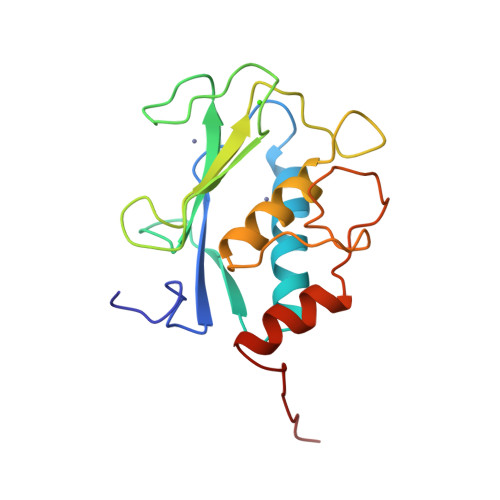
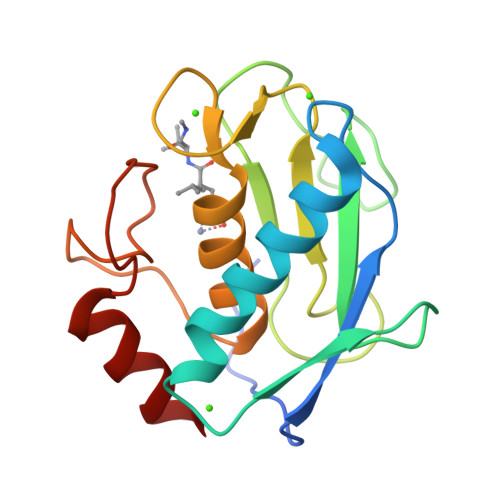
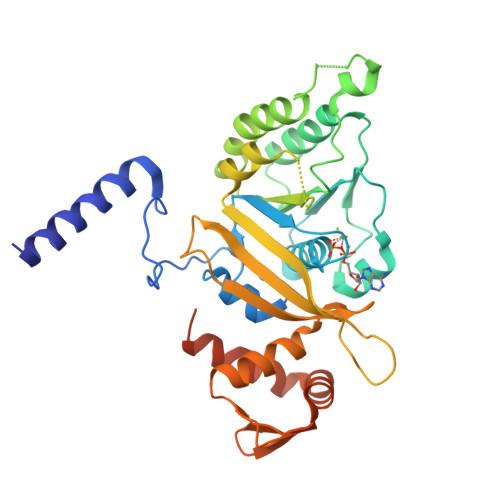
Carbonic anhydrase 2 structureClick to view 3D structureCarbonic anhydrase 2P00918HumansPredicted (SEA)
Prediction Confidence Score
0.207
Applicability Domain
0.327
Statistical Significance
0.5083
Supporting Reference Compounds
472
E-value
3956.92
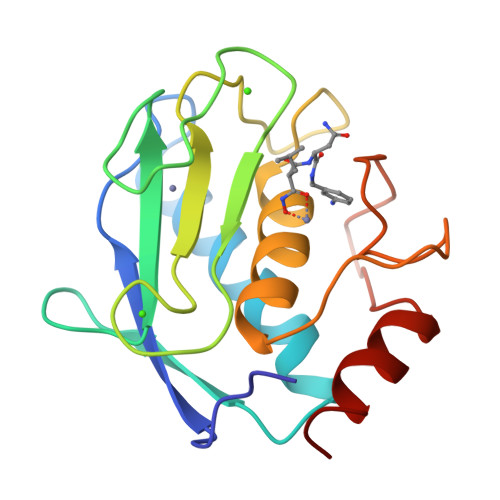
Carbonic anhydrase 1 structureClick to view 3D structureCarbonic anhydrase 1P00915HumansPredicted (SEA)
Prediction Confidence Score
0.207
Applicability Domain
0.327
Statistical Significance
0.4537
Supporting Reference Compounds
407
E-value
3532.33
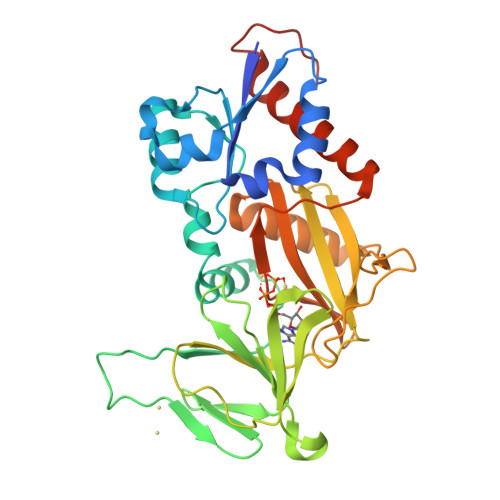
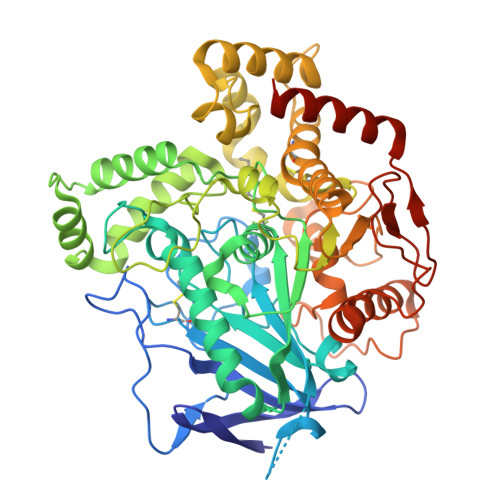
Liver carboxylesterase 1 structureClick to view 3D structureLiver carboxylesterase 1P23141HumansPredicted (SEA)
Prediction Confidence Score
0.205
Applicability Domain
0.239 Low confidence
Statistical Significance
0.0766
Supporting Reference Compounds
55
E-value
596.091
Click to view 3D structureOrganic anion transporter 3O88909Mus musculusPredicted (SEA)
Prediction Confidence Score
0.204
Applicability Domain
0.204 Low confidence
Statistical Significance
0.0171
Supporting Reference Compounds
1
E-value
133.122
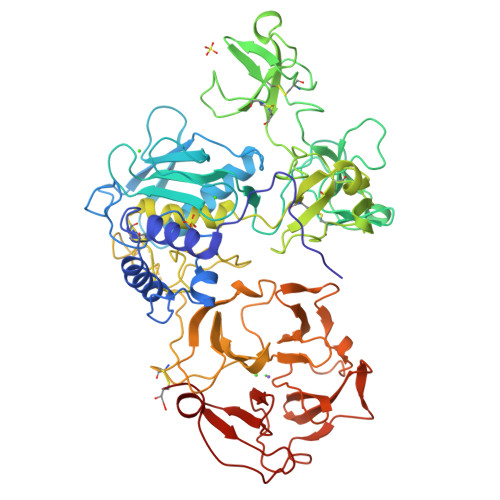
Interstitial collagenase structureClick to view 3D structureInterstitial collagenaseP03956HumansPredicted (SEA)
Prediction Confidence Score
0.204
Applicability Domain
0.327
Statistical Significance
0.4632
Supporting Reference Compounds
258
E-value
3605.66
Neutrophil collagenase structureClick to view 3D structureNeutrophil collagenaseP22894HumansPredicted (SEA)
Prediction Confidence Score
0.204
Applicability Domain
0.327
Statistical Significance
0.3409
Supporting Reference Compounds
176
E-value
2653.96
Click to view 3D structureLiver carboxylesterase B-1Q63010Rattus norvegicusPredicted (SEA)
Prediction Confidence Score
0.198
Applicability Domain
0.239 Low confidence
Statistical Significance
0.0022
Supporting Reference Compounds
6
E-value
16.9711
Inositol hexakisphosphate and diphosphoinositol-pentakisphosphate kinase 2 structureClick to view 3D structureInositol hexakisphosphate and diphosphoinositol-pentakisphosphate kinase 2O43314HumansPredicted (SEA)
Prediction Confidence Score
0.196
Applicability Domain
0.196 Low confidence
Statistical Significance
4.00e-04
Supporting Reference Compounds
1
E-value
3.11397
Liver carboxylesterase structureClick to view 3D structureLiver carboxylesteraseQ29550Sus scrofaPredicted (SEA)
Prediction Confidence Score
0.189
Applicability Domain
0.239 Low confidence
Statistical Significance
0.0368
Supporting Reference Compounds
20
E-value
286.641
72 kDa type IV collagenase structureClick to view 3D structure72 kDa type IV collagenaseP08253HumansPredicted (SEA)
Prediction Confidence Score
0.184
Applicability Domain
0.327
Statistical Significance
0.7798
Supporting Reference Compounds
400
E-value
6070.76
Click to view 3D structureCG8425-PA [Drosophila melanogaster]A1ZA98Drosophila melanogasterPredicted (SEA)
Prediction Confidence Score
0.179
Applicability Domain
0.191 Low confidence
Statistical Significance
0.0067
Supporting Reference Compounds
4
E-value
51.9254
Matrix metalloproteinase-9 structureClick to view 3D structureMatrix metalloproteinase-9P14780HumansPredicted (SEA)
Prediction Confidence Score
0.178
Applicability Domain
0.327
Statistical Significance
0.7795
Supporting Reference Compounds
292
E-value
6068.35
Click to view 3D structureCarbonic anhydrase 4Q95323Bos taurusPredicted (SEA)
Prediction Confidence Score
0.176
Applicability Domain
0.327
Statistical Significance
0.2294
Supporting Reference Compounds
64
E-value
1785.78
Juvenile hormone esterase structureClick to view 3D structureJuvenile hormone esteraseQ9GPG0Manduca sextaPredicted (SEA)
Prediction Confidence Score
0.176
Applicability Domain
0.186 Low confidence
Statistical Significance
0.0068
Supporting Reference Compounds
2
E-value
53.3267
Click to view 3D structureFatty-acid amide hydrolase 1O00519HumansPredicted (SEA)
Prediction Confidence Score
0.175
Applicability Domain
0.186 Low confidence
Statistical Significance
0.7206
Supporting Reference Compounds
106
E-value
5609.5
Click to view 3D structureCocaine esteraseO00748HumansPredicted (SEA)
Prediction Confidence Score
0.175
Applicability Domain
0.186 Low confidence
Statistical Significance
0.2
Supporting Reference Compounds
40
E-value
1557.06
Carbonic anhydrase 12 structureClick to view 3D structureCarbonic anhydrase 12O43570HumansPredicted (SEA)
Prediction Confidence Score
0.17
Applicability Domain
0.204 Low confidence
Statistical Significance
0.8117
Supporting Reference Compounds
332
E-value
6318.87
Acylcarnitine hydrolase structureClick to view 3D structureAcylcarnitine hydrolaseQ91WG0Mus musculusPredicted (SEA)
Prediction Confidence Score
0.168
Applicability Domain
0.17 Low confidence
Statistical Significance
0.0084
Supporting Reference Compounds
2
E-value
65.1598
Carbonic anhydrase 9 structureClick to view 3D structureCarbonic anhydrase 9Q16790HumansPredicted (SEA)
Prediction Confidence Score
0.167
Applicability Domain
0.204 Low confidence
Statistical Significance
0.8558
Supporting Reference Compounds
372
E-value
6662.57
Collagenase 3 structureClick to view 3D structureCollagenase 3P45452HumansPredicted (SEA)
Prediction Confidence Score
0.165
Applicability Domain
0.236 Low confidence
Statistical Significance
0.8973
Supporting Reference Compounds
269
E-value
6985.49
Click to view 3D structureEsteraseA3QR02Chilo suppressalisPredicted (SEA)
Prediction Confidence Score
0.163
Applicability Domain
0.163 Low confidence
Statistical Significance
0.004
Supporting Reference Compounds
1
E-value
30.9061
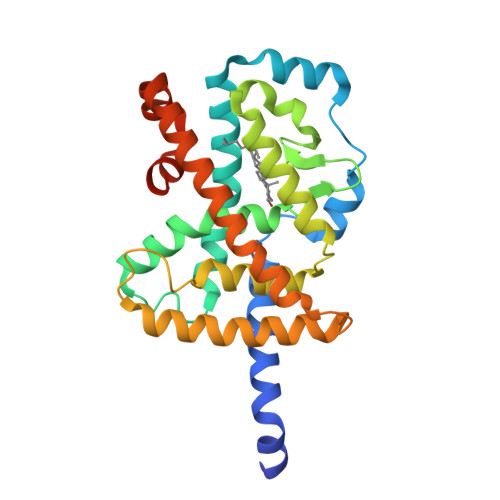
Nuclear receptor ROR-gamma structureClick to view 3D structureNuclear receptor ROR-gammaP51449HumansPredicted (SEA)
Prediction Confidence Score
0.163
Applicability Domain
0.175 Low confidence
Statistical Significance
0.768
Supporting Reference Compounds
102
E-value
5979.21
Nuclear receptor ROR-alpha structureClick to view 3D structureNuclear receptor ROR-alphaP35398HumansPredicted (SEA)
Prediction Confidence Score
0.162
Applicability Domain
0.175 Low confidence
Statistical Significance
0.5853
Supporting Reference Compounds
41
E-value
4556.52
Protein RecA structureClick to view 3D structureProtein RecAP9WHJ3Mycobacterium tuberculosisPredicted (SEA)
Prediction Confidence Score
0.161
Applicability Domain
0.172 Low confidence
Statistical Significance
0.904
Supporting Reference Compounds
296
E-value
7037.57
Oxysterols receptor LXR-alpha structureClick to view 3D structureOxysterols receptor LXR-alphaQ13133HumansPredicted (SEA)
Prediction Confidence Score
0.16
Applicability Domain
0.182 Low confidence
Statistical Significance
0.7797
Supporting Reference Compounds
76
E-value
6069.75
Concentrations
Not Available
External Links
DrugBank IDNot Available
HMDB IDNot Available
FooDB IDNot Available
Phenol Explorer IDNot Available
KNApSAcK IDNot Available
BiGG IDNot Available
BioCyc IDNot Available
METLIN IDNot Available
PDB IDNot Available
Wikipedia LinkNot Available
Chemspider IDNot Available
ChEBI IDNot Available
PubChem Compound ID110553
Kegg Compound IDNot Available
YMDB IDNot Available
ECMDB IDNot Available
References
Synthesis ReferenceNot Available
MSDSNot Available
General ReferencesNot Available