1,2-Hexanediol (CED0013270)

Record Information
Version1.0
Creation Date2016-05-19 04:33:06 UTC
Update Date2026-05-14 19:40:50 UTC
SynCED IDCED0013270
Secondary Accession Numbers
  • CHEM014613
Identification
Common Name1,2-Hexanediol
ClassSmall Molecule
Description
1,2-Hexanediol (C6H14O2) is an organic compound with an average molecular weight of 118.17 g/mol. 1,2-Hexanediol belongs to the fatty alcohols, a subclass of fatty acyls within the organic compounds. In industrial applications, this substance is utilized as a solvent, a fragrance, and as a softener and conditioner. The compound is present in polyethylene terephthalate plastics. It has been identified in two recorded sources: drinking water and water supply, as well as food, food processing and cookware via food contact materials. Recorded exposure routes for 1,2-Hexanediol include inhalation, oral ingestion, and touch.
Contaminant TypeNot Available
Chemical Structure
SynonymsNot Available
Chemical FormulaC6H14O2
Average Molecular Mass118.174 g/mol
Monoisotopic Mass118.099 g/mol
CAS Registry Number6920-22-5
IUPAC Name(2S)-hexane-1,2-diol
Traditional Name(2S)-hexane-1,2-diol
SMILES[H][C@@](O)(CO)CCCC
InChI IdentifierInChI=1S/C6H14O2/c1-2-3-4-6(8)5-7/h6-8H,2-5H2,1H3/t6-/m0/s1
InChI KeyFHKSXSQHXQEMOK-LURJTMIESA-N
Chemical Taxonomy
Description Belongs to the class of organic compounds known as fatty alcohols. These are aliphatic alcohols consisting of a chain of a least six carbon atoms.
KingdomOrganic compounds
Super ClassLipids and lipid-like molecules
ClassFatty Acyls
Sub ClassFatty alcohols
Direct ParentFatty alcohols
Alternative Parents
Substituents
  • Fatty alcohol
  • Secondary alcohol
  • 1,2-diol
  • Organic oxygen compound
  • Hydrocarbon derivative
  • Primary alcohol
  • Organooxygen compound
  • Alcohol
  • Aliphatic acyclic compound
Molecular FrameworkAliphatic acyclic compounds
External DescriptorsNot Available
Biological Properties
StatusDetected and Not Quantified
OriginNot Available
Cellular LocationsNot Available
Biofluid LocationsNot Available
Tissue LocationsNot Available
ApplicationsNot Available
Biological RolesNot Available
Chemical RolesNot Available
Organoleptic EffectsNot Available
Physical Properties
StateNot Available
AppearanceNot Available
Experimental Properties
PropertyValue
Melting PointNot Available
Boiling PointNot Available
SolubilityNot Available
Predicted Properties
PropertyValueSource
Water Solubility178 g/LALOGPS
logP0.41ALOGPS
logP0.62ChemAxon
logS0.18ALOGPS
pKa (Strongest Acidic)14.27ChemAxon
pKa (Strongest Basic)-2.9ChemAxon
Physiological Charge0ChemAxon
Hydrogen Acceptor Count2ChemAxon
Hydrogen Donor Count2ChemAxon
Polar Surface Area40.46 ŲChemAxon
Rotatable Bond Count4ChemAxon
Refractivity32.7 m³·mol⁻¹ChemAxon
Polarizability14.05 ųChemAxon
Number of Rings0ChemAxon
BioavailabilityYesChemAxon
Rule of FiveYesChemAxon
Ghose FilterNoChemAxon
Veber's RuleNoChemAxon
MDDR-like RuleNoChemAxon
Spectra
Spectra
Spectrum TypeDescriptionSplash KeyDeposition DateView
Predicted LC-MS/MSPredicted LC-MS/MS Spectrumsplash10-0gb9-1900000000-36841e8f01dfaf5f3fdfNot AvailableView Spectrum
Predicted LC-MS/MSPredicted LC-MS/MS Spectrumsplash10-100r-7900000000-2992f7ae5aeb4fa3eaf1Not AvailableView Spectrum
Predicted LC-MS/MSPredicted LC-MS/MS Spectrumsplash10-0a4l-9000000000-327121c4413a22817daaNot AvailableView Spectrum
Predicted LC-MS/MSPredicted LC-MS/MS Spectrumsplash10-014i-2900000000-6577d9059556beb5034cNot AvailableView Spectrum
Predicted LC-MS/MSPredicted LC-MS/MS Spectrumsplash10-014s-9400000000-5c19569d07ff5ec4459cNot AvailableView Spectrum
Predicted LC-MS/MSPredicted LC-MS/MS Spectrumsplash10-0a4l-9000000000-bcaea7f3cb46943d00bbNot AvailableView Spectrum
Toxicity Profile
Toxicity Values
Toxicity ValueOrganismDose DescriptorRoute of ExposurePredicted or ExperimentalToxicity RatingReference
3316.0 Log mg/kg [1900:5900]RatLD50oralpredictedNot AvailableNot Available
Toxicity / Toxin ClassNot Available
Mechanism of ToxicityNot Available
Carcinogenicity (IARC Classification)Not Available
Minimum Risk LevelNot Available
SymptomsNot Available
TreatmentNot Available
Health Effects
Health EffectRelationshipDirectionDescriptionReference
Exposure Sources
Source IDSourceSectorReference
CEDs000115Drinking water?Drinking water can be a medium for synthetic chemical contamination, often originating from various industrial processes and agricultural practices.Drinking water & water supplyNot Available
CEDs000494Food contact materials?Food contact materials refer to substances and products that are intended to come into contact with food during processing, packaging, or preparation.Food, food processing & cookwareNot Available
CEDs000545Food Preservation?Food preservation often involves the use of synthetic chemicals, such as preservatives, flavor enhancers, and color additives, to extend shelf life and enhance the sensory qualities of food products.Food, food processing & cookwarePubChem
CEDs000555Bleaching Agents?Bleaching agents are chemical substances used to whiten or lighten materials, often employed in various cleaning products for their stain removal and disinfecting properties.Household cleaning & consumer productsPubChem
CEDs000563Soap Detergents?Soap detergents are synthetic surfactants designed to enhance the cleaning efficacy of water by reducing surface tension, allowing for better interaction with dirt and grease.Household cleaning & consumer productsPubChem
CEDs000609Aftershave?Aftershave is a grooming product typically used to soothe and protect the skin following shaving.Personal care & cosmeticsPubChem
CEDs000610Aftersun Products?Aftersun products are designed to soothe and hydrate the skin after sun exposure, often containing various synthetic chemicals such as emollients, preservatives, and fragrances.Personal care & cosmeticsPubChem
CEDs000611Anti Perspirants Or Body Deoderants?Antiperspirants and body deodorants commonly contain synthetic chemicals such as aluminum compounds, parabens, and synthetic fragrances.Personal care & cosmeticsPubChem
CEDs000614Essential Oils Or Perfumes?Essential oils and perfumes are complex mixtures of volatile compounds derived from natural or synthetic sources, commonly used for their aromatic properties.Personal care & cosmeticsPubChem
CEDs000617Lip Care Products?Lip care products, including lipsticks, balms, and glosses, often contain a variety of synthetic chemicals such as parabens, phthalates, and synthetic fragrances.Personal care & cosmeticsPubChem
CEDs000618Lip Makeup Products?Lip makeup products, such as lipsticks, lip glosses, and lip liners, often contain a variety of synthetic chemicals, including pigments, preservatives, and emollients.Personal care & cosmeticsPubChem
CEDs000739Inks?Inks are complex mixtures composed of pigments or dyes, solvents, resins, and additives used primarily for printing and writing applications.Paper, pulp & fiber productsPubChem
CEDs000740Paper?Paper production involves the processing of wood fibers and the use of various chemicals, which can lead to synthetic chemical contamination.Paper, pulp & fiber productsPubChem
CEDs000744Water, Wastewater, & Sewage Treatment?Water, wastewater, and sewage treatment processes are critical for managing and mitigating pollutants in water systems.Wastewater, sanitation & biosolidsPubChem
Pathways
0 pathwaysPathway Source: PathBank

No pathways found

No metabolic pathways have been associated with this synthetic chemical

Targets
StructureProteinUniProt IDOrganismRelationshipDetails
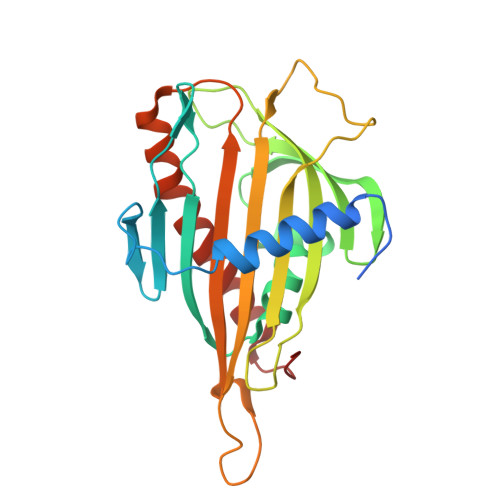
Click to view 3D structureGlucosylceramidaseQ2KHZ8Bos taurusPredicted (SEA)
Prediction Confidence Score
0.252
Applicability Domain
0.343
Statistical Significance
2.10e-04
Supporting Reference Compounds
4
E-value
1.63483
Lysosomal alpha-glucosidase structureClick to view 3D structureLysosomal alpha-glucosidaseP10253HumansPredicted (SEA)
Prediction Confidence Score
0.251
Applicability Domain
0.289 Low confidence
Statistical Significance
6.50e-04
Supporting Reference Compounds
21
E-value
5.0602
Click to view 3D structureNon-lysosomal glucosylceramidaseQ69ZF3Mus musculusPredicted (SEA)
Prediction Confidence Score
0.25
Applicability Domain
0.25 Low confidence
Statistical Significance
4.30e-04
Supporting Reference Compounds
1
E-value
3.34752
Peroxisome proliferator-activated receptor delta structureClick to view 3D structurePeroxisome proliferator-activated receptor deltaQ03181HumansPredicted (SEA)
Prediction Confidence Score
0.249
Applicability Domain
0.3
Statistical Significance
0.0517
Supporting Reference Compounds
89
E-value
402.247
Ceramide transfer protein structureClick to view 3D structureCeramide transfer proteinQ9Y5P4HumansPredicted (SEA)
Prediction Confidence Score
0.244
Applicability Domain
0.244 Low confidence
Statistical Significance
0.0073
Supporting Reference Compounds
1
E-value
56.8299
Transient receptor potential cation channel subfamily V member 2 structureClick to view 3D structureTransient receptor potential cation channel subfamily V member 2Q9WUD2Rattus norvegicusPredicted (SEA)
Prediction Confidence Score
0.243
Applicability Domain
0.259 Low confidence
Statistical Significance
0.0057
Supporting Reference Compounds
21
E-value
44.5298
Peroxisome proliferator-activated receptor alpha structureClick to view 3D structurePeroxisome proliferator-activated receptor alphaQ07869HumansPredicted (SEA)
Prediction Confidence Score
0.242
Applicability Domain
0.259 Low confidence
Statistical Significance
0.1007
Supporting Reference Compounds
127
E-value
783.63
Click to view 3D structureNon-lysosomal glucosylceramidaseQ9HCG7HumansPredicted (SEA)
Prediction Confidence Score
0.242
Applicability Domain
0.25 Low confidence
Statistical Significance
0.001
Supporting Reference Compounds
21
E-value
8.17417
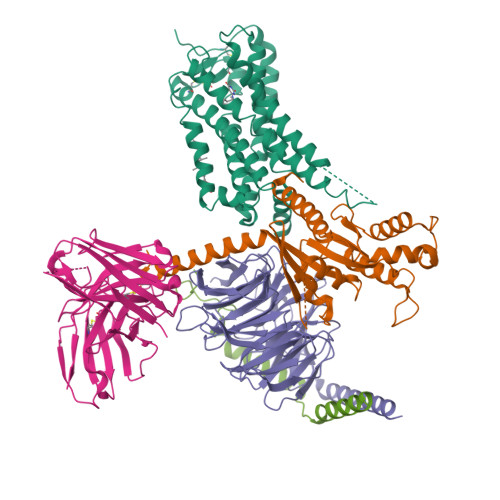
Click to view 3D structureCannabinoid receptor 1P20272Rattus norvegicusPredicted (SEA)
Prediction Confidence Score
0.241
Applicability Domain
0.25 Low confidence
Statistical Significance
0.0309
Supporting Reference Compounds
83
E-value
240.632
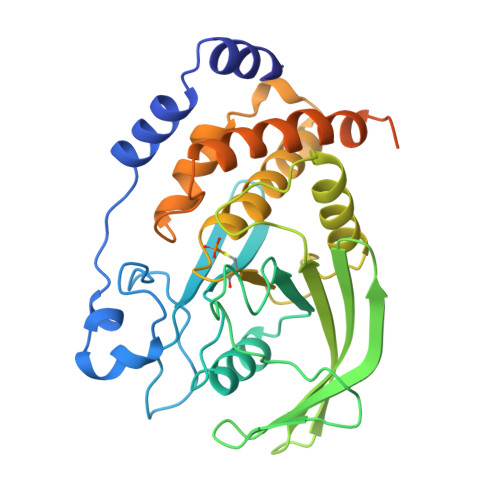
Tyrosine-protein phosphatase non-receptor type 1 structureClick to view 3D structureTyrosine-protein phosphatase non-receptor type 1P18031HumansPredicted (SEA)
Prediction Confidence Score
0.24
Applicability Domain
0.259 Low confidence
Statistical Significance
0.0777
Supporting Reference Compounds
197
E-value
605.122
Lysosomal acid glucosylceramidase structureClick to view 3D structureLysosomal acid glucosylceramidaseP04062HumansPredicted (SEA)
Prediction Confidence Score
0.24
Applicability Domain
0.289 Low confidence
Statistical Significance
0.0019
Supporting Reference Compounds
35
E-value
14.8692
Click to view 3D structurePhospholipase BQ9P8P2Cryptococcus neoformansPredicted (SEA)
Prediction Confidence Score
0.24
Applicability Domain
0.24 Low confidence
Statistical Significance
5.00e-04
Supporting Reference Compounds
1
E-value
3.89246
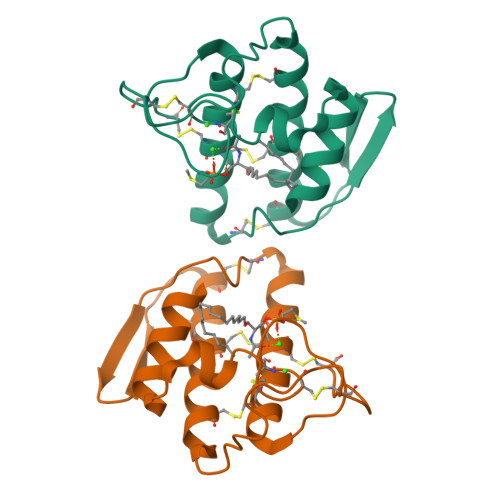
Phospholipase A2, membrane associated structureClick to view 3D structurePhospholipase A2, membrane associatedP14555HumansPredicted (SEA)
Prediction Confidence Score
0.235
Applicability Domain
0.379
Statistical Significance
0.0224
Supporting Reference Compounds
49
E-value
174.694
Click to view 3D structureSucrase-isomaltase, intestinalP23739Rattus norvegicusPredicted (SEA)
Prediction Confidence Score
0.235
Applicability Domain
0.25 Low confidence
Statistical Significance
1.00e-03
Supporting Reference Compounds
25
E-value
7.78492
Peroxisome proliferator-activated receptor gamma structureClick to view 3D structurePeroxisome proliferator-activated receptor gammaP37231HumansPredicted (SEA)
Prediction Confidence Score
0.234
Applicability Domain
0.259 Low confidence
Statistical Significance
0.1814
Supporting Reference Compounds
192
E-value
1411.95
Click to view 3D structureFarnesyl pyrophosphate synthaseQ0GKD7Leishmania donovaniPredicted (SEA)
Prediction Confidence Score
0.233
Applicability Domain
0.258 Low confidence
Statistical Significance
0.0017
Supporting Reference Compounds
14
E-value
13.6236
Click to view 3D structureLysosomal alpha-glucosidaseP70699Mus musculusPredicted (SEA)
Prediction Confidence Score
0.232
Applicability Domain
0.25 Low confidence
Statistical Significance
7.40e-04
Supporting Reference Compounds
7
E-value
5.76084
G-protein coupled receptor 84 structureClick to view 3D structureG-protein coupled receptor 84Q9NQS5HumansPredicted (SEA)
Prediction Confidence Score
0.229
Applicability Domain
0.259 Low confidence
Statistical Significance
0.0051
Supporting Reference Compounds
15
E-value
39.7031
Click to view 3D structureSucrase-isomaltaseB5THE3Mus musculusPredicted (SEA)
Prediction Confidence Score
0.228
Applicability Domain
0.25 Low confidence
Statistical Significance
8.60e-04
Supporting Reference Compounds
7
E-value
6.69503
Click to view 3D structureFatty-acid amide hydrolase 1O00519HumansPredicted (SEA)
Prediction Confidence Score
0.228
Applicability Domain
0.25 Low confidence
Statistical Significance
0.1692
Supporting Reference Compounds
106
E-value
1317.36
Cannabinoid receptor 2 structureClick to view 3D structureCannabinoid receptor 2P34972HumansPredicted (SEA)
Prediction Confidence Score
0.227
Applicability Domain
0.25 Low confidence
Statistical Significance
0.2163
Supporting Reference Compounds
175
E-value
1683.65
Click to view 3D structureCAI-1 autoinducer sensor kinase/phosphatase CqsSQ9KM66Vibrio cholerae serotype O1 (strain ATCC 39315 / El Tor Inaba N16961)Predicted (SEA)
Prediction Confidence Score
0.3
Applicability Domain
0.3
Statistical Significance
5.20e-04
Supporting Reference Compounds
1
E-value
4.04816
Click to view 3D structureSodium- and chloride-dependent creatine transporter 1P28570Rattus norvegicusPredicted (SEA)
Prediction Confidence Score
0.276
Applicability Domain
0.276 Low confidence
Statistical Significance
1.30e-04
Supporting Reference Compounds
1
E-value
1.01204
Click to view 3D structureLysosomal alpha-glucosidaseQ6P7A9Rattus norvegicusPredicted (SEA)
Prediction Confidence Score
0.27
Applicability Domain
0.343
Statistical Significance
5.60e-04
Supporting Reference Compounds
21
E-value
4.35956
Click to view 3D structureG protein-activated inward rectifier potassium channel 1P48549HumansPredicted (SEA)
Prediction Confidence Score
0.256
Applicability Domain
0.256 Low confidence
Statistical Significance
1.70e-04
Supporting Reference Compounds
1
E-value
1.32344
Concentrations
Not Available
External Links
DrugBank IDNot Available
HMDB IDNot Available
FooDB IDNot Available
Phenol Explorer IDNot Available
KNApSAcK IDNot Available
BiGG IDNot Available
BioCyc IDNot Available
METLIN IDNot Available
PDB IDNot Available
Wikipedia LinkNot Available
Chemspider IDNot Available
ChEBI IDNot Available
PubChem Compound ID7017948
Kegg Compound IDNot Available
YMDB IDNot Available
ECMDB IDNot Available
References
Synthesis ReferenceNot Available
MSDSNot Available
General ReferencesNot Available