Dimethadione (CED0019542)

Record Information
Version1.0
Creation Date2016-05-19 04:33:28 UTC
Update Date2026-08-23 01:21:22 UTC
SynCED IDCED0019542
Secondary Accession Numbers
  • CHEM014633
Identification
Common NameDimethadione
ClassSmall Molecule
Description
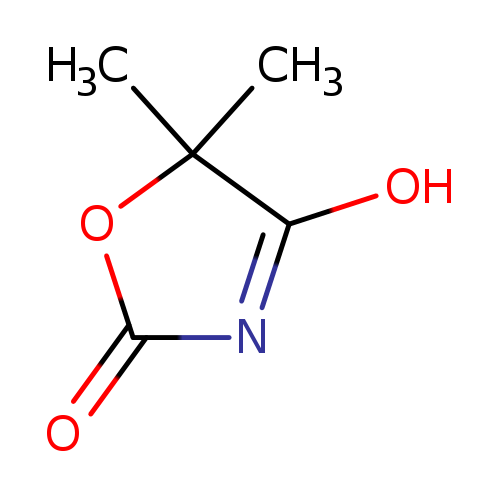
Dimethadione is an organic compound with the chemical formula C5H7NO3 and an average molecular weight of 129.11 g/mol. Dimethadione belongs to the oxazolidines, a subclass of azolidines within the organic compounds. This substance has been identified in three recorded sources, including indoor air via air, dust and atmospheric transport, hybrid capacitors within electrical and electronic equipment, and tobacco smoke filters used in household cleaning and consumer products. The recorded route of exposure for this compound is inhalation.
Contaminant TypeNot Available
Chemical Structure
Synonyms
ValueSource
BAX 1400ZHMDB
AC 1198HMDB
5,5-Dimethyl-2,4-oxazolidinedioneHMDB
DimethyloxazolidinedioneHMDB
5,5-Dimethyloxazolidine-2,4-dioneHMDB
Chemical FormulaC5H7NO3
Average Molecular Mass129.114 g/mol
Monoisotopic Mass129.043 g/mol
CAS Registry Number695-53-4
IUPAC Name4-hydroxy-5,5-dimethyl-2,5-dihydro-1,3-oxazol-2-one
Traditional Namedimethadione
SMILESCC1(C)OC(=O)N=C1O
InChI IdentifierInChI=1S/C5H7NO3/c1-5(2)3(7)6-4(8)9-5/h1-2H3,(H,6,7,8)
InChI KeyJYJFNDQBESEHJQ-UHFFFAOYSA-N
Chemical Taxonomy
Description Belongs to the class of organic compounds known as oxazolidinediones. Oxazolidinediones are compounds containing an oxazolidine ring which bears two ketones.
KingdomOrganic compounds
Super ClassOrganoheterocyclic compounds
ClassAzolidines
Sub ClassOxazolidines
Direct ParentOxazolidinediones
Alternative Parents
Substituents
  • Oxazolidinedione
  • Dicarboximide
  • Carbamic acid ester
  • Carbonic acid derivative
  • Oxacycle
  • Azacycle
  • Carboxylic acid derivative
  • Hydrocarbon derivative
  • Organopnictogen compound
  • Organic oxygen compound
  • Organooxygen compound
  • Organonitrogen compound
  • Organic nitrogen compound
  • Carbonyl group
  • Organic oxide
  • Aliphatic heteromonocyclic compound
Molecular FrameworkAliphatic heteromonocyclic compounds
External DescriptorsNot Available
Biological Properties
StatusDetected and Not Quantified
OriginNot Available
Cellular LocationsNot Available
Biofluid LocationsNot Available
Tissue LocationsNot Available
ApplicationsNot Available
Biological RolesNot Available
Chemical RolesNot Available
Organoleptic EffectsNot Available
Physical Properties
StateNot Available
AppearanceNot Available
Experimental Properties
PropertyValue
Melting PointNot Available
Boiling PointNot Available
SolubilityNot Available
Predicted Properties
PropertyValueSource
Water Solubility18.2 g/LALOGPS
logP0.27ALOGPS
logP0.65ChemAxon
logS-0.85ALOGPS
pKa (Strongest Acidic)4.95ChemAxon
pKa (Strongest Basic)-6.1ChemAxon
Physiological Charge-1ChemAxon
Hydrogen Acceptor Count3ChemAxon
Hydrogen Donor Count1ChemAxon
Polar Surface Area58.89 ŲChemAxon
Rotatable Bond Count0ChemAxon
Refractivity28.63 m³·mol⁻¹ChemAxon
Polarizability11.61 ųChemAxon
Number of Rings1ChemAxon
BioavailabilityYesChemAxon
Rule of FiveYesChemAxon
Ghose FilterNoChemAxon
Veber's RuleNoChemAxon
MDDR-like RuleNoChemAxon
Spectra
Spectra
Spectrum TypeDescriptionSplash KeyDeposition DateView
Predicted GC-MSPredicted GC-MS Spectrumsplash10-052f-9200000000-870ddcc66615b8b52da4Not AvailableView Spectrum
Predicted GC-MSPredicted GC-MS Spectrumsplash10-059l-9400000000-e0439179b828f4baa3ebNot AvailableView Spectrum
Predicted GC-MSPredicted GC-MS SpectrumNot AvailableNot AvailableView Spectrum
Predicted LC-MS/MSPredicted LC-MS/MS Spectrumsplash10-001i-1900000000-52459f02d3fcac41a033Not AvailableView Spectrum
Predicted LC-MS/MSPredicted LC-MS/MS Spectrumsplash10-0a4i-9300000000-cf807441853e04ba0256Not AvailableView Spectrum
Predicted LC-MS/MSPredicted LC-MS/MS Spectrumsplash10-0006-9400000000-b6e1bb62340acf9c2ec5Not AvailableView Spectrum
Predicted LC-MS/MSPredicted LC-MS/MS Spectrumsplash10-004i-1900000000-fa77d0782ad4883836a7Not AvailableView Spectrum
Predicted LC-MS/MSPredicted LC-MS/MS Spectrumsplash10-004i-3900000000-73c949319562bf908512Not AvailableView Spectrum
Predicted LC-MS/MSPredicted LC-MS/MS Spectrumsplash10-0006-9000000000-b58021da64ed9330ec40Not AvailableView Spectrum
Predicted LC-MS/MSPredicted LC-MS/MS Spectrumsplash10-0a4i-9100000000-326c6212bda981bc4cebNot AvailableView Spectrum
Predicted LC-MS/MSPredicted LC-MS/MS Spectrumsplash10-053u-9000000000-15d15c83628c92bb1668Not AvailableView Spectrum
Predicted LC-MS/MSPredicted LC-MS/MS Spectrumsplash10-0006-9000000000-f8092cf49312e6d6287aNot AvailableView Spectrum
Predicted LC-MS/MSPredicted LC-MS/MS Spectrumsplash10-053r-9500000000-89bdb7940c56b581d9fdNot AvailableView Spectrum
Predicted LC-MS/MSPredicted LC-MS/MS Spectrumsplash10-0006-9100000000-d028fb01e3bb1903e3ceNot AvailableView Spectrum
Predicted LC-MS/MSPredicted LC-MS/MS Spectrumsplash10-0006-9000000000-dad1e414d62a246d41c5Not AvailableView Spectrum
1D NMR1H NMR Spectrum (1D, D2O, predicted)Not AvailableNot AvailableView Spectrum
1D NMR13C NMR Spectrum (1D, D2O, predicted)Not AvailableNot AvailableView Spectrum
Toxicity Profile
Toxicity Values
Toxicity ValueOrganismDose DescriptorRoute of ExposurePredicted or ExperimentalToxicity RatingReference
1664.0 Log mg/kg [940:3000]RatLD50oralpredictedNot AvailableNot Available
276.5 mg/L RatNOECenvironmentalexperimentalNot AvailableECOTOX - EPA ORD
252.8 mg/L RatNOECenvironmentalexperimentalNot AvailableECOTOX - EPA ORD
395.0 mg/L RatNOECenvironmentalexperimentalNot AvailableECOTOX - EPA ORD
316.0 mg/L RatNOECenvironmentalexperimentalNot AvailableECOTOX - EPA ORD
790.0 mg/L RatNOECenvironmentalexperimentalNot AvailableECOTOX - EPA ORD
Toxicity / Toxin ClassNot Available
Mechanism of ToxicityNot Available
Carcinogenicity (IARC Classification)Not Available
Minimum Risk LevelNot Available
SymptomsNot Available
TreatmentNot Available
Health Effects
Health EffectRelationshipDirectionDescriptionReference
Exposure Sources
Source IDSourceSectorReference
CEDs000010Insecticides?Insecticides are synthetic chemicals designed to control or eliminate insect pests that threaten crops and other agricultural products.Agriculture & land managementPubChem
CEDs000019Indoor air?Indoor air can be a significant reservoir for synthetic chemical contaminants, which often originate from various sources within enclosed environments.Air, dust & atmospheric transportNot Available
CEDs000524Hybrid Capacitors?Hybrid capacitors are energy storage devices that combine the properties of electrolytic and supercapacitors, utilizing a combination of electrochemical principles to achieve higher energy density and power density.Electrical & Electronic EquipmentPubChem
CEDs000569Tobacco Smoke Filters?Tobacco smoke filters are designed to reduce the inhalation of harmful substances in cigarette smoke, including tar and other particulate matter.Household cleaning & consumer productsPubChem
CEDs000596Acaricides?Acaricides are synthetic chemicals specifically designed to target and control mite populations that can damage crops and plants.Agriculture & land managementPubChem
CEDs000600Herbicides And Algicides?Herbicides and algicides are synthetic chemicals primarily used to control unwanted plants and algae in various environments.Agriculture & land managementPubChem
CEDs000603Nematocides?Nematocides are synthetic chemicals specifically designed to control nematodes, which are microscopic roundworms that can cause significant damage to crops and plants.Agriculture & land managementPubChem
CEDs000605Pest Repellants?Pest repellents, often formulated from synthetic chemicals, are widely used to protect crops from insect infestations and other pests.Agriculture & land managementPubChem
CEDs000606Plant Growth Regulators?Plant Growth Regulators (PGRs) are synthetic chemicals designed to influence the growth and development of plants.Agriculture & land managementPubChem
CEDs000611Anti Perspirants Or Body Deoderants?Antiperspirants and body deodorants commonly contain synthetic chemicals such as aluminum compounds, parabens, and synthetic fragrances.Personal care & cosmeticsPubChem
CEDs000632Apparel?Apparel production often involves the use of various synthetic chemicals, including dyes, finishing agents, and preservatives.Textiles, leather & furnishingsPubChem
CEDs000678Nitrogenous Fertilisers?Nitrogenous fertilizers are synthetic chemical compounds primarily used to enhance plant growth by supplying essential nitrogen, a crucial nutrient for photosynthesis and protein synthesis.Agriculture & land managementPubChem
CEDs000685Ceramics?Ceramics can be a source of synthetic chemical contamination through various additives and processing agents used in their production.Building & ConstructionPubChem
CEDs000696Nanotechnology?Nanotechnology involves the manipulation of materials at the molecular or atomic level, typically within the range of 1 to 100 nanometers.Industrial manufacturing & chemical processingPubChem
CEDs000739Inks?Inks are complex mixtures composed of pigments or dyes, solvents, resins, and additives used primarily for printing and writing applications.Paper, pulp & fiber productsPubChem
CEDs000744Water, Wastewater, & Sewage Treatment?Water, wastewater, and sewage treatment processes are critical for managing and mitigating pollutants in water systems.Wastewater, sanitation & biosolidsPubChem
Pathways
0 pathwaysPathway Source: PathBank

No pathways found

No metabolic pathways have been associated with this synthetic chemical

Targets
StructureProteinUniProt IDOrganismRelationshipDetails
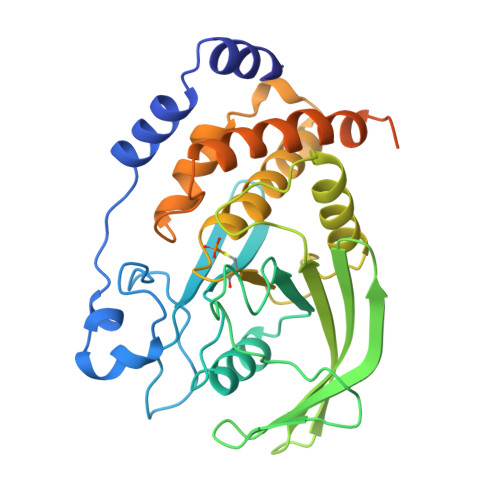
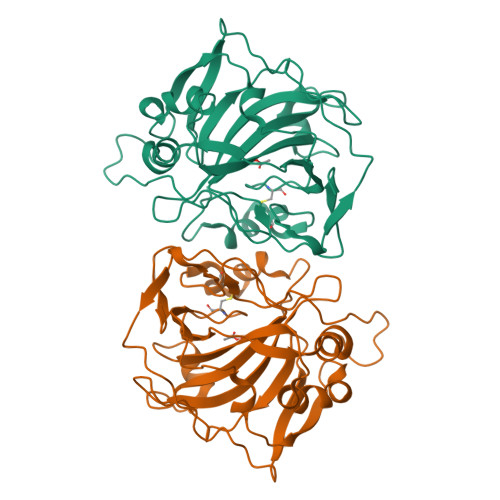
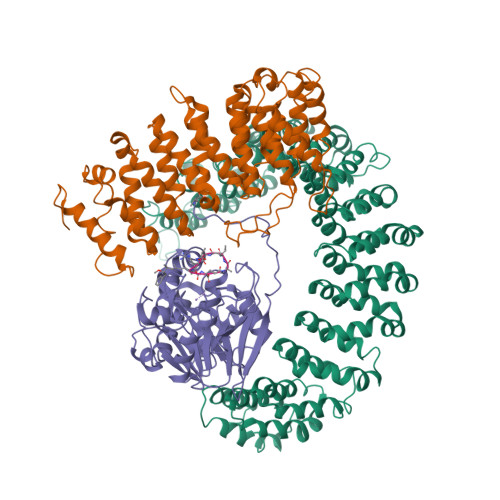
Serine/threonine-protein phosphatase 2A 65 kDa regulatory subunit A alpha isoform structureClick to view 3D structureSerine/threonine-protein phosphatase 2A 65 kDa regulatory subunit A alpha isoformQ76MZ3Mus musculusPredicted (SEA)
Prediction Confidence Score
0.206
Applicability Domain
0.206 Low confidence
Statistical Significance
9.00e-05
Supporting Reference Compounds
1
E-value
0.700643
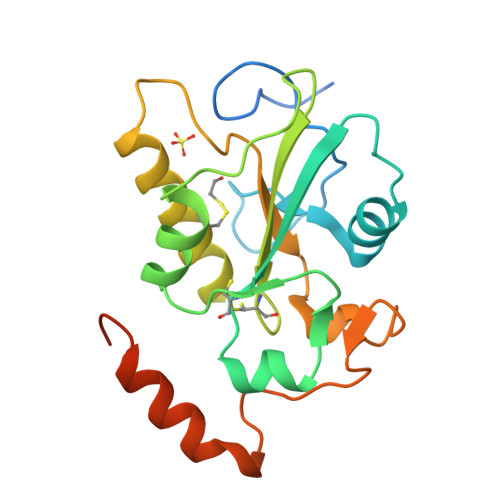
3-oxoacyl-[acyl-carrier-protein] synthase 2 structureClick to view 3D structure3-oxoacyl-[acyl-carrier-protein] synthase 2P9WQD7Mycobacterium tuberculosisPredicted (SEA)
Prediction Confidence Score
0.19
Applicability Domain
0.19 Low confidence
Statistical Significance
8.00e-05
Supporting Reference Compounds
1
E-value
0.622794
3-oxoacyl-[acyl-carrier-protein] synthase 1 structureClick to view 3D structure3-oxoacyl-[acyl-carrier-protein] synthase 1P9WQD9Mycobacterium tuberculosis (strain ATCC 25618 / H37Rv)Predicted (SEA)
Prediction Confidence Score
0.186
Applicability Domain
0.186 Low confidence
Statistical Significance
0.0116
Supporting Reference Compounds
1
E-value
90.4608
Tyrosine-protein phosphatase non-receptor type 1 structureClick to view 3D structureTyrosine-protein phosphatase non-receptor type 1P18031HumansPredicted (SEA)
Prediction Confidence Score
0.185
Applicability Domain
0.233 Low confidence
Statistical Significance
0.4611
Supporting Reference Compounds
197
E-value
3589.55
Glutathione S-transferase structureClick to view 3D structureGlutathione S-transferaseQ8ILQ7Plasmodium falciparumPredicted (SEA)
Prediction Confidence Score
0.182
Applicability Domain
0.182 Low confidence
Statistical Significance
8.40e-04
Supporting Reference Compounds
1
E-value
6.53933
Myoglobin structureClick to view 3D structureMyoglobinP02144HumansPredicted (SEA)
Prediction Confidence Score
0.181
Applicability Domain
0.22 Low confidence
Statistical Significance
0.0031
Supporting Reference Compounds
2
E-value
24.5225
Click to view 3D structureProstaglandin reductase 1P97584Rattus norvegicusPredicted (SEA)
Prediction Confidence Score
0.174
Applicability Domain
0.174 Low confidence
Statistical Significance
7.40e-04
Supporting Reference Compounds
1
E-value
5.76084
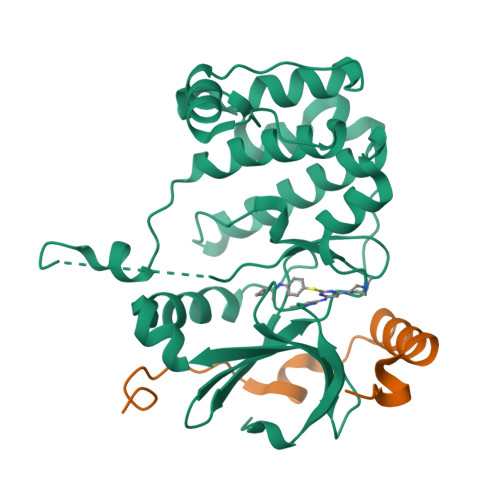
Serine/threonine-protein kinase pim-1 structureClick to view 3D structureSerine/threonine-protein kinase pim-1P11309HumansPredicted (SEA)
Prediction Confidence Score
0.174
Applicability Domain
0.19 Low confidence
Statistical Significance
0.9607
Supporting Reference Compounds
967
E-value
7479.05
M-phase inducer phosphatase 2 structureClick to view 3D structureM-phase inducer phosphatase 2P30305HumansPredicted (SEA)
Prediction Confidence Score
0.172
Applicability Domain
0.233 Low confidence
Statistical Significance
0.29
Supporting Reference Compounds
50
E-value
2257.94
Serine/threonine-protein kinase haspin structureClick to view 3D structureSerine/threonine-protein kinase haspinQ8TF76HumansPredicted (SEA)
Prediction Confidence Score
0.172
Applicability Domain
0.22 Low confidence
Statistical Significance
0.5728
Supporting Reference Compounds
66
E-value
4458.97
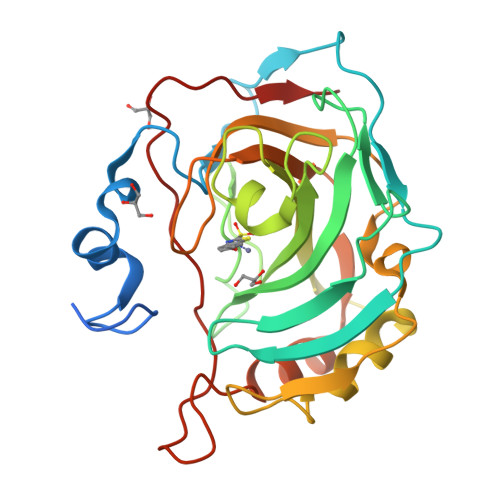
Carbonic anhydrase 9 structureClick to view 3D structureCarbonic anhydrase 9Q16790HumansPredicted (SEA)
Prediction Confidence Score
0.172
Applicability Domain
0.175 Low confidence
Statistical Significance
0.8192
Supporting Reference Compounds
372
E-value
6377.64
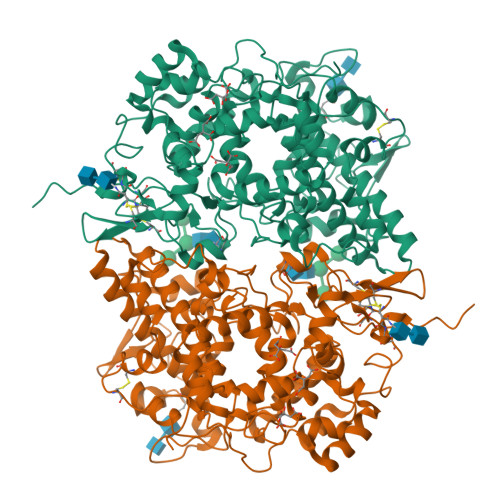
Prostaglandin G/H synthase 1 structureClick to view 3D structureProstaglandin G/H synthase 1P23219HumansPredicted (SEA)
Prediction Confidence Score
0.171
Applicability Domain
0.184 Low confidence
Statistical Significance
0.7272
Supporting Reference Compounds
136
E-value
5660.88
Aurora kinase B structureClick to view 3D structureAurora kinase BQ96GD4HumansPredicted (SEA)
Prediction Confidence Score
0.169
Applicability Domain
0.184 Low confidence
Statistical Significance
0.9657
Supporting Reference Compounds
1017
E-value
7517.67
Carbonic anhydrase 12 structureClick to view 3D structureCarbonic anhydrase 12O43570HumansPredicted (SEA)
Prediction Confidence Score
0.169
Applicability Domain
0.175 Low confidence
Statistical Significance
0.8211
Supporting Reference Compounds
332
E-value
6392.28
Carbonic anhydrase 7 structureClick to view 3D structureCarbonic anhydrase 7P43166HumansPredicted (SEA)
Prediction Confidence Score
0.169
Applicability Domain
0.175 Low confidence
Statistical Significance
0.7731
Supporting Reference Compounds
242
E-value
6018.21
Carbonic anhydrase 13 structureClick to view 3D structureCarbonic anhydrase 13Q8N1Q1HumansPredicted (SEA)
Prediction Confidence Score
0.169
Applicability Domain
0.175 Low confidence
Statistical Significance
0.5489
Supporting Reference Compounds
92
E-value
4272.91
Thymidylate synthase structureClick to view 3D structureThymidylate synthaseP00469Lactobacillus caseiPredicted (SEA)
Prediction Confidence Score
0.169
Applicability Domain
0.2 Low confidence
Statistical Significance
0.1734
Supporting Reference Compounds
33
E-value
1349.83
Click to view 3D structurePolyunsaturated fatty acid 5-lipoxygenaseP12527Rattus norvegicusPredicted (SEA)
Prediction Confidence Score
0.168
Applicability Domain
0.184 Low confidence
Statistical Significance
0.5234
Supporting Reference Compounds
78
E-value
4074.78
Dual specificity tyrosine-phosphorylation-regulated kinase 1A structureClick to view 3D structureDual specificity tyrosine-phosphorylation-regulated kinase 1AQ13627HumansPredicted (SEA)
Prediction Confidence Score
0.168
Applicability Domain
0.19 Low confidence
Statistical Significance
0.9664
Supporting Reference Compounds
906
E-value
7523.27
Click to view 3D structureProtein kinase C-like 1P43057Candida albicansPredicted (SEA)
Prediction Confidence Score
0.167
Applicability Domain
0.167 Low confidence
Statistical Significance
0.0014
Supporting Reference Compounds
1
E-value
10.8989
Click to view 3D structureExtended-spectrum beta-lactamase PER-6D5HSX5Aeromonas allosaccharophilaPredicted (SEA)
Prediction Confidence Score
0.167
Applicability Domain
0.167 Low confidence
Statistical Significance
0.0036
Supporting Reference Compounds
1
E-value
28.1036
Click to view 3D structureADC-14 proteinQ0VTR6Acinetobacter genomosp. 3Predicted (SEA)
Prediction Confidence Score
0.167
Applicability Domain
0.167 Low confidence
Statistical Significance
0.0036
Supporting Reference Compounds
1
E-value
28.1036
Click to view 3D structureBeta-lactamase SHV-11Q7X575Escherichia coliPredicted (SEA)
Prediction Confidence Score
0.167
Applicability Domain
0.167 Low confidence
Statistical Significance
0.0036
Supporting Reference Compounds
1
E-value
28.1036
Click to view 3D structureADC-16 proteinQ0VTR8Acinetobacter genomosp. 3Predicted (SEA)
Prediction Confidence Score
0.167
Applicability Domain
0.167 Low confidence
Statistical Significance
0.0036
Supporting Reference Compounds
1
E-value
28.1036
Prostaglandin G/H synthase 2 structureClick to view 3D structureProstaglandin G/H synthase 2Q05769Mus musculusPredicted (SEA)
Prediction Confidence Score
0.167
Applicability Domain
0.184 Low confidence
Statistical Significance
0.4172
Supporting Reference Compounds
43
E-value
3247.56
Concentrations
Not Available
External Links
DrugBank IDNot Available
HMDB IDHMDB0061093
FooDB IDNot Available
Phenol Explorer IDNot Available
KNApSAcK IDNot Available
BiGG IDNot Available
BioCyc IDNot Available
METLIN IDNot Available
PDB IDNot Available
Wikipedia LinkNot Available
Chemspider IDNot Available
ChEBI IDNot Available
PubChem Compound ID3081
Kegg Compound IDNot Available
YMDB IDNot Available
ECMDB IDNot Available
References
Synthesis ReferenceNot Available
MSDSNot Available
General ReferencesNot Available