Cefotetan (CED0006069)

Record Information
Version1.0
Creation Date2016-05-22 03:38:34 UTC
Update Date2026-08-19 19:36:16 UTC
SynCED IDCED0006069
Secondary Accession Numbers
  • CHEM016616
Identification
Common NameCefotetan
ClassSmall Molecule
Description
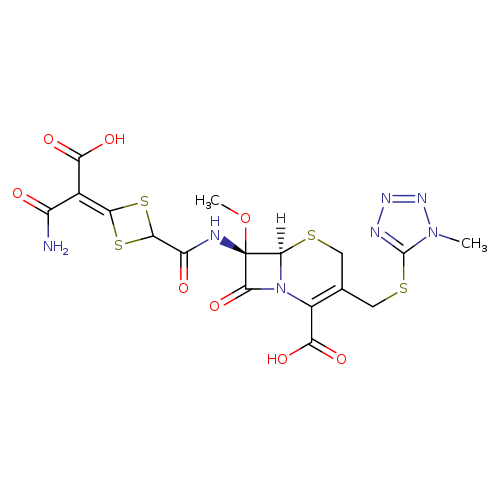
Cefotetan belongs to the beta lactams, a subclass of lactams within the organic compounds. With an average molecular weight of 575.62 g/mol, Cefotetan is a heavy molecule. Its chemical formula is C17H17N7O8S4 and it is categorized as an organoheterocyclic compound. In terms of biological activity, Cefotetan acts as an inhibitor of serine-type D-Ala-D-Ala carboxypeptidase (pbp3). The compound is found in or released from nine recorded sources. These include healthcare, pharmaceuticals and veterinary products, specifically antibiotics and beta-lactam antibacterials. It is also associated with food, food processing and cookware, specifically processing meats. Other recorded sources include household cleaning and consumer products, such as cigar cigarettes, non electric simulated smoking devices and other smoking requisites, as well as electrical and electronic equipment, including electric switches, electrically stimulated smoking devices and emergency protective devices. Recorded exposure routes for Cefotetan include oral, intravenous, intramuscular and inhalation.
Contaminant TypeNot Available
Chemical Structure
Synonyms
ValueSource
(6R,7S)-7-(4-(Carbamoylcarboxymethylene)-1,3-dithiethane-2-carboxamido)-7-methoxy-3-(((1-methyl-1H-tetrazol-5- yl)thio)methyl)-8-oxo-5-thia-1-azabicyclo(4.2.0)oct-2-ene-2- carboxylic acidChEBI
CefotetanumChEBI
(6R,7S)-7-(4-(Carbamoylcarboxymethylene)-1,3-dithiethane-2-carboxamido)-7-methoxy-3-(((1-methyl-1H-tetrazol-5- yl)thio)methyl)-8-oxo-5-thia-1-azabicyclo(4.2.0)oct-2-ene-2- carboxylateGenerator
CTTHMDB
Chemical FormulaC17H17N7O8S4
Average Molecular Mass575.619 g/mol
Monoisotopic Mass575.002 g/mol
CAS Registry Number69712-56-7
IUPAC Name(6R,7S)-7-{4-[carbamoyl(carboxy)methylidene]-1,3-dithietane-2-amido}-7-methoxy-3-{[(1-methyl-1H-1,2,3,4-tetrazol-5-yl)sulfanyl]methyl}-8-oxo-5-thia-1-azabicyclo[4.2.0]oct-2-ene-2-carboxylic acid
Traditional Namecefotetan
SMILES[H][C@]12SCC(CSC3=NN=NN3C)=C(N1C(=O)[C@]2(NC(=O)C1SC(S1)=C(C(N)=O)C(O)=O)OC)C(O)=O
InChI IdentifierInChI=1S/C17H17N7O8S4/c1-23-16(20-21-22-23)34-4-5-3-33-15-17(32-2,14(31)24(15)7(5)11(29)30)19-9(26)13-35-12(36-13)6(8(18)25)10(27)28/h13,15H,3-4H2,1-2H3,(H2,18,25)(H,19,26)(H,27,28)(H,29,30)/b12-6-/t13?,15-,17+/m1/s1
InChI KeySRZNHPXWXCNNDU-IXOPCIAXSA-N
Chemical Taxonomy
Description Belongs to the class of organic compounds known as cephamycins. Cephamycins are compounds containing a the cephalosporin (oxo-5-thia-1-azabicyclo[4.2.0]Oct-2-ene-2-carboxylic acid) nucleus, with an alkyloxy group attached to the C6 carbon atom.
KingdomOrganic compounds
Super ClassOrganoheterocyclic compounds
ClassLactams
Sub ClassBeta lactams
Direct ParentCephamycins
Alternative Parents
Substituents
  • Cephamycin
  • N-acyl-alpha amino acid or derivatives
  • Alpha-amino acid or derivatives
  • Aryl thioether
  • Alkylarylthioether
  • Meta-thiazine
  • Dicarboxylic acid or derivatives
  • Vinylogous thioester
  • Azole
  • Heteroaromatic compound
  • Tertiary carboxylic acid amide
  • Tetrazole
  • Azetidine
  • Carboxamide group
  • Dithietane
  • Ketene acetal or derivatives
  • Primary carboxylic acid amide
  • Secondary carboxylic acid amide
  • Hemithioaminal
  • Thioether
  • Sulfenyl compound
  • Azacycle
  • Dialkylthioether
  • Carboxylic acid derivative
  • Carboxylic acid
  • Organosulfur compound
  • Organic oxide
  • Hydrocarbon derivative
  • Organic oxygen compound
  • Organopnictogen compound
  • Carbonyl group
  • Organic nitrogen compound
  • Organonitrogen compound
  • Organooxygen compound
  • Aromatic heteropolycyclic compound
Molecular FrameworkAromatic heteropolycyclic compounds
External Descriptors
Biological Properties
StatusDetected and Not Quantified
OriginNot Available
Cellular LocationsNot Available
Biofluid LocationsNot Available
Tissue LocationsNot Available
ApplicationsNot Available
Biological Roles
Chemical RolesNot Available
Organoleptic EffectsNot Available
Physical Properties
StateNot Available
AppearanceNot Available
Experimental Properties
PropertyValue
Melting PointNot Available
Boiling PointNot Available
SolubilityNot Available
Predicted Properties
PropertyValueSource
Water Solubility0.52 g/LALOGPS
logP-0.65ALOGPS
logP-0.38ChemAxon
logS-3ALOGPS
pKa (Strongest Acidic)3.23ChemAxon
pKa (Strongest Basic)-1.3ChemAxon
Physiological Charge-2ChemAxon
Hydrogen Acceptor Count11ChemAxon
Hydrogen Donor Count4ChemAxon
Polar Surface Area219.93 ŲChemAxon
Rotatable Bond Count9ChemAxon
Refractivity153.55 m³·mol⁻¹ChemAxon
Polarizability51.81 ųChemAxon
Number of Rings4ChemAxon
BioavailabilityNoChemAxon
Rule of FiveNoChemAxon
Ghose FilterNoChemAxon
Veber's RuleNoChemAxon
MDDR-like RuleYesChemAxon
Spectra
Spectra
Spectrum TypeDescriptionSplash KeyDeposition DateView
Predicted GC-MSPredicted GC-MS Spectrumsplash10-0006-7446190000-64b0ca2a6dc908a6badaNot AvailableView Spectrum
Predicted GC-MSPredicted GC-MS Spectrumsplash10-006x-9241313000-88036319046c6b0678e8Not AvailableView Spectrum
Predicted GC-MSPredicted GC-MS SpectrumNot AvailableNot AvailableView Spectrum
LC-MS/MSLC-MS/MS Spectrumsplash10-0gbj-2931000000-26d25283c3c9434e6594Not AvailableView Spectrum
Predicted LC-MS/MSPredicted LC-MS/MS Spectrumsplash10-004j-0222290000-bf6ec18b46ac36cd9d72Not AvailableView Spectrum
Predicted LC-MS/MSPredicted LC-MS/MS Spectrumsplash10-00si-0290000000-8c9bf9889e9b7b1464dbNot AvailableView Spectrum
Predicted LC-MS/MSPredicted LC-MS/MS Spectrumsplash10-0002-0940000000-e44c42d02a620d6b108fNot AvailableView Spectrum
Predicted LC-MS/MSPredicted LC-MS/MS Spectrumsplash10-000x-2355090000-e8299a16187c0b5d5a17Not AvailableView Spectrum
Predicted LC-MS/MSPredicted LC-MS/MS Spectrumsplash10-0a4m-9623310000-d158673706cdc859a1ecNot AvailableView Spectrum
Predicted LC-MS/MSPredicted LC-MS/MS Spectrumsplash10-0h2g-6891000000-79e6ff191ca33e5efaeaNot AvailableView Spectrum
Predicted LC-MS/MSPredicted LC-MS/MS Spectrumsplash10-0a4i-0000490000-677e2d305f24a44d7e0bNot AvailableView Spectrum
Predicted LC-MS/MSPredicted LC-MS/MS Spectrumsplash10-0pba-0330090000-6556d7d1292fce32de81Not AvailableView Spectrum
Predicted LC-MS/MSPredicted LC-MS/MS Spectrumsplash10-003s-1914640000-fb49dc9c6edf96e45d9dNot AvailableView Spectrum
Predicted LC-MS/MSPredicted LC-MS/MS Spectrumsplash10-00di-0300090000-37328e1be69127ede998Not AvailableView Spectrum
Predicted LC-MS/MSPredicted LC-MS/MS Spectrumsplash10-00or-1610920000-07959b08aa46623fa913Not AvailableView Spectrum
Predicted LC-MS/MSPredicted LC-MS/MS Spectrumsplash10-066r-7900000000-fddc88c7c69c42729fd5Not AvailableView Spectrum
1D NMR1H NMR Spectrum (1D, D2O, predicted)Not AvailableNot AvailableView Spectrum
1D NMR13C NMR Spectrum (1D, D2O, predicted)Not AvailableNot AvailableView Spectrum
Toxicity Profile
Toxicity Values
Toxicity ValueOrganismDose DescriptorRoute of ExposurePredicted or ExperimentalToxicity RatingReference
6316.0 Log mg/kg [3600:11000]RatLD50oralpredictedNot AvailableNot Available
Toxicity / Toxin ClassNot Available
Mechanism of ToxicityNot Available
Carcinogenicity (IARC Classification)Not Available
Minimum Risk LevelNot Available
SymptomsNot Available
TreatmentNot Available
Health Effects
Health EffectRelationshipDirectionDescriptionReference
Exposure Sources
Source IDSourceSectorReference
CEDs000010Insecticides?Insecticides are synthetic chemicals designed to control or eliminate insect pests that threaten crops and other agricultural products.Agriculture & land managementPubChem
CEDs000233Brushes?Brushes used in personal care and cosmetics can be a source of synthetic chemical contamination due to the materials and coatings used in their manufacturing.Personal care & cosmeticsPubChem
CEDs000306Antibiotics?Antibiotics are synthetic or semi-synthetic compounds used to treat bacterial infections in humans and animals.Healthcare, pharmaceuticals & veterinary productsNot Available
CEDs000341Beta-lactam antibacterials?Beta-lactam antibacterials are a class of synthetic antibiotics characterized by their β-lactam ring structure, which is essential for their antibacterial activity.Healthcare, pharmaceuticals & veterinary productsNot Available
CEDs000517Electric Switches?Electric switches, integral components in numerous devices, can be a source of synthetic chemical contamination due to the materials and manufacturing processes involved in their production.Electrical & Electronic EquipmentPubChem
CEDs000518Electrically Stimulated Smoking Devices?Electrically stimulated smoking devices, commonly known as e-cigarettes or vape pens, utilize electrical components to heat a liquid solution, often containing nicotine, flavorings, and other additives, to produce an aerosol for inhalation.Electrical & Electronic EquipmentPubChem
CEDs000520Emergency Protective Devices?Emergency protective devices, such as circuit breakers and surge protectors, are essential components in electrical systems designed to prevent damage from overcurrent and surges.Electrical & Electronic EquipmentPubChem
CEDs000524Hybrid Capacitors?Hybrid capacitors are energy storage devices that combine the properties of electrolytic and supercapacitors, utilizing a combination of electrochemical principles to achieve higher energy density and power density.Electrical & Electronic EquipmentPubChem
CEDs000545Food Preservation?Food preservation often involves the use of synthetic chemicals, such as preservatives, flavor enhancers, and color additives, to extend shelf life and enhance the sensory qualities of food products.Food, food processing & cookwarePubChem
CEDs000552Processing Meats?Processing meats can lead to synthetic chemical contamination primarily through the use of additives and preservatives.Food, food processing & cookwarePubChem
CEDs000556Cigar Cigarettes?Cigar cigarettes are a source of synthetic chemical contamination due to the combustion of various tobacco blends and additives.Household cleaning & consumer productsPubChem
CEDs000559Non Electric Simulated Smoking Devices?Non-electric simulated smoking devices, often designed to mimic the experience of smoking without combustion, can be sources of synthetic chemical contamination due to the materials and chemicals used in their construction and operation.Household cleaning & consumer productsPubChem
CEDs000560Other Smoking Requisites?Other smoking requisites, including items such as lighters, matches, and rolling papers, can introduce synthetic chemical contamination through various components and additives.Household cleaning & consumer productsPubChem
CEDs000561Perfumes Within Detergents And Soaps?Perfumes within detergents and soaps are synthetic fragrance compounds added to enhance the sensory experience of cleaning products.Household cleaning & consumer productsPubChem
CEDs000569Tobacco Smoke Filters?Tobacco smoke filters are designed to reduce the inhalation of harmful substances in cigarette smoke, including tar and other particulate matter.Household cleaning & consumer productsPubChem
CEDs000580Manufacture Preparation Of Tobacco Products?The manufacture and preparation of tobacco products involve various processes that can result in the introduction of synthetic chemicals into the environment.Industrial manufacturing & chemical processingPubChem
CEDs000596Acaricides?Acaricides are synthetic chemicals specifically designed to target and control mite populations that can damage crops and plants.Agriculture & land managementPubChem
CEDs000600Herbicides And Algicides?Herbicides and algicides are synthetic chemicals primarily used to control unwanted plants and algae in various environments.Agriculture & land managementPubChem
CEDs000605Pest Repellants?Pest repellents, often formulated from synthetic chemicals, are widely used to protect crops from insect infestations and other pests.Agriculture & land managementPubChem
CEDs000606Plant Growth Regulators?Plant Growth Regulators (PGRs) are synthetic chemicals designed to influence the growth and development of plants.Agriculture & land managementPubChem
CEDs000610Aftersun Products?Aftersun products are designed to soothe and hydrate the skin after sun exposure, often containing various synthetic chemicals such as emollients, preservatives, and fragrances.Personal care & cosmeticsPubChem
CEDs000611Anti Perspirants Or Body Deoderants?Antiperspirants and body deodorants commonly contain synthetic chemicals such as aluminum compounds, parabens, and synthetic fragrances.Personal care & cosmeticsPubChem
CEDs000615Eye Makeup Products?Eye makeup products, including mascaras, eyeliners, and eyeshadows, often contain a variety of synthetic chemicals such as pigments, preservatives, and film-forming agents.Personal care & cosmeticsPubChem
CEDs000617Lip Care Products?Lip care products, including lipsticks, balms, and glosses, often contain a variety of synthetic chemicals such as parabens, phthalates, and synthetic fragrances.Personal care & cosmeticsPubChem
CEDs000632Apparel?Apparel production often involves the use of various synthetic chemicals, including dyes, finishing agents, and preservatives.Textiles, leather & furnishingsPubChem
CEDs000650Purses Luggage Hand Bags?Purses, luggage, and handbags are often manufactured using synthetic materials such as polyvinyl chloride (PVC), polyurethane, and various types of nylon.Textiles, leather & furnishingsPubChem
CEDs000662Yarns Or Threads?Yarns or threads used in textiles can be a source of synthetic chemical contamination due to the production processes and treatments they undergo.Textiles, leather & furnishingsPubChem
CEDs000685Ceramics?Ceramics can be a source of synthetic chemical contamination through various additives and processing agents used in their production.Building & ConstructionPubChem
CEDs000696Nanotechnology?Nanotechnology involves the manipulation of materials at the molecular or atomic level, typically within the range of 1 to 100 nanometers.Industrial manufacturing & chemical processingPubChem
CEDs000698Jewellery?Jewellery production often involves the use of various synthetic chemicals during the extraction and processing of metals.Mining & metal processingPubChem
CEDs000734Coating Compositions?Coating compositions, which include paints, sealants, and varnishes, are formulated with a variety of synthetic chemicals such as solvents, resins, pigments, and additives.Building & ConstructionPubChem
CEDs000743Sludge Treatment?Sludge treatment involves the processing of waste materials generated from wastewater treatment plants, which often contain a variety of organic and inorganic substances.Wastewater, sanitation & biosolidsPubChem
CEDs000744Water, Wastewater, & Sewage Treatment?Water, wastewater, and sewage treatment processes are critical for managing and mitigating pollutants in water systems.Wastewater, sanitation & biosolidsPubChem
Pathways
1 pathwayPathway Source: PathBank
Targets
StructureProteinUniProt IDOrganismRelationshipDetails
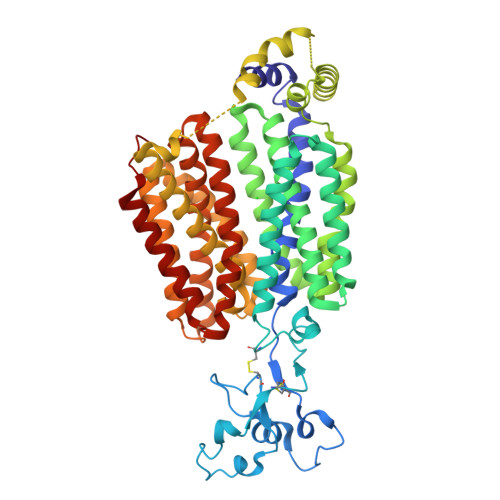
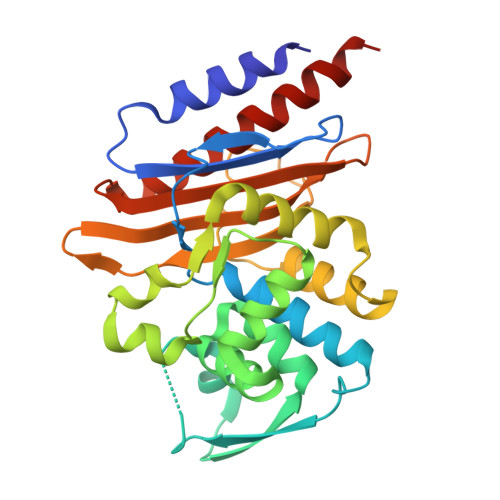
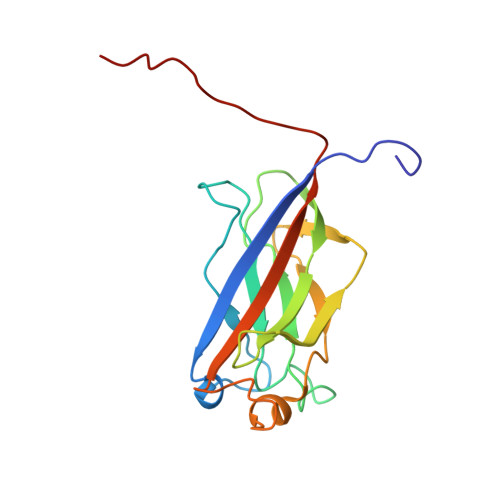
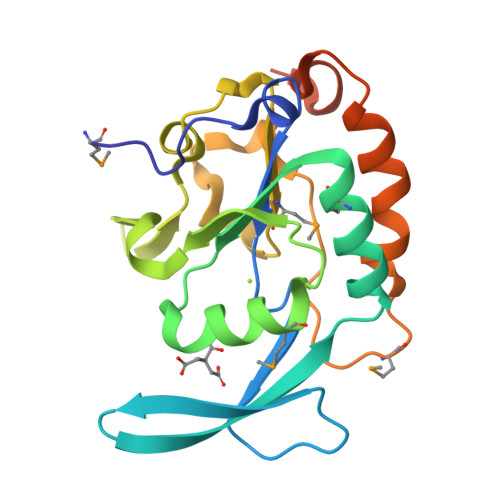
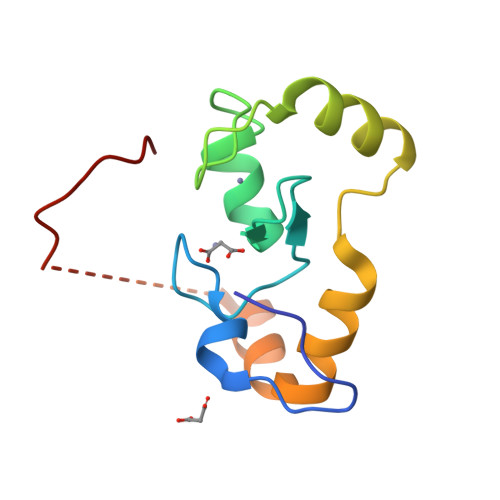
Click to view 3D structureSolute carrier family 22 member 6Q4U2R8HumansPredicted (SEA)
Prediction Confidence Score
0.28
Applicability Domain
0.426
Statistical Significance
6.70e-04
Supporting Reference Compounds
26
E-value
5.2159
Click to view 3D structureOrganic anion transporter 3Q8TCC7HumansPredicted (SEA)
Prediction Confidence Score
0.28
Applicability Domain
0.426
Statistical Significance
4.90e-04
Supporting Reference Compounds
20
E-value
3.81461
Solute carrier family 22 member 11 structureClick to view 3D structureSolute carrier family 22 member 11Q9NSA0HumansPredicted (SEA)
Prediction Confidence Score
0.273
Applicability Domain
0.426
Statistical Significance
1.30e-04
Supporting Reference Compounds
9
E-value
1.01204
Click to view 3D structureBeta-lactamaseB2ZTR6Acinetobacter baumanniiPredicted (SEA)
Prediction Confidence Score
0.255
Applicability Domain
0.404
Statistical Significance
1.00e-04
Supporting Reference Compounds
3
E-value
0.778492
Click to view 3D structureADC-11D6NSM8Acinetobacter baumanniiPredicted (SEA)
Prediction Confidence Score
0.255
Applicability Domain
0.404
Statistical Significance
1.00e-04
Supporting Reference Compounds
3
E-value
0.778492
Prothrombin structureClick to view 3D structureProthrombinP00734HumansPredicted (SEA)
Prediction Confidence Score
0.23
Applicability Domain
0.372
Statistical Significance
0.2582
Supporting Reference Compounds
331
E-value
2010.38
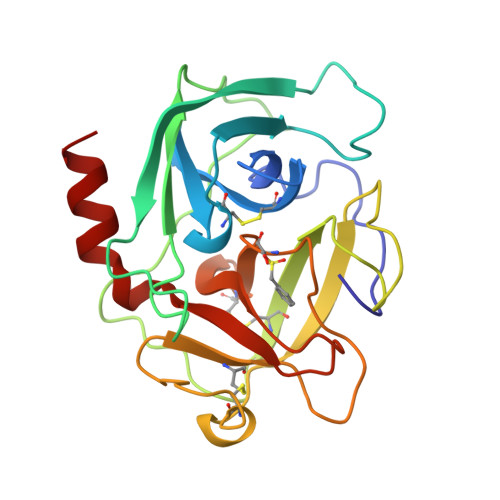
Neutrophil elastase structureClick to view 3D structureNeutrophil elastaseP08246HumansPredicted (SEA)
Prediction Confidence Score
0.222
Applicability Domain
0.372
Statistical Significance
0.0923
Supporting Reference Compounds
81
E-value
718.704
Cathepsin G structureClick to view 3D structureCathepsin GP08311HumansPredicted (SEA)
Prediction Confidence Score
0.21
Applicability Domain
0.372
Statistical Significance
0.1097
Supporting Reference Compounds
55
E-value
854.084
Serine protease 1 structureClick to view 3D structureSerine protease 1P07477HumansPredicted (SEA)
Prediction Confidence Score
0.201
Applicability Domain
0.372
Statistical Significance
0.3048
Supporting Reference Compounds
112
E-value
2373.23
Chymase structureClick to view 3D structureChymaseP23946HumansPredicted (SEA)
Prediction Confidence Score
0.2
Applicability Domain
0.372
Statistical Significance
0.149
Supporting Reference Compounds
35
E-value
1160.34
PER-2 beta-lactamase structureClick to view 3D structurePER-2 beta-lactamaseA2RP81Citrobacter freundiiPredicted (SEA)
Prediction Confidence Score
0.2
Applicability Domain
0.404
Statistical Significance
2.20e-04
Supporting Reference Compounds
6
E-value
1.71268
Click to view 3D structurePlasminogenQ01177Rattus norvegicusPredicted (SEA)
Prediction Confidence Score
0.2
Applicability Domain
0.372
Statistical Significance
0.0672
Supporting Reference Compounds
23
E-value
522.913
Speckle-type POZ protein structureClick to view 3D structureSpeckle-type POZ proteinO43791HumansPredicted (SEA)
Prediction Confidence Score
0.193
Applicability Domain
0.193 Low confidence
Statistical Significance
0.0202
Supporting Reference Compounds
1
E-value
157.022
Click to view 3D structureStreptokinase AP10520Streptococcus pyogenes serotype M1Predicted (SEA)
Prediction Confidence Score
0.19
Applicability Domain
0.207 Low confidence
Statistical Significance
0.7287
Supporting Reference Compounds
425
E-value
5672.87
Carboxy-terminal domain RNA polymerase II polypeptide A small phosphatase 1 structureClick to view 3D structureCarboxy-terminal domain RNA polymerase II polypeptide A small phosphatase 1Q9GZU7HumansPredicted (SEA)
Prediction Confidence Score
0.188
Applicability Domain
0.223 Low confidence
Statistical Significance
0.436
Supporting Reference Compounds
128
E-value
3394.46
Probable flavin-dependent thymidylate synthase structureClick to view 3D structureProbable flavin-dependent thymidylate synthaseO41156Paramecium bursaria Chlorella virus 1Predicted (SEA)
Prediction Confidence Score
0.183
Applicability Domain
0.183 Low confidence
Statistical Significance
0.0244
Supporting Reference Compounds
1
E-value
189.874
Click to view 3D structureC-C chemokine receptor type 3Q9BDS8Macaca fascicularisPredicted (SEA)
Prediction Confidence Score
0.183
Applicability Domain
0.183 Low confidence
Statistical Significance
0.1229
Supporting Reference Compounds
1
E-value
956.923
Click to view 3D structureHydroxymethylglutaryl-CoA synthase, cytoplasmicP17425Rattus norvegicusPredicted (SEA)
Prediction Confidence Score
0.181
Applicability Domain
0.181 Low confidence
Statistical Significance
0.011
Supporting Reference Compounds
2
E-value
85.7898
Chymotrypsinogen A structureClick to view 3D structureChymotrypsinogen AP00766Bos taurusPredicted (SEA)
Prediction Confidence Score
0.18
Applicability Domain
0.372
Statistical Significance
0.3057
Supporting Reference Compounds
32
E-value
2379.7
E3 ubiquitin-protein ligase RNF168 structureClick to view 3D structureE3 ubiquitin-protein ligase RNF168Q8IYW5HumansPredicted (SEA)
Prediction Confidence Score
0.176
Applicability Domain
0.176 Low confidence
Statistical Significance
0.0311
Supporting Reference Compounds
1
E-value
242.5
Serine protease 1 structureClick to view 3D structureSerine protease 1P00760Bos taurusPredicted (SEA)
Prediction Confidence Score
0.174
Applicability Domain
0.256 Low confidence
Statistical Significance
0.4151
Supporting Reference Compounds
74
E-value
3231.75
Click to view 3D structureAtaxin-2O70305Mus musculusPredicted (SEA)
Prediction Confidence Score
0.172
Applicability Domain
0.173 Low confidence
Statistical Significance
0.2102
Supporting Reference Compounds
2
E-value
1636.31
72 kDa type IV collagenase structureClick to view 3D structure72 kDa type IV collagenaseP08253HumansPredicted (SEA)
Prediction Confidence Score
0.169
Applicability Domain
0.193 Low confidence
Statistical Significance
0.8968
Supporting Reference Compounds
400
E-value
6981.36
Excitatory amino acid transporter 2 structureClick to view 3D structureExcitatory amino acid transporter 2P43004HumansPredicted (SEA)
Prediction Confidence Score
0.169
Applicability Domain
0.315
Statistical Significance
0.2544
Supporting Reference Compounds
15
E-value
1980.87
Plasminogen structureClick to view 3D structurePlasminogenP00747HumansPredicted (SEA)
Prediction Confidence Score
0.167
Applicability Domain
0.256 Low confidence
Statistical Significance
0.7722
Supporting Reference Compounds
195
E-value
6011.36
Concentrations
Not Available
External Links
DrugBank IDDB01330
HMDB IDHMDB0015425
FooDB IDNot Available
Phenol Explorer IDNot Available
KNApSAcK IDNot Available
BiGG IDNot Available
BioCyc IDNot Available
METLIN IDNot Available
PDB IDNot Available
Wikipedia LinkCefotetan
Chemspider ID47904
ChEBI ID3499
PubChem Compound IDNot Available
Kegg Compound IDC06886
YMDB IDNot Available
ECMDB IDNot Available
References
Synthesis ReferenceNot Available
MSDSNot Available
General ReferencesNot Available