Estradiol benzoate (CED0004606)

Record Information
Version1.0
Creation Date2016-05-22 03:40:34 UTC
Update Date2026-08-22 05:12:30 UTC
SynCED IDCED0004606
Secondary Accession Numbers
  • CHEM016689
Identification
Common NameEstradiol benzoate
ClassSmall Molecule
Description
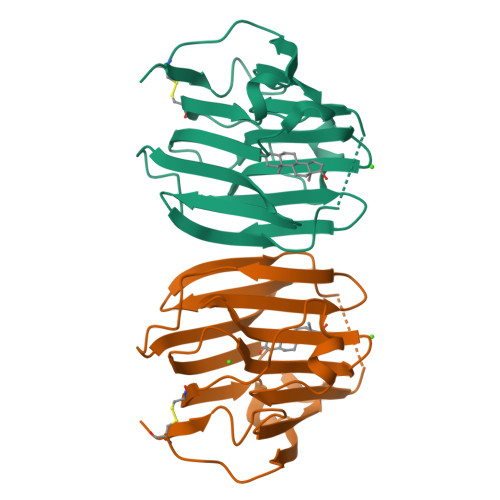
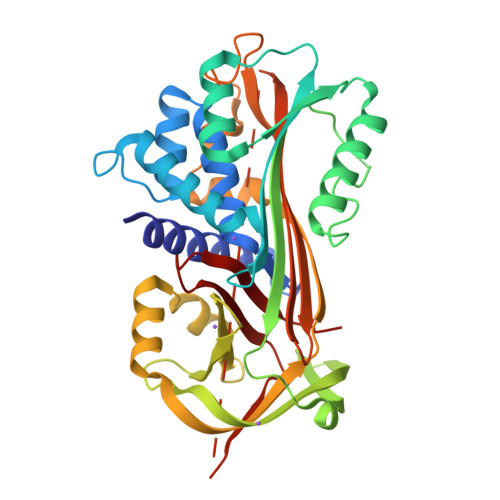
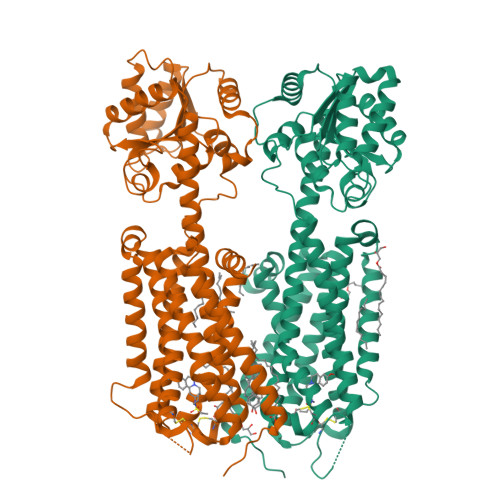
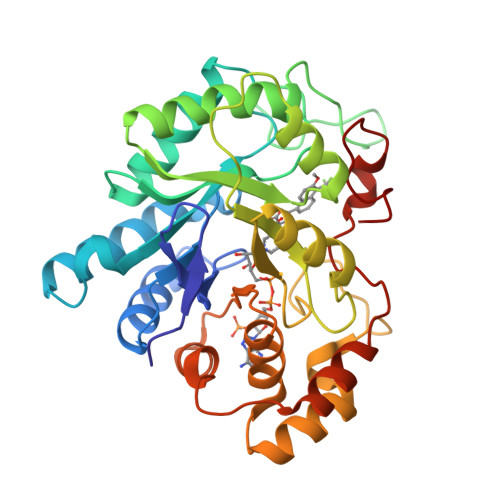
Estradiol benzoate is an organic compound with the chemical formula C25H28O3 and an average molecular weight of 376.49 g/mol. Estradiol benzoate belongs to the estrane steroids, a subclass of steroids and steroid derivatives within the organic compounds. It is further categorized under the superclass of lipids and lipid-like molecules. The compound has been identified in or released from nine recorded sources across various sectors. These include building and construction materials such as tents or canopies and sunshades awnings or outside screens. It is also found in household cleaning and consumer products, specifically pipe accessories, other smoking requisites, and non electric simulated smoking devices. Additionally, it is associated with electrical and electronic equipment, including line transmission systems and antennas, as well as food, food processing and cookware related to the preparation of wine or sparkling wine. Biologically, estradiol benzoate interacts with ten recorded protein targets. It acts as an agonist or ligand for the estrogen receptor (ESR1), the estrogen receptor beta (ESR2), the neuronal acetylcholine receptor subunit alpha-4 (CHRNA4), and the nuclear receptor subfamily 1 group I member 2 (NR1I2), in addition to six other proteins.
Contaminant TypeNot Available
Chemical Structure
Synonyms
ValueSource
17-beta-Estradiol 3-benzoateChEBI
17beta-Estradiol monobenzoateChEBI
Agofollin depotChEBI
BenovocylinChEBI
Benzo-gynoestrylChEBI
Benzoate d'estradiolChEBI
Benzoato de estradiolChEBI
BenztroneChEBI
beta-Estradiol 3-benzoateChEBI
Estra-1,3,5(10)-triene-3,17beta-diol 3-benzoateChEBI
Estradiol benzoateChEBI
Estradiol monobenzoateChEBI
Estradioli benzoasChEBI
EstroginChEBI
FoloneChEBI
MesalinChEBI
Oestradiol 3-benzoateChEBI
Oestradiol benzoateChEBI
Oestradiol monobenzoateChEBI
OvahormonChEBI
Ovasterol-bChEBI
Primogyn bChEBI
Progynon bChEBI
Progynon benzoateChEBI
17-b-Estradiol 3-benzoateGenerator
17-b-Estradiol 3-benzoic acidGenerator
17-beta-Estradiol 3-benzoic acidGenerator
17-Β-estradiol 3-benzoateGenerator
17-Β-estradiol 3-benzoic acidGenerator
17b-Estradiol monobenzoateGenerator
17b-Estradiol monobenzoic acidGenerator
17beta-Estradiol monobenzoic acidGenerator
17Β-estradiol monobenzoateGenerator
17Β-estradiol monobenzoic acidGenerator
Benzoic acid d'estradiolGenerator
b-Estradiol 3-benzoateGenerator
b-Estradiol 3-benzoic acidGenerator
beta-Estradiol 3-benzoic acidGenerator
Β-estradiol 3-benzoateGenerator
Β-estradiol 3-benzoic acidGenerator
Estra-1,3,5(10)-triene-3,17b-diol 3-benzoateGenerator
Estra-1,3,5(10)-triene-3,17b-diol 3-benzoic acidGenerator
Estra-1,3,5(10)-triene-3,17beta-diol 3-benzoic acidGenerator
Estra-1,3,5(10)-triene-3,17β-diol 3-benzoateGenerator
Estra-1,3,5(10)-triene-3,17β-diol 3-benzoic acidGenerator
Estradiol benzoic acidGenerator
Estradiol monobenzoic acidGenerator
Oestradiol 3-benzoic acidGenerator
Oestradiol benzoic acidGenerator
Oestradiol monobenzoic acidGenerator
Progynon benzoic acidGenerator
17b-Estradiol 3-benzoateGenerator
17b-Estradiol 3-benzoic acidGenerator
17beta-Estradiol 3-benzoic acidGenerator
17Β-estradiol 3-benzoateGenerator
17Β-estradiol 3-benzoic acidGenerator
17beta-Estradiol-3-benzoateMeSH
Estradiol 3-benzoateMeSH
Eston-bMeSH
Chemical FormulaC25H28O3
Average Molecular Mass376.488 g/mol
Monoisotopic Mass376.204 g/mol
CAS Registry Number50-50-0
IUPAC Name(1S,10R,11S,14S,15S)-14-hydroxy-15-methyltetracyclo[8.7.0.0²,⁷.0¹¹,¹⁵]heptadeca-2,4,6-trien-5-yl benzoate
Traditional Nameostrin
SMILES[H][C@]1(O)CC[C@@]2([H])[C@]3([H])CCC4=CC(OC(=O)C5=CC=CC=C5)=CC=C4[C@@]3([H])CC[C@]12C
InChI IdentifierInChI=1S/C25H28O3/c1-25-14-13-20-19-10-8-18(28-24(27)16-5-3-2-4-6-16)15-17(19)7-9-21(20)22(25)11-12-23(25)26/h2-6,8,10,15,20-23,26H,7,9,11-14H2,1H3/t20-,21-,22+,23+,25+/m1/s1
InChI KeyUYIFTLBWAOGQBI-BZDYCCQFSA-N
Chemical Taxonomy
Description Belongs to the class of organic compounds known as estrane steroids. These are steroids with a structure based on the estrane skeleton.
KingdomOrganic compounds
Super ClassLipids and lipid-like molecules
ClassSteroids and steroid derivatives
Sub ClassEstrane steroids
Direct ParentEstrane steroids
Alternative Parents
Substituents
  • Estrane-skeleton
  • Hydroxysteroid
  • 17-hydroxysteroid
  • Phenanthrene
  • Benzoate ester
  • Tetralin
  • Benzoic acid or derivatives
  • Benzoyl
  • Monocyclic benzene moiety
  • Benzenoid
  • Cyclic alcohol
  • Secondary alcohol
  • Carboxylic acid ester
  • Monocarboxylic acid or derivatives
  • Carboxylic acid derivative
  • Hydrocarbon derivative
  • Organooxygen compound
  • Organic oxide
  • Organic oxygen compound
  • Alcohol
  • Aromatic homopolycyclic compound
Molecular FrameworkAromatic homopolycyclic compounds
External Descriptors
Biological Properties
StatusDetected and Not Quantified
OriginNot Available
Cellular LocationsNot Available
Biofluid LocationsNot Available
Tissue LocationsNot Available
ApplicationsNot Available
Biological Roles
Chemical RolesNot Available
Organoleptic EffectsNot Available
Physical Properties
StateNot Available
AppearanceNot Available
Experimental Properties
PropertyValue
Melting PointNot Available
Boiling PointNot Available
SolubilityNot Available
Predicted Properties
PropertyValueSource
Water Solubility0.00019 g/LALOGPS
logP5.25ALOGPS
logP5.71ChemAxon
logS-6.3ALOGPS
pKa (Strongest Acidic)19.38ChemAxon
pKa (Strongest Basic)-0.88ChemAxon
Physiological Charge0ChemAxon
Hydrogen Acceptor Count2ChemAxon
Hydrogen Donor Count1ChemAxon
Polar Surface Area46.53 ŲChemAxon
Rotatable Bond Count3ChemAxon
Refractivity109.73 m³·mol⁻¹ChemAxon
Polarizability44.07 ųChemAxon
Number of Rings5ChemAxon
BioavailabilityYesChemAxon
Rule of FiveNoChemAxon
Ghose FilterNoChemAxon
Veber's RuleNoChemAxon
MDDR-like RuleNoChemAxon
Spectra
Spectra
Spectrum TypeDescriptionSplash KeyDeposition DateView
LC-MS/MSLC-MS/MS Spectrumsplash10-02ta-2900000000-8d5a3cff04129e914211Not AvailableView Spectrum
LC-MS/MSLC-MS/MS Spectrumsplash10-0a4i-5911100000-14ed74a58797cb6bb3a5Not AvailableView Spectrum
Predicted LC-MS/MSPredicted LC-MS/MS Spectrumsplash10-0a6r-0239000000-8c06973c311a862bc66aNot AvailableView Spectrum
Predicted LC-MS/MSPredicted LC-MS/MS Spectrumsplash10-0a4i-0985000000-d3c6d72a92aa7ef1208fNot AvailableView Spectrum
Predicted LC-MS/MSPredicted LC-MS/MS Spectrumsplash10-0a4i-3930000000-114ef71477d55db8e458Not AvailableView Spectrum
Predicted LC-MS/MSPredicted LC-MS/MS Spectrumsplash10-004i-0019000000-b89c696c8e4ae82f52c6Not AvailableView Spectrum
Predicted LC-MS/MSPredicted LC-MS/MS Spectrumsplash10-004i-3449000000-f9842cfa133a72c65419Not AvailableView Spectrum
Predicted LC-MS/MSPredicted LC-MS/MS Spectrumsplash10-0fi0-6490000000-2a0a27433162687370b9Not AvailableView Spectrum
Toxicity Profile
Toxicity Values
Toxicity ValueOrganismDose DescriptorRoute of ExposurePredicted or ExperimentalToxicity RatingReference
2174.0 Log mg/kg [1200:3900]RatLD50oralpredictedNot AvailableNot Available
0.0125 mg RatLOELinjectionexperimentalNot AvailableECOTOX - EPA ORD
1.0 mg/kg-day RatNOELinjectionexperimentalNot AvailableECOTOX - EPA ORD
1.0 mg/kg-day RatLOELinjectionexperimentalNot AvailableECOTOX - EPA ORD
0.0125 mg RatNOELinjectionexperimentalNot AvailableECOTOX - EPA ORD
Toxicity / Toxin ClassNot Available
Mechanism of ToxicityNot Available
Carcinogenicity (IARC Classification)Not Available
Minimum Risk LevelNot Available
SymptomsNot Available
TreatmentNot Available
Health Effects
Health EffectRelationshipDirectionDescriptionReference
AtrophyNot AvailableNot AvailableNot AvailablePMC12616504
Exposure Sources
Source IDSourceSectorReference
CEDs000010Insecticides?Insecticides are synthetic chemicals designed to control or eliminate insect pests that threaten crops and other agricultural products.Agriculture & land managementPubChem
CEDs000501Sunshades Awnings Or Outside Screens?Sunshades, awnings, and outside screens are often constructed using synthetic materials such as polyvinyl chloride (PVC), polyester, or acrylic fabrics.Building & ConstructionPubChem
CEDs000502Sunshades Awnings Or Outside Screens?Sunshades, awnings, and outside screens are commonly used in construction to enhance energy efficiency and provide shade.Building & ConstructionPubChem
CEDs000503Tents Or Canopies?Tents and canopies used in various applications can be a source of synthetic chemical contamination primarily due to the materials from which they are made.Building & ConstructionPubChem
CEDs000506Antennas?Antennas, commonly used in communication technologies, can be a source of synthetic chemical contamination through the materials and coatings used in their construction.Electrical & Electronic EquipmentPubChem
CEDs000511Conductors Or Conductive Bodies Characterised By The Conductive Materials?Conductors, or conductive bodies, are materials that allow the flow of electrical current, typically made from metals such as copper, aluminum, or silver.Electrical & Electronic EquipmentPubChem
CEDs000517Electric Switches?Electric switches, integral components in numerous devices, can be a source of synthetic chemical contamination due to the materials and manufacturing processes involved in their production.Electrical & Electronic EquipmentPubChem
CEDs000518Electrically Stimulated Smoking Devices?Electrically stimulated smoking devices, commonly known as e-cigarettes or vape pens, utilize electrical components to heat a liquid solution, often containing nicotine, flavorings, and other additives, to produce an aerosol for inhalation.Electrical & Electronic EquipmentPubChem
CEDs000525Line Transmission Systems?Line Transmission Systems, commonly used for the distribution of electrical energy, can be a source of synthetic chemical contamination through the insulation materials and coatings utilized in their construction.Electrical & Electronic EquipmentPubChem
CEDs000545Food Preservation?Food preservation often involves the use of synthetic chemicals, such as preservatives, flavor enhancers, and color additives, to extend shelf life and enhance the sensory qualities of food products.Food, food processing & cookwarePubChem
CEDs000549Preparation Of Wine Or Sparkling Wine?The preparation of wine or sparkling wine involves various stages, including fermentation, aging, and bottling, which can introduce potential sources of synthetic chemical contamination.Food, food processing & cookwarePubChem
CEDs000556Cigar Cigarettes?Cigar cigarettes are a source of synthetic chemical contamination due to the combustion of various tobacco blends and additives.Household cleaning & consumer productsPubChem
CEDs000559Non Electric Simulated Smoking Devices?Non-electric simulated smoking devices, often designed to mimic the experience of smoking without combustion, can be sources of synthetic chemical contamination due to the materials and chemicals used in their construction and operation.Household cleaning & consumer productsPubChem
CEDs000560Other Smoking Requisites?Other smoking requisites, including items such as lighters, matches, and rolling papers, can introduce synthetic chemical contamination through various components and additives.Household cleaning & consumer productsPubChem
CEDs000561Perfumes Within Detergents And Soaps?Perfumes within detergents and soaps are synthetic fragrance compounds added to enhance the sensory experience of cleaning products.Household cleaning & consumer productsPubChem
CEDs000562Pipe Accessories?Pipe accessories, such as fittings, connectors, and seals, are components used in plumbing systems to facilitate the flow of liquids and gases.Household cleaning & consumer productsPubChem
CEDs000563Soap Detergents?Soap detergents are synthetic surfactants designed to enhance the cleaning efficacy of water by reducing surface tension, allowing for better interaction with dirt and grease.Household cleaning & consumer productsPubChem
CEDs000569Tobacco Smoke Filters?Tobacco smoke filters are designed to reduce the inhalation of harmful substances in cigarette smoke, including tar and other particulate matter.Household cleaning & consumer productsPubChem
CEDs000580Manufacture Preparation Of Tobacco Products?The manufacture and preparation of tobacco products involve various processes that can result in the introduction of synthetic chemicals into the environment.Industrial manufacturing & chemical processingPubChem
CEDs000596Acaricides?Acaricides are synthetic chemicals specifically designed to target and control mite populations that can damage crops and plants.Agriculture & land managementPubChem
CEDs000601Lawn Mowers?Lawn mowers, particularly those powered by gasoline, can be a source of synthetic chemical contamination due to the combustion of fossil fuels and the use of engine oils.Agriculture & land managementPubChem
CEDs000610Aftersun Products?Aftersun products are designed to soothe and hydrate the skin after sun exposure, often containing various synthetic chemicals such as emollients, preservatives, and fragrances.Personal care & cosmeticsPubChem
CEDs000611Anti Perspirants Or Body Deoderants?Antiperspirants and body deodorants commonly contain synthetic chemicals such as aluminum compounds, parabens, and synthetic fragrances.Personal care & cosmeticsPubChem
CEDs000613Depilatories?Depilatories are products designed to remove unwanted hair through the application of synthetic chemicals that break down the protein structure of hair, facilitating its removal.Personal care & cosmeticsPubChem
CEDs000614Essential Oils Or Perfumes?Essential oils and perfumes are complex mixtures of volatile compounds derived from natural or synthetic sources, commonly used for their aromatic properties.Personal care & cosmeticsPubChem
CEDs000617Lip Care Products?Lip care products, including lipsticks, balms, and glosses, often contain a variety of synthetic chemicals such as parabens, phthalates, and synthetic fragrances.Personal care & cosmeticsPubChem
CEDs000632Apparel?Apparel production often involves the use of various synthetic chemicals, including dyes, finishing agents, and preservatives.Textiles, leather & furnishingsPubChem
CEDs000671Airplanes And Helicopters?Airplanes and helicopters are significant sources of synthetic chemical contamination primarily through the use of aviation fuels, lubricants, and de-icing agents.Aviation & AerospacePubChem
CEDs000696Nanotechnology?Nanotechnology involves the manipulation of materials at the molecular or atomic level, typically within the range of 1 to 100 nanometers.Industrial manufacturing & chemical processingPubChem
CEDs000698Jewellery?Jewellery production often involves the use of various synthetic chemicals during the extraction and processing of metals.Mining & metal processingPubChem
CEDs000727Printing Machines Or Presses?Printing machines or presses commonly utilize synthetic chemicals such as inks, solvents, and cleaning agents.Paper, pulp & fiber productsPubChem
CEDs000739Inks?Inks are complex mixtures composed of pigments or dyes, solvents, resins, and additives used primarily for printing and writing applications.Paper, pulp & fiber productsPubChem
CEDs000741Pigment Pastes?Pigment pastes are concentrated dispersions of pigments used to impart color and properties to materials.Paper, pulp & fiber productsPubChem
CEDs000744Water, Wastewater, & Sewage Treatment?Water, wastewater, and sewage treatment processes are critical for managing and mitigating pollutants in water systems.Wastewater, sanitation & biosolidsPubChem
CEDs00745Corn OilAgriculture & land managementPMC8954167
CEDs01019Artificial SoilAgriculture & land managementPMC12926234
Pathways
2 pathwaysPathway Source: PathBank
Targets
StructureProteinUniProt IDOrganismRelationshipDetails
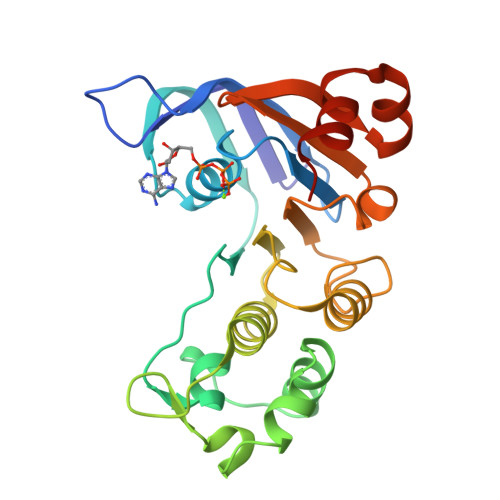
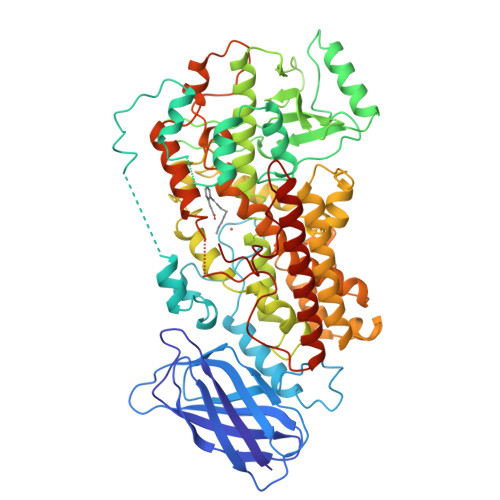
Androgen receptor structureClick to view 3D structureAndrogen receptorP15207Rattus norvegicusPredicted (SEA)
Prediction Confidence Score
0.625
Applicability Domain
1.0
Statistical Significance
8.00e-05
Supporting Reference Compounds
73
E-value
0.622794
Sex hormone-binding globulin structureClick to view 3D structureSex hormone-binding globulinP04278HumansPredicted (SEA)
Prediction Confidence Score
0.606
Applicability Domain
1.0
Statistical Significance
4.00e-05
Supporting Reference Compounds
33
E-value
0.311397
Estrogen receptor structureClick to view 3D structureEstrogen receptorP03372HumansPredicted (SEA)
Prediction Confidence Score
0.596
Applicability Domain
1.0
Statistical Significance
1.80e-04
Supporting Reference Compounds
201
E-value
1.40129
Sodium-dependent serotonin transporter structureClick to view 3D structureSodium-dependent serotonin transporterP31645HumansPredicted (SEA)
Prediction Confidence Score
0.593
Applicability Domain
1.0
Statistical Significance
8.30e-04
Supporting Reference Compounds
593
E-value
6.46149
Click to view 3D structureProgesterone receptorQ690N0Bos taurusPredicted (SEA)
Prediction Confidence Score
0.565
Applicability Domain
1.0
Statistical Significance
5.00e-05
Supporting Reference Compounds
40
E-value
0.389246
Click to view 3D structureSolute carrier organic anion transporter family member 1A1P46720Rattus norvegicusPredicted (SEA)
Prediction Confidence Score
0.517
Applicability Domain
0.678
Statistical Significance
2.00e-05
Supporting Reference Compounds
10
E-value
0.155698
Click to view 3D structureEstrogen sulfotransferaseQ95MF8Sus scrofaPredicted (SEA)
Prediction Confidence Score
0.516
Applicability Domain
0.516
Statistical Significance
6.00e-05
Supporting Reference Compounds
1
E-value
0.467095
Glucocorticoid receptor structureClick to view 3D structureGlucocorticoid receptorP04150HumansPredicted (SEA)
Prediction Confidence Score
0.494
Applicability Domain
1.0
Statistical Significance
8.80e-04
Supporting Reference Compounds
154
E-value
6.85073
Estrogen receptor beta structureClick to view 3D structureEstrogen receptor betaQ92731HumansPredicted (SEA)
Prediction Confidence Score
0.469
Applicability Domain
0.625
Statistical Significance
5.80e-04
Supporting Reference Compounds
174
E-value
4.51525
Steryl-sulfatase structureClick to view 3D structureSteryl-sulfataseP08842HumansPredicted (SEA)
Prediction Confidence Score
0.467
Applicability Domain
0.493
Statistical Significance
9.00e-05
Supporting Reference Compounds
14
E-value
0.700643
Corticosteroid-binding globulin structureClick to view 3D structureCorticosteroid-binding globulinP08185HumansPredicted (SEA)
Prediction Confidence Score
0.449
Applicability Domain
0.625
Statistical Significance
4.40e-04
Supporting Reference Compounds
21
E-value
3.42537
5-hydroxytryptamine receptor 2B structureClick to view 3D structure5-hydroxytryptamine receptor 2BP41595HumansPredicted (SEA)
Prediction Confidence Score
0.43
Applicability Domain
1.0
Statistical Significance
0.0056
Supporting Reference Compounds
686
E-value
43.2842
17-beta-hydroxysteroid dehydrogenase type 1 structureClick to view 3D structure17-beta-hydroxysteroid dehydrogenase type 1P14061HumansPredicted (SEA)
Prediction Confidence Score
0.42
Applicability Domain
0.464
Statistical Significance
5.10e-04
Supporting Reference Compounds
42
E-value
3.97031
Carbonic anhydrase 2 structureClick to view 3D structureCarbonic anhydrase 2P00918HumansPredicted (SEA)
Prediction Confidence Score
0.412
Applicability Domain
0.493
Statistical Significance
0.0063
Supporting Reference Compounds
472
E-value
49.2007
Androgen receptor structureClick to view 3D structureAndrogen receptorP10275HumansPredicted (SEA)
Prediction Confidence Score
0.382
Applicability Domain
0.625
Statistical Significance
0.003
Supporting Reference Compounds
146
E-value
23.2769
Click to view 3D structureSolute carrier family 22 member 3O88446Rattus norvegicusPredicted (SEA)
Prediction Confidence Score
0.377
Applicability Domain
0.625
Statistical Significance
1.30e-04
Supporting Reference Compounds
3
E-value
1.01204
Click to view 3D structureStreptokinase AP10520Streptococcus pyogenes serotype M1Predicted (SEA)
Prediction Confidence Score
0.376
Applicability Domain
1.0
Statistical Significance
0.0028
Supporting Reference Compounds
425
E-value
21.4864
Alpha-2C adrenergic receptor structureClick to view 3D structureAlpha-2C adrenergic receptorP18825HumansPredicted (SEA)
Prediction Confidence Score
0.369
Applicability Domain
1.0
Statistical Significance
0.0077
Supporting Reference Compounds
386
E-value
59.7882
Carbonic anhydrase 9 structureClick to view 3D structureCarbonic anhydrase 9Q16790HumansPredicted (SEA)
Prediction Confidence Score
0.354
Applicability Domain
0.493
Statistical Significance
0.0123
Supporting Reference Compounds
372
E-value
96.1438
Aldo-keto reductase family 1 member B10 structureClick to view 3D structureAldo-keto reductase family 1 member B10O60218HumansPredicted (SEA)
Prediction Confidence Score
0.354
Applicability Domain
0.625
Statistical Significance
0.0018
Supporting Reference Compounds
49
E-value
14.4021
Aromatase structureClick to view 3D structureAromataseP11511HumansPredicted (SEA)
Prediction Confidence Score
0.343
Applicability Domain
0.422
Statistical Significance
0.004
Supporting Reference Compounds
127
E-value
31.3732
Multidrug resistance-associated protein 1 structureClick to view 3D structureMultidrug resistance-associated protein 1P33527HumansPredicted (SEA)
Prediction Confidence Score
0.34
Applicability Domain
0.678
Statistical Significance
0.0013
Supporting Reference Compounds
49
E-value
10.1204
Polyunsaturated fatty acid lipoxygenase ALOX15 structureClick to view 3D structurePolyunsaturated fatty acid lipoxygenase ALOX15P12530Oryctolagus cuniculusPredicted (SEA)
Prediction Confidence Score
0.328
Applicability Domain
0.46
Statistical Significance
5.90e-04
Supporting Reference Compounds
47
E-value
4.5931
Cytochrome P450 2B6 structureClick to view 3D structureCytochrome P450 2B6P20813HumansPredicted (SEA)
Prediction Confidence Score
0.319
Applicability Domain
0.625
Statistical Significance
0.0032
Supporting Reference Compounds
150
E-value
24.7561
Carbonic anhydrase 1 structureClick to view 3D structureCarbonic anhydrase 1P00915HumansPredicted (SEA)
Prediction Confidence Score
0.314
Applicability Domain
0.493
Statistical Significance
0.0281
Supporting Reference Compounds
407
E-value
218.601
Concentrations
Not Available
External Links
DrugBank IDDBSALT000066
HMDB IDNot Available
FooDB IDNot Available
Phenol Explorer IDNot Available
KNApSAcK IDNot Available
BiGG IDNot Available
BioCyc IDNot Available
METLIN IDNot Available
PDB IDNot Available
Wikipedia LinkEstradiol_benzoate
Chemspider IDNot Available
ChEBI ID77006
PubChem Compound ID222757
Kegg Compound IDC13444
YMDB IDNot Available
ECMDB IDNot Available
References
Synthesis ReferenceNot Available
MSDSNot Available
General ReferencesNot Available