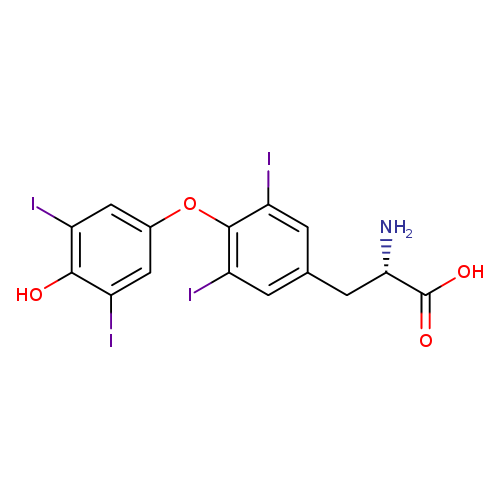
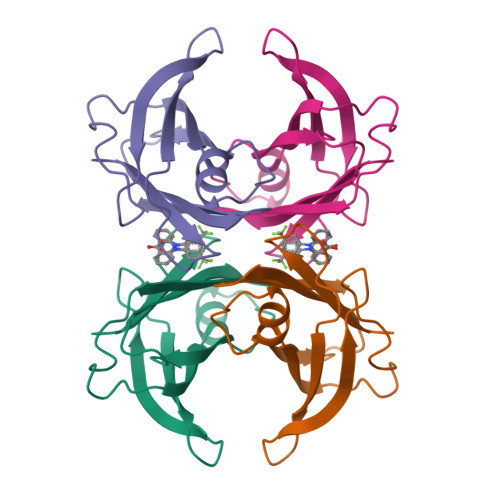
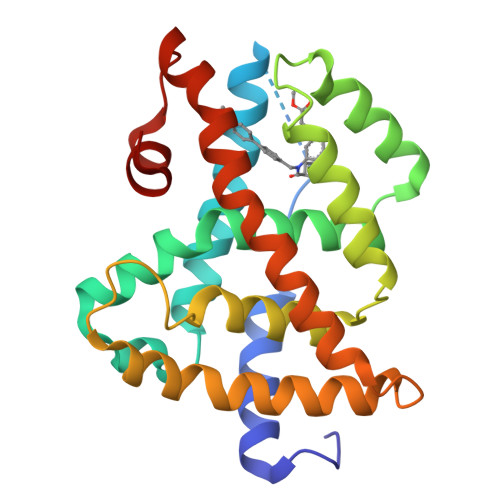
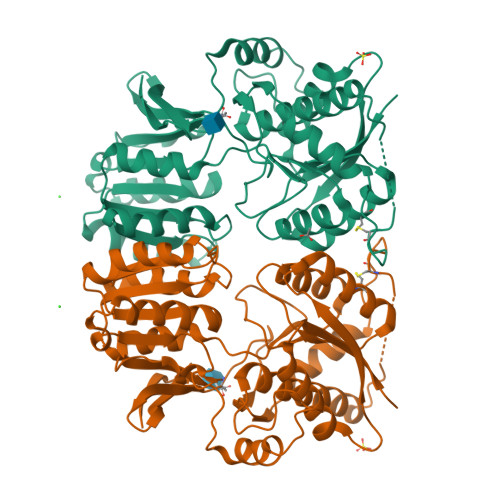
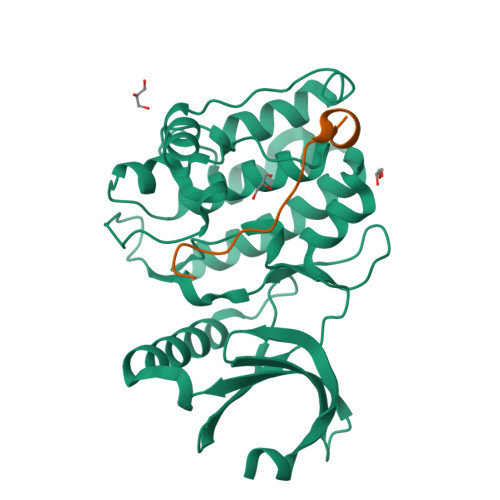
Levothyroxine belongs to the amino acids, peptides, and analogues, a subclass of carboxylic acids and derivatives within the organic compounds. With an average molecular weight of 776.87 g/mol, Levothyroxine is a heavy molecule. It has the chemical formula C15H11I4NO4 and functions biologically as a thyroid hormone (PMC5811372). The compound is used as a treatment for hypothyroidism (PMC12695664, PMC12765874, PMC13024578, PMC1492602, PMC9869701). Its recorded protein targets include the thyroid hormone receptor alpha (THRA), thyroid hormone receptor beta (THRB), integrin alpha-V (ITGAV), and integrin beta-3 (ITGB3), where it acts as an agonist or binder.
Levothyroxine is found in or released from 20 recorded sources. Within healthcare, pharmaceuticals, and veterinary products, it is used in thyroid preparations. Other sources include food, food processing, and cookware, specifically in food preservation, processing meats, and the preparation of vinegar. It is also associated with household cleaning and consumer products, such as soap detergents, perfumes within detergents and soaps, tobacco product moisture control, non-electric simulated smoking devices, and cigar cigarettes. Additionally, it is found in electrical and electronic equipment, including antennas, electric switches, auxiliary devices, electrically stimulated smoking devices, and conductors or conductive bodies characterised by the conductive materials. Recorded exposure routes for the compound include oral, intravenous, intramuscular, and topical administration.
Belongs to the class of organic compounds known as phenylalanine and derivatives. Phenylalanine and derivatives are compounds containing phenylalanine or a derivative thereof resulting from reaction of phenylalanine at the amino group or the carboxy group, or from the replacement of any hydrogen of glycine by a heteroatom.