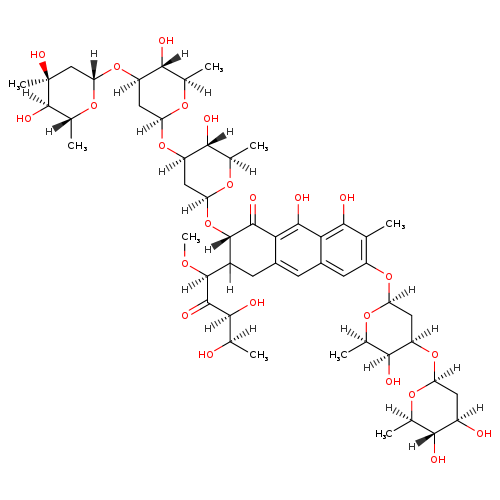
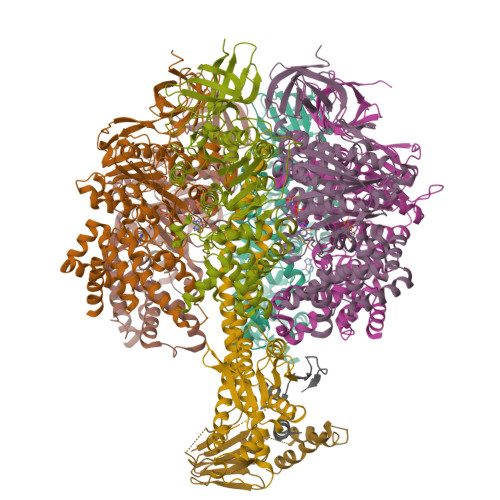
 Click to view 3D structure | ATP synthase subunit beta, mitochondrial | P00830 | Saccharomyces cerevisiae S288c | Predicted (SEA) | - Prediction Confidence Score
- 0.242
- Applicability Domain
- 0.242 Low confidence
- Statistical Significance
- 4.00e-05
- Supporting Reference Compounds
- 1
- E-value
- 0.311397
|
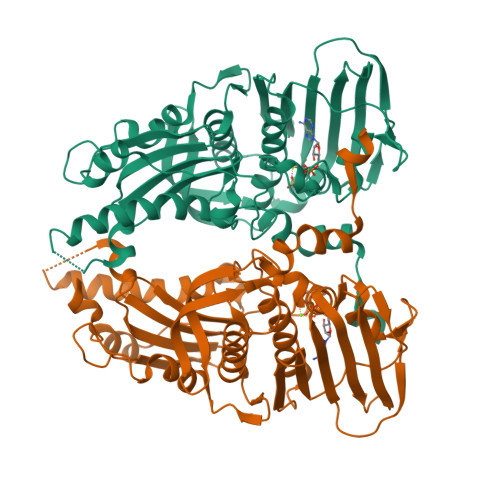 Click to view 3D structure | DNA topoisomerase 2-alpha | P11388 | Humans | Predicted (SEA) | - Prediction Confidence Score
- 0.239
- Applicability Domain
- 0.248 Low confidence
- Statistical Significance
- 0.0025
- Supporting Reference Compounds
- 27
- E-value
- 19.1509
|
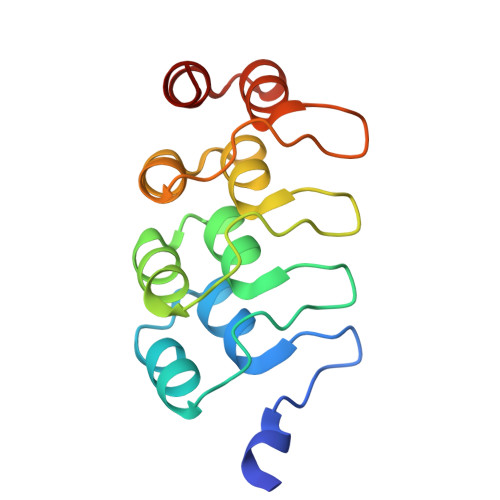 Click to view 3D structure | Neurogenic locus notch homolog protein 1 | Q01705 | Mus musculus | Predicted (SEA) | - Prediction Confidence Score
- 0.229
- Applicability Domain
- 0.229 Low confidence
- Statistical Significance
- 2.50e-04
- Supporting Reference Compounds
- 1
- E-value
- 1.94623
|
 Click to view 3D structure | Streptokinase A | P10520 | Streptococcus pyogenes serotype M1 | Predicted (SEA) | - Prediction Confidence Score
- 0.211
- Applicability Domain
- 0.234 Low confidence
- Statistical Significance
- 0.4728
- Supporting Reference Compounds
- 425
- E-value
- 3680.56
|
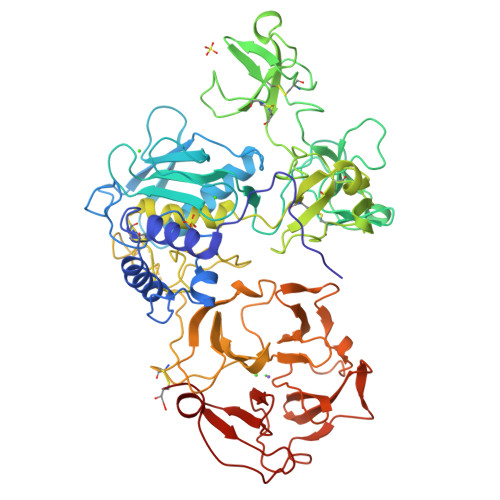 Click to view 3D structure | 72 kDa type IV collagenase | P08253 | Humans | Predicted (SEA) | - Prediction Confidence Score
- 0.206
- Applicability Domain
- 0.242 Low confidence
- Statistical Significance
- 0.5337
- Supporting Reference Compounds
- 400
- E-value
- 4154.58
|
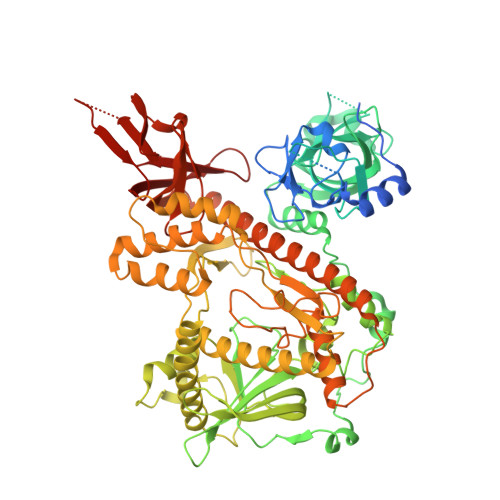 Click to view 3D structure | DIS3-like exonuclease 2 | Q8IYB7 | Humans | Predicted (SEA) | - Prediction Confidence Score
- 0.2
- Applicability Domain
- 0.2 Low confidence
- Statistical Significance
- 1.90e-04
- Supporting Reference Compounds
- 1
- E-value
- 1.47914
|
 Click to view 3D structure | ATP-dependent translocase ABCB1 | P08183 | Humans | Predicted (SEA) | - Prediction Confidence Score
- 0.199
- Applicability Domain
- 0.242 Low confidence
- Statistical Significance
- 0.4581
- Supporting Reference Compounds
- 139
- E-value
- 3566.12
|
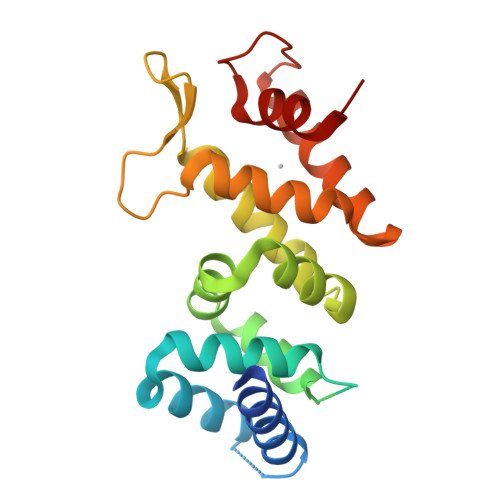 Click to view 3D structure | Fanconi anemia group F protein | Q9NPI8 | Humans | Predicted (SEA) | - Prediction Confidence Score
- 0.196
- Applicability Domain
- 0.196 Low confidence
- Statistical Significance
- 9.60e-04
- Supporting Reference Compounds
- 1
- E-value
- 7.47353
|
 Click to view 3D structure | Solute carrier organic anion transporter family member 1B1 | Q9Y6L6 | Humans | Predicted (SEA) | - Prediction Confidence Score
- 0.195
- Applicability Domain
- 0.222 Low confidence
- Statistical Significance
- 0.227
- Supporting Reference Compounds
- 82
- E-value
- 1767.33
|
| Click to view 3D structure | Motilin receptor | A5A4K8 | Oryctolagus cuniculus | Predicted (SEA) | - Prediction Confidence Score
- 0.195
- Applicability Domain
- 0.226 Low confidence
- Statistical Significance
- 1.80e-04
- Supporting Reference Compounds
- 5
- E-value
- 1.40129
|
 Click to view 3D structure | Voltage-gated inwardly rectifying potassium channel KCNH2 | Q12809 | Humans | Predicted (SEA) | - Prediction Confidence Score
- 0.189
- Applicability Domain
- 0.226 Low confidence
- Statistical Significance
- 0.9671
- Supporting Reference Compounds
- 1498
- E-value
- 7529.11
|
 Click to view 3D structure | Cytochrome P450 3A4 | P08684 | Humans | Predicted (SEA) | - Prediction Confidence Score
- 0.187
- Applicability Domain
- 0.211 Low confidence
- Statistical Significance
- 0.9761
- Supporting Reference Compounds
- 1538
- E-value
- 7599.1
|
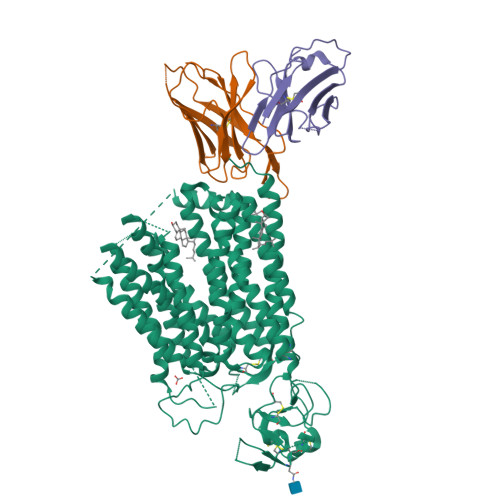 Click to view 3D structure | Solute carrier organic anion transporter family member 1B3 | Q9NPD5 | Humans | Predicted (SEA) | - Prediction Confidence Score
- 0.186
- Applicability Domain
- 0.205 Low confidence
- Statistical Significance
- 0.1779
- Supporting Reference Compounds
- 51
- E-value
- 1384.63
|
 Click to view 3D structure | Tyrosine-protein kinase Fyn | P06241 | Humans | Predicted (SEA) | - Prediction Confidence Score
- 0.181
- Applicability Domain
- 0.236 Low confidence
- Statistical Significance
- 0.9339
- Supporting Reference Compounds
- 707
- E-value
- 7270.26
|
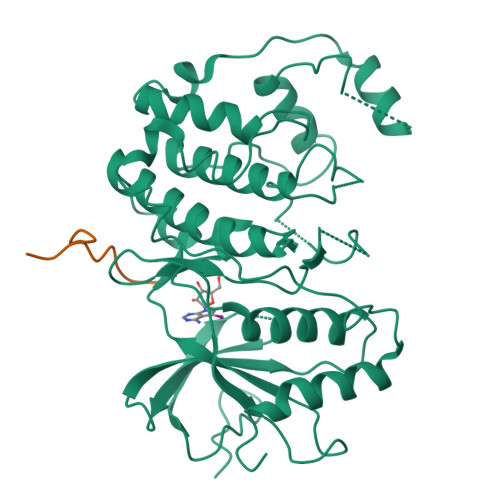 Click to view 3D structure | Signal transducer and activator of transcription 3 | P40763 | Humans | Predicted (SEA) | - Prediction Confidence Score
- 0.181
- Applicability Domain
- 0.222 Low confidence
- Statistical Significance
- 0.609
- Supporting Reference Compounds
- 93
- E-value
- 4741.25
|
| Click to view 3D structure | 5-hydroxytryptamine receptor 4 | O70528 | Cavia porcellus | Predicted (SEA) | - Prediction Confidence Score
- 0.181
- Applicability Domain
- 0.236 Low confidence
- Statistical Significance
- 0.5142
- Supporting Reference Compounds
- 94
- E-value
- 4002.77
|
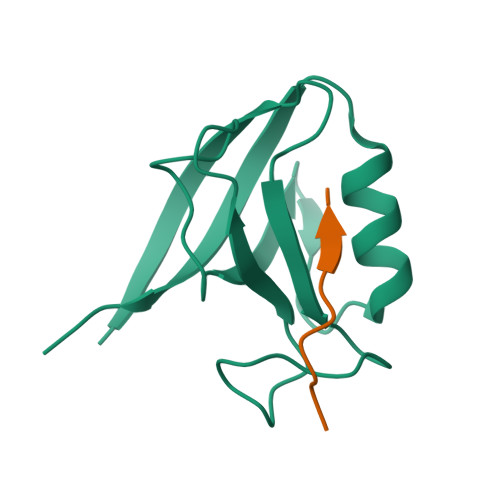 Click to view 3D structure | Receptor tyrosine-protein kinase erbB-2 | P04626 | Humans | Predicted (SEA) | - Prediction Confidence Score
- 0.176
- Applicability Domain
- 0.236 Low confidence
- Statistical Significance
- 0.9417
- Supporting Reference Compounds
- 674
- E-value
- 7331.45
|
 Click to view 3D structure | 5-hydroxytryptamine receptor 2B | P41595 | Humans | Predicted (SEA) | - Prediction Confidence Score
- 0.175
- Applicability Domain
- 0.237 Low confidence
- Statistical Significance
- 0.9576
- Supporting Reference Compounds
- 686
- E-value
- 7455.15
|
 Click to view 3D structure | D(1A) dopamine receptor | P21728 | Humans | Predicted (SEA) | - Prediction Confidence Score
- 0.174
- Applicability Domain
- 0.235 Low confidence
- Statistical Significance
- 0.9024
- Supporting Reference Compounds
- 425
- E-value
- 7025.19
|
 Click to view 3D structure | Aurora kinase A | O14965 | Humans | Predicted (SEA) | - Prediction Confidence Score
- 0.173
- Applicability Domain
- 0.236 Low confidence
- Statistical Significance
- 0.9581
- Supporting Reference Compounds
- 996
- E-value
- 7458.73
|
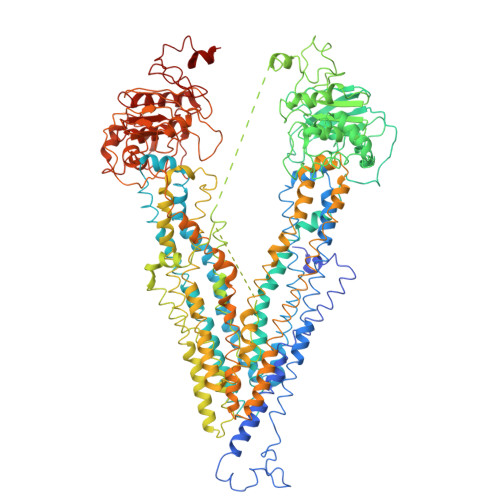 Click to view 3D structure | Bile salt export pump | O95342 | Humans | Predicted (SEA) | - Prediction Confidence Score
- 0.173
- Applicability Domain
- 0.222 Low confidence
- Statistical Significance
- 0.7222
- Supporting Reference Compounds
- 104
- E-value
- 5622.43
|
 Click to view 3D structure | Vascular endothelial growth factor receptor 2 | P35968 | Humans | Predicted (SEA) | - Prediction Confidence Score
- 0.172
- Applicability Domain
- 0.177 Low confidence
- Statistical Significance
- 0.9746
- Supporting Reference Compounds
- 1660
- E-value
- 7587.57
|
| Click to view 3D structure | Gag-Pol polyprotein | Q7ZJM1 | Human immunodeficiency virus 1 | Predicted (SEA) | - Prediction Confidence Score
- 0.171
- Applicability Domain
- 0.236 Low confidence
- Statistical Significance
- 0.439
- Supporting Reference Compounds
- 96
- E-value
- 3417.5
|
| Click to view 3D structure | Eukaryotic elongation factor 2 kinase | P70531 | Rattus norvegicus | Predicted (SEA) | - Prediction Confidence Score
- 0.17
- Applicability Domain
- 0.17 Low confidence
- Statistical Significance
- 0.0092
- Supporting Reference Compounds
- 1
- E-value
- 72.0105
|
| Click to view 3D structure | NS3 | A3EZJ3 | Hepatitis C virus | Predicted (SEA) | - Prediction Confidence Score
- 0.169
- Applicability Domain
- 0.236 Low confidence
- Statistical Significance
- 0.5174
- Supporting Reference Compounds
- 70
- E-value
- 4027.92
|