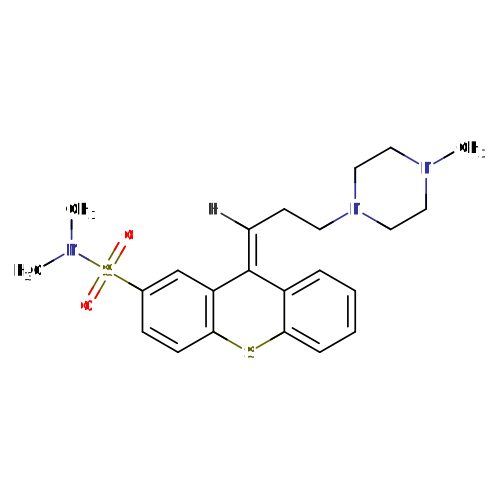
Click to view 3D structure | Sigma non-opioid intracellular receptor 1 | Q99720 | Humans | Predicted (SEA) | - Prediction Confidence Score
- 0.41
- Applicability Domain
- 0.516
- Statistical Significance
- 0.0101
- Supporting Reference Compounds
- 562
- E-value
- 78.3942
|
 Click to view 3D structure | D(1A) dopamine receptor | P18901 | Rattus norvegicus | Predicted (SEA) | - Prediction Confidence Score
- 0.404
- Applicability Domain
- 0.516
- Statistical Significance
- 0.005
- Supporting Reference Compounds
- 206
- E-value
- 39.0803
|
 Click to view 3D structure | 5-hydroxytryptamine receptor 6 | P50406 | Humans | Predicted (SEA) | - Prediction Confidence Score
- 0.403
- Applicability Domain
- 0.541
- Statistical Significance
- 0.0085
- Supporting Reference Compounds
- 536
- E-value
- 66.0161
|
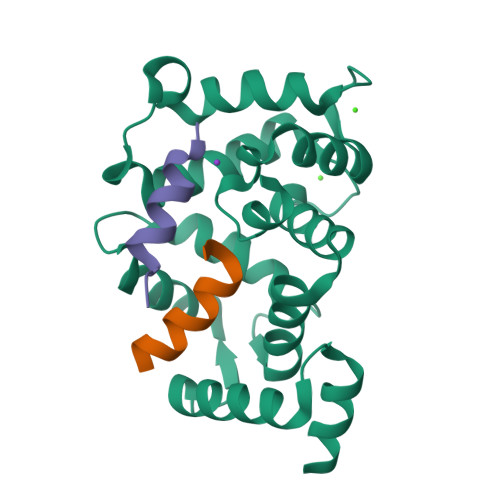 Click to view 3D structure | D(2) dopamine receptor | P14416 | Humans | Predicted (SEA) | - Prediction Confidence Score
- 0.358
- Applicability Domain
- 0.443
- Statistical Significance
- 0.035
- Supporting Reference Compounds
- 1103
- E-value
- 272.55
|
 Click to view 3D structure | D(3) dopamine receptor | P35462 | Humans | Predicted (SEA) | - Prediction Confidence Score
- 0.358
- Applicability Domain
- 0.443
- Statistical Significance
- 0.0261
- Supporting Reference Compounds
- 861
- E-value
- 202.953
|
 Click to view 3D structure | Histamine H1 receptor | P35367 | Humans | Predicted (SEA) | - Prediction Confidence Score
- 0.349
- Applicability Domain
- 0.443
- Statistical Significance
- 0.0196
- Supporting Reference Compounds
- 507
- E-value
- 152.662
|
 Click to view 3D structure | D(1A) dopamine receptor | P21728 | Humans | Predicted (SEA) | - Prediction Confidence Score
- 0.349
- Applicability Domain
- 0.443
- Statistical Significance
- 0.0144
- Supporting Reference Compounds
- 425
- E-value
- 112.259
|
 Click to view 3D structure | Pleiotropic ABC efflux transporter of multiple drugs | P33302 | Saccharomyces cerevisiae S288c | Predicted (SEA) | - Prediction Confidence Score
- 0.338
- Applicability Domain
- 0.443
- Statistical Significance
- 3.10e-04
- Supporting Reference Compounds
- 10
- E-value
- 2.41333
|
| Click to view 3D structure | Histamine H1 receptor | P31390 | Rattus norvegicus | Predicted (SEA) | - Prediction Confidence Score
- 0.337
- Applicability Domain
- 0.443
- Statistical Significance
- 0.0028
- Supporting Reference Compounds
- 63
- E-value
- 21.7978
|
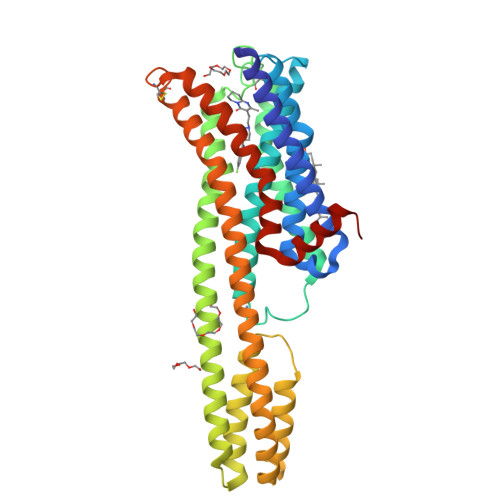 Click to view 3D structure | 5-hydroxytryptamine receptor 2A | P28223 | Humans | Predicted (SEA) | - Prediction Confidence Score
- 0.333
- Applicability Domain
- 0.358
- Statistical Significance
- 0.0442
- Supporting Reference Compounds
- 955
- E-value
- 344.016
|
 Click to view 3D structure | 5-hydroxytryptamine receptor 2C | P28335 | Humans | Predicted (SEA) | - Prediction Confidence Score
- 0.333
- Applicability Domain
- 0.358
- Statistical Significance
- 0.0338
- Supporting Reference Compounds
- 823
- E-value
- 263.364
|
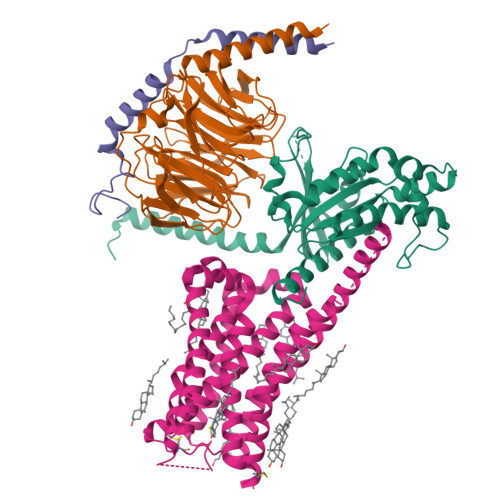 Click to view 3D structure | D(1B) dopamine receptor | P21918 | Humans | Predicted (SEA) | - Prediction Confidence Score
- 0.331
- Applicability Domain
- 0.443
- Statistical Significance
- 0.0127
- Supporting Reference Compounds
- 209
- E-value
- 99.2578
|
| Click to view 3D structure | D(2) dopamine receptor | P61169 | Rat | Predicted (SEA) | - Prediction Confidence Score
- 0.33
- Applicability Domain
- 0.379
- Statistical Significance
- 0.0331
- Supporting Reference Compounds
- 528
- E-value
- 257.525
|
 Click to view 3D structure | D(4) dopamine receptor | P21917 | Humans | Predicted (SEA) | - Prediction Confidence Score
- 0.328
- Applicability Domain
- 0.358
- Statistical Significance
- 0.033
- Supporting Reference Compounds
- 524
- E-value
- 257.058
|
| Click to view 3D structure | 5-hydroxytryptamine receptor 1A | P19327 | Rattus norvegicus | Predicted (SEA) | - Prediction Confidence Score
- 0.325
- Applicability Domain
- 0.358
- Statistical Significance
- 0.0334
- Supporting Reference Compounds
- 541
- E-value
- 260.016
|
 Click to view 3D structure | Voltage-gated inwardly rectifying potassium channel KCNH2 | Q12809 | Humans | Predicted (SEA) | - Prediction Confidence Score
- 0.323
- Applicability Domain
- 0.358
- Statistical Significance
- 0.1037
- Supporting Reference Compounds
- 1498
- E-value
- 807.608
|
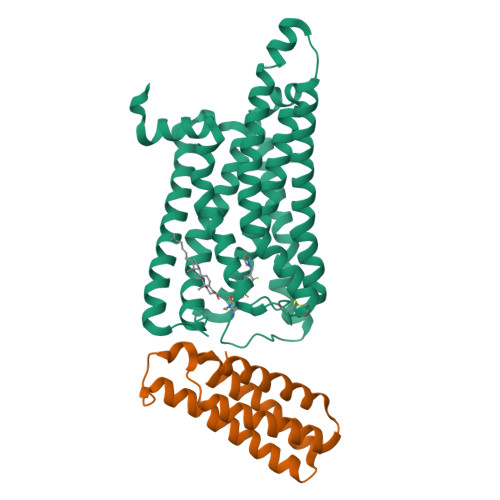 Click to view 3D structure | Histamine H3 receptor | Q9Y5N1 | Humans | Predicted (SEA) | - Prediction Confidence Score
- 0.319
- Applicability Domain
- 0.443
- Statistical Significance
- 0.0203
- Supporting Reference Compounds
- 294
- E-value
- 157.8
|
 Click to view 3D structure | Muscarinic acetylcholine receptor M1 | P11229 | Humans | Predicted (SEA) | - Prediction Confidence Score
- 0.316
- Applicability Domain
- 0.358
- Statistical Significance
- 0.0196
- Supporting Reference Compounds
- 385
- E-value
- 152.429
|
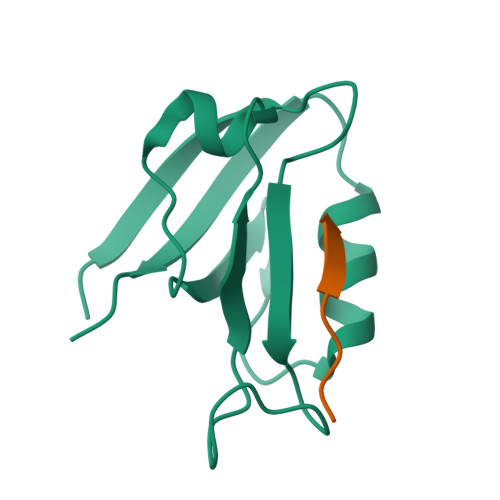 Click to view 3D structure | 5-hydroxytryptamine receptor 2A | P14842 | Rattus norvegicus | Predicted (SEA) | - Prediction Confidence Score
- 0.316
- Applicability Domain
- 0.345
- Statistical Significance
- 0.0286
- Supporting Reference Compounds
- 380
- E-value
- 222.96
|
 Click to view 3D structure | 5-hydroxytryptamine receptor 2B | P41595 | Humans | Predicted (SEA) | - Prediction Confidence Score
- 0.314
- Applicability Domain
- 0.358
- Statistical Significance
- 0.0384
- Supporting Reference Compounds
- 686
- E-value
- 299.252
|
 Click to view 3D structure | Alpha-2A adrenergic receptor | P08913 | Humans | Predicted (SEA) | - Prediction Confidence Score
- 0.312
- Applicability Domain
- 0.358
- Statistical Significance
- 0.0312
- Supporting Reference Compounds
- 487
- E-value
- 243.201
|
 Click to view 3D structure | Sodium-dependent serotonin transporter | P31645 | Humans | Predicted (SEA) | - Prediction Confidence Score
- 0.311
- Applicability Domain
- 0.358
- Statistical Significance
- 0.0398
- Supporting Reference Compounds
- 593
- E-value
- 309.996
|
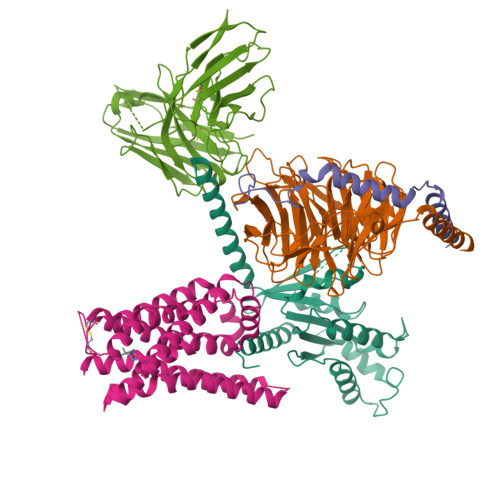 Click to view 3D structure | Alpha-2B adrenergic receptor | P18089 | Humans | Predicted (SEA) | - Prediction Confidence Score
- 0.311
- Applicability Domain
- 0.358
- Statistical Significance
- 0.021
- Supporting Reference Compounds
- 340
- E-value
- 163.172
|
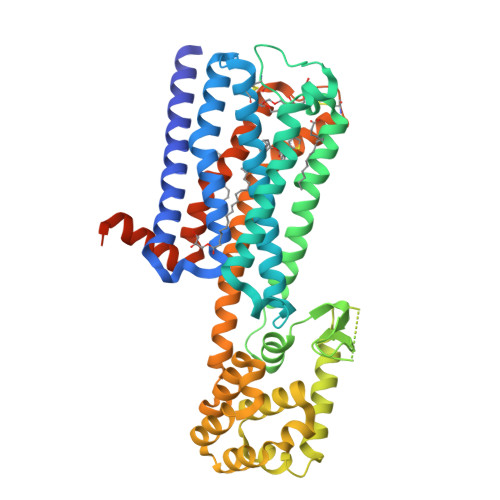 Click to view 3D structure | Muscarinic acetylcholine receptor M5 | P08912 | Humans | Predicted (SEA) | - Prediction Confidence Score
- 0.311
- Applicability Domain
- 0.358
- Statistical Significance
- 0.0134
- Supporting Reference Compounds
- 266
- E-value
- 104.707
|
 Click to view 3D structure | Muscarinic acetylcholine receptor M2 | P08172 | Humans | Predicted (SEA) | - Prediction Confidence Score
- 0.311
- Applicability Domain
- 0.358
- Statistical Significance
- 0.0199
- Supporting Reference Compounds
- 373
- E-value
- 154.998
|