alpha-Cypermethrin (CED0003563)

Record Information
Version1.0
Creation Date2016-05-22 04:31:04 UTC
Update Date2026-03-31 17:54:57 UTC
SynCED IDCED0003563
Secondary Accession Numbers
  • CHEM017655
Identification
Common Namealpha-Cypermethrin
ClassSmall Molecule
Description
alpha-Cypermethrin is an organic compound with the chemical formula C22H19Cl2NO3 and an average molecular weight of 416.30 g/mol. alpha-Cypermethrin belongs to the fatty acid esters, a subclass of fatty acyls within the organic compounds. Within the chemical hierarchy, it is further classified under the superclass of lipids and lipid-like molecules. This compound is associated with four recorded sources. In the category of electrical and electronic equipment, it is found in discharge lamps, line transmission systems, and television systems. Additionally, it is released from sources within the building and construction sector, specifically from tents or canopies.
Contaminant TypeNot Available
Chemical Structure
Synonyms
ValueSource
CymbushMeSH
FastacMeSH
Fastac 50EcMeSH
FendonaMeSH
NRDC 149MeSH
RipcordMeSH
SherpaMeSH
alpha-CypermethrinMeSH
AlphacypermethrinMeSH
AlphamethrinMeSH
beta-CipermetrinaMeSH
CypermethrinMeSH
Cypermethrin, (1R-(1alpha(r*),3beta))-isomerMeSH
Cypermethrin, (1R-(1alpha(s*),3beta))-isomerMeSH
Cypermethrin, (1alpha(s*),3alpha)-(+-)-isomerMeSH
SupercypermethrinMeSH
SupermethrinMeSH
Chemical FormulaC22H19Cl2NO3
Average Molecular Mass416.300 g/mol
Monoisotopic Mass415.074 g/mol
CAS Registry Number67375-30-8
IUPAC Name(S)-cyano(3-phenoxyphenyl)methyl (1R,3R)-3-(2,2-dichloroethenyl)-2,2-dimethylcyclopropane-1-carboxylate
Traditional Name(1R)-cis-(alphas)-cypermethrin
SMILES[H][C@@](OC(=O)[C@]1([H])[C@]([H])(C=C(Cl)Cl)C1(C)C)(C#N)C1=CC(OC2=CC=CC=C2)=CC=C1
InChI IdentifierInChI=1S/C22H19Cl2NO3/c1-22(2)17(12-19(23)24)20(22)21(26)28-18(13-25)14-7-6-10-16(11-14)27-15-8-4-3-5-9-15/h3-12,17-18,20H,1-2H3/t17-,18+,20-/m0/s1
InChI KeyKAATUXNTWXVJKI-NSHGMRRFSA-N
Chemical Taxonomy
Description Belongs to the class of organic compounds known as pyrethroids. These are organic compounds similar to the pyrethrins. Some pyrethroids containing a chrysanthemic acid esterified with a cyclopentenone (pyrethrins), or with a phenoxybenzyl group.
KingdomOrganic compounds
Super ClassLipids and lipid-like molecules
ClassFatty Acyls
Sub ClassFatty acid esters
Direct ParentPyrethroids
Alternative Parents
Substituents
  • Pyrethroid skeleton
  • Diphenylether
  • Diaryl ether
  • Benzyloxycarbonyl
  • Phenoxy compound
  • Phenol ether
  • Monocyclic benzene moiety
  • Cyclopropanecarboxylic acid or derivatives
  • Benzenoid
  • Carboxylic acid ester
  • Ketene acetal or derivatives
  • Carboxylic acid derivative
  • Ether
  • Chloroalkene
  • Monocarboxylic acid or derivatives
  • Carbonitrile
  • Nitrile
  • Haloalkene
  • Vinyl halide
  • Vinyl chloride
  • Carbonyl group
  • Organic oxygen compound
  • Organopnictogen compound
  • Organohalogen compound
  • Organochloride
  • Organonitrogen compound
  • Organooxygen compound
  • Organic oxide
  • Hydrocarbon derivative
  • Organic nitrogen compound
  • Aromatic homomonocyclic compound
Molecular FrameworkAromatic homomonocyclic compounds
External Descriptors
Biological Properties
StatusDetected and Not Quantified
OriginNot Available
Cellular LocationsNot Available
Biofluid LocationsNot Available
Tissue LocationsNot Available
ApplicationsNot Available
Biological Roles
Chemical RolesNot Available
Organoleptic EffectsNot Available
Physical Properties
StateNot Available
AppearanceNot Available
Experimental Properties
PropertyValue
Melting PointNot Available
Boiling PointNot Available
SolubilityNot Available
Predicted Properties
PropertyValueSource
Water Solubility0.00086 g/LALOGPS
logP5.81ALOGPS
logP5.44ChemAxon
logS-5.7ALOGPS
pKa (Strongest Acidic)10.62ChemAxon
pKa (Strongest Basic)-3.7ChemAxon
Physiological Charge0ChemAxon
Hydrogen Acceptor Count2ChemAxon
Hydrogen Donor Count0ChemAxon
Polar Surface Area59.32 ŲChemAxon
Rotatable Bond Count7ChemAxon
Refractivity119.09 m³·mol⁻¹ChemAxon
Polarizability40.57 ųChemAxon
Number of Rings3ChemAxon
BioavailabilityYesChemAxon
Rule of FiveNoChemAxon
Ghose FilterYesChemAxon
Veber's RuleNoChemAxon
MDDR-like RuleYesChemAxon
Spectra
Spectra
Spectrum TypeDescriptionSplash KeyDeposition DateView
Predicted LC-MS/MSPredicted LC-MS/MS Spectrumsplash10-014i-0512900000-3c26550cde83f141de05Not AvailableView Spectrum
Predicted LC-MS/MSPredicted LC-MS/MS Spectrumsplash10-00kf-1912200000-b3b26bde64fbc63423e0Not AvailableView Spectrum
Predicted LC-MS/MSPredicted LC-MS/MS Spectrumsplash10-052e-1900000000-a8aceee4a43e1d313973Not AvailableView Spectrum
Predicted LC-MS/MSPredicted LC-MS/MS Spectrumsplash10-03di-0011900000-32f3cf0f9235364f299fNot AvailableView Spectrum
Predicted LC-MS/MSPredicted LC-MS/MS Spectrumsplash10-03di-3346900000-98416964f4d22c0b7018Not AvailableView Spectrum
Predicted LC-MS/MSPredicted LC-MS/MS Spectrumsplash10-0006-9520000000-1bb5c04c6247a934fc53Not AvailableView Spectrum
Toxicity Profile
Toxicity Values
Toxicity ValueOrganismDose DescriptorRoute of ExposurePredicted or ExperimentalToxicity RatingReference
217.0 Log mg/kg [120:390]RatLD50oralpredictedNot AvailableNot Available
12.0 mg/kg-day RatNOELoralexperimentalNot AvailableECOTOX - EPA ORD
8.0 mg/kg-day RatNOELoralexperimentalNot AvailableECOTOX - EPA ORD
12.0 mg/kg-day RatLOELoralexperimentalNot AvailableECOTOX - EPA ORD
10.0 mg/kg-day RatLOELoralexperimentalNot AvailableECOTOX - EPA ORD
Toxicity / Toxin ClassNot Available
Mechanism of ToxicityNot Available
Carcinogenicity (IARC Classification)Not Available
Minimum Risk LevelNot Available
SymptomsNot Available
TreatmentNot Available
Health Effects
Health EffectRelationshipDirectionDescriptionReference
dizzinessAssociated With?Not AvailableA sensation of lightheadedness, unsteadiness, turning, spinning or rocking.PMC11573769
nauseaAssociated With?Not AvailableA disorder characterized by a queasy sensation and/or the urge to vomit. (NCI CTCAE)PMC11573769
vomitingAssociated With?Not AvailableA disorder characterized by the reflexive act of ejecting the contents of the stomach through the mouth. (NCI CTCAE)PMC12772482
dyspneaAssociated With?Not AvailableNot AvailablePMC12772482
muscle weaknessAssociated With?Not AvailableA disorder characterized by a reduction in the strength of the muscles. (NCI CTCAE)PMC11573769 , PMC11573769
loss of consciousnessAssociated With?Not AvailableNot AvailablePMC11573769 , PMC12772482
PoisoningAssociated With?Not AvailableNot AvailablePMC11573769 , PMC11573769
Skin burnAssociated With?Not AvailableNot AvailablePMC11573769
HypoesthesiaAssociated With?Not AvailableNot AvailablePMC11573769
BurnsAssociated With?Not AvailableNot AvailablePMC11573769
ImmunityAssociated With?Not AvailableNot AvailablePMC6174339
abnormal involuntary movementAssociated With?Not AvailableNot AvailablePMC11573769 , PMC11573769
Exposure Sources
Source IDSourceSectorReference
CEDs000010Insecticides?Insecticides are synthetic chemicals designed to control or eliminate insect pests that threaten crops and other agricultural products.Agriculture & land managementPubChem
CEDs000013Soil?Soil serves as a critical medium for plant growth and sustains various ecological functions; however, it can become a reservoir for synthetic chemical contamination.Agriculture & land managementPMC9978502
CEDs000181Ballast water?Ballast water, taken on by ships to maintain stability and balance, often contains a diverse array of microorganisms, including bacteria, viruses, and plankton.Marine, shipping & aquaculturePubChem
CEDs000182Bilge water?Bilge water is a byproduct generated from the accumulation of water in the lowest part of a ship's hull, which may include a mixture of seawater, oil, fuel residues, and various contaminants.Marine, shipping & aquaculturePubChem
CEDs000455Polyester?Polyester is a synthetic polymer derived from petrochemicals, primarily used in the production of textiles and furnishings.Textiles, leather & furnishingsPMC9562956
CEDs000503Tents Or Canopies?Tents and canopies used in various applications can be a source of synthetic chemical contamination primarily due to the materials from which they are made.Building & ConstructionPubChem
CEDs000514Discharge Lamps?Discharge lamps, including fluorescent and high-intensity discharge (HID) lamps, are commonly used for lighting applications due to their energy efficiency and brightness.Electrical & Electronic EquipmentPubChem
CEDs000525Line Transmission Systems?Line Transmission Systems, commonly used for the distribution of electrical energy, can be a source of synthetic chemical contamination through the insulation materials and coatings utilized in their construction.Electrical & Electronic EquipmentPubChem
CEDs000537Television Systems?Television systems can be a source of synthetic chemical contamination due to the various materials and components used in their manufacture and operation.Electrical & Electronic EquipmentPubChem
CEDs000545Food Preservation?Food preservation often involves the use of synthetic chemicals, such as preservatives, flavor enhancers, and color additives, to extend shelf life and enhance the sensory qualities of food products.Food, food processing & cookwarePubChem
CEDs000556Cigar Cigarettes?Cigar cigarettes are a source of synthetic chemical contamination due to the combustion of various tobacco blends and additives.Household cleaning & consumer productsPubChem
CEDs000561Perfumes Within Detergents And Soaps?Perfumes within detergents and soaps are synthetic fragrance compounds added to enhance the sensory experience of cleaning products.Household cleaning & consumer productsPubChem
CEDs000563Soap Detergents?Soap detergents are synthetic surfactants designed to enhance the cleaning efficacy of water by reducing surface tension, allowing for better interaction with dirt and grease.Household cleaning & consumer productsPubChem
CEDs000580Manufacture Preparation Of Tobacco Products?The manufacture and preparation of tobacco products involve various processes that can result in the introduction of synthetic chemicals into the environment.Industrial manufacturing & chemical processingPubChem
CEDs000583Anchoring Equipment?Anchoring equipment, commonly used in marine applications, can be a source of synthetic chemical contamination due to the materials and coatings utilized in their manufacturing.Marine, shipping & aquaculturePubChem
CEDs000596Acaricides?Acaricides are synthetic chemicals specifically designed to target and control mite populations that can damage crops and plants.Agriculture & land managementPubChem
CEDs000597Chemosterilants?Chemosterilants are synthetic chemicals designed to induce sterility in target pest populations, thereby controlling their reproduction and mitigating damage to crops.Agriculture & land managementPubChem
CEDs000598Fertiliser Distributors?Fertiliser distributors play a critical role in the supply of synthetic fertilizers, which are widely used to enhance soil fertility and crop yield.Agriculture & land managementPubChem
CEDs000600Herbicides And Algicides?Herbicides and algicides are synthetic chemicals primarily used to control unwanted plants and algae in various environments.Agriculture & land managementPubChem
CEDs000602Molluscicides?Molluscicides are synthetic chemicals specifically designed to control and eliminate mollusks, such as snails and slugs, which can be detrimental to crops and agricultural productivity.Agriculture & land managementPubChem
CEDs000603Nematocides?Nematocides are synthetic chemicals specifically designed to control nematodes, which are microscopic roundworms that can cause significant damage to crops and plants.Agriculture & land managementPubChem
CEDs000604Pest Attractants?Pest attractants are synthetic chemicals designed to lure specific pests for monitoring or control purposes.Agriculture & land managementPubChem
CEDs000605Pest Repellants?Pest repellents, often formulated from synthetic chemicals, are widely used to protect crops from insect infestations and other pests.Agriculture & land managementPubChem
CEDs000606Plant Growth Regulators?Plant Growth Regulators (PGRs) are synthetic chemicals designed to influence the growth and development of plants.Agriculture & land managementPubChem
CEDs000607Rodenticides(1)?Rodenticides are synthetic chemicals specifically formulated to control rodent populations, serving as a crucial tool in managing pests that can damage crops and spread diseases.Agriculture & land managementPubChem
CEDs000608Rodenticides?Rodenticides are chemical substances specifically designed to control rodent populations by causing death through various mechanisms, including anticoagulation or neurotoxicity.Agriculture & land managementPubChem
CEDs000609Aftershave?Aftershave is a grooming product typically used to soothe and protect the skin following shaving.Personal care & cosmeticsPubChem
CEDs000610Aftersun Products?Aftersun products are designed to soothe and hydrate the skin after sun exposure, often containing various synthetic chemicals such as emollients, preservatives, and fragrances.Personal care & cosmeticsPubChem
CEDs000611Anti Perspirants Or Body Deoderants?Antiperspirants and body deodorants commonly contain synthetic chemicals such as aluminum compounds, parabens, and synthetic fragrances.Personal care & cosmeticsPubChem
CEDs000613Depilatories?Depilatories are products designed to remove unwanted hair through the application of synthetic chemicals that break down the protein structure of hair, facilitating its removal.Personal care & cosmeticsPubChem
CEDs000615Eye Makeup Products?Eye makeup products, including mascaras, eyeliners, and eyeshadows, often contain a variety of synthetic chemicals such as pigments, preservatives, and film-forming agents.Personal care & cosmeticsPubChem
CEDs000617Lip Care Products?Lip care products, including lipsticks, balms, and glosses, often contain a variety of synthetic chemicals such as parabens, phthalates, and synthetic fragrances.Personal care & cosmeticsPubChem
CEDs000618Lip Makeup Products?Lip makeup products, such as lipsticks, lip glosses, and lip liners, often contain a variety of synthetic chemicals, including pigments, preservatives, and emollients.Personal care & cosmeticsPubChem
CEDs000632Apparel?Apparel production often involves the use of various synthetic chemicals, including dyes, finishing agents, and preservatives.Textiles, leather & furnishingsPubChem
CEDs000634Buckles?Buckles, commonly used as fasteners in clothing, accessories, and furniture, can be a source of synthetic chemical contamination due to the materials and coatings employed in their production.Textiles, leather & furnishingsPubChem
CEDs000642Footwear?Footwear production often involves the use of various synthetic chemicals, such as adhesives, dyes, and treatments, which can contribute to environmental contamination.Textiles, leather & furnishingsPubChem
CEDs000662Yarns Or Threads?Yarns or threads used in textiles can be a source of synthetic chemical contamination due to the production processes and treatments they undergo.Textiles, leather & furnishingsPubChem
CEDs000678Nitrogenous Fertilisers?Nitrogenous fertilizers are synthetic chemical compounds primarily used to enhance plant growth by supplying essential nitrogen, a crucial nutrient for photosynthesis and protein synthesis.Agriculture & land managementPubChem
CEDs000679Phosphatic Fertilisers?Phosphatic fertilizers are synthetic chemical products primarily composed of phosphorus, which is essential for plant growth.Agriculture & land managementPubChem
CEDs000685Ceramics?Ceramics can be a source of synthetic chemical contamination through various additives and processing agents used in their production.Building & ConstructionPubChem
CEDs000693Silica Glass?Silica glass, primarily composed of silicon dioxide (SiO2), is widely used in various applications, including windows, glass facades, and insulation materials.Building & ConstructionPubChem
CEDs000696Nanotechnology?Nanotechnology involves the manipulation of materials at the molecular or atomic level, typically within the range of 1 to 100 nanometers.Industrial manufacturing & chemical processingPubChem
CEDs000717Fountain Pens?Fountain pens utilize a liquid ink that often contains synthetic chemicals, including dyes, pigments, and solvents, which can contribute to environmental contamination.Paper, pulp & fiber productsPubChem
CEDs000720Ink Reservoir Pens2?Ink reservoir pens are writing instruments that utilize a reservoir to store ink, which is often composed of synthetic dyes, solvents, and additives.Paper, pulp & fiber productsPubChem
CEDs000735Explosives?Explosives are chemical compounds or mixtures designed to undergo rapid decomposition, releasing energy in the form of gas and heat.Defense & military infrastructurePubChem
CEDs000738Cooling Circuit Water?Cooling circuit water is utilized in various industrial processes to absorb and dissipate heat generated during operations.Industrial manufacturing & chemical processingPubChem
CEDs000739Inks?Inks are complex mixtures composed of pigments or dyes, solvents, resins, and additives used primarily for printing and writing applications.Paper, pulp & fiber productsPubChem
CEDs000740Paper?Paper production involves the processing of wood fibers and the use of various chemicals, which can lead to synthetic chemical contamination.Paper, pulp & fiber productsPubChem
CEDs000741Pigment Pastes?Pigment pastes are concentrated dispersions of pigments used to impart color and properties to materials.Paper, pulp & fiber productsPubChem
CEDs000744Water, Wastewater, & Sewage Treatment?Water, wastewater, and sewage treatment processes are critical for managing and mitigating pollutants in water systems.Wastewater, sanitation & biosolidsPubChem
CEDs01183WheatFood, food processing & cookwarePMC6468839 , PMC7448057
CEDs01798BottlePackagingPMC5569519
CEDs02625Dust SamplesAir, dust & atmospheric transportPMC9658446
Pathways
0 pathwaysPathway Source: PathBank

No pathways found

No metabolic pathways have been associated with this synthetic chemical

Targets
StructureProteinUniProt IDOrganismRelationshipDetails
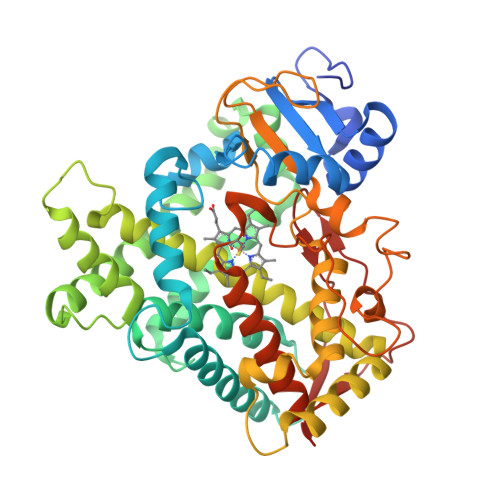
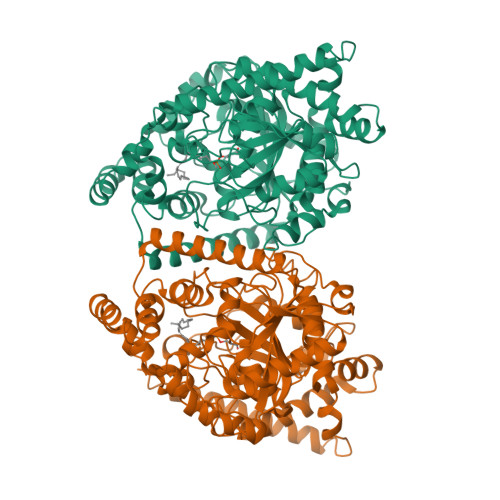
Cytochrome P450 2C9 structureClick to view 3D structureCytochrome P450 2C9P11712HumansPredicted (SEA)
Prediction Confidence Score
0.232
Applicability Domain
0.247 Low confidence
Statistical Significance
0.7168
Supporting Reference Compounds
1245
E-value
5580.54
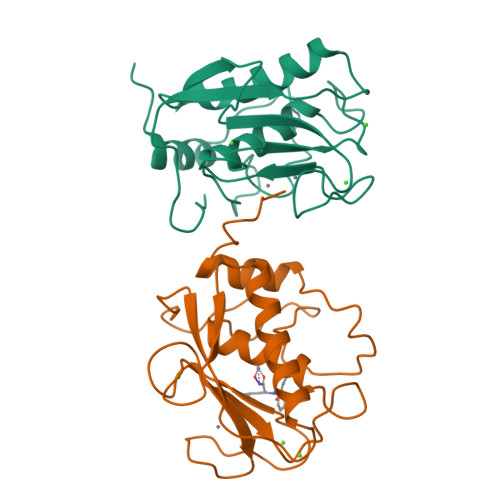
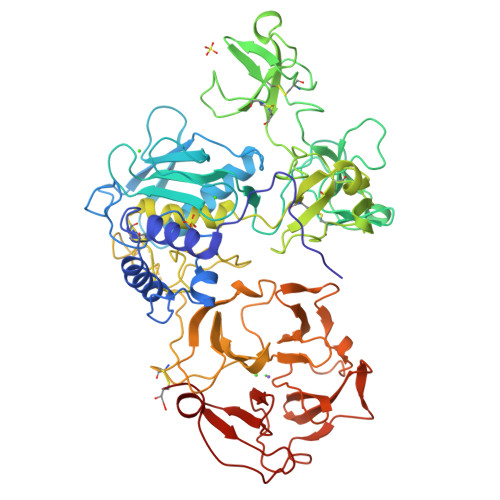
Interstitial collagenase structureClick to view 3D structureInterstitial collagenaseP03956HumansPredicted (SEA)
Prediction Confidence Score
0.229
Applicability Domain
0.237 Low confidence
Statistical Significance
0.2284
Supporting Reference Compounds
258
E-value
1778.39
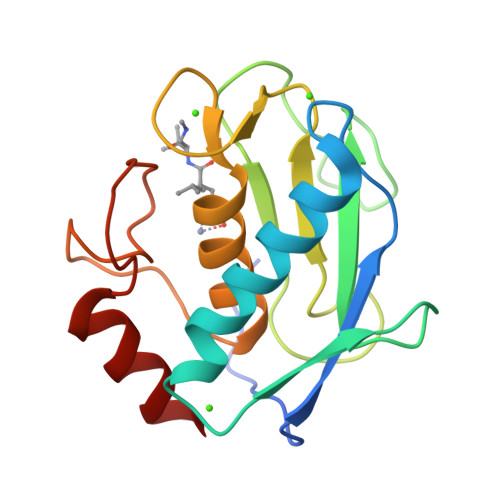
Matrix metalloproteinase-14 structureClick to view 3D structureMatrix metalloproteinase-14P50281HumansPredicted (SEA)
Prediction Confidence Score
0.229
Applicability Domain
0.237 Low confidence
Statistical Significance
0.1803
Supporting Reference Compounds
198
E-value
1403.93
Collagenase 3 structureClick to view 3D structureCollagenase 3P45452HumansPredicted (SEA)
Prediction Confidence Score
0.229
Applicability Domain
0.237 Low confidence
Statistical Significance
0.241
Supporting Reference Compounds
269
E-value
1876.4
Prostaglandin G/H synthase 1 structureClick to view 3D structureProstaglandin G/H synthase 1P05979Ovis ariesPredicted (SEA)
Prediction Confidence Score
0.228
Applicability Domain
0.294 Low confidence
Statistical Significance
0.1024
Supporting Reference Compounds
106
E-value
796.865
Prostaglandin G/H synthase 2 structureClick to view 3D structureProstaglandin G/H synthase 2P35354HumansPredicted (SEA)
Prediction Confidence Score
0.227
Applicability Domain
0.294 Low confidence
Statistical Significance
0.1996
Supporting Reference Compounds
201
E-value
1553.79
Macrophage metalloelastase structureClick to view 3D structureMacrophage metalloelastaseP39900HumansPredicted (SEA)
Prediction Confidence Score
0.225
Applicability Domain
0.243 Low confidence
Statistical Significance
0.1902
Supporting Reference Compounds
136
E-value
1480.69
Cytochrome P450 2D6 structureClick to view 3D structureCytochrome P450 2D6P10635HumansPredicted (SEA)
Prediction Confidence Score
0.224
Applicability Domain
0.237 Low confidence
Statistical Significance
0.7581
Supporting Reference Compounds
1130
E-value
5902.14
Stromelysin-1 structureClick to view 3D structureStromelysin-1P08254HumansPredicted (SEA)
Prediction Confidence Score
0.224
Applicability Domain
0.237 Low confidence
Statistical Significance
0.2238
Supporting Reference Compounds
200
E-value
1742.19
Click to view 3D structureFatty-acid amide hydrolase 1O00519HumansPredicted (SEA)
Prediction Confidence Score
0.223
Applicability Domain
0.241 Low confidence
Statistical Significance
0.1982
Supporting Reference Compounds
106
E-value
1543.13
Click to view 3D structureRNA-directed RNA polymeraseO39930Hepatitis C VirusPredicted (SEA)
Prediction Confidence Score
0.223
Applicability Domain
0.247 Low confidence
Statistical Significance
0.021
Supporting Reference Compounds
37
E-value
163.717
Kappa-type opioid receptor structureClick to view 3D structureKappa-type opioid receptorP41145HumansPredicted (SEA)
Prediction Confidence Score
0.223
Applicability Domain
0.237 Low confidence
Statistical Significance
0.4612
Supporting Reference Compounds
532
E-value
3590.33
Cathepsin B structureClick to view 3D structureCathepsin BP07858HumansPredicted (SEA)
Prediction Confidence Score
0.223
Applicability Domain
0.227 Low confidence
Statistical Significance
0.1794
Supporting Reference Compounds
173
E-value
1396.46
E3 ubiquitin-protein ligase RNF4 structureClick to view 3D structureE3 ubiquitin-protein ligase RNF4P78317HumansPredicted (SEA)
Prediction Confidence Score
0.222
Applicability Domain
0.222 Low confidence
Statistical Significance
0.0245
Supporting Reference Compounds
1
E-value
190.886
Muscarinic acetylcholine receptor M5 structureClick to view 3D structureMuscarinic acetylcholine receptor M5P08912HumansPredicted (SEA)
Prediction Confidence Score
0.222
Applicability Domain
0.227 Low confidence
Statistical Significance
0.2837
Supporting Reference Compounds
266
E-value
2208.74
Procathepsin L structureClick to view 3D structureProcathepsin LP07711HumansPredicted (SEA)
Prediction Confidence Score
0.222
Applicability Domain
0.227 Low confidence
Statistical Significance
0.179
Supporting Reference Compounds
167
E-value
1393.66
Cathepsin K structureClick to view 3D structureCathepsin KP43235HumansPredicted (SEA)
Prediction Confidence Score
0.222
Applicability Domain
0.227 Low confidence
Statistical Significance
0.1512
Supporting Reference Compounds
129
E-value
1177.24
Voltage-gated inwardly rectifying potassium channel KCNH2 structureClick to view 3D structureVoltage-gated inwardly rectifying potassium channel KCNH2Q12809HumansPredicted (SEA)
Prediction Confidence Score
0.222
Applicability Domain
0.237 Low confidence
Statistical Significance
0.8341
Supporting Reference Compounds
1498
E-value
6493.71
Monoglyceride lipase structureClick to view 3D structureMonoglyceride lipaseQ99685HumansPredicted (SEA)
Prediction Confidence Score
0.247
Applicability Domain
0.284 Low confidence
Statistical Significance
0.034
Supporting Reference Compounds
76
E-value
264.454
Fatty-acid amide hydrolase 1 structureClick to view 3D structureFatty-acid amide hydrolase 1P97612Rattus norvegicusPredicted (SEA)
Prediction Confidence Score
0.24
Applicability Domain
0.284 Low confidence
Statistical Significance
0.077
Supporting Reference Compounds
102
E-value
599.128
Kynurenine--oxoglutarate transaminase 1 structureClick to view 3D structureKynurenine--oxoglutarate transaminase 1Q16773HumansPredicted (SEA)
Prediction Confidence Score
0.239
Applicability Domain
0.239 Low confidence
Statistical Significance
0.0041
Supporting Reference Compounds
1
E-value
31.8403
72 kDa type IV collagenase structureClick to view 3D structure72 kDa type IV collagenaseP08253HumansPredicted (SEA)
Prediction Confidence Score
0.238
Applicability Domain
0.243 Low confidence
Statistical Significance
0.2235
Supporting Reference Compounds
400
E-value
1739.85
Matrix metalloproteinase-9 structureClick to view 3D structureMatrix metalloproteinase-9P14780HumansPredicted (SEA)
Prediction Confidence Score
0.238
Applicability Domain
0.243 Low confidence
Statistical Significance
0.1918
Supporting Reference Compounds
292
E-value
1492.99
Click to view 3D structure15-cis-phytoene desaturaseP26294Synechococcus elongatus (strain PCC 7942) (Anacystis nidulans R2)Predicted (SEA)
Prediction Confidence Score
0.237
Applicability Domain
0.237 Low confidence
Statistical Significance
0.023
Supporting Reference Compounds
1
E-value
179.442
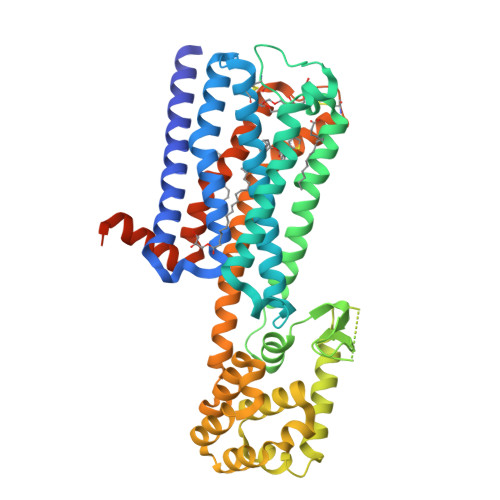
Sodium-dependent serotonin transporter structureClick to view 3D structureSodium-dependent serotonin transporterP31645HumansPredicted (SEA)
Prediction Confidence Score
0.232
Applicability Domain
0.246 Low confidence
Statistical Significance
0.3418
Supporting Reference Compounds
593
E-value
2660.81
Concentrations
Not Available
External Links
DrugBank IDNot Available
HMDB IDNot Available
FooDB IDNot Available
Phenol Explorer IDNot Available
KNApSAcK IDNot Available
BiGG IDNot Available
BioCyc IDNot Available
METLIN IDNot Available
PDB IDNot Available
Wikipedia LinkNot Available
Chemspider IDNot Available
ChEBI ID39336
PubChem Compound ID93357
Kegg Compound IDNot Available
YMDB IDNot Available
ECMDB IDNot Available
References
Synthesis ReferenceNot Available
MSDSNot Available
General ReferencesNot Available