3,3'-Oxydipropionitrile (CED0051124)

Record Information
Version1.0
Creation Date2016-05-22 04:42:54 UTC
Update Date2026-08-23 15:00:11 UTC
SynCED IDCED0051124
Secondary Accession Numbers
  • CHEM017884
Identification
Common Name3,3'-Oxydipropionitrile
ClassSmall Molecule
Description
3,3'-Oxydipropionitrile is an organic nitrogen compound with the chemical formula C6H8N2O and an average molecular weight of 124.14 g/mol. 3,3'-Oxydipropionitrile belongs to the organic cyanides, a subclass of organonitrogen compounds within the organic compounds. This compound has been identified in or released from seven recorded sources. Within the category of household cleaning and consumer products, it is found in pipe accessories, tobacco smoke filters, other smoking requisites, and cigar cigarettes. Additionally, it is associated with electrical and electronic equipment, specifically within fixed capacitors and their manufacture, emergency protective devices, and electrically stimulated smoking devices.
Contaminant TypeNot Available
Chemical Structure
SynonymsNot Available
Chemical FormulaC6H8N2O
Average Molecular Mass124.143 g/mol
Monoisotopic Mass124.064 g/mol
CAS Registry Number1656-48-0
IUPAC Name3-(2-cyanoethoxy)propanenitrile
Traditional Namepropanenitrile, 3,3'-oxybis-
SMILESN#CCCOCCC#N
InChI IdentifierInChI=1S/C6H8N2O/c7-3-1-5-9-6-2-4-8/h1-2,5-6H2
InChI KeyBCGCCTGNWPKXJL-UHFFFAOYSA-N
Chemical Taxonomy
Description Belongs to the class of organic compounds known as nitriles. Nitriles are compounds having the structure RC#N; thus C-substituted derivatives of hydrocyanic acid, HC#N.
KingdomOrganic compounds
Super ClassOrganic nitrogen compounds
ClassOrganonitrogen compounds
Sub ClassOrganic cyanides
Direct ParentNitriles
Alternative Parents
Substituents
  • Nitrile
  • Carbonitrile
  • Ether
  • Dialkyl ether
  • Organic oxygen compound
  • Organopnictogen compound
  • Hydrocarbon derivative
  • Organooxygen compound
  • Aliphatic acyclic compound
Molecular FrameworkAliphatic acyclic compounds
External DescriptorsNot Available
Biological Properties
StatusDetected and Not Quantified
OriginNot Available
Cellular LocationsNot Available
Biofluid LocationsNot Available
Tissue LocationsNot Available
ApplicationsNot Available
Biological RolesNot Available
Chemical RolesNot Available
Organoleptic EffectsNot Available
Physical Properties
StateNot Available
AppearanceNot Available
Experimental Properties
PropertyValue
Melting PointNot Available
Boiling PointNot Available
SolubilityNot Available
Predicted Properties
PropertyValueSource
Water Solubility9.07 g/LALOGPS
logP-0.62ALOGPS
logP-0.33ChemAxon
logS-1.1ALOGPS
pKa (Strongest Basic)-4.1ChemAxon
Physiological Charge0ChemAxon
Hydrogen Acceptor Count3ChemAxon
Hydrogen Donor Count0ChemAxon
Polar Surface Area56.81 ŲChemAxon
Rotatable Bond Count4ChemAxon
Refractivity32.54 m³·mol⁻¹ChemAxon
Polarizability13.11 ųChemAxon
Number of Rings0ChemAxon
BioavailabilityYesChemAxon
Rule of FiveYesChemAxon
Ghose FilterNoChemAxon
Veber's RuleNoChemAxon
MDDR-like RuleNoChemAxon
Spectra
Spectra
Spectrum TypeDescriptionSplash KeyDeposition DateView
Predicted LC-MS/MSPredicted LC-MS/MS Spectrumsplash10-004i-2900000000-32e7f1faa1d0013637adNot AvailableView Spectrum
Predicted LC-MS/MSPredicted LC-MS/MS Spectrumsplash10-0udi-9400000000-060bf000a68ce173aa56Not AvailableView Spectrum
Predicted LC-MS/MSPredicted LC-MS/MS Spectrumsplash10-0udi-9000000000-55fbc046bab270f1748dNot AvailableView Spectrum
Predicted LC-MS/MSPredicted LC-MS/MS Spectrumsplash10-00di-2900000000-789c08bed91f050b86c2Not AvailableView Spectrum
Predicted LC-MS/MSPredicted LC-MS/MS Spectrumsplash10-00di-9600000000-9616e2babf35a0d19f9dNot AvailableView Spectrum
Predicted LC-MS/MSPredicted LC-MS/MS Spectrumsplash10-0fdo-9000000000-e8e8ef4c58d40f54f4edNot AvailableView Spectrum
Toxicity Profile
Toxicity Values
Toxicity ValueOrganismDose DescriptorRoute of ExposurePredicted or ExperimentalToxicity RatingReference
2750.0 Log mg/kg [1500:4900]RatLD50oralpredictedNot AvailableNot Available
Toxicity / Toxin ClassNot Available
Mechanism of ToxicityNot Available
Carcinogenicity (IARC Classification)Not Available
Minimum Risk LevelNot Available
SymptomsNot Available
TreatmentNot Available
Health Effects
Health EffectRelationshipDirectionDescriptionReference
Exposure Sources
Source IDSourceSectorReference
CEDs000010Insecticides?Insecticides are synthetic chemicals designed to control or eliminate insect pests that threaten crops and other agricultural products.Agriculture & land managementPubChem
CEDs000511Conductors Or Conductive Bodies Characterised By The Conductive Materials?Conductors, or conductive bodies, are materials that allow the flow of electrical current, typically made from metals such as copper, aluminum, or silver.Electrical & Electronic EquipmentPubChem
CEDs000518Electrically Stimulated Smoking Devices?Electrically stimulated smoking devices, commonly known as e-cigarettes or vape pens, utilize electrical components to heat a liquid solution, often containing nicotine, flavorings, and other additives, to produce an aerosol for inhalation.Electrical & Electronic EquipmentPubChem
CEDs000519Electrodes?Electrodes, used in various electrical and electronic applications, can be a source of synthetic chemical contamination due to the materials from which they are constructed and the processes involved in their manufacturing.Electrical & Electronic EquipmentPubChem
CEDs000520Emergency Protective Devices?Emergency protective devices, such as circuit breakers and surge protectors, are essential components in electrical systems designed to prevent damage from overcurrent and surges.Electrical & Electronic EquipmentPubChem
CEDs000521Fixed Capacitors And Their Manufacture?Fixed capacitors are passive electronic components used to store and release electrical energy, playing a critical role in various circuits.Electrical & Electronic EquipmentPubChem
CEDs000524Hybrid Capacitors?Hybrid capacitors are energy storage devices that combine the properties of electrolytic and supercapacitors, utilizing a combination of electrochemical principles to achieve higher energy density and power density.Electrical & Electronic EquipmentPubChem
CEDs000556Cigar Cigarettes?Cigar cigarettes are a source of synthetic chemical contamination due to the combustion of various tobacco blends and additives.Household cleaning & consumer productsPubChem
CEDs000560Other Smoking Requisites?Other smoking requisites, including items such as lighters, matches, and rolling papers, can introduce synthetic chemical contamination through various components and additives.Household cleaning & consumer productsPubChem
CEDs000562Pipe Accessories?Pipe accessories, such as fittings, connectors, and seals, are components used in plumbing systems to facilitate the flow of liquids and gases.Household cleaning & consumer productsPubChem
CEDs000569Tobacco Smoke Filters?Tobacco smoke filters are designed to reduce the inhalation of harmful substances in cigarette smoke, including tar and other particulate matter.Household cleaning & consumer productsPubChem
CEDs000578Making Cigars?The process of making cigars involves several steps, including the cultivation of tobacco, fermentation, and the application of various additives to enhance flavor and preservation.Industrial manufacturing & chemical processingPubChem
CEDs000580Manufacture Preparation Of Tobacco Products?The manufacture and preparation of tobacco products involve various processes that can result in the introduction of synthetic chemicals into the environment.Industrial manufacturing & chemical processingPubChem
CEDs000581Paper Making Machines?Paper making machines utilize various synthetic chemicals throughout the production process, including additives, coatings, and bleaching agents.Industrial manufacturing & chemical processingPubChem
CEDs000614Essential Oils Or Perfumes?Essential oils and perfumes are complex mixtures of volatile compounds derived from natural or synthetic sources, commonly used for their aromatic properties.Personal care & cosmeticsPubChem
CEDs000619Manicure Pedicure?Manicure and pedicure procedures often involve the use of various synthetic chemicals, including solvents, nail polishes, and nail adhesives.Personal care & cosmeticsPubChem
CEDs000632Apparel?Apparel production often involves the use of various synthetic chemicals, including dyes, finishing agents, and preservatives.Textiles, leather & furnishingsPubChem
CEDs000639Degreasing Leather?Degreasing leather involves the removal of natural fats and oils from animal hides to prepare them for tanning and finishing processes.Textiles, leather & furnishingsPubChem
CEDs000643Headwear?Headwear made from synthetic materials often incorporates chemicals used in the manufacturing and finishing processes, such as dyes, flame retardants, and water repellents.Textiles, leather & furnishingsPubChem
CEDs000657Surface Finishing Of Leather?Surface finishing of leather often involves the use of various synthetic chemicals, including dyes, resins, and finishing agents.Textiles, leather & furnishingsPubChem
CEDs000662Yarns Or Threads?Yarns or threads used in textiles can be a source of synthetic chemical contamination due to the production processes and treatments they undergo.Textiles, leather & furnishingsPubChem
CEDs000668Non-PFAS Fire Fighting Foam?Non-PFAS fire fighting foam refers to fire suppression agents that do not contain per- and polyfluoroalkyl substances (PFAS), which are synthetic chemicals known for their water- and grease-resistant properties.Fire suppression systems & agentsPubChem
CEDs000678Nitrogenous Fertilisers?Nitrogenous fertilizers are synthetic chemical compounds primarily used to enhance plant growth by supplying essential nitrogen, a crucial nutrient for photosynthesis and protein synthesis.Agriculture & land managementPubChem
CEDs000684Cements?Cements are a composite material primarily used as a binding agent in construction applications, formed by the calcination of limestone and clay minerals at high temperatures.Building & ConstructionPubChem
CEDs000685Ceramics?Ceramics can be a source of synthetic chemical contamination through various additives and processing agents used in their production.Building & ConstructionPubChem
CEDs000690Lime?Lime, primarily comprised of calcium oxide (CaO) or calcium hydroxide (Ca(OH)₂), is widely used in various applications, including as a key ingredient in mortars, plasters, and cement.Building & ConstructionPubChem
CEDs000696Nanotechnology?Nanotechnology involves the manipulation of materials at the molecular or atomic level, typically within the range of 1 to 100 nanometers.Industrial manufacturing & chemical processingPubChem
CEDs000727Printing Machines Or Presses?Printing machines or presses commonly utilize synthetic chemicals such as inks, solvents, and cleaning agents.Paper, pulp & fiber productsPubChem
CEDs000734Coating Compositions?Coating compositions, which include paints, sealants, and varnishes, are formulated with a variety of synthetic chemicals such as solvents, resins, pigments, and additives.Building & ConstructionPubChem
CEDs000735Explosives?Explosives are chemical compounds or mixtures designed to undergo rapid decomposition, releasing energy in the form of gas and heat.Defense & military infrastructurePubChem
CEDs000739Inks?Inks are complex mixtures composed of pigments or dyes, solvents, resins, and additives used primarily for printing and writing applications.Paper, pulp & fiber productsPubChem
CEDs000740Paper?Paper production involves the processing of wood fibers and the use of various chemicals, which can lead to synthetic chemical contamination.Paper, pulp & fiber productsPubChem
CEDs000741Pigment Pastes?Pigment pastes are concentrated dispersions of pigments used to impart color and properties to materials.Paper, pulp & fiber productsPubChem
CEDs000742Leather Tanning?Leather tanning is a process that transforms raw animal hides into durable leather through the application of various chemicals, including chromium salts, aldehydes, and vegetable tannins.Textiles, leather & furnishingsPubChem
CEDs000743Sludge Treatment?Sludge treatment involves the processing of waste materials generated from wastewater treatment plants, which often contain a variety of organic and inorganic substances.Wastewater, sanitation & biosolidsPubChem
CEDs000744Water, Wastewater, & Sewage Treatment?Water, wastewater, and sewage treatment processes are critical for managing and mitigating pollutants in water systems.Wastewater, sanitation & biosolidsPubChem
Pathways
0 pathwaysPathway Source: PathBank

No pathways found

No metabolic pathways have been associated with this synthetic chemical

Targets
StructureProteinUniProt IDOrganismRelationshipDetails
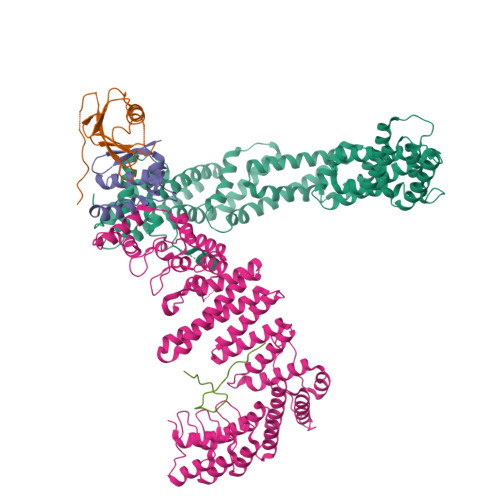
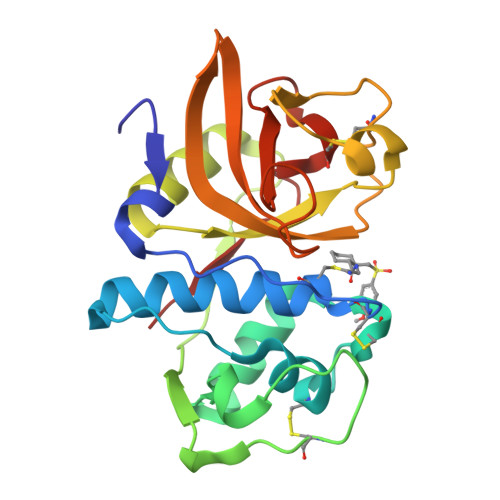
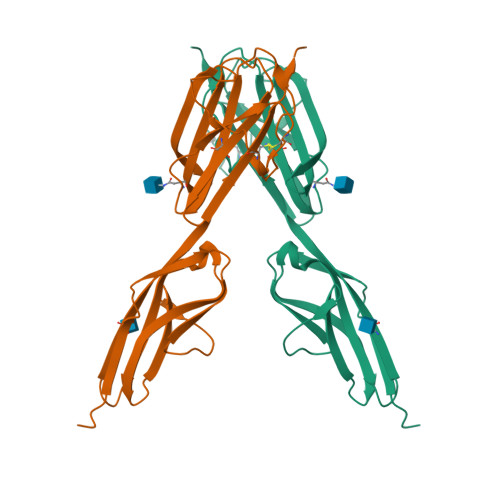
Amine oxidase [flavin-containing] B structureClick to view 3D structureAmine oxidase [flavin-containing] BP27338HumansPredicted (SEA)
Prediction Confidence Score
0.178
Applicability Domain
0.389
Statistical Significance
0.7819
Supporting Reference Compounds
315
E-value
6087.42
4-hydroxy-3-methylbut-2-enyl diphosphate reductase structureClick to view 3D structure4-hydroxy-3-methylbut-2-enyl diphosphate reductaseO67625Aquifex aeolicus (strain VF5)Predicted (SEA)
Prediction Confidence Score
0.156
Applicability Domain
0.156 Low confidence
Statistical Significance
0.001
Supporting Reference Compounds
1
E-value
8.01847
Folliculin-interacting protein 1 structureClick to view 3D structureFolliculin-interacting protein 1Q8TF40HumansPredicted (SEA)
Prediction Confidence Score
0.152
Applicability Domain
0.152 Low confidence
Statistical Significance
0.0283
Supporting Reference Compounds
1
E-value
220.313
Click to view 3D structureSpermine synthaseQ3SZA5Bos taurusPredicted (SEA)
Prediction Confidence Score
0.13
Applicability Domain
0.13 Low confidence
Statistical Significance
0.0012
Supporting Reference Compounds
1
E-value
9.57545
Click to view 3D structureMitochondrial 2-oxodicarboxylate carrierQ8BZ09Mus musculusPredicted (SEA)
Prediction Confidence Score
0.13
Applicability Domain
0.13 Low confidence
Statistical Significance
0.0012
Supporting Reference Compounds
1
E-value
9.57545
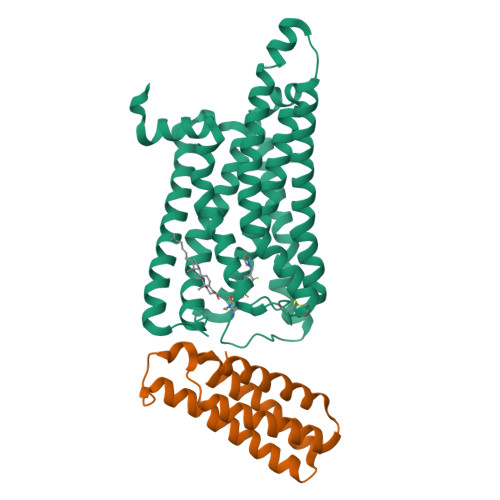
Histamine H3 receptor structureClick to view 3D structureHistamine H3 receptorQ9Y5N1HumansPredicted (SEA)
Prediction Confidence Score
0.13
Applicability Domain
0.15 Low confidence
Statistical Significance
0.9951
Supporting Reference Compounds
294
E-value
7747.01
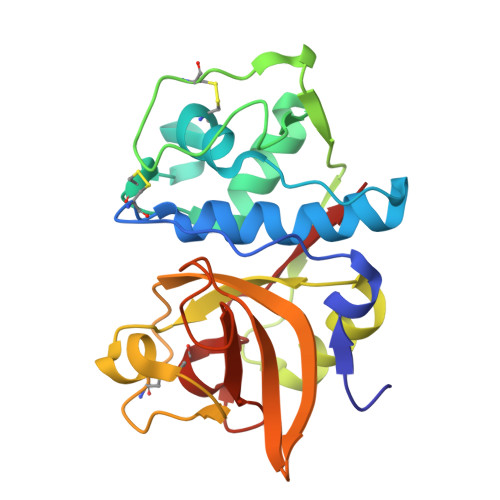
Cathepsin S structureClick to view 3D structureCathepsin SP25774HumansPredicted (SEA)
Prediction Confidence Score
0.13
Applicability Domain
0.143 Low confidence
Statistical Significance
0.986
Supporting Reference Compounds
141
E-value
7675.86
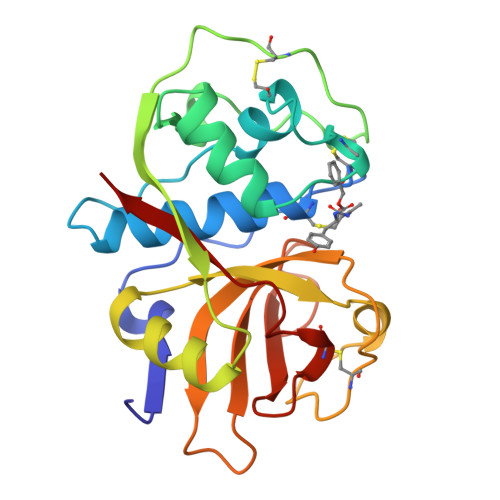
Cathepsin K structureClick to view 3D structureCathepsin KP43235HumansPredicted (SEA)
Prediction Confidence Score
0.13
Applicability Domain
0.143 Low confidence
Statistical Significance
0.9832
Supporting Reference Compounds
129
E-value
7653.82
Papain structureClick to view 3D structurePapainP00784Carica papayaPredicted (SEA)
Prediction Confidence Score
0.129
Applicability Domain
0.143 Low confidence
Statistical Significance
0.7889
Supporting Reference Compounds
35
E-value
6141.84
Histamine H1 receptor structureClick to view 3D structureHistamine H1 receptorP35367HumansPredicted (SEA)
Prediction Confidence Score
0.128
Applicability Domain
0.15 Low confidence
Statistical Significance
0.9978
Supporting Reference Compounds
507
E-value
7767.8
Click to view 3D structureHistamine H3 receptorQ9QYN8Rattus norvegicusPredicted (SEA)
Prediction Confidence Score
0.127
Applicability Domain
0.15 Low confidence
Statistical Significance
0.9724
Supporting Reference Compounds
80
E-value
7570.45
Cathepsin B structureClick to view 3D structureCathepsin BP07858HumansPredicted (SEA)
Prediction Confidence Score
0.127
Applicability Domain
0.143 Low confidence
Statistical Significance
0.9915
Supporting Reference Compounds
173
E-value
7718.83
Click to view 3D structureProcathepsin LP25975Bos taurusPredicted (SEA)
Prediction Confidence Score
0.127
Applicability Domain
0.13 Low confidence
Statistical Significance
0.5299
Supporting Reference Compounds
12
E-value
4124.92
Procathepsin L structureClick to view 3D structureProcathepsin LP07711HumansPredicted (SEA)
Prediction Confidence Score
0.123
Applicability Domain
0.13 Low confidence
Statistical Significance
0.994
Supporting Reference Compounds
167
E-value
7738.06
Vascular endothelial growth factor receptor 2 structureClick to view 3D structureVascular endothelial growth factor receptor 2P35968HumansPredicted (SEA)
Prediction Confidence Score
0.121
Applicability Domain
0.13 Low confidence
Statistical Significance
0.9991
Supporting Reference Compounds
1660
E-value
7778.23
Click to view 3D structureLysyl oxidase homolog 2B5DF27Rattus norvegicusPredicted (SEA)
Prediction Confidence Score
0.12
Applicability Domain
0.389
Statistical Significance
0.0594
Supporting Reference Compounds
4
E-value
462.113
Glycogen synthase kinase-3 beta structureClick to view 3D structureGlycogen synthase kinase-3 betaP49841HumansPredicted (SEA)
Prediction Confidence Score
0.12
Applicability Domain
0.13 Low confidence
Statistical Significance
0.9987
Supporting Reference Compounds
1157
E-value
7774.96
Cruzipain structureClick to view 3D structureCruzipainP25779Trypanosoma cruziPredicted (SEA)
Prediction Confidence Score
0.118
Applicability Domain
0.13 Low confidence
Statistical Significance
0.9867
Supporting Reference Compounds
65
E-value
7681.54
Click to view 3D structureSigma non-opioid intracellular receptor 1Q9R0C9Rattus norvegicusPredicted (SEA)
Prediction Confidence Score
0.117
Applicability Domain
0.135 Low confidence
Statistical Significance
0.9927
Supporting Reference Compounds
207
E-value
7728.25
Induced myeloid leukemia cell differentiation protein Mcl-1 structureClick to view 3D structureInduced myeloid leukemia cell differentiation protein Mcl-1Q07820HumansPredicted (SEA)
Prediction Confidence Score
0.117
Applicability Domain
0.219 Low confidence
Statistical Significance
0.9963
Supporting Reference Compounds
343
E-value
7756.51
Lysyl oxidase homolog 2 structureClick to view 3D structureLysyl oxidase homolog 2Q9Y4K0HumansPredicted (SEA)
Prediction Confidence Score
0.117
Applicability Domain
0.389
Statistical Significance
0.9263
Supporting Reference Compounds
26
E-value
7211.02
Cathepsin K structureClick to view 3D structureCathepsin KP43236Oryctolagus cuniculusPredicted (SEA)
Prediction Confidence Score
0.117
Applicability Domain
0.125 Low confidence
Statistical Significance
0.8966
Supporting Reference Compounds
17
E-value
6979.96
Dual specificity tyrosine-phosphorylation-regulated kinase 1A structureClick to view 3D structureDual specificity tyrosine-phosphorylation-regulated kinase 1AQ13627HumansPredicted (SEA)
Prediction Confidence Score
0.117
Applicability Domain
0.13 Low confidence
Statistical Significance
0.9984
Supporting Reference Compounds
906
E-value
7772.86
Estrogen receptor beta structureClick to view 3D structureEstrogen receptor betaQ92731HumansPredicted (SEA)
Prediction Confidence Score
0.116
Applicability Domain
0.219 Low confidence
Statistical Significance
0.9977
Supporting Reference Compounds
174
E-value
7766.71
Vascular endothelial growth factor receptor 3 structureClick to view 3D structureVascular endothelial growth factor receptor 3P35916HumansPredicted (SEA)
Prediction Confidence Score
0.116
Applicability Domain
0.13 Low confidence
Statistical Significance
0.9986
Supporting Reference Compounds
687
E-value
7774.33
Concentrations
Not Available
External Links
DrugBank IDNot Available
HMDB IDNot Available
FooDB IDNot Available
Phenol Explorer IDNot Available
KNApSAcK IDNot Available
BiGG IDNot Available
BioCyc IDNot Available
METLIN IDNot Available
PDB IDNot Available
Wikipedia LinkNot Available
Chemspider IDNot Available
ChEBI IDNot Available
PubChem Compound ID15452
Kegg Compound IDNot Available
YMDB IDNot Available
ECMDB IDNot Available
References
Synthesis ReferenceNot Available
MSDSNot Available
General ReferencesNot Available