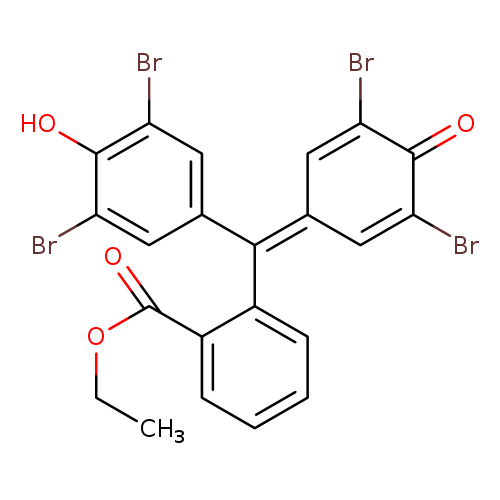
Click to view 3D structure | Streptokinase A | P10520 | Streptococcus pyogenes serotype M1 | Predicted (SEA) | - Prediction Confidence Score
- 0.319
- Applicability Domain
- 0.344
- Statistical Significance
- 0.0119
- Supporting Reference Compounds
- 425
- E-value
- 92.4849
|
| Click to view 3D structure | 2-C-methyl-D-erythritol 2,4-cyclodiphosphate synthase | P9WKG5 | Mycobacterium tuberculosis (strain ATCC 25618 / H37Rv) | Predicted (SEA) | - Prediction Confidence Score
- 0.313
- Applicability Domain
- 0.313
- Statistical Significance
- 6.00e-05
- Supporting Reference Compounds
- 1
- E-value
- 0.467095
|
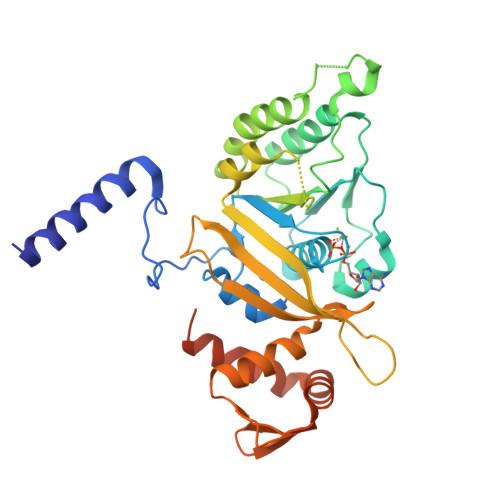 Click to view 3D structure | Protein RecA | P9WHJ3 | Mycobacterium tuberculosis | Predicted (SEA) | - Prediction Confidence Score
- 0.311
- Applicability Domain
- 0.333
- Statistical Significance
- 0.0072
- Supporting Reference Compounds
- 296
- E-value
- 56.2071
|
 Click to view 3D structure | Carbonic anhydrase 9 | Q16790 | Humans | Predicted (SEA) | - Prediction Confidence Score
- 0.303
- Applicability Domain
- 0.34
- Statistical Significance
- 0.0327
- Supporting Reference Compounds
- 372
- E-value
- 254.411
|
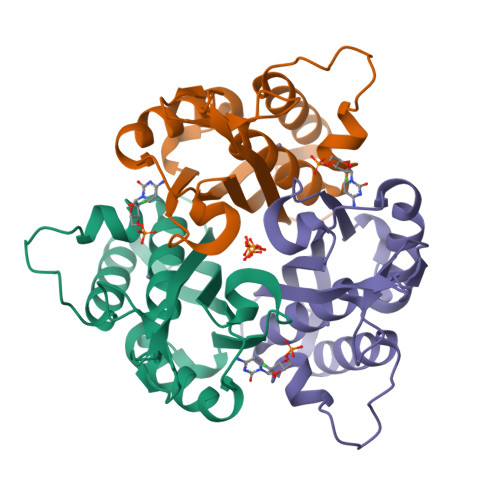 Click to view 3D structure | 2-C-methyl-D-erythritol 2,4-cyclodiphosphate synthase, chloroplastic | Q9CAK8 | Arabidopsis thaliana | Predicted (SEA) | - Prediction Confidence Score
- 0.296
- Applicability Domain
- 0.296 Low confidence
- Statistical Significance
- 1.60e-04
- Supporting Reference Compounds
- 1
- E-value
- 1.24559
|
| Click to view 3D structure | DNA damage-inducible transcript 3 protein | P35639 | Mus musculus | Predicted (SEA) | - Prediction Confidence Score
- 0.293
- Applicability Domain
- 0.308
- Statistical Significance
- 0.0108
- Supporting Reference Compounds
- 226
- E-value
- 83.9215
|
 Click to view 3D structure | X-box-binding protein 1 | P17861 | Humans | Predicted (SEA) | - Prediction Confidence Score
- 0.293
- Applicability Domain
- 0.308
- Statistical Significance
- 0.0108
- Supporting Reference Compounds
- 227
- E-value
- 83.9215
|
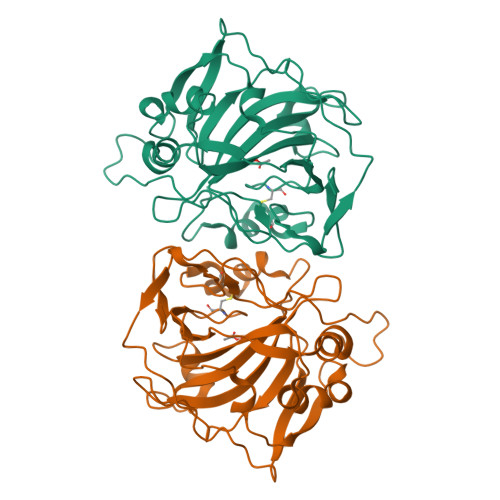 Click to view 3D structure | Carbonic anhydrase 12 | O43570 | Humans | Predicted (SEA) | - Prediction Confidence Score
- 0.288
- Applicability Domain
- 0.34
- Statistical Significance
- 0.0416
- Supporting Reference Compounds
- 332
- E-value
- 323.697
|
| Click to view 3D structure | Heat shock factor protein 1 | P38532 | Mus musculus | Predicted (SEA) | - Prediction Confidence Score
- 0.288
- Applicability Domain
- 0.309
- Statistical Significance
- 0.0134
- Supporting Reference Compounds
- 166
- E-value
- 104.396
|
| Click to view 3D structure | ATP-dependent molecular chaperone HSP82 | C4YTQ8 | Candida albicans (strain WO-1) (Yeast) | Predicted (SEA) | - Prediction Confidence Score
- 0.285
- Applicability Domain
- 0.353
- Statistical Significance
- 0.015
- Supporting Reference Compounds
- 205
- E-value
- 116.54
|
 Click to view 3D structure | Tumor necrosis factor | P01375 | Humans | Predicted (SEA) | - Prediction Confidence Score
- 0.281
- Applicability Domain
- 0.323
- Statistical Significance
- 0.0069
- Supporting Reference Compounds
- 81
- E-value
- 53.8717
|
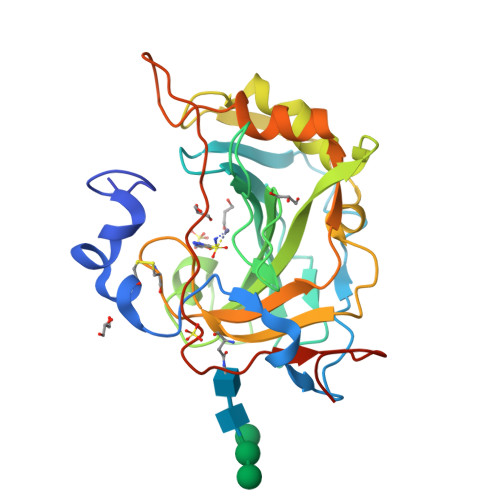 Click to view 3D structure | Carbonic anhydrase 14 | Q9ULX7 | Humans | Predicted (SEA) | - Prediction Confidence Score
- 0.278
- Applicability Domain
- 0.34
- Statistical Significance
- 0.0279
- Supporting Reference Compounds
- 172
- E-value
- 217.511
|
 Click to view 3D structure | Mitochondrial import inner membrane translocase subunit TIM10 | P87108 | Saccharomyces cerevisiae S288c | Predicted (SEA) | - Prediction Confidence Score
- 0.277
- Applicability Domain
- 0.308
- Statistical Significance
- 0.0057
- Supporting Reference Compounds
- 64
- E-value
- 44.6855
|
 Click to view 3D structure | Voltage-gated inwardly rectifying potassium channel KCNH2 | Q12809 | Humans | Predicted (SEA) | - Prediction Confidence Score
- 0.277
- Applicability Domain
- 0.32
- Statistical Significance
- 0.2903
- Supporting Reference Compounds
- 1498
- E-value
- 2260.2
|
 Click to view 3D structure | Induced myeloid leukemia cell differentiation protein Mcl-1 | Q07820 | Humans | Predicted (SEA) | - Prediction Confidence Score
- 0.275
- Applicability Domain
- 0.303
- Statistical Significance
- 0.0428
- Supporting Reference Compounds
- 343
- E-value
- 333.35
|
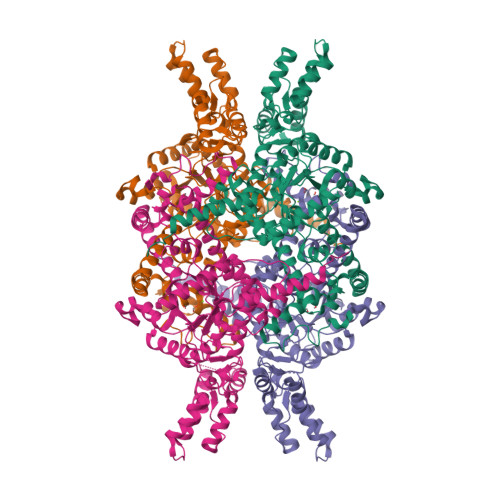 Click to view 3D structure | Isocitrate lyase | Q9P8Q7 | Candida albicans | Predicted (SEA) | - Prediction Confidence Score
- 0.275
- Applicability Domain
- 0.275 Low confidence
- Statistical Significance
- 1.70e-04
- Supporting Reference Compounds
- 1
- E-value
- 1.32344
|
 Click to view 3D structure | Mitogen-activated protein kinase 1 | P28482 | Humans | Predicted (SEA) | - Prediction Confidence Score
- 0.274
- Applicability Domain
- 0.344
- Statistical Significance
- 0.1695
- Supporting Reference Compounds
- 763
- E-value
- 1319.86
|
 Click to view 3D structure | Estrogen receptor beta | Q92731 | Humans | Predicted (SEA) | - Prediction Confidence Score
- 0.274
- Applicability Domain
- 0.34
- Statistical Significance
- 0.0249
- Supporting Reference Compounds
- 174
- E-value
- 194.078
|
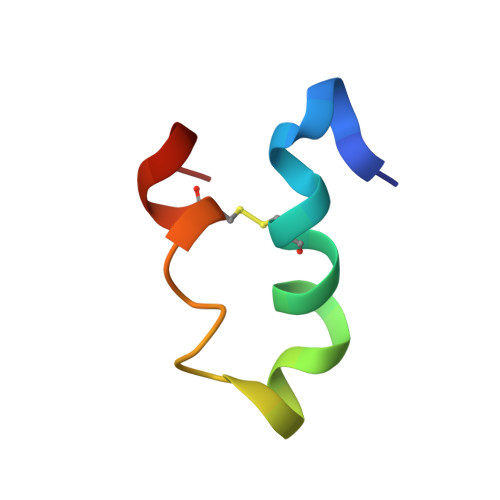 Click to view 3D structure | Sphingosine 1-phosphate receptor 4 | O95977 | Humans | Predicted (SEA) | - Prediction Confidence Score
- 0.273
- Applicability Domain
- 0.308
- Statistical Significance
- 0.0112
- Supporting Reference Compounds
- 117
- E-value
- 86.9576
|
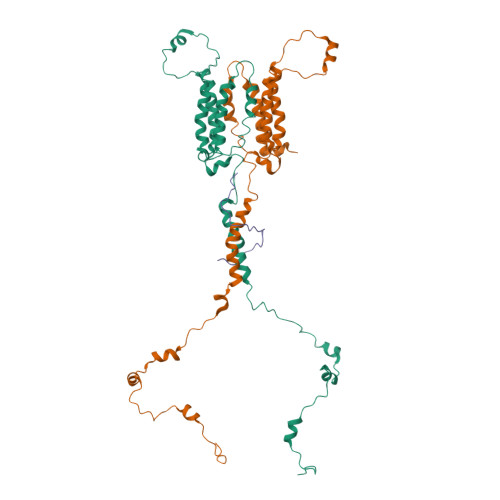 Click to view 3D structure | Mitochondrial import inner membrane translocase subunit TIM23 | P32897 | Saccharomyces cerevisiae S288c | Predicted (SEA) | - Prediction Confidence Score
- 0.273
- Applicability Domain
- 0.308
- Statistical Significance
- 0.0137
- Supporting Reference Compounds
- 75
- E-value
- 107.043
|
 Click to view 3D structure | Serine/threonine-protein kinase pim-1 | P11309 | Humans | Predicted (SEA) | - Prediction Confidence Score
- 0.271
- Applicability Domain
- 0.338
- Statistical Significance
- 0.2126
- Supporting Reference Compounds
- 967
- E-value
- 1655.0
|
 Click to view 3D structure | Apoptotic protease-activating factor 1 | O14727 | Humans | Predicted (SEA) | - Prediction Confidence Score
- 0.268
- Applicability Domain
- 0.333
- Statistical Significance
- 0.0075
- Supporting Reference Compounds
- 112
- E-value
- 58.4648
|
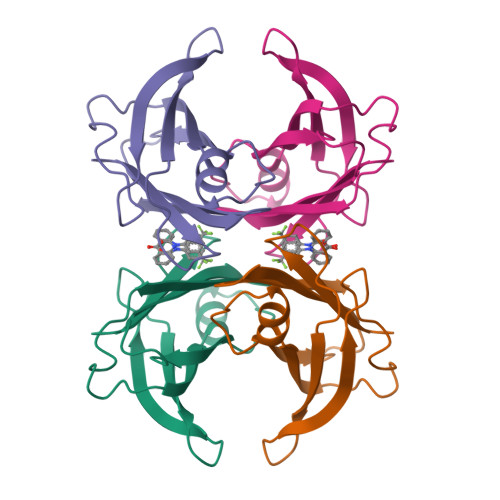 Click to view 3D structure | Transthyretin | P02766 | Humans | Predicted (SEA) | - Prediction Confidence Score
- 0.267
- Applicability Domain
- 0.344
- Statistical Significance
- 0.0086
- Supporting Reference Compounds
- 55
- E-value
- 66.6389
|
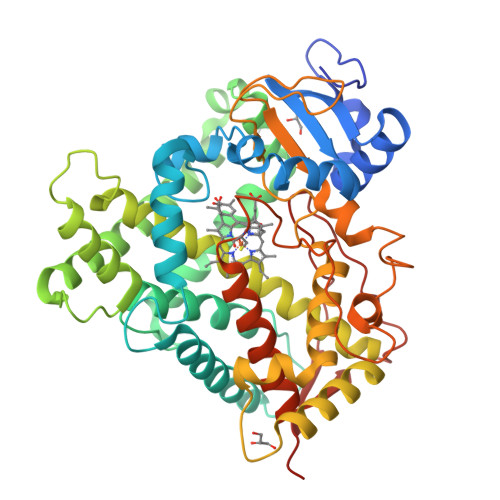 Click to view 3D structure | Cytochrome P450 2C19 | P33261 | Humans | Predicted (SEA) | - Prediction Confidence Score
- 0.266
- Applicability Domain
- 0.344
- Statistical Significance
- 0.2107
- Supporting Reference Compounds
- 825
- E-value
- 1639.97
|
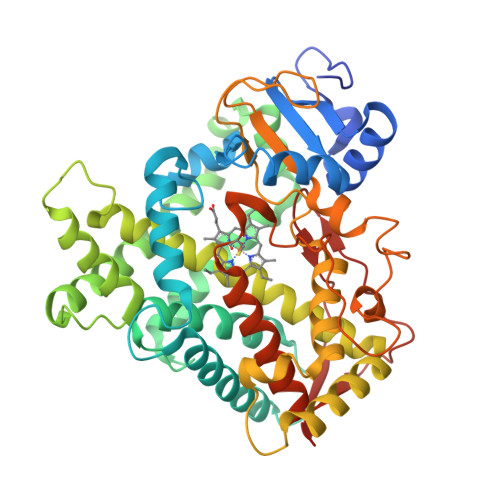 Click to view 3D structure | Cytochrome P450 2C9 | P11712 | Humans | Predicted (SEA) | - Prediction Confidence Score
- 0.265
- Applicability Domain
- 0.344
- Statistical Significance
- 0.3491
- Supporting Reference Compounds
- 1245
- E-value
- 2717.72
|