Triallyl trimellitate (CED0043124)

Record Information
Version1.0
Creation Date2016-05-22 04:56:54 UTC
Update Date2026-08-20 00:03:49 UTC
SynCED IDCED0043124
Secondary Accession Numbers
  • CHEM018080
Identification
Common NameTriallyl trimellitate
ClassSmall Molecule
Description
Triallyl trimellitate is an organic compound with the formula C18H18O6 and an average molecular weight of 330.34 g/mol. Triallyl trimellitate belongs to the benzoic acids and derivatives, a subclass of benzene and substituted derivatives within the organic compounds. It is further classified within the superclass of benzenoids. This compound is found in or released from four recorded sources, specifically electrical and electronic equipment. These sources include antennas, coils, power cables, and emergency protective devices.
Contaminant TypeNot Available
Chemical Structure
Synonyms
ValueSource
Triallyl trimellitic acidGenerator
1,2,4-Tris(prop-2-en-1-yl) benzene-1,2,4-tricarboxylic acidGenerator
Chemical FormulaC18H18O6
Average Molecular Mass330.336 g/mol
Monoisotopic Mass330.110 g/mol
CAS Registry Number2694-54-4
IUPAC Name1,2,4-tris(prop-2-en-1-yl) benzene-1,2,4-tricarboxylate
Traditional Name1,2,4-tris(prop-2-en-1-yl) benzene-1,2,4-tricarboxylate
SMILESC=CCOC(=O)C1=CC(C(=O)OCC=C)=C(C=C1)C(=O)OCC=C
InChI IdentifierInChI=1S/C18H18O6/c1-4-9-22-16(19)13-7-8-14(17(20)23-10-5-2)15(12-13)18(21)24-11-6-3/h4-8,12H,1-3,9-11H2
InChI KeyGRPURDFRFHUDSP-UHFFFAOYSA-N
Chemical Taxonomy
Description Belongs to the class of organic compounds known as benzoic acid esters. These are ester derivatives of benzoic acid.
KingdomOrganic compounds
Super ClassBenzenoids
ClassBenzene and substituted derivatives
Sub ClassBenzoic acids and derivatives
Direct ParentBenzoic acid esters
Alternative Parents
Substituents
  • Benzoate ester
  • Tricarboxylic acid or derivatives
  • Benzoyl
  • Carboxylic acid ester
  • Carboxylic acid derivative
  • Organic oxygen compound
  • Organic oxide
  • Hydrocarbon derivative
  • Organooxygen compound
  • Aromatic homomonocyclic compound
Molecular FrameworkAromatic homomonocyclic compounds
External DescriptorsNot Available
Biological Properties
StatusDetected and Not Quantified
OriginNot Available
Cellular LocationsNot Available
Biofluid LocationsNot Available
Tissue LocationsNot Available
ApplicationsNot Available
Biological RolesNot Available
Chemical RolesNot Available
Organoleptic EffectsNot Available
Physical Properties
StateNot Available
AppearanceNot Available
Experimental Properties
PropertyValue
Melting PointNot Available
Boiling PointNot Available
SolubilityNot Available
Predicted Properties
PropertyValueSource
Water Solubility0.032 g/LALOGPS
logP3.24ALOGPS
logP4.18ChemAxon
logS-4ALOGPS
pKa (Strongest Basic)-6.5ChemAxon
Physiological Charge0ChemAxon
Hydrogen Acceptor Count3ChemAxon
Hydrogen Donor Count0ChemAxon
Polar Surface Area78.9 ŲChemAxon
Rotatable Bond Count12ChemAxon
Refractivity89.62 m³·mol⁻¹ChemAxon
Polarizability34.77 ųChemAxon
Number of Rings1ChemAxon
BioavailabilityYesChemAxon
Rule of FiveYesChemAxon
Ghose FilterYesChemAxon
Veber's RuleNoChemAxon
MDDR-like RuleNoChemAxon
Spectra
Spectra
Spectrum TypeDescriptionSplash KeyDeposition DateView
Predicted LC-MS/MSPredicted LC-MS/MS Spectrumsplash10-00ec-3094000000-187984929590fcbc1b5bNot AvailableView Spectrum
Predicted LC-MS/MSPredicted LC-MS/MS Spectrumsplash10-0006-9040000000-7f5d1189f93dd7342b8aNot AvailableView Spectrum
Predicted LC-MS/MSPredicted LC-MS/MS Spectrumsplash10-00ku-6970000000-3b308244a9805440e485Not AvailableView Spectrum
Predicted LC-MS/MSPredicted LC-MS/MS Spectrumsplash10-002r-1095000000-6aba5c9b7628407d8afeNot AvailableView Spectrum
Predicted LC-MS/MSPredicted LC-MS/MS Spectrumsplash10-0012-0090000000-40505cdf41e5df057da7Not AvailableView Spectrum
Predicted LC-MS/MSPredicted LC-MS/MS Spectrumsplash10-053b-2190000000-2532cd7ca338e3d54bdaNot AvailableView Spectrum
Toxicity Profile
Toxicity Values
Toxicity ValueOrganismDose DescriptorRoute of ExposurePredicted or ExperimentalToxicity RatingReference
2035.0 Log mg/kg [1100:3600]RatLD50oralpredictedNot AvailableNot Available
Toxicity / Toxin ClassNot Available
Mechanism of ToxicityNot Available
Carcinogenicity (IARC Classification)Not Available
Minimum Risk LevelNot Available
SymptomsNot Available
TreatmentNot Available
Health Effects
Health EffectRelationshipDirectionDescriptionReference
Exposure Sources
Source IDSourceSectorReference
CEDs000010Insecticides?Insecticides are synthetic chemicals designed to control or eliminate insect pests that threaten crops and other agricultural products.Agriculture & land managementPubChem
CEDs000506Antennas?Antennas, commonly used in communication technologies, can be a source of synthetic chemical contamination through the materials and coatings used in their construction.Electrical & Electronic EquipmentPubChem
CEDs000508Coils?Coils are components used in various electrical and electronic applications, such as transformers, inductors, and motors.Electrical & Electronic EquipmentPubChem
CEDs000511Conductors Or Conductive Bodies Characterised By The Conductive Materials?Conductors, or conductive bodies, are materials that allow the flow of electrical current, typically made from metals such as copper, aluminum, or silver.Electrical & Electronic EquipmentPubChem
CEDs000517Electric Switches?Electric switches, integral components in numerous devices, can be a source of synthetic chemical contamination due to the materials and manufacturing processes involved in their production.Electrical & Electronic EquipmentPubChem
CEDs000519Electrodes?Electrodes, used in various electrical and electronic applications, can be a source of synthetic chemical contamination due to the materials from which they are constructed and the processes involved in their manufacturing.Electrical & Electronic EquipmentPubChem
CEDs000520Emergency Protective Devices?Emergency protective devices, such as circuit breakers and surge protectors, are essential components in electrical systems designed to prevent damage from overcurrent and surges.Electrical & Electronic EquipmentPubChem
CEDs000521Fixed Capacitors And Their Manufacture?Fixed capacitors are passive electronic components used to store and release electrical energy, playing a critical role in various circuits.Electrical & Electronic EquipmentPubChem
CEDs000524Hybrid Capacitors?Hybrid capacitors are energy storage devices that combine the properties of electrolytic and supercapacitors, utilizing a combination of electrochemical principles to achieve higher energy density and power density.Electrical & Electronic EquipmentPubChem
CEDs000529Power Cables?Power cables are used to transmit electrical energy and are typically composed of conductive materials, insulation, and protective coatings.Electrical & Electronic EquipmentPubChem
CEDs000561Perfumes Within Detergents And Soaps?Perfumes within detergents and soaps are synthetic fragrance compounds added to enhance the sensory experience of cleaning products.Household cleaning & consumer productsPubChem
CEDs000581Paper Making Machines?Paper making machines utilize various synthetic chemicals throughout the production process, including additives, coatings, and bleaching agents.Industrial manufacturing & chemical processingPubChem
CEDs000609Aftershave?Aftershave is a grooming product typically used to soothe and protect the skin following shaving.Personal care & cosmeticsPubChem
CEDs000618Lip Makeup Products?Lip makeup products, such as lipsticks, lip glosses, and lip liners, often contain a variety of synthetic chemicals, including pigments, preservatives, and emollients.Personal care & cosmeticsPubChem
CEDs000619Manicure Pedicure?Manicure and pedicure procedures often involve the use of various synthetic chemicals, including solvents, nail polishes, and nail adhesives.Personal care & cosmeticsPubChem
CEDs000630Toys?Toys, particularly those made from synthetic materials such as plastics, can be a source of chemical contamination due to the presence of various additives and compounds used in their production.Recreation & sports surfacesPubChem
CEDs000632Apparel?Apparel production often involves the use of various synthetic chemicals, including dyes, finishing agents, and preservatives.Textiles, leather & furnishingsPubChem
CEDs000638Decorating Textiles?Decorating textiles often involves the use of synthetic chemicals such as dyes, finishes, and coatings.Textiles, leather & furnishingsPubChem
CEDs000642Footwear?Footwear production often involves the use of various synthetic chemicals, such as adhesives, dyes, and treatments, which can contribute to environmental contamination.Textiles, leather & furnishingsPubChem
CEDs000652Ropes?Ropes manufactured from synthetic fibers, such as polypropylene, nylon, and polyester, are widely used in various applications, including marine, construction, and outdoor activities.Textiles, leather & furnishingsPubChem
CEDs000653Sewing?Sewing processes often involve the use of various synthetic chemicals, which can become sources of contamination in the environment.Textiles, leather & furnishingsPubChem
CEDs000662Yarns Or Threads?Yarns or threads used in textiles can be a source of synthetic chemical contamination due to the production processes and treatments they undergo.Textiles, leather & furnishingsPubChem
CEDs000685Ceramics?Ceramics can be a source of synthetic chemical contamination through various additives and processing agents used in their production.Building & ConstructionPubChem
CEDs000688Glass Coatings?Glass coatings are synthetic chemical formulations applied to glass surfaces to enhance properties such as durability, UV resistance, and aesthetic appeal.Building & ConstructionPubChem
CEDs000696Nanotechnology?Nanotechnology involves the manipulation of materials at the molecular or atomic level, typically within the range of 1 to 100 nanometers.Industrial manufacturing & chemical processingPubChem
CEDs000727Printing Machines Or Presses?Printing machines or presses commonly utilize synthetic chemicals such as inks, solvents, and cleaning agents.Paper, pulp & fiber productsPubChem
CEDs000735Explosives?Explosives are chemical compounds or mixtures designed to undergo rapid decomposition, releasing energy in the form of gas and heat.Defense & military infrastructurePubChem
CEDs000736Fuses?Fuses are safety devices designed to protect electrical circuits by breaking the circuit when excessive current flows through.Electrical & Electronic EquipmentPubChem
CEDs000739Inks?Inks are complex mixtures composed of pigments or dyes, solvents, resins, and additives used primarily for printing and writing applications.Paper, pulp & fiber productsPubChem
CEDs000740Paper?Paper production involves the processing of wood fibers and the use of various chemicals, which can lead to synthetic chemical contamination.Paper, pulp & fiber productsPubChem
CEDs000741Pigment Pastes?Pigment pastes are concentrated dispersions of pigments used to impart color and properties to materials.Paper, pulp & fiber productsPubChem
CEDs000743Sludge Treatment?Sludge treatment involves the processing of waste materials generated from wastewater treatment plants, which often contain a variety of organic and inorganic substances.Wastewater, sanitation & biosolidsPubChem
CEDs000744Water, Wastewater, & Sewage Treatment?Water, wastewater, and sewage treatment processes are critical for managing and mitigating pollutants in water systems.Wastewater, sanitation & biosolidsPubChem
Pathways
0 pathwaysPathway Source: PathBank

No pathways found

No metabolic pathways have been associated with this synthetic chemical

Targets
StructureProteinUniProt IDOrganismRelationshipDetails
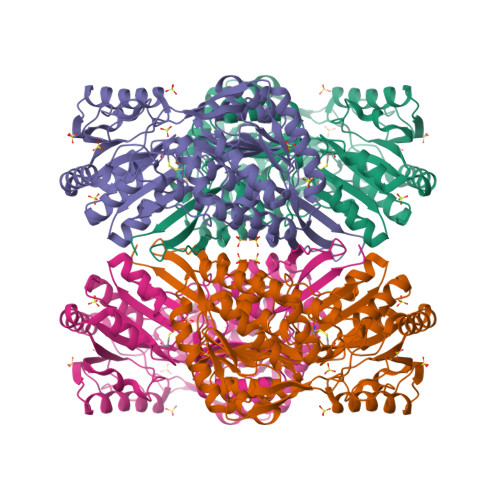
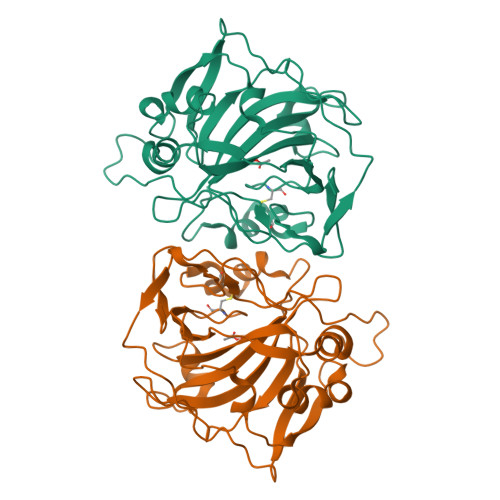
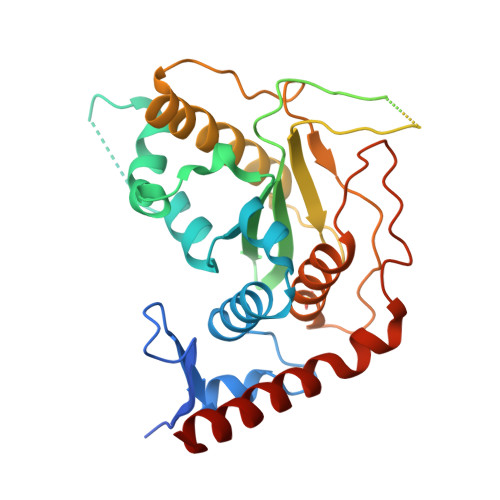
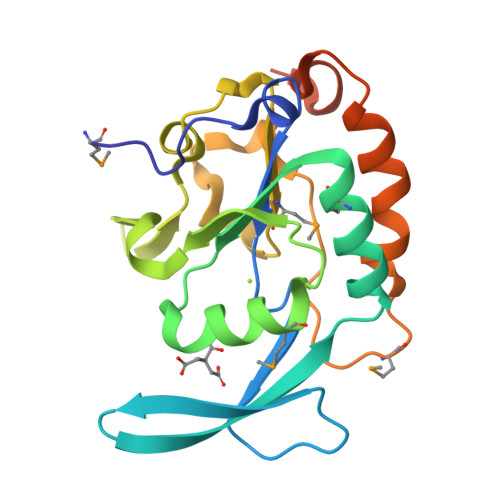
Succinate-semialdehyde dehydrogenase, mitochondrial structureClick to view 3D structureSuccinate-semialdehyde dehydrogenase, mitochondrialP51649HumansPredicted (SEA)
Prediction Confidence Score
0.289
Applicability Domain
0.289 Low confidence
Statistical Significance
2.80e-04
Supporting Reference Compounds
1
E-value
2.17978
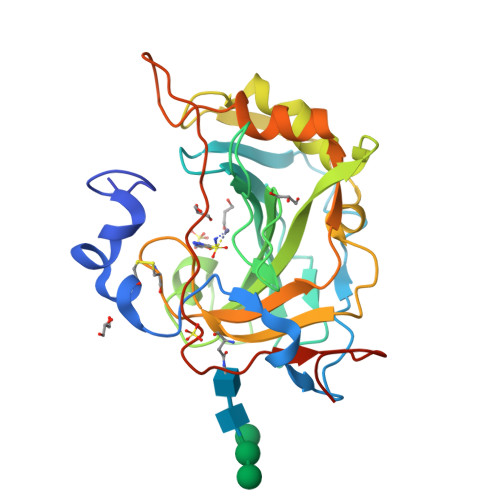
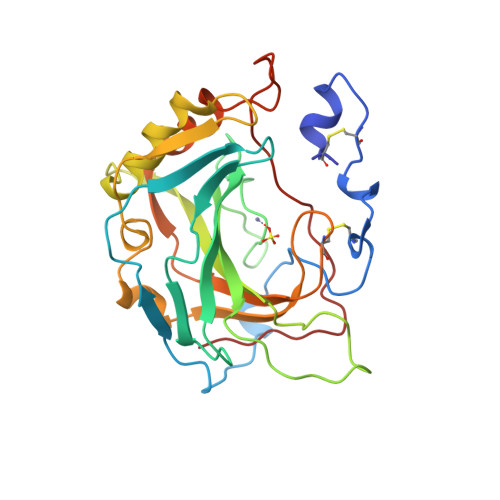
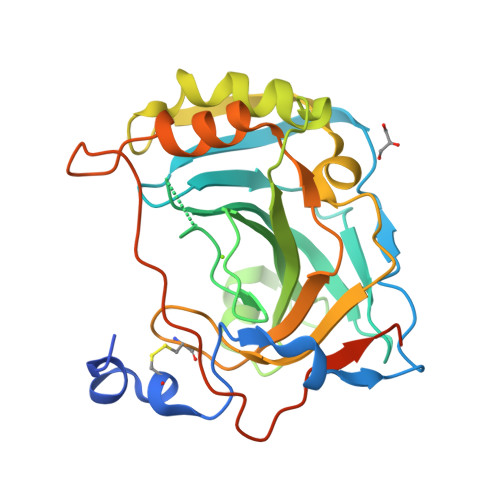
Carbonic anhydrase 9 structureClick to view 3D structureCarbonic anhydrase 9Q16790HumansPredicted (SEA)
Prediction Confidence Score
0.271
Applicability Domain
0.333
Statistical Significance
0.0738
Supporting Reference Compounds
372
E-value
574.605
Carbonic anhydrase 14 structureClick to view 3D structureCarbonic anhydrase 14Q9ULX7HumansPredicted (SEA)
Prediction Confidence Score
0.271
Applicability Domain
0.333
Statistical Significance
0.0335
Supporting Reference Compounds
172
E-value
260.639
Carbonic anhydrase 7 structureClick to view 3D structureCarbonic anhydrase 7P43166HumansPredicted (SEA)
Prediction Confidence Score
0.269
Applicability Domain
0.333
Statistical Significance
0.0464
Supporting Reference Compounds
242
E-value
361.298
Carbonic anhydrase 12 structureClick to view 3D structureCarbonic anhydrase 12O43570HumansPredicted (SEA)
Prediction Confidence Score
0.269
Applicability Domain
0.333
Statistical Significance
0.0688
Supporting Reference Compounds
332
E-value
535.836
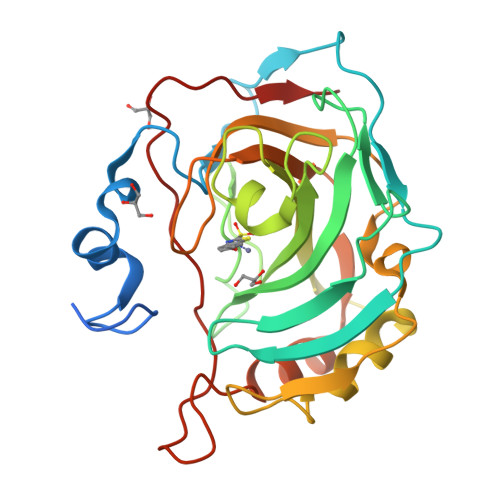
Carbonic anhydrase 2 structureClick to view 3D structureCarbonic anhydrase 2P00918HumansPredicted (SEA)
Prediction Confidence Score
0.267
Applicability Domain
0.333
Statistical Significance
0.105
Supporting Reference Compounds
472
E-value
817.573
Carbonic anhydrase 1 structureClick to view 3D structureCarbonic anhydrase 1P00915HumansPredicted (SEA)
Prediction Confidence Score
0.267
Applicability Domain
0.333
Statistical Significance
0.0868
Supporting Reference Compounds
407
E-value
675.42
Sentrin-specific protease 7 structureClick to view 3D structureSentrin-specific protease 7Q9BQF6HumansPredicted (SEA)
Prediction Confidence Score
0.251
Applicability Domain
0.277 Low confidence
Statistical Significance
0.0635
Supporting Reference Compounds
118
E-value
494.498
Induced myeloid leukemia cell differentiation protein Mcl-1 structureClick to view 3D structureInduced myeloid leukemia cell differentiation protein Mcl-1Q07820HumansPredicted (SEA)
Prediction Confidence Score
0.25
Applicability Domain
0.3
Statistical Significance
0.1011
Supporting Reference Compounds
343
E-value
787.445
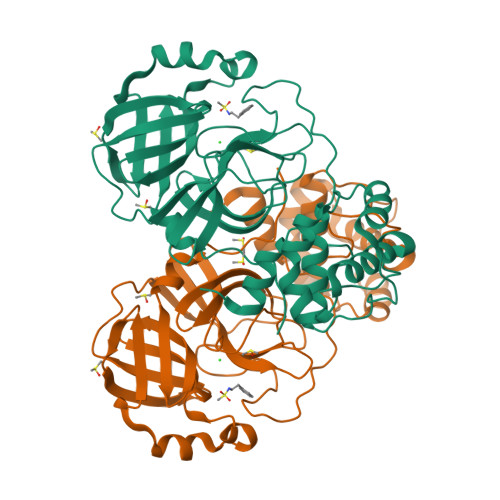
Replicase polyprotein 1ab structureClick to view 3D structureReplicase polyprotein 1abP0DTD1SARS-CoV-2Predicted (SEA)
Prediction Confidence Score
0.246
Applicability Domain
0.3
Statistical Significance
0.0704
Supporting Reference Compounds
215
E-value
548.37
Click to view 3D structureSentrin-specific protease 6Q9GZR1HumansPredicted (SEA)
Prediction Confidence Score
0.241
Applicability Domain
0.277 Low confidence
Statistical Significance
0.0433
Supporting Reference Compounds
93
E-value
337.165
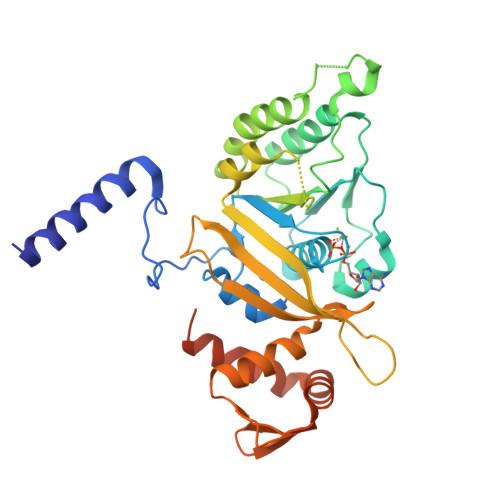
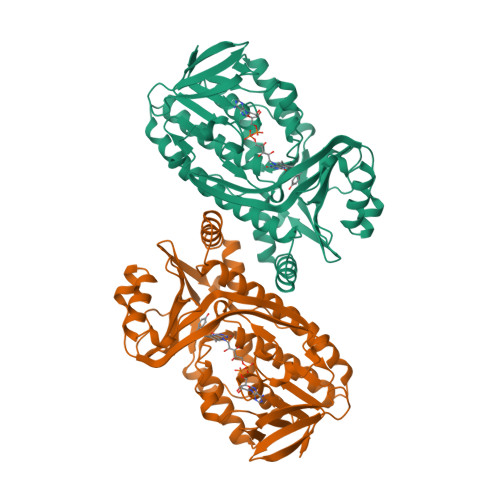
Click to view 3D structureAminodeoxyfutalosine synthaseQ5SK48Thermus thermophilus (strain HB8 / ATCC 27634 / DSM 579)Predicted (SEA)
Prediction Confidence Score
0.239
Applicability Domain
0.239 Low confidence
Statistical Significance
0.0051
Supporting Reference Compounds
1
E-value
39.3917
Protein RecA structureClick to view 3D structureProtein RecAP9WHJ3Mycobacterium tuberculosisPredicted (SEA)
Prediction Confidence Score
0.238
Applicability Domain
0.246 Low confidence
Statistical Significance
0.1614
Supporting Reference Compounds
296
E-value
1256.25
Estrogen receptor beta structureClick to view 3D structureEstrogen receptor betaQ92731HumansPredicted (SEA)
Prediction Confidence Score
0.237
Applicability Domain
0.333
Statistical Significance
0.0952
Supporting Reference Compounds
174
E-value
741.358
Epidermal growth factor receptor structureClick to view 3D structureEpidermal growth factor receptorP00533HumansPredicted (SEA)
Prediction Confidence Score
0.236
Applicability Domain
0.286 Low confidence
Statistical Significance
0.5526
Supporting Reference Compounds
1301
E-value
4302.1
Click to view 3D structureSqualene monooxygenaseP52020Rattus norvegicusPredicted (SEA)
Prediction Confidence Score
0.236
Applicability Domain
0.255 Low confidence
Statistical Significance
0.0011
Supporting Reference Compounds
12
E-value
8.56341
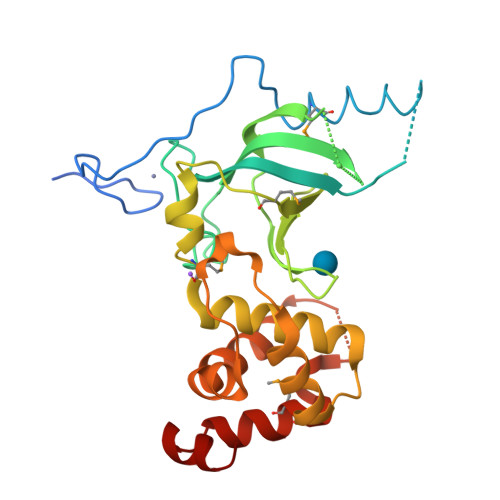
Tyrosine-protein kinase Lck structureClick to view 3D structureTyrosine-protein kinase LckP06239HumansPredicted (SEA)
Prediction Confidence Score
0.235
Applicability Domain
0.286 Low confidence
Statistical Significance
0.5547
Supporting Reference Compounds
1130
E-value
4318.69
Carbonic anhydrase 4 structureClick to view 3D structureCarbonic anhydrase 4P22748HumansPredicted (SEA)
Prediction Confidence Score
0.233
Applicability Domain
0.241 Low confidence
Statistical Significance
0.1028
Supporting Reference Compounds
193
E-value
799.979
Cyclic nucleotide-gated channel alpha-1 structureClick to view 3D structureCyclic nucleotide-gated channel alpha-1Q00194Bos taurusPredicted (SEA)
Prediction Confidence Score
0.233
Applicability Domain
0.245 Low confidence
Statistical Significance
0.0032
Supporting Reference Compounds
2
E-value
25.301
Carboxy-terminal domain RNA polymerase II polypeptide A small phosphatase 1 structureClick to view 3D structureCarboxy-terminal domain RNA polymerase II polypeptide A small phosphatase 1Q9GZU7HumansPredicted (SEA)
Prediction Confidence Score
0.231
Applicability Domain
0.24 Low confidence
Statistical Significance
0.1001
Supporting Reference Compounds
128
E-value
779.037
p-hydroxybenzoate hydroxylase structureClick to view 3D structurep-hydroxybenzoate hydroxylaseP00438Pseudomonas fluorescensPredicted (SEA)
Prediction Confidence Score
0.229
Applicability Domain
0.229 Low confidence
Statistical Significance
0.0243
Supporting Reference Compounds
1
E-value
188.862
Sigma non-opioid intracellular receptor 1 structureClick to view 3D structureSigma non-opioid intracellular receptor 1Q99720HumansPredicted (SEA)
Prediction Confidence Score
0.229
Applicability Domain
0.278 Low confidence
Statistical Significance
0.388
Supporting Reference Compounds
562
E-value
3020.86
DNA (cytosine-5)-methyltransferase 1 structureClick to view 3D structureDNA (cytosine-5)-methyltransferase 1P26358HumansPredicted (SEA)
Prediction Confidence Score
0.229
Applicability Domain
0.3
Statistical Significance
0.0911
Supporting Reference Compounds
116
E-value
709.362
Amine oxidase [flavin-containing] A structureClick to view 3D structureAmine oxidase [flavin-containing] AP21397HumansPredicted (SEA)
Prediction Confidence Score
0.227
Applicability Domain
0.278 Low confidence
Statistical Significance
0.1988
Supporting Reference Compounds
241
E-value
1547.41
Carbonic anhydrase 6 structureClick to view 3D structureCarbonic anhydrase 6P23280HumansPredicted (SEA)
Prediction Confidence Score
0.226
Applicability Domain
0.241 Low confidence
Statistical Significance
0.1006
Supporting Reference Compounds
151
E-value
783.085
Concentrations
Not Available
External Links
DrugBank IDNot Available
HMDB IDNot Available
FooDB IDNot Available
Phenol Explorer IDNot Available
KNApSAcK IDNot Available
BiGG IDNot Available
BioCyc IDNot Available
METLIN IDNot Available
PDB IDNot Available
Wikipedia LinkNot Available
Chemspider IDNot Available
ChEBI IDNot Available
PubChem Compound ID75903
Kegg Compound IDNot Available
YMDB IDNot Available
ECMDB IDNot Available
References
Synthesis ReferenceNot Available
MSDSNot Available
General ReferencesNot Available