2-Fluorobiphenyl (CED0018401)

Record Information
Version1.0
Creation Date2016-05-22 06:19:55 UTC
Update Date2026-08-18 22:05:16 UTC
SynCED IDCED0018401
Secondary Accession Numbers
  • CHEM019596
Identification
Common Name2-Fluorobiphenyl
ClassSmall Molecule
Description
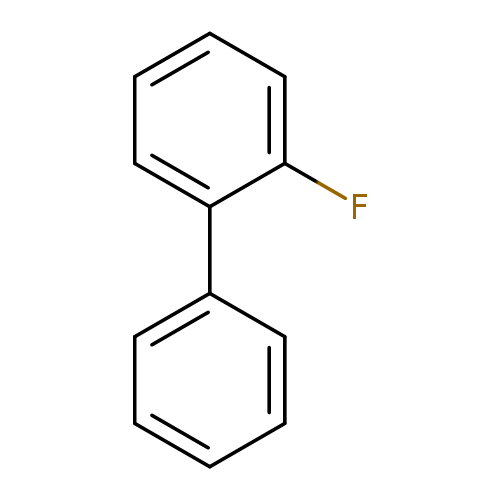
2-Fluorobiphenyl is an organic compound with the formula C12H9F and an average molecular weight of 172.20 g/mol. 2-Fluorobiphenyl belongs to the biphenyls and derivatives, a subclass of benzene and substituted derivatives within the organic compounds. It is categorized under the superclass of benzenoids. This substance has been identified as being found in or released from one recorded source: electrical and electronic equipment, specifically electric switches.
Contaminant TypeNot Available
Chemical Structure
Synonyms
ValueSource
2-fluoro-BiphenylChEMBL
Chemical FormulaC12H9F
Average Molecular Mass172.202 g/mol
Monoisotopic Mass172.069 g/mol
CAS Registry Number321-60-8
IUPAC Name2-fluoro-1,1'-biphenyl
Traditional Name2-fluoro-1,1'-biphenyl
SMILESFC1=CC=CC=C1C1=CC=CC=C1
InChI IdentifierInChI=1S/C12H9F/c13-12-9-5-4-8-11(12)10-6-2-1-3-7-10/h1-9H
InChI KeyKLECYOQFQXJYBC-UHFFFAOYSA-N
Chemical Taxonomy
Description Belongs to the class of organic compounds known as biphenyls and derivatives. These are organic compounds containing to benzene rings linked together by a C-C bond.
KingdomOrganic compounds
Super ClassBenzenoids
ClassBenzene and substituted derivatives
Sub ClassBiphenyls and derivatives
Direct ParentBiphenyls and derivatives
Alternative Parents
Substituents
  • Biphenyl
  • Halobenzene
  • Fluorobenzene
  • Aryl halide
  • Aryl fluoride
  • Hydrofluorocarbon
  • Hydrocarbon derivative
  • Organofluoride
  • Organohalogen compound
  • Aromatic homomonocyclic compound
Molecular FrameworkAromatic homomonocyclic compounds
External DescriptorsNot Available
Biological Properties
StatusDetected and Not Quantified
OriginNot Available
Cellular LocationsNot Available
Biofluid LocationsNot Available
Tissue LocationsNot Available
ApplicationsNot Available
Biological RolesNot Available
Chemical RolesNot Available
Organoleptic EffectsNot Available
Physical Properties
StateNot Available
AppearanceNot Available
Experimental Properties
PropertyValue
Melting PointNot Available
Boiling PointNot Available
SolubilityNot Available
Predicted Properties
PropertyValueSource
Water Solubility0.023 g/LALOGPS
logP4.01ALOGPS
logP3.76ChemAxon
logS-3.9ALOGPS
Physiological Charge0ChemAxon
Hydrogen Acceptor Count0ChemAxon
Hydrogen Donor Count0ChemAxon
Polar Surface Area0 ŲChemAxon
Rotatable Bond Count1ChemAxon
Refractivity51.41 m³·mol⁻¹ChemAxon
Polarizability18.04 ųChemAxon
Number of Rings2ChemAxon
BioavailabilityYesChemAxon
Rule of FiveYesChemAxon
Ghose FilterYesChemAxon
Veber's RuleYesChemAxon
MDDR-like RuleNoChemAxon
Spectra
Spectra
Spectrum TypeDescriptionSplash KeyDeposition DateView
Predicted LC-MS/MSPredicted LC-MS/MS Spectrumsplash10-00di-0900000000-22a15302887b1c761e0fNot AvailableView Spectrum
Predicted LC-MS/MSPredicted LC-MS/MS Spectrumsplash10-00di-0900000000-ba77523421746809dfa0Not AvailableView Spectrum
Predicted LC-MS/MSPredicted LC-MS/MS Spectrumsplash10-0fmj-3900000000-a98c821633fb99969c6aNot AvailableView Spectrum
Predicted LC-MS/MSPredicted LC-MS/MS Spectrumsplash10-00di-0900000000-164108522a9f32cab783Not AvailableView Spectrum
Predicted LC-MS/MSPredicted LC-MS/MS Spectrumsplash10-00di-1900000000-cb6680e723fd57f12756Not AvailableView Spectrum
Toxicity Profile
Toxicity Values
Toxicity ValueOrganismDose DescriptorRoute of ExposurePredicted or ExperimentalToxicity RatingReference
952.0 Log mg/kg [540:1700]RatLD50oralpredictedNot AvailableNot Available
Toxicity / Toxin ClassNot Available
Mechanism of ToxicityNot Available
Carcinogenicity (IARC Classification)Not Available
Minimum Risk LevelNot Available
SymptomsNot Available
TreatmentNot Available
Health Effects
Health EffectRelationshipDirectionDescriptionReference
Exposure Sources
Source IDSourceSectorReference
CEDs000010Insecticides?Insecticides are synthetic chemicals designed to control or eliminate insect pests that threaten crops and other agricultural products.Agriculture & land managementPubChem
CEDs000511Conductors Or Conductive Bodies Characterised By The Conductive Materials?Conductors, or conductive bodies, are materials that allow the flow of electrical current, typically made from metals such as copper, aluminum, or silver.Electrical & Electronic EquipmentPubChem
CEDs000517Electric Switches?Electric switches, integral components in numerous devices, can be a source of synthetic chemical contamination due to the materials and manufacturing processes involved in their production.Electrical & Electronic EquipmentPubChem
CEDs000519Electrodes?Electrodes, used in various electrical and electronic applications, can be a source of synthetic chemical contamination due to the materials from which they are constructed and the processes involved in their manufacturing.Electrical & Electronic EquipmentPubChem
CEDs000524Hybrid Capacitors?Hybrid capacitors are energy storage devices that combine the properties of electrolytic and supercapacitors, utilizing a combination of electrochemical principles to achieve higher energy density and power density.Electrical & Electronic EquipmentPubChem
CEDs000561Perfumes Within Detergents And Soaps?Perfumes within detergents and soaps are synthetic fragrance compounds added to enhance the sensory experience of cleaning products.Household cleaning & consumer productsPubChem
CEDs000596Acaricides?Acaricides are synthetic chemicals specifically designed to target and control mite populations that can damage crops and plants.Agriculture & land managementPubChem
CEDs000600Herbicides And Algicides?Herbicides and algicides are synthetic chemicals primarily used to control unwanted plants and algae in various environments.Agriculture & land managementPubChem
CEDs000602Molluscicides?Molluscicides are synthetic chemicals specifically designed to control and eliminate mollusks, such as snails and slugs, which can be detrimental to crops and agricultural productivity.Agriculture & land managementPubChem
CEDs000603Nematocides?Nematocides are synthetic chemicals specifically designed to control nematodes, which are microscopic roundworms that can cause significant damage to crops and plants.Agriculture & land managementPubChem
CEDs000604Pest Attractants?Pest attractants are synthetic chemicals designed to lure specific pests for monitoring or control purposes.Agriculture & land managementPubChem
CEDs000605Pest Repellants?Pest repellents, often formulated from synthetic chemicals, are widely used to protect crops from insect infestations and other pests.Agriculture & land managementPubChem
CEDs000606Plant Growth Regulators?Plant Growth Regulators (PGRs) are synthetic chemicals designed to influence the growth and development of plants.Agriculture & land managementPubChem
CEDs000678Nitrogenous Fertilisers?Nitrogenous fertilizers are synthetic chemical compounds primarily used to enhance plant growth by supplying essential nitrogen, a crucial nutrient for photosynthesis and protein synthesis.Agriculture & land managementPubChem
CEDs000679Phosphatic Fertilisers?Phosphatic fertilizers are synthetic chemical products primarily composed of phosphorus, which is essential for plant growth.Agriculture & land managementPubChem
CEDs000696Nanotechnology?Nanotechnology involves the manipulation of materials at the molecular or atomic level, typically within the range of 1 to 100 nanometers.Industrial manufacturing & chemical processingPubChem
CEDs000739Inks?Inks are complex mixtures composed of pigments or dyes, solvents, resins, and additives used primarily for printing and writing applications.Paper, pulp & fiber productsPubChem
CEDs000741Pigment Pastes?Pigment pastes are concentrated dispersions of pigments used to impart color and properties to materials.Paper, pulp & fiber productsPubChem
CEDs000743Sludge Treatment?Sludge treatment involves the processing of waste materials generated from wastewater treatment plants, which often contain a variety of organic and inorganic substances.Wastewater, sanitation & biosolidsPubChem
CEDs000744Water, Wastewater, & Sewage Treatment?Water, wastewater, and sewage treatment processes are critical for managing and mitigating pollutants in water systems.Wastewater, sanitation & biosolidsPubChem
CEDs02255WaterAquatic systems & sedimentsPMC6702189
CEDs02264SedimentAquatic systems & sedimentsPMC6702189
CEDs02281Water SampleAquatic systems & sedimentsPMC6702189
CEDs03009Waste WaterWastewater, sanitation & biosolidsPMC7860057
Pathways
0 pathwaysPathway Source: PathBank

No pathways found

No metabolic pathways have been associated with this synthetic chemical

Targets
StructureProteinUniProt IDOrganismRelationshipDetails
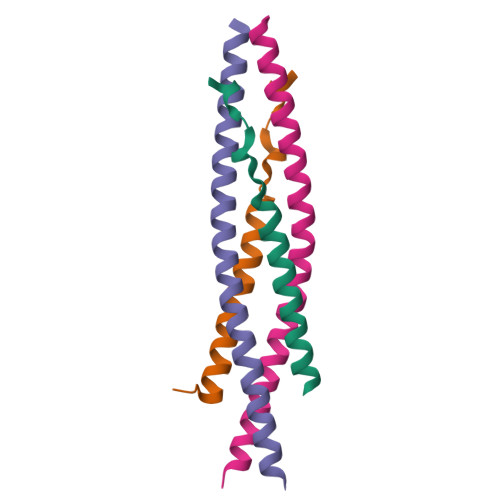
Prostaglandin G/H synthase 1 structureClick to view 3D structureProstaglandin G/H synthase 1P23219HumansPredicted (SEA)
Prediction Confidence Score
0.315
Applicability Domain
0.412
Statistical Significance
0.007
Supporting Reference Compounds
136
E-value
54.8837
Prostaglandin G/H synthase 2 structureClick to view 3D structureProstaglandin G/H synthase 2P35354HumansPredicted (SEA)
Prediction Confidence Score
0.31
Applicability Domain
0.412
Statistical Significance
0.0127
Supporting Reference Compounds
201
E-value
98.7907
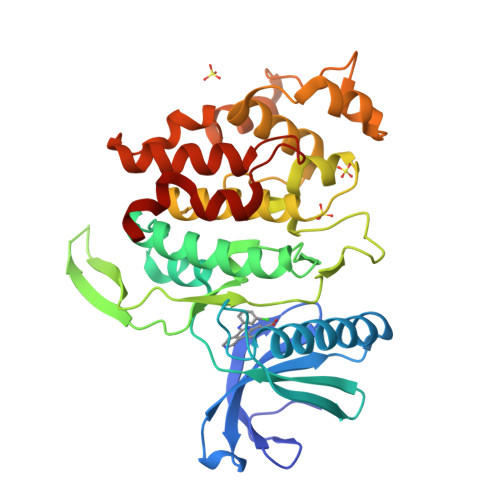
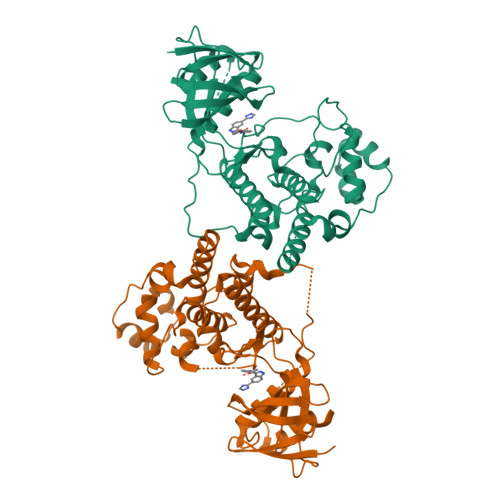
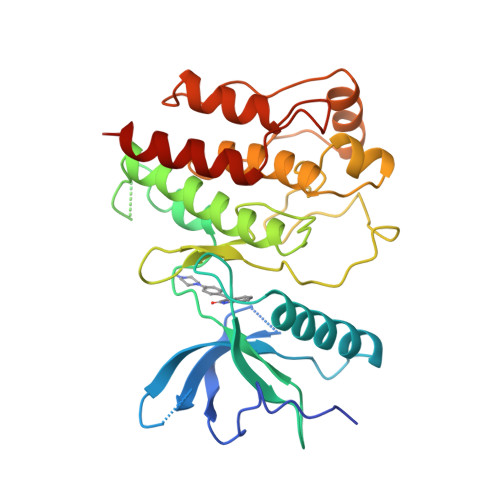
Dual specificity protein kinase CLK4 structureClick to view 3D structureDual specificity protein kinase CLK4Q9HAZ1HumansPredicted (SEA)
Prediction Confidence Score
0.293
Applicability Domain
0.344
Statistical Significance
0.1053
Supporting Reference Compounds
742
E-value
819.83
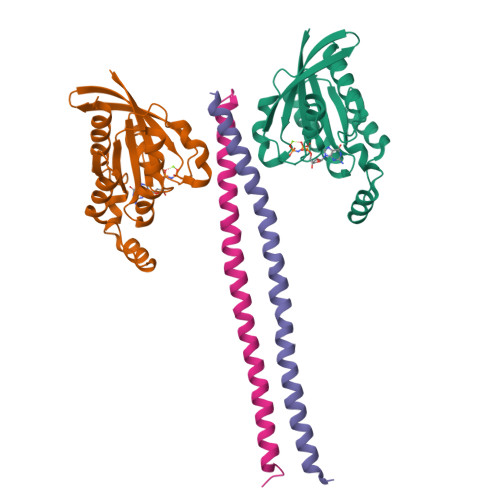
Apoptotic protease-activating factor 1 structureClick to view 3D structureApoptotic protease-activating factor 1O14727HumansPredicted (SEA)
Prediction Confidence Score
0.285
Applicability Domain
0.333
Statistical Significance
0.0033
Supporting Reference Compounds
112
E-value
25.9238
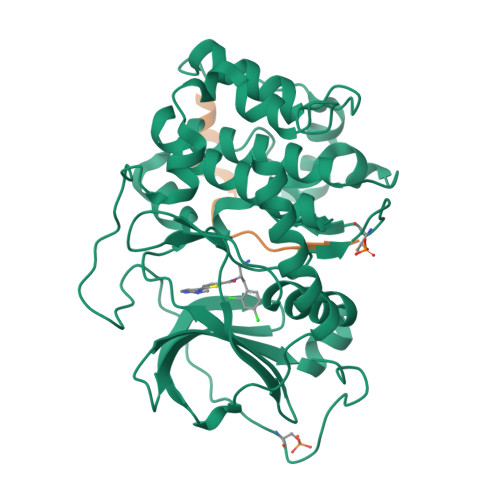
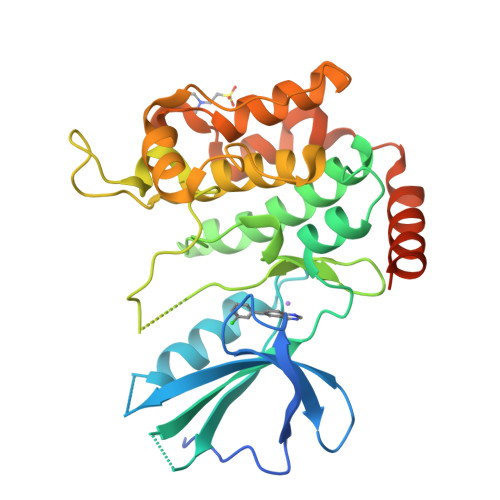
cAMP-dependent protein kinase catalytic subunit alpha structureClick to view 3D structurecAMP-dependent protein kinase catalytic subunit alphaP17612HumansPredicted (SEA)
Prediction Confidence Score
0.285
Applicability Domain
0.303
Statistical Significance
0.1259
Supporting Reference Compounds
735
E-value
980.511
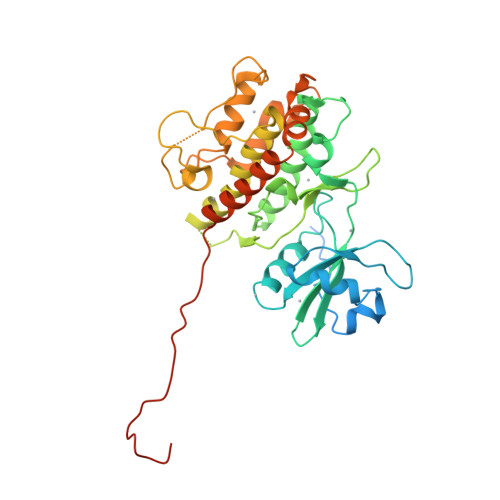
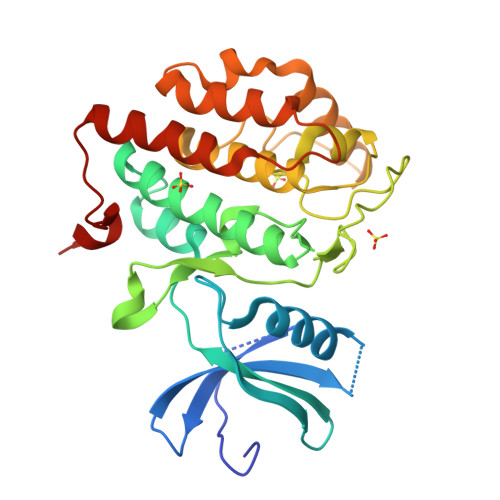
MAP kinase-activated protein kinase 2 structureClick to view 3D structureMAP kinase-activated protein kinase 2P49137HumansPredicted (SEA)
Prediction Confidence Score
0.282
Applicability Domain
0.349
Statistical Significance
0.1285
Supporting Reference Compounds
679
E-value
1000.28
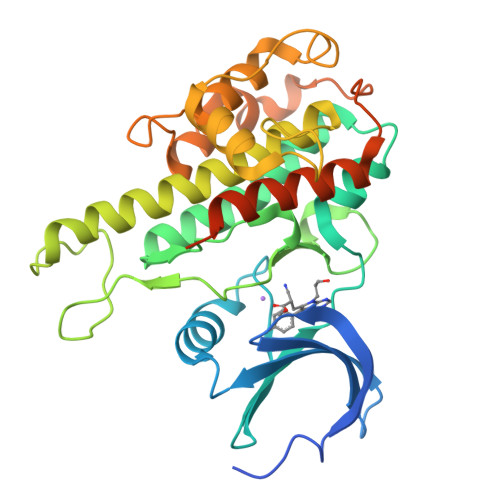
Ribosomal protein S6 kinase alpha-3 structureClick to view 3D structureRibosomal protein S6 kinase alpha-3P51812HumansPredicted (SEA)
Prediction Confidence Score
0.282
Applicability Domain
0.303
Statistical Significance
0.136
Supporting Reference Compounds
733
E-value
1058.75
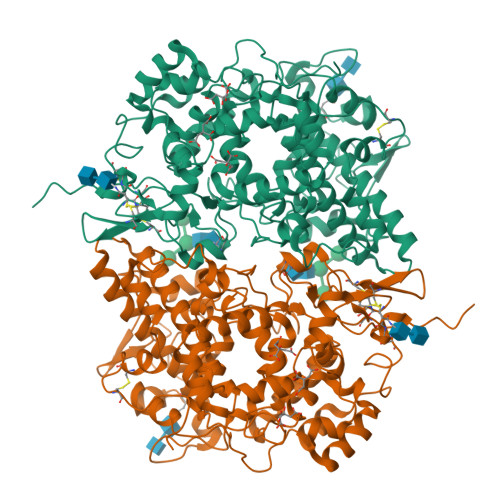
Click to view 3D structureCocaine esteraseO00748HumansPredicted (SEA)
Prediction Confidence Score
0.282
Applicability Domain
0.346
Statistical Significance
0.0014
Supporting Reference Compounds
40
E-value
10.8989
Liver carboxylesterase 1 structureClick to view 3D structureLiver carboxylesterase 1P23141HumansPredicted (SEA)
Prediction Confidence Score
0.282
Applicability Domain
0.346
Statistical Significance
0.0043
Supporting Reference Compounds
55
E-value
33.3195
Mitogen-activated protein kinase 9 structureClick to view 3D structureMitogen-activated protein kinase 9P45984HumansPredicted (SEA)
Prediction Confidence Score
0.281
Applicability Domain
0.344
Statistical Significance
0.1499
Supporting Reference Compounds
758
E-value
1166.96
Cytochrome P450 1A2 structureClick to view 3D structureCytochrome P450 1A2P05177HumansPredicted (SEA)
Prediction Confidence Score
0.28
Applicability Domain
0.333
Statistical Significance
0.1334
Supporting Reference Compounds
793
E-value
1038.59
Indoleamine 2,3-dioxygenase 1 structureClick to view 3D structureIndoleamine 2,3-dioxygenase 1P14902HumansPredicted (SEA)
Prediction Confidence Score
0.279
Applicability Domain
0.303
Statistical Significance
0.0063
Supporting Reference Compounds
108
E-value
49.2786
Carbonic anhydrase 2 structureClick to view 3D structureCarbonic anhydrase 2P00918HumansPredicted (SEA)
Prediction Confidence Score
0.279
Applicability Domain
0.297 Low confidence
Statistical Significance
0.0777
Supporting Reference Compounds
472
E-value
605.2
Macrophage colony-stimulating factor 1 receptor structureClick to view 3D structureMacrophage colony-stimulating factor 1 receptorP07333HumansPredicted (SEA)
Prediction Confidence Score
0.277
Applicability Domain
0.294 Low confidence
Statistical Significance
0.1757
Supporting Reference Compounds
833
E-value
1367.97
Cytochrome P450 3A4 structureClick to view 3D structureCytochrome P450 3A4P08684HumansPredicted (SEA)
Prediction Confidence Score
0.276
Applicability Domain
0.333
Statistical Significance
0.3092
Supporting Reference Compounds
1538
E-value
2407.41
Mitogen-activated protein kinase kinase kinase kinase 4 structureClick to view 3D structureMitogen-activated protein kinase kinase kinase kinase 4O95819HumansPredicted (SEA)
Prediction Confidence Score
0.275
Applicability Domain
0.294 Low confidence
Statistical Significance
0.1671
Supporting Reference Compounds
714
E-value
1301.17
Casein kinase I isoform delta structureClick to view 3D structureCasein kinase I isoform deltaP48730HumansPredicted (SEA)
Prediction Confidence Score
0.275
Applicability Domain
0.311
Statistical Significance
0.1465
Supporting Reference Compounds
637
E-value
1140.72
RAC-alpha serine/threonine-protein kinase structureClick to view 3D structureRAC-alpha serine/threonine-protein kinaseP31749HumansPredicted (SEA)
Prediction Confidence Score
0.274
Applicability Domain
0.303
Statistical Significance
0.1707
Supporting Reference Compounds
797
E-value
1329.28
Alpha-2A adrenergic receptor structureClick to view 3D structureAlpha-2A adrenergic receptorP08913HumansPredicted (SEA)
Prediction Confidence Score
0.274
Applicability Domain
0.3
Statistical Significance
0.0809
Supporting Reference Compounds
487
E-value
630.112
Rho-associated protein kinase 1 structureClick to view 3D structureRho-associated protein kinase 1Q13464HumansPredicted (SEA)
Prediction Confidence Score
0.274
Applicability Domain
0.294 Low confidence
Statistical Significance
0.1875
Supporting Reference Compounds
834
E-value
1459.44
Inhibitor of nuclear factor kappa-B kinase subunit beta structureClick to view 3D structureInhibitor of nuclear factor kappa-B kinase subunit betaO14920HumansPredicted (SEA)
Prediction Confidence Score
0.274
Applicability Domain
0.303
Statistical Significance
0.0969
Supporting Reference Compounds
389
E-value
754.203
Fibroblast growth factor receptor 1 structureClick to view 3D structureFibroblast growth factor receptor 1P11362HumansPredicted (SEA)
Prediction Confidence Score
0.273
Applicability Domain
0.303
Statistical Significance
0.2081
Supporting Reference Compounds
1010
E-value
1620.2
Glycogen synthase kinase-3 beta structureClick to view 3D structureGlycogen synthase kinase-3 betaP49841HumansPredicted (SEA)
Prediction Confidence Score
0.273
Applicability Domain
0.303
Statistical Significance
0.2388
Supporting Reference Compounds
1157
E-value
1859.12
Aurora kinase A structureClick to view 3D structureAurora kinase AO14965HumansPredicted (SEA)
Prediction Confidence Score
0.273
Applicability Domain
0.303
Statistical Significance
0.2111
Supporting Reference Compounds
996
E-value
1643.47
Protein kinase C delta type structureClick to view 3D structureProtein kinase C delta typeQ05655HumansPredicted (SEA)
Prediction Confidence Score
0.273
Applicability Domain
0.303
Statistical Significance
0.1503
Supporting Reference Compounds
681
E-value
1169.92
Concentrations
Not Available
External Links
DrugBank IDNot Available
HMDB IDNot Available
FooDB IDNot Available
Phenol Explorer IDNot Available
KNApSAcK IDNot Available
BiGG IDNot Available
BioCyc IDNot Available
METLIN IDNot Available
PDB IDNot Available
Wikipedia LinkNot Available
Chemspider IDNot Available
ChEBI IDNot Available
PubChem Compound ID67579
Kegg Compound IDNot Available
YMDB IDNot Available
ECMDB IDNot Available
References
Synthesis ReferenceNot Available
MSDSNot Available
General ReferencesNot Available