Tipranavir (CED0006133)

Record Information
Version1.0
Creation Date2016-05-22 06:35:40 UTC
Update Date2026-08-22 10:34:30 UTC
SynCED IDCED0006133
Secondary Accession Numbers
  • CHEM019863
Identification
Common NameTipranavir
ClassSmall Molecule
Description
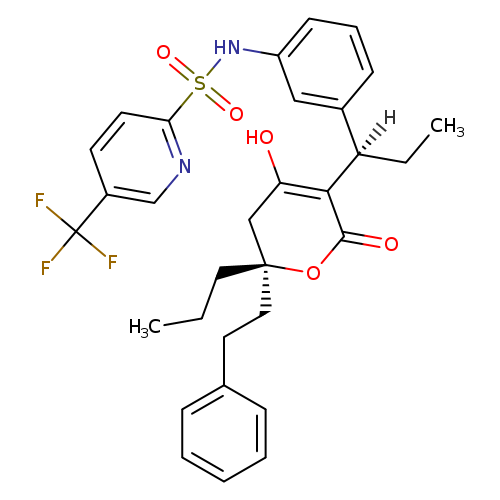
Tipranavir is an organic compound with the chemical formula C31H33F3N2O5S. Tipranavir belongs to the linear diarylheptanoids, a subclass of diarylheptanoids within the organic compounds. With an average molecular weight of 602.66 g/mol, Tipranavir is a heavy molecule. This compound is found in or released from two recorded sources: healthcare, pharmaceuticals & veterinary products (specifically antivirals) and electrical & electronic equipment (video games). The recorded route of exposure for this substance is oral. In terms of biological activity, Tipranavir acts as an inhibitor or modulator of two recorded protein targets: Pol polyprotein and Gag-Pol polyprotein (gag-pol).
Contaminant TypeNot Available
Chemical Structure
Synonyms
ValueSource
3'-((1R)-1-((6R)-5,6-Dihydro-4-hydroxy-2-oxo-6-phenethyl-6-propyl-2H-pyran-3-yl)propyl)-5-(trifluoromethyl)-2-pyridinesulfonanilideChEBI
AptivusKegg
3'-((1R)-1-((6R)-5,6-Dihydro-4-hydroxy-2-oxo-6-phenethyl-6-propyl-2H-pyran-3-yl)propyl)-5-(trifluoromethyl)-2-pyridinesulphonanilideGenerator
Tipranavir, (R-(r*,r*))-isomerMeSH
Tipranavir, (S-(r*,r*))-isomerMeSH
Tipranavir, (S-(r*,s*))-isomerMeSH
Chemical FormulaC31H33F3N2O5S
Average Molecular Mass602.664 g/mol
Monoisotopic Mass602.206 g/mol
CAS Registry Number174484-41-4
IUPAC NameN-{3-[(1R)-1-[(6R)-4-hydroxy-2-oxo-6-(2-phenylethyl)-6-propyl-5,6-dihydro-2H-pyran-3-yl]propyl]phenyl}-5-(trifluoromethyl)pyridine-2-sulfonamide
Traditional Nametipranavir
SMILES[H][C@@](CC)(C1=CC(NS(=O)(=O)C2=NC=C(C=C2)C(F)(F)F)=CC=C1)C1=C(O)C[C@@](CCC)(CCC2=CC=CC=C2)OC1=O
InChI IdentifierInChI=1S/C31H33F3N2O5S/c1-3-16-30(17-15-21-9-6-5-7-10-21)19-26(37)28(29(38)41-30)25(4-2)22-11-8-12-24(18-22)36-42(39,40)27-14-13-23(20-35-27)31(32,33)34/h5-14,18,20,25,36-37H,3-4,15-17,19H2,1-2H3/t25-,30-/m1/s1
InChI KeySUJUHGSWHZTSEU-FYBSXPHGSA-N
Chemical Taxonomy
Description Belongs to the class of organic compounds known as linear diarylheptanoids. These are diarylheptanoids with an open heptane chain. The two aromatic rings are linked only by the heptane chain.
KingdomOrganic compounds
Super ClassPhenylpropanoids and polyketides
ClassDiarylheptanoids
Sub ClassLinear diarylheptanoids
Direct ParentLinear diarylheptanoids
Alternative Parents
Substituents
  • Linear 1,7-diphenylheptane skeleton
  • Pyridine-2-sulfonamide
  • Sulfanilide
  • Phenylpropane
  • Dihydropyranone
  • Monocyclic benzene moiety
  • Pyran
  • Pyridine
  • Organosulfonic acid amide
  • Benzenoid
  • Heteroaromatic compound
  • Organic sulfonic acid or derivatives
  • Organosulfonic acid or derivatives
  • Sulfonyl
  • Aminosulfonyl compound
  • Enoate ester
  • Alpha,beta-unsaturated carboxylic ester
  • Vinylogous acid
  • Carboxylic acid ester
  • Lactone
  • Carboxylic acid derivative
  • Organoheterocyclic compound
  • Enol
  • Monocarboxylic acid or derivatives
  • Oxacycle
  • Azacycle
  • Organofluoride
  • Organohalogen compound
  • Carbonyl group
  • Organic nitrogen compound
  • Alkyl fluoride
  • Hydrocarbon derivative
  • Organopnictogen compound
  • Organonitrogen compound
  • Organooxygen compound
  • Organosulfur compound
  • Organic oxygen compound
  • Organic oxide
  • Alkyl halide
  • Aromatic heteromonocyclic compound
Molecular FrameworkAromatic heteromonocyclic compounds
External Descriptors
Biological Properties
StatusDetected and Not Quantified
OriginNot Available
Cellular LocationsNot Available
Biofluid LocationsNot Available
Tissue LocationsNot Available
ApplicationsNot Available
Biological Roles
Chemical RolesNot Available
Organoleptic EffectsNot Available
Physical Properties
StateNot Available
AppearanceNot Available
Experimental Properties
PropertyValue
Melting PointNot Available
Boiling PointNot Available
SolubilityNot Available
Predicted Properties
PropertyValueSource
Water Solubility0.0002 g/LALOGPS
logP6.29ALOGPS
logP7.14ChemAxon
logS-6.5ALOGPS
pKa (Strongest Acidic)5.92ChemAxon
pKa (Strongest Basic)-3.3ChemAxon
Physiological Charge-1ChemAxon
Hydrogen Acceptor Count5ChemAxon
Hydrogen Donor Count2ChemAxon
Polar Surface Area105.59 ŲChemAxon
Rotatable Bond Count11ChemAxon
Refractivity154.57 m³·mol⁻¹ChemAxon
Polarizability60.87 ųChemAxon
Number of Rings4ChemAxon
BioavailabilityNoChemAxon
Rule of FiveNoChemAxon
Ghose FilterNoChemAxon
Veber's RuleNoChemAxon
MDDR-like RuleYesChemAxon
Spectra
Spectra
Spectrum TypeDescriptionSplash KeyDeposition DateView
Predicted LC-MS/MSPredicted LC-MS/MS Spectrumsplash10-0ugl-4518749000-d091860c6bd16b05efe5Not AvailableView Spectrum
Predicted LC-MS/MSPredicted LC-MS/MS Spectrumsplash10-0a6r-2912000000-b072642a58ca83226a8eNot AvailableView Spectrum
Predicted LC-MS/MSPredicted LC-MS/MS Spectrumsplash10-0006-9701010000-ca1e6c1b1e2713a691c7Not AvailableView Spectrum
Predicted LC-MS/MSPredicted LC-MS/MS Spectrumsplash10-0udi-0822069000-8e905312861733573a7fNot AvailableView Spectrum
Predicted LC-MS/MSPredicted LC-MS/MS Spectrumsplash10-0a4i-0391121000-48726f30b7ab1a53041eNot AvailableView Spectrum
Predicted LC-MS/MSPredicted LC-MS/MS Spectrumsplash10-000j-5920000000-84b97d9d9eef7c125e6aNot AvailableView Spectrum
Toxicity Profile
Toxicity Values
Toxicity ValueOrganismDose DescriptorRoute of ExposurePredicted or ExperimentalToxicity RatingReference
2008.0 Log mg/kg [1100:3600]RatLD50oralpredictedNot AvailableNot Available
Toxicity / Toxin ClassNot Available
Mechanism of ToxicityNot Available
Carcinogenicity (IARC Classification)Not Available
Minimum Risk LevelNot Available
SymptomsNot Available
TreatmentNot Available
Health Effects
Health EffectRelationshipDirectionDescriptionReference
AIDSNot AvailableNot AvailableNot AvailablePMC11226812
human immunodeficiency virus infectious diseaseNot AvailableNot AvailableNot AvailablePMC11226812
Exposure Sources
Source IDSourceSectorReference
CEDs000351Antivirals?Antivirals are synthetic chemicals designed to inhibit the replication of viruses and are widely used in the treatment of viral infections in humans and animals.Healthcare, pharmaceuticals & veterinary productsNot Available
CEDs000518Electrically Stimulated Smoking Devices?Electrically stimulated smoking devices, commonly known as e-cigarettes or vape pens, utilize electrical components to heat a liquid solution, often containing nicotine, flavorings, and other additives, to produce an aerosol for inhalation.Electrical & Electronic EquipmentPubChem
CEDs000537Television Systems?Television systems can be a source of synthetic chemical contamination due to the various materials and components used in their manufacture and operation.Electrical & Electronic EquipmentPubChem
CEDs000539Video Games?Video games, through their production and disposal processes, can be a source of synthetic chemical contamination.Electrical & Electronic EquipmentPubChem
CEDs000545Food Preservation?Food preservation often involves the use of synthetic chemicals, such as preservatives, flavor enhancers, and color additives, to extend shelf life and enhance the sensory qualities of food products.Food, food processing & cookwarePubChem
CEDs000559Non Electric Simulated Smoking Devices?Non-electric simulated smoking devices, often designed to mimic the experience of smoking without combustion, can be sources of synthetic chemical contamination due to the materials and chemicals used in their construction and operation.Household cleaning & consumer productsPubChem
CEDs000580Manufacture Preparation Of Tobacco Products?The manufacture and preparation of tobacco products involve various processes that can result in the introduction of synthetic chemicals into the environment.Industrial manufacturing & chemical processingPubChem
CEDs000596Acaricides?Acaricides are synthetic chemicals specifically designed to target and control mite populations that can damage crops and plants.Agriculture & land managementPubChem
CEDs000605Pest Repellants?Pest repellents, often formulated from synthetic chemicals, are widely used to protect crops from insect infestations and other pests.Agriculture & land managementPubChem
CEDs000606Plant Growth Regulators?Plant Growth Regulators (PGRs) are synthetic chemicals designed to influence the growth and development of plants.Agriculture & land managementPubChem
CEDs000611Anti Perspirants Or Body Deoderants?Antiperspirants and body deodorants commonly contain synthetic chemicals such as aluminum compounds, parabens, and synthetic fragrances.Personal care & cosmeticsPubChem
CEDs000615Eye Makeup Products?Eye makeup products, including mascaras, eyeliners, and eyeshadows, often contain a variety of synthetic chemicals such as pigments, preservatives, and film-forming agents.Personal care & cosmeticsPubChem
CEDs000632Apparel?Apparel production often involves the use of various synthetic chemicals, including dyes, finishing agents, and preservatives.Textiles, leather & furnishingsPubChem
CEDs000643Headwear?Headwear made from synthetic materials often incorporates chemicals used in the manufacturing and finishing processes, such as dyes, flame retardants, and water repellents.Textiles, leather & furnishingsPubChem
CEDs000671Airplanes And Helicopters?Airplanes and helicopters are significant sources of synthetic chemical contamination primarily through the use of aviation fuels, lubricants, and de-icing agents.Aviation & AerospacePubChem
CEDs000673Unmanned Aerial Vehicles?Unmanned Aerial Vehicles (UAVs), commonly known as drones, utilize various synthetic chemicals in their manufacturing, operation, and maintenance processes.Aviation & AerospacePubChem
CEDs000685Ceramics?Ceramics can be a source of synthetic chemical contamination through various additives and processing agents used in their production.Building & ConstructionPubChem
CEDs000696Nanotechnology?Nanotechnology involves the manipulation of materials at the molecular or atomic level, typically within the range of 1 to 100 nanometers.Industrial manufacturing & chemical processingPubChem
Pathways
2 pathwaysPathway Source: PathBank
Targets
StructureProteinUniProt IDOrganismRelationshipDetails
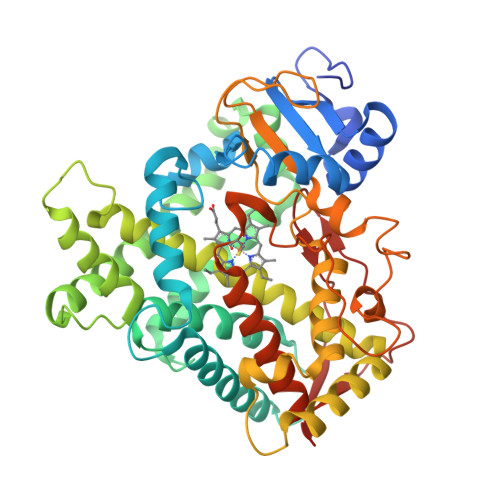
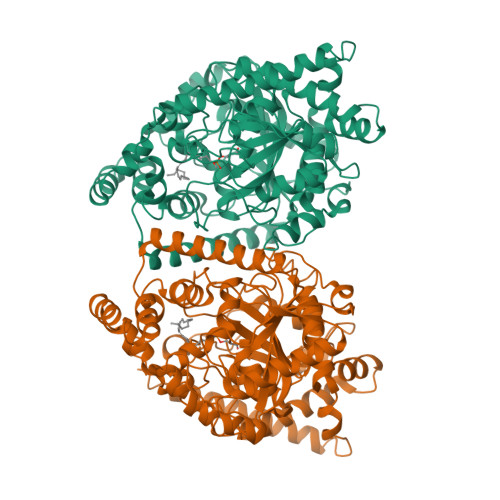
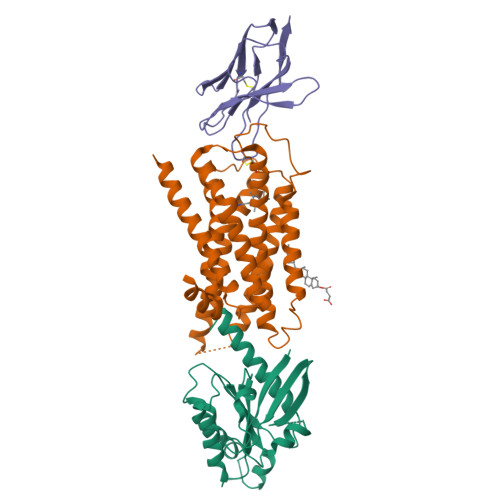
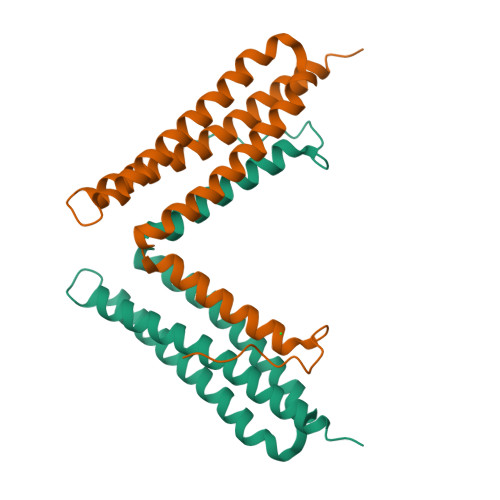
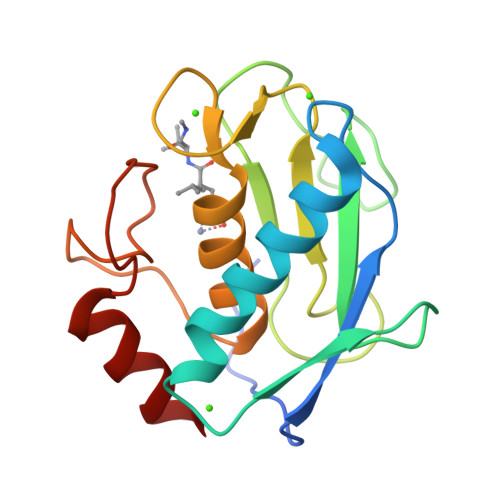
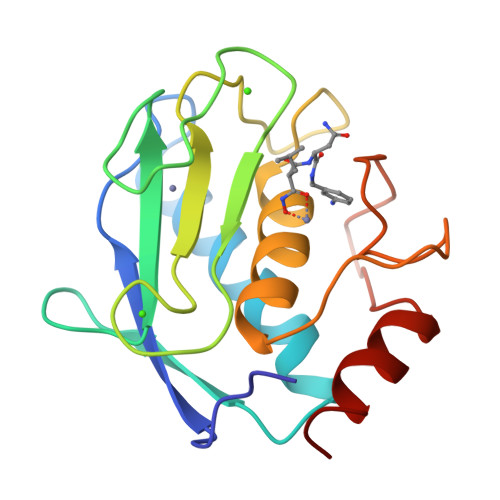
Click to view 3D structureCAAX prenyl protease 1 homologQ80W54Mus musculusPredicted (SEA)
Prediction Confidence Score
1.0
Applicability Domain
1.0
Statistical Significance
1.00e-05
Supporting Reference Compounds
1
E-value
0.0778492
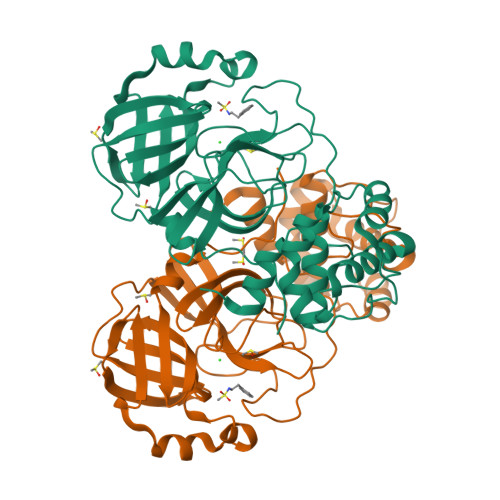
Replicase polyprotein 1ab structureClick to view 3D structureReplicase polyprotein 1abP0DTD1SARS-CoV-2Predicted (SEA)
Prediction Confidence Score
0.358
Applicability Domain
1.0
Statistical Significance
0.007
Supporting Reference Compounds
215
E-value
54.6502
Click to view 3D structurePol polyproteinQ72874Human immunodeficiency virus 1Predicted (SEA)
Prediction Confidence Score
0.355
Applicability Domain
1.0
Statistical Significance
0.0036
Supporting Reference Compounds
54
E-value
28.1814
Cathepsin E structureClick to view 3D structureCathepsin EP14091HumansPredicted (SEA)
Prediction Confidence Score
0.336
Applicability Domain
1.0
Statistical Significance
0.0031
Supporting Reference Compounds
30
E-value
24.0554
Click to view 3D structureProteaseQ9YQ12Human immunodeficiency virus 1Predicted (SEA)
Prediction Confidence Score
0.33
Applicability Domain
1.0
Statistical Significance
0.003
Supporting Reference Compounds
31
E-value
23.2769
Click to view 3D structurePepsin A-5P0DJD9HumansPredicted (SEA)
Prediction Confidence Score
0.328
Applicability Domain
1.0
Statistical Significance
5.00e-04
Supporting Reference Compounds
11
E-value
3.89246
Cytochrome P450 3A4 structureClick to view 3D structureCytochrome P450 3A4P08684HumansPredicted (SEA)
Prediction Confidence Score
0.252
Applicability Domain
0.282 Low confidence
Statistical Significance
0.5399
Supporting Reference Compounds
1538
E-value
4202.92
Beta-3 adrenergic receptor structureClick to view 3D structureBeta-3 adrenergic receptorP13945HumansPredicted (SEA)
Prediction Confidence Score
0.247
Applicability Domain
0.282 Low confidence
Statistical Significance
0.0476
Supporting Reference Compounds
145
E-value
370.329
Beta-2 adrenergic receptor structureClick to view 3D structureBeta-2 adrenergic receptorP07550HumansPredicted (SEA)
Prediction Confidence Score
0.243
Applicability Domain
0.282 Low confidence
Statistical Significance
0.1206
Supporting Reference Compounds
258
E-value
938.939
Beta-1 adrenergic receptor structureClick to view 3D structureBeta-1 adrenergic receptorP08588HumansPredicted (SEA)
Prediction Confidence Score
0.237
Applicability Domain
0.282 Low confidence
Statistical Significance
0.106
Supporting Reference Compounds
180
E-value
825.124
Click to view 3D structureFatty-acid amide hydrolase 1O00519HumansPredicted (SEA)
Prediction Confidence Score
0.232
Applicability Domain
0.283 Low confidence
Statistical Significance
0.1436
Supporting Reference Compounds
106
E-value
1118.07
Voltage-gated inwardly rectifying potassium channel KCNH2 structureClick to view 3D structureVoltage-gated inwardly rectifying potassium channel KCNH2Q12809HumansPredicted (SEA)
Prediction Confidence Score
0.232
Applicability Domain
0.282 Low confidence
Statistical Significance
0.7464
Supporting Reference Compounds
1498
E-value
5810.43
Cytochrome P450 2C9 structureClick to view 3D structureCytochrome P450 2C9P11712HumansPredicted (SEA)
Prediction Confidence Score
0.231
Applicability Domain
0.25 Low confidence
Statistical Significance
0.724
Supporting Reference Compounds
1245
E-value
5636.44
Cytochrome P450 2D6 structureClick to view 3D structureCytochrome P450 2D6P10635HumansPredicted (SEA)
Prediction Confidence Score
0.227
Applicability Domain
0.241 Low confidence
Statistical Significance
0.7196
Supporting Reference Compounds
1130
E-value
5602.19
Fatty-acid amide hydrolase 1 structureClick to view 3D structureFatty-acid amide hydrolase 1P97612Rattus norvegicusPredicted (SEA)
Prediction Confidence Score
0.227
Applicability Domain
0.283 Low confidence
Statistical Significance
0.1286
Supporting Reference Compounds
102
E-value
1001.45
Alpha-1A adrenergic receptor structureClick to view 3D structureAlpha-1A adrenergic receptorP35348HumansPredicted (SEA)
Prediction Confidence Score
0.224
Applicability Domain
0.231 Low confidence
Statistical Significance
0.3301
Supporting Reference Compounds
376
E-value
2570.19
Promotilin structureClick to view 3D structurePromotilinP12872HumansPredicted (SEA)
Prediction Confidence Score
0.223
Applicability Domain
0.223 Low confidence
Statistical Significance
0.0113
Supporting Reference Compounds
1
E-value
87.7361
Focal adhesion kinase 1 structureClick to view 3D structureFocal adhesion kinase 1Q05397HumansPredicted (SEA)
Prediction Confidence Score
0.223
Applicability Domain
0.232 Low confidence
Statistical Significance
0.5439
Supporting Reference Compounds
615
E-value
4234.53
Sodium-dependent serotonin transporter structureClick to view 3D structureSodium-dependent serotonin transporterP31645HumansPredicted (SEA)
Prediction Confidence Score
0.222
Applicability Domain
0.282 Low confidence
Statistical Significance
0.4575
Supporting Reference Compounds
593
E-value
3561.29
Kappa-type opioid receptor structureClick to view 3D structureKappa-type opioid receptorP41145HumansPredicted (SEA)
Prediction Confidence Score
0.222
Applicability Domain
0.234 Low confidence
Statistical Significance
0.4735
Supporting Reference Compounds
532
E-value
3686.55
Matrix metalloproteinase-9 structureClick to view 3D structureMatrix metalloproteinase-9P14780HumansPredicted (SEA)
Prediction Confidence Score
0.221
Applicability Domain
0.235 Low confidence
Statistical Significance
0.3093
Supporting Reference Compounds
292
E-value
2407.72
Neutrophil collagenase structureClick to view 3D structureNeutrophil collagenaseP22894HumansPredicted (SEA)
Prediction Confidence Score
0.221
Applicability Domain
0.235 Low confidence
Statistical Significance
0.2078
Supporting Reference Compounds
176
E-value
1618.1
Tyrosine-protein kinase Lck structureClick to view 3D structureTyrosine-protein kinase LckP06239HumansPredicted (SEA)
Prediction Confidence Score
0.221
Applicability Domain
0.234 Low confidence
Statistical Significance
0.7049
Supporting Reference Compounds
1130
E-value
5487.44
Click to view 3D structureAlpha-1B adrenergic receptorP35368HumansPredicted (SEA)
Prediction Confidence Score
0.221
Applicability Domain
0.231 Low confidence
Statistical Significance
0.3135
Supporting Reference Compounds
298
E-value
2440.81
Alpha-2A adrenergic receptor structureClick to view 3D structureAlpha-2A adrenergic receptorP08913HumansPredicted (SEA)
Prediction Confidence Score
0.221
Applicability Domain
0.231 Low confidence
Statistical Significance
0.426
Supporting Reference Compounds
487
E-value
3316.61
Concentrations
Not Available
External Links
DrugBank IDDB00932
HMDB IDNot Available
FooDB IDNot Available
Phenol Explorer IDNot Available
KNApSAcK IDNot Available
BiGG IDNot Available
BioCyc IDNot Available
METLIN IDNot Available
PDB IDNot Available
Wikipedia LinkTipranavir
Chemspider IDNot Available
ChEBI ID63628
PubChem Compound IDNot Available
Kegg Compound IDNot Available
YMDB IDNot Available
ECMDB IDNot Available
References
Synthesis ReferenceNot Available
MSDSNot Available
General ReferencesNot Available