Pentane,1,5-dibromo- (CED0060809)

Record Information
Version1.0
Creation Date2016-05-22 07:08:20 UTC
Update Date2026-08-22 19:41:36 UTC
SynCED IDCED0060809
Secondary Accession Numbers
  • CHEM020474
Identification
Common NamePentane,1,5-dibromo-
ClassSmall Molecule
Description
Pentane,1,5-dibromo- is an organic compound with the chemical formula C5H10Br2 and an average molecular weight of 229.94 g/mol. Pentane,1,5-dibromo- belongs to the organobromides, a class of organohalogen compounds within the organic compounds. This substance has been identified in or released from four recorded sources. These include household cleaning and consumer products, specifically perfumes within detergents and soaps. Additionally, it is associated with electrical and electronic equipment, including electrodes, hybrid capacitors, and conductors or conductive bodies characterised by the conductive materials.
Contaminant TypeNot Available
Chemical Structure
SynonymsNot Available
Chemical FormulaC5H10Br2
Average Molecular Mass229.943 g/mol
Monoisotopic Mass227.915 g/mol
CAS Registry Number111-24-0
IUPAC Name1,5-dibromopentane
Traditional Namepentane, 1,5-dibromo-
SMILESBrCCCCCBr
InChI IdentifierInChI=1S/C5H10Br2/c6-4-2-1-3-5-7/h1-5H2
InChI KeyIBODDUNKEPPBKW-UHFFFAOYSA-N
Chemical Taxonomy
ClassificationNot classified
Biological Properties
StatusDetected and Not Quantified
OriginNot Available
Cellular LocationsNot Available
Biofluid LocationsNot Available
Tissue LocationsNot Available
ApplicationsNot Available
Biological RolesNot Available
Chemical RolesNot Available
Organoleptic EffectsNot Available
Physical Properties
StateNot Available
AppearanceNot Available
Experimental Properties
PropertyValue
Melting PointNot Available
Boiling PointNot Available
SolubilityNot Available
Predicted Properties
PropertyValueSource
Water Solubility0.036 g/LALOGPS
logP3.51ALOGPS
logP2.89ChemAxon
logS-3.8ALOGPS
Physiological Charge0ChemAxon
Hydrogen Acceptor Count0ChemAxon
Hydrogen Donor Count0ChemAxon
Polar Surface Area0 ŲChemAxon
Rotatable Bond Count4ChemAxon
Refractivity40.73 m³·mol⁻¹ChemAxon
Polarizability16.92 ųChemAxon
Number of Rings0ChemAxon
BioavailabilityYesChemAxon
Rule of FiveYesChemAxon
Ghose FilterNoChemAxon
Veber's RuleYesChemAxon
MDDR-like RuleNoChemAxon
Spectra
Spectra
Spectrum TypeDescriptionSplash KeyDeposition DateView
Predicted LC-MS/MSPredicted LC-MS/MS Spectrumsplash10-004i-0090000000-937002536b88df1e00e7Not AvailableView Spectrum
Predicted LC-MS/MSPredicted LC-MS/MS Spectrumsplash10-004i-0190000000-d6f9441d4469f5c65418Not AvailableView Spectrum
Predicted LC-MS/MSPredicted LC-MS/MS Spectrumsplash10-00dl-5900000000-6ad7618b6d00a081f875Not AvailableView Spectrum
Predicted LC-MS/MSPredicted LC-MS/MS Spectrumsplash10-004i-0190000000-0043c6023d1621111b46Not AvailableView Spectrum
Predicted LC-MS/MSPredicted LC-MS/MS Spectrumsplash10-004i-0490000000-6f2a17830f121cb8e46dNot AvailableView Spectrum
Predicted LC-MS/MSPredicted LC-MS/MS Spectrumsplash10-0002-4900000000-6ada87808fc81bd3bee0Not AvailableView Spectrum
Toxicity Profile
Toxicity Values
Toxicity ValueOrganismDose DescriptorRoute of ExposurePredicted or ExperimentalToxicity RatingReference
854.0 Log mg/kg [480:1500]RatLD50oralpredictedNot AvailableNot Available
Toxicity / Toxin ClassNot Available
Mechanism of ToxicityNot Available
Carcinogenicity (IARC Classification)Not Available
Minimum Risk LevelNot Available
SymptomsNot Available
TreatmentNot Available
Health Effects
Health EffectRelationshipDirectionDescriptionReference
Exposure Sources
Source IDSourceSectorReference
CEDs000010Insecticides?Insecticides are synthetic chemicals designed to control or eliminate insect pests that threaten crops and other agricultural products.Agriculture & land managementPubChem
CEDs000511Conductors Or Conductive Bodies Characterised By The Conductive Materials?Conductors, or conductive bodies, are materials that allow the flow of electrical current, typically made from metals such as copper, aluminum, or silver.Electrical & Electronic EquipmentPubChem
CEDs000519Electrodes?Electrodes, used in various electrical and electronic applications, can be a source of synthetic chemical contamination due to the materials from which they are constructed and the processes involved in their manufacturing.Electrical & Electronic EquipmentPubChem
CEDs000524Hybrid Capacitors?Hybrid capacitors are energy storage devices that combine the properties of electrolytic and supercapacitors, utilizing a combination of electrochemical principles to achieve higher energy density and power density.Electrical & Electronic EquipmentPubChem
CEDs000561Perfumes Within Detergents And Soaps?Perfumes within detergents and soaps are synthetic fragrance compounds added to enhance the sensory experience of cleaning products.Household cleaning & consumer productsPubChem
CEDs000596Acaricides?Acaricides are synthetic chemicals specifically designed to target and control mite populations that can damage crops and plants.Agriculture & land managementPubChem
CEDs000603Nematocides?Nematocides are synthetic chemicals specifically designed to control nematodes, which are microscopic roundworms that can cause significant damage to crops and plants.Agriculture & land managementPubChem
CEDs000610Aftersun Products?Aftersun products are designed to soothe and hydrate the skin after sun exposure, often containing various synthetic chemicals such as emollients, preservatives, and fragrances.Personal care & cosmeticsPubChem
CEDs000611Anti Perspirants Or Body Deoderants?Antiperspirants and body deodorants commonly contain synthetic chemicals such as aluminum compounds, parabens, and synthetic fragrances.Personal care & cosmeticsPubChem
CEDs000614Essential Oils Or Perfumes?Essential oils and perfumes are complex mixtures of volatile compounds derived from natural or synthetic sources, commonly used for their aromatic properties.Personal care & cosmeticsPubChem
CEDs000632Apparel?Apparel production often involves the use of various synthetic chemicals, including dyes, finishing agents, and preservatives.Textiles, leather & furnishingsPubChem
CEDs000633Azo Dyes?Azo dyes are synthetic organic compounds characterized by the presence of one or more azo groups (-N=N-), which are widely used for coloring textiles, leather, and furnishings.Textiles, leather & furnishingsPubChem
CEDs000635Buttons?Buttons, often made from synthetic materials such as polyester, nylon, or polycarbonate, can be a source of synthetic chemical contamination during their production, use, and disposal.Textiles, leather & furnishingsPubChem
CEDs000642Footwear?Footwear production often involves the use of various synthetic chemicals, such as adhesives, dyes, and treatments, which can contribute to environmental contamination.Textiles, leather & furnishingsPubChem
CEDs000662Yarns Or Threads?Yarns or threads used in textiles can be a source of synthetic chemical contamination due to the production processes and treatments they undergo.Textiles, leather & furnishingsPubChem
CEDs000664Fire Fighting Gels?Fire fighting gels are synthetic chemical formulations designed to enhance fire suppression effectiveness by creating a protective barrier against heat and flames.Fire suppression systems & agentsPubChem
CEDs000670Solid Fire Fighting Substances?Solid fire fighting substances, such as certain types of dry chemical powders, are used in fire suppression applications to extinguish flames and prevent fire spread.Fire suppression systems & agentsPubChem
CEDs000688Glass Coatings?Glass coatings are synthetic chemical formulations applied to glass surfaces to enhance properties such as durability, UV resistance, and aesthetic appeal.Building & ConstructionPubChem
CEDs000696Nanotechnology?Nanotechnology involves the manipulation of materials at the molecular or atomic level, typically within the range of 1 to 100 nanometers.Industrial manufacturing & chemical processingPubChem
CEDs000735Explosives?Explosives are chemical compounds or mixtures designed to undergo rapid decomposition, releasing energy in the form of gas and heat.Defense & military infrastructurePubChem
CEDs000738Cooling Circuit Water?Cooling circuit water is utilized in various industrial processes to absorb and dissipate heat generated during operations.Industrial manufacturing & chemical processingPubChem
CEDs000739Inks?Inks are complex mixtures composed of pigments or dyes, solvents, resins, and additives used primarily for printing and writing applications.Paper, pulp & fiber productsPubChem
CEDs000740Paper?Paper production involves the processing of wood fibers and the use of various chemicals, which can lead to synthetic chemical contamination.Paper, pulp & fiber productsPubChem
CEDs000744Water, Wastewater, & Sewage Treatment?Water, wastewater, and sewage treatment processes are critical for managing and mitigating pollutants in water systems.Wastewater, sanitation & biosolidsPubChem
Pathways
0 pathwaysPathway Source: PathBank

No pathways found

No metabolic pathways have been associated with this synthetic chemical

Targets
StructureProteinUniProt IDOrganismRelationshipDetails
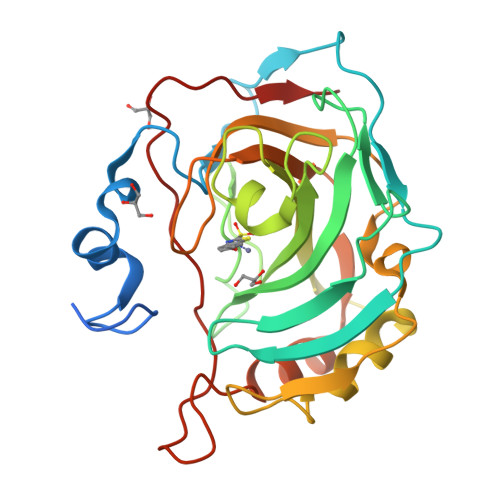
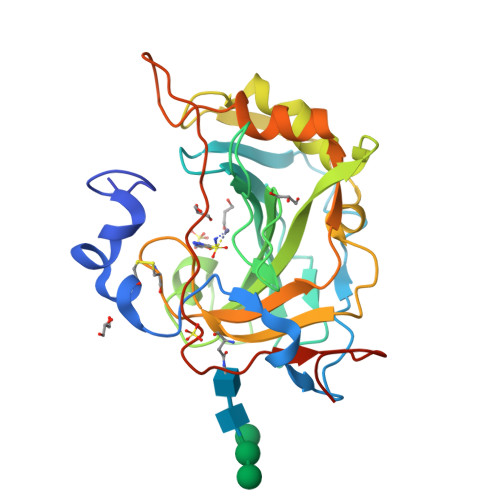
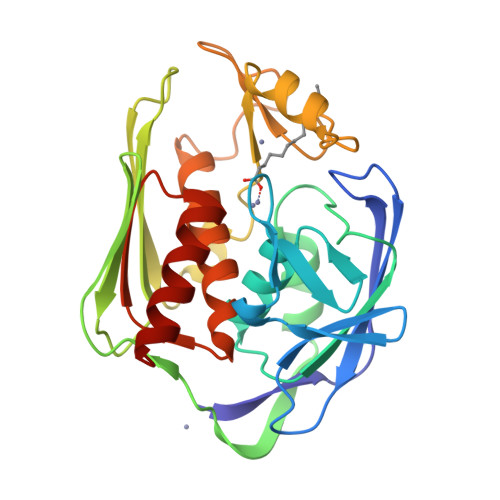
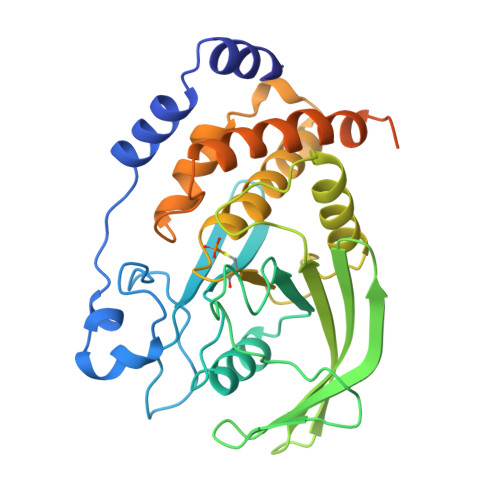
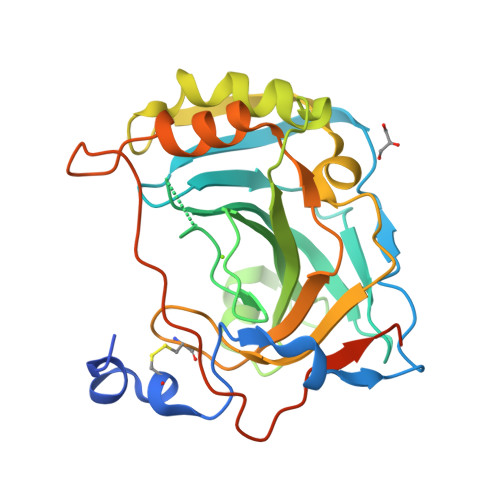
Click to view 3D structurePhospho-2-dehydro-3-deoxyheptonate aldolaseC3TIE2Escherichia coliPredicted (SEA)
Prediction Confidence Score
0.296
Applicability Domain
0.296 Low confidence
Statistical Significance
1.00e-05
Supporting Reference Compounds
1
E-value
0.0778492
Click to view 3D structureCytochrome P450 2C23P24470Rattus norvegicusPredicted (SEA)
Prediction Confidence Score
0.172
Applicability Domain
0.172 Low confidence
Statistical Significance
0.0052
Supporting Reference Compounds
1
E-value
40.5594
Click to view 3D structurePhospholipase BQ9P8P2Cryptococcus neoformansPredicted (SEA)
Prediction Confidence Score
0.158
Applicability Domain
0.158 Low confidence
Statistical Significance
0.0044
Supporting Reference Compounds
1
E-value
34.1758
All-trans-retinol dehydrogenase [NAD(+)] ADH7 structureClick to view 3D structureAll-trans-retinol dehydrogenase [NAD(+)] ADH7P40394HumansPredicted (SEA)
Prediction Confidence Score
0.13
Applicability Domain
0.13 Low confidence
Statistical Significance
0.0184
Supporting Reference Compounds
1
E-value
143.632
Peroxisome proliferator-activated receptor delta structureClick to view 3D structurePeroxisome proliferator-activated receptor deltaQ03181HumansPredicted (SEA)
Prediction Confidence Score
0.128
Applicability Domain
0.154 Low confidence
Statistical Significance
0.974
Supporting Reference Compounds
89
E-value
7582.59
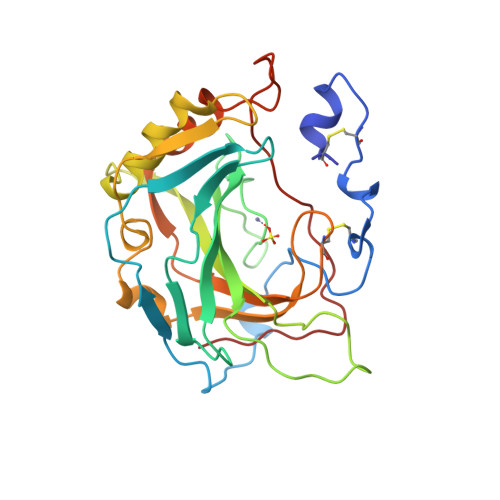
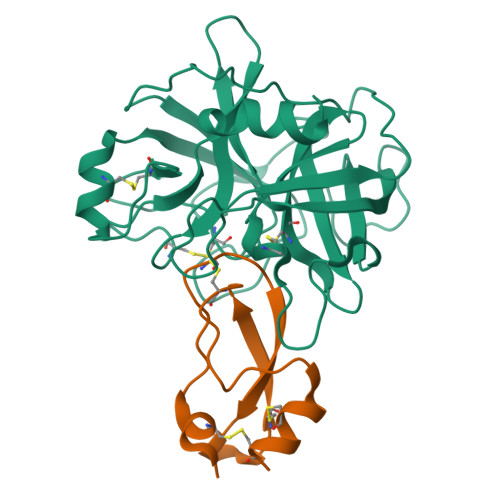
Carbonic anhydrase 7 structureClick to view 3D structureCarbonic anhydrase 7P43166HumansPredicted (SEA)
Prediction Confidence Score
0.128
Applicability Domain
0.231 Low confidence
Statistical Significance
0.9889
Supporting Reference Compounds
242
E-value
7698.74
Carbonic anhydrase 14 structureClick to view 3D structureCarbonic anhydrase 14Q9ULX7HumansPredicted (SEA)
Prediction Confidence Score
0.128
Applicability Domain
0.231 Low confidence
Statistical Significance
0.977
Supporting Reference Compounds
172
E-value
7606.02
Peroxisome proliferator-activated receptor alpha structureClick to view 3D structurePeroxisome proliferator-activated receptor alphaQ07869HumansPredicted (SEA)
Prediction Confidence Score
0.126
Applicability Domain
0.136 Low confidence
Statistical Significance
0.9825
Supporting Reference Compounds
127
E-value
7648.37
UDP-3-O-acyl-N-acetylglucosamine deacetylase structureClick to view 3D structureUDP-3-O-acyl-N-acetylglucosamine deacetylaseO67648Aquifex aeolicus (strain VF5)Predicted (SEA)
Prediction Confidence Score
0.125
Applicability Domain
0.125 Low confidence
Statistical Significance
0.3701
Supporting Reference Compounds
1
E-value
2881.36
Tyrosine-protein phosphatase non-receptor type 1 structureClick to view 3D structureTyrosine-protein phosphatase non-receptor type 1P18031HumansPredicted (SEA)
Prediction Confidence Score
0.125
Applicability Domain
0.136 Low confidence
Statistical Significance
0.9886
Supporting Reference Compounds
197
E-value
7696.41
Carbonic anhydrase 6 structureClick to view 3D structureCarbonic anhydrase 6P23280HumansPredicted (SEA)
Prediction Confidence Score
0.125
Applicability Domain
0.231 Low confidence
Statistical Significance
0.9851
Supporting Reference Compounds
151
E-value
7668.85
Carbonic anhydrase 4 structureClick to view 3D structureCarbonic anhydrase 4P22748HumansPredicted (SEA)
Prediction Confidence Score
0.125
Applicability Domain
0.231 Low confidence
Statistical Significance
0.9911
Supporting Reference Compounds
193
E-value
7715.64
Click to view 3D structureCarbonic anhydrase 5B, mitochondrialQ9Y2D0HumansPredicted (SEA)
Prediction Confidence Score
0.125
Applicability Domain
0.231 Low confidence
Statistical Significance
0.9796
Supporting Reference Compounds
157
E-value
7626.03
Click to view 3D structureCarbonic anhydrase 5A, mitochondrialP35218HumansPredicted (SEA)
Prediction Confidence Score
0.125
Applicability Domain
0.231 Low confidence
Statistical Significance
0.9853
Supporting Reference Compounds
165
E-value
7670.48
Carbonic anhydrase 9 structureClick to view 3D structureCarbonic anhydrase 9Q16790HumansPredicted (SEA)
Prediction Confidence Score
0.122
Applicability Domain
0.231 Low confidence
Statistical Significance
0.9976
Supporting Reference Compounds
372
E-value
7766.08
Acetylcholinesterase structureClick to view 3D structureAcetylcholinesteraseP22303HumansPredicted (SEA)
Prediction Confidence Score
0.122
Applicability Domain
0.188 Low confidence
Statistical Significance
0.9985
Supporting Reference Compounds
406
E-value
7773.32
Suppressor of tumorigenicity 14 protein structureClick to view 3D structureSuppressor of tumorigenicity 14 proteinQ9Y5Y6HumansPredicted (SEA)
Prediction Confidence Score
0.122
Applicability Domain
0.143 Low confidence
Statistical Significance
0.9481
Supporting Reference Compounds
74
E-value
7380.96
Click to view 3D structureDeoxyhypusine synthaseQ9GSW0Plasmodium falciparumPredicted (SEA)
Prediction Confidence Score
0.12
Applicability Domain
0.12 Low confidence
Statistical Significance
0.0222
Supporting Reference Compounds
1
E-value
173.059
Click to view 3D structureSodium- and chloride-dependent creatine transporter 1P28570Rattus norvegicusPredicted (SEA)
Prediction Confidence Score
0.12
Applicability Domain
0.12 Low confidence
Statistical Significance
0.0132
Supporting Reference Compounds
1
E-value
103.072
Click to view 3D structureHistone deacetylase 11Q96DB2HumansPredicted (SEA)
Prediction Confidence Score
0.119
Applicability Domain
0.136 Low confidence
Statistical Significance
0.9954
Supporting Reference Compounds
149
E-value
7748.88
G-protein coupled receptor 84 structureClick to view 3D structureG-protein coupled receptor 84Q9NQS5HumansPredicted (SEA)
Prediction Confidence Score
0.118
Applicability Domain
0.136 Low confidence
Statistical Significance
0.7545
Supporting Reference Compounds
15
E-value
5873.8
Click to view 3D structureCannabinoid receptor 1P20272Rattus norvegicusPredicted (SEA)
Prediction Confidence Score
0.118
Applicability Domain
0.135 Low confidence
Statistical Significance
0.9862
Supporting Reference Compounds
83
E-value
7677.41
Transient receptor potential cation channel subfamily V member 2 structureClick to view 3D structureTransient receptor potential cation channel subfamily V member 2Q9WUD2Rattus norvegicusPredicted (SEA)
Prediction Confidence Score
0.118
Applicability Domain
0.136 Low confidence
Statistical Significance
0.3545
Supporting Reference Compounds
21
E-value
2759.99
Carbonic anhydrase 12 structureClick to view 3D structureCarbonic anhydrase 12O43570HumansPredicted (SEA)
Prediction Confidence Score
0.116
Applicability Domain
0.231 Low confidence
Statistical Significance
0.9981
Supporting Reference Compounds
332
E-value
7770.29
Click to view 3D structureDeoxyhypusine synthaseQ6AY53Rattus norvegicusPredicted (SEA)
Prediction Confidence Score
0.116
Applicability Domain
0.125 Low confidence
Statistical Significance
0.017
Supporting Reference Compounds
3
E-value
132.032
Concentrations
Not Available
External Links
IdentifiersNot Available
References
Synthesis ReferenceNot Available
MSDSNot Available
General ReferencesNot Available