Acetyl glucosamine (CED0001134)

Record Information
Version1.0
Creation Date2016-05-25 02:48:24 UTC
Update Date2026-05-14 18:59:58 UTC
SynCED IDCED0001134
Secondary Accession Numbers
  • CHEM020974
Identification
Common NameAcetyl glucosamine
ClassSmall Molecule
Description
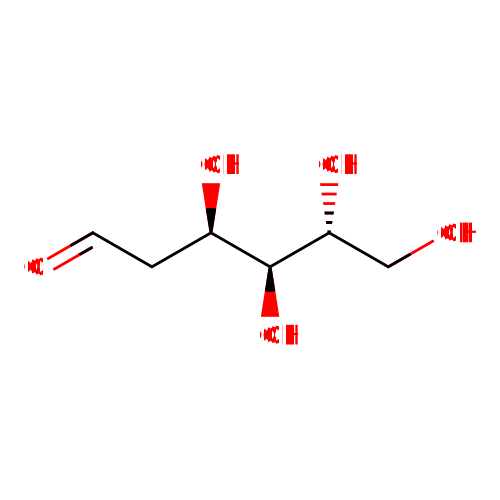
Acetyl glucosamine is an organic compound with the chemical formula C6H12O5 and an average molecular weight of 164.16 g/mol. Acetyl glucosamine belongs to the fatty alcohols, a subclass of fatty acyls within the organic compounds. This substance is found in or released from five recorded sources. These include electrical and electronic equipment, specifically line transmission systems, as well as food, food processing and cookware, including the preparation of wort, vinegar, wine or sparkling wine, and malt. Regarding health effects, the compound is associated with acute lymphoblastic leukemia (PMC6678564 ).
Contaminant TypeNot Available
Chemical Structure
Synonyms
ValueSource
2-Deoxy-D-arabino-hexoseHMDB
2-Deoxy-D-mannoseHMDB
D-2DGLCHMDB
D-Arabino-2-deoxyhexoseHMDB
2 Deoxy D glucoseMeSH
2 DeoxyglucoseMeSH
2-Deoxy-D-glucoseMeSH
DeoxyglucoseMeSH
2 Desoxy D glucoseMeSH
2-Desoxy-D-glucoseMeSH
Chemical FormulaC6H12O5
Average Molecular Mass164.157 g/mol
Monoisotopic Mass164.068 g/mol
CAS Registry Number154-17-6
IUPAC Name(3R,4S,5R)-3,4,5,6-tetrahydroxyhexanal
Traditional Namedeoxyglucose
SMILES[H]C([H])(C=O)[C@@]([H])(O)[C@]([H])(O)[C@]([H])(O)CO
InChI IdentifierInChI=1S/C6H12O5/c7-2-1-4(9)6(11)5(10)3-8/h2,4-6,8-11H,1,3H2/t4-,5-,6+/m1/s1
InChI KeyVRYALKFFQXWPIH-PBXRRBTRSA-N
Chemical Taxonomy
Description Belongs to the class of organic compounds known as fatty alcohols. These are aliphatic alcohols consisting of a chain of a least six carbon atoms.
KingdomOrganic compounds
Super ClassLipids and lipid-like molecules
ClassFatty Acyls
Sub ClassFatty alcohols
Direct ParentFatty alcohols
Alternative Parents
Substituents
  • Fatty alcohol
  • Medium-chain aldehyde
  • Beta-hydroxy aldehyde
  • Alpha-hydrogen aldehyde
  • Secondary alcohol
  • Polyol
  • Organic oxygen compound
  • Organic oxide
  • Hydrocarbon derivative
  • Primary alcohol
  • Organooxygen compound
  • Carbonyl group
  • Aldehyde
  • Alcohol
  • Aliphatic acyclic compound
Molecular FrameworkAliphatic acyclic compounds
External DescriptorsNot Available
Biological Properties
StatusDetected and Not Quantified
OriginNot Available
Cellular LocationsNot Available
Biofluid LocationsNot Available
Tissue LocationsNot Available
ApplicationsNot Available
Biological Roles
Chemical RolesNot Available
Organoleptic EffectsNot Available
Physical Properties
StateNot Available
AppearanceNot Available
Experimental Properties
PropertyValue
Melting PointNot Available
Boiling PointNot Available
SolubilityNot Available
Predicted Properties
PropertyValueSource
Water Solubility379 g/LALOGPS
logP-2ALOGPS
logP-2.9ChemAxon
logS0.36ALOGPS
pKa (Strongest Acidic)12.84ChemAxon
pKa (Strongest Basic)-3ChemAxon
Physiological Charge0ChemAxon
Hydrogen Acceptor Count5ChemAxon
Hydrogen Donor Count4ChemAxon
Polar Surface Area97.99 ŲChemAxon
Rotatable Bond Count5ChemAxon
Refractivity36.01 m³·mol⁻¹ChemAxon
Polarizability15.47 ųChemAxon
Number of Rings0ChemAxon
BioavailabilityYesChemAxon
Rule of FiveYesChemAxon
Ghose FilterNoChemAxon
Veber's RuleNoChemAxon
MDDR-like RuleNoChemAxon
Spectra
Spectra
Spectrum TypeDescriptionSplash KeyDeposition DateView
GC-MSGC-MS Spectrumsplash10-0q29-1951000000-06cc16a9680628545167Not AvailableView Spectrum
GC-MSGC-MS Spectrumsplash10-0lkc-0951000000-39e56efe41d6473040e4Not AvailableView Spectrum
GC-MSGC-MS Spectrumsplash10-0fr5-0920000000-5f7dfef22a1b59cae284Not AvailableView Spectrum
GC-MSGC-MS Spectrumsplash10-0ktb-0920000000-6f9638179f688d51022eNot AvailableView Spectrum
Predicted GC-MSPredicted GC-MS Spectrumsplash10-0ir0-9400000000-0d9dd630f3590782a74eNot AvailableView Spectrum
Predicted GC-MSPredicted GC-MS Spectrumsplash10-054t-9258700000-0738ee18a80ba8e5b90aNot AvailableView Spectrum
Predicted GC-MSPredicted GC-MS SpectrumNot AvailableNot AvailableView Spectrum
Predicted LC-MS/MSPredicted LC-MS/MS Spectrumsplash10-014j-3900000000-45865b9816a45604d811Not AvailableView Spectrum
Predicted LC-MS/MSPredicted LC-MS/MS Spectrumsplash10-01ow-9200000000-7b5a5cbd361ec11efbbfNot AvailableView Spectrum
Predicted LC-MS/MSPredicted LC-MS/MS Spectrumsplash10-0707-9000000000-c9e6d3430eb1073f0d79Not AvailableView Spectrum
Predicted LC-MS/MSPredicted LC-MS/MS Spectrumsplash10-0w29-5900000000-90300437f9ab1170e562Not AvailableView Spectrum
Predicted LC-MS/MSPredicted LC-MS/MS Spectrumsplash10-0k96-9400000000-a11cb0518964ee7a83ddNot AvailableView Spectrum
Predicted LC-MS/MSPredicted LC-MS/MS Spectrumsplash10-0006-9000000000-b4574a9d519fced6b332Not AvailableView Spectrum
Predicted LC-MS/MSPredicted LC-MS/MS Spectrumsplash10-004i-6900000000-319e473c192f4b110b8dNot AvailableView Spectrum
Predicted LC-MS/MSPredicted LC-MS/MS Spectrumsplash10-0006-9000000000-d161d9b754ebaeb29a74Not AvailableView Spectrum
Predicted LC-MS/MSPredicted LC-MS/MS Spectrumsplash10-0006-9000000000-0a62c56f2a4845f4d597Not AvailableView Spectrum
Predicted LC-MS/MSPredicted LC-MS/MS Spectrumsplash10-08ml-9700000000-9df4724be189ef01f655Not AvailableView Spectrum
Predicted LC-MS/MSPredicted LC-MS/MS Spectrumsplash10-0abc-9000000000-e85603d6bed71b3882e0Not AvailableView Spectrum
Predicted LC-MS/MSPredicted LC-MS/MS Spectrumsplash10-0006-9000000000-4ed5058ebfd661cb8c61Not AvailableView Spectrum
1D NMR1H NMR Spectrum (1D, D2O, predicted)Not AvailableNot AvailableView Spectrum
1D NMR13C NMR Spectrum (1D, D2O, predicted)Not AvailableNot AvailableView Spectrum
Toxicity Profile
Toxicity Values
Toxicity ValueOrganismDose DescriptorRoute of ExposurePredicted or ExperimentalToxicity RatingReference
6679.0 Log mg/kg [3800:12000]RatLD50oralpredictedNot AvailableNot Available
Toxicity / Toxin ClassNot Available
Mechanism of ToxicityNot Available
Carcinogenicity (IARC Classification)Not Available
Minimum Risk LevelNot Available
SymptomsNot Available
TreatmentNot Available
Health Effects
Health EffectRelationshipDirectionDescriptionReference
cancerNot AvailableNot AvailableCancer is a group of diseases involving abnormal cell growth with the potential to invade or spread to other parts of the body. Possible signs and symptoms include a lump, abnormal bleeding, prolonged cough, unexplained weight loss, and a change in bowel movements. There are over 100 types of cancers affect humans. The risk of developing certain cancers can be reduced by not smoking, maintaining a healthy weight, not drinking too much alcohol, eating plenty of vegetables, fruits and whole grains, vaccination against certain infectious diseases, not eating too much processed and red meat and avoiding too much sunlight exposure. Cancer is often treated with some combination of radiation therapy, surgery, chemotherapy and targeted therapy. The majority of cancers, some 90–95% of cases, are due to genetic mutations from environmental and lifestyle factors. The remaining 5–10% are due to inherited genetics.PMC6366956
cervical cancerHas Therapeutic Effect OnNot AvailableA female reproductive organ cancer that is located in the cervix. (DO)PMC9910008
liver cancerHas Therapeutic Effect OnNot AvailableLiver cancer, also known as hepatic cancer and primary hepatic cancer, is cancer that starts in the liver. Cancer which has spread from elsewhere to the liver, known as liver metastasis, is more common than that which starts in the liver. Symptoms of liver cancer may include a lump or pain in the right side below the rib cage, swelling of the abdomen, yellowish skin, easy bruising, weight loss and weakness.("Adult Primary Liver Cancer Treatment (PDQ®)–Patient Version". NCI. 6 July 2016. Archived from the original on 2 October 2016. Retrieved 29 September 2016) The leading cause of liver cancer is cirrhosis due to hepatitis B, hepatitis C or alcohol.(PMID: 25530442) The most common types of liver cancer are hepatocellular carcinoma (HCC), which makes up 80% of cases, and cholangiocarcinoma.(World Cancer Report 2014. World Health Organization. 2014. pp. Chapter 5.6. ISBN 978-9283204299) Globally, as of 2010, liver cancer resulted in 754,000 deaths, up from 460,000 in 1990, making it the third leading cause of cancer death after lung and stomach.(PMID: 23245604) In 2012, it represented 7% of cancer diagnoses in men, the 5th most diagnosed cancer that year.(World Cancer Report 2014. International Agency for Research on Cancer, World Health Organization. 2014. ISBN 978-92-832-0432-9)PMC5713456
acute lymphoblastic leukemiaAssociated With?Not AvailableAn acute lymphocytic leukemia characterized by a clonal expansion of immature lymphocytes in the bone marrow, lymph nodes, thymus , or spleen. Can be detected by numerous chromsome aberrations, such as the philadelphia chromsome or translocation of the band 11q23/MLL, and by fusion proteins such as BCR-ABL1 or MLL-AFF1 . (NCBI)PMC6678564
epilepsyNot AvailableNot AvailableA brain disease that is characterized by the occurrance of at least two unprovoked seizures resulting from a persistent epileptogenic abnormality of the brain that is able to spontaneously generate paroxysmal activity and typically manifested by sudden brief episodes of altered or diminished consciousness, involuntary movements, or convulsions. (DO)PMC6366956
viral infectious diseaseNot AvailableNot AvailableNot AvailablePMC6366956
inflammatory diseaseNot AvailableNot AvailableNot AvailablePMC8191212
AutoimmunityNot AvailableNot AvailableNot AvailablePMC8191212
Cell SurvivalAssociated With?decreaseNot AvailablePMC11848286
Exposure Sources
Source IDSourceSectorReference
CEDs000511Conductors Or Conductive Bodies Characterised By The Conductive Materials?Conductors, or conductive bodies, are materials that allow the flow of electrical current, typically made from metals such as copper, aluminum, or silver.Electrical & Electronic EquipmentPubChem
CEDs000519Electrodes?Electrodes, used in various electrical and electronic applications, can be a source of synthetic chemical contamination due to the materials from which they are constructed and the processes involved in their manufacturing.Electrical & Electronic EquipmentPubChem
CEDs000524Hybrid Capacitors?Hybrid capacitors are energy storage devices that combine the properties of electrolytic and supercapacitors, utilizing a combination of electrochemical principles to achieve higher energy density and power density.Electrical & Electronic EquipmentPubChem
CEDs000525Line Transmission Systems?Line Transmission Systems, commonly used for the distribution of electrical energy, can be a source of synthetic chemical contamination through the insulation materials and coatings utilized in their construction.Electrical & Electronic EquipmentPubChem
CEDs000544Fermentation Processes For Beer?Fermentation processes for beer involve the conversion of sugars into alcohol and carbon dioxide by yeast.Food, food processing & cookwarePubChem
CEDs000545Food Preservation?Food preservation often involves the use of synthetic chemicals, such as preservatives, flavor enhancers, and color additives, to extend shelf life and enhance the sensory qualities of food products.Food, food processing & cookwarePubChem
CEDs000547Preparation Of Malt?Malt preparation involves the germination and drying of cereal grains, primarily barley, to produce malt for brewing and food products.Food, food processing & cookwarePubChem
CEDs000548Preparation Of Vinegar?Vinegar is produced through the fermentation of ethanol by acetic acid bacteria, resulting in a solution that typically contains 4-8% acetic acid.Food, food processing & cookwarePubChem
CEDs000549Preparation Of Wine Or Sparkling Wine?The preparation of wine or sparkling wine involves various stages, including fermentation, aging, and bottling, which can introduce potential sources of synthetic chemical contamination.Food, food processing & cookwarePubChem
CEDs000550Preparation Of Wort?The preparation of wort involves the extraction of sugars from malted grains, a crucial step in the brewing process.Food, food processing & cookwarePubChem
CEDs000561Perfumes Within Detergents And Soaps?Perfumes within detergents and soaps are synthetic fragrance compounds added to enhance the sensory experience of cleaning products.Household cleaning & consumer productsPubChem
CEDs000563Soap Detergents?Soap detergents are synthetic surfactants designed to enhance the cleaning efficacy of water by reducing surface tension, allowing for better interaction with dirt and grease.Household cleaning & consumer productsPubChem
CEDs000569Tobacco Smoke Filters?Tobacco smoke filters are designed to reduce the inhalation of harmful substances in cigarette smoke, including tar and other particulate matter.Household cleaning & consumer productsPubChem
CEDs000580Manufacture Preparation Of Tobacco Products?The manufacture and preparation of tobacco products involve various processes that can result in the introduction of synthetic chemicals into the environment.Industrial manufacturing & chemical processingPubChem
CEDs000581Paper Making Machines?Paper making machines utilize various synthetic chemicals throughout the production process, including additives, coatings, and bleaching agents.Industrial manufacturing & chemical processingPubChem
CEDs000600Herbicides And Algicides?Herbicides and algicides are synthetic chemicals primarily used to control unwanted plants and algae in various environments.Agriculture & land managementPubChem
CEDs000605Pest Repellants?Pest repellents, often formulated from synthetic chemicals, are widely used to protect crops from insect infestations and other pests.Agriculture & land managementPubChem
CEDs000606Plant Growth Regulators?Plant Growth Regulators (PGRs) are synthetic chemicals designed to influence the growth and development of plants.Agriculture & land managementPubChem
CEDs000609Aftershave?Aftershave is a grooming product typically used to soothe and protect the skin following shaving.Personal care & cosmeticsPubChem
CEDs000611Anti Perspirants Or Body Deoderants?Antiperspirants and body deodorants commonly contain synthetic chemicals such as aluminum compounds, parabens, and synthetic fragrances.Personal care & cosmeticsPubChem
CEDs000613Depilatories?Depilatories are products designed to remove unwanted hair through the application of synthetic chemicals that break down the protein structure of hair, facilitating its removal.Personal care & cosmeticsPubChem
CEDs000614Essential Oils Or Perfumes?Essential oils and perfumes are complex mixtures of volatile compounds derived from natural or synthetic sources, commonly used for their aromatic properties.Personal care & cosmeticsPubChem
CEDs000615Eye Makeup Products?Eye makeup products, including mascaras, eyeliners, and eyeshadows, often contain a variety of synthetic chemicals such as pigments, preservatives, and film-forming agents.Personal care & cosmeticsPubChem
CEDs000617Lip Care Products?Lip care products, including lipsticks, balms, and glosses, often contain a variety of synthetic chemicals such as parabens, phthalates, and synthetic fragrances.Personal care & cosmeticsPubChem
CEDs000618Lip Makeup Products?Lip makeup products, such as lipsticks, lip glosses, and lip liners, often contain a variety of synthetic chemicals, including pigments, preservatives, and emollients.Personal care & cosmeticsPubChem
CEDs000678Nitrogenous Fertilisers?Nitrogenous fertilizers are synthetic chemical compounds primarily used to enhance plant growth by supplying essential nitrogen, a crucial nutrient for photosynthesis and protein synthesis.Agriculture & land managementPubChem
CEDs000679Phosphatic Fertilisers?Phosphatic fertilizers are synthetic chemical products primarily composed of phosphorus, which is essential for plant growth.Agriculture & land managementPubChem
CEDs000696Nanotechnology?Nanotechnology involves the manipulation of materials at the molecular or atomic level, typically within the range of 1 to 100 nanometers.Industrial manufacturing & chemical processingPubChem
CEDs000727Printing Machines Or Presses?Printing machines or presses commonly utilize synthetic chemicals such as inks, solvents, and cleaning agents.Paper, pulp & fiber productsPubChem
CEDs000734Coating Compositions?Coating compositions, which include paints, sealants, and varnishes, are formulated with a variety of synthetic chemicals such as solvents, resins, pigments, and additives.Building & ConstructionPubChem
CEDs000739Inks?Inks are complex mixtures composed of pigments or dyes, solvents, resins, and additives used primarily for printing and writing applications.Paper, pulp & fiber productsPubChem
CEDs000740Paper?Paper production involves the processing of wood fibers and the use of various chemicals, which can lead to synthetic chemical contamination.Paper, pulp & fiber productsPubChem
CEDs000744Water, Wastewater, & Sewage Treatment?Water, wastewater, and sewage treatment processes are critical for managing and mitigating pollutants in water systems.Wastewater, sanitation & biosolidsPubChem
CEDs01375Skim MilkFood, food processing & cookwarePMC7878699
Pathways
0 pathwaysPathway Source: PathBank

No pathways found

No metabolic pathways have been associated with this synthetic chemical

Targets
StructureProteinUniProt IDOrganismRelationshipDetails
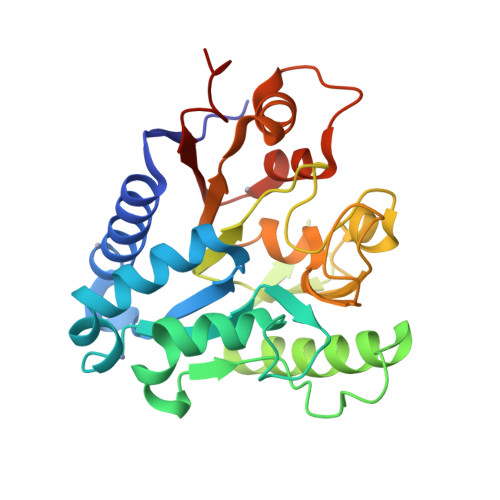
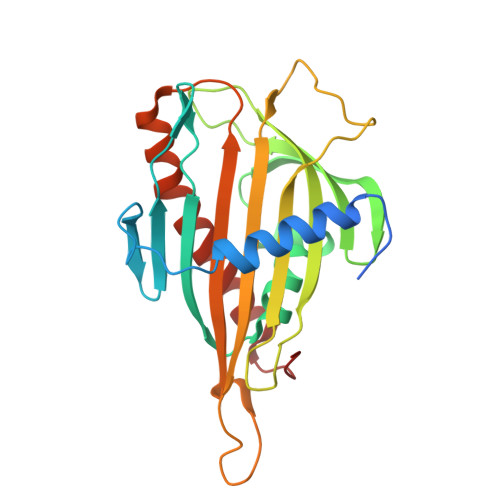
Phosphoheptose isomerase structureClick to view 3D structurePhosphoheptose isomeraseQ93UJ2Burkholderia pseudomallei (strain K96243)Predicted (SEA)
Prediction Confidence Score
0.278
Applicability Domain
0.278 Low confidence
Statistical Significance
2.00e-05
Supporting Reference Compounds
1
E-value
0.155698
Click to view 3D structureAsc-type amino acid transporter 1P63116RatPredicted (SEA)
Prediction Confidence Score
0.214
Applicability Domain
0.214 Low confidence
Statistical Significance
0.0014
Supporting Reference Compounds
2
E-value
10.821
Ribose-5-phosphate isomerase B structureClick to view 3D structureRibose-5-phosphate isomerase BP9WKD7Mycobacterium tuberculosis (strain ATCC 25618 / H37Rv)Predicted (SEA)
Prediction Confidence Score
0.189
Applicability Domain
0.189 Low confidence
Statistical Significance
5.70e-04
Supporting Reference Compounds
1
E-value
4.43741
6-phosphogluconolactonase structureClick to view 3D structure6-phosphogluconolactonaseQ9GRG6Trypanosoma bruceiPredicted (SEA)
Prediction Confidence Score
0.184
Applicability Domain
0.184 Low confidence
Statistical Significance
5.90e-04
Supporting Reference Compounds
1
E-value
4.5931
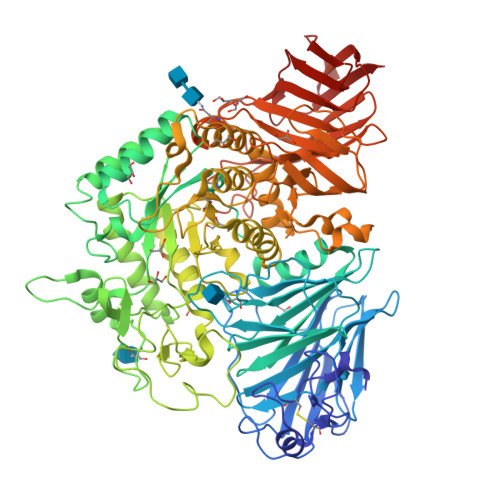
Click to view 3D structureLysosomal alpha-glucosidaseQ6P7A9Rattus norvegicusPredicted (SEA)
Prediction Confidence Score
0.183
Applicability Domain
0.25 Low confidence
Statistical Significance
0.0029
Supporting Reference Compounds
21
E-value
22.4206
Fructose-bisphosphate aldolase, glycosomal structureClick to view 3D structureFructose-bisphosphate aldolase, glycosomalP07752Trypanosoma brucei bruceiPredicted (SEA)
Prediction Confidence Score
0.179
Applicability Domain
0.179 Low confidence
Statistical Significance
3.40e-04
Supporting Reference Compounds
2
E-value
2.64687
Maltase-glucoamylase structureClick to view 3D structureMaltase-glucoamylaseO43451HumansPredicted (SEA)
Prediction Confidence Score
0.178
Applicability Domain
0.25 Low confidence
Statistical Significance
0.0174
Supporting Reference Compounds
30
E-value
135.691
Glucose-6-phosphate isomerase structureClick to view 3D structureGlucose-6-phosphate isomeraseQ9N1E2Oryctolagus cuniculusPredicted (SEA)
Prediction Confidence Score
0.175
Applicability Domain
0.175 Low confidence
Statistical Significance
0.0012
Supporting Reference Compounds
1
E-value
9.03051
Click to view 3D structureSucrase-isomaltase, intestinalP23739Rattus norvegicusPredicted (SEA)
Prediction Confidence Score
0.172
Applicability Domain
0.25 Low confidence
Statistical Significance
0.0058
Supporting Reference Compounds
25
E-value
45.3861
Click to view 3D structureHemagglutinin-neuraminidaseQ06992Human parainfluenza virus 1Predicted (SEA)
Prediction Confidence Score
0.167
Applicability Domain
0.18 Low confidence
Statistical Significance
0.0021
Supporting Reference Compounds
3
E-value
16.0369
Click to view 3D structureNeuraminidaseB4URF0Influenza A virusPredicted (SEA)
Prediction Confidence Score
0.166
Applicability Domain
0.18 Low confidence
Statistical Significance
0.2058
Supporting Reference Compounds
42
E-value
1602.53
Click to view 3D structureCholinesteraseP81908Equus caballusPredicted (SEA)
Prediction Confidence Score
0.143
Applicability Domain
0.214 Low confidence
Statistical Significance
0.9686
Supporting Reference Compounds
201
E-value
7540.55
Sialidase-2 structureClick to view 3D structureSialidase-2Q9Y3R4HumansPredicted (SEA)
Prediction Confidence Score
0.143
Applicability Domain
0.18 Low confidence
Statistical Significance
0.055
Supporting Reference Compounds
5
E-value
427.859
Click to view 3D structureSialidase-3Q9UQ49HumansPredicted (SEA)
Prediction Confidence Score
0.141
Applicability Domain
0.18 Low confidence
Statistical Significance
0.1771
Supporting Reference Compounds
8
E-value
1379.02
Click to view 3D structureCannabinoid receptor 1P20272Rattus norvegicusPredicted (SEA)
Prediction Confidence Score
0.14
Applicability Domain
0.156 Low confidence
Statistical Significance
0.9037
Supporting Reference Compounds
83
E-value
7035.23
Click to view 3D structure1-deoxy-D-xylulose 5-phosphate reductoisomerase, chloroplasticQ9XFS9Arabidopsis thalianaPredicted (SEA)
Prediction Confidence Score
0.139
Applicability Domain
0.139 Low confidence
Statistical Significance
0.0018
Supporting Reference Compounds
1
E-value
14.0129
Click to view 3D structure1-deoxy-D-xylulose 5-phosphate reductoisomeraseQ55663Synechocystis sp. (strain PCC 6803 / Kazusa)Predicted (SEA)
Prediction Confidence Score
0.139
Applicability Domain
0.139 Low confidence
Statistical Significance
0.0018
Supporting Reference Compounds
1
E-value
14.0129
Click to view 3D structureCAI-1 autoinducer sensor kinase/phosphatase CqsSQ9KM66Vibrio cholerae serotype O1 (strain ATCC 39315 / El Tor Inaba N16961)Predicted (SEA)
Prediction Confidence Score
0.139
Applicability Domain
0.139 Low confidence
Statistical Significance
0.021
Supporting Reference Compounds
1
E-value
163.873
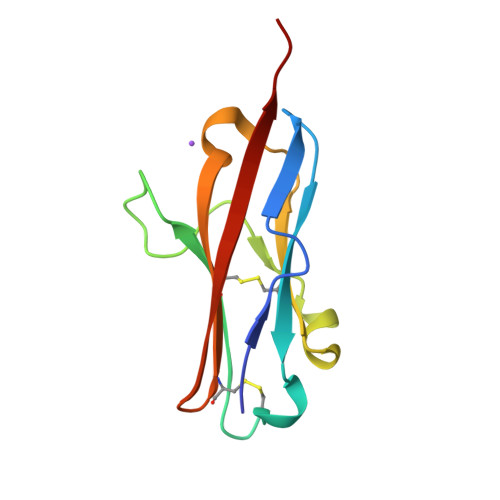
Programmed cell death 1 ligand 2 structureClick to view 3D structureProgrammed cell death 1 ligand 2Q9WUL5Mus musculusPredicted (SEA)
Prediction Confidence Score
0.139
Applicability Domain
0.143 Low confidence
Statistical Significance
0.0335
Supporting Reference Compounds
2
E-value
261.184
Programmed cell death 1 ligand 2 structureClick to view 3D structureProgrammed cell death 1 ligand 2Q9BQ51HumansPredicted (SEA)
Prediction Confidence Score
0.139
Applicability Domain
0.143 Low confidence
Statistical Significance
0.0335
Supporting Reference Compounds
2
E-value
261.184
Olfactory receptor 51E2 structureClick to view 3D structureOlfactory receptor 51E2Q9H255HumansPredicted (SEA)
Prediction Confidence Score
0.138
Applicability Domain
0.269 Low confidence
Statistical Significance
0.0458
Supporting Reference Compounds
9
E-value
356.549
Click to view 3D structureNeuraminidaseA5Z252Influenza A virusPredicted (SEA)
Prediction Confidence Score
0.138
Applicability Domain
0.173 Low confidence
Statistical Significance
0.4333
Supporting Reference Compounds
18
E-value
3373.44
Ceramide transfer protein structureClick to view 3D structureCeramide transfer proteinQ9Y5P4HumansPredicted (SEA)
Prediction Confidence Score
0.137
Applicability Domain
0.137 Low confidence
Statistical Significance
0.2399
Supporting Reference Compounds
1
E-value
1867.76
Aminopeptidase N structureClick to view 3D structureAminopeptidase NP04825Escherichia coli (strain K12)Predicted (SEA)
Prediction Confidence Score
0.135
Applicability Domain
0.135 Low confidence
Statistical Significance
0.021
Supporting Reference Compounds
1
E-value
163.873
Click to view 3D structureCannabinoid receptor 2P47936Mus musculusPredicted (SEA)
Prediction Confidence Score
0.135
Applicability Domain
0.156 Low confidence
Statistical Significance
0.8131
Supporting Reference Compounds
39
E-value
6330.08
Hexokinase-2 structureClick to view 3D structureHexokinase-2P52789HumansKnownNot Available
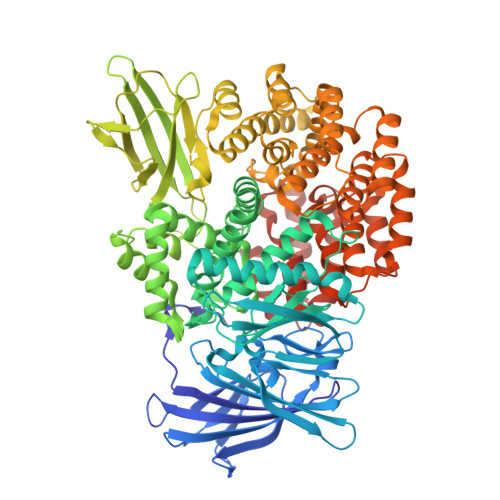
Glucose-6-phosphate isomerase structureClick to view 3D structureGlucose-6-phosphate isomeraseP06744HumansKnownNot Available
Concentrations
Not Available
External Links
DrugBank IDDB08831
HMDB IDHMDB0062477
FooDB IDNot Available
Phenol Explorer IDNot Available
KNApSAcK IDNot Available
BiGG IDNot Available
BioCyc IDNot Available
METLIN IDNot Available
PDB IDNot Available
Wikipedia LinkDeoxyglucose
Chemspider ID97292
ChEBI ID15866
PubChem Compound ID108223
Kegg Compound IDNot Available
YMDB IDYMDB00294
ECMDB IDECMDB03174
References
Synthesis ReferenceNot Available
MSDSNot Available
General ReferencesNot Available