Cyanidin (CED0002375)

Record Information
Version1.0
Creation Date2016-05-25 18:09:05 UTC
Update Date2026-03-26 20:01:10 UTC
SynCED IDCED0002375
Secondary Accession Numbers
  • CHEM021647
Identification
Common NameCyanidin
ClassSmall Molecule
Description
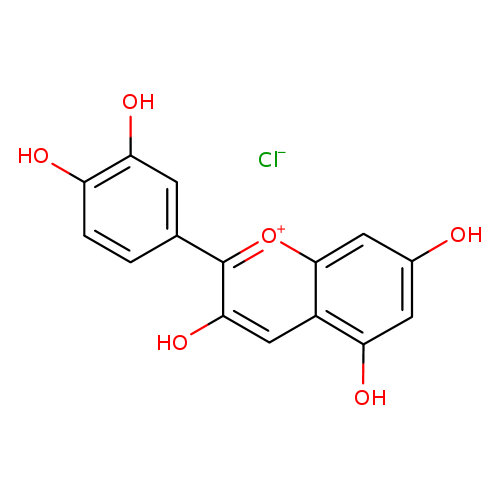
Cyanidin is an organic compound with the formula C15H11ClO6 and an average molecular weight of 322.70 g/mol. Cyanidin belongs to the hydroxyflavonoids, a subclass of flavonoids within the organic compounds. It is further categorized under the superclass of phenylpropanoids and polyketides. Biologically, cyanidin serves as an antioxidant (PMC7589133 , PMC8232781 ). This compound is identified in ten recorded sources across different categories. Within food, food processing, and cookware, it is found in the preparation of vinegar, wine or sparkling wine, and wort, as well as in the preparation of malt, molasses and the treatment of molasses, and one additional source. Furthermore, cyanidin is associated with household cleaning and consumer products, specifically appearing in tobacco product cases, pipe accessories, other smoking requisites, and non electric simulated smoking devices.
Contaminant TypeNot Available
Chemical Structure
Synonyms
ValueSource
2-(3,4-Dihydroxyphenyl)-3,5,7-trihydroxy-1-benzopyrylium chlorideHMDB
3,3',4',5,7-Pentahydroxy-2-phenylbenzopyrylium chlorideHMDB
3,3',4',5,7-Pentahydroxyflavylium chlorideHMDB
Cyanidin chlorideHMDB
CyanidineHMDB
CyanidolHMDB
Cyanidol chlorideHMDB
IdB 1027HMDB
2-(3,4-Dihydroxyphenyl) chromenylium-3,5,7-triolMeSH
3,5,7,3',4'-PentahydroxyflavyliumMeSH
Cyanidin cationMeSH
1-Benzopyrylium, 2-(3,4-dihydroxyphenyl)-3,5,7-trihydroxy-, chlorideMeSH
Cyanidin ionMeSH
Flavylium, 3,3',4',5,7-pentahydroxy-, chlorideMeSH
1-Benzopyrylium, 2-(3,4-dihydroxyphenyl)-3,5,7-trihydroxy-, chloride (1:1)MeSH
CyanidinMeSH
Chemical FormulaC15H11ClO6
Average Molecular Mass322.697 g/mol
Monoisotopic Mass322.024 g/mol
CAS Registry Number528-58-5
IUPAC Name2-(3,4-dihydroxyphenyl)-3,5,7-trihydroxy-1lambda4-chromen-1-ylium chloride
Traditional Name2-(3,4-dihydroxyphenyl)-3,5,7-trihydroxy-1lambda4-chromen-1-ylium chloride
SMILES[Cl-].OC1=CC(O)=C2C=C(O)C(=[O+]C2=C1)C1=CC(O)=C(O)C=C1
InChI IdentifierInChI=1S/C15H10O6.ClH/c16-8-4-11(18)9-6-13(20)15(21-14(9)5-8)7-1-2-10(17)12(19)3-7;/h1-6H,(H4-,16,17,18,19,20);1H
InChI KeyCOAWNPJQKJEHPG-UHFFFAOYSA-N
Chemical Taxonomy
Description Belongs to the class of organic compounds known as 7-hydroxyflavonoids. These are flavonoids that bear one hydroxyl group at the C-7 position of the flavonoid skeleton.
KingdomOrganic compounds
Super ClassPhenylpropanoids and polyketides
ClassFlavonoids
Sub ClassHydroxyflavonoids
Direct Parent7-hydroxyflavonoids
Alternative Parents
Substituents
  • 3'-hydroxyflavonoid
  • 3-hydroxyflavonoid
  • 4'-hydroxyflavonoid
  • 7-hydroxyflavonoid
  • 5-hydroxyflavonoid
  • Anthocyanidin
  • Benzopyran
  • 1-benzopyran
  • Catechol
  • 1-hydroxy-4-unsubstituted benzenoid
  • 1-hydroxy-2-unsubstituted benzenoid
  • Phenol
  • Monocyclic benzene moiety
  • Benzenoid
  • Heteroaromatic compound
  • Polyol
  • Oxacycle
  • Organoheterocyclic compound
  • Organic oxygen compound
  • Organooxygen compound
  • Organic zwitterion
  • Organic salt
  • Organic chloride salt
  • Hydrocarbon derivative
  • Aromatic heteropolycyclic compound
Molecular FrameworkAromatic heteropolycyclic compounds
External DescriptorsNot Available
Biological Properties
StatusDetected and Not Quantified
OriginNot Available
Cellular LocationsNot Available
Biofluid LocationsNot Available
Tissue LocationsNot Available
ApplicationsNot Available
Biological Roles
Chemical RolesNot Available
Organoleptic Effects
  • red colour ?
  • purple colour ?
  • pink colour ?
  • magenta colour ?
  • pinkish colour ?
Physical Properties
StateNot Available
AppearanceNot Available
Experimental Properties
PropertyValue
Melting PointNot Available
Boiling PointNot Available
SolubilityNot Available
Predicted Properties
PropertyValueSource
Water Solubility0.049 g/LALOGPS
logP2.41ALOGPS
logP3.05ChemAxon
logS-3.8ALOGPS
pKa (Strongest Acidic)6.01ChemAxon
pKa (Strongest Basic)-5.9ChemAxon
Physiological Charge-1ChemAxon
Hydrogen Acceptor Count6ChemAxon
Hydrogen Donor Count5ChemAxon
Polar Surface Area114.29 ŲChemAxon
Rotatable Bond Count1ChemAxon
Refractivity84.11 m³·mol⁻¹ChemAxon
Polarizability28.11 ųChemAxon
Number of Rings3ChemAxon
BioavailabilityYesChemAxon
Rule of FiveYesChemAxon
Ghose FilterYesChemAxon
Veber's RuleNoChemAxon
MDDR-like RuleNoChemAxon
Spectra
Spectra
Spectrum TypeDescriptionSplash KeyDeposition DateView
Predicted GC-MSPredicted GC-MS Spectrumsplash10-0ab9-0981000000-b03145f35dffd7b73034Not AvailableView Spectrum
Predicted GC-MSPredicted GC-MS Spectrumsplash10-001i-2062095000-78127582ff2f81e09993Not AvailableView Spectrum
Predicted LC-MS/MSPredicted LC-MS/MS Spectrumsplash10-00di-0009000000-f9880830ba79067d96b6Not AvailableView Spectrum
Predicted LC-MS/MSPredicted LC-MS/MS Spectrumsplash10-00di-0009000000-eee166fbbcec693fd35dNot AvailableView Spectrum
Toxicity Profile
Toxicity Values
Toxicity ValueOrganismDose DescriptorRoute of ExposurePredicted or ExperimentalToxicity RatingReference
3693.0 Log mg/kg [2100:6600]RatLD50oralpredictedNot AvailableNot Available
Toxicity / Toxin ClassNot Available
Mechanism of ToxicityNot Available
Carcinogenicity (IARC Classification)Not Available
Minimum Risk LevelNot Available
SymptomsNot Available
TreatmentNot Available
Health Effects
Health EffectRelationshipDirectionDescriptionReference
lung cancerAssociated With?decreaseA respiratory system cancer that is located in the lung. (DO)PMC12985910
colorectal adenocarcinomaAssociated With?decreaseNot AvailablePMC8434187
Exposure Sources
Source IDSourceSectorReference
CEDs000010Insecticides?Insecticides are synthetic chemicals designed to control or eliminate insect pests that threaten crops and other agricultural products.Agriculture & land managementPubChem
CEDs000233Brushes?Brushes used in personal care and cosmetics can be a source of synthetic chemical contamination due to the materials and coatings used in their manufacturing.Personal care & cosmeticsPubChem
CEDs000511Conductors Or Conductive Bodies Characterised By The Conductive Materials?Conductors, or conductive bodies, are materials that allow the flow of electrical current, typically made from metals such as copper, aluminum, or silver.Electrical & Electronic EquipmentPubChem
CEDs000518Electrically Stimulated Smoking Devices?Electrically stimulated smoking devices, commonly known as e-cigarettes or vape pens, utilize electrical components to heat a liquid solution, often containing nicotine, flavorings, and other additives, to produce an aerosol for inhalation.Electrical & Electronic EquipmentPubChem
CEDs000519Electrodes?Electrodes, used in various electrical and electronic applications, can be a source of synthetic chemical contamination due to the materials from which they are constructed and the processes involved in their manufacturing.Electrical & Electronic EquipmentPubChem
CEDs000521Fixed Capacitors And Their Manufacture?Fixed capacitors are passive electronic components used to store and release electrical energy, playing a critical role in various circuits.Electrical & Electronic EquipmentPubChem
CEDs000524Hybrid Capacitors?Hybrid capacitors are energy storage devices that combine the properties of electrolytic and supercapacitors, utilizing a combination of electrochemical principles to achieve higher energy density and power density.Electrical & Electronic EquipmentPubChem
CEDs000544Fermentation Processes For Beer?Fermentation processes for beer involve the conversion of sugars into alcohol and carbon dioxide by yeast.Food, food processing & cookwarePubChem
CEDs000545Food Preservation?Food preservation often involves the use of synthetic chemicals, such as preservatives, flavor enhancers, and color additives, to extend shelf life and enhance the sensory qualities of food products.Food, food processing & cookwarePubChem
CEDs000546Molasses And Treatment Of Molasses?Molasses is a thick, viscous byproduct of sugar production, derived from the extraction of sugar cane or sugar beet juice.Food, food processing & cookwarePubChem
CEDs000547Preparation Of Malt?Malt preparation involves the germination and drying of cereal grains, primarily barley, to produce malt for brewing and food products.Food, food processing & cookwarePubChem
CEDs000548Preparation Of Vinegar?Vinegar is produced through the fermentation of ethanol by acetic acid bacteria, resulting in a solution that typically contains 4-8% acetic acid.Food, food processing & cookwarePubChem
CEDs000549Preparation Of Wine Or Sparkling Wine?The preparation of wine or sparkling wine involves various stages, including fermentation, aging, and bottling, which can introduce potential sources of synthetic chemical contamination.Food, food processing & cookwarePubChem
CEDs000550Preparation Of Wort?The preparation of wort involves the extraction of sugars from malted grains, a crucial step in the brewing process.Food, food processing & cookwarePubChem
CEDs000553Treatment Of Hops?Hops, a key ingredient in brewing and food flavoring, can be a source of synthetic chemical contamination due to various agricultural practices.Food, food processing & cookwarePubChem
CEDs000556Cigar Cigarettes?Cigar cigarettes are a source of synthetic chemical contamination due to the combustion of various tobacco blends and additives.Household cleaning & consumer productsPubChem
CEDs000559Non Electric Simulated Smoking Devices?Non-electric simulated smoking devices, often designed to mimic the experience of smoking without combustion, can be sources of synthetic chemical contamination due to the materials and chemicals used in their construction and operation.Household cleaning & consumer productsPubChem
CEDs000560Other Smoking Requisites?Other smoking requisites, including items such as lighters, matches, and rolling papers, can introduce synthetic chemical contamination through various components and additives.Household cleaning & consumer productsPubChem
CEDs000561Perfumes Within Detergents And Soaps?Perfumes within detergents and soaps are synthetic fragrance compounds added to enhance the sensory experience of cleaning products.Household cleaning & consumer productsPubChem
CEDs000562Pipe Accessories?Pipe accessories, such as fittings, connectors, and seals, are components used in plumbing systems to facilitate the flow of liquids and gases.Household cleaning & consumer productsPubChem
CEDs000563Soap Detergents?Soap detergents are synthetic surfactants designed to enhance the cleaning efficacy of water by reducing surface tension, allowing for better interaction with dirt and grease.Household cleaning & consumer productsPubChem
CEDs000567Tobacco Product Cases?Tobacco product cases can serve as a source of synthetic chemical contamination due to the presence of various additives and chemicals used in tobacco processing and product manufacturing.Household cleaning & consumer productsPubChem
CEDs000569Tobacco Smoke Filters?Tobacco smoke filters are designed to reduce the inhalation of harmful substances in cigarette smoke, including tar and other particulate matter.Household cleaning & consumer productsPubChem
CEDs000578Making Cigars?The process of making cigars involves several steps, including the cultivation of tobacco, fermentation, and the application of various additives to enhance flavor and preservation.Industrial manufacturing & chemical processingPubChem
CEDs000579Manufacture Of Iron Or Steel?The manufacture of iron or steel involves various processes, including smelting, refining, and alloying, which can result in the release of synthetic chemicals and contaminants.Industrial manufacturing & chemical processingPubChem
CEDs000580Manufacture Preparation Of Tobacco Products?The manufacture and preparation of tobacco products involve various processes that can result in the introduction of synthetic chemicals into the environment.Industrial manufacturing & chemical processingPubChem
CEDs000596Acaricides?Acaricides are synthetic chemicals specifically designed to target and control mite populations that can damage crops and plants.Agriculture & land managementPubChem
CEDs000597Chemosterilants?Chemosterilants are synthetic chemicals designed to induce sterility in target pest populations, thereby controlling their reproduction and mitigating damage to crops.Agriculture & land managementPubChem
CEDs000600Herbicides And Algicides?Herbicides and algicides are synthetic chemicals primarily used to control unwanted plants and algae in various environments.Agriculture & land managementPubChem
CEDs000602Molluscicides?Molluscicides are synthetic chemicals specifically designed to control and eliminate mollusks, such as snails and slugs, which can be detrimental to crops and agricultural productivity.Agriculture & land managementPubChem
CEDs000603Nematocides?Nematocides are synthetic chemicals specifically designed to control nematodes, which are microscopic roundworms that can cause significant damage to crops and plants.Agriculture & land managementPubChem
CEDs000604Pest Attractants?Pest attractants are synthetic chemicals designed to lure specific pests for monitoring or control purposes.Agriculture & land managementPubChem
CEDs000605Pest Repellants?Pest repellents, often formulated from synthetic chemicals, are widely used to protect crops from insect infestations and other pests.Agriculture & land managementPubChem
CEDs000606Plant Growth Regulators?Plant Growth Regulators (PGRs) are synthetic chemicals designed to influence the growth and development of plants.Agriculture & land managementPubChem
CEDs000607Rodenticides(1)?Rodenticides are synthetic chemicals specifically formulated to control rodent populations, serving as a crucial tool in managing pests that can damage crops and spread diseases.Agriculture & land managementPubChem
CEDs000608Rodenticides?Rodenticides are chemical substances specifically designed to control rodent populations by causing death through various mechanisms, including anticoagulation or neurotoxicity.Agriculture & land managementPubChem
CEDs000609Aftershave?Aftershave is a grooming product typically used to soothe and protect the skin following shaving.Personal care & cosmeticsPubChem
CEDs000610Aftersun Products?Aftersun products are designed to soothe and hydrate the skin after sun exposure, often containing various synthetic chemicals such as emollients, preservatives, and fragrances.Personal care & cosmeticsPubChem
CEDs000611Anti Perspirants Or Body Deoderants?Antiperspirants and body deodorants commonly contain synthetic chemicals such as aluminum compounds, parabens, and synthetic fragrances.Personal care & cosmeticsPubChem
CEDs000613Depilatories?Depilatories are products designed to remove unwanted hair through the application of synthetic chemicals that break down the protein structure of hair, facilitating its removal.Personal care & cosmeticsPubChem
CEDs000614Essential Oils Or Perfumes?Essential oils and perfumes are complex mixtures of volatile compounds derived from natural or synthetic sources, commonly used for their aromatic properties.Personal care & cosmeticsPubChem
CEDs000615Eye Makeup Products?Eye makeup products, including mascaras, eyeliners, and eyeshadows, often contain a variety of synthetic chemicals such as pigments, preservatives, and film-forming agents.Personal care & cosmeticsPubChem
CEDs000617Lip Care Products?Lip care products, including lipsticks, balms, and glosses, often contain a variety of synthetic chemicals such as parabens, phthalates, and synthetic fragrances.Personal care & cosmeticsPubChem
CEDs000618Lip Makeup Products?Lip makeup products, such as lipsticks, lip glosses, and lip liners, often contain a variety of synthetic chemicals, including pigments, preservatives, and emollients.Personal care & cosmeticsPubChem
CEDs000632Apparel?Apparel production often involves the use of various synthetic chemicals, including dyes, finishing agents, and preservatives.Textiles, leather & furnishingsPubChem
CEDs000633Azo Dyes?Azo dyes are synthetic organic compounds characterized by the presence of one or more azo groups (-N=N-), which are widely used for coloring textiles, leather, and furnishings.Textiles, leather & furnishingsPubChem
CEDs000650Purses Luggage Hand Bags?Purses, luggage, and handbags are often manufactured using synthetic materials such as polyvinyl chloride (PVC), polyurethane, and various types of nylon.Textiles, leather & furnishingsPubChem
CEDs000678Nitrogenous Fertilisers?Nitrogenous fertilizers are synthetic chemical compounds primarily used to enhance plant growth by supplying essential nitrogen, a crucial nutrient for photosynthesis and protein synthesis.Agriculture & land managementPubChem
CEDs000679Phosphatic Fertilisers?Phosphatic fertilizers are synthetic chemical products primarily composed of phosphorus, which is essential for plant growth.Agriculture & land managementPubChem
CEDs000685Ceramics?Ceramics can be a source of synthetic chemical contamination through various additives and processing agents used in their production.Building & ConstructionPubChem
CEDs000686Clay Wares?Clay wares are ceramic products made from natural clay, often utilized in various construction applications such as tiles, bricks, and sanitary ware.Building & ConstructionPubChem
CEDs000688Glass Coatings?Glass coatings are synthetic chemical formulations applied to glass surfaces to enhance properties such as durability, UV resistance, and aesthetic appeal.Building & ConstructionPubChem
CEDs000689Glass Fibres?Glass fibres are composed of fine strands of glass, commonly utilized for their tensile strength and lightweight properties.Building & ConstructionPubChem
CEDs000696Nanotechnology?Nanotechnology involves the manipulation of materials at the molecular or atomic level, typically within the range of 1 to 100 nanometers.Industrial manufacturing & chemical processingPubChem
CEDs000730Contact Lens Cases?Contact lens cases are small containers designed to store contact lenses in a sterile environment, typically made from various synthetic materials including plastics such as polypropylene or polycarbonate.Healthcare, pharmaceuticals & veterinary productsPubChem
CEDs000734Coating Compositions?Coating compositions, which include paints, sealants, and varnishes, are formulated with a variety of synthetic chemicals such as solvents, resins, pigments, and additives.Building & ConstructionPubChem
CEDs000739Inks?Inks are complex mixtures composed of pigments or dyes, solvents, resins, and additives used primarily for printing and writing applications.Paper, pulp & fiber productsPubChem
CEDs000740Paper?Paper production involves the processing of wood fibers and the use of various chemicals, which can lead to synthetic chemical contamination.Paper, pulp & fiber productsPubChem
CEDs000741Pigment Pastes?Pigment pastes are concentrated dispersions of pigments used to impart color and properties to materials.Paper, pulp & fiber productsPubChem
CEDs000742Leather Tanning?Leather tanning is a process that transforms raw animal hides into durable leather through the application of various chemicals, including chromium salts, aldehydes, and vegetable tannins.Textiles, leather & furnishingsPubChem
CEDs000743Sludge Treatment?Sludge treatment involves the processing of waste materials generated from wastewater treatment plants, which often contain a variety of organic and inorganic substances.Wastewater, sanitation & biosolidsPubChem
CEDs000744Water, Wastewater, & Sewage Treatment?Water, wastewater, and sewage treatment processes are critical for managing and mitigating pollutants in water systems.Wastewater, sanitation & biosolidsPubChem
CEDs01144FoodFood, food processing & cookwarePMC13258050
CEDs01151FruitsFood, food processing & cookwarePMC11402117 , PMC7589133
CEDs01155Red WineFood, food processing & cookwarePMC7180758
CEDs01166Blueberry JuiceFood, food processing & cookwarePMC10574057
CEDs01200VegetablesFood, food processing & cookwarePMC7589133
CEDs01219JuicesFood, food processing & cookwarePMC6337168
CEDs01383Black RiceFood, food processing & cookwarePMC13304588
CEDs01714Rice BransFood, food processing & cookwarePMC8433650
CEDs01782Edible FlowersFood, food processing & cookwarePMC10343634
Pathways
0 pathwaysPathway Source: PathBank

No pathways found

No metabolic pathways have been associated with this synthetic chemical

Targets
StructureProteinUniProt IDOrganismRelationshipDetails
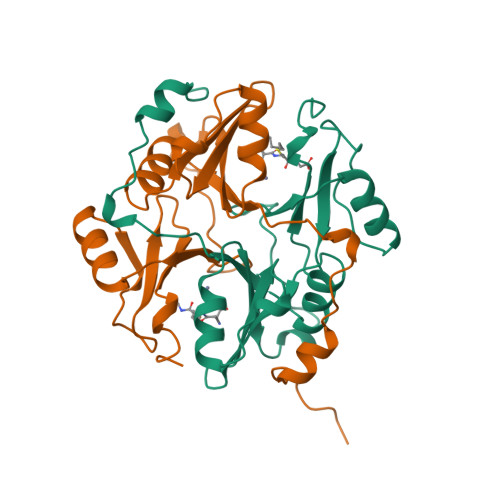
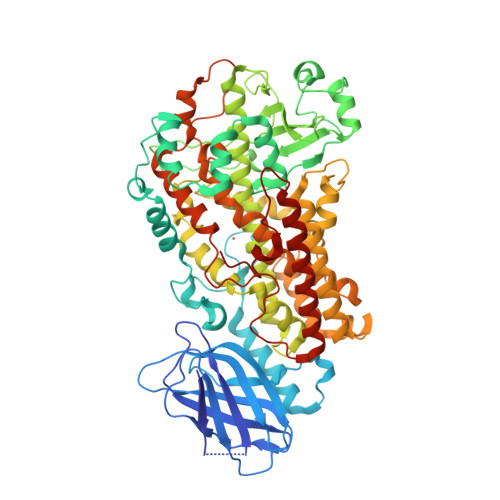
Lactoylglutathione lyase structureClick to view 3D structureLactoylglutathione lyaseQ04760HumansPredicted (SEA)
Prediction Confidence Score
0.377
Applicability Domain
0.714
Statistical Significance
1.60e-04
Supporting Reference Compounds
17
E-value
1.24559
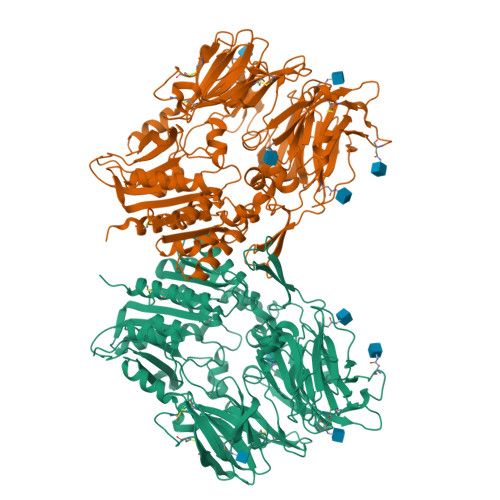
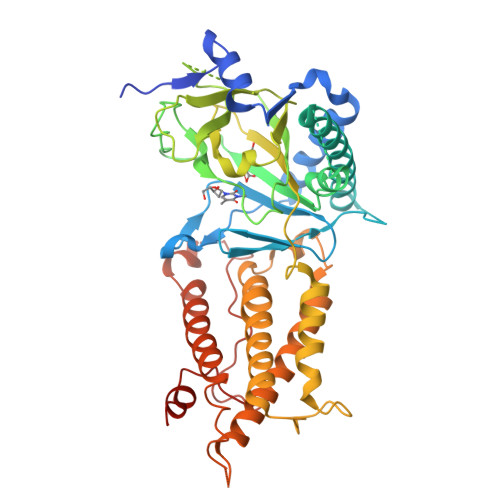
Prothrombin structureClick to view 3D structureProthrombinP00734HumansPredicted (SEA)
Prediction Confidence Score
0.347
Applicability Domain
0.968
Statistical Significance
0.0193
Supporting Reference Compounds
331
E-value
150.249
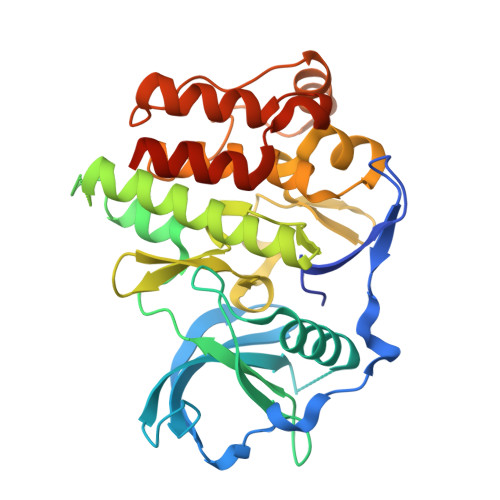
Vascular endothelial growth factor receptor 2 structureClick to view 3D structureVascular endothelial growth factor receptor 2P35968HumansPredicted (SEA)
Prediction Confidence Score
0.345
Applicability Domain
0.714
Statistical Significance
0.068
Supporting Reference Compounds
1660
E-value
529.686
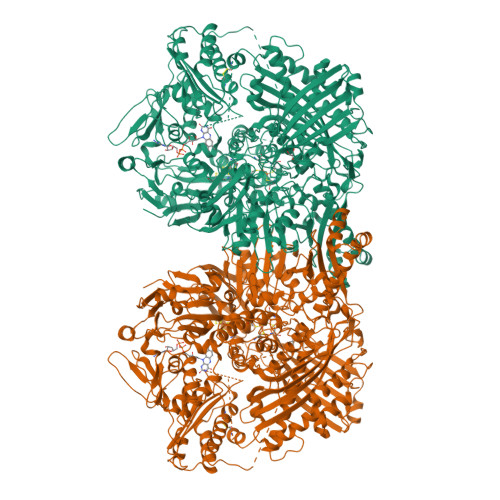
Click to view 3D structureHormone-sensitive lipaseQ05469HumansKnownNot Available
Epidermal growth factor receptor structureClick to view 3D structureEpidermal growth factor receptorP00533HumansPredicted (SEA)
Prediction Confidence Score
0.345
Applicability Domain
0.714
Statistical Significance
0.0603
Supporting Reference Compounds
1301
E-value
469.586
Click to view 3D structureDNA topoisomerase 1Q9WUL0Rattus norvegicusPredicted (SEA)
Prediction Confidence Score
0.333
Applicability Domain
0.333
Statistical Significance
6.30e-04
Supporting Reference Compounds
1
E-value
4.9045
Alpha-synuclein structureClick to view 3D structureAlpha-synucleinP37840HumansPredicted (SEA)
Prediction Confidence Score
0.329
Applicability Domain
0.714
Statistical Significance
6.30e-04
Supporting Reference Compounds
38
E-value
4.9045
Dipeptidyl peptidase 4 structureClick to view 3D structureDipeptidyl peptidase 4P27487HumansPredicted (SEA)
Prediction Confidence Score
0.327
Applicability Domain
0.5
Statistical Significance
0.0047
Supporting Reference Compounds
129
E-value
36.7448
Click to view 3D structureD-alanine--D-alanine ligaseQ1CTD3Helicobacter pylori (strain HPAG1)Predicted (SEA)
Prediction Confidence Score
0.327
Applicability Domain
0.327
Statistical Significance
4.70e-04
Supporting Reference Compounds
1
E-value
3.65891
Aldo-keto reductase family 1 member C21 structureClick to view 3D structureAldo-keto reductase family 1 member C21Q91WR5Mus musculusPredicted (SEA)
Prediction Confidence Score
0.327
Applicability Domain
0.327
Statistical Significance
4.70e-04
Supporting Reference Compounds
1
E-value
3.65891
Polyunsaturated fatty acid 5-lipoxygenase structureClick to view 3D structurePolyunsaturated fatty acid 5-lipoxygenaseP09917HumansPredicted (SEA)
Prediction Confidence Score
0.309
Applicability Domain
0.333
Statistical Significance
0.0102
Supporting Reference Compounds
182
E-value
79.6398
Protein deacetylase HDAC6 structureClick to view 3D structureProtein deacetylase HDAC6Q9UBN7HumansPredicted (SEA)
Prediction Confidence Score
0.299
Applicability Domain
0.333
Statistical Significance
0.0721
Supporting Reference Compounds
553
E-value
561.449
Alpha-ketoglutarate-dependent dioxygenase FTO structureClick to view 3D structureAlpha-ketoglutarate-dependent dioxygenase FTOQ9C0B1HumansPredicted (SEA)
Prediction Confidence Score
0.297
Applicability Domain
0.333
Statistical Significance
0.0019
Supporting Reference Compounds
36
E-value
14.5578
Click to view 3D structureGag-Pol polyproteinQ7ZJM1Human immunodeficiency virus 1Predicted (SEA)
Prediction Confidence Score
0.291
Applicability Domain
0.333
Statistical Significance
0.0066
Supporting Reference Compounds
96
E-value
51.6919
Click to view 3D structureArginaseO96394Leishmania amazonensisPredicted (SEA)
Prediction Confidence Score
0.29
Applicability Domain
0.333
Statistical Significance
7.70e-04
Supporting Reference Compounds
10
E-value
5.99439
Click to view 3D structurePolyunsaturated fatty acid lipoxygenase ALOX15P16050HumansPredicted (SEA)
Prediction Confidence Score
0.288
Applicability Domain
0.333
Statistical Significance
0.0021
Supporting Reference Compounds
46
E-value
16.2705
Xanthine dehydrogenase/oxidase structureClick to view 3D structureXanthine dehydrogenase/oxidaseP47989HumansPredicted (SEA)
Prediction Confidence Score
0.287
Applicability Domain
0.333
Statistical Significance
0.0028
Supporting Reference Compounds
37
E-value
21.4864
Receptor-type tyrosine-protein kinase FLT3 structureClick to view 3D structureReceptor-type tyrosine-protein kinase FLT3P36888HumansPredicted (SEA)
Prediction Confidence Score
0.287
Applicability Domain
0.333
Statistical Significance
0.1783
Supporting Reference Compounds
1274
E-value
1388.13
Amyloid-beta precursor protein structureClick to view 3D structureAmyloid-beta precursor proteinP05067HumansPredicted (SEA)
Prediction Confidence Score
0.287
Applicability Domain
0.333
Statistical Significance
0.0151
Supporting Reference Compounds
109
E-value
117.397
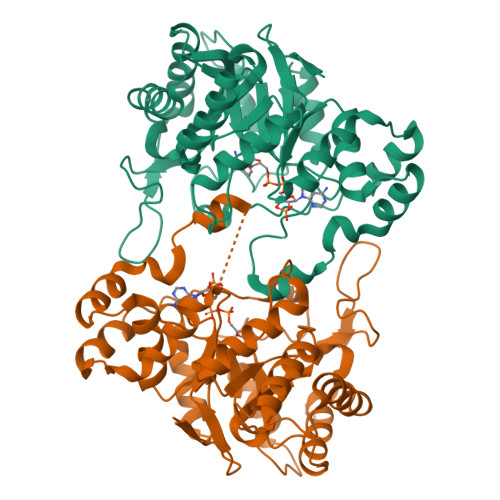
Click to view 3D structureInositol hexakisphosphate kinase 2Q9UHH9HumansPredicted (SEA)
Prediction Confidence Score
0.287
Applicability Domain
0.333
Statistical Significance
0.0015
Supporting Reference Compounds
13
E-value
11.6774
Aromatase structureClick to view 3D structureAromataseP11511HumansPredicted (SEA)
Prediction Confidence Score
0.286
Applicability Domain
0.333
Statistical Significance
0.0118
Supporting Reference Compounds
127
E-value
91.9399
Click to view 3D structureAldo-keto reductase family 1 member B1P16116Bos taurusPredicted (SEA)
Prediction Confidence Score
0.286
Applicability Domain
0.333
Statistical Significance
0.0028
Supporting Reference Compounds
21
E-value
21.5642
Click to view 3D structureEnoyl-acyl-carrier protein reductaseQ965D5Plasmodium falciparumPredicted (SEA)
Prediction Confidence Score
0.285
Applicability Domain
0.333
Statistical Significance
0.0014
Supporting Reference Compounds
18
E-value
10.6653
Click to view 3D structure3-oxoacyl-acyl-carrier protein reductaseQ965D6Plasmodium falciparumPredicted (SEA)
Prediction Confidence Score
0.284
Applicability Domain
0.333
Statistical Significance
0.0012
Supporting Reference Compounds
12
E-value
9.34191
Glycogen synthase kinase-3 beta structureClick to view 3D structureGlycogen synthase kinase-3 betaP49841HumansPredicted (SEA)
Prediction Confidence Score
0.283
Applicability Domain
0.333
Statistical Significance
0.1869
Supporting Reference Compounds
1157
E-value
1454.77
Aldo-keto reductase family 1 member B1 structureClick to view 3D structureAldo-keto reductase family 1 member B1P15121HumansPredicted (SEA)
Prediction Confidence Score
0.283
Applicability Domain
0.333
Statistical Significance
0.0101
Supporting Reference Compounds
84
E-value
78.9391
Concentrations
Not Available
External Links
DrugBank IDNot Available
HMDB IDHMDB0125127
FooDB IDFDB002602
Phenol Explorer IDNot Available
KNApSAcK IDC00006614
BiGG IDNot Available
BioCyc IDCPD-7632
METLIN ID3413
PDB IDNot Available
Wikipedia LinkCyanidin
Chemspider ID61546
ChEBI ID604446
PubChem Compound ID68247
Kegg Compound IDC05905
YMDB IDYMDB01659
ECMDB IDNot Available
References
Synthesis ReferenceNot Available
MSDSNot Available
General ReferencesNot Available