Estrone sulfate (CED0006220)

Record Information
Version1.0
Creation Date2016-05-25 18:14:28 UTC
Update Date2026-05-14 18:09:11 UTC
SynCED IDCED0006220
Secondary Accession Numbers
  • CHEM021870
Identification
Common NameEstrone sulfate
ClassSmall Molecule
Description
Estrone sulfate is an organic compound with the formula C18H22O5S and an average molecular weight of 350.43 g/mol. Estrone sulfate belongs to the sulfated steroids, a subclass of steroids and steroid derivatives within the organic compounds. This compound is found in or released from drinking water and water supply, with oral exposure recorded. In terms of biological activity, estrone sulfate acts as an agonist for two protein targets: Estrogen receptor (ESR1) and Estrogen receptor beta (ESR2).
Contaminant TypeNot Available
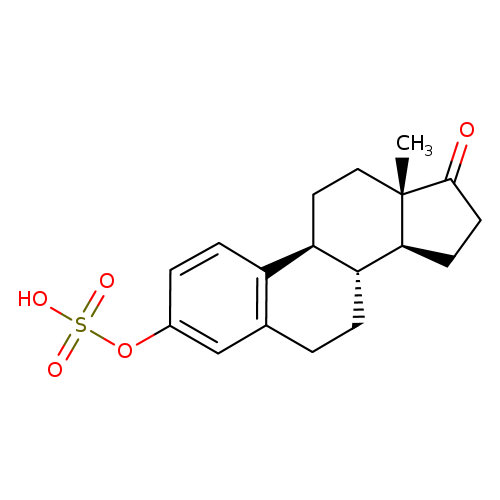
Chemical Structure
Synonyms
ValueSource
3-Hydroxyestra-1,3,5(10)-trien-17-one hydrogen sulphateChEBI
Estrone hydrogen sulfateChEBI
Estrone sulphateChEBI
3-Hydroxyestra-1,3,5(10)-trien-17-one hydrogen sulfateGenerator
3-Hydroxyestra-1,3,5(10)-trien-17-one hydrogen sulfuric acidGenerator
3-Hydroxyestra-1,3,5(10)-trien-17-one hydrogen sulphuric acidGenerator
Estrone hydrogen sulfuric acidGenerator
Estrone hydrogen sulphateGenerator
Estrone hydrogen sulphuric acidGenerator
Estrone sulfuric acidGenerator
Estrone sulphuric acidGenerator
ConestoralHMDB
Estrogenic substancesHMDB
EstroneHMDB
Estrone hydrogen sulfateHMDB
Estrone hydrogen sulphateHMDB
Estrone 3-sulfateHMDB
Estrone 3-sulphateHMDB
Estrone sulfate sodiumHMDB
Estrone sulphate sodiumHMDB
Estrone-3-sulfateHMDB
Estrone-3-sulphateHMDB
PremarinHMDB
Sodium estrone 3-monosulfateHMDB
Sodium estrone 3-monosulphateHMDB
Sodium estrone 3-sulfateHMDB
Sodium estrone 3-sulphateHMDB
Estrone sulfate, sodium saltHMDB
Potassium estrone sulfateHMDB
Sodium estrone sulfateHMDB
Estrone sulfate, ammonium saltHMDB
Oestrone sulphateHMDB
EvexHMDB
Estrone sulfate, 16-(14)C-labeledHMDB
Estrone sulfate, 14C-labeledHMDB
Estrone sulfate, potassium saltHMDB
Chemical FormulaC18H22O5S
Average Molecular Mass350.429 g/mol
Monoisotopic Mass350.119 g/mol
CAS Registry Number481-97-0
IUPAC Name[(1S,10R,11S,15S)-15-methyl-14-oxotetracyclo[8.7.0.0²,⁷.0¹¹,¹⁵]heptadeca-2(7),3,5-trien-5-yl]oxidanesulfonic acid
Traditional NameOgen
SMILESC[C@]12CC[C@H]3[C@@H](CCC4=C3C=CC(OS(O)(=O)=O)=C4)[C@@H]1CCC2=O
InChI IdentifierInChI=1S/C18H22O5S/c1-18-9-8-14-13-5-3-12(23-24(20,21)22)10-11(13)2-4-15(14)16(18)6-7-17(18)19/h3,5,10,14-16H,2,4,6-9H2,1H3,(H,20,21,22)/t14-,15-,16+,18+/m1/s1
InChI KeyJKKFKPJIXZFSSB-CBZIJGRNSA-N
Chemical Taxonomy
Description Belongs to the class of organic compounds known as sulfated steroids. These are sterol lipids containing a sulfate group attached to the steroid skeleton.
KingdomOrganic compounds
Super ClassLipids and lipid-like molecules
ClassSteroids and steroid derivatives
Sub ClassSulfated steroids
Direct ParentSulfated steroids
Alternative Parents
Substituents
  • Sulfated steroid skeleton
  • Estrane-skeleton
  • 17-oxosteroid
  • Oxosteroid
  • Phenanthrene
  • Arylsulfate
  • Tetralin
  • Benzenoid
  • Sulfuric acid ester
  • Sulfuric acid monoester
  • Sulfate-ester
  • Organic sulfuric acid or derivatives
  • Ketone
  • Hydrocarbon derivative
  • Organic oxide
  • Organooxygen compound
  • Carbonyl group
  • Organic oxygen compound
  • Aromatic homopolycyclic compound
Molecular FrameworkAromatic homopolycyclic compounds
External Descriptors
Biological Properties
StatusDetected and Not Quantified
OriginNot Available
Cellular LocationsNot Available
Biofluid LocationsNot Available
Tissue LocationsNot Available
ApplicationsNot Available
Biological RolesNot Available
Chemical RolesNot Available
Organoleptic EffectsNot Available
Physical Properties
StateNot Available
AppearanceNot Available
Experimental Properties
PropertyValue
Melting PointNot Available
Boiling PointNot Available
SolubilityNot Available
Predicted Properties
PropertyValueSource
Water Solubility0.0059 g/LALOGPS
logP0.29ALOGPS
logP3.83ChemAxon
logS-4.8ALOGPS
pKa (Strongest Acidic)-1.7ChemAxon
pKa (Strongest Basic)-7.5ChemAxon
Physiological Charge-1ChemAxon
Hydrogen Acceptor Count4ChemAxon
Hydrogen Donor Count1ChemAxon
Polar Surface Area80.67 ŲChemAxon
Rotatable Bond Count2ChemAxon
Refractivity89.07 m³·mol⁻¹ChemAxon
Polarizability36.64 ųChemAxon
Number of Rings4ChemAxon
BioavailabilityYesChemAxon
Rule of FiveYesChemAxon
Ghose FilterYesChemAxon
Veber's RuleNoChemAxon
MDDR-like RuleNoChemAxon
Spectra
Spectra
Spectrum TypeDescriptionSplash KeyDeposition DateView
Predicted GC-MSPredicted GC-MS Spectrumsplash10-0079-1195000000-45f680d267db2b386dfbNot AvailableView Spectrum
Predicted GC-MSPredicted GC-MS SpectrumNot AvailableNot AvailableView Spectrum
Predicted LC-MS/MSPredicted LC-MS/MS Spectrumsplash10-0udi-0019000000-66837890a45e12ff4df5Not AvailableView Spectrum
Predicted LC-MS/MSPredicted LC-MS/MS Spectrumsplash10-0ul0-1298000000-be851ade10d052513145Not AvailableView Spectrum
Predicted LC-MS/MSPredicted LC-MS/MS Spectrumsplash10-0zi0-5934000000-d4c5c30541fd04c44e38Not AvailableView Spectrum
Predicted LC-MS/MSPredicted LC-MS/MS Spectrumsplash10-0002-0019000000-45855a16f86d3580ba3cNot AvailableView Spectrum
Predicted LC-MS/MSPredicted LC-MS/MS Spectrumsplash10-014i-0093000000-18cc1497d0c7397e16afNot AvailableView Spectrum
Predicted LC-MS/MSPredicted LC-MS/MS Spectrumsplash10-0gc0-5090000000-83bfa06ed14805d78102Not AvailableView Spectrum
Predicted LC-MS/MSPredicted LC-MS/MS Spectrumsplash10-0002-0009000000-e8b485c62cd4477fbfc9Not AvailableView Spectrum
Predicted LC-MS/MSPredicted LC-MS/MS Spectrumsplash10-0002-9003000000-98936cb1b9953748d5a9Not AvailableView Spectrum
Predicted LC-MS/MSPredicted LC-MS/MS Spectrumsplash10-0002-7192000000-e9e53d190e852f9b5b1fNot AvailableView Spectrum
Predicted LC-MS/MSPredicted LC-MS/MS Spectrumsplash10-0udi-0019000000-d7902d7f420476e65a84Not AvailableView Spectrum
Predicted LC-MS/MSPredicted LC-MS/MS Spectrumsplash10-0ue9-2189000000-15572bc45f5db3a69da1Not AvailableView Spectrum
Predicted LC-MS/MSPredicted LC-MS/MS Spectrumsplash10-0gx1-6693000000-29c27e485a34d776e412Not AvailableView Spectrum
Toxicity Profile
Toxicity Values
Toxicity ValueOrganismDose DescriptorRoute of ExposurePredicted or ExperimentalToxicity RatingReference
2428.0 Log mg/kg [1400:4300]RatLD50oralpredictedNot AvailableNot Available
Toxicity / Toxin ClassNot Available
Mechanism of ToxicityNot Available
Carcinogenicity (IARC Classification)Not Available
Minimum Risk LevelNot Available
SymptomsNot Available
TreatmentNot Available
Health Effects
Health EffectRelationshipDirectionDescriptionReference
breast cancerAssociated With?increaseA breast cancer that has material basis in abnormally proliferating cells derives from epithelial cells. (DO)PMC3257355
breast cancerDecreased in Blood InNot AvailableA breast cancer that has material basis in abnormally proliferating cells derives from epithelial cells. (DO)PMC4591525
breast neoplasmAssociated With?increaseNot AvailablePMC11895054
breast fibroadenomaAssociated With?increaseNot AvailablePMC8001535
Exposure Sources
Source IDSourceSectorReference
CEDs000051Surface water?Surface water can serve as a significant vector for the introduction of synthetic chemical contaminants into aquatic ecosystems.Aquatic systems & sedimentsPMC9005613
CEDs000115Drinking water?Drinking water can be a medium for synthetic chemical contamination, often originating from various industrial processes and agricultural practices.Drinking water & water supplyNot Available
CEDs000517Electric Switches?Electric switches, integral components in numerous devices, can be a source of synthetic chemical contamination due to the materials and manufacturing processes involved in their production.Electrical & Electronic EquipmentPubChem
CEDs000518Electrically Stimulated Smoking Devices?Electrically stimulated smoking devices, commonly known as e-cigarettes or vape pens, utilize electrical components to heat a liquid solution, often containing nicotine, flavorings, and other additives, to produce an aerosol for inhalation.Electrical & Electronic EquipmentPubChem
CEDs000545Food Preservation?Food preservation often involves the use of synthetic chemicals, such as preservatives, flavor enhancers, and color additives, to extend shelf life and enhance the sensory qualities of food products.Food, food processing & cookwarePubChem
CEDs000552Processing Meats?Processing meats can lead to synthetic chemical contamination primarily through the use of additives and preservatives.Food, food processing & cookwarePubChem
CEDs000556Cigar Cigarettes?Cigar cigarettes are a source of synthetic chemical contamination due to the combustion of various tobacco blends and additives.Household cleaning & consumer productsPubChem
CEDs000580Manufacture Preparation Of Tobacco Products?The manufacture and preparation of tobacco products involve various processes that can result in the introduction of synthetic chemicals into the environment.Industrial manufacturing & chemical processingPubChem
CEDs000610Aftersun Products?Aftersun products are designed to soothe and hydrate the skin after sun exposure, often containing various synthetic chemicals such as emollients, preservatives, and fragrances.Personal care & cosmeticsPubChem
CEDs000611Anti Perspirants Or Body Deoderants?Antiperspirants and body deodorants commonly contain synthetic chemicals such as aluminum compounds, parabens, and synthetic fragrances.Personal care & cosmeticsPubChem
CEDs000615Eye Makeup Products?Eye makeup products, including mascaras, eyeliners, and eyeshadows, often contain a variety of synthetic chemicals such as pigments, preservatives, and film-forming agents.Personal care & cosmeticsPubChem
CEDs000618Lip Makeup Products?Lip makeup products, such as lipsticks, lip glosses, and lip liners, often contain a variety of synthetic chemicals, including pigments, preservatives, and emollients.Personal care & cosmeticsPubChem
CEDs000632Apparel?Apparel production often involves the use of various synthetic chemicals, including dyes, finishing agents, and preservatives.Textiles, leather & furnishingsPubChem
CEDs000642Footwear?Footwear production often involves the use of various synthetic chemicals, such as adhesives, dyes, and treatments, which can contribute to environmental contamination.Textiles, leather & furnishingsPubChem
CEDs000685Ceramics?Ceramics can be a source of synthetic chemical contamination through various additives and processing agents used in their production.Building & ConstructionPubChem
CEDs000688Glass Coatings?Glass coatings are synthetic chemical formulations applied to glass surfaces to enhance properties such as durability, UV resistance, and aesthetic appeal.Building & ConstructionPubChem
CEDs000696Nanotechnology?Nanotechnology involves the manipulation of materials at the molecular or atomic level, typically within the range of 1 to 100 nanometers.Industrial manufacturing & chemical processingPubChem
CEDs000727Printing Machines Or Presses?Printing machines or presses commonly utilize synthetic chemicals such as inks, solvents, and cleaning agents.Paper, pulp & fiber productsPubChem
CEDs000738Cooling Circuit Water?Cooling circuit water is utilized in various industrial processes to absorb and dissipate heat generated during operations.Industrial manufacturing & chemical processingPubChem
CEDs000740Paper?Paper production involves the processing of wood fibers and the use of various chemicals, which can lead to synthetic chemical contamination.Paper, pulp & fiber productsPubChem
CEDs000744Water, Wastewater, & Sewage Treatment?Water, wastewater, and sewage treatment processes are critical for managing and mitigating pollutants in water systems.Wastewater, sanitation & biosolidsPubChem
CEDs01170EggsFood, food processing & cookwarePMC3768319
CEDs01411Maternal DietFood, food processing & cookwarePMC5067190
CEDs02220Drinking Water SourcesDrinking water & water supplyPMC4143865
CEDs02264SedimentAquatic systems & sedimentsPMC4070852
Pathways
0 pathwaysPathway Source: PathBank

No pathways found

No metabolic pathways have been associated with this synthetic chemical

Targets
StructureProteinUniProt IDOrganismRelationshipDetails
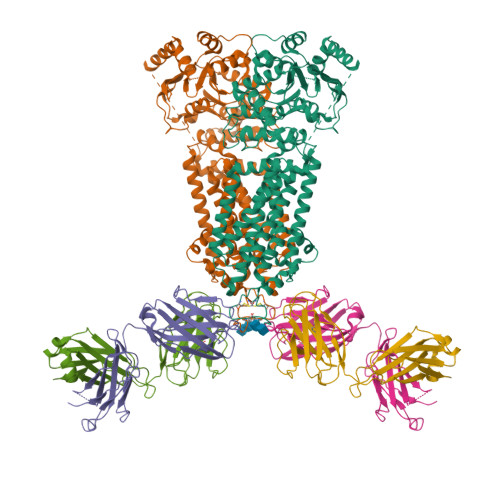
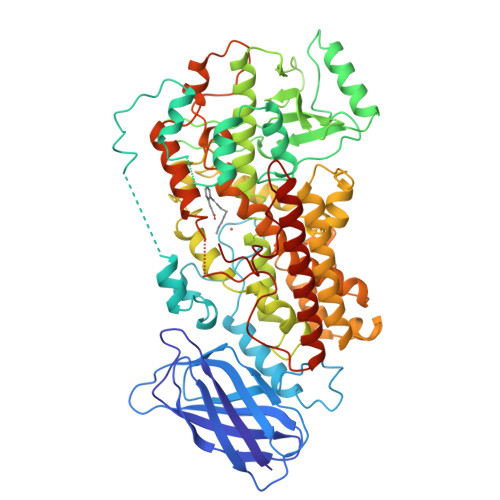
Broad substrate specificity ATP-binding cassette transporter ABCG2 structureClick to view 3D structureBroad substrate specificity ATP-binding cassette transporter ABCG2Q9UNQ0HumansKnownNot Available
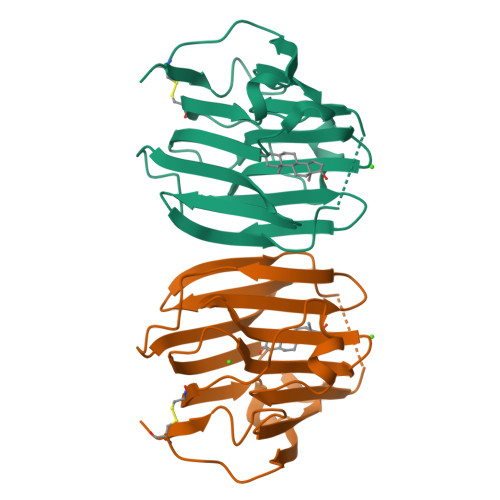
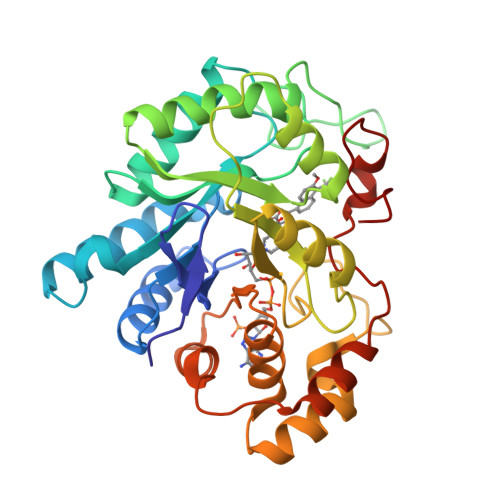
Solute carrier organic anion transporter family member 1B1 structureClick to view 3D structureSolute carrier organic anion transporter family member 1B1Q9Y6L6HumansKnownNot Available
Click to view 3D structureSolute carrier organic anion transporter family member 2B1O94956HumansKnownNot Available
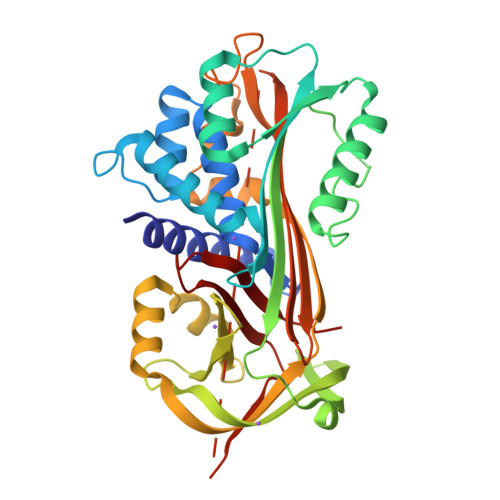
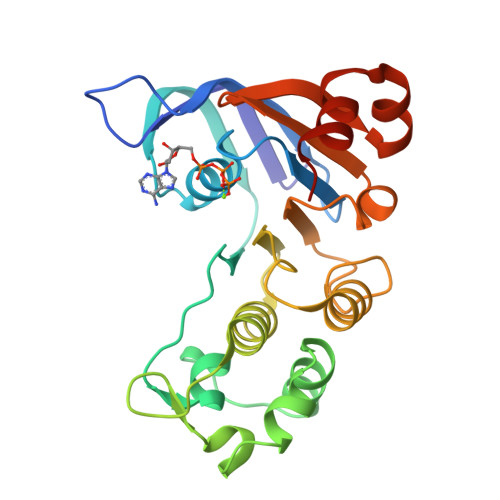
Steryl-sulfatase structureClick to view 3D structureSteryl-sulfataseP08842HumansKnownNot Available
Click to view 3D structureSodium-dependent organic anion transporterQ3KNW5HumansKnownNot Available
Steryl-sulfatase structureClick to view 3D structureSteryl-sulfataseP08842HumansPredicted (SEA)
Prediction Confidence Score
0.67
Applicability Domain
1.0
Statistical Significance
1.00e-05
Supporting Reference Compounds
14
E-value
0.0778492
Estrogen receptor structureClick to view 3D structureEstrogen receptorP03372HumansPredicted (SEA)
Prediction Confidence Score
0.589
Applicability Domain
0.804
Statistical Significance
2.00e-04
Supporting Reference Compounds
201
E-value
1.55698
Click to view 3D structureSolute carrier organic anion transporter family member 1A1P46720Rattus norvegicusPredicted (SEA)
Prediction Confidence Score
0.567
Applicability Domain
1.0
Statistical Significance
2.00e-05
Supporting Reference Compounds
10
E-value
0.155698
Estrogen receptor beta structureClick to view 3D structureEstrogen receptor betaQ92731HumansPredicted (SEA)
Prediction Confidence Score
0.558
Applicability Domain
0.804
Statistical Significance
1.90e-04
Supporting Reference Compounds
174
E-value
1.47914
17-beta-hydroxysteroid dehydrogenase type 1 structureClick to view 3D structure17-beta-hydroxysteroid dehydrogenase type 1P14061HumansPredicted (SEA)
Prediction Confidence Score
0.552
Applicability Domain
0.7
Statistical Significance
6.00e-05
Supporting Reference Compounds
42
E-value
0.467095
Carbonic anhydrase 2 structureClick to view 3D structureCarbonic anhydrase 2P00918HumansPredicted (SEA)
Prediction Confidence Score
0.519
Applicability Domain
0.804
Statistical Significance
0.0011
Supporting Reference Compounds
472
E-value
8.95266
Sodium-dependent serotonin transporter structureClick to view 3D structureSodium-dependent serotonin transporterP31645HumansPredicted (SEA)
Prediction Confidence Score
0.503
Applicability Domain
0.7
Statistical Significance
0.0025
Supporting Reference Compounds
593
E-value
19.2288
Androgen receptor structureClick to view 3D structureAndrogen receptorP15207Rattus norvegicusPredicted (SEA)
Prediction Confidence Score
0.498
Applicability Domain
0.7
Statistical Significance
5.30e-04
Supporting Reference Compounds
73
E-value
4.12601
Sex hormone-binding globulin structureClick to view 3D structureSex hormone-binding globulinP04278HumansPredicted (SEA)
Prediction Confidence Score
0.49
Applicability Domain
0.7
Statistical Significance
4.00e-04
Supporting Reference Compounds
33
E-value
3.11397
Click to view 3D structureSulfotransferase 1E1P19217Bos taurusPredicted (SEA)
Prediction Confidence Score
0.476
Applicability Domain
0.476
Statistical Significance
1.00e-05
Supporting Reference Compounds
1
E-value
0.0778492
Click to view 3D structureOrganic anion transporter 3Q9R1U7Rattus norvegicusPredicted (SEA)
Prediction Confidence Score
0.464
Applicability Domain
1.0
Statistical Significance
1.00e-05
Supporting Reference Compounds
3
E-value
0.0778492
Corticosteroid-binding globulin structureClick to view 3D structureCorticosteroid-binding globulinP08185HumansPredicted (SEA)
Prediction Confidence Score
0.463
Applicability Domain
0.7
Statistical Significance
3.70e-04
Supporting Reference Compounds
21
E-value
2.88042
Aromatase structureClick to view 3D structureAromataseP11511HumansPredicted (SEA)
Prediction Confidence Score
0.459
Applicability Domain
0.7
Statistical Significance
7.20e-04
Supporting Reference Compounds
127
E-value
5.60514
Click to view 3D structureProgesterone receptorQ690N0Bos taurusPredicted (SEA)
Prediction Confidence Score
0.458
Applicability Domain
0.7
Statistical Significance
2.80e-04
Supporting Reference Compounds
40
E-value
2.17978
Multidrug resistance-associated protein 1 structureClick to view 3D structureMultidrug resistance-associated protein 1P33527HumansPredicted (SEA)
Prediction Confidence Score
0.436
Applicability Domain
1.0
Statistical Significance
3.90e-04
Supporting Reference Compounds
49
E-value
3.03612
Carbonic anhydrase 9 structureClick to view 3D structureCarbonic anhydrase 9Q16790HumansPredicted (SEA)
Prediction Confidence Score
0.434
Applicability Domain
0.804
Statistical Significance
0.0037
Supporting Reference Compounds
372
E-value
28.8042
Aldo-keto reductase family 1 member B10 structureClick to view 3D structureAldo-keto reductase family 1 member B10O60218HumansPredicted (SEA)
Prediction Confidence Score
0.401
Applicability Domain
0.7
Statistical Significance
8.70e-04
Supporting Reference Compounds
49
E-value
6.77288
Carbonic anhydrase 1 structureClick to view 3D structureCarbonic anhydrase 1P00915HumansPredicted (SEA)
Prediction Confidence Score
0.4
Applicability Domain
0.804
Statistical Significance
0.0068
Supporting Reference Compounds
407
E-value
53.3267
Polyunsaturated fatty acid lipoxygenase ALOX15 structureClick to view 3D structurePolyunsaturated fatty acid lipoxygenase ALOX15P12530Oryctolagus cuniculusPredicted (SEA)
Prediction Confidence Score
0.374
Applicability Domain
0.7
Statistical Significance
2.10e-04
Supporting Reference Compounds
47
E-value
1.63483
5-hydroxytryptamine receptor 2B structureClick to view 3D structure5-hydroxytryptamine receptor 2BP41595HumansPredicted (SEA)
Prediction Confidence Score
0.366
Applicability Domain
0.7
Statistical Significance
0.0144
Supporting Reference Compounds
686
E-value
112.492
Glucocorticoid receptor structureClick to view 3D structureGlucocorticoid receptorP04150HumansPredicted (SEA)
Prediction Confidence Score
0.363
Applicability Domain
0.463
Statistical Significance
0.0032
Supporting Reference Compounds
154
E-value
25.2231
Click to view 3D structureEstrogen sulfotransferaseQ95MF8Sus scrofaPredicted (SEA)
Prediction Confidence Score
0.358
Applicability Domain
0.358
Statistical Significance
2.10e-04
Supporting Reference Compounds
1
E-value
1.63483
Click to view 3D structureGlucose-6-phosphate 1-dehydrogenaseQ9GRG7Trypanosoma bruceiPredicted (SEA)
Prediction Confidence Score
0.35
Applicability Domain
0.361
Statistical Significance
6.00e-04
Supporting Reference Compounds
2
E-value
4.67095
Solute carrier organic anion transporter family member 1B1 structureClick to view 3D structureSolute carrier organic anion transporter family member 1B1Q9Y6L6HumansPredicted (SEA)
Prediction Confidence Score
0.334
Applicability Domain
1.0
Statistical Significance
0.0012
Supporting Reference Compounds
82
E-value
9.57545
G-protein coupled bile acid receptor 1 structureClick to view 3D structureG-protein coupled bile acid receptor 1Q8TDU6HumansPredicted (SEA)
Prediction Confidence Score
0.327
Applicability Domain
0.361
Statistical Significance
0.0045
Supporting Reference Compounds
54
E-value
34.7986
Concentrations
Not Available
External Links
DrugBank IDDB04574
HMDB IDHMDB0001425
FooDB IDFDB021804
Phenol Explorer IDNot Available
KNApSAcK IDNot Available
BiGG ID40054
BioCyc IDNot Available
METLIN ID3556
PDB IDNot Available
Wikipedia LinkEstrone sulfate
Chemspider ID2272513
ChEBI ID17474
PubChem Compound ID3001028
Kegg Compound IDC02538
YMDB IDNot Available
ECMDB IDM2MDB004961
References
Synthesis ReferenceNot Available
MSDSNot Available
General ReferencesNot Available