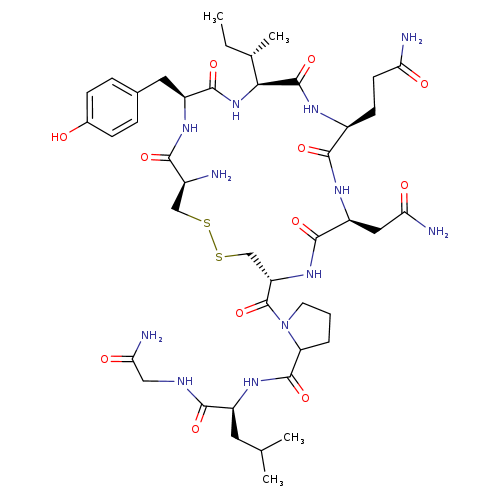
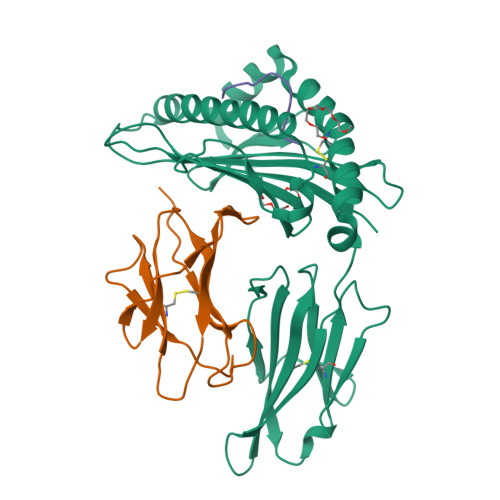
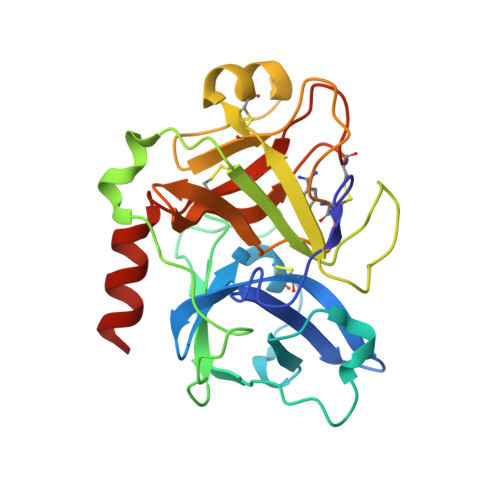
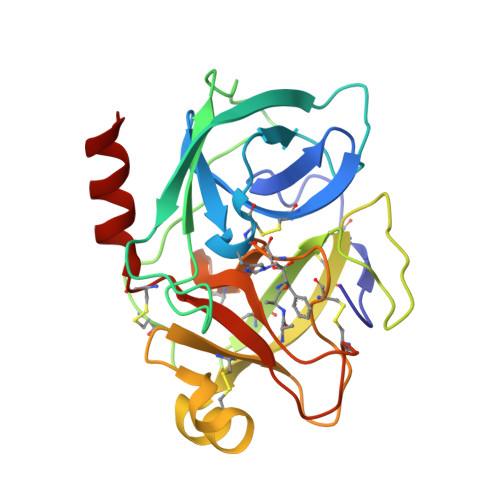
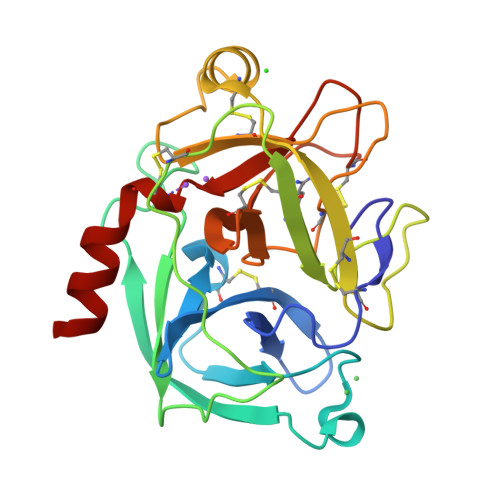
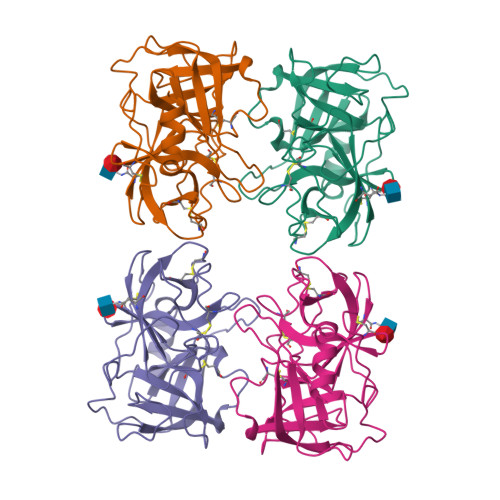
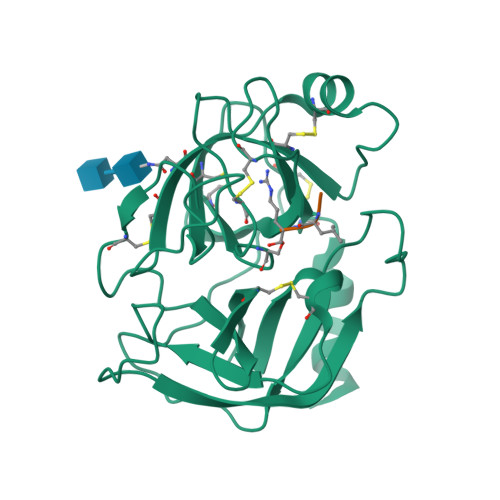
Oxytocin (C43H66N12O12S2) is a compound with an average molecular weight of 1,007 g/mol. With an average molecular weight of 1,007 g/mol, Oxytocin is a heavy molecule. Oxytocin belongs to the amino acids, peptides, and analogues, a subclass of carboxylic acids and derivatives within the organic compounds.
The compound is found in or released from 17 recorded sources. These include healthcare, pharmaceuticals, and veterinary products such as gynecologicals and posterior pituitary lobe hormones. It is also associated with food, food processing, and cookware, specifically food preservation, the preparation of vinegar, and fermentation processes for beer. Other recorded sources include building and construction materials like ceilings, as well as household cleaning and consumer products such as tobacco smoke filters, tobacco product cases, perfumes within detergents and soaps, and non electric simulated smoking devices. Additionally, it is linked to electrical and electronic equipment, including electrodes, fixed capacitors and their manufacture, discharge lamps, electrically stimulated smoking devices, and conductors or conductive bodies characterised by the conductive materials.
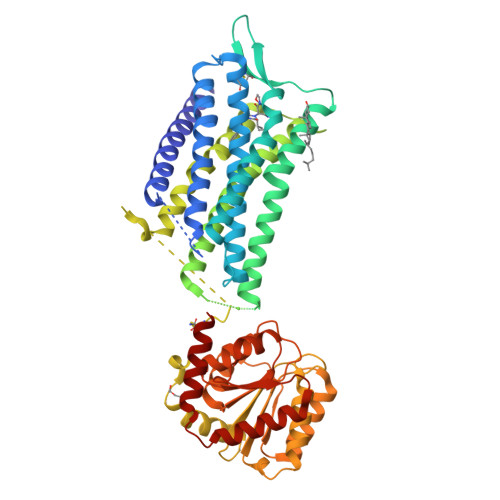
Recorded exposure routes for oxytocin include intramuscular, intravascular, intravenous, and topical administration. In terms of biological activity, the compound acts on four recorded protein targets. It serves as an agonist of the oxytocin receptor (OXTR) as well as the vasopressin V1a receptor (AVPR1A), vasopressin V1b receptor (AVPR1B), and vasopressin V2 receptor (AVPR2).
Belongs to the class of organic compounds known as oligopeptides. These are organic compounds containing a sequence of between three and ten alpha-amino acids joined by peptide bonds.