Cefotiam (CED0007967)

Record Information
Version1.0
Creation Date2016-05-25 18:19:11 UTC
Update Date2026-08-20 00:55:15 UTC
SynCED IDCED0007967
Secondary Accession Numbers
  • CHEM022074
Identification
Common NameCefotiam
ClassSmall Molecule
Description
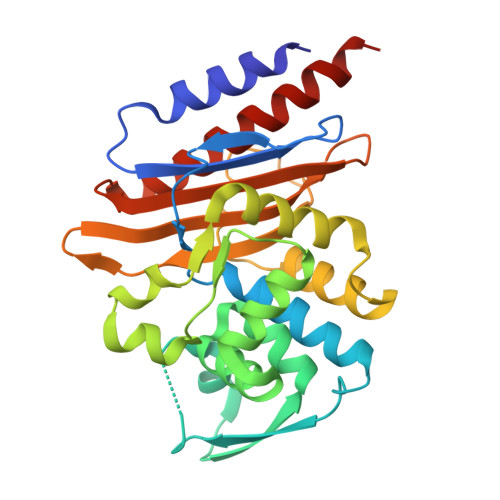
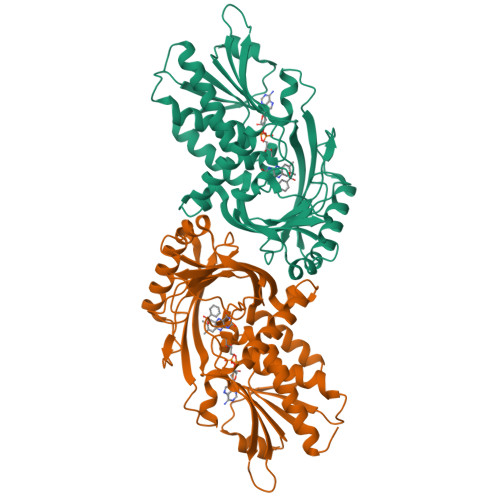
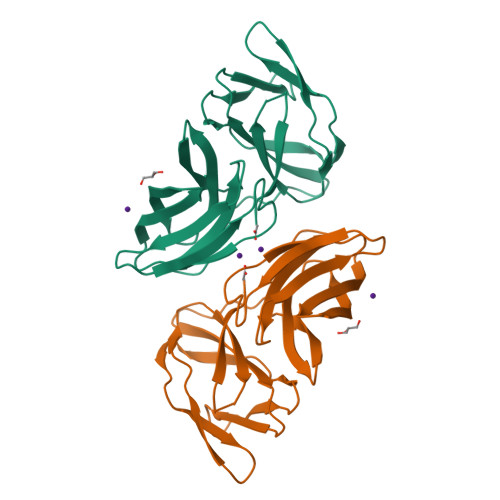
Cefotiam is an organoheterocyclic compound with the formula C18H23N9O4S3. Cefotiam belongs to the beta lactams, a subclass of lactams within the organic compounds. With an average molecular weight of 525.63 g/mol, Cefotiam is a heavy molecule. The compound is found in or released from healthcare, pharmaceuticals & veterinary products used as antibiotics, as well as electrically stimulated smoking devices categorized under electrical & electronic equipment. Recorded exposure routes for the substance include oral and inhalation. In terms of biological activity, Cefotiam interacts with two recorded protein targets: Peptidoglycan D,D-transpeptidase FtsI (ftsI) and the binder/inducer of Penicillin-binding protein 1A (pbpA).
Contaminant TypeNot Available
Chemical Structure
Synonyms
ValueSource
(6R,7R)-7-[2-(2-Amino-thiazol-4-yl)-acetylamino]-3-[1-(2-dimethylamino-ethyl)-1H-tetrazol-5-ylsulfanylmethyl]-8-oxo-5-thia-1-aza-bicyclo[4.2.0]oct-2-ene-2-carboxylic acidChEBI
CefotiamumChEBI
CTMChEBI
AspilKegg
(6R,7R)-7-[2-(2-Amino-thiazol-4-yl)-acetylamino]-3-[1-(2-dimethylamino-ethyl)-1H-tetrazol-5-ylsulfanylmethyl]-8-oxo-5-thia-1-aza-bicyclo[4.2.0]oct-2-ene-2-carboxylateGenerator
(6R,7R)-7-[2-(2-Amino-thiazol-4-yl)-acetylamino]-3-[1-(2-dimethylamino-ethyl)-1H-tetrazol-5-ylsulphanylmethyl]-8-oxo-5-thia-1-aza-bicyclo[4.2.0]oct-2-ene-2-carboxylateGenerator
(6R,7R)-7-[2-(2-Amino-thiazol-4-yl)-acetylamino]-3-[1-(2-dimethylamino-ethyl)-1H-tetrazol-5-ylsulphanylmethyl]-8-oxo-5-thia-1-aza-bicyclo[4.2.0]oct-2-ene-2-carboxylic acidGenerator
Abbott-48999HMDB
CeradolanHMDB
SCE 963HMDB
SCE-963HMDB
Abbott 48999HMDB
CGP 14221 eHMDB
Cefotiam hydrochlorideHMDB
HalosporHMDB
Hydrochloride, cefotiamHMDB
CGP-14221-eHMDB
HaloaporHMDB
Abbott48999HMDB
Chemical FormulaC18H23N9O4S3
Average Molecular Mass525.628 g/mol
Monoisotopic Mass525.104 g/mol
CAS Registry Number61622-34-2
IUPAC Name(6R,7R)-7-[2-(2-amino-1,3-thiazol-4-yl)acetamido]-3-[({1-[2-(dimethylamino)ethyl]-1H-1,2,3,4-tetrazol-5-yl}sulfanyl)methyl]-8-oxo-5-thia-1-azabicyclo[4.2.0]oct-2-ene-2-carboxylic acid
Traditional Namecefotiam
SMILES[H][C@]12SCC(CSC3=NN=NN3CCN(C)C)=C(N1C(=O)[C@H]2NC(=O)CC1=CSC(N)=N1)C(O)=O
InChI IdentifierInChI=1S/C18H23N9O4S3/c1-25(2)3-4-26-18(22-23-24-26)34-7-9-6-32-15-12(14(29)27(15)13(9)16(30)31)21-11(28)5-10-8-33-17(19)20-10/h8,12,15H,3-7H2,1-2H3,(H2,19,20)(H,21,28)(H,30,31)/t12-,15-/m1/s1
InChI KeyQYQDKDWGWDOFFU-IUODEOHRSA-N
Chemical Taxonomy
Description Belongs to the class of organic compounds known as cephalosporins. Cephalosporins are compounds containing a 1,2-thiazine fused to a 2-azetidinone to for a oxo-5-thia-1-azabicyclo[4.2.0]Oct-2-ene-2-carboxylic acid moiety or a derivative thereof.
KingdomOrganic compounds
Super ClassOrganoheterocyclic compounds
ClassLactams
Sub ClassBeta lactams
Direct ParentCephalosporins
Alternative Parents
Substituents
  • Cephalosporin
  • N-acyl-alpha amino acid or derivatives
  • Alpha-amino acid or derivatives
  • Aryl thioether
  • 2,4-disubstituted 1,3-thiazole
  • Alkylarylthioether
  • Meta-thiazine
  • 1,3-thiazol-2-amine
  • Azole
  • Heteroaromatic compound
  • Tertiary carboxylic acid amide
  • Tetrazole
  • Thiazole
  • Amino acid or derivatives
  • Azetidine
  • Carboxamide group
  • Amino acid
  • Secondary carboxylic acid amide
  • Tertiary amine
  • Tertiary aliphatic amine
  • Hemithioaminal
  • Thioether
  • Sulfenyl compound
  • Dialkylthioether
  • Azacycle
  • Carboxylic acid derivative
  • Carboxylic acid
  • Monocarboxylic acid or derivatives
  • Organic oxygen compound
  • Organopnictogen compound
  • Carbonyl group
  • Amine
  • Organic oxide
  • Hydrocarbon derivative
  • Organonitrogen compound
  • Organooxygen compound
  • Organosulfur compound
  • Primary amine
  • Organic nitrogen compound
  • Aromatic heteropolycyclic compound
Molecular FrameworkAromatic heteropolycyclic compounds
External Descriptors
Biological Properties
StatusDetected and Not Quantified
OriginNot Available
Cellular LocationsNot Available
Biofluid LocationsNot Available
Tissue LocationsNot Available
ApplicationsNot Available
Biological RolesNot Available
Chemical RolesNot Available
Organoleptic EffectsNot Available
Physical Properties
StateNot Available
AppearanceNot Available
Experimental Properties
PropertyValue
Melting PointNot Available
Boiling PointNot Available
SolubilityNot Available
Predicted Properties
PropertyValueSource
Water Solubility1.29 g/LALOGPS
logP-0.33ALOGPS
logP-3.1ChemAxon
logS-2.6ALOGPS
pKa (Strongest Acidic)2.79ChemAxon
pKa (Strongest Basic)8.36ChemAxon
Physiological Charge0ChemAxon
Hydrogen Acceptor Count10ChemAxon
Hydrogen Donor Count3ChemAxon
Polar Surface Area172.46 ŲChemAxon
Rotatable Bond Count10ChemAxon
Refractivity142.34 m³·mol⁻¹ChemAxon
Polarizability49.87 ųChemAxon
Number of Rings4ChemAxon
BioavailabilityYesChemAxon
Rule of FiveNoChemAxon
Ghose FilterNoChemAxon
Veber's RuleNoChemAxon
MDDR-like RuleYesChemAxon
Spectra
Spectra
Spectrum TypeDescriptionSplash KeyDeposition DateView
Predicted GC-MSPredicted GC-MS Spectrumsplash10-0a4i-9421200000-128e8aa9d514e537a7b7Not AvailableView Spectrum
Predicted GC-MSPredicted GC-MS Spectrumsplash10-0a4i-9110020000-37caaff1f8a99c496c40Not AvailableView Spectrum
Predicted LC-MS/MSPredicted LC-MS/MS Spectrumsplash10-057j-4419220000-1ea0b6535b6dd9005485Not AvailableView Spectrum
Predicted LC-MS/MSPredicted LC-MS/MS Spectrumsplash10-00di-9324000000-0dce53064e8a4c9f14faNot AvailableView Spectrum
Predicted LC-MS/MSPredicted LC-MS/MS Spectrumsplash10-00di-9353000000-c3f4bff9d45a93905cb7Not AvailableView Spectrum
Predicted LC-MS/MSPredicted LC-MS/MS Spectrumsplash10-0072-0900100000-e701d2521f186c4a6b25Not AvailableView Spectrum
Predicted LC-MS/MSPredicted LC-MS/MS Spectrumsplash10-03k9-1920000000-7dfad3207a13ae563e6aNot AvailableView Spectrum
Predicted LC-MS/MSPredicted LC-MS/MS Spectrumsplash10-052f-9211000000-c4a5499d577017d5f4f6Not AvailableView Spectrum
Predicted LC-MS/MSPredicted LC-MS/MS Spectrumsplash10-004i-0000090000-c0db00ba536cdc52820fNot AvailableView Spectrum
Predicted LC-MS/MSPredicted LC-MS/MS Spectrumsplash10-0092-0902440000-9123024fffe09afb76a2Not AvailableView Spectrum
Predicted LC-MS/MSPredicted LC-MS/MS Spectrumsplash10-00dl-8911300000-0fc519f5e4861b219dfcNot AvailableView Spectrum
Predicted LC-MS/MSPredicted LC-MS/MS Spectrumsplash10-006x-0200940000-c7c9d6ab8953777d4246Not AvailableView Spectrum
Predicted LC-MS/MSPredicted LC-MS/MS Spectrumsplash10-00ri-5903810000-24521c80a3717f889c7dNot AvailableView Spectrum
Predicted LC-MS/MSPredicted LC-MS/MS Spectrumsplash10-0ar0-6911000000-235a9654ce3d9bd76573Not AvailableView Spectrum
1D NMR13C NMR Spectrum (1D, D2O, predicted)Not AvailableNot AvailableView Spectrum
1D NMR1H NMR Spectrum (1D, D2O, predicted)Not AvailableNot AvailableView Spectrum
Toxicity Profile
Toxicity Values
Toxicity ValueOrganismDose DescriptorRoute of ExposurePredicted or ExperimentalToxicity RatingReference
5933.0 Log mg/kg [3300:11000]RatLD50oralpredictedNot AvailableNot Available
Toxicity / Toxin ClassNot Available
Mechanism of ToxicityNot Available
Carcinogenicity (IARC Classification)Not Available
Minimum Risk LevelNot Available
SymptomsNot Available
TreatmentNot Available
Health Effects
Health EffectRelationshipDirectionDescriptionReference
Exposure Sources
Source IDSourceSectorReference
CEDs000306Antibiotics?Antibiotics are synthetic or semi-synthetic compounds used to treat bacterial infections in humans and animals.Healthcare, pharmaceuticals & veterinary productsNot Available
CEDs000518Electrically Stimulated Smoking Devices?Electrically stimulated smoking devices, commonly known as e-cigarettes or vape pens, utilize electrical components to heat a liquid solution, often containing nicotine, flavorings, and other additives, to produce an aerosol for inhalation.Electrical & Electronic EquipmentPubChem
CEDs000545Food Preservation?Food preservation often involves the use of synthetic chemicals, such as preservatives, flavor enhancers, and color additives, to extend shelf life and enhance the sensory qualities of food products.Food, food processing & cookwarePubChem
CEDs000563Soap Detergents?Soap detergents are synthetic surfactants designed to enhance the cleaning efficacy of water by reducing surface tension, allowing for better interaction with dirt and grease.Household cleaning & consumer productsPubChem
CEDs000569Tobacco Smoke Filters?Tobacco smoke filters are designed to reduce the inhalation of harmful substances in cigarette smoke, including tar and other particulate matter.Household cleaning & consumer productsPubChem
CEDs000596Acaricides?Acaricides are synthetic chemicals specifically designed to target and control mite populations that can damage crops and plants.Agriculture & land managementPubChem
CEDs000611Anti Perspirants Or Body Deoderants?Antiperspirants and body deodorants commonly contain synthetic chemicals such as aluminum compounds, parabens, and synthetic fragrances.Personal care & cosmeticsPubChem
CEDs000615Eye Makeup Products?Eye makeup products, including mascaras, eyeliners, and eyeshadows, often contain a variety of synthetic chemicals such as pigments, preservatives, and film-forming agents.Personal care & cosmeticsPubChem
CEDs000632Apparel?Apparel production often involves the use of various synthetic chemicals, including dyes, finishing agents, and preservatives.Textiles, leather & furnishingsPubChem
CEDs000685Ceramics?Ceramics can be a source of synthetic chemical contamination through various additives and processing agents used in their production.Building & ConstructionPubChem
CEDs000696Nanotechnology?Nanotechnology involves the manipulation of materials at the molecular or atomic level, typically within the range of 1 to 100 nanometers.Industrial manufacturing & chemical processingPubChem
CEDs000698Jewellery?Jewellery production often involves the use of various synthetic chemicals during the extraction and processing of metals.Mining & metal processingPubChem
CEDs000743Sludge Treatment?Sludge treatment involves the processing of waste materials generated from wastewater treatment plants, which often contain a variety of organic and inorganic substances.Wastewater, sanitation & biosolidsPubChem
CEDs000744Water, Wastewater, & Sewage Treatment?Water, wastewater, and sewage treatment processes are critical for managing and mitigating pollutants in water systems.Wastewater, sanitation & biosolidsPubChem
Pathways
1 pathwayPathway Source: PathBank
Targets
StructureProteinUniProt IDOrganismRelationshipDetails
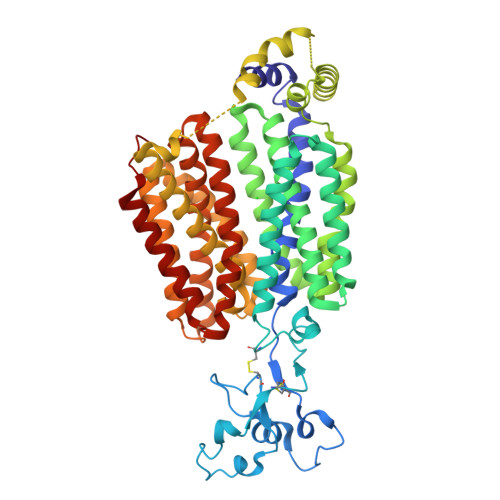
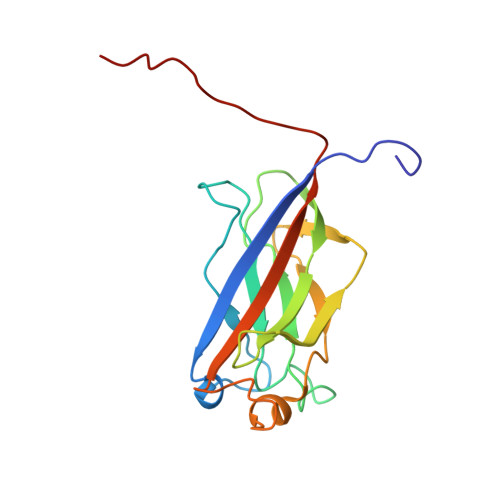
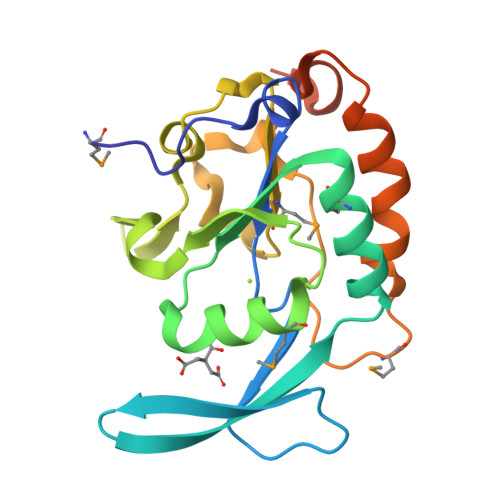
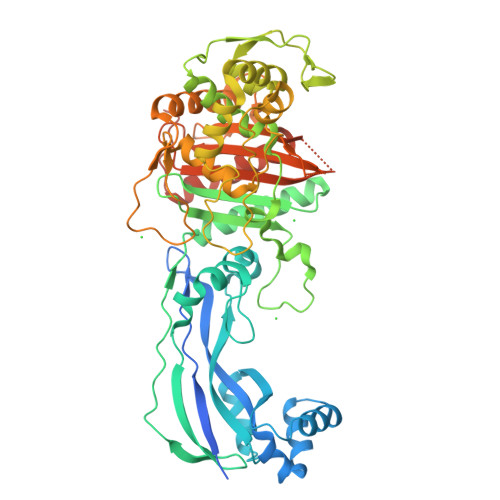
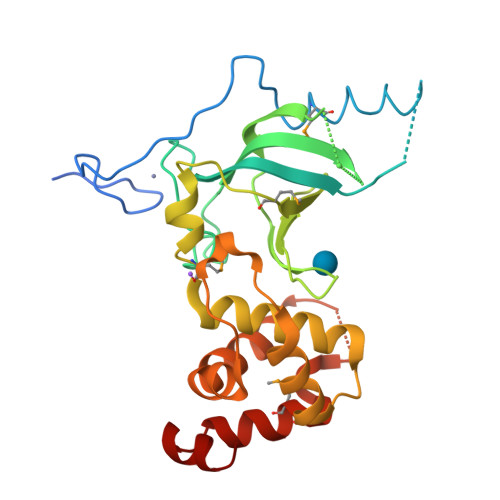
Click to view 3D structureSolute carrier family 22 member 6Q4U2R8HumansPredicted (SEA)
Prediction Confidence Score
0.43
Applicability Domain
0.511
Statistical Significance
4.00e-05
Supporting Reference Compounds
26
E-value
0.311397
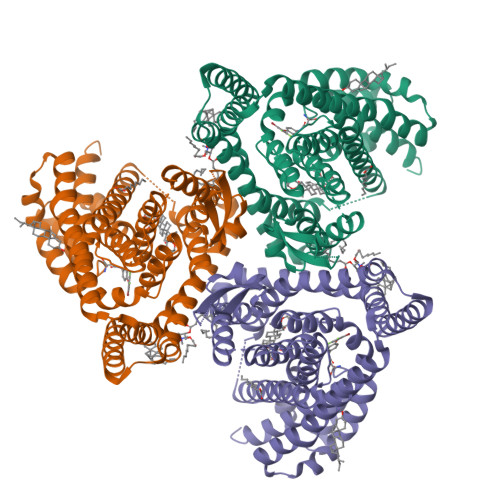
Click to view 3D structureOrganic anion transporter 3Q8TCC7HumansPredicted (SEA)
Prediction Confidence Score
0.43
Applicability Domain
0.511
Statistical Significance
3.00e-05
Supporting Reference Compounds
20
E-value
0.233548
Solute carrier family 22 member 11 structureClick to view 3D structureSolute carrier family 22 member 11Q9NSA0HumansPredicted (SEA)
Prediction Confidence Score
0.43
Applicability Domain
0.511
Statistical Significance
1.00e-05
Supporting Reference Compounds
9
E-value
0.0778492
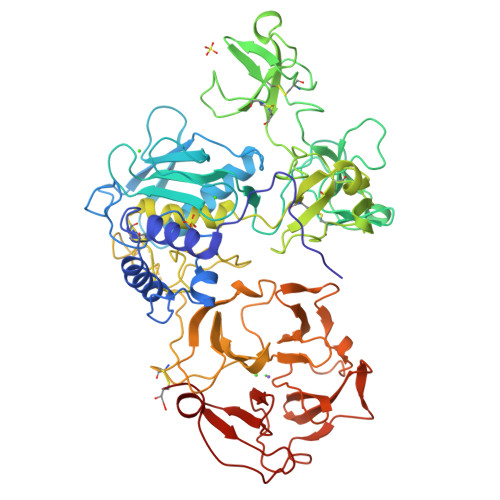
Click to view 3D structureStreptokinase AP10520Streptococcus pyogenes serotype M1Predicted (SEA)
Prediction Confidence Score
0.313
Applicability Domain
0.366
Statistical Significance
0.0138
Supporting Reference Compounds
425
E-value
107.743
Click to view 3D structureBeta-lactamaseB2ZTR6Acinetobacter baumanniiPredicted (SEA)
Prediction Confidence Score
0.302
Applicability Domain
0.423
Statistical Significance
5.00e-05
Supporting Reference Compounds
3
E-value
0.389246
Click to view 3D structureADC-11D6NSM8Acinetobacter baumanniiPredicted (SEA)
Prediction Confidence Score
0.302
Applicability Domain
0.423
Statistical Significance
5.00e-05
Supporting Reference Compounds
3
E-value
0.389246
Speckle-type POZ protein structureClick to view 3D structureSpeckle-type POZ proteinO43791HumansPredicted (SEA)
Prediction Confidence Score
0.282
Applicability Domain
0.282 Low confidence
Statistical Significance
1.60e-04
Supporting Reference Compounds
1
E-value
1.24559
Carboxy-terminal domain RNA polymerase II polypeptide A small phosphatase 1 structureClick to view 3D structureCarboxy-terminal domain RNA polymerase II polypeptide A small phosphatase 1Q9GZU7HumansPredicted (SEA)
Prediction Confidence Score
0.274
Applicability Domain
0.391
Statistical Significance
0.018
Supporting Reference Compounds
128
E-value
139.817
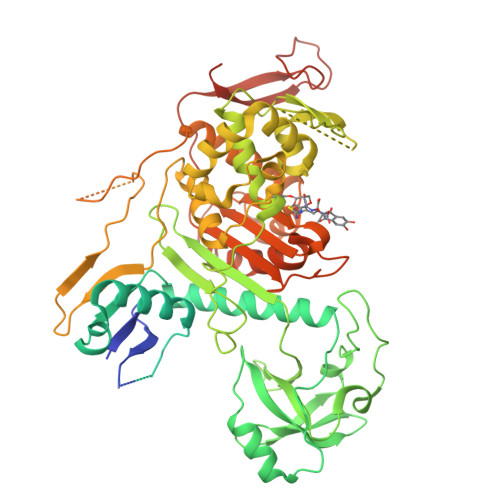
Peptidoglycan D,D-transpeptidase FtsI structureClick to view 3D structurePeptidoglycan D,D-transpeptidase FtsIQ51504Pseudomonas aeruginosaPredicted (SEA)
Prediction Confidence Score
0.234
Applicability Domain
0.234 Low confidence
Statistical Significance
4.00e-05
Supporting Reference Compounds
1
E-value
0.311397
Apoptotic protease-activating factor 1 structureClick to view 3D structureApoptotic protease-activating factor 1O14727HumansPredicted (SEA)
Prediction Confidence Score
0.232
Applicability Domain
0.37
Statistical Significance
0.0488
Supporting Reference Compounds
112
E-value
379.593
DNA (cytosine-5)-methyltransferase 1 structureClick to view 3D structureDNA (cytosine-5)-methyltransferase 1P26358HumansPredicted (SEA)
Prediction Confidence Score
0.228
Applicability Domain
0.391
Statistical Significance
0.0929
Supporting Reference Compounds
116
E-value
723.609
Excitatory amino acid transporter 2 structureClick to view 3D structureExcitatory amino acid transporter 2P43004HumansPredicted (SEA)
Prediction Confidence Score
0.224
Applicability Domain
0.495
Statistical Significance
0.0204
Supporting Reference Compounds
15
E-value
158.657
Click to view 3D structureAmpCQ83TT7Escherichia coliPredicted (SEA)
Prediction Confidence Score
0.221
Applicability Domain
0.231 Low confidence
Statistical Significance
6.00e-05
Supporting Reference Compounds
2
E-value
0.467095
72 kDa type IV collagenase structureClick to view 3D structure72 kDa type IV collagenaseP08253HumansPredicted (SEA)
Prediction Confidence Score
0.213
Applicability Domain
0.366
Statistical Significance
0.4532
Supporting Reference Compounds
400
E-value
3528.36
26S proteasome non-ATPase regulatory subunit 14 structureClick to view 3D structure26S proteasome non-ATPase regulatory subunit 14O00487HumansPredicted (SEA)
Prediction Confidence Score
0.209
Applicability Domain
0.366
Statistical Significance
0.0463
Supporting Reference Compounds
39
E-value
360.286
Penicillin-binding protein 1A structureClick to view 3D structurePenicillin-binding protein 1AQ07806Pseudomonas aeruginosa (strain ATCC 15692 / PAO1 / 1C / PRS 101 / LMG 12228)Predicted (SEA)
Prediction Confidence Score
0.208
Applicability Domain
0.231 Low confidence
Statistical Significance
9.00e-05
Supporting Reference Compounds
2
E-value
0.700643
Tyrosine-protein phosphatase non-receptor type 11 structureClick to view 3D structureTyrosine-protein phosphatase non-receptor type 11Q06124HumansPredicted (SEA)
Prediction Confidence Score
0.205
Applicability Domain
0.348
Statistical Significance
0.2356
Supporting Reference Compounds
109
E-value
1833.97
PER-2 beta-lactamase structureClick to view 3D structurePER-2 beta-lactamaseA2RP81Citrobacter freundiiPredicted (SEA)
Prediction Confidence Score
0.202
Applicability Domain
0.252 Low confidence
Statistical Significance
2.10e-04
Supporting Reference Compounds
6
E-value
1.63483
Click to view 3D structureBeta-lactamase ACC-4A4ZYU9Escherichia coliPredicted (SEA)
Prediction Confidence Score
0.2
Applicability Domain
0.231 Low confidence
Statistical Significance
4.90e-04
Supporting Reference Compounds
2
E-value
3.81461
Fe(3+)-pyochelin receptor structureClick to view 3D structureFe(3+)-pyochelin receptorP42512Pseudomonas aeruginosa (strain ATCC 15692 / PAO1 / 1C / PRS 101 / LMG 12228)Predicted (SEA)
Prediction Confidence Score
0.2
Applicability Domain
0.2 Low confidence
Statistical Significance
0.0049
Supporting Reference Compounds
1
E-value
37.9904
Cytochrome P450 2D6 structureClick to view 3D structureCytochrome P450 2D6P10635HumansPredicted (SEA)
Prediction Confidence Score
0.199
Applicability Domain
0.26 Low confidence
Statistical Significance
0.9274
Supporting Reference Compounds
1130
E-value
7219.81
D-amino-acid oxidase structureClick to view 3D structureD-amino-acid oxidaseP14920HumansPredicted (SEA)
Prediction Confidence Score
0.196
Applicability Domain
0.495
Statistical Significance
0.0627
Supporting Reference Compounds
32
E-value
487.959
Alpha-synuclein structureClick to view 3D structureAlpha-synucleinP37840HumansPredicted (SEA)
Prediction Confidence Score
0.193
Applicability Domain
0.495
Statistical Significance
0.0548
Supporting Reference Compounds
38
E-value
426.458
Solute carrier family 15 member 2 structureClick to view 3D structureSolute carrier family 15 member 2Q63424Rattus norvegicusPredicted (SEA)
Prediction Confidence Score
0.191
Applicability Domain
0.33
Statistical Significance
0.0299
Supporting Reference Compounds
6
E-value
232.769
Click to view 3D structureSHV-5 extended spectrum beta-lactamaseQ6REX6Escherichia coliPredicted (SEA)
Prediction Confidence Score
0.19
Applicability Domain
0.19 Low confidence
Statistical Significance
0.002
Supporting Reference Compounds
1
E-value
15.5698
Concentrations
Not Available
External Links
DrugBank IDDB00229
HMDB IDHMDB0014374
FooDB IDNot Available
Phenol Explorer IDNot Available
KNApSAcK IDNot Available
BiGG IDNot Available
BioCyc IDNot Available
METLIN IDNot Available
PDB IDNot Available
Wikipedia LinkCefotiam
Chemspider ID39831
ChEBI ID355510
PubChem Compound ID43708
Kegg Compound IDNot Available
YMDB IDNot Available
ECMDB IDNot Available
References
Synthesis ReferenceNot Available
MSDSNot Available
General ReferencesNot Available