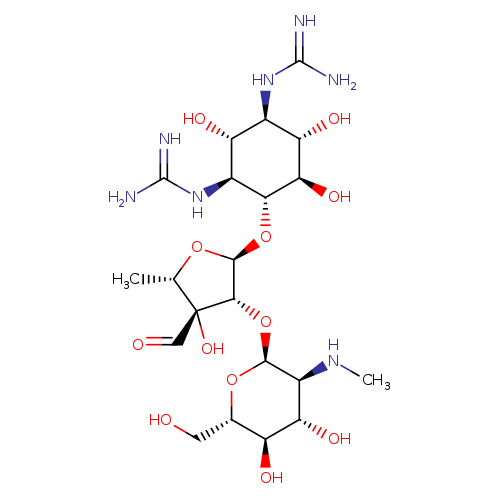
Streptomycin (C21H39N7O12) is a biological antibacterial agent (PMC12194056). Streptomycin belongs to the carbohydrates and carbohydrate conjugates, a subclass of organooxygen compounds within the organic compounds. With an average molecular weight of 581.57 g/mol, Streptomycin is a heavy molecule.
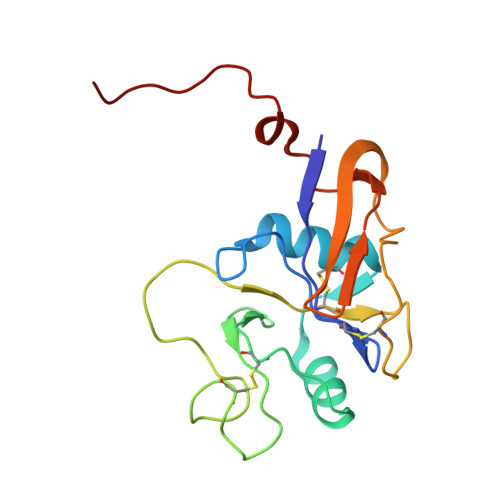
The compound is used as a treatment for plague (PMC12216961) and tuberculosis (PMC12228674, PMC12835111, PMC6627412, PMC8347454, PMC9189398). Its recorded protein targets include Protein-arginine deiminase type-4 (PADI4) and the Small ribosomal subunit protein uS12 (rpsL), which it inhibits.
Streptomycin is found in or released from nine recorded sources. Within healthcare, pharmaceuticals, and veterinary products, it is utilized as an aminoglycoside antibacterial, an intestinal antiinfective, and a drug for the treatment of tuberculosis. In food and cookware, it is associated with processing meats and fermentation processes for beer. Additionally, it is found in electrical and electronic equipment, including magnets, selectors, coils, and electric hearing aids. The recorded route of exposure for this compound is intramuscular.
Belongs to the class of organic compounds known as diphenylacetonitriles. These are cyclic aromatic compounds containing a diphenylacetonitrile moiety, which consists of a diphenylmethane linked to and acetonitrile to form 2,2-diphenylacetonitrile.


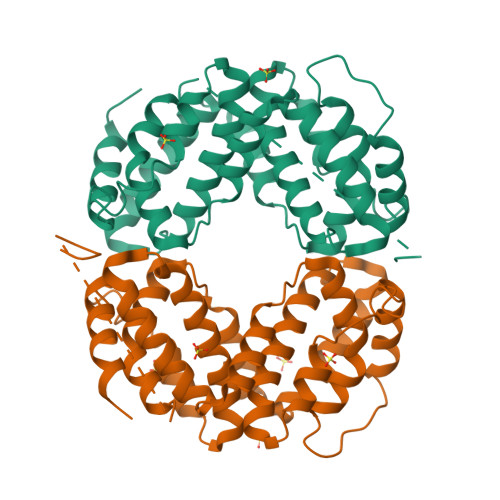


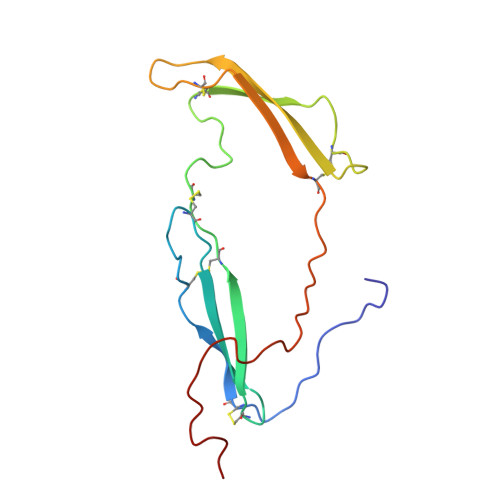

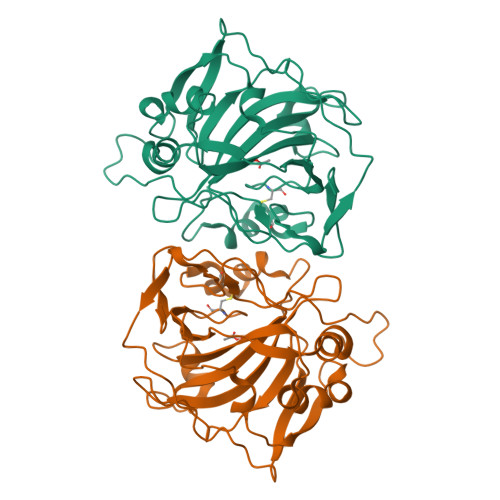
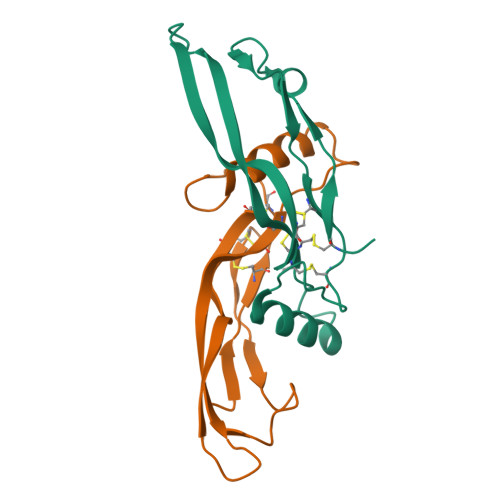

![Beta-ketoacyl-[acyl-carrier-protein] synthase III structure](https://cdn.rcsb.org/images/structures/1ebl_assembly-1.jpeg)