beta-Eudesmol (CED0007306)

Record Information
Version1.0
Creation Date2016-05-25 22:21:59 UTC
Update Date2026-04-06 02:20:10 UTC
SynCED IDCED0007306
Secondary Accession Numbers
  • CHEM025387
Identification
Common Namebeta-Eudesmol
ClassSmall Molecule
Description
beta-Eudesmol is an organic compound with the formula C15H26O and an average molecular weight of 222.37 g/mol. beta-Eudesmol belongs to the sesquiterpenoids, a subclass of prenol lipids within the organic compounds. This compound is found in or released from 16 recorded sources across several diverse sectors. In the electrical and electronic equipment sector, it is associated with cell phones, capacitors, wires and cables, batteries, and printed circuit boards, among one other source. Within food, food processing and cookware, it is linked to food packaging, the preparation of wort, the processing of meats, and the treatment of hops. It is also present in textiles, leather and furnishings, specifically in synthetic textiles as well as carpets and rugs. Additionally, beta-Eudesmol is found in medical devices within the healthcare, pharmaceuticals and veterinary products sector. In the energy, oil and gas sector as well as industrial manufacturing and chemical processing, it is identified in lubricants. One further sector is also recorded. Recorded exposure routes for this substance include inhalation, oral, and touch.
Contaminant Type
  • PFAS
  • Phytotoxin
Chemical Structure
Synonyms
ValueSource
(2R,4AR,8as)-decahydro-8-methylene-alpha,alpha,4a-trimethyl-2-naphthylmethanolChEBI
beta-SelinenolChEBI
(2R,4AR,8as)-decahydro-8-methylene-a,a,4a-trimethyl-2-naphthylmethanolGenerator
(2R,4AR,8as)-decahydro-8-methylene-α,α,4a-trimethyl-2-naphthylmethanolGenerator
b-SelinenolGenerator
Β-selinenolGenerator
b-EudesmolGenerator
Β-eudesmolGenerator
beta-Eudesmol, (2S-(2alpha,4aalpha,8abeta))-isomerMeSH
Eudesm-4(14)-en-11-olPhytoBank
(+)-beta-EudesmolPhytoBank
(+)-β-EudesmolPhytoBank
beta-EudesmolPhytoBank
Chemical FormulaC15H26O
Average Molecular Mass222.366 g/mol
Monoisotopic Mass222.198 g/mol
CAS Registry Number473-15-4
IUPAC Name2-[(2R,4aR,8aS)-4a-methyl-8-methylidene-decahydronaphthalen-2-yl]propan-2-ol
Traditional Nameβ-eudesmol
SMILESCC(C)(O)[C@@H]1CC[C@@]2(C)CCCC(=C)[C@@H]2C1
InChI IdentifierInChI=1S/C15H26O/c1-11-6-5-8-15(4)9-7-12(10-13(11)15)14(2,3)16/h12-13,16H,1,5-10H2,2-4H3/t12-,13+,15-/m1/s1
InChI KeyBOPIMTNSYWYZOC-VNHYZAJKSA-N
Chemical Taxonomy
Description Belongs to the class of organic compounds known as eudesmane, isoeudesmane or cycloeudesmane sesquiterpenoids. These are sesquiterpenoids with a structure based on the eudesmane skeleton.
KingdomOrganic compounds
Super ClassLipids and lipid-like molecules
ClassPrenol lipids
Sub ClassSesquiterpenoids
Direct ParentEudesmane, isoeudesmane or cycloeudesmane sesquiterpenoids
Alternative Parents
Substituents
  • Eudesmane, isoeudesmane or cycloeudesmane sesquiterpenoid
  • Tertiary alcohol
  • Organic oxygen compound
  • Hydrocarbon derivative
  • Organooxygen compound
  • Alcohol
  • Aliphatic homopolycyclic compound
Molecular FrameworkAliphatic homopolycyclic compounds
External Descriptors
Biological Properties
StatusDetected and Not Quantified
OriginNot Available
Cellular LocationsNot Available
Biofluid LocationsNot Available
Tissue LocationsNot Available
ApplicationsNot Available
Biological RolesNot Available
Chemical RolesNot Available
Organoleptic EffectsNot Available
Physical Properties
StateNot Available
AppearanceNot Available
Experimental Properties
PropertyValue
Melting PointNot Available
Boiling PointNot Available
SolubilityNot Available
Predicted Properties
PropertyValueSource
Water Solubility0.0072 g/LALOGPS
logP4.21ALOGPS
logP3.53ChemAxon
logS-4.5ALOGPS
pKa (Strongest Acidic)19.32ChemAxon
pKa (Strongest Basic)-0.91ChemAxon
Physiological Charge0ChemAxon
Hydrogen Acceptor Count1ChemAxon
Hydrogen Donor Count1ChemAxon
Polar Surface Area20.23 ŲChemAxon
Rotatable Bond Count1ChemAxon
Refractivity68.36 m³·mol⁻¹ChemAxon
Polarizability27.56 ųChemAxon
Number of Rings2ChemAxon
BioavailabilityYesChemAxon
Rule of FiveYesChemAxon
Ghose FilterYesChemAxon
Veber's RuleYesChemAxon
MDDR-like RuleNoChemAxon
Spectra
Spectra
Spectrum TypeDescriptionSplash KeyDeposition DateView
GC-MSGC-MS Spectrumsplash10-0a4l-9600000000-4d69e00253e73f0e361bNot AvailableView Spectrum
LC-MS/MSLC-MS/MS Spectrumsplash10-00di-0900000000-37710ebc1d0a882ecce8Not AvailableView Spectrum
LC-MS/MSLC-MS/MS Spectrumsplash10-0a4i-1790000000-4b748160259df190b3ceNot AvailableView Spectrum
Predicted LC-MS/MSPredicted LC-MS/MS Spectrumsplash10-0ab9-0390000000-622feb5828bf8dd0f06bNot AvailableView Spectrum
Predicted LC-MS/MSPredicted LC-MS/MS Spectrumsplash10-0609-2930000000-1b5044feca732d2778efNot AvailableView Spectrum
Predicted LC-MS/MSPredicted LC-MS/MS Spectrumsplash10-014u-9700000000-4d2f04e8bc1ab5b7c806Not AvailableView Spectrum
Predicted LC-MS/MSPredicted LC-MS/MS Spectrumsplash10-00di-0090000000-d313ddde27f9cb81f901Not AvailableView Spectrum
Predicted LC-MS/MSPredicted LC-MS/MS Spectrumsplash10-0229-0490000000-e0d2e1274c533a96c1deNot AvailableView Spectrum
Predicted LC-MS/MSPredicted LC-MS/MS Spectrumsplash10-0bta-1930000000-869158675ce2e4f6b83cNot AvailableView Spectrum
MSMS Spectrumsplash10-0a4i-9600000000-bfbe0937cd5dc239880fNot AvailableView Spectrum
Toxicity Profile
Toxicity Values
Toxicity ValueOrganismDose DescriptorRoute of ExposurePredicted or ExperimentalToxicity RatingReference
2162.0 Log mg/kg [1200:3800]RatLD50oralpredictedNot AvailableNot Available
Toxicity / Toxin ClassNot Available
Mechanism of ToxicityNot Available
Carcinogenicity (IARC Classification)Not Available
Minimum Risk LevelNot Available
SymptomsNot Available
TreatmentNot Available
Health Effects
Health EffectRelationshipDirectionDescriptionReference
Exposure Sources
Source IDSourceSectorReference
CEDs000007Pesticides?Pesticides are synthetic chemicals designed to prevent, destroy, or control pests that threaten crops and agricultural productivity.Agriculture & land managementNot Available
CEDs000010Insecticides?Insecticides are synthetic chemicals designed to control or eliminate insect pests that threaten crops and other agricultural products.Agriculture & land managementPubChem
CEDs000120Wires and cables?Wires and cables are integral components in the transmission of electrical power and signals.Electrical & Electronic EquipmentNot Available
CEDs000121Printed circuit boards?Printed circuit boards (PCBs) are essential components in the manufacturing of electronic devices, serving as the backbone for electrical connections and circuit pathways.Electrical & Electronic EquipmentNot Available
CEDs000125Batteries?Batteries are devices that store and release electrical energy through electrochemical reactions.Electrical & Electronic EquipmentNot Available
CEDs000130Semiconductors?Semiconductors are materials that possess electrical conductivity between that of conductors and insulators, making them essential for various electronic applications, including transistors, diodes, and integrated circuits.Electrical & Electronic EquipmentNot Available
CEDs000138Lubricants?Lubricants are synthetic or petroleum-derived substances used to reduce friction between surfaces in machinery and equipment, enhancing operational efficiency and longevity.Energy, oil & gasNot Available
CEDs000147Food packaging?Food packaging often utilizes synthetic chemicals, such as plastics and coatings, to enhance durability, moisture resistance, and shelf life.Food, food processing & cookwareNot Available
CEDs000174Lubricants?Lubricants are synthetic or petroleum-based substances used to reduce friction and wear between moving parts in machinery and equipment.Industrial manufacturing & chemical processingNot Available
CEDs000234Medical devices?Medical devices often incorporate synthetic chemicals in their manufacturing processes, which can contribute to contamination in healthcare settings.Healthcare, pharmaceuticals & veterinary productsNot Available
CEDs000451Carpets and Rugs?Carpets and rugs are commonly manufactured using synthetic fibers such as nylon, polyester, and polypropylene, which can be derived from petrochemical sources.Textiles, leather & furnishingsNot Available
CEDs000454Synthetic textiles?Synthetic textiles are materials derived from man-made fibers, such as polyester, nylon, and acrylic, which are produced through chemical processes involving petrochemicals.Textiles, leather & furnishingsNot Available
CEDs000490Personal care & cosmeticsNot Available
CEDs000492Cell phones?Cell phones contain a variety of synthetic chemicals and materials, including plastics, metals, and glass, which can contribute to environmental contamination.Electrical & Electronic EquipmentNot Available
CEDs000493Capacitors?Capacitors are electronic components that store and release electrical energy, often using dielectric materials that can include synthetic chemicals.Electrical & Electronic EquipmentNot Available
CEDs000518Electrically Stimulated Smoking Devices?Electrically stimulated smoking devices, commonly known as e-cigarettes or vape pens, utilize electrical components to heat a liquid solution, often containing nicotine, flavorings, and other additives, to produce an aerosol for inhalation.Electrical & Electronic EquipmentPubChem
CEDs000544Fermentation Processes For Beer?Fermentation processes for beer involve the conversion of sugars into alcohol and carbon dioxide by yeast.Food, food processing & cookwarePubChem
CEDs000545Food Preservation?Food preservation often involves the use of synthetic chemicals, such as preservatives, flavor enhancers, and color additives, to extend shelf life and enhance the sensory qualities of food products.Food, food processing & cookwarePubChem
CEDs000550Preparation Of Wort?The preparation of wort involves the extraction of sugars from malted grains, a crucial step in the brewing process.Food, food processing & cookwarePubChem
CEDs000552Processing Meats?Processing meats can lead to synthetic chemical contamination primarily through the use of additives and preservatives.Food, food processing & cookwarePubChem
CEDs000553Treatment Of Hops?Hops, a key ingredient in brewing and food flavoring, can be a source of synthetic chemical contamination due to various agricultural practices.Food, food processing & cookwarePubChem
CEDs000556Cigar Cigarettes?Cigar cigarettes are a source of synthetic chemical contamination due to the combustion of various tobacco blends and additives.Household cleaning & consumer productsPubChem
CEDs000561Perfumes Within Detergents And Soaps?Perfumes within detergents and soaps are synthetic fragrance compounds added to enhance the sensory experience of cleaning products.Household cleaning & consumer productsPubChem
CEDs000563Soap Detergents?Soap detergents are synthetic surfactants designed to enhance the cleaning efficacy of water by reducing surface tension, allowing for better interaction with dirt and grease.Household cleaning & consumer productsPubChem
CEDs000578Making Cigars?The process of making cigars involves several steps, including the cultivation of tobacco, fermentation, and the application of various additives to enhance flavor and preservation.Industrial manufacturing & chemical processingPubChem
CEDs000580Manufacture Preparation Of Tobacco Products?The manufacture and preparation of tobacco products involve various processes that can result in the introduction of synthetic chemicals into the environment.Industrial manufacturing & chemical processingPubChem
CEDs000600Herbicides And Algicides?Herbicides and algicides are synthetic chemicals primarily used to control unwanted plants and algae in various environments.Agriculture & land managementPubChem
CEDs000605Pest Repellants?Pest repellents, often formulated from synthetic chemicals, are widely used to protect crops from insect infestations and other pests.Agriculture & land managementPubChem
CEDs000606Plant Growth Regulators?Plant Growth Regulators (PGRs) are synthetic chemicals designed to influence the growth and development of plants.Agriculture & land managementPubChem
CEDs000610Aftersun Products?Aftersun products are designed to soothe and hydrate the skin after sun exposure, often containing various synthetic chemicals such as emollients, preservatives, and fragrances.Personal care & cosmeticsPubChem
CEDs000611Anti Perspirants Or Body Deoderants?Antiperspirants and body deodorants commonly contain synthetic chemicals such as aluminum compounds, parabens, and synthetic fragrances.Personal care & cosmeticsPubChem
CEDs000614Essential Oils Or Perfumes?Essential oils and perfumes are complex mixtures of volatile compounds derived from natural or synthetic sources, commonly used for their aromatic properties.Personal care & cosmeticsPubChem
CEDs000678Nitrogenous Fertilisers?Nitrogenous fertilizers are synthetic chemical compounds primarily used to enhance plant growth by supplying essential nitrogen, a crucial nutrient for photosynthesis and protein synthesis.Agriculture & land managementPubChem
CEDs000679Phosphatic Fertilisers?Phosphatic fertilizers are synthetic chemical products primarily composed of phosphorus, which is essential for plant growth.Agriculture & land managementPubChem
CEDs000696Nanotechnology?Nanotechnology involves the manipulation of materials at the molecular or atomic level, typically within the range of 1 to 100 nanometers.Industrial manufacturing & chemical processingPubChem
CEDs000739Inks?Inks are complex mixtures composed of pigments or dyes, solvents, resins, and additives used primarily for printing and writing applications.Paper, pulp & fiber productsPubChem
CEDs000740Paper?Paper production involves the processing of wood fibers and the use of various chemicals, which can lead to synthetic chemical contamination.Paper, pulp & fiber productsPubChem
CEDs000744Water, Wastewater, & Sewage Treatment?Water, wastewater, and sewage treatment processes are critical for managing and mitigating pollutants in water systems.Wastewater, sanitation & biosolidsPubChem
Pathways
0 pathwaysPathway Source: PathBank

No pathways found

No metabolic pathways have been associated with this synthetic chemical

Targets
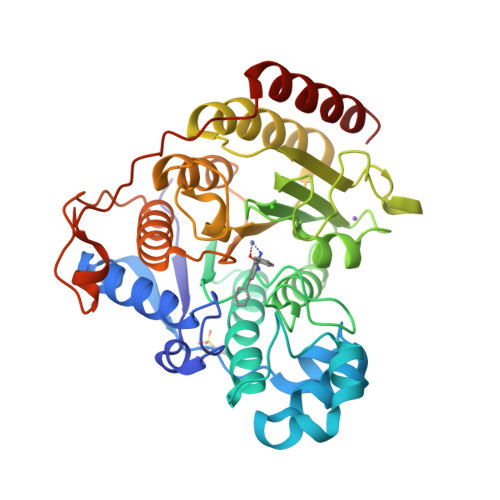
StructureProteinUniProt IDOrganismRelationshipDetails
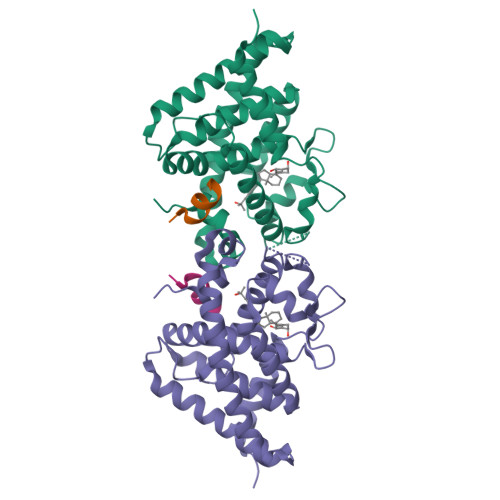
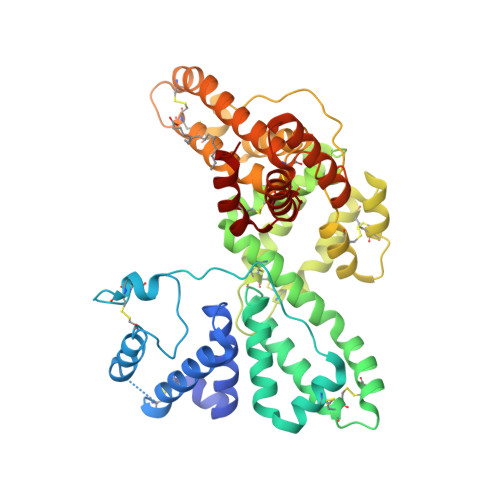
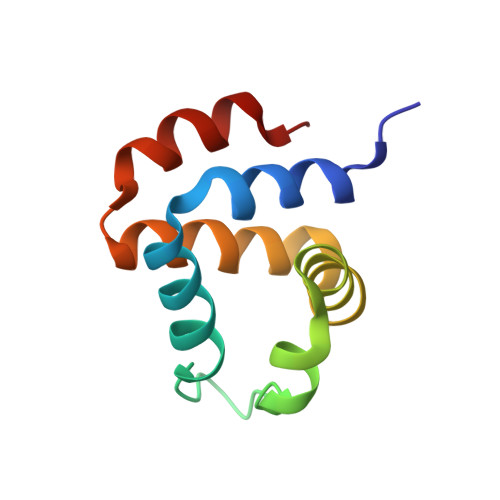
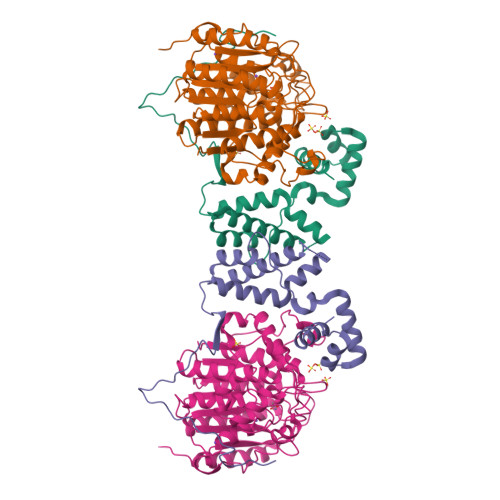
Vitamin D3 receptor A structureClick to view 3D structureVitamin D3 receptor AQ9PTN2Danio rerioPredicted (SEA)
Prediction Confidence Score
0.269
Applicability Domain
0.27 Low confidence
Statistical Significance
4.40e-04
Supporting Reference Compounds
2
E-value
3.42537
Click to view 3D structureVitamin D3 receptorA3RGC1Sus scrofaPredicted (SEA)
Prediction Confidence Score
0.268
Applicability Domain
0.268 Low confidence
Statistical Significance
5.30e-04
Supporting Reference Compounds
1
E-value
4.12601
Vitamin D-binding protein structureClick to view 3D structureVitamin D-binding proteinP02774HumansPredicted (SEA)
Prediction Confidence Score
0.268
Applicability Domain
0.268 Low confidence
Statistical Significance
5.30e-04
Supporting Reference Compounds
1
E-value
4.12601
Ferritin heavy chain structureClick to view 3D structureFerritin heavy chainP02794HumansPredicted (SEA)
Prediction Confidence Score
0.25
Applicability Domain
0.25 Low confidence
Statistical Significance
3.00e-05
Supporting Reference Compounds
1
E-value
0.233548
Vitamin D3 receptor structureClick to view 3D structureVitamin D3 receptorP13053Rattus norvegicusPredicted (SEA)
Prediction Confidence Score
0.242
Applicability Domain
0.268 Low confidence
Statistical Significance
5.60e-04
Supporting Reference Compounds
3
E-value
4.35956
Click to view 3D structureVitamin D3 receptorQ28037Bos taurusPredicted (SEA)
Prediction Confidence Score
0.24
Applicability Domain
0.268 Low confidence
Statistical Significance
4.80e-04
Supporting Reference Compounds
3
E-value
3.73676
Click to view 3D structureVitamin D3 receptorO42392Gallus gallusPredicted (SEA)
Prediction Confidence Score
0.233
Applicability Domain
0.268 Low confidence
Statistical Significance
7.30e-04
Supporting Reference Compounds
2
E-value
5.68299
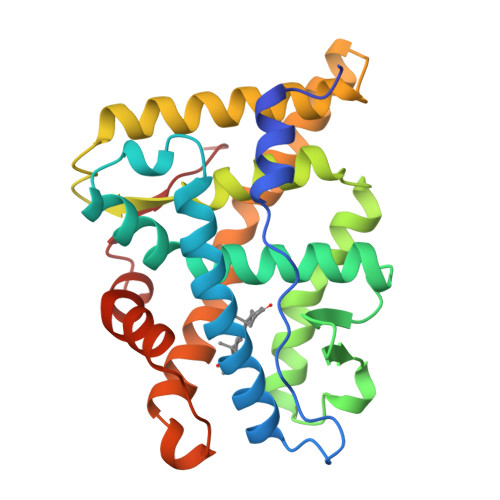
Vitamin D3 receptor structureClick to view 3D structureVitamin D3 receptorP11473HumansPredicted (SEA)
Prediction Confidence Score
0.226
Applicability Domain
0.268 Low confidence
Statistical Significance
0.0437
Supporting Reference Compounds
41
E-value
340.045
NACHT, LRR and PYD domains-containing protein 3 structureClick to view 3D structureNACHT, LRR and PYD domains-containing protein 3Q96P20HumansPredicted (SEA)
Prediction Confidence Score
0.222
Applicability Domain
0.4
Statistical Significance
0.0637
Supporting Reference Compounds
51
E-value
495.588
Protein deacetylase HDAC6 structureClick to view 3D structureProtein deacetylase HDAC6Q9UBN7HumansPredicted (SEA)
Prediction Confidence Score
0.213
Applicability Domain
0.4
Statistical Significance
0.625
Supporting Reference Compounds
553
E-value
4865.42
Androgen receptor structureClick to view 3D structureAndrogen receptorP10275HumansPredicted (SEA)
Prediction Confidence Score
0.208
Applicability Domain
0.268 Low confidence
Statistical Significance
0.2311
Supporting Reference Compounds
146
E-value
1799.41
Hematopoietic prostaglandin D synthase structureClick to view 3D structureHematopoietic prostaglandin D synthaseO35543Rattus norvegicusPredicted (SEA)
Prediction Confidence Score
0.2
Applicability Domain
0.206 Low confidence
Statistical Significance
0.0308
Supporting Reference Compounds
2
E-value
239.542
Histone deacetylase 1 structureClick to view 3D structureHistone deacetylase 1Q13547HumansPredicted (SEA)
Prediction Confidence Score
0.199
Applicability Domain
0.4
Statistical Significance
0.7361
Supporting Reference Compounds
497
E-value
5730.64
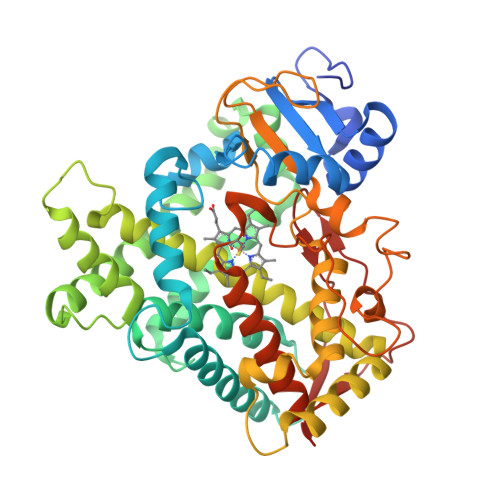
Cytochrome P450 2C9 structureClick to view 3D structureCytochrome P450 2C9P11712HumansPredicted (SEA)
Prediction Confidence Score
0.199
Applicability Domain
0.218 Low confidence
Statistical Significance
0.9381
Supporting Reference Compounds
1245
E-value
7303.42
Glucocorticoid receptor structureClick to view 3D structureGlucocorticoid receptorP04150HumansPredicted (SEA)
Prediction Confidence Score
0.198
Applicability Domain
0.218 Low confidence
Statistical Significance
0.3144
Supporting Reference Compounds
154
E-value
2447.97
Click to view 3D structureTransient receptor potential cation channel subfamily M member 2E9PTA2Rattus norvegicusPredicted (SEA)
Prediction Confidence Score
0.197
Applicability Domain
0.197 Low confidence
Statistical Significance
0.0014
Supporting Reference Compounds
1
E-value
10.5875
Click to view 3D structureVitamin D3 receptorP48281Mus musculusPredicted (SEA)
Prediction Confidence Score
0.196
Applicability Domain
0.268 Low confidence
Statistical Significance
7.90e-04
Supporting Reference Compounds
5
E-value
6.15009
Prostaglandin-H2 D-isomerase structureClick to view 3D structureProstaglandin-H2 D-isomeraseP41222HumansPredicted (SEA)
Prediction Confidence Score
0.194
Applicability Domain
0.194 Low confidence
Statistical Significance
0.0381
Supporting Reference Compounds
1
E-value
296.839
Click to view 3D structureCycloartenol-C-24-methyltransferaseQ9LM02Arabidopsis thalianaPredicted (SEA)
Prediction Confidence Score
0.194
Applicability Domain
0.194 Low confidence
Statistical Significance
0.0021
Supporting Reference Compounds
1
E-value
16.1926
Cytochrome P450 3A4 structureClick to view 3D structureCytochrome P450 3A4P08684HumansPredicted (SEA)
Prediction Confidence Score
0.194
Applicability Domain
0.218 Low confidence
Statistical Significance
0.9638
Supporting Reference Compounds
1538
E-value
7503.19
Histone deacetylase 3 structureClick to view 3D structureHistone deacetylase 3O15379HumansPredicted (SEA)
Prediction Confidence Score
0.193
Applicability Domain
0.4
Statistical Significance
0.6583
Supporting Reference Compounds
257
E-value
5124.5
Progesterone receptor structureClick to view 3D structureProgesterone receptorP06401HumansPredicted (SEA)
Prediction Confidence Score
0.193
Applicability Domain
0.218 Low confidence
Statistical Significance
0.39
Supporting Reference Compounds
119
E-value
3036.28
Proline iminopeptidase structureClick to view 3D structureProline iminopeptidaseO32449Serratia marcescensPredicted (SEA)
Prediction Confidence Score
0.193
Applicability Domain
0.193 Low confidence
Statistical Significance
0.0013
Supporting Reference Compounds
1
E-value
10.0426
Histone deacetylase 2 structureClick to view 3D structureHistone deacetylase 2Q92769HumansPredicted (SEA)
Prediction Confidence Score
0.191
Applicability Domain
0.4
Statistical Significance
0.7285
Supporting Reference Compounds
307
E-value
5671.39
Ecdysone receptor structureClick to view 3D structureEcdysone receptorP34021Drosophila melanogasterPredicted (SEA)
Prediction Confidence Score
0.191
Applicability Domain
0.194 Low confidence
Statistical Significance
0.0016
Supporting Reference Compounds
2
E-value
12.8451
Concentrations
Not Available
External Links
DrugBank IDNot Available
HMDB IDNot Available
FooDB IDFDB003839
Phenol Explorer IDNot Available
KNApSAcK IDC00000164
BiGG IDNot Available
BioCyc IDCPD-11432
METLIN IDNot Available
PDB IDNot Available
Wikipedia LinkNot Available
Chemspider IDNot Available
ChEBI ID10417
PubChem Compound ID91457
Kegg Compound IDC09664
YMDB IDNot Available
ECMDB IDNot Available
References
Synthesis ReferenceNot Available
MSDSNot Available
General ReferencesNot Available