Diaminopropane (CED0006201)

Record Information
Version1.0
Creation Date2016-05-25 22:26:52 UTC
Update Date2026-08-23 15:00:19 UTC
SynCED IDCED0006201
Secondary Accession Numbers
  • CHEM025524
Identification
Common NameDiaminopropane
ClassSmall Molecule
Description
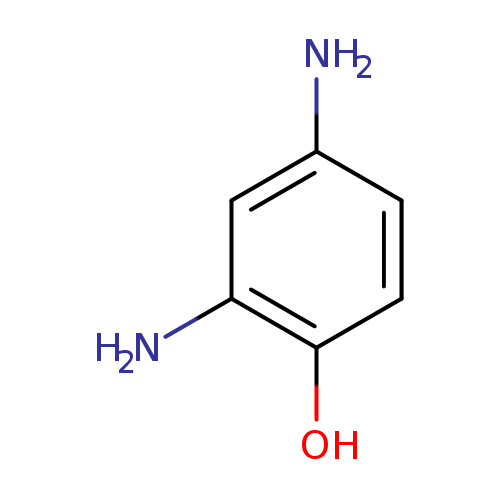
Diaminopropane is an organic compound with the chemical formula C6H8N2O and an average molecular weight of 124.14 g/mol. Diaminopropane belongs to the aniline and substituted anilines, a subclass of benzene and substituted derivatives within the organic compounds. This substance is found in or released from nine recorded sources across various sectors. In the realm of electrical and electronic equipment, it is associated with conductors or conductive bodies characterised by the conductive materials, electrodes, fixed capacitors and their manufacture, hybrid capacitors, and radio transmission systems. Its presence is also noted in household cleaning and consumer products, specifically within soap detergents and perfumes used in detergents and soaps. Furthermore, the compound is linked to building and construction materials, such as ladders, and is utilized in food, food processing and cookware for the purpose of food preservation.
Contaminant TypeNot Available
Chemical Structure
Synonyms
ValueSource
2,4-Diaminophenol dihydrochlorideMeSH
2,4-Diaminophenol hydrochlorideMeSH
AmidolMeSH
Chemical FormulaC6H8N2O
Average Molecular Mass124.143 g/mol
Monoisotopic Mass124.064 g/mol
CAS Registry Number95-86-3
IUPAC Name2,4-diaminophenol
Traditional Nameamidol
SMILESNC1=CC(N)=C(O)C=C1
InChI IdentifierInChI=1S/C6H8N2O/c7-4-1-2-6(9)5(8)3-4/h1-3,9H,7-8H2
InChI KeyXIWMTQIUUWJNRP-UHFFFAOYSA-N
Chemical Taxonomy
Description Belongs to the class of organic compounds known as aniline and substituted anilines. These are organic compounds containing an aminobenzene moiety.
KingdomOrganic compounds
Super ClassBenzenoids
ClassBenzene and substituted derivatives
Sub ClassAniline and substituted anilines
Direct ParentAniline and substituted anilines
Alternative Parents
Substituents
  • P-aminophenol
  • O-aminophenol
  • Aniline or substituted anilines
  • Aminophenol
  • 1-hydroxy-2-unsubstituted benzenoid
  • Phenol
  • Organic nitrogen compound
  • Organic oxygen compound
  • Organopnictogen compound
  • Hydrocarbon derivative
  • Primary amine
  • Organooxygen compound
  • Organonitrogen compound
  • Amine
  • Aromatic homomonocyclic compound
Molecular FrameworkAromatic homomonocyclic compounds
External DescriptorsNot Available
Biological Properties
StatusDetected and Not Quantified
OriginNot Available
Cellular LocationsNot Available
Biofluid LocationsNot Available
Tissue LocationsNot Available
ApplicationsNot Available
Biological Roles
Chemical RolesNot Available
Organoleptic EffectsNot Available
Physical Properties
StateNot Available
AppearanceNot Available
Experimental Properties
PropertyValue
Melting PointNot Available
Boiling PointNot Available
SolubilityNot Available
Predicted Properties
PropertyValueSource
Water Solubility60.5 g/LALOGPS
logP-0.21ALOGPS
logP0.012ChemAxon
logS-0.31ALOGPS
pKa (Strongest Acidic)11.2ChemAxon
pKa (Strongest Basic)6ChemAxon
Physiological Charge0ChemAxon
Hydrogen Acceptor Count3ChemAxon
Hydrogen Donor Count3ChemAxon
Polar Surface Area72.27 ŲChemAxon
Rotatable Bond Count0ChemAxon
Refractivity37.44 m³·mol⁻¹ChemAxon
Polarizability12.6 ųChemAxon
Number of Rings1ChemAxon
BioavailabilityYesChemAxon
Rule of FiveYesChemAxon
Ghose FilterNoChemAxon
Veber's RuleNoChemAxon
MDDR-like RuleNoChemAxon
Spectra
Spectra
Spectrum TypeDescriptionSplash KeyDeposition DateView
Predicted LC-MS/MSPredicted LC-MS/MS Spectrumsplash10-056r-0900000000-e7dda1c32c8fdd717811Not AvailableView Spectrum
Predicted LC-MS/MSPredicted LC-MS/MS Spectrumsplash10-056r-3900000000-af0075af0f2b1039a5afNot AvailableView Spectrum
Predicted LC-MS/MSPredicted LC-MS/MS Spectrumsplash10-0a7i-9200000000-b292f3d1f63646266962Not AvailableView Spectrum
Predicted LC-MS/MSPredicted LC-MS/MS Spectrumsplash10-00di-0900000000-88939c26b4cc68506a07Not AvailableView Spectrum
Predicted LC-MS/MSPredicted LC-MS/MS Spectrumsplash10-00di-0900000000-1072662815f228b9404aNot AvailableView Spectrum
Predicted LC-MS/MSPredicted LC-MS/MS Spectrumsplash10-0ab9-9800000000-d5bd25f9098c45717eedNot AvailableView Spectrum
Predicted LC-MS/MSPredicted LC-MS/MS Spectrumsplash10-004i-0900000000-a908bf03550356626d05Not AvailableView Spectrum
Predicted LC-MS/MSPredicted LC-MS/MS Spectrumsplash10-004i-4900000000-6e079a5803a82dbd4df7Not AvailableView Spectrum
Predicted LC-MS/MSPredicted LC-MS/MS Spectrumsplash10-0ue9-9000000000-287fd4953edd151de8d6Not AvailableView Spectrum
Predicted LC-MS/MSPredicted LC-MS/MS Spectrumsplash10-00di-0900000000-738ad45a0252ac33e743Not AvailableView Spectrum
Predicted LC-MS/MSPredicted LC-MS/MS Spectrumsplash10-00di-1900000000-de31febfab8796094681Not AvailableView Spectrum
Predicted LC-MS/MSPredicted LC-MS/MS Spectrumsplash10-00kf-9000000000-32bef025b0817adb4d5bNot AvailableView Spectrum
Toxicity Profile
Toxicity Values
Toxicity ValueOrganismDose DescriptorRoute of ExposurePredicted or ExperimentalToxicity RatingReference
257.0 Log mg/kg [140:460]RatLD50oralpredictedNot AvailableNot Available
Toxicity / Toxin ClassNot Available
Mechanism of ToxicityNot Available
Carcinogenicity (IARC Classification)Not Available
Minimum Risk LevelNot Available
SymptomsNot Available
TreatmentNot Available
Health Effects
Health EffectRelationshipDirectionDescriptionReference
Exposure Sources
Source IDSourceSectorReference
CEDs000010Insecticides?Insecticides are synthetic chemicals designed to control or eliminate insect pests that threaten crops and other agricultural products.Agriculture & land managementPubChem
CEDs000227Hair dyes?Hair dyes often contain a range of synthetic chemicals, including aromatic amines, resorcinol, and formaldehyde, which can pose environmental contamination risks.Personal care & cosmeticsPMC9214764
CEDs000490Personal care & cosmeticsNot Available
CEDs000498Ladders?Ladders, commonly used in various construction and maintenance activities, can become a source of synthetic chemical contamination due to the materials and coatings applied during their manufacture and use.Building & ConstructionPubChem
CEDs000511Conductors Or Conductive Bodies Characterised By The Conductive Materials?Conductors, or conductive bodies, are materials that allow the flow of electrical current, typically made from metals such as copper, aluminum, or silver.Electrical & Electronic EquipmentPubChem
CEDs000519Electrodes?Electrodes, used in various electrical and electronic applications, can be a source of synthetic chemical contamination due to the materials from which they are constructed and the processes involved in their manufacturing.Electrical & Electronic EquipmentPubChem
CEDs000521Fixed Capacitors And Their Manufacture?Fixed capacitors are passive electronic components used to store and release electrical energy, playing a critical role in various circuits.Electrical & Electronic EquipmentPubChem
CEDs000524Hybrid Capacitors?Hybrid capacitors are energy storage devices that combine the properties of electrolytic and supercapacitors, utilizing a combination of electrochemical principles to achieve higher energy density and power density.Electrical & Electronic EquipmentPubChem
CEDs000530Radio Transmission Systems?Radio transmission systems utilize a variety of synthetic chemicals in their manufacturing and maintenance processes.Electrical & Electronic EquipmentPubChem
CEDs000545Food Preservation?Food preservation often involves the use of synthetic chemicals, such as preservatives, flavor enhancers, and color additives, to extend shelf life and enhance the sensory qualities of food products.Food, food processing & cookwarePubChem
CEDs000561Perfumes Within Detergents And Soaps?Perfumes within detergents and soaps are synthetic fragrance compounds added to enhance the sensory experience of cleaning products.Household cleaning & consumer productsPubChem
CEDs000563Soap Detergents?Soap detergents are synthetic surfactants designed to enhance the cleaning efficacy of water by reducing surface tension, allowing for better interaction with dirt and grease.Household cleaning & consumer productsPubChem
CEDs000581Paper Making Machines?Paper making machines utilize various synthetic chemicals throughout the production process, including additives, coatings, and bleaching agents.Industrial manufacturing & chemical processingPubChem
CEDs000596Acaricides?Acaricides are synthetic chemicals specifically designed to target and control mite populations that can damage crops and plants.Agriculture & land managementPubChem
CEDs000611Anti Perspirants Or Body Deoderants?Antiperspirants and body deodorants commonly contain synthetic chemicals such as aluminum compounds, parabens, and synthetic fragrances.Personal care & cosmeticsPubChem
CEDs000614Essential Oils Or Perfumes?Essential oils and perfumes are complex mixtures of volatile compounds derived from natural or synthetic sources, commonly used for their aromatic properties.Personal care & cosmeticsPubChem
CEDs000615Eye Makeup Products?Eye makeup products, including mascaras, eyeliners, and eyeshadows, often contain a variety of synthetic chemicals such as pigments, preservatives, and film-forming agents.Personal care & cosmeticsPubChem
CEDs000617Lip Care Products?Lip care products, including lipsticks, balms, and glosses, often contain a variety of synthetic chemicals such as parabens, phthalates, and synthetic fragrances.Personal care & cosmeticsPubChem
CEDs000618Lip Makeup Products?Lip makeup products, such as lipsticks, lip glosses, and lip liners, often contain a variety of synthetic chemicals, including pigments, preservatives, and emollients.Personal care & cosmeticsPubChem
CEDs000632Apparel?Apparel production often involves the use of various synthetic chemicals, including dyes, finishing agents, and preservatives.Textiles, leather & furnishingsPubChem
CEDs000633Azo Dyes?Azo dyes are synthetic organic compounds characterized by the presence of one or more azo groups (-N=N-), which are widely used for coloring textiles, leather, and furnishings.Textiles, leather & furnishingsPubChem
CEDs000642Footwear?Footwear production often involves the use of various synthetic chemicals, such as adhesives, dyes, and treatments, which can contribute to environmental contamination.Textiles, leather & furnishingsPubChem
CEDs000643Headwear?Headwear made from synthetic materials often incorporates chemicals used in the manufacturing and finishing processes, such as dyes, flame retardants, and water repellents.Textiles, leather & furnishingsPubChem
CEDs000644Hook Or Eye Fasteners?Hook or eye fasteners are commonly used in various applications, including clothing and upholstery, to secure fabric and enhance functionality.Textiles, leather & furnishingsPubChem
CEDs000659Transfer Printing?Transfer printing is a process used to apply designs and patterns onto various substrates, commonly utilizing synthetic dyes and inks that can contain hazardous chemicals.Textiles, leather & furnishingsPubChem
CEDs000678Nitrogenous Fertilisers?Nitrogenous fertilizers are synthetic chemical compounds primarily used to enhance plant growth by supplying essential nitrogen, a crucial nutrient for photosynthesis and protein synthesis.Agriculture & land managementPubChem
CEDs000679Phosphatic Fertilisers?Phosphatic fertilizers are synthetic chemical products primarily composed of phosphorus, which is essential for plant growth.Agriculture & land managementPubChem
CEDs000685Ceramics?Ceramics can be a source of synthetic chemical contamination through various additives and processing agents used in their production.Building & ConstructionPubChem
CEDs000688Glass Coatings?Glass coatings are synthetic chemical formulations applied to glass surfaces to enhance properties such as durability, UV resistance, and aesthetic appeal.Building & ConstructionPubChem
CEDs000696Nanotechnology?Nanotechnology involves the manipulation of materials at the molecular or atomic level, typically within the range of 1 to 100 nanometers.Industrial manufacturing & chemical processingPubChem
CEDs000739Inks?Inks are complex mixtures composed of pigments or dyes, solvents, resins, and additives used primarily for printing and writing applications.Paper, pulp & fiber productsPubChem
CEDs000740Paper?Paper production involves the processing of wood fibers and the use of various chemicals, which can lead to synthetic chemical contamination.Paper, pulp & fiber productsPubChem
CEDs000741Pigment Pastes?Pigment pastes are concentrated dispersions of pigments used to impart color and properties to materials.Paper, pulp & fiber productsPubChem
CEDs000742Leather Tanning?Leather tanning is a process that transforms raw animal hides into durable leather through the application of various chemicals, including chromium salts, aldehydes, and vegetable tannins.Textiles, leather & furnishingsPubChem
CEDs000743Sludge Treatment?Sludge treatment involves the processing of waste materials generated from wastewater treatment plants, which often contain a variety of organic and inorganic substances.Wastewater, sanitation & biosolidsPubChem
CEDs000744Water, Wastewater, & Sewage Treatment?Water, wastewater, and sewage treatment processes are critical for managing and mitigating pollutants in water systems.Wastewater, sanitation & biosolidsPubChem
Pathways
0 pathwaysPathway Source: PathBank

No pathways found

No metabolic pathways have been associated with this synthetic chemical

Targets
StructureProteinUniProt IDOrganismRelationshipDetails
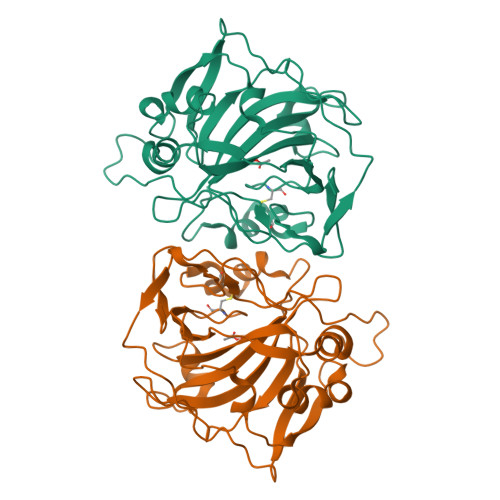
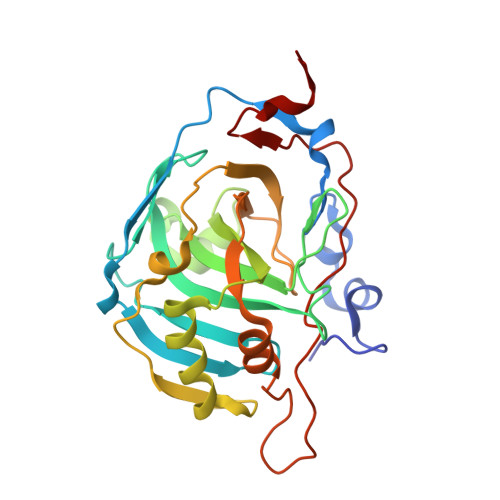
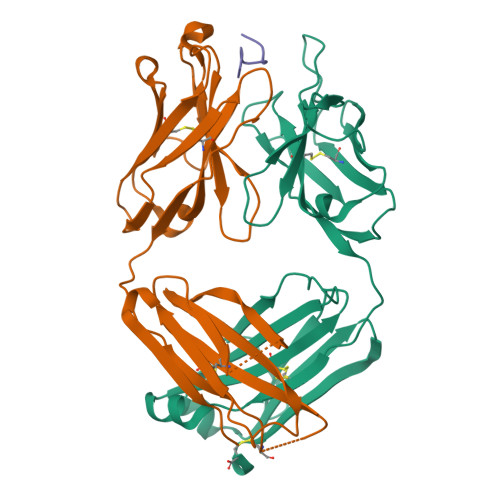
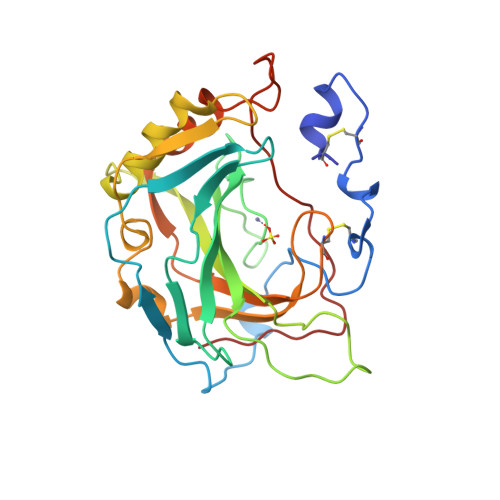
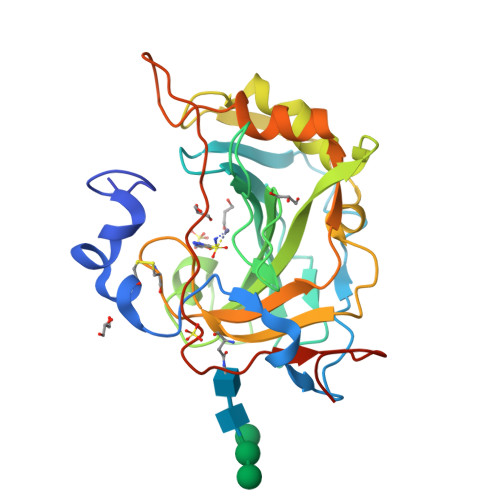
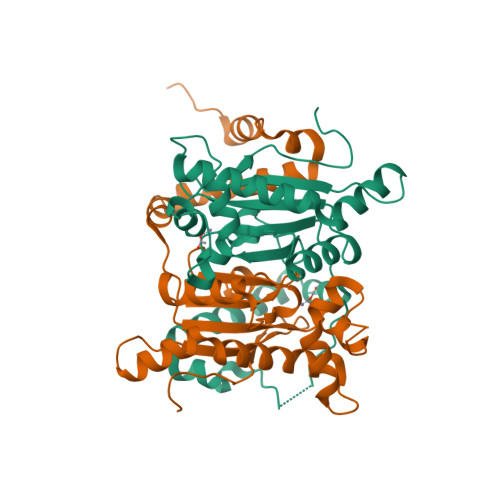
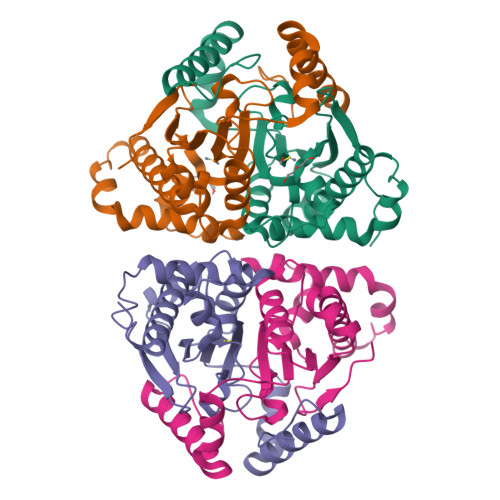
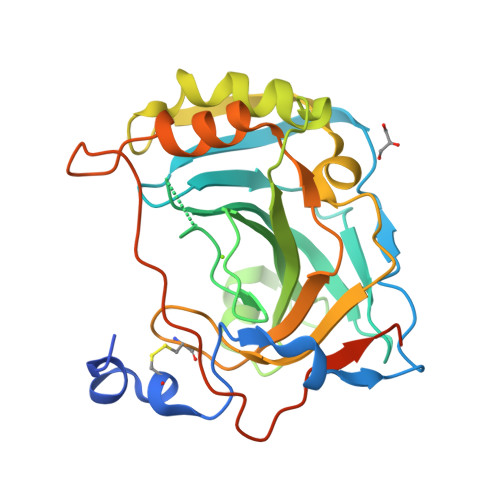
Carbonic anhydrase 2 structureClick to view 3D structureCarbonic anhydrase 2P00918HumansPredicted (SEA)
Prediction Confidence Score
0.302
Applicability Domain
0.318
Statistical Significance
0.0446
Supporting Reference Compounds
472
E-value
347.597
Carbonic anhydrase 12 structureClick to view 3D structureCarbonic anhydrase 12O43570HumansPredicted (SEA)
Prediction Confidence Score
0.302
Applicability Domain
0.318
Statistical Significance
0.0301
Supporting Reference Compounds
332
E-value
234.56
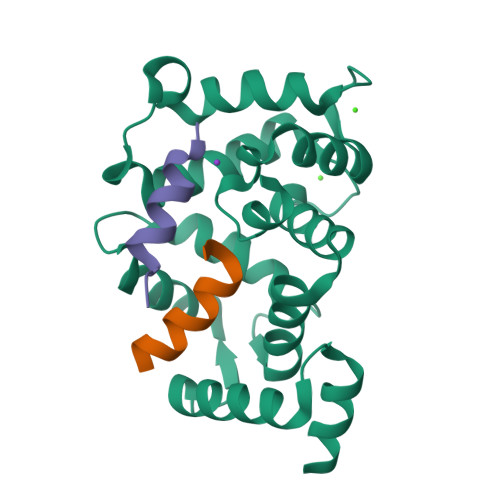
Click to view 3D structurecyclic AMP phosphoproteinQ712U5Rattus norvegicusPredicted (SEA)
Prediction Confidence Score
0.301
Applicability Domain
0.357
Statistical Significance
7.00e-05
Supporting Reference Compounds
2
E-value
0.544945
Carbonic anhydrase 3 structureClick to view 3D structureCarbonic anhydrase 3P07451HumansPredicted (SEA)
Prediction Confidence Score
0.3
Applicability Domain
0.429
Statistical Significance
0.0047
Supporting Reference Compounds
64
E-value
36.9784
D(2) dopamine receptor structureClick to view 3D structureD(2) dopamine receptorP14416HumansPredicted (SEA)
Prediction Confidence Score
0.293
Applicability Domain
0.357
Statistical Significance
0.1039
Supporting Reference Compounds
1103
E-value
808.931
Click to view 3D structureAlpha-2A adrenergic receptorQ01338Mus musculusPredicted (SEA)
Prediction Confidence Score
0.29
Applicability Domain
0.29 Low confidence
Statistical Significance
1.40e-04
Supporting Reference Compounds
1
E-value
1.08989
Click to view 3D structureAlpha-2C adrenergic receptorQ01337Mus musculusPredicted (SEA)
Prediction Confidence Score
0.29
Applicability Domain
0.29 Low confidence
Statistical Significance
1.40e-04
Supporting Reference Compounds
1
E-value
1.08989
Carbonic anhydrase 9 structureClick to view 3D structureCarbonic anhydrase 9Q16790HumansPredicted (SEA)
Prediction Confidence Score
0.287
Applicability Domain
0.31
Statistical Significance
0.0483
Supporting Reference Compounds
372
E-value
376.245
Carbonic anhydrase 4 structureClick to view 3D structureCarbonic anhydrase 4P22748HumansPredicted (SEA)
Prediction Confidence Score
0.287
Applicability Domain
0.31
Statistical Significance
0.0187
Supporting Reference Compounds
193
E-value
145.967
D(3) dopamine receptor structureClick to view 3D structureD(3) dopamine receptorP35462HumansPredicted (SEA)
Prediction Confidence Score
0.285
Applicability Domain
0.357
Statistical Significance
0.0985
Supporting Reference Compounds
861
E-value
766.581
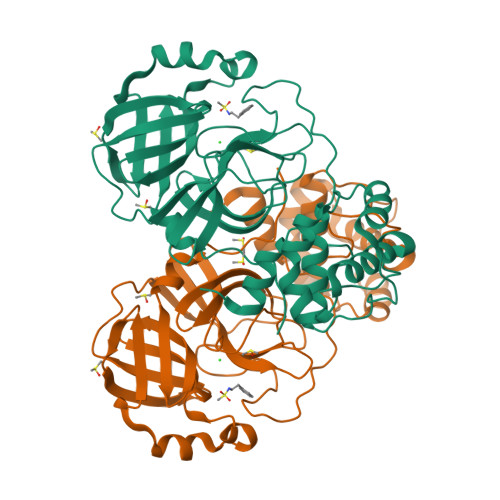
Replicase polyprotein 1ab structureClick to view 3D structureReplicase polyprotein 1abP0DTD1SARS-CoV-2Predicted (SEA)
Prediction Confidence Score
0.284
Applicability Domain
0.323
Statistical Significance
0.0233
Supporting Reference Compounds
215
E-value
181.544
Carbonic anhydrase 14 structureClick to view 3D structureCarbonic anhydrase 14Q9ULX7HumansPredicted (SEA)
Prediction Confidence Score
0.284
Applicability Domain
0.31
Statistical Significance
0.0234
Supporting Reference Compounds
172
E-value
181.934
Click to view 3D structureCarbonic anhydrase 5B, mitochondrialQ9Y2D0HumansPredicted (SEA)
Prediction Confidence Score
0.284
Applicability Domain
0.318
Statistical Significance
0.0181
Supporting Reference Compounds
157
E-value
140.907
Prostaglandin G/H synthase 1 structureClick to view 3D structureProstaglandin G/H synthase 1P05979Ovis ariesPredicted (SEA)
Prediction Confidence Score
0.28
Applicability Domain
0.5
Statistical Significance
0.0128
Supporting Reference Compounds
106
E-value
99.5692
Indoleamine 2,3-dioxygenase 1 structureClick to view 3D structureIndoleamine 2,3-dioxygenase 1P14902HumansPredicted (SEA)
Prediction Confidence Score
0.275
Applicability Domain
0.385
Statistical Significance
0.0073
Supporting Reference Compounds
108
E-value
57.0635
Click to view 3D structureCarbonic anhydrase 4Q95323Bos taurusPredicted (SEA)
Prediction Confidence Score
0.275
Applicability Domain
0.31
Statistical Significance
0.0151
Supporting Reference Compounds
64
E-value
117.241
Click to view 3D structureDelta carbonic anhydraseQ5U9J1Conticribra weissflogiiPredicted (SEA)
Prediction Confidence Score
0.275
Applicability Domain
0.31
Statistical Significance
0.0065
Supporting Reference Compounds
35
E-value
50.7577
Carbonic anhydrase structureClick to view 3D structureCarbonic anhydraseP40881Methanosarcina thermophilaPredicted (SEA)
Prediction Confidence Score
0.275
Applicability Domain
0.31
Statistical Significance
0.0044
Supporting Reference Compounds
22
E-value
33.9423
Carbonic anhydrase 2 structureClick to view 3D structureCarbonic anhydrase 2Q3I4V7Cryptococcus neoformansPredicted (SEA)
Prediction Confidence Score
0.275
Applicability Domain
0.308
Statistical Significance
0.0103
Supporting Reference Compounds
60
E-value
80.3404
Carbonic anhydrase structureClick to view 3D structureCarbonic anhydraseQ5AJ71Candida albicans (strain SC5314 / ATCC MYA-2876) (Yeast)Predicted (SEA)
Prediction Confidence Score
0.275
Applicability Domain
0.308
Statistical Significance
0.0127
Supporting Reference Compounds
68
E-value
99.1799
Beta-carbonic anhydrase 1 structureClick to view 3D structureBeta-carbonic anhydrase 1P9WPJ7Mycobacterium tuberculosisPredicted (SEA)
Prediction Confidence Score
0.275
Applicability Domain
0.308
Statistical Significance
0.0111
Supporting Reference Compounds
55
E-value
86.2569
D(1A) dopamine receptor structureClick to view 3D structureD(1A) dopamine receptorP21728HumansPredicted (SEA)
Prediction Confidence Score
0.275
Applicability Domain
0.357
Statistical Significance
0.0688
Supporting Reference Compounds
425
E-value
535.836
Carbonic anhydrase 6 structureClick to view 3D structureCarbonic anhydrase 6P23280HumansPredicted (SEA)
Prediction Confidence Score
0.274
Applicability Domain
0.308
Statistical Significance
0.0216
Supporting Reference Compounds
151
E-value
168.388
Click to view 3D structurePROBABLE TRANSMEMBRANE CARBONIC ANHYDRASE (CARBONATE DEHYDRATASE) (CARBONIC DEHYDRATASE)P96878Mycobacterium tuberculosisPredicted (SEA)
Prediction Confidence Score
0.274
Applicability Domain
0.308
Statistical Significance
0.0111
Supporting Reference Compounds
38
E-value
86.1012
Carbonic anhydrase 1 structureClick to view 3D structureCarbonic anhydrase 1P00915HumansPredicted (SEA)
Prediction Confidence Score
0.272
Applicability Domain
0.308
Statistical Significance
0.0753
Supporting Reference Compounds
407
E-value
586.516
Concentrations
Not Available
External Links
DrugBank IDNot Available
HMDB IDHMDB0302347
FooDB IDFDB004214
Phenol Explorer IDNot Available
KNApSAcK IDNot Available
BiGG IDNot Available
BioCyc IDNot Available
METLIN IDNot Available
PDB IDNot Available
Wikipedia LinkNot Available
Chemspider ID6996
ChEBI IDNot Available
PubChem Compound ID7266
Kegg Compound IDNot Available
YMDB IDNot Available
ECMDB IDNot Available
References
Synthesis ReferenceNot Available
MSDSNot Available
General ReferencesNot Available