6,10,14-Trimethylpentadecan-2-one (CED0016084)

Record Information
Version1.0
Creation Date2016-05-25 22:58:31 UTC
Update Date2026-08-20 01:38:24 UTC
SynCED IDCED0016084
Secondary Accession Numbers
  • CHEM026415
Identification
Common Name6,10,14-Trimethylpentadecan-2-one
ClassSmall Molecule
Description
6,10,14-Trimethylpentadecan-2-one belongs to the sesquiterpenoids, a subclass of prenol lipids within the organic compounds. This compound has the formula C18H36O and an average molecular weight of 268.48 g/mol. In industrial applications, it is utilized as a fragrance, a flavouring, and a nutrient. The substance is present in polyethylene terephthalate and is found in 14 recorded sources. Within electrical and electronic equipment, it is associated with radio transmission systems, television systems, antennas, conductive bodies characterized by the conductive materials, and electrically stimulated smoking devices. Its presence in food, food processing, and cookware includes food preservation, food contact materials, fermentation processes for beer, and the preparation of wine or sparkling wine. Additionally, it is found in household cleaning and consumer products, specifically soap detergents and perfumes within detergents and soaps, as well as in household items such as watch chains and in building and construction materials like ceilings. Recorded routes of exposure to 6,10,14-trimethylpentadecan-2-one include touch, oral, and inhalation.
Contaminant TypeNot Available
Chemical Structure
Synonyms
ValueSource
HexahydrofarnesylacetoneMeSH
Chemical FormulaC18H36O
Average Molecular Mass268.478 g/mol
Monoisotopic Mass268.277 g/mol
CAS Registry Number502-69-2
IUPAC Name6,10,14-trimethylpentadecan-2-one
Traditional Name6,10,14-trimethylpentadecan-2-one
SMILESCC(C)CCCC(C)CCCC(C)CCCC(C)=O
InChI IdentifierInChI=1S/C18H36O/c1-15(2)9-6-10-16(3)11-7-12-17(4)13-8-14-18(5)19/h15-17H,6-14H2,1-5H3
InChI KeyWHWDWIHXSPCOKZ-UHFFFAOYSA-N
Chemical Taxonomy
Description Belongs to the class of organic compounds known as sesquiterpenoids. These are terpenes with three consecutive isoprene units.
KingdomOrganic compounds
Super ClassLipids and lipid-like molecules
ClassPrenol lipids
Sub ClassSesquiterpenoids
Direct ParentSesquiterpenoids
Alternative Parents
Substituents
  • Farsesane sesquiterpenoid
  • Sesquiterpenoid
  • Ketone
  • Organic oxygen compound
  • Organic oxide
  • Hydrocarbon derivative
  • Organooxygen compound
  • Carbonyl group
  • Aliphatic acyclic compound
Molecular FrameworkAliphatic acyclic compounds
External DescriptorsNot Available
Biological Properties
StatusDetected and Not Quantified
OriginNot Available
Cellular LocationsNot Available
Biofluid LocationsNot Available
Tissue LocationsNot Available
ApplicationsNot Available
Biological Roles
Chemical RolesNot Available
Organoleptic EffectsNot Available
Physical Properties
StateNot Available
AppearanceNot Available
Experimental Properties
PropertyValue
Melting PointNot Available
Boiling PointNot Available
SolubilityNot Available
Predicted Properties
PropertyValueSource
Water Solubility4.0e-05 g/LALOGPS
logP7.48ALOGPS
logP6.56ChemAxon
logS-6.8ALOGPS
pKa (Strongest Acidic)19.64ChemAxon
pKa (Strongest Basic)-7.3ChemAxon
Physiological Charge0ChemAxon
Hydrogen Acceptor Count1ChemAxon
Hydrogen Donor Count0ChemAxon
Polar Surface Area17.07 ŲChemAxon
Rotatable Bond Count12ChemAxon
Refractivity85.08 m³·mol⁻¹ChemAxon
Polarizability36.16 ųChemAxon
Number of Rings0ChemAxon
BioavailabilityNoChemAxon
Rule of FiveNoChemAxon
Ghose FilterNoChemAxon
Veber's RuleNoChemAxon
MDDR-like RuleNoChemAxon
Spectra
Spectra
Spectrum TypeDescriptionSplash KeyDeposition DateView
Predicted LC-MS/MSPredicted LC-MS/MS Spectrumsplash10-0gb9-0190000000-b1776bbab8509334f813Not AvailableView Spectrum
Predicted LC-MS/MSPredicted LC-MS/MS Spectrumsplash10-0lmi-6940000000-a2b92e219d720d495f53Not AvailableView Spectrum
Predicted LC-MS/MSPredicted LC-MS/MS Spectrumsplash10-0ab9-9400000000-c2ff0bd1d36835e7baffNot AvailableView Spectrum
Predicted LC-MS/MSPredicted LC-MS/MS Spectrumsplash10-014i-0090000000-2fb5774d23a1915aa528Not AvailableView Spectrum
Predicted LC-MS/MSPredicted LC-MS/MS Spectrumsplash10-014i-2090000000-3142a9cdc7a0dbd7f88fNot AvailableView Spectrum
Predicted LC-MS/MSPredicted LC-MS/MS Spectrumsplash10-0a4i-9440000000-1ce34a64d0efc0924b78Not AvailableView Spectrum
Predicted LC-MS/MSPredicted LC-MS/MS Spectrumsplash10-0uxr-3390000000-f18695941cf93bcd5983Not AvailableView Spectrum
Predicted LC-MS/MSPredicted LC-MS/MS Spectrumsplash10-0cki-9500000000-4756e8503d4fbf87205dNot AvailableView Spectrum
Predicted LC-MS/MSPredicted LC-MS/MS Spectrumsplash10-0a4i-9000000000-e4ea55fc1167775b5d96Not AvailableView Spectrum
Predicted LC-MS/MSPredicted LC-MS/MS Spectrumsplash10-014i-0090000000-f8d52a37bd931625f189Not AvailableView Spectrum
Predicted LC-MS/MSPredicted LC-MS/MS Spectrumsplash10-066r-4090000000-16284271fe8adb9ccca8Not AvailableView Spectrum
Predicted LC-MS/MSPredicted LC-MS/MS Spectrumsplash10-0pb9-9760000000-6a69ddbe4a52e7731023Not AvailableView Spectrum
MSMS Spectrumsplash10-0a4l-9100000000-27ee6443769e62578c06Not AvailableView Spectrum
Toxicity Profile
Toxicity Values
Toxicity ValueOrganismDose DescriptorRoute of ExposurePredicted or ExperimentalToxicity RatingReference
5342.0 Log mg/kg [3000:9500]RatLD50oralpredictedNot AvailableNot Available
Toxicity / Toxin ClassNot Available
Mechanism of ToxicityNot Available
Carcinogenicity (IARC Classification)Not Available
Minimum Risk LevelNot Available
SymptomsNot Available
TreatmentNot Available
Health Effects
Health EffectRelationshipDirectionDescriptionReference
Exposure Sources
Source IDSourceSectorReference
CEDs000070Stormwater runoff?Stormwater runoff refers to the flow of rainwater or melted snow that does not soak into the ground and instead collects pollutants as it travels over impervious surfaces such as roads and parking lots.Automotive & urban infrastructurePubChem
CEDs000233Brushes?Brushes used in personal care and cosmetics can be a source of synthetic chemical contamination due to the materials and coatings used in their manufacturing.Personal care & cosmeticsPubChem
CEDs000494Food contact materials?Food contact materials refer to substances and products that are intended to come into contact with food during processing, packaging, or preparation.Food, food processing & cookwareNot Available
CEDs000495Ceilings?Ceilings in built environments can be a source of synthetic chemical contamination due to the materials used in their construction and finishes.Building & ConstructionPubChem
CEDs000506Antennas?Antennas, commonly used in communication technologies, can be a source of synthetic chemical contamination through the materials and coatings used in their construction.Electrical & Electronic EquipmentPubChem
CEDs000511Conductors Or Conductive Bodies Characterised By The Conductive Materials?Conductors, or conductive bodies, are materials that allow the flow of electrical current, typically made from metals such as copper, aluminum, or silver.Electrical & Electronic EquipmentPubChem
CEDs000518Electrically Stimulated Smoking Devices?Electrically stimulated smoking devices, commonly known as e-cigarettes or vape pens, utilize electrical components to heat a liquid solution, often containing nicotine, flavorings, and other additives, to produce an aerosol for inhalation.Electrical & Electronic EquipmentPubChem
CEDs000530Radio Transmission Systems?Radio transmission systems utilize a variety of synthetic chemicals in their manufacturing and maintenance processes.Electrical & Electronic EquipmentPubChem
CEDs000537Television Systems?Television systems can be a source of synthetic chemical contamination due to the various materials and components used in their manufacture and operation.Electrical & Electronic EquipmentPubChem
CEDs000539Video Games?Video games, through their production and disposal processes, can be a source of synthetic chemical contamination.Electrical & Electronic EquipmentPubChem
CEDs000544Fermentation Processes For Beer?Fermentation processes for beer involve the conversion of sugars into alcohol and carbon dioxide by yeast.Food, food processing & cookwarePubChem
CEDs000545Food Preservation?Food preservation often involves the use of synthetic chemicals, such as preservatives, flavor enhancers, and color additives, to extend shelf life and enhance the sensory qualities of food products.Food, food processing & cookwarePubChem
CEDs000549Preparation Of Wine Or Sparkling Wine?The preparation of wine or sparkling wine involves various stages, including fermentation, aging, and bottling, which can introduce potential sources of synthetic chemical contamination.Food, food processing & cookwarePubChem
CEDs000561Perfumes Within Detergents And Soaps?Perfumes within detergents and soaps are synthetic fragrance compounds added to enhance the sensory experience of cleaning products.Household cleaning & consumer productsPubChem
CEDs000563Soap Detergents?Soap detergents are synthetic surfactants designed to enhance the cleaning efficacy of water by reducing surface tension, allowing for better interaction with dirt and grease.Household cleaning & consumer productsPubChem
CEDs000577Watch Chains?Watch chains, often made from various metals and synthetic materials, can be a source of chemical contamination due to the presence of coatings, adhesives, and plasticizers used in their manufacturing.Household itemsPubChem
CEDs000580Manufacture Preparation Of Tobacco Products?The manufacture and preparation of tobacco products involve various processes that can result in the introduction of synthetic chemicals into the environment.Industrial manufacturing & chemical processingPubChem
CEDs000600Herbicides And Algicides?Herbicides and algicides are synthetic chemicals primarily used to control unwanted plants and algae in various environments.Agriculture & land managementPubChem
CEDs000603Nematocides?Nematocides are synthetic chemicals specifically designed to control nematodes, which are microscopic roundworms that can cause significant damage to crops and plants.Agriculture & land managementPubChem
CEDs000605Pest Repellants?Pest repellents, often formulated from synthetic chemicals, are widely used to protect crops from insect infestations and other pests.Agriculture & land managementPubChem
CEDs000606Plant Growth Regulators?Plant Growth Regulators (PGRs) are synthetic chemicals designed to influence the growth and development of plants.Agriculture & land managementPubChem
CEDs000609Aftershave?Aftershave is a grooming product typically used to soothe and protect the skin following shaving.Personal care & cosmeticsPubChem
CEDs000610Aftersun Products?Aftersun products are designed to soothe and hydrate the skin after sun exposure, often containing various synthetic chemicals such as emollients, preservatives, and fragrances.Personal care & cosmeticsPubChem
CEDs000611Anti Perspirants Or Body Deoderants?Antiperspirants and body deodorants commonly contain synthetic chemicals such as aluminum compounds, parabens, and synthetic fragrances.Personal care & cosmeticsPubChem
CEDs000614Essential Oils Or Perfumes?Essential oils and perfumes are complex mixtures of volatile compounds derived from natural or synthetic sources, commonly used for their aromatic properties.Personal care & cosmeticsPubChem
CEDs000615Eye Makeup Products?Eye makeup products, including mascaras, eyeliners, and eyeshadows, often contain a variety of synthetic chemicals such as pigments, preservatives, and film-forming agents.Personal care & cosmeticsPubChem
CEDs000616Face Mask Cosmetics?Face mask cosmetics often contain a variety of synthetic chemicals, including preservatives, emulsifiers, and fragrances, which can contribute to chemical contamination.Personal care & cosmeticsPubChem
CEDs000618Lip Makeup Products?Lip makeup products, such as lipsticks, lip glosses, and lip liners, often contain a variety of synthetic chemicals, including pigments, preservatives, and emollients.Personal care & cosmeticsPubChem
CEDs000620Card Games?Card games often utilize synthetic materials for playing cards and associated gaming equipment, which may contain various chemicals such as polyvinyl chloride (PVC), plastics, and dyes.Recreation & sports surfacesPubChem
CEDs000630Toys?Toys, particularly those made from synthetic materials such as plastics, can be a source of chemical contamination due to the presence of various additives and compounds used in their production.Recreation & sports surfacesPubChem
CEDs000632Apparel?Apparel production often involves the use of various synthetic chemicals, including dyes, finishing agents, and preservatives.Textiles, leather & furnishingsPubChem
CEDs000642Footwear?Footwear production often involves the use of various synthetic chemicals, such as adhesives, dyes, and treatments, which can contribute to environmental contamination.Textiles, leather & furnishingsPubChem
CEDs000671Airplanes And Helicopters?Airplanes and helicopters are significant sources of synthetic chemical contamination primarily through the use of aviation fuels, lubricants, and de-icing agents.Aviation & AerospacePubChem
CEDs000673Unmanned Aerial Vehicles?Unmanned Aerial Vehicles (UAVs), commonly known as drones, utilize various synthetic chemicals in their manufacturing, operation, and maintenance processes.Aviation & AerospacePubChem
CEDs000678Nitrogenous Fertilisers?Nitrogenous fertilizers are synthetic chemical compounds primarily used to enhance plant growth by supplying essential nitrogen, a crucial nutrient for photosynthesis and protein synthesis.Agriculture & land managementPubChem
CEDs000679Phosphatic Fertilisers?Phosphatic fertilizers are synthetic chemical products primarily composed of phosphorus, which is essential for plant growth.Agriculture & land managementPubChem
CEDs000686Clay Wares?Clay wares are ceramic products made from natural clay, often utilized in various construction applications such as tiles, bricks, and sanitary ware.Building & ConstructionPubChem
CEDs000692Silica Free Oxide Glass?Silica Free Oxide Glass is a type of glass that is produced using alternative materials to traditional silica-based formulations.Building & ConstructionPubChem
CEDs000693Silica Glass?Silica glass, primarily composed of silicon dioxide (SiO2), is widely used in various applications, including windows, glass facades, and insulation materials.Building & ConstructionPubChem
CEDs000696Nanotechnology?Nanotechnology involves the manipulation of materials at the molecular or atomic level, typically within the range of 1 to 100 nanometers.Industrial manufacturing & chemical processingPubChem
CEDs000698Jewellery?Jewellery production often involves the use of various synthetic chemicals during the extraction and processing of metals.Mining & metal processingPubChem
CEDs000701Ventilation Of Mines Or Tunnels?Ventilation in mines or tunnels is essential for maintaining air quality and ensuring the safety of workers.Mining & metal processingPubChem
CEDs000727Printing Machines Or Presses?Printing machines or presses commonly utilize synthetic chemicals such as inks, solvents, and cleaning agents.Paper, pulp & fiber productsPubChem
CEDs000729Stamps?Stamps, particularly those produced using synthetic inks and adhesives, can contribute to chemical contamination when disposed of improperly.Paper, pulp & fiber productsPubChem
CEDs000734Coating Compositions?Coating compositions, which include paints, sealants, and varnishes, are formulated with a variety of synthetic chemicals such as solvents, resins, pigments, and additives.Building & ConstructionPubChem
CEDs000738Cooling Circuit Water?Cooling circuit water is utilized in various industrial processes to absorb and dissipate heat generated during operations.Industrial manufacturing & chemical processingPubChem
CEDs000739Inks?Inks are complex mixtures composed of pigments or dyes, solvents, resins, and additives used primarily for printing and writing applications.Paper, pulp & fiber productsPubChem
CEDs000740Paper?Paper production involves the processing of wood fibers and the use of various chemicals, which can lead to synthetic chemical contamination.Paper, pulp & fiber productsPubChem
CEDs000744Water, Wastewater, & Sewage Treatment?Water, wastewater, and sewage treatment processes are critical for managing and mitigating pollutants in water systems.Wastewater, sanitation & biosolidsPubChem
Pathways
0 pathwaysPathway Source: PathBank

No pathways found

No metabolic pathways have been associated with this synthetic chemical

Targets
StructureProteinUniProt IDOrganismRelationshipDetails
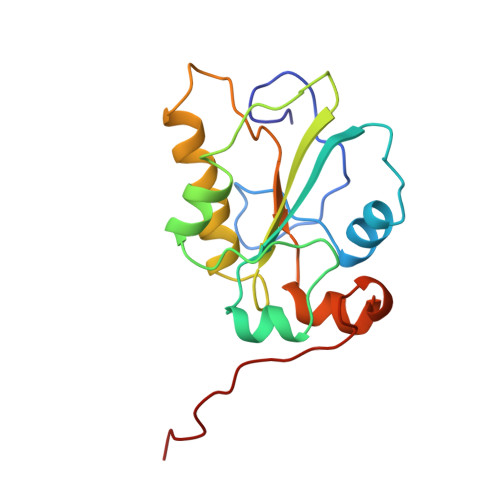
HTH-type quorum-sensing regulator RhlR structureClick to view 3D structureHTH-type quorum-sensing regulator RhlRP54292Pseudomonas aeruginosa (strain ATCC 15692 / PAO1 / 1C / PRS 101 / LMG12228)Predicted (SEA)
Prediction Confidence Score
0.326
Applicability Domain
0.326
Statistical Significance
1.10e-04
Supporting Reference Compounds
1
E-value
0.856341
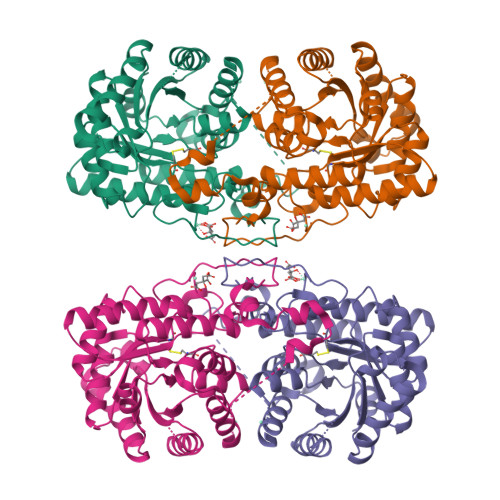
Click to view 3D structureS-methylmethionine--homocysteine S-methyltransferase BHMT2Q9H2M3HumansPredicted (SEA)
Prediction Confidence Score
0.263
Applicability Domain
0.263 Low confidence
Statistical Significance
5.00e-04
Supporting Reference Compounds
1
E-value
3.89246
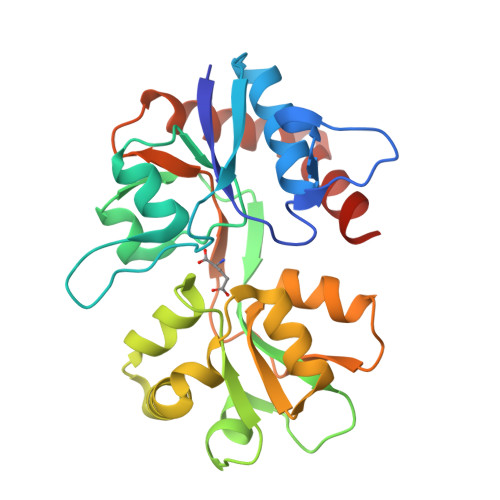
Click to view 3D structureCAI-1 autoinducer sensor kinase/phosphatase CqsSQ9KM66Vibrio cholerae serotype O1 (strain ATCC 39315 / El Tor Inaba N16961)Predicted (SEA)
Prediction Confidence Score
0.222
Applicability Domain
0.222 Low confidence
Statistical Significance
0.0032
Supporting Reference Compounds
1
E-value
25.0674
Thrombospondin-1 structureClick to view 3D structureThrombospondin-1P07996HumansPredicted (SEA)
Prediction Confidence Score
0.22
Applicability Domain
0.22 Low confidence
Statistical Significance
0.0131
Supporting Reference Compounds
1
E-value
102.372
Click to view 3D structureDihydroxyacetone phosphate acyltransferaseO15228HumansPredicted (SEA)
Prediction Confidence Score
0.217
Applicability Domain
0.217 Low confidence
Statistical Significance
0.0076
Supporting Reference Compounds
1
E-value
59.4768
Click to view 3D structureGlutathionylspermidine synthaseP90518Crithidia fasciculataPredicted (SEA)
Prediction Confidence Score
0.216
Applicability Domain
0.216 Low confidence
Statistical Significance
0.0141
Supporting Reference Compounds
1
E-value
109.923
Click to view 3D structurePutative inactive group IIC secretory phospholipase A2Q5R387HumansPredicted (SEA)
Prediction Confidence Score
0.213
Applicability Domain
0.213 Low confidence
Statistical Significance
0.0053
Supporting Reference Compounds
1
E-value
41.3379
Tyrosine-protein phosphatase non-receptor type 1 structureClick to view 3D structureTyrosine-protein phosphatase non-receptor type 1P18031HumansPredicted (SEA)
Prediction Confidence Score
0.209
Applicability Domain
0.219 Low confidence
Statistical Significance
0.2279
Supporting Reference Compounds
197
E-value
1774.11
Calpain-1 catalytic subunit structureClick to view 3D structureCalpain-1 catalytic subunitP07384HumansPredicted (SEA)
Prediction Confidence Score
0.206
Applicability Domain
0.234 Low confidence
Statistical Significance
0.1031
Supporting Reference Compounds
47
E-value
802.859
Peroxisome proliferator-activated receptor delta structureClick to view 3D structurePeroxisome proliferator-activated receptor deltaQ03181HumansPredicted (SEA)
Prediction Confidence Score
0.206
Applicability Domain
0.222 Low confidence
Statistical Significance
0.2752
Supporting Reference Compounds
89
E-value
2142.57
Peroxisome proliferator-activated receptor alpha structureClick to view 3D structurePeroxisome proliferator-activated receptor alphaQ07869HumansPredicted (SEA)
Prediction Confidence Score
0.205
Applicability Domain
0.219 Low confidence
Statistical Significance
0.3481
Supporting Reference Compounds
127
E-value
2709.7
Aspartyl aminopeptidase structureClick to view 3D structureAspartyl aminopeptidaseQ9ULA0HumansPredicted (SEA)
Prediction Confidence Score
0.204
Applicability Domain
0.256 Low confidence
Statistical Significance
0.0055
Supporting Reference Compounds
6
E-value
43.0506
Gamma-glutamyl hydrolase structureClick to view 3D structureGamma-glutamyl hydrolaseQ92820HumansPredicted (SEA)
Prediction Confidence Score
0.2
Applicability Domain
0.2 Low confidence
Statistical Significance
0.0041
Supporting Reference Compounds
1
E-value
31.8403
Glutamine synthetase structureClick to view 3D structureGlutamine synthetaseP0A9C5Escherichia coli K-12Predicted (SEA)
Prediction Confidence Score
0.2
Applicability Domain
0.2 Low confidence
Statistical Significance
0.0018
Supporting Reference Compounds
1
E-value
14.1686
Click to view 3D structureUDP-N-acetylmuramoyl-tripeptide--D-alanyl-D-alanine ligaseQ5HMD9Staphylococcus epidermidis (strain ATCC 35984 / RP62A)Predicted (SEA)
Prediction Confidence Score
0.2
Applicability Domain
0.2 Low confidence
Statistical Significance
0.005
Supporting Reference Compounds
1
E-value
39.3139
M-phase inducer phosphatase 1 structureClick to view 3D structureM-phase inducer phosphatase 1P30304HumansPredicted (SEA)
Prediction Confidence Score
0.197
Applicability Domain
0.22 Low confidence
Statistical Significance
0.023
Supporting Reference Compounds
25
E-value
178.975
Transient receptor potential cation channel subfamily V member 2 structureClick to view 3D structureTransient receptor potential cation channel subfamily V member 2Q9WUD2Rattus norvegicusPredicted (SEA)
Prediction Confidence Score
0.197
Applicability Domain
0.219 Low confidence
Statistical Significance
0.0178
Supporting Reference Compounds
21
E-value
138.416
Click to view 3D structureCytochrome P450 4A4P10611Oryctolagus cuniculusPredicted (SEA)
Prediction Confidence Score
0.195
Applicability Domain
0.195 Low confidence
Statistical Significance
0.0015
Supporting Reference Compounds
1
E-value
11.5217
Betaine--homocysteine S-methyltransferase 1 structureClick to view 3D structureBetaine--homocysteine S-methyltransferase 1Q93088HumansPredicted (SEA)
Prediction Confidence Score
0.195
Applicability Domain
0.195 Low confidence
Statistical Significance
0.0024
Supporting Reference Compounds
1
E-value
18.7617
Glutamate receptor ionotropic, kainate 1 structureClick to view 3D structureGlutamate receptor ionotropic, kainate 1P22756Rattus norvegicusPredicted (SEA)
Prediction Confidence Score
0.195
Applicability Domain
0.212 Low confidence
Statistical Significance
0.0381
Supporting Reference Compounds
45
E-value
296.528
Glutamate receptor ionotropic, kainate 3 structureClick to view 3D structureGlutamate receptor ionotropic, kainate 3P42264Rattus norvegicusPredicted (SEA)
Prediction Confidence Score
0.194
Applicability Domain
0.212 Low confidence
Statistical Significance
0.0174
Supporting Reference Compounds
26
E-value
135.613
Click to view 3D structureN-acetylaspartylglutamate synthase AQ8IXN7HumansPredicted (SEA)
Prediction Confidence Score
0.194
Applicability Domain
0.194 Low confidence
Statistical Significance
0.0053
Supporting Reference Compounds
1
E-value
41.2601
Click to view 3D structureAminopeptidase BQ9H4A4HumansPredicted (SEA)
Prediction Confidence Score
0.194
Applicability Domain
0.256 Low confidence
Statistical Significance
0.0076
Supporting Reference Compounds
6
E-value
59.0097
Click to view 3D structureHistone deacetylase 11Q96DB2HumansPredicted (SEA)
Prediction Confidence Score
0.194
Applicability Domain
0.219 Low confidence
Statistical Significance
0.5083
Supporting Reference Compounds
149
E-value
3957.08
Click to view 3D structureSodium- and chloride-dependent GABA transporter 2P31646Rattus norvegicusPredicted (SEA)
Prediction Confidence Score
0.194
Applicability Domain
0.194 Low confidence
Statistical Significance
0.0023
Supporting Reference Compounds
1
E-value
17.8275
Concentrations
Not Available
External Links
DrugBank IDNot Available
HMDB IDHMDB0303073
FooDB IDFDB007640
Phenol Explorer IDNot Available
KNApSAcK IDNot Available
BiGG IDNot Available
BioCyc IDNot Available
METLIN IDNot Available
PDB IDNot Available
Wikipedia LinkNot Available
Chemspider ID9979
ChEBI IDNot Available
PubChem Compound IDNot Available
Kegg Compound IDNot Available
YMDB IDNot Available
ECMDB IDNot Available
References
Synthesis ReferenceNot Available
MSDSNot Available
General ReferencesNot Available