2-Methylpyrrole (CED0019458)

Record Information
Version1.0
Creation Date2016-05-25 23:42:08 UTC
Update Date2026-08-23 01:00:03 UTC
SynCED IDCED0019458
Secondary Accession Numbers
  • CHEM027385
Identification
Common Name2-Methylpyrrole
ClassSmall Molecule
Description
2-Methylpyrrole is an organoheterocyclic compound with the chemical formula C5H7N and an average molecular weight of 81.12 g/mol. 2-Methylpyrrole belongs to the substituted pyrroles, a subclass of pyrroles within the organic compounds. This compound is associated with 14 recorded sources across several diverse categories. Within electrical and electronic equipment, it is found in or released from antennas, communication cables or conductors, electric switches, emergency protective devices, and fixed capacitors and their manufacture, among two other sources. In the realm of household cleaning and consumer products, it is identified in soap detergents, perfumes within detergents and soaps, bleaching agents, cigar cigarettes, and tobacco smoke filters. Additionally, the compound is linked to building and construction materials, specifically tents or canopies. In the context of food, food processing and cookware, 2-methylpyrrole is released from fermentation processes for beer.
Contaminant TypeNot Available
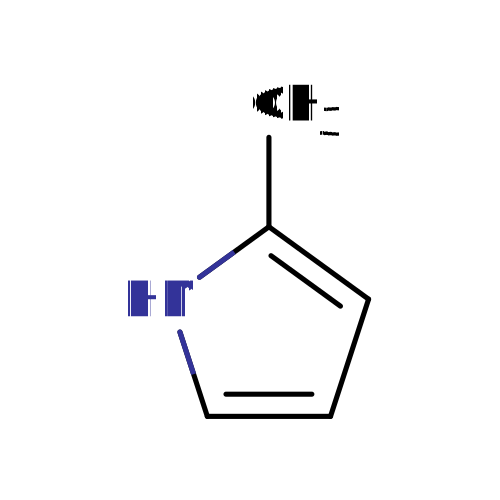
Chemical Structure
Synonyms
ValueSource
1H-Pyrrole, 2-methyl- (9ci)HMDB
2-Methyl-1H-pyrroleHMDB
2-Methyl-pyrroleHMDB
2-MethylpyrolleHMDB
alpha -MethylpyrroleHMDB
alpha-MethylpyrroleHMDB
Pyrrole, 2-methyl- (8ci)HMDB
Chemical FormulaC5H7N
Average Molecular Mass81.116 g/mol
Monoisotopic Mass81.058 g/mol
CAS Registry Number636-41-9
IUPAC Name2-methyl-1H-pyrrole
Traditional Name2-methylpyrrole
SMILESCC1=CC=CN1
InChI IdentifierInChI=1S/C5H7N/c1-5-3-2-4-6-5/h2-4,6H,1H3
InChI KeyTVCXVUHHCUYLGX-UHFFFAOYSA-N
Chemical Taxonomy
Description Belongs to the class of organic compounds known as substituted pyrroles. These are heterocyclic compounds containing a pyrrole ring substituted at one or more positions.
KingdomOrganic compounds
Super ClassOrganoheterocyclic compounds
ClassPyrroles
Sub ClassSubstituted pyrroles
Direct ParentSubstituted pyrroles
Alternative Parents
Substituents
  • Substituted pyrrole
  • Heteroaromatic compound
  • Azacycle
  • Organic nitrogen compound
  • Organopnictogen compound
  • Hydrocarbon derivative
  • Organonitrogen compound
  • Aromatic heteromonocyclic compound
Molecular FrameworkAromatic heteromonocyclic compounds
External DescriptorsNot Available
Biological Properties
StatusDetected and Not Quantified
OriginNot Available
Cellular LocationsNot Available
Biofluid LocationsNot Available
Tissue LocationsNot Available
ApplicationsNot Available
Biological RolesNot Available
Chemical RolesNot Available
Organoleptic EffectsNot Available
Physical Properties
StateNot Available
AppearanceNot Available
Experimental Properties
PropertyValue
Melting PointNot Available
Boiling PointNot Available
SolubilityNot Available
Predicted Properties
PropertyValueSource
Water Solubility295 g/LALOGPS
logP1.1ALOGPS
logP1.25ChemAxon
logS0.56ALOGPS
pKa (Strongest Acidic)18.23ChemAxon
Physiological Charge0ChemAxon
Hydrogen Acceptor Count0ChemAxon
Hydrogen Donor Count1ChemAxon
Polar Surface Area15.79 ŲChemAxon
Rotatable Bond Count0ChemAxon
Refractivity25.97 m³·mol⁻¹ChemAxon
Polarizability9.29 ųChemAxon
Number of Rings1ChemAxon
BioavailabilityYesChemAxon
Rule of FiveYesChemAxon
Ghose FilterNoChemAxon
Veber's RuleYesChemAxon
MDDR-like RuleNoChemAxon
Spectra
Spectra
Spectrum TypeDescriptionSplash KeyDeposition DateView
Predicted GC-MSPredicted GC-MS Spectrumsplash10-001i-9000000000-ac1acc46ce65830dc84dNot AvailableView Spectrum
Predicted GC-MSPredicted GC-MS SpectrumNot AvailableNot AvailableView Spectrum
Predicted LC-MS/MSPredicted LC-MS/MS Spectrumsplash10-001i-9000000000-48931fe8595bdc761490Not AvailableView Spectrum
Predicted LC-MS/MSPredicted LC-MS/MS Spectrumsplash10-001i-9000000000-643cfbe41691165a6463Not AvailableView Spectrum
Predicted LC-MS/MSPredicted LC-MS/MS Spectrumsplash10-0gb9-9000000000-db9c1ae893328d36ff02Not AvailableView Spectrum
Predicted LC-MS/MSPredicted LC-MS/MS Spectrumsplash10-001i-9000000000-97ce76fdc8e13cb8d092Not AvailableView Spectrum
Predicted LC-MS/MSPredicted LC-MS/MS Spectrumsplash10-001i-9000000000-2d05d3bdb180093551a8Not AvailableView Spectrum
Predicted LC-MS/MSPredicted LC-MS/MS Spectrumsplash10-03di-9000000000-68d9b9003fb695a3d278Not AvailableView Spectrum
Predicted LC-MS/MSPredicted LC-MS/MS Spectrumsplash10-001i-9000000000-7c0b50a2a9bb6acaca77Not AvailableView Spectrum
Predicted LC-MS/MSPredicted LC-MS/MS Spectrumsplash10-001i-9000000000-189adfeda405442cfd3eNot AvailableView Spectrum
Predicted LC-MS/MSPredicted LC-MS/MS Spectrumsplash10-03e9-9000000000-110547230e7686b8f8dbNot AvailableView Spectrum
Predicted LC-MS/MSPredicted LC-MS/MS Spectrumsplash10-001i-9000000000-8072ed3317d10844a4a6Not AvailableView Spectrum
Predicted LC-MS/MSPredicted LC-MS/MS Spectrumsplash10-053i-9000000000-8071423abb1ab0c2276cNot AvailableView Spectrum
Predicted LC-MS/MSPredicted LC-MS/MS Spectrumsplash10-0zfr-9000000000-fd5f4f3d4611c60fda3fNot AvailableView Spectrum
Toxicity Profile
Toxicity Values
Toxicity ValueOrganismDose DescriptorRoute of ExposurePredicted or ExperimentalToxicity RatingReference
213.0 Log mg/kg [120:380]RatLD50oralpredictedNot AvailableNot Available
Toxicity / Toxin ClassNot Available
Mechanism of ToxicityNot Available
Carcinogenicity (IARC Classification)Not Available
Minimum Risk LevelNot Available
SymptomsNot Available
TreatmentNot Available
Health Effects
Health EffectRelationshipDirectionDescriptionReference
Exposure Sources
Source IDSourceSectorReference
CEDs000010Insecticides?Insecticides are synthetic chemicals designed to control or eliminate insect pests that threaten crops and other agricultural products.Agriculture & land managementPubChem
CEDs000503Tents Or Canopies?Tents and canopies used in various applications can be a source of synthetic chemical contamination primarily due to the materials from which they are made.Building & ConstructionPubChem
CEDs000506Antennas?Antennas, commonly used in communication technologies, can be a source of synthetic chemical contamination through the materials and coatings used in their construction.Electrical & Electronic EquipmentPubChem
CEDs000510Communication Cables Or Conductors?Communication cables or conductors are essential components in the transmission of data and signals in various applications, including telecommunications and networking.Electrical & Electronic EquipmentPubChem
CEDs000511Conductors Or Conductive Bodies Characterised By The Conductive Materials?Conductors, or conductive bodies, are materials that allow the flow of electrical current, typically made from metals such as copper, aluminum, or silver.Electrical & Electronic EquipmentPubChem
CEDs000517Electric Switches?Electric switches, integral components in numerous devices, can be a source of synthetic chemical contamination due to the materials and manufacturing processes involved in their production.Electrical & Electronic EquipmentPubChem
CEDs000519Electrodes?Electrodes, used in various electrical and electronic applications, can be a source of synthetic chemical contamination due to the materials from which they are constructed and the processes involved in their manufacturing.Electrical & Electronic EquipmentPubChem
CEDs000520Emergency Protective Devices?Emergency protective devices, such as circuit breakers and surge protectors, are essential components in electrical systems designed to prevent damage from overcurrent and surges.Electrical & Electronic EquipmentPubChem
CEDs000521Fixed Capacitors And Their Manufacture?Fixed capacitors are passive electronic components used to store and release electrical energy, playing a critical role in various circuits.Electrical & Electronic EquipmentPubChem
CEDs000524Hybrid Capacitors?Hybrid capacitors are energy storage devices that combine the properties of electrolytic and supercapacitors, utilizing a combination of electrochemical principles to achieve higher energy density and power density.Electrical & Electronic EquipmentPubChem
CEDs000529Power Cables?Power cables are used to transmit electrical energy and are typically composed of conductive materials, insulation, and protective coatings.Electrical & Electronic EquipmentPubChem
CEDs000544Fermentation Processes For Beer?Fermentation processes for beer involve the conversion of sugars into alcohol and carbon dioxide by yeast.Food, food processing & cookwarePubChem
CEDs000545Food Preservation?Food preservation often involves the use of synthetic chemicals, such as preservatives, flavor enhancers, and color additives, to extend shelf life and enhance the sensory qualities of food products.Food, food processing & cookwarePubChem
CEDs000555Bleaching Agents?Bleaching agents are chemical substances used to whiten or lighten materials, often employed in various cleaning products for their stain removal and disinfecting properties.Household cleaning & consumer productsPubChem
CEDs000556Cigar Cigarettes?Cigar cigarettes are a source of synthetic chemical contamination due to the combustion of various tobacco blends and additives.Household cleaning & consumer productsPubChem
CEDs000561Perfumes Within Detergents And Soaps?Perfumes within detergents and soaps are synthetic fragrance compounds added to enhance the sensory experience of cleaning products.Household cleaning & consumer productsPubChem
CEDs000563Soap Detergents?Soap detergents are synthetic surfactants designed to enhance the cleaning efficacy of water by reducing surface tension, allowing for better interaction with dirt and grease.Household cleaning & consumer productsPubChem
CEDs000569Tobacco Smoke Filters?Tobacco smoke filters are designed to reduce the inhalation of harmful substances in cigarette smoke, including tar and other particulate matter.Household cleaning & consumer productsPubChem
CEDs000580Manufacture Preparation Of Tobacco Products?The manufacture and preparation of tobacco products involve various processes that can result in the introduction of synthetic chemicals into the environment.Industrial manufacturing & chemical processingPubChem
CEDs000581Paper Making Machines?Paper making machines utilize various synthetic chemicals throughout the production process, including additives, coatings, and bleaching agents.Industrial manufacturing & chemical processingPubChem
CEDs000596Acaricides?Acaricides are synthetic chemicals specifically designed to target and control mite populations that can damage crops and plants.Agriculture & land managementPubChem
CEDs000600Herbicides And Algicides?Herbicides and algicides are synthetic chemicals primarily used to control unwanted plants and algae in various environments.Agriculture & land managementPubChem
CEDs000602Molluscicides?Molluscicides are synthetic chemicals specifically designed to control and eliminate mollusks, such as snails and slugs, which can be detrimental to crops and agricultural productivity.Agriculture & land managementPubChem
CEDs000603Nematocides?Nematocides are synthetic chemicals specifically designed to control nematodes, which are microscopic roundworms that can cause significant damage to crops and plants.Agriculture & land managementPubChem
CEDs000606Plant Growth Regulators?Plant Growth Regulators (PGRs) are synthetic chemicals designed to influence the growth and development of plants.Agriculture & land managementPubChem
CEDs000610Aftersun Products?Aftersun products are designed to soothe and hydrate the skin after sun exposure, often containing various synthetic chemicals such as emollients, preservatives, and fragrances.Personal care & cosmeticsPubChem
CEDs000611Anti Perspirants Or Body Deoderants?Antiperspirants and body deodorants commonly contain synthetic chemicals such as aluminum compounds, parabens, and synthetic fragrances.Personal care & cosmeticsPubChem
CEDs000613Depilatories?Depilatories are products designed to remove unwanted hair through the application of synthetic chemicals that break down the protein structure of hair, facilitating its removal.Personal care & cosmeticsPubChem
CEDs000614Essential Oils Or Perfumes?Essential oils and perfumes are complex mixtures of volatile compounds derived from natural or synthetic sources, commonly used for their aromatic properties.Personal care & cosmeticsPubChem
CEDs000615Eye Makeup Products?Eye makeup products, including mascaras, eyeliners, and eyeshadows, often contain a variety of synthetic chemicals such as pigments, preservatives, and film-forming agents.Personal care & cosmeticsPubChem
CEDs000617Lip Care Products?Lip care products, including lipsticks, balms, and glosses, often contain a variety of synthetic chemicals such as parabens, phthalates, and synthetic fragrances.Personal care & cosmeticsPubChem
CEDs000618Lip Makeup Products?Lip makeup products, such as lipsticks, lip glosses, and lip liners, often contain a variety of synthetic chemicals, including pigments, preservatives, and emollients.Personal care & cosmeticsPubChem
CEDs000632Apparel?Apparel production often involves the use of various synthetic chemicals, including dyes, finishing agents, and preservatives.Textiles, leather & furnishingsPubChem
CEDs000642Footwear?Footwear production often involves the use of various synthetic chemicals, such as adhesives, dyes, and treatments, which can contribute to environmental contamination.Textiles, leather & furnishingsPubChem
CEDs000643Headwear?Headwear made from synthetic materials often incorporates chemicals used in the manufacturing and finishing processes, such as dyes, flame retardants, and water repellents.Textiles, leather & furnishingsPubChem
CEDs000657Surface Finishing Of Leather?Surface finishing of leather often involves the use of various synthetic chemicals, including dyes, resins, and finishing agents.Textiles, leather & furnishingsPubChem
CEDs000659Transfer Printing?Transfer printing is a process used to apply designs and patterns onto various substrates, commonly utilizing synthetic dyes and inks that can contain hazardous chemicals.Textiles, leather & furnishingsPubChem
CEDs000662Yarns Or Threads?Yarns or threads used in textiles can be a source of synthetic chemical contamination due to the production processes and treatments they undergo.Textiles, leather & furnishingsPubChem
CEDs000678Nitrogenous Fertilisers?Nitrogenous fertilizers are synthetic chemical compounds primarily used to enhance plant growth by supplying essential nitrogen, a crucial nutrient for photosynthesis and protein synthesis.Agriculture & land managementPubChem
CEDs000679Phosphatic Fertilisers?Phosphatic fertilizers are synthetic chemical products primarily composed of phosphorus, which is essential for plant growth.Agriculture & land managementPubChem
CEDs000684Cements?Cements are a composite material primarily used as a binding agent in construction applications, formed by the calcination of limestone and clay minerals at high temperatures.Building & ConstructionPubChem
CEDs000685Ceramics?Ceramics can be a source of synthetic chemical contamination through various additives and processing agents used in their production.Building & ConstructionPubChem
CEDs000686Clay Wares?Clay wares are ceramic products made from natural clay, often utilized in various construction applications such as tiles, bricks, and sanitary ware.Building & ConstructionPubChem
CEDs000688Glass Coatings?Glass coatings are synthetic chemical formulations applied to glass surfaces to enhance properties such as durability, UV resistance, and aesthetic appeal.Building & ConstructionPubChem
CEDs000693Silica Glass?Silica glass, primarily composed of silicon dioxide (SiO2), is widely used in various applications, including windows, glass facades, and insulation materials.Building & ConstructionPubChem
CEDs000696Nanotechnology?Nanotechnology involves the manipulation of materials at the molecular or atomic level, typically within the range of 1 to 100 nanometers.Industrial manufacturing & chemical processingPubChem
CEDs000727Printing Machines Or Presses?Printing machines or presses commonly utilize synthetic chemicals such as inks, solvents, and cleaning agents.Paper, pulp & fiber productsPubChem
CEDs000734Coating Compositions?Coating compositions, which include paints, sealants, and varnishes, are formulated with a variety of synthetic chemicals such as solvents, resins, pigments, and additives.Building & ConstructionPubChem
CEDs000739Inks?Inks are complex mixtures composed of pigments or dyes, solvents, resins, and additives used primarily for printing and writing applications.Paper, pulp & fiber productsPubChem
CEDs000740Paper?Paper production involves the processing of wood fibers and the use of various chemicals, which can lead to synthetic chemical contamination.Paper, pulp & fiber productsPubChem
CEDs000741Pigment Pastes?Pigment pastes are concentrated dispersions of pigments used to impart color and properties to materials.Paper, pulp & fiber productsPubChem
CEDs000743Sludge Treatment?Sludge treatment involves the processing of waste materials generated from wastewater treatment plants, which often contain a variety of organic and inorganic substances.Wastewater, sanitation & biosolidsPubChem
CEDs000744Water, Wastewater, & Sewage Treatment?Water, wastewater, and sewage treatment processes are critical for managing and mitigating pollutants in water systems.Wastewater, sanitation & biosolidsPubChem
CEDs01148MilkFood, food processing & cookwarePMC9415462
CEDs01154Human MilkFood, food processing & cookwarePMC9415462
Pathways
0 pathwaysPathway Source: PathBank

No pathways found

No metabolic pathways have been associated with this synthetic chemical

Targets
StructureProteinUniProt IDOrganismRelationshipDetails
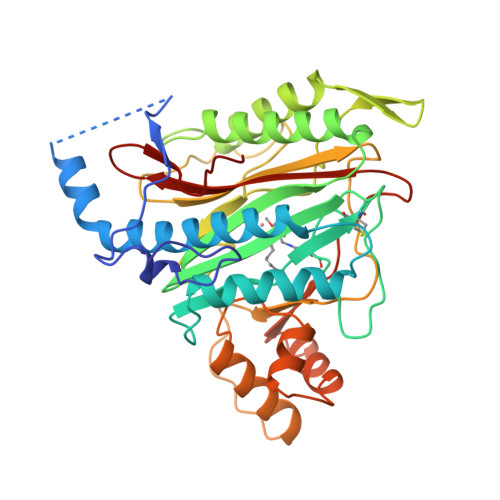
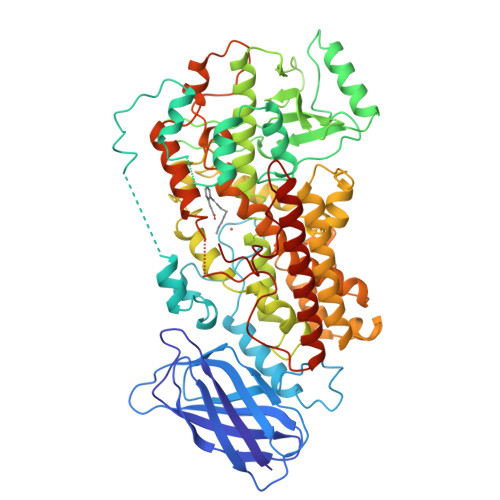
Click to view 3D structureProline racemaseQ9L4Q3Clostridium sticklandiiPredicted (SEA)
Prediction Confidence Score
0.375
Applicability Domain
0.375
Statistical Significance
1.00e-05
Supporting Reference Compounds
1
E-value
0.0778492
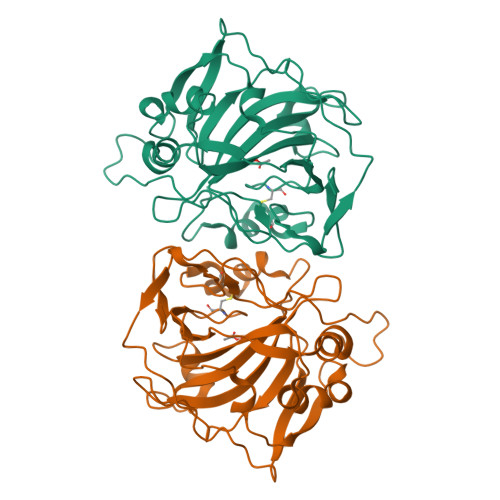
Porphobilinogen deaminase structureClick to view 3D structurePorphobilinogen deaminaseP08397HumansPredicted (SEA)
Prediction Confidence Score
0.318
Applicability Domain
0.318
Statistical Significance
1.00e-05
Supporting Reference Compounds
1
E-value
0.0778492
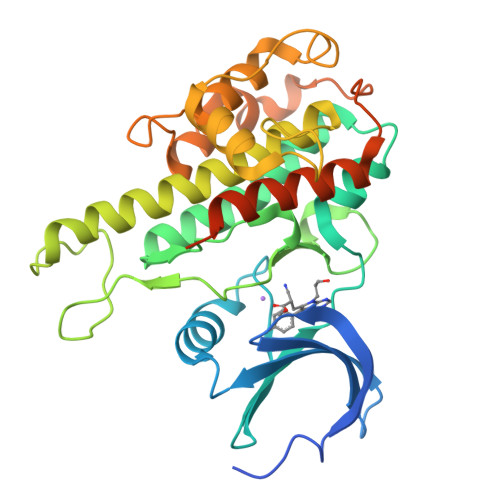
3-phosphoinositide-dependent protein kinase 1 structureClick to view 3D structure3-phosphoinositide-dependent protein kinase 1O15530HumansPredicted (SEA)
Prediction Confidence Score
0.221
Applicability Domain
0.243 Low confidence
Statistical Significance
0.5554
Supporting Reference Compounds
591
E-value
4323.75
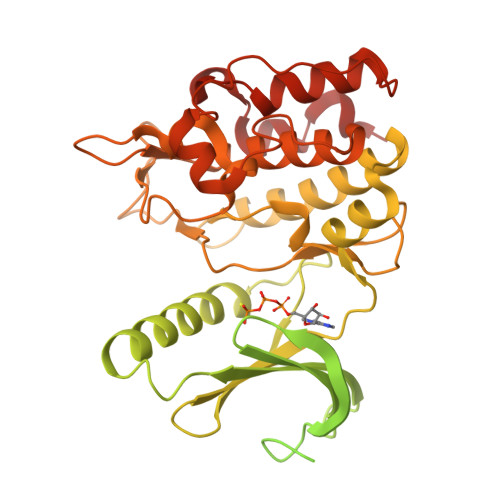
Vascular endothelial growth factor receptor 2 structureClick to view 3D structureVascular endothelial growth factor receptor 2P35968HumansPredicted (SEA)
Prediction Confidence Score
0.218
Applicability Domain
0.243 Low confidence
Statistical Significance
0.7573
Supporting Reference Compounds
1660
E-value
5895.44
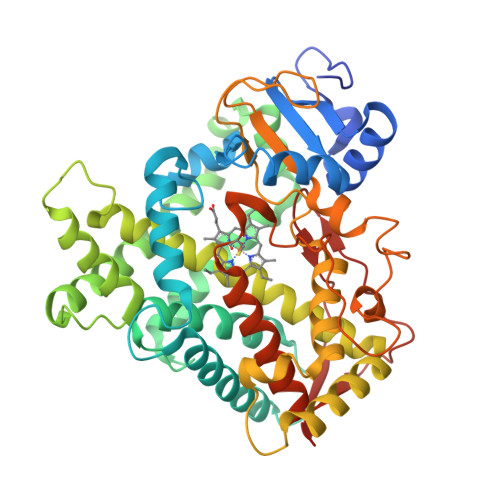
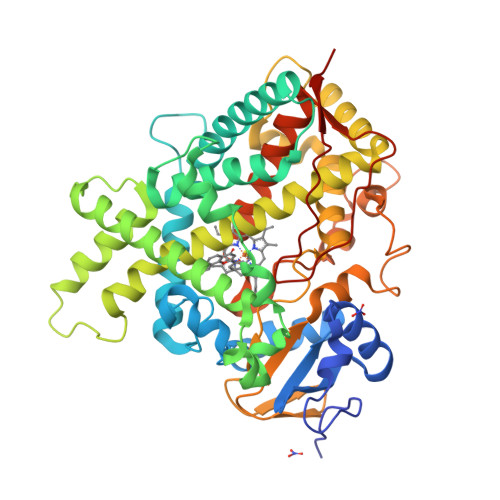
Cytochrome P450 3A4 structureClick to view 3D structureCytochrome P450 3A4P08684HumansPredicted (SEA)
Prediction Confidence Score
0.212
Applicability Domain
0.25 Low confidence
Statistical Significance
0.8995
Supporting Reference Compounds
1538
E-value
7002.77
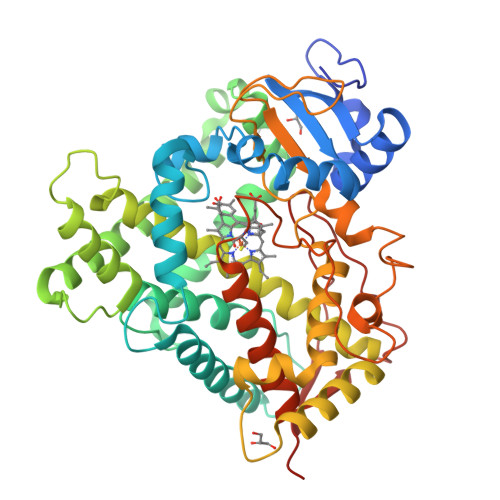
Cytochrome P450 1A2 structureClick to view 3D structureCytochrome P450 1A2P05177HumansPredicted (SEA)
Prediction Confidence Score
0.211
Applicability Domain
0.25 Low confidence
Statistical Significance
0.8067
Supporting Reference Compounds
793
E-value
6280.33
Aryl hydrocarbon receptor structureClick to view 3D structureAryl hydrocarbon receptorP35869HumansPredicted (SEA)
Prediction Confidence Score
0.208
Applicability Domain
0.25 Low confidence
Statistical Significance
0.0712
Supporting Reference Compounds
42
E-value
554.364
Proto-oncogene tyrosine-protein kinase receptor Ret structureClick to view 3D structureProto-oncogene tyrosine-protein kinase receptor RetP07949HumansPredicted (SEA)
Prediction Confidence Score
0.208
Applicability Domain
0.243 Low confidence
Statistical Significance
0.7501
Supporting Reference Compounds
764
E-value
5839.55
Receptor-type tyrosine-protein kinase FLT3 structureClick to view 3D structureReceptor-type tyrosine-protein kinase FLT3P36888HumansPredicted (SEA)
Prediction Confidence Score
0.206
Applicability Domain
0.243 Low confidence
Statistical Significance
0.8302
Supporting Reference Compounds
1274
E-value
6463.35
Amine oxidase [flavin-containing] A structureClick to view 3D structureAmine oxidase [flavin-containing] AP21397HumansPredicted (SEA)
Prediction Confidence Score
0.204
Applicability Domain
0.303
Statistical Significance
0.4037
Supporting Reference Compounds
241
E-value
3142.54
Methionine aminopeptidase 2 structureClick to view 3D structureMethionine aminopeptidase 2P50579HumansPredicted (SEA)
Prediction Confidence Score
0.203
Applicability Domain
0.226 Low confidence
Statistical Significance
0.0152
Supporting Reference Compounds
26
E-value
118.409
Tyrosine-protein kinase JAK3 structureClick to view 3D structureTyrosine-protein kinase JAK3P52333HumansPredicted (SEA)
Prediction Confidence Score
0.202
Applicability Domain
0.243 Low confidence
Statistical Significance
0.8352
Supporting Reference Compounds
961
E-value
6502.2
Carbonic anhydrase 2 structureClick to view 3D structureCarbonic anhydrase 2P00918HumansPredicted (SEA)
Prediction Confidence Score
0.201
Applicability Domain
0.25 Low confidence
Statistical Significance
0.5706
Supporting Reference Compounds
472
E-value
4441.92
Carbonic anhydrase 12 structureClick to view 3D structureCarbonic anhydrase 12O43570HumansPredicted (SEA)
Prediction Confidence Score
0.201
Applicability Domain
0.25 Low confidence
Statistical Significance
0.4811
Supporting Reference Compounds
332
E-value
3745.64
5-hydroxytryptamine receptor 1A structureClick to view 3D structure5-hydroxytryptamine receptor 1AP08908HumansPredicted (SEA)
Prediction Confidence Score
0.199
Applicability Domain
0.222 Low confidence
Statistical Significance
0.8127
Supporting Reference Compounds
953
E-value
6326.49
Cytochrome P450 2A6 structureClick to view 3D structureCytochrome P450 2A6P11509HumansPredicted (SEA)
Prediction Confidence Score
0.199
Applicability Domain
0.231 Low confidence
Statistical Significance
0.0713
Supporting Reference Compounds
68
E-value
554.831
RAC-alpha serine/threonine-protein kinase structureClick to view 3D structureRAC-alpha serine/threonine-protein kinaseP31749HumansPredicted (SEA)
Prediction Confidence Score
0.198
Applicability Domain
0.243 Low confidence
Statistical Significance
0.8542
Supporting Reference Compounds
797
E-value
6649.96
Platelet-derived growth factor receptor beta structureClick to view 3D structurePlatelet-derived growth factor receptor betaP09619HumansPredicted (SEA)
Prediction Confidence Score
0.196
Applicability Domain
0.214 Low confidence
Statistical Significance
0.8028
Supporting Reference Compounds
597
E-value
6249.42
Cytochrome P450 2C9 structureClick to view 3D structureCytochrome P450 2C9P11712HumansPredicted (SEA)
Prediction Confidence Score
0.196
Applicability Domain
0.25 Low confidence
Statistical Significance
0.9488
Supporting Reference Compounds
1245
E-value
7386.65
Cytochrome P450 2C19 structureClick to view 3D structureCytochrome P450 2C19P33261HumansPredicted (SEA)
Prediction Confidence Score
0.195
Applicability Domain
0.25 Low confidence
Statistical Significance
0.924
Supporting Reference Compounds
825
E-value
7193.11
Polyunsaturated fatty acid lipoxygenase ALOX15 structureClick to view 3D structurePolyunsaturated fatty acid lipoxygenase ALOX15P12530Oryctolagus cuniculusPredicted (SEA)
Prediction Confidence Score
0.195
Applicability Domain
0.25 Low confidence
Statistical Significance
0.0751
Supporting Reference Compounds
47
E-value
584.57
Dual specificity tyrosine-phosphorylation-regulated kinase 1A structureClick to view 3D structureDual specificity tyrosine-phosphorylation-regulated kinase 1AQ13627HumansPredicted (SEA)
Prediction Confidence Score
0.194
Applicability Domain
0.2 Low confidence
Statistical Significance
0.8773
Supporting Reference Compounds
906
E-value
6829.95
Ribosomal protein S6 kinase alpha-3 structureClick to view 3D structureRibosomal protein S6 kinase alpha-3P51812HumansPredicted (SEA)
Prediction Confidence Score
0.193
Applicability Domain
0.2 Low confidence
Statistical Significance
0.8696
Supporting Reference Compounds
733
E-value
6769.92
Serine/threonine-protein kinase tousled-like 2 structureClick to view 3D structureSerine/threonine-protein kinase tousled-like 2Q86UE8HumansPredicted (SEA)
Prediction Confidence Score
0.193
Applicability Domain
0.243 Low confidence
Statistical Significance
0.4334
Supporting Reference Compounds
94
E-value
3373.67
Cytochrome P450 1A1 structureClick to view 3D structureCytochrome P450 1A1P04798HumansPredicted (SEA)
Prediction Confidence Score
0.193
Applicability Domain
0.25 Low confidence
Statistical Significance
0.1608
Supporting Reference Compounds
77
E-value
1252.13
Concentrations
Not Available
External Links
DrugBank IDNot Available
HMDB IDHMDB0033114
FooDB IDFDB011114
Phenol Explorer IDNot Available
KNApSAcK IDC00052647
BiGG IDNot Available
BioCyc IDNot Available
METLIN IDNot Available
PDB IDNot Available
Wikipedia LinkNot Available
Chemspider ID11977
ChEBI IDNot Available
PubChem Compound ID12489
Kegg Compound IDNot Available
YMDB IDNot Available
ECMDB IDNot Available
References
Synthesis ReferenceNot Available
MSDSNot Available
General ReferencesNot Available