Paraquat (CED0002003)

Record Information
Version1.0
Creation Date2016-05-25 23:42:16 UTC
Update Date2026-08-18 17:40:08 UTC
SynCED IDCED0002003
Secondary Accession Numbers
  • CHEM027388
Identification
Common NameParaquat
ClassSmall Molecule
Description
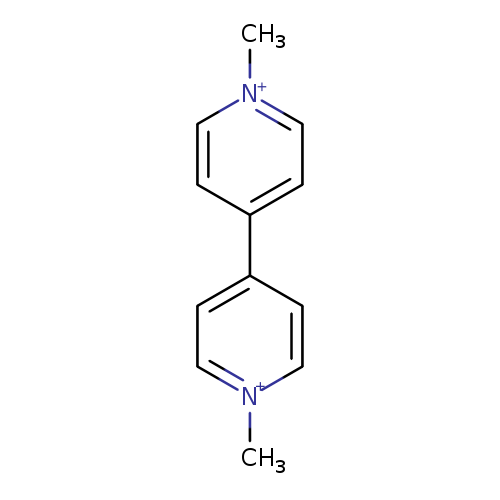
Paraquat (C12H14N2) is an organic compound with an average molecular weight of 186.25 g/mol. Paraquat belongs to the bipyridines and oligopyridines, a subclass of pyridines and derivatives within the organic compounds. It is utilized industrially and biologically as a herbicide (PMC11285802 , PMC12117332 ) and industrially as a pesticide (PMC13066547 ). Biologically, it acts as a neurotoxin (PMC11285802 , PMC7648605 ), and environmentally, it is categorized as a xenobiotic (PMC5602785 ). The compound is released from twelve recorded sources. These include household cleaning and consumer products such as soap detergents, bleaching agents, and cigar cigarettes; building and construction materials such as floors; and food, food processing and cookware, specifically the processing of fish. It is also found in electrical and electronic equipment, including radio transmission systems, television systems, antennas, electric hearing aids, and electrically stimulated smoking devices. Literature supports inhalation as a route of exposure (PMC10486742 ). Paraquat is associated with several health effects, including pulmonary fibrosis (PMC7767735 ), Parkinsonism (PMC13473223 ), and an increase in cough (PMC9487696 ). Furthermore, it is linked to an increase in Parkinson's disease (PMC11664077 , PMC7767735 ).
Contaminant Type
  • Human Neurotoxin
Chemical Structure
Synonyms
ValueSource
1,1'-Dimethyl-4,4'-bipyridiniumChEBI
1,1'-Dimethyl-4,4'-bipyridyldiyliumChEBI
Dimethyl viologenChEBI
Methyl viologen ion(2+)ChEBI
N,N'-dimethyl-4,4'-bipyridiniumChEBI
N,N'-dimethyl-4,4'-bipyridinium dicationChEBI
Paraquat dicationChEBI
Paraquat ionChEBI
GramoxoneHMDB
Viologen, methylHMDB
Paragreen aHMDB
Methyl viologenHMDB
Chemical FormulaC12H14N2
Average Molecular Mass186.253 g/mol
Monoisotopic Mass186.116 g/mol
CAS Registry Number4685-14-7
IUPAC Name1,1'-dimethyl-[4,4'-bipyridine]-1,1'-diium
Traditional Namestarfire
SMILESC[N+]1=CC=C(C=C1)C1=CC=[N+](C)C=C1
InChI IdentifierInChI=1S/C12H14N2/c1-13-7-3-11(4-8-13)12-5-9-14(2)10-6-12/h3-10H,1-2H3/q+2
InChI KeyINFDPOAKFNIJBF-UHFFFAOYSA-N
Chemical Taxonomy
Description Belongs to the class of organic compounds known as bipyridines and oligopyridines. These are organic compounds containing two pyridine rings linked to each other.
KingdomOrganic compounds
Super ClassOrganoheterocyclic compounds
ClassPyridines and derivatives
Sub ClassBipyridines and oligopyridines
Direct ParentBipyridines and oligopyridines
Alternative Parents
Substituents
  • Bipyridine
  • 4,4p-bipyridinium
  • N-methylpyridinium
  • Pyridinium
  • Heteroaromatic compound
  • Azacycle
  • Organic nitrogen compound
  • Organopnictogen compound
  • Hydrocarbon derivative
  • Organonitrogen compound
  • Organic cation
  • Aromatic heteromonocyclic compound
Molecular FrameworkAromatic heteromonocyclic compounds
External Descriptors
Biological Properties
StatusDetected and Not Quantified
OriginNot Available
Cellular LocationsNot Available
Biofluid LocationsNot Available
Tissue LocationsNot Available
ApplicationsNot Available
Biological Roles
Chemical RolesNot Available
Organoleptic Effects
  • corrosive touch ?
Physical Properties
StateNot Available
AppearanceNot Available
Experimental Properties
PropertyValue
Melting PointNot Available
Boiling PointNot Available
SolubilityNot Available
Predicted Properties
PropertyValueSource
Water Solubility0.00016 g/LALOGPS
logP-4.2ALOGPS
logP-6.7ChemAxon
logS-6.2ALOGPS
Physiological Charge2ChemAxon
Hydrogen Acceptor Count0ChemAxon
Hydrogen Donor Count0ChemAxon
Polar Surface Area7.76 ŲChemAxon
Rotatable Bond Count1ChemAxon
Refractivity59.19 m³·mol⁻¹ChemAxon
Polarizability22 ųChemAxon
Number of Rings2ChemAxon
BioavailabilityYesChemAxon
Rule of FiveYesChemAxon
Ghose FilterNoChemAxon
Veber's RuleYesChemAxon
MDDR-like RuleNoChemAxon
Spectra
Spectra
Spectrum TypeDescriptionSplash KeyDeposition DateView
Predicted LC-MS/MSPredicted LC-MS/MS Spectrumsplash10-000i-0900000000-8e105da1b5a413b7cdedNot AvailableView Spectrum
Predicted LC-MS/MSPredicted LC-MS/MS Spectrumsplash10-000i-0900000000-ef5d5e61533df6c42e3eNot AvailableView Spectrum
Predicted LC-MS/MSPredicted LC-MS/MS Spectrumsplash10-00yr-3900000000-42168478ffe7524d8662Not AvailableView Spectrum
Predicted LC-MS/MSPredicted LC-MS/MS Spectrumsplash10-000i-0900000000-26e90595decaaf33fd6fNot AvailableView Spectrum
Predicted LC-MS/MSPredicted LC-MS/MS Spectrumsplash10-000i-0900000000-85b4cce5855b8138989fNot AvailableView Spectrum
Predicted LC-MS/MSPredicted LC-MS/MS Spectrumsplash10-00n0-1900000000-db10deb753c3a3973cc9Not AvailableView Spectrum
Toxicity Profile
Toxicity Values
Toxicity ValueOrganismDose DescriptorRoute of ExposurePredicted or ExperimentalToxicity RatingReference
115.0 Log mg/kg [60:200]RatLD50oralpredictedNot AvailableNot Available
5.0 mg/kg-day MouseLOELinjectionexperimentalNot AvailableECOTOX - EPA ORD
10.0 mg/kg-day MouseLOELinjectionexperimentalNot AvailableECOTOX - EPA ORD
30.0 mg/kg-day MouseLOELinjectionexperimentalNot AvailableECOTOX - EPA ORD
0.68 mmol/kg RatNOELoralexperimentalNot AvailableECOTOX - EPA ORD
0.0 mmol RatLOELinjectionexperimentalNot AvailableECOTOX - EPA ORD
10.0 mg/kg-day MouseNOELinjectionexperimentalNot AvailableECOTOX - EPA ORD
0.07 mg/kg-day MouseNOELoralexperimentalNot AvailableECOTOX - EPA ORD
0.36 mg/kg-day MouseLOELoralexperimentalNot AvailableECOTOX - EPA ORD
50.0 mg/kg-day MouseLOELinjectionexperimentalNot AvailableECOTOX - EPA ORD
30.0 mg/kg-day MouseLOELinjectionexperimentalNot AvailableECOTOX - EPA ORD
30.0 mg/kg-day RatLOELinjectionexperimentalNot AvailableECOTOX - EPA ORD
10.0 mg/kg-day MouseLOELinjectionexperimentalNot AvailableECOTOX - EPA ORD
2.6 mg/kg-day RatLOELoralexperimentalNot AvailableECOTOX - EPA ORD
14.5 mg/kg-day MouseLOELinjectionexperimentalNot AvailableECOTOX - EPA ORD
1.0 mM MouseNOELinjectionexperimentalNot AvailableECOTOX - EPA ORD
0.07 mg/kg-day MouseLOELoralexperimentalNot AvailableECOTOX - EPA ORD
35.0 mg/kg-day RatLOELinjectionexperimentalNot AvailableECOTOX - EPA ORD
0.002 mg/org RatLOELinjectionexperimentalNot AvailableECOTOX - EPA ORD
0.001 mg/org RatNOELinjectionexperimentalNot AvailableECOTOX - EPA ORD
35.0 mg/kg-day RatNOELinjectionexperimentalNot AvailableECOTOX - EPA ORD
35.0 mg/kg-day RatLOELinjectionexperimentalNot AvailableECOTOX - EPA ORD
1.67 mg/kg-day MouseNOELinjectionexperimentalNot AvailableECOTOX - EPA ORD
3.35 mg/kg-day MouseLOELinjectionexperimentalNot AvailableECOTOX - EPA ORD
50.0 mg/kg-day MouseLOELinjectionexperimentalNot AvailableECOTOX - EPA ORD
20.0 mg/kg-day RatLOELinjectionexperimentalNot AvailableECOTOX - EPA ORD
45.0 mg/kg-day MouseLOELinjectionexperimentalNot AvailableECOTOX - EPA ORD
50.0 mg/kg-day MouseNOELinjectionexperimentalNot AvailableECOTOX - EPA ORD
20.0 mg/kg-day RatLOELinjectionexperimentalNot AvailableECOTOX - EPA ORD
0.108 mmol/kg RatNOELinjectionexperimentalNot AvailableECOTOX - EPA ORD
30.0 mg/kg-day MouseNOELinjectionexperimentalNot AvailableECOTOX - EPA ORD
0.108 mmol/kg RatLOELinjectionexperimentalNot AvailableECOTOX - EPA ORD
30.0 mg/kg-day MouseLOELinjectionexperimentalNot AvailableECOTOX - EPA ORD
20.0 mg/kg-day MouseNOELinjectionexperimentalNot AvailableECOTOX - EPA ORD
10.0 mg/kg-day RatLOELinjectionexperimentalNot AvailableECOTOX - EPA ORD
10.0 mg/kg-day MouseLOELinjectionexperimentalNot AvailableECOTOX - EPA ORD
30.0 mg/kg-day MouseNOELinjectionexperimentalNot AvailableECOTOX - EPA ORD
5.0 mg/kg-day RatNOELoralexperimentalNot AvailableECOTOX - EPA ORD
50.0 mg/kg-day MouseNOELinjectionexperimentalNot AvailableECOTOX - EPA ORD
30.0 mg/kg-day RatLOELinjectionexperimentalNot AvailableECOTOX - EPA ORD
50.0 mg/kg-day MouseLOELinjectionexperimentalNot AvailableECOTOX - EPA ORD
20.0 mg/kg-day RatLOELinjectionexperimentalNot AvailableECOTOX - EPA ORD
10.0 mg/kg-day MouseLOELinjectionexperimentalNot AvailableECOTOX - EPA ORD
30.0 mg/kg-day MouseNOELinjectionexperimentalNot AvailableECOTOX - EPA ORD
40.0 mg/kg-day RatLOELinjectionexperimentalNot AvailableECOTOX - EPA ORD
40.0 mg/kg-day RatNOELinjectionexperimentalNot AvailableECOTOX - EPA ORD
20.0 mg/kg-day MouseNOELoralexperimentalNot AvailableECOTOX - EPA ORD
50.0 mg/kg-day MouseLOELinjectionexperimentalNot AvailableECOTOX - EPA ORD
200.0 ppm RatLOELoralexperimentalNot AvailableECOTOX - EPA ORD
30.0 mg/kg-day MouseNOELinjectionexperimentalNot AvailableECOTOX - EPA ORD
25.0 mM RatLOELinjectionexperimentalNot AvailableECOTOX - EPA ORD
100.0 mg/kg-day MouseNOELoralexperimentalNot AvailableECOTOX - EPA ORD
680.0 umol/kg bw RatLOELoralexperimentalNot AvailableECOTOX - EPA ORD
108.0 umol/kg bw RatLOELinjectionexperimentalNot AvailableECOTOX - EPA ORD
108.0 umol/kg bw RatNOELinjectionexperimentalNot AvailableECOTOX - EPA ORD
10.0 mg/kg-day MouseLOELinjectionexperimentalNot AvailableECOTOX - EPA ORD
0.001 mg RatLOELinjectionexperimentalNot AvailableECOTOX - EPA ORD
0.3 mmol/kg MouseLOELinjectionexperimentalNot AvailableECOTOX - EPA ORD
1.0 mM MouseLOELinjectionexperimentalNot AvailableECOTOX - EPA ORD
0.2 mM MouseNOELinjectionexperimentalNot AvailableECOTOX - EPA ORD
10.0 mg/kg-day MouseLOELinjectionexperimentalNot AvailableECOTOX - EPA ORD
30.0 mg/kg-day RatLOELinjectionexperimentalNot AvailableECOTOX - EPA ORD
4.0 mg/kg-day MouseNOELoralexperimentalNot AvailableECOTOX - EPA ORD
25.0 mg/kg-day DogLOELinjectionexperimentalNot AvailableECOTOX - EPA ORD
30.0 mg/kg-day RatLOELinjectionexperimentalNot AvailableECOTOX - EPA ORD
70.0 mg/kg-day MouseNOELinjectionexperimentalNot AvailableECOTOX - EPA ORD
1.3 mg/kg-day RatLOELoralexperimentalNot AvailableECOTOX - EPA ORD
30.0 mg/kg-day RatLOELinjectionexperimentalNot AvailableECOTOX - EPA ORD
20.0 mg/kg-day RatLOELinjectionexperimentalNot AvailableECOTOX - EPA ORD
14.5 mg/kg-day MouseNOELinjectionexperimentalNot AvailableECOTOX - EPA ORD
0.07 mg/kg-day MouseLOELoralexperimentalNot AvailableECOTOX - EPA ORD
3.35 mg/kg-day MouseNOELinjectionexperimentalNot AvailableECOTOX - EPA ORD
75.0 mg/kg-day RatLOELoralexperimentalNot AvailableECOTOX - EPA ORD
10.0 mg/kg-day MouseNOELinjectionexperimentalNot AvailableECOTOX - EPA ORD
10.0 mg/kg-day MouseLOELinjectionexperimentalNot AvailableECOTOX - EPA ORD
20.0 mg/kg-day RatNOELinjectionexperimentalNot AvailableECOTOX - EPA ORD
30.0 mg/kg-day MouseLOELinjectionexperimentalNot AvailableECOTOX - EPA ORD
0.68 mmol/kg RatLOELoralexperimentalNot AvailableECOTOX - EPA ORD
200.0 umol/kg/day MouseLOELinjectionexperimentalNot AvailableECOTOX - EPA ORD
30.0 mg/kg-day RatLOELinjectionexperimentalNot AvailableECOTOX - EPA ORD
30.0 mg/kg-day RatNOELinjectionexperimentalNot AvailableECOTOX - EPA ORD
0.46 mg/kg-day RatLOELoralexperimentalNot AvailableECOTOX - EPA ORD
5.0 mg/kg-day RatLOELoralexperimentalNot AvailableECOTOX - EPA ORD
20.0 mg/kg-day RatLOELinjectionexperimentalNot AvailableECOTOX - EPA ORD
30.0 mg/kg-day RatLOELinjectionexperimentalNot AvailableECOTOX - EPA ORD
3.33 mg/kg-day RatNOELinjectionexperimentalNot AvailableECOTOX - EPA ORD
10.0 mg/kg-day MouseLOELinjectionexperimentalNot AvailableECOTOX - EPA ORD
50.0 mg/kg-day RatLOELinjectionexperimentalNot AvailableECOTOX - EPA ORD
2.5 mg/kg-day RatLOELinjectionexperimentalNot AvailableECOTOX - EPA ORD
4.0 mg RatLOELinjectionexperimentalNot AvailableECOTOX - EPA ORD
20.0 mg/kg-day RatLOELinjectionexperimentalNot AvailableECOTOX - EPA ORD
5.0 mg/kg-day MouseLOELinjectionexperimentalNot AvailableECOTOX - EPA ORD
10.0 mg/kg-day MouseLOELinjectionexperimentalNot AvailableECOTOX - EPA ORD
20.0 mg/kg-day RatLOELinjectionexperimentalNot AvailableECOTOX - EPA ORD
35.0 mg/kg-day RatLOELinjectionexperimentalNot AvailableECOTOX - EPA ORD
10.0 mg/kg-day MouseLOELinjectionexperimentalNot AvailableECOTOX - EPA ORD
3.0 mg/kg-day RatLOELinjectionexperimentalNot AvailableECOTOX - EPA ORD
Toxicity / Toxin ClassNot Available
Mechanism of ToxicityNot Available
Carcinogenicity (IARC Classification)Not Available
Minimum Risk LevelNot Available
SymptomsNot Available
TreatmentNot Available
Health Effects
Health EffectRelationshipDirectionDescriptionReference
dizzinessAssociated With?Not AvailableA sensation of lightheadedness, unsteadiness, turning, spinning or rocking.PMC11573769
pulmonary edemaAssociated With?Not AvailableAccumulation of fluid in the lung tissues causing disturbance of the gas exchange that may lead to respiratory failure. It is caused by direct injury to the lung parenchyma or congestive heart failure. (NCI)PMC7149505
asthmaAssociated With?increaseA bronchial disease that is characterized by chronic inflammation and narrowing of the airways, which is caused by a combination of environmental and genetic factors. The disease has symptom recurring periods of wheezing (a whistling sound while breathing), has symptom chest tightness, has symptom shortness of breath, has symptom mucus production and has symptom coughing. The symptoms appear due to a variety of triggers such as allergens, irritants, respiratory infections, weather changes, exercise, stress, reflux disease, medications, foods and emotional anxiety. (DO)PMC11573769
asthmaAssociated With?Not AvailableA bronchial disease that is characterized by chronic inflammation and narrowing of the airways, which is caused by a combination of environmental and genetic factors. The disease has symptom recurring periods of wheezing (a whistling sound while breathing), has symptom chest tightness, has symptom shortness of breath, has symptom mucus production and has symptom coughing. The symptoms appear due to a variety of triggers such as allergens, irritants, respiratory infections, weather changes, exercise, stress, reflux disease, medications, foods and emotional anxiety. (DO)PMC11016626
coughAssociated With?increaseA sudden, often repetitive, spasmodic contraction of the thoracic cavity, resulting in violent release of air from the lungs and usually accompanied by a distinctive sound. (NCI CTCAE)PMC9487696
necrosisAssociated With?Not AvailableA disorder characterized as a form of cell injury which results in the premature death of cells in living tissue by autolysis.PMC7149505
ParkinsonismAssociated With?Not AvailableNot AvailablePMC13473223 , PMC6943723
pulmonary fibrosisAssociated With?Not AvailableNot AvailablePMC7767735 , PMC7241096
Parkinson's diseaseAssociated With?increaseA long-term degenerative disorder of the central nervous system that mainly affects the motor system. The symptoms generally come on slowly over time.PMC11664077 , PMC7767735
Parkinson's diseaseAssociated With?Not AvailableA long-term degenerative disorder of the central nervous system that mainly affects the motor system. The symptoms generally come on slowly over time.PMC12024188 , PMC9835243
neurodegenerative diseaseAssociated With?Not AvailableA central nervous system disease that results in the progressive deterioration of function or structure of neurons. (DO)PMC11989335 , PMC10634345
muscle weaknessAssociated With?Not AvailableA disorder characterized by a reduction in the strength of the muscles. (NCI CTCAE)PMC11573769
Toxic encephalopathyAssociated With?Not AvailableNot AvailablePMC12698057 , PMC9505762
interstitial lung diseaseAssociated With?Not AvailableNot AvailablePMC10813369
Cell DeathAssociated With?Not AvailableNot AvailablePMC11285802
Abnormality of mitochondrial metabolismAssociated With?Not AvailableNot AvailablePMC10486742
Oxidative StressAssociated With?Not AvailableNot AvailablePMC6539241 , PMC12024188
Oxidative StressAssociated With?decreaseNot AvailablePMC11576129
Oxidative StressAssociated With?increaseNot AvailablePMC12061231
DNA DamageAssociated With?Not AvailableNot AvailablePMC12110228
nervous system disorderAssociated With?Not AvailableNot AvailablePMC9281386
acute lung injuryAssociated With?Not AvailableNot AvailablePMC11697879
Lung InjuryAssociated With?Not AvailableNot AvailablePMC4807858 , PMC11697879
DeathAssociated With?Not AvailableNot AvailablePMC4270264 , PMC7772494
WheezingAssociated With?increaseNot AvailablePMC9487696 , PMC9487696
central nervous system disorderAssociated With?Not AvailableNot AvailablePMC11285802
depressive disorderAssociated With?Not AvailableNot AvailablePMC3148548
PoisoningAssociated With?increaseNot AvailablePMC7490335
PoisoningAssociated With?Not AvailableNot AvailablePMC11573769
ApoptosisAssociated With?Not AvailableNot AvailablePMC1964917
Global developmental delayAssociated With?Not AvailableNot AvailablePMC11838306
NeurodegenerationAssociated With?Not AvailableNot AvailablePMC7648605
Neurodegenerative DiseasesAssociated With?Not AvailableNot AvailablePMC8662853
EpistaxisAssociated With?Not AvailableNot AvailablePMC11573769
Neuronal loss in central nervous systemAssociated With?Not AvailableNot AvailablePMC3148548 , PMC10458078
Skin burnAssociated With?Not AvailableNot AvailablePMC4270264
HypoesthesiaAssociated With?Not AvailableNot AvailablePMC11573769
ApathyAssociated With?decreaseNot AvailablePMC10110353
Litter SizeAssociated With?decreaseNot AvailablePMC12186281
abnormal involuntary movementAssociated With?Not AvailableNot AvailablePMC11573769
severe headacheAssociated With?Not AvailableNot AvailablePMC11573769
Parkinson DiseaseAssociated With?Not AvailableNot AvailablePMC10600394
paraquat poisoningAssociated With?increaseNot AvailablePMC10613562
Exposure Sources
Source IDSourceSectorReference
CEDs000007Pesticides?Pesticides are synthetic chemicals designed to prevent, destroy, or control pests that threaten crops and agricultural productivity.Agriculture & land managementPMC11576129
CEDs000010Insecticides?Insecticides are synthetic chemicals designed to control or eliminate insect pests that threaten crops and other agricultural products.Agriculture & land managementPubChem
CEDs000013Soil?Soil serves as a critical medium for plant growth and sustains various ecological functions; however, it can become a reservoir for synthetic chemical contamination.Agriculture & land managementPMC7490335 , PMC13011801
CEDs000115Drinking water?Drinking water can be a medium for synthetic chemical contamination, often originating from various industrial processes and agricultural practices.Drinking water & water supplyPMC12963499
CEDs000116Tap water?Tap water can be a potential source of synthetic chemical contamination due to various industrial processes and agricultural runoff.Drinking water & water supplyPMC11930883
CEDs000233Brushes?Brushes used in personal care and cosmetics can be a source of synthetic chemical contamination due to the materials and coatings used in their manufacturing.Personal care & cosmeticsPubChem
CEDs000497Floors?Floors in built environments can be a significant source of synthetic chemical contamination due to the materials and finishes used in their construction.Building & ConstructionPubChem
CEDs000506Antennas?Antennas, commonly used in communication technologies, can be a source of synthetic chemical contamination through the materials and coatings used in their construction.Electrical & Electronic EquipmentPubChem
CEDs000511Conductors Or Conductive Bodies Characterised By The Conductive Materials?Conductors, or conductive bodies, are materials that allow the flow of electrical current, typically made from metals such as copper, aluminum, or silver.Electrical & Electronic EquipmentPubChem
CEDs000516Electric Hearing Aids?Electric hearing aids are small electronic devices designed to amplify sound for individuals with hearing loss.Electrical & Electronic EquipmentPubChem
CEDs000518Electrically Stimulated Smoking Devices?Electrically stimulated smoking devices, commonly known as e-cigarettes or vape pens, utilize electrical components to heat a liquid solution, often containing nicotine, flavorings, and other additives, to produce an aerosol for inhalation.Electrical & Electronic EquipmentPubChem
CEDs000519Electrodes?Electrodes, used in various electrical and electronic applications, can be a source of synthetic chemical contamination due to the materials from which they are constructed and the processes involved in their manufacturing.Electrical & Electronic EquipmentPubChem
CEDs000524Hybrid Capacitors?Hybrid capacitors are energy storage devices that combine the properties of electrolytic and supercapacitors, utilizing a combination of electrochemical principles to achieve higher energy density and power density.Electrical & Electronic EquipmentPubChem
CEDs000530Radio Transmission Systems?Radio transmission systems utilize a variety of synthetic chemicals in their manufacturing and maintenance processes.Electrical & Electronic EquipmentPubChem
CEDs000537Television Systems?Television systems can be a source of synthetic chemical contamination due to the various materials and components used in their manufacture and operation.Electrical & Electronic EquipmentPubChem
CEDs000538Thin Magnetic Films?Thin magnetic films are layers of magnetic material ranging from a few nanometers to several micrometers in thickness, commonly used in applications such as magnetic sensors, data storage devices, and electronic components.Electrical & Electronic EquipmentPubChem
CEDs000539Video Games?Video games, through their production and disposal processes, can be a source of synthetic chemical contamination.Electrical & Electronic EquipmentPubChem
CEDs000545Food Preservation?Food preservation often involves the use of synthetic chemicals, such as preservatives, flavor enhancers, and color additives, to extend shelf life and enhance the sensory qualities of food products.Food, food processing & cookwarePubChem
CEDs000551Processing Fish?Processing fish can lead to synthetic chemical contamination through various stages of production and preservation.Food, food processing & cookwarePubChem
CEDs000555Bleaching Agents?Bleaching agents are chemical substances used to whiten or lighten materials, often employed in various cleaning products for their stain removal and disinfecting properties.Household cleaning & consumer productsPubChem
CEDs000556Cigar Cigarettes?Cigar cigarettes are a source of synthetic chemical contamination due to the combustion of various tobacco blends and additives.Household cleaning & consumer productsPubChem
CEDs000561Perfumes Within Detergents And Soaps?Perfumes within detergents and soaps are synthetic fragrance compounds added to enhance the sensory experience of cleaning products.Household cleaning & consumer productsPubChem
CEDs000563Soap Detergents?Soap detergents are synthetic surfactants designed to enhance the cleaning efficacy of water by reducing surface tension, allowing for better interaction with dirt and grease.Household cleaning & consumer productsPubChem
CEDs000579Manufacture Of Iron Or Steel?The manufacture of iron or steel involves various processes, including smelting, refining, and alloying, which can result in the release of synthetic chemicals and contaminants.Industrial manufacturing & chemical processingPubChem
CEDs000580Manufacture Preparation Of Tobacco Products?The manufacture and preparation of tobacco products involve various processes that can result in the introduction of synthetic chemicals into the environment.Industrial manufacturing & chemical processingPubChem
CEDs000581Paper Making Machines?Paper making machines utilize various synthetic chemicals throughout the production process, including additives, coatings, and bleaching agents.Industrial manufacturing & chemical processingPubChem
CEDs000592Marine Propulsion Or Steering?Marine propulsion and steering systems often rely on various synthetic chemicals, including lubricants, fuels, and hydraulic fluids.Marine, shipping & aquaculturePubChem
CEDs000596Acaricides?Acaricides are synthetic chemicals specifically designed to target and control mite populations that can damage crops and plants.Agriculture & land managementPubChem
CEDs000597Chemosterilants?Chemosterilants are synthetic chemicals designed to induce sterility in target pest populations, thereby controlling their reproduction and mitigating damage to crops.Agriculture & land managementPubChem
CEDs000598Fertiliser Distributors?Fertiliser distributors play a critical role in the supply of synthetic fertilizers, which are widely used to enhance soil fertility and crop yield.Agriculture & land managementPubChem
CEDs000600Herbicides And Algicides?Herbicides and algicides are synthetic chemicals primarily used to control unwanted plants and algae in various environments.Agriculture & land managementPubChem
CEDs000602Molluscicides?Molluscicides are synthetic chemicals specifically designed to control and eliminate mollusks, such as snails and slugs, which can be detrimental to crops and agricultural productivity.Agriculture & land managementPubChem
CEDs000603Nematocides?Nematocides are synthetic chemicals specifically designed to control nematodes, which are microscopic roundworms that can cause significant damage to crops and plants.Agriculture & land managementPubChem
CEDs000604Pest Attractants?Pest attractants are synthetic chemicals designed to lure specific pests for monitoring or control purposes.Agriculture & land managementPubChem
CEDs000605Pest Repellants?Pest repellents, often formulated from synthetic chemicals, are widely used to protect crops from insect infestations and other pests.Agriculture & land managementPubChem
CEDs000606Plant Growth Regulators?Plant Growth Regulators (PGRs) are synthetic chemicals designed to influence the growth and development of plants.Agriculture & land managementPubChem
CEDs000607Rodenticides(1)?Rodenticides are synthetic chemicals specifically formulated to control rodent populations, serving as a crucial tool in managing pests that can damage crops and spread diseases.Agriculture & land managementPubChem
CEDs000608Rodenticides?Rodenticides are chemical substances specifically designed to control rodent populations by causing death through various mechanisms, including anticoagulation or neurotoxicity.Agriculture & land managementPubChem
CEDs000610Aftersun Products?Aftersun products are designed to soothe and hydrate the skin after sun exposure, often containing various synthetic chemicals such as emollients, preservatives, and fragrances.Personal care & cosmeticsPubChem
CEDs000611Anti Perspirants Or Body Deoderants?Antiperspirants and body deodorants commonly contain synthetic chemicals such as aluminum compounds, parabens, and synthetic fragrances.Personal care & cosmeticsPubChem
CEDs000614Essential Oils Or Perfumes?Essential oils and perfumes are complex mixtures of volatile compounds derived from natural or synthetic sources, commonly used for their aromatic properties.Personal care & cosmeticsPubChem
CEDs000615Eye Makeup Products?Eye makeup products, including mascaras, eyeliners, and eyeshadows, often contain a variety of synthetic chemicals such as pigments, preservatives, and film-forming agents.Personal care & cosmeticsPubChem
CEDs000617Lip Care Products?Lip care products, including lipsticks, balms, and glosses, often contain a variety of synthetic chemicals such as parabens, phthalates, and synthetic fragrances.Personal care & cosmeticsPubChem
CEDs000618Lip Makeup Products?Lip makeup products, such as lipsticks, lip glosses, and lip liners, often contain a variety of synthetic chemicals, including pigments, preservatives, and emollients.Personal care & cosmeticsPubChem
CEDs000632Apparel?Apparel production often involves the use of various synthetic chemicals, including dyes, finishing agents, and preservatives.Textiles, leather & furnishingsPubChem
CEDs000642Footwear?Footwear production often involves the use of various synthetic chemicals, such as adhesives, dyes, and treatments, which can contribute to environmental contamination.Textiles, leather & furnishingsPubChem
CEDs000659Transfer Printing?Transfer printing is a process used to apply designs and patterns onto various substrates, commonly utilizing synthetic dyes and inks that can contain hazardous chemicals.Textiles, leather & furnishingsPubChem
CEDs000662Yarns Or Threads?Yarns or threads used in textiles can be a source of synthetic chemical contamination due to the production processes and treatments they undergo.Textiles, leather & furnishingsPubChem
CEDs000665Fire Extinguishers?Fire extinguishers contain various synthetic chemicals designed to suppress flames and prevent the spread of fire.Fire suppression systems & agentsPubChem
CEDs000666Flame Traps?Flame traps are devices designed to prevent the propagation of flames and explosions by allowing gases to escape while blocking flames.Fire suppression systems & agentsPubChem
CEDs000671Airplanes And Helicopters?Airplanes and helicopters are significant sources of synthetic chemical contamination primarily through the use of aviation fuels, lubricants, and de-icing agents.Aviation & AerospacePubChem
CEDs000673Unmanned Aerial Vehicles?Unmanned Aerial Vehicles (UAVs), commonly known as drones, utilize various synthetic chemicals in their manufacturing, operation, and maintenance processes.Aviation & AerospacePubChem
CEDs000678Nitrogenous Fertilisers?Nitrogenous fertilizers are synthetic chemical compounds primarily used to enhance plant growth by supplying essential nitrogen, a crucial nutrient for photosynthesis and protein synthesis.Agriculture & land managementPubChem
CEDs000679Phosphatic Fertilisers?Phosphatic fertilizers are synthetic chemical products primarily composed of phosphorus, which is essential for plant growth.Agriculture & land managementPubChem
CEDs000684Cements?Cements are a composite material primarily used as a binding agent in construction applications, formed by the calcination of limestone and clay minerals at high temperatures.Building & ConstructionPubChem
CEDs000685Ceramics?Ceramics can be a source of synthetic chemical contamination through various additives and processing agents used in their production.Building & ConstructionPubChem
CEDs000688Glass Coatings?Glass coatings are synthetic chemical formulations applied to glass surfaces to enhance properties such as durability, UV resistance, and aesthetic appeal.Building & ConstructionPubChem
CEDs000693Silica Glass?Silica glass, primarily composed of silicon dioxide (SiO2), is widely used in various applications, including windows, glass facades, and insulation materials.Building & ConstructionPubChem
CEDs000696Nanotechnology?Nanotechnology involves the manipulation of materials at the molecular or atomic level, typically within the range of 1 to 100 nanometers.Industrial manufacturing & chemical processingPubChem
CEDs000698Jewellery?Jewellery production often involves the use of various synthetic chemicals during the extraction and processing of metals.Mining & metal processingPubChem
CEDs000717Fountain Pens?Fountain pens utilize a liquid ink that often contains synthetic chemicals, including dyes, pigments, and solvents, which can contribute to environmental contamination.Paper, pulp & fiber productsPubChem
CEDs000720Ink Reservoir Pens2?Ink reservoir pens are writing instruments that utilize a reservoir to store ink, which is often composed of synthetic dyes, solvents, and additives.Paper, pulp & fiber productsPubChem
CEDs000734Coating Compositions?Coating compositions, which include paints, sealants, and varnishes, are formulated with a variety of synthetic chemicals such as solvents, resins, pigments, and additives.Building & ConstructionPubChem
CEDs000739Inks?Inks are complex mixtures composed of pigments or dyes, solvents, resins, and additives used primarily for printing and writing applications.Paper, pulp & fiber productsPubChem
CEDs000740Paper?Paper production involves the processing of wood fibers and the use of various chemicals, which can lead to synthetic chemical contamination.Paper, pulp & fiber productsPubChem
CEDs000741Pigment Pastes?Pigment pastes are concentrated dispersions of pigments used to impart color and properties to materials.Paper, pulp & fiber productsPubChem
CEDs000742Leather Tanning?Leather tanning is a process that transforms raw animal hides into durable leather through the application of various chemicals, including chromium salts, aldehydes, and vegetable tannins.Textiles, leather & furnishingsPubChem
CEDs000743Sludge Treatment?Sludge treatment involves the processing of waste materials generated from wastewater treatment plants, which often contain a variety of organic and inorganic substances.Wastewater, sanitation & biosolidsPubChem
CEDs000744Water, Wastewater, & Sewage Treatment?Water, wastewater, and sewage treatment processes are critical for managing and mitigating pollutants in water systems.Wastewater, sanitation & biosolidsPubChem
CEDs00764Surface SoilAgriculture & land managementPMC11479090 , PMC11093808
CEDs00765Agricultural ProductsAgriculture & land managementPMC9814951
CEDs00772Soil EnvironmentAgriculture & land managementPMC7490335
CEDs00773CropAgriculture & land managementPMC4823350
CEDs00976AgriculturalAgriculture & land managementPMC12384914
CEDs00983Anaerobic SoilAgriculture & land managementPMC7490335 , PMC7490335
CEDs01003Aerobic SoilAgriculture & land managementPMC7490335 , PMC7490335
CEDs01144FoodFood, food processing & cookwarePMC5656751 , PMC8229909
CEDs01180Edible PlantsFood, food processing & cookwarePMC12469109
CEDs02217Water SuppliesDrinking water & water supplyPMC13473223 , PMC12963499
CEDs02255WaterAquatic systems & sedimentsPMC8048544 , PMC8658895
CEDs02257WatersAquatic systems & sedimentsPMC7935503
CEDs02260Aquatic SystemsAquatic systems & sedimentsPMC12963499
CEDs02261Sea WaterAquatic systems & sedimentsPMC6567068
CEDs02268Water SamplesAquatic systems & sedimentsPMC12384914
CEDs02276Aquatic EnvironmentAquatic systems & sedimentsPMC9314201
CEDs02326Groundwater SourcesAquatic systems & sedimentsPMC10834829
CEDs02334Pond WaterAquatic systems & sedimentsPMC11930883
CEDs02590DustAir, dust & atmospheric transportPMC11435600
CEDs02596Ambient AirAir, dust & atmospheric transportPMC12564895
CEDs02722Acidic Water-based RainAir, dust & atmospheric transportPMC9646935
CEDs02885Filter PaperPaper, pulp & fiber productsPMC5711008 , PMC8229909
CEDs02923Whatman paperPaper, pulp & fiber productsPMC9158380
CEDs03009Waste WaterWastewater, sanitation & biosolidsPMC10241853
Pathways
0 pathwaysPathway Source: PathBank

No pathways found

No metabolic pathways have been associated with this synthetic chemical

Targets
StructureProteinUniProt IDOrganismRelationshipDetails
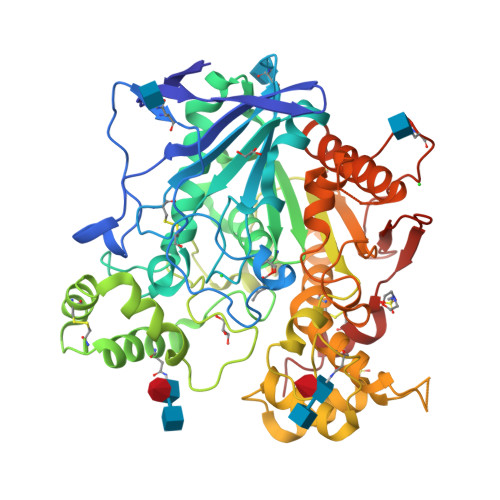
Solute carrier family 22 member 2 structureClick to view 3D structureSolute carrier family 22 member 2O15244HumansPredicted (SEA)
Prediction Confidence Score
0.243
Applicability Domain
0.765
Statistical Significance
0.0012
Supporting Reference Compounds
32
E-value
9.73115
Click to view 3D structureSolute carrier family 22 member 2Q9R0W2Rattus norvegicusPredicted (SEA)
Prediction Confidence Score
0.242
Applicability Domain
0.765
Statistical Significance
6.20e-04
Supporting Reference Compounds
14
E-value
4.82665
Click to view 3D structureSolute carrier family 22 member 1Q63089Rattus norvegicusPredicted (SEA)
Prediction Confidence Score
0.241
Applicability Domain
0.765
Statistical Significance
2.20e-04
Supporting Reference Compounds
17
E-value
1.71268
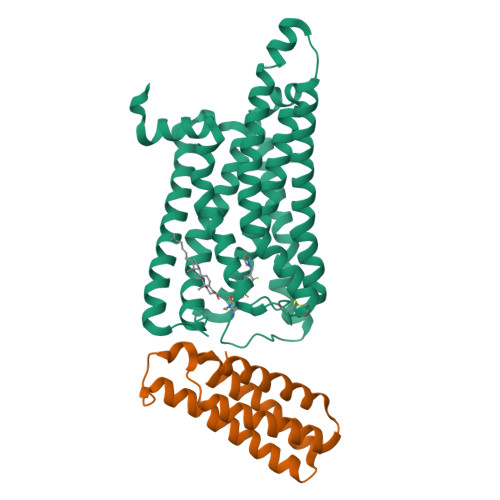
Cholinesterase structureClick to view 3D structureCholinesteraseP06276HumansPredicted (SEA)
Prediction Confidence Score
0.184
Applicability Domain
0.235 Low confidence
Statistical Significance
0.6924
Supporting Reference Compounds
234
E-value
5390.51
Acetylcholinesterase structureClick to view 3D structureAcetylcholinesteraseP22303HumansPredicted (SEA)
Prediction Confidence Score
0.177
Applicability Domain
0.257 Low confidence
Statistical Significance
0.8817
Supporting Reference Compounds
406
E-value
6864.04
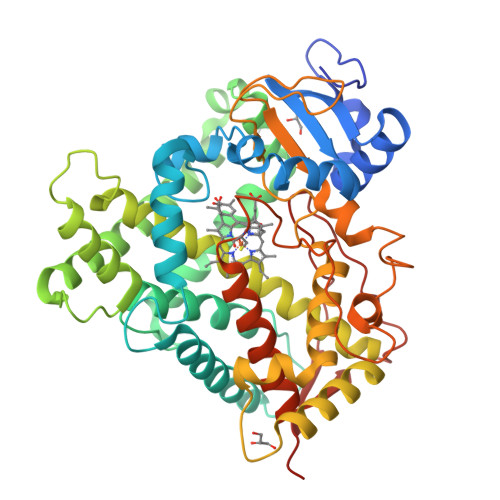
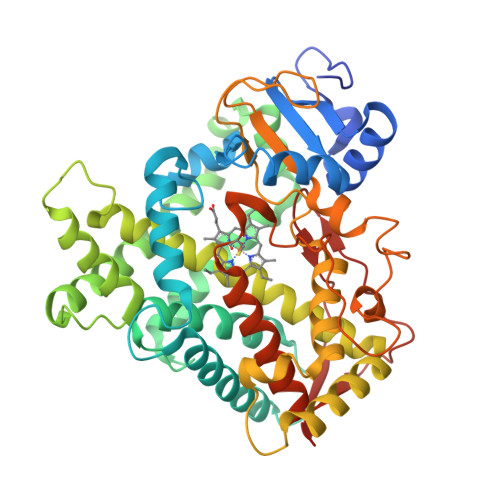
Cytochrome P450 2A6 structureClick to view 3D structureCytochrome P450 2A6P11509HumansPredicted (SEA)
Prediction Confidence Score
0.174
Applicability Domain
0.192 Low confidence
Statistical Significance
0.2571
Supporting Reference Compounds
68
E-value
2001.74
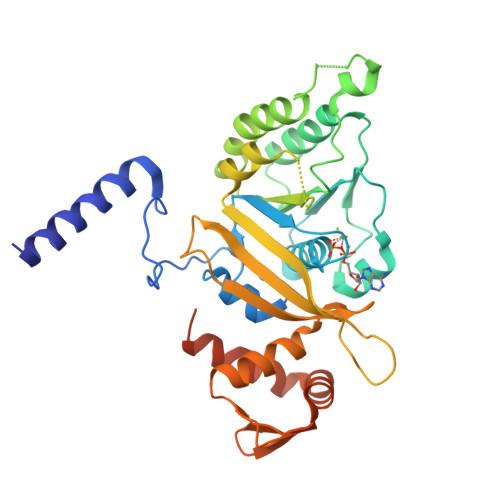
Choline kinase structureClick to view 3D structureCholine kinaseQ8IM71Plasmodium falciparum (isolate 3D7)Predicted (SEA)
Prediction Confidence Score
0.17
Applicability Domain
0.17 Low confidence
Statistical Significance
0.0108
Supporting Reference Compounds
1
E-value
84.155
Cytochrome P450 3A4 structureClick to view 3D structureCytochrome P450 3A4P08684HumansPredicted (SEA)
Prediction Confidence Score
0.17
Applicability Domain
0.2 Low confidence
Statistical Significance
0.9921
Supporting Reference Compounds
1538
E-value
7723.65
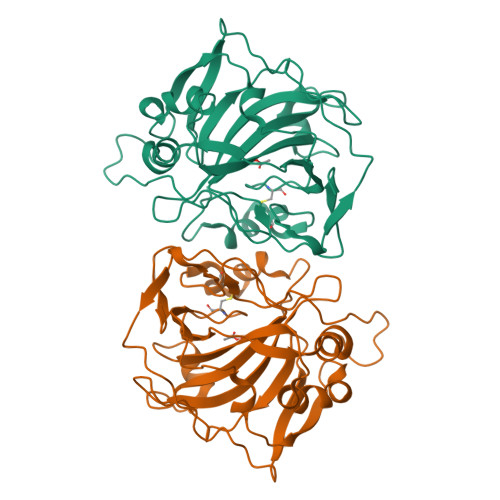
Carbonic anhydrase 2 structureClick to view 3D structureCarbonic anhydrase 2P00918HumansPredicted (SEA)
Prediction Confidence Score
0.169
Applicability Domain
0.192 Low confidence
Statistical Significance
0.883
Supporting Reference Compounds
472
E-value
6873.77
Histamine H3 receptor structureClick to view 3D structureHistamine H3 receptorQ9Y5N1HumansPredicted (SEA)
Prediction Confidence Score
0.168
Applicability Domain
0.214 Low confidence
Statistical Significance
0.9172
Supporting Reference Compounds
294
E-value
7140.33
Carbonic anhydrase 12 structureClick to view 3D structureCarbonic anhydrase 12O43570HumansPredicted (SEA)
Prediction Confidence Score
0.168
Applicability Domain
0.185 Low confidence
Statistical Significance
0.8331
Supporting Reference Compounds
332
E-value
6485.31
Cytochrome P450 1A2 structureClick to view 3D structureCytochrome P450 1A2P05177HumansPredicted (SEA)
Prediction Confidence Score
0.167
Applicability Domain
0.2 Low confidence
Statistical Significance
0.9807
Supporting Reference Compounds
793
E-value
7635.06
Cytochrome P450 2C19 structureClick to view 3D structureCytochrome P450 2C19P33261HumansPredicted (SEA)
Prediction Confidence Score
0.167
Applicability Domain
0.2 Low confidence
Statistical Significance
0.9861
Supporting Reference Compounds
825
E-value
7677.1
Click to view 3D structureHistamine H3 receptorQ9QYN8Rattus norvegicusPredicted (SEA)
Prediction Confidence Score
0.166
Applicability Domain
0.214 Low confidence
Statistical Significance
0.6686
Supporting Reference Compounds
80
E-value
5205.31
Cytochrome P450 2B6 structureClick to view 3D structureCytochrome P450 2B6P20813HumansPredicted (SEA)
Prediction Confidence Score
0.166
Applicability Domain
0.2 Low confidence
Statistical Significance
0.8933
Supporting Reference Compounds
150
E-value
6954.35
Click to view 3D structureStreptokinase AP10520Streptococcus pyogenes serotype M1Predicted (SEA)
Prediction Confidence Score
0.165
Applicability Domain
0.194 Low confidence
Statistical Significance
0.9323
Supporting Reference Compounds
425
E-value
7257.96
Click to view 3D structureCytochrome P450 2A5P20852Mus musculusPredicted (SEA)
Prediction Confidence Score
0.165
Applicability Domain
0.192 Low confidence
Statistical Significance
0.0515
Supporting Reference Compounds
11
E-value
401.235
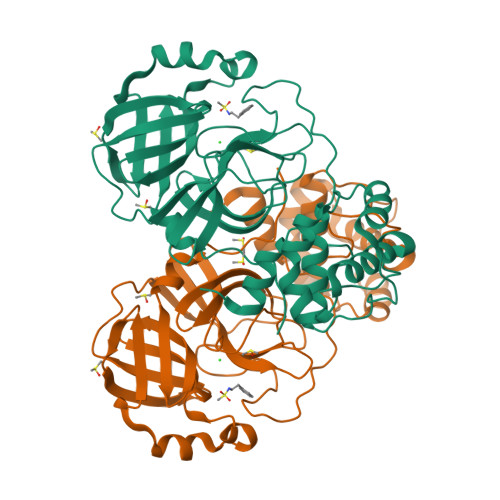
Replicase polyprotein 1ab structureClick to view 3D structureReplicase polyprotein 1abP0DTD1SARS-CoV-2Predicted (SEA)
Prediction Confidence Score
0.164
Applicability Domain
0.192 Low confidence
Statistical Significance
0.896
Supporting Reference Compounds
215
E-value
6975.52
Cytochrome P450 2D6 structureClick to view 3D structureCytochrome P450 2D6P10635HumansPredicted (SEA)
Prediction Confidence Score
0.164
Applicability Domain
0.2 Low confidence
Statistical Significance
0.9902
Supporting Reference Compounds
1130
E-value
7709.02
Click to view 3D structureDNA damage-inducible transcript 3 proteinP35639Mus musculusPredicted (SEA)
Prediction Confidence Score
0.164
Applicability Domain
0.182 Low confidence
Statistical Significance
0.8773
Supporting Reference Compounds
226
E-value
6829.71
X-box-binding protein 1 structureClick to view 3D structureX-box-binding protein 1P17861HumansPredicted (SEA)
Prediction Confidence Score
0.164
Applicability Domain
0.182 Low confidence
Statistical Significance
0.878
Supporting Reference Compounds
227
E-value
6835.01
Protein RecA structureClick to view 3D structureProtein RecAP9WHJ3Mycobacterium tuberculosisPredicted (SEA)
Prediction Confidence Score
0.162
Applicability Domain
0.194 Low confidence
Statistical Significance
0.8986
Supporting Reference Compounds
296
E-value
6995.3
Amyloid-beta precursor protein structureClick to view 3D structureAmyloid-beta precursor proteinP05067HumansPredicted (SEA)
Prediction Confidence Score
0.162
Applicability Domain
0.205 Low confidence
Statistical Significance
0.7978
Supporting Reference Compounds
109
E-value
6210.66
Cytochrome P450 2C9 structureClick to view 3D structureCytochrome P450 2C9P11712HumansPredicted (SEA)
Prediction Confidence Score
0.162
Applicability Domain
0.2 Low confidence
Statistical Significance
0.9932
Supporting Reference Compounds
1245
E-value
7731.75
Click to view 3D structureATP-dependent molecular chaperone HSP82C4YTQ8Candida albicans (strain WO-1) (Yeast)Predicted (SEA)
Prediction Confidence Score
0.161
Applicability Domain
0.182 Low confidence
Statistical Significance
0.8727
Supporting Reference Compounds
205
E-value
6793.98
Cytochrome P450 2D6 structureClick to view 3D structureCytochrome P450 2D6P10635HumansKnownNot Available
Concentrations
Not Available
External Links
DrugBank IDNot Available
HMDB IDHMDB0033121
FooDB IDFDB011120
Phenol Explorer IDNot Available
KNApSAcK IDNot Available
BiGG IDNot Available
BioCyc IDNot Available
METLIN IDNot Available
PDB IDNot Available
Wikipedia LinkParaquat
Chemspider IDNot Available
ChEBI ID34905
PubChem Compound ID15939
Kegg Compound IDC14701
YMDB IDNot Available
ECMDB IDNot Available
References
Synthesis ReferenceNot Available
MSDSNot Available
General ReferencesNot Available