Ligustroside (CED0008791)

Record Information
Version1.0
Creation Date2016-05-26 00:40:47 UTC
Update Date2026-08-22 05:22:53 UTC
SynCED IDCED0008791
Secondary Accession Numbers
  • CHEM028762
Identification
Common NameLigustroside
ClassSmall Molecule
Description
Ligustroside is a chemical compound with the molecular formula C25H32O12. Ligustroside belongs to the terpene glycosides, a subclass of prenol lipids within the organic compounds. With an average molecular weight of 524.51 g/mol, Ligustroside is a heavy molecule. This substance has been identified in or released from 13 recorded sources across several diverse sectors. Within the electrical and electronic equipment sector, it is associated with cell phones, capacitors, batteries, printed circuit boards, wires, and cables, among one other source. In the textiles, leather, and furnishings sector, it is found in synthetic textiles as well as carpets and rugs. Its presence is also noted in food packaging within the food, food processing, and cookware sector. Additionally, it is linked to medical devices in the healthcare, pharmaceuticals, and veterinary products sector. In the energy, oil, and gas sector, as well as in industrial manufacturing and chemical processing, it is identified in lubricants. One additional sector has also been recorded. Recorded exposure routes for Ligustroside include inhalation, oral intake, and touch.
Contaminant Type
  • PFAS
  • Phytotoxin
Chemical Structure
Synonyms
ValueSource
LigstrosideHMDB
Methyl (2S,4S)-3-ethylidene-4-{2-[2-(4-hydroxyphenyl)ethoxy]-2-oxoethyl}-2-{[(2S,3R,4S,5S,6R)-3,4,5-trihydroxy-6-(hydroxymethyl)oxan-2-yl]oxy}-3,4-dihydro-2H-pyran-5-carboxylic acidGenerator
LigustrosideMeSH
Chemical FormulaC25H32O12
Average Molecular Mass524.514 g/mol
Monoisotopic Mass524.189 g/mol
CAS Registry Number35897-92-8
IUPAC Namemethyl (2S,3Z,4S)-3-ethylidene-4-{2-[2-(4-hydroxyphenyl)ethoxy]-2-oxoethyl}-2-{[(2S,3R,4S,5S,6R)-3,4,5-trihydroxy-6-(hydroxymethyl)oxan-2-yl]oxy}-3,4-dihydro-2H-pyran-5-carboxylate
Traditional Nameligstroside
SMILES[H][C@]1(CC(=O)OCCC2=CC=C(O)C=C2)\C(=C\C)[C@H](O[C@@H]2O[C@H](CO)[C@@H](O)[C@H](O)[C@H]2O)OC=C1C(=O)OC
InChI IdentifierInChI=1S/C25H32O12/c1-3-15-16(10-19(28)34-9-8-13-4-6-14(27)7-5-13)17(23(32)33-2)12-35-24(15)37-25-22(31)21(30)20(29)18(11-26)36-25/h3-7,12,16,18,20-22,24-27,29-31H,8-11H2,1-2H3/b15-3-/t16-,18+,20+,21-,22+,24-,25-/m0/s1
InChI KeyGMQXOLRKJQWPNB-FAWHCFPASA-N
Chemical Taxonomy
Description Belongs to the class of organic compounds known as terpene glycosides. These are prenol lipids containing a carbohydrate moiety glycosidically bound to a terpene backbone.
KingdomOrganic compounds
Super ClassLipids and lipid-like molecules
ClassPrenol lipids
Sub ClassTerpene glycosides
Direct ParentTerpene glycosides
Alternative Parents
Substituents
  • Terpene glycoside
  • Glycosyl compound
  • Secoiridoid-skeleton
  • O-glycosyl compound
  • Aromatic monoterpenoid
  • Monocyclic monoterpenoid
  • Monoterpenoid
  • Tyrosol derivative
  • 1-hydroxy-2-unsubstituted benzenoid
  • Phenol
  • Sugar acid
  • Monocyclic benzene moiety
  • Dicarboxylic acid or derivatives
  • Monosaccharide
  • Oxane
  • Benzenoid
  • Methyl ester
  • Enoate ester
  • Vinylogous ester
  • Alpha,beta-unsaturated carboxylic ester
  • Secondary alcohol
  • Carboxylic acid ester
  • Polyol
  • Acetal
  • Organoheterocyclic compound
  • Oxacycle
  • Carboxylic acid derivative
  • Organic oxygen compound
  • Alcohol
  • Organic oxide
  • Carbonyl group
  • Primary alcohol
  • Hydrocarbon derivative
  • Organooxygen compound
  • Aromatic heteromonocyclic compound
Molecular FrameworkAromatic heteromonocyclic compounds
External DescriptorsNot Available
Biological Properties
StatusDetected and Not Quantified
OriginNot Available
Cellular LocationsNot Available
Biofluid LocationsNot Available
Tissue LocationsNot Available
ApplicationsNot Available
Biological Roles
Chemical RolesNot Available
Organoleptic EffectsNot Available
Physical Properties
StateNot Available
AppearanceNot Available
Experimental Properties
PropertyValue
Melting PointNot Available
Boiling PointNot Available
SolubilityNot Available
Predicted Properties
PropertyValueSource
Water Solubility0.72 g/LALOGPS
logP0.77ALOGPS
logP0.41ChemAxon
logS-2.9ALOGPS
pKa (Strongest Acidic)4.94ChemAxon
pKa (Strongest Basic)-3ChemAxon
Physiological Charge0ChemAxon
Hydrogen Acceptor Count10ChemAxon
Hydrogen Donor Count5ChemAxon
Polar Surface Area181.44 ŲChemAxon
Rotatable Bond Count11ChemAxon
Refractivity126.24 m³·mol⁻¹ChemAxon
Polarizability52.48 ųChemAxon
Number of Rings3ChemAxon
BioavailabilityNoChemAxon
Rule of FiveNoChemAxon
Ghose FilterNoChemAxon
Veber's RuleNoChemAxon
MDDR-like RuleYesChemAxon
Spectra
Spectra
Spectrum TypeDescriptionSplash KeyDeposition DateView
Predicted GC-MSPredicted GC-MS Spectrumsplash10-0a4r-9807820000-f5c2ec35cb8d0ba79054Not AvailableView Spectrum
Predicted GC-MSPredicted GC-MS Spectrumsplash10-0udl-4920706000-ea2ce40b8fe272ce689eNot AvailableView Spectrum
Predicted LC-MS/MSPredicted LC-MS/MS Spectrumsplash10-03fr-0957140000-7dd3b932ee1351a235c0Not AvailableView Spectrum
Predicted LC-MS/MSPredicted LC-MS/MS Spectrumsplash10-0229-0924000000-5c9631d4b3e47adee3bbNot AvailableView Spectrum
Predicted LC-MS/MSPredicted LC-MS/MS Spectrumsplash10-05fr-3911000000-e16ee238bf0594457610Not AvailableView Spectrum
Predicted LC-MS/MSPredicted LC-MS/MS Spectrumsplash10-022i-1529150000-8c6ec59bfafa46670e32Not AvailableView Spectrum
Predicted LC-MS/MSPredicted LC-MS/MS Spectrumsplash10-03k9-2739110000-ae768efce6b4b2743e98Not AvailableView Spectrum
Predicted LC-MS/MSPredicted LC-MS/MS Spectrumsplash10-08i3-8975000000-56ce10608df9014e5907Not AvailableView Spectrum
Predicted LC-MS/MSPredicted LC-MS/MS Spectrumsplash10-00di-0336390000-cc4f6766122ee0c72ffbNot AvailableView Spectrum
Predicted LC-MS/MSPredicted LC-MS/MS Spectrumsplash10-0avi-4928630000-2272e006764d06b206cbNot AvailableView Spectrum
Predicted LC-MS/MSPredicted LC-MS/MS Spectrumsplash10-060r-4951040000-de6f37d62db332f572d9Not AvailableView Spectrum
Predicted LC-MS/MSPredicted LC-MS/MS Spectrumsplash10-0201-0769050000-1ce2df57d86f73742d68Not AvailableView Spectrum
Predicted LC-MS/MSPredicted LC-MS/MS Spectrumsplash10-003s-1902000000-60b0548cac18ffb0dc9cNot AvailableView Spectrum
Predicted LC-MS/MSPredicted LC-MS/MS Spectrumsplash10-0100-3920100000-402b050b26ec5d371630Not AvailableView Spectrum
Toxicity Profile
Toxicity Values
Toxicity ValueOrganismDose DescriptorRoute of ExposurePredicted or ExperimentalToxicity RatingReference
3686.0 Log mg/kg [2100:6600]RatLD50oralpredictedNot AvailableNot Available
Toxicity / Toxin ClassNot Available
Mechanism of ToxicityNot Available
Carcinogenicity (IARC Classification)Not Available
Minimum Risk LevelNot Available
SymptomsNot Available
TreatmentNot Available
Health Effects
Health EffectRelationshipDirectionDescriptionReference
Exposure Sources
Source IDSourceSectorReference
CEDs000007Pesticides?Pesticides are synthetic chemicals designed to prevent, destroy, or control pests that threaten crops and agricultural productivity.Agriculture & land managementNot Available
CEDs000120Wires and cables?Wires and cables are integral components in the transmission of electrical power and signals.Electrical & Electronic EquipmentNot Available
CEDs000121Printed circuit boards?Printed circuit boards (PCBs) are essential components in the manufacturing of electronic devices, serving as the backbone for electrical connections and circuit pathways.Electrical & Electronic EquipmentNot Available
CEDs000125Batteries?Batteries are devices that store and release electrical energy through electrochemical reactions.Electrical & Electronic EquipmentNot Available
CEDs000130Semiconductors?Semiconductors are materials that possess electrical conductivity between that of conductors and insulators, making them essential for various electronic applications, including transistors, diodes, and integrated circuits.Electrical & Electronic EquipmentNot Available
CEDs000138Lubricants?Lubricants are synthetic or petroleum-derived substances used to reduce friction between surfaces in machinery and equipment, enhancing operational efficiency and longevity.Energy, oil & gasNot Available
CEDs000147Food packaging?Food packaging often utilizes synthetic chemicals, such as plastics and coatings, to enhance durability, moisture resistance, and shelf life.Food, food processing & cookwareNot Available
CEDs000174Lubricants?Lubricants are synthetic or petroleum-based substances used to reduce friction and wear between moving parts in machinery and equipment.Industrial manufacturing & chemical processingNot Available
CEDs000234Medical devices?Medical devices often incorporate synthetic chemicals in their manufacturing processes, which can contribute to contamination in healthcare settings.Healthcare, pharmaceuticals & veterinary productsNot Available
CEDs000451Carpets and Rugs?Carpets and rugs are commonly manufactured using synthetic fibers such as nylon, polyester, and polypropylene, which can be derived from petrochemical sources.Textiles, leather & furnishingsNot Available
CEDs000454Synthetic textiles?Synthetic textiles are materials derived from man-made fibers, such as polyester, nylon, and acrylic, which are produced through chemical processes involving petrochemicals.Textiles, leather & furnishingsNot Available
CEDs000490Personal care & cosmeticsNot Available
CEDs000492Cell phones?Cell phones contain a variety of synthetic chemicals and materials, including plastics, metals, and glass, which can contribute to environmental contamination.Electrical & Electronic EquipmentNot Available
CEDs000493Capacitors?Capacitors are electronic components that store and release electrical energy, often using dielectric materials that can include synthetic chemicals.Electrical & Electronic EquipmentNot Available
CEDs000545Food Preservation?Food preservation often involves the use of synthetic chemicals, such as preservatives, flavor enhancers, and color additives, to extend shelf life and enhance the sensory qualities of food products.Food, food processing & cookwarePubChem
CEDs000549Preparation Of Wine Or Sparkling Wine?The preparation of wine or sparkling wine involves various stages, including fermentation, aging, and bottling, which can introduce potential sources of synthetic chemical contamination.Food, food processing & cookwarePubChem
CEDs000580Manufacture Preparation Of Tobacco Products?The manufacture and preparation of tobacco products involve various processes that can result in the introduction of synthetic chemicals into the environment.Industrial manufacturing & chemical processingPubChem
CEDs000611Anti Perspirants Or Body Deoderants?Antiperspirants and body deodorants commonly contain synthetic chemicals such as aluminum compounds, parabens, and synthetic fragrances.Personal care & cosmeticsPubChem
CEDs000742Leather Tanning?Leather tanning is a process that transforms raw animal hides into durable leather through the application of various chemicals, including chromium salts, aldehydes, and vegetable tannins.Textiles, leather & furnishingsPubChem
CEDs000743Sludge Treatment?Sludge treatment involves the processing of waste materials generated from wastewater treatment plants, which often contain a variety of organic and inorganic substances.Wastewater, sanitation & biosolidsPubChem
CEDs000744Water, Wastewater, & Sewage Treatment?Water, wastewater, and sewage treatment processes are critical for managing and mitigating pollutants in water systems.Wastewater, sanitation & biosolidsPubChem
CEDs01202Olive OilFood, food processing & cookwarePMC6843643
CEDs01327Extra-virgin Olive OilFood, food processing & cookwarePMC7287846
CEDs01593Virgin Olive OilFood, food processing & cookwarePMC5598311
Pathways
0 pathwaysPathway Source: PathBank

No pathways found

No metabolic pathways have been associated with this synthetic chemical

Targets
StructureProteinUniProt IDOrganismRelationshipDetails
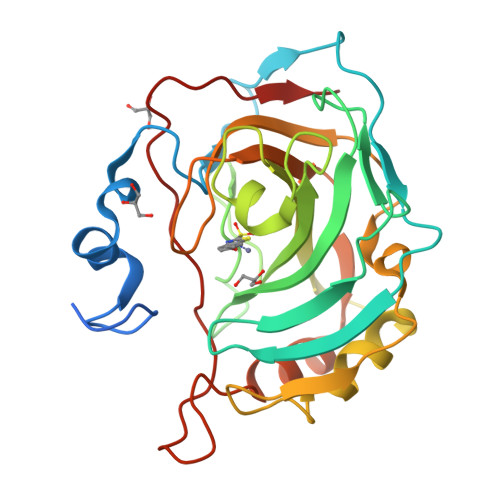
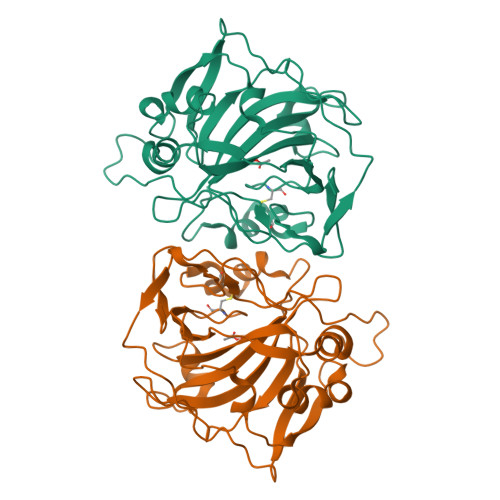
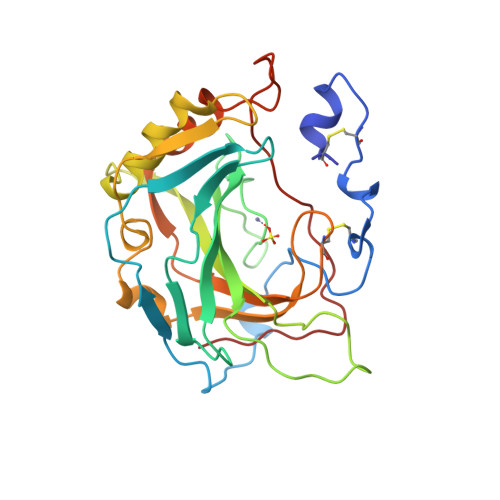
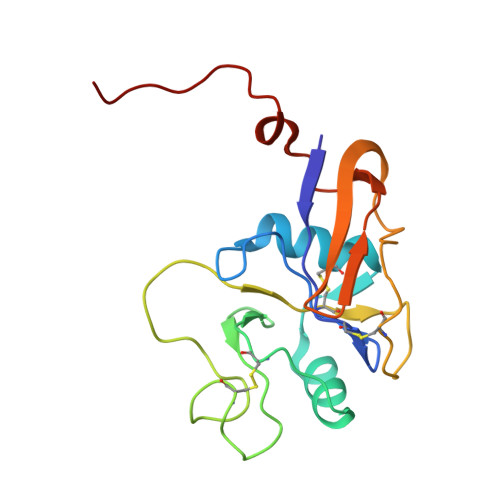
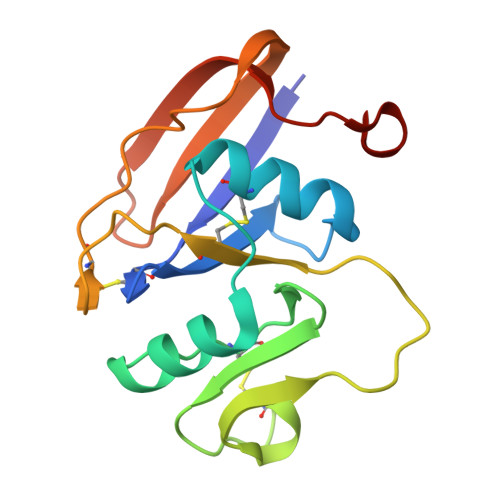
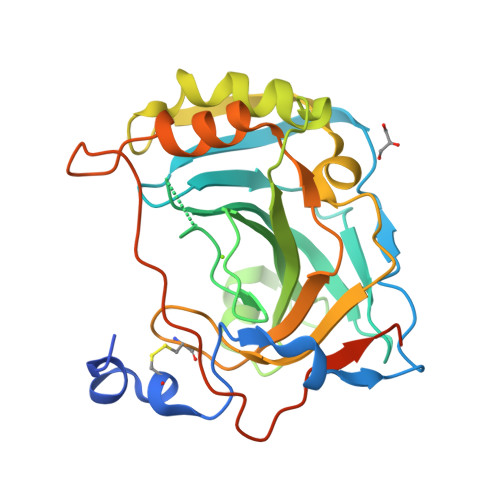
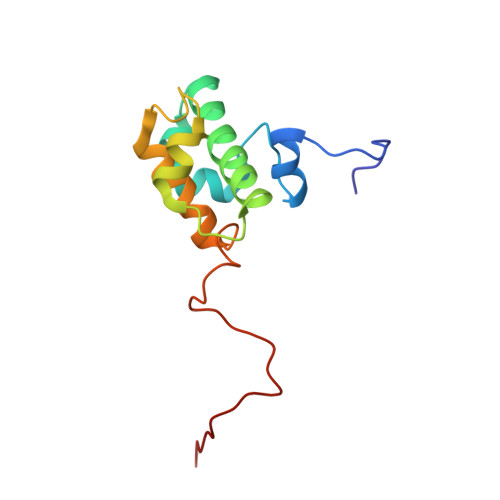
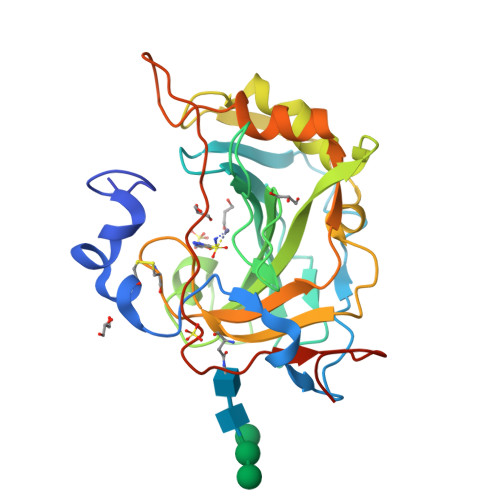
Carbonic anhydrase 7 structureClick to view 3D structureCarbonic anhydrase 7P43166HumansPredicted (SEA)
Prediction Confidence Score
0.3
Applicability Domain
0.325
Statistical Significance
0.0206
Supporting Reference Compounds
242
E-value
160.603
Carbonic anhydrase 12 structureClick to view 3D structureCarbonic anhydrase 12O43570HumansPredicted (SEA)
Prediction Confidence Score
0.3
Applicability Domain
0.325
Statistical Significance
0.0312
Supporting Reference Compounds
332
E-value
242.656
Carbonic anhydrase 1 structureClick to view 3D structureCarbonic anhydrase 1P00915HumansPredicted (SEA)
Prediction Confidence Score
0.3
Applicability Domain
0.325
Statistical Significance
0.0382
Supporting Reference Compounds
407
E-value
297.228
Carbonic anhydrase 4 structureClick to view 3D structureCarbonic anhydrase 4P22748HumansPredicted (SEA)
Prediction Confidence Score
0.3
Applicability Domain
0.325
Statistical Significance
0.0141
Supporting Reference Compounds
193
E-value
109.767
Carbonic anhydrase 2 structureClick to view 3D structureCarbonic anhydrase 2P00918HumansPredicted (SEA)
Prediction Confidence Score
0.297
Applicability Domain
0.325
Statistical Significance
0.0497
Supporting Reference Compounds
472
E-value
386.988
Carbonic anhydrase 9 structureClick to view 3D structureCarbonic anhydrase 9Q16790HumansPredicted (SEA)
Prediction Confidence Score
0.291
Applicability Domain
0.325
Statistical Significance
0.0438
Supporting Reference Compounds
372
E-value
340.98
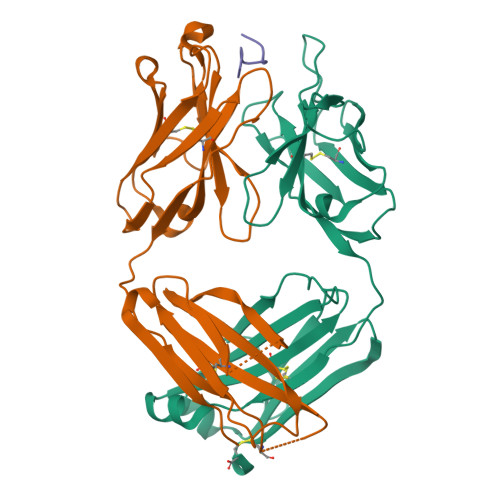
Click to view 3D structureN-acetyllactosaminide alpha-1,3-galactosyltransferaseP50127Sus scrofaPredicted (SEA)
Prediction Confidence Score
0.29
Applicability Domain
0.29 Low confidence
Statistical Significance
3.70e-04
Supporting Reference Compounds
1
E-value
2.88042
Click to view 3D structureCarbonic anhydrase 5A, mitochondrialP35218HumansPredicted (SEA)
Prediction Confidence Score
0.285
Applicability Domain
0.325
Statistical Significance
0.0235
Supporting Reference Compounds
165
E-value
182.79
CD44 antigen structureClick to view 3D structureCD44 antigenP16070HumansPredicted (SEA)
Prediction Confidence Score
0.273
Applicability Domain
0.273 Low confidence
Statistical Significance
2.80e-04
Supporting Reference Compounds
1
E-value
2.17978
CD44 antigen structureClick to view 3D structureCD44 antigenP15379Mus musculusPredicted (SEA)
Prediction Confidence Score
0.273
Applicability Domain
0.273 Low confidence
Statistical Significance
2.80e-04
Supporting Reference Compounds
1
E-value
2.17978
Click to view 3D structureAsialoglycoprotein receptor 1P34927Mus musculusPredicted (SEA)
Prediction Confidence Score
0.269
Applicability Domain
0.269 Low confidence
Statistical Significance
5.40e-04
Supporting Reference Compounds
1
E-value
4.20386
Carbonic anhydrase 6 structureClick to view 3D structureCarbonic anhydrase 6P23280HumansPredicted (SEA)
Prediction Confidence Score
0.266
Applicability Domain
0.293 Low confidence
Statistical Significance
0.0267
Supporting Reference Compounds
151
E-value
208.169
Lysine-specific histone demethylase 1A structureClick to view 3D structureLysine-specific histone demethylase 1AO60341HumansPredicted (SEA)
Prediction Confidence Score
0.263
Applicability Domain
0.327
Statistical Significance
0.032
Supporting Reference Compounds
85
E-value
249.273
Type 1 fimbrin D-mannose specific adhesin structureClick to view 3D structureType 1 fimbrin D-mannose specific adhesinP08191Escherichia coli K-12Predicted (SEA)
Prediction Confidence Score
0.263
Applicability Domain
0.294 Low confidence
Statistical Significance
0.0011
Supporting Reference Compounds
4
E-value
8.48557
Galectin-3 structureClick to view 3D structureGalectin-3P17931HumansPredicted (SEA)
Prediction Confidence Score
0.261
Applicability Domain
0.315
Statistical Significance
0.0016
Supporting Reference Compounds
23
E-value
12.8451
Trehalose-phosphatase structureClick to view 3D structureTrehalose-phosphataseA8NS89Brugia malayiPredicted (SEA)
Prediction Confidence Score
0.258
Applicability Domain
0.258 Low confidence
Statistical Significance
0.0014
Supporting Reference Compounds
1
E-value
11.1324
Lectin structureClick to view 3D structureLectinB4EH87Burkholderia cenocepacia (strain ATCC BAA-245 / DSM 16553 / LMG 16656/ NCTC 13227 / J2315 / CF5610) (Burkholderia cepacia (strain J2315))Predicted (SEA)
Prediction Confidence Score
0.255
Applicability Domain
0.294 Low confidence
Statistical Significance
0.0012
Supporting Reference Compounds
3
E-value
9.26406
Oligo-1,6-glucosidase IMA1 structureClick to view 3D structureOligo-1,6-glucosidase IMA1P53051Saccharomyces cerevisiae S288cPredicted (SEA)
Prediction Confidence Score
0.253
Applicability Domain
0.253 Low confidence
Statistical Significance
0.0028
Supporting Reference Compounds
1
E-value
21.8756
Click to view 3D structureSolute carrier family 2, facilitated glucose transporter member 1P11167Rattus norvegicusPredicted (SEA)
Prediction Confidence Score
0.252
Applicability Domain
0.292 Low confidence
Statistical Significance
7.10e-04
Supporting Reference Compounds
2
E-value
5.52729
Sodium/glucose cotransporter 2 structureClick to view 3D structureSodium/glucose cotransporter 2P31639HumansPredicted (SEA)
Prediction Confidence Score
0.251
Applicability Domain
0.292 Low confidence
Statistical Significance
0.0022
Supporting Reference Compounds
17
E-value
17.049
Carbonic anhydrase 14 structureClick to view 3D structureCarbonic anhydrase 14Q9ULX7HumansPredicted (SEA)
Prediction Confidence Score
0.251
Applicability Domain
0.28 Low confidence
Statistical Significance
0.0605
Supporting Reference Compounds
172
E-value
470.832
Click to view 3D structureCarbonic anhydrase 5B, mitochondrialQ9Y2D0HumansPredicted (SEA)
Prediction Confidence Score
0.251
Applicability Domain
0.28 Low confidence
Statistical Significance
0.044
Supporting Reference Compounds
157
E-value
342.303
Sodium/glucose cotransporter 1 structureClick to view 3D structureSodium/glucose cotransporter 1P13866HumansPredicted (SEA)
Prediction Confidence Score
0.251
Applicability Domain
0.292 Low confidence
Statistical Significance
0.0019
Supporting Reference Compounds
14
E-value
15.1806
Solute carrier family 28 member 3 structureClick to view 3D structureSolute carrier family 28 member 3Q9HAS3HumansPredicted (SEA)
Prediction Confidence Score
0.251
Applicability Domain
0.366
Statistical Significance
0.0034
Supporting Reference Compounds
3
E-value
26.5466
Peptidoglycan-N-acetylglucosamine deacetylase structureClick to view 3D structurePeptidoglycan-N-acetylglucosamine deacetylaseQ8DP63Streptococcus pneumoniae (strain ATCC BAA-255 / R6)Predicted (SEA)
Prediction Confidence Score
0.25
Applicability Domain
0.25 Low confidence
Statistical Significance
9.30e-04
Supporting Reference Compounds
1
E-value
7.23998
Concentrations
Not Available
External Links
DrugBank IDNot Available
HMDB IDHMDB0034751
FooDB IDFDB013297
Phenol Explorer IDNot Available
KNApSAcK IDC00010785
BiGG IDNot Available
BioCyc IDNot Available
METLIN IDNot Available
PDB IDNot Available
Wikipedia LinkNot Available
Chemspider ID8567505
ChEBI IDNot Available
PubChem Compound ID10392063
Kegg Compound IDNot Available
YMDB IDNot Available
ECMDB IDNot Available
References
Synthesis ReferenceNot Available
MSDSNot Available
General ReferencesNot Available