Alantolactone (CED0007619)

Record Information
Version1.0
Creation Date2016-05-26 01:24:12 UTC
Update Date2026-04-04 19:30:35 UTC
SynCED IDCED0007619
Secondary Accession Numbers
  • CHEM029774
Identification
Common NameAlantolactone
ClassSmall Molecule
Description
Alantolactone is an organic compound with the chemical formula C15H20O2 and an average molecular weight of 232.32 g/mol. Alantolactone belongs to the terpene lactones, a subclass of prenol lipids within the organic compounds. This compound has been identified in or released from 13 recorded sources across several sectors. Within the healthcare, pharmaceuticals & veterinary products sector, it is associated with medical devices. In the energy, oil & gas and industrial manufacturing & chemical processing sectors, it is found in lubricants. Its presence is also recorded in the food, food processing & cookware sector via food packaging, and in textiles, leather & furnishings through carpets, rugs, and synthetic textiles. Additionally, it is linked to electrical & electronic equipment, including batteries, printed circuit boards, capacitors, wires and cables, and cell phones, among one other source. Recorded exposure routes for the compound include oral, inhalation, and touch.
Contaminant Type
  • PFAS
  • Phytotoxin
Chemical Structure
Synonyms
ValueSource
HeleninMeSH
(+)-AlantolactoneHMDB
Alant camphorHMDB
Alantic anhydrideHMDB
Elecampane camphorHMDB
EupatalHMDB
HelenineHMDB
Helenine?HMDB
Inula camphorHMDB
AlantolactoneMeSH
Chemical FormulaC15H20O2
Average Molecular Mass232.318 g/mol
Monoisotopic Mass232.146 g/mol
CAS Registry Number546-43-0
IUPAC Name5,8a-dimethyl-3-methylidene-2H,3H,3aH,5H,6H,7H,8H,8aH,9H,9aH-naphtho[2,3-b]furan-2-one
Traditional Namealantolactone
SMILESCC1CCCC2(C)CC3OC(=O)C(=C)C3C=C12
InChI IdentifierInChI=1S/C15H20O2/c1-9-5-4-6-15(3)8-13-11(7-12(9)15)10(2)14(16)17-13/h7,9,11,13H,2,4-6,8H2,1,3H3
InChI KeyPXOYOCNNSUAQNS-UHFFFAOYSA-N
Chemical Taxonomy
Description Belongs to the class of organic compounds known as eudesmanolides, secoeudesmanolides, and derivatives. These are terpenoids with a structure based on the eudesmanolide (a 3,5a,9-trimethyl-naphtho[1,2-b]furan-2-one derivative) or secoeudesmanolide (a 3,6-dimethyl-5-(pentan-2-yl)-1-benzofuran-2-one derivative) skeleton.
KingdomOrganic compounds
Super ClassLipids and lipid-like molecules
ClassPrenol lipids
Sub ClassTerpene lactones
Direct ParentEudesmanolides, secoeudesmanolides, and derivatives
Alternative Parents
Substituents
  • Eudesmanolide
  • Sesquiterpenoid
  • Naphthofuran
  • Gamma butyrolactone
  • Tetrahydrofuran
  • Enoate ester
  • Alpha,beta-unsaturated carboxylic ester
  • Lactone
  • Carboxylic acid ester
  • Oxacycle
  • Monocarboxylic acid or derivatives
  • Carboxylic acid derivative
  • Organoheterocyclic compound
  • Organooxygen compound
  • Hydrocarbon derivative
  • Organic oxide
  • Organic oxygen compound
  • Carbonyl group
  • Aliphatic heteropolycyclic compound
Molecular FrameworkAliphatic heteropolycyclic compounds
External DescriptorsNot Available
Biological Properties
StatusDetected and Not Quantified
OriginNot Available
Cellular LocationsNot Available
Biofluid LocationsNot Available
Tissue LocationsNot Available
ApplicationsNot Available
Biological RolesNot Available
Chemical RolesNot Available
Organoleptic EffectsNot Available
Physical Properties
StateNot Available
AppearanceNot Available
Experimental Properties
PropertyValue
Melting PointNot Available
Boiling PointNot Available
SolubilityNot Available
Predicted Properties
PropertyValueSource
Water Solubility0.051 g/LALOGPS
logP4.13ALOGPS
logP3.3ChemAxon
logS-3.7ALOGPS
pKa (Strongest Basic)-6.9ChemAxon
Physiological Charge0ChemAxon
Hydrogen Acceptor Count1ChemAxon
Hydrogen Donor Count0ChemAxon
Polar Surface Area26.3 ŲChemAxon
Rotatable Bond Count0ChemAxon
Refractivity67.27 m³·mol⁻¹ChemAxon
Polarizability26.25 ųChemAxon
Number of Rings3ChemAxon
BioavailabilityYesChemAxon
Rule of FiveYesChemAxon
Ghose FilterYesChemAxon
Veber's RuleYesChemAxon
MDDR-like RuleNoChemAxon
Spectra
Spectra
Spectrum TypeDescriptionSplash KeyDeposition DateView
Predicted GC-MSPredicted GC-MS Spectrumsplash10-00xr-0930000000-9c2fa7000869a20985d7Not AvailableView Spectrum
Predicted GC-MSPredicted GC-MS SpectrumNot AvailableNot AvailableView Spectrum
LC-MS/MSLC-MS/MS Spectrumsplash10-000i-0439400000-eb9ea339fb74ab288f9bNot AvailableView Spectrum
LC-MS/MSLC-MS/MS Spectrumsplash10-02ar-2930000000-44fd51118e0718475b0bNot AvailableView Spectrum
Predicted LC-MS/MSPredicted LC-MS/MS Spectrumsplash10-001i-0490000000-de88d5abcd6d4795f13dNot AvailableView Spectrum
Predicted LC-MS/MSPredicted LC-MS/MS Spectrumsplash10-0540-2940000000-cc17f650474d33cf26a6Not AvailableView Spectrum
Predicted LC-MS/MSPredicted LC-MS/MS Spectrumsplash10-0gbc-9710000000-7737cb9f7698b0917b29Not AvailableView Spectrum
Predicted LC-MS/MSPredicted LC-MS/MS Spectrumsplash10-001i-0290000000-5bca3a3797668e55d19dNot AvailableView Spectrum
Predicted LC-MS/MSPredicted LC-MS/MS Spectrumsplash10-001r-0790000000-64e9dc3bf0d08f1b2bd5Not AvailableView Spectrum
Predicted LC-MS/MSPredicted LC-MS/MS Spectrumsplash10-000i-2900000000-e2d74e69a6dee1e7f9fdNot AvailableView Spectrum
Predicted LC-MS/MSPredicted LC-MS/MS Spectrumsplash10-001i-0090000000-403b175a8d75af9b9dc4Not AvailableView Spectrum
Predicted LC-MS/MSPredicted LC-MS/MS Spectrumsplash10-001i-0190000000-78a67aabbf310b40de68Not AvailableView Spectrum
Predicted LC-MS/MSPredicted LC-MS/MS Spectrumsplash10-004i-3920000000-f0e8c7dcd679cd8da0e1Not AvailableView Spectrum
Predicted LC-MS/MSPredicted LC-MS/MS Spectrumsplash10-001i-0290000000-61ef1ae8641b81bfd99aNot AvailableView Spectrum
Predicted LC-MS/MSPredicted LC-MS/MS Spectrumsplash10-00e9-0930000000-e322ff66f50c85690a16Not AvailableView Spectrum
Predicted LC-MS/MSPredicted LC-MS/MS Spectrumsplash10-0a4i-0900000000-842e9eb5b0f85c0cdc6fNot AvailableView Spectrum
Toxicity Profile
Toxicity Values
Toxicity ValueOrganismDose DescriptorRoute of ExposurePredicted or ExperimentalToxicity RatingReference
8534.0 Log mg/kg [4800:15000]RatLD50oralpredictedNot AvailableNot Available
Toxicity / Toxin ClassNot Available
Mechanism of ToxicityNot Available
Carcinogenicity (IARC Classification)Not Available
Minimum Risk LevelNot Available
SymptomsNot Available
TreatmentNot Available
Health Effects
Health EffectRelationshipDirectionDescriptionReference
Exposure Sources
Source IDSourceSectorReference
CEDs000007Pesticides?Pesticides are synthetic chemicals designed to prevent, destroy, or control pests that threaten crops and agricultural productivity.Agriculture & land managementNot Available
CEDs000120Wires and cables?Wires and cables are integral components in the transmission of electrical power and signals.Electrical & Electronic EquipmentNot Available
CEDs000121Printed circuit boards?Printed circuit boards (PCBs) are essential components in the manufacturing of electronic devices, serving as the backbone for electrical connections and circuit pathways.Electrical & Electronic EquipmentNot Available
CEDs000125Batteries?Batteries are devices that store and release electrical energy through electrochemical reactions.Electrical & Electronic EquipmentNot Available
CEDs000130Semiconductors?Semiconductors are materials that possess electrical conductivity between that of conductors and insulators, making them essential for various electronic applications, including transistors, diodes, and integrated circuits.Electrical & Electronic EquipmentNot Available
CEDs000138Lubricants?Lubricants are synthetic or petroleum-derived substances used to reduce friction between surfaces in machinery and equipment, enhancing operational efficiency and longevity.Energy, oil & gasNot Available
CEDs000147Food packaging?Food packaging often utilizes synthetic chemicals, such as plastics and coatings, to enhance durability, moisture resistance, and shelf life.Food, food processing & cookwareNot Available
CEDs000174Lubricants?Lubricants are synthetic or petroleum-based substances used to reduce friction and wear between moving parts in machinery and equipment.Industrial manufacturing & chemical processingNot Available
CEDs000234Medical devices?Medical devices often incorporate synthetic chemicals in their manufacturing processes, which can contribute to contamination in healthcare settings.Healthcare, pharmaceuticals & veterinary productsNot Available
CEDs000451Carpets and Rugs?Carpets and rugs are commonly manufactured using synthetic fibers such as nylon, polyester, and polypropylene, which can be derived from petrochemical sources.Textiles, leather & furnishingsNot Available
CEDs000454Synthetic textiles?Synthetic textiles are materials derived from man-made fibers, such as polyester, nylon, and acrylic, which are produced through chemical processes involving petrochemicals.Textiles, leather & furnishingsNot Available
CEDs000490Personal care & cosmeticsNot Available
CEDs000492Cell phones?Cell phones contain a variety of synthetic chemicals and materials, including plastics, metals, and glass, which can contribute to environmental contamination.Electrical & Electronic EquipmentNot Available
CEDs000493Capacitors?Capacitors are electronic components that store and release electrical energy, often using dielectric materials that can include synthetic chemicals.Electrical & Electronic EquipmentNot Available
CEDs000545Food Preservation?Food preservation often involves the use of synthetic chemicals, such as preservatives, flavor enhancers, and color additives, to extend shelf life and enhance the sensory qualities of food products.Food, food processing & cookwarePubChem
CEDs000561Perfumes Within Detergents And Soaps?Perfumes within detergents and soaps are synthetic fragrance compounds added to enhance the sensory experience of cleaning products.Household cleaning & consumer productsPubChem
CEDs000563Soap Detergents?Soap detergents are synthetic surfactants designed to enhance the cleaning efficacy of water by reducing surface tension, allowing for better interaction with dirt and grease.Household cleaning & consumer productsPubChem
CEDs000569Tobacco Smoke Filters?Tobacco smoke filters are designed to reduce the inhalation of harmful substances in cigarette smoke, including tar and other particulate matter.Household cleaning & consumer productsPubChem
CEDs000580Manufacture Preparation Of Tobacco Products?The manufacture and preparation of tobacco products involve various processes that can result in the introduction of synthetic chemicals into the environment.Industrial manufacturing & chemical processingPubChem
CEDs000605Pest Repellants?Pest repellents, often formulated from synthetic chemicals, are widely used to protect crops from insect infestations and other pests.Agriculture & land managementPubChem
CEDs000611Anti Perspirants Or Body Deoderants?Antiperspirants and body deodorants commonly contain synthetic chemicals such as aluminum compounds, parabens, and synthetic fragrances.Personal care & cosmeticsPubChem
CEDs000614Essential Oils Or Perfumes?Essential oils and perfumes are complex mixtures of volatile compounds derived from natural or synthetic sources, commonly used for their aromatic properties.Personal care & cosmeticsPubChem
CEDs000615Eye Makeup Products?Eye makeup products, including mascaras, eyeliners, and eyeshadows, often contain a variety of synthetic chemicals such as pigments, preservatives, and film-forming agents.Personal care & cosmeticsPubChem
CEDs000616Face Mask Cosmetics?Face mask cosmetics often contain a variety of synthetic chemicals, including preservatives, emulsifiers, and fragrances, which can contribute to chemical contamination.Personal care & cosmeticsPubChem
CEDs000678Nitrogenous Fertilisers?Nitrogenous fertilizers are synthetic chemical compounds primarily used to enhance plant growth by supplying essential nitrogen, a crucial nutrient for photosynthesis and protein synthesis.Agriculture & land managementPubChem
CEDs000696Nanotechnology?Nanotechnology involves the manipulation of materials at the molecular or atomic level, typically within the range of 1 to 100 nanometers.Industrial manufacturing & chemical processingPubChem
CEDs000744Water, Wastewater, & Sewage Treatment?Water, wastewater, and sewage treatment processes are critical for managing and mitigating pollutants in water systems.Wastewater, sanitation & biosolidsPubChem
Pathways
0 pathwaysPathway Source: PathBank

No pathways found

No metabolic pathways have been associated with this synthetic chemical

Targets
StructureProteinUniProt IDOrganismRelationshipDetails
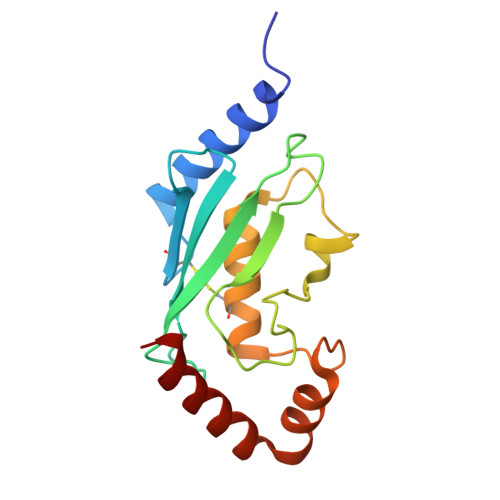
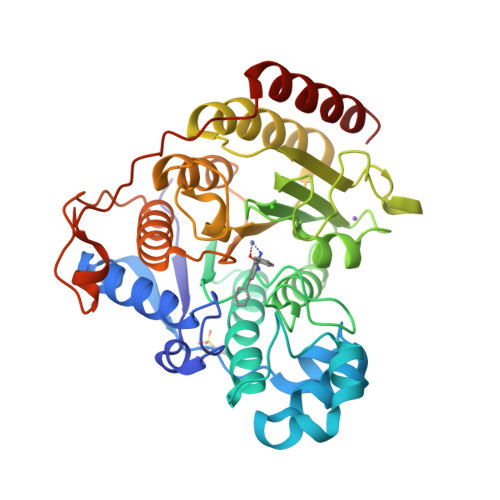
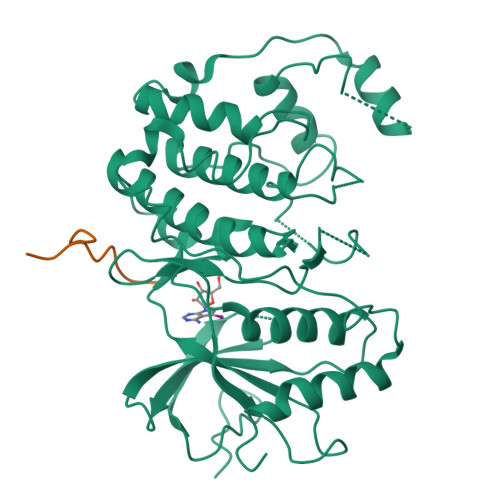
Ubiquitin-conjugating enzyme E2 D3 structureClick to view 3D structureUbiquitin-conjugating enzyme E2 D3P61077HumansPredicted (SEA)
Prediction Confidence Score
0.282
Applicability Domain
0.282 Low confidence
Statistical Significance
1.20e-04
Supporting Reference Compounds
1
E-value
0.934191
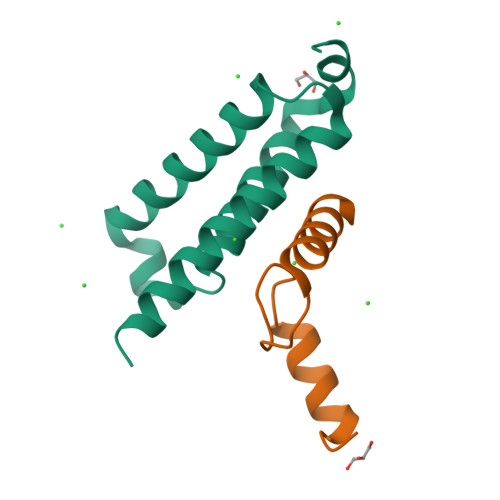
Transcriptional activator Myb structureClick to view 3D structureTranscriptional activator MybP01103Gallus gallusPredicted (SEA)
Prediction Confidence Score
0.277
Applicability Domain
0.322
Statistical Significance
7.00e-05
Supporting Reference Compounds
4
E-value
0.544945
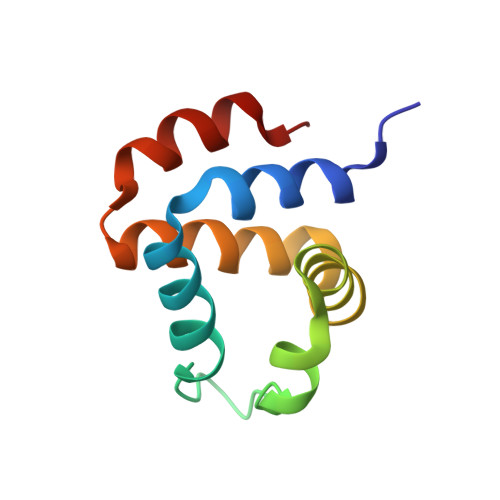
NACHT, LRR and PYD domains-containing protein 3 structureClick to view 3D structureNACHT, LRR and PYD domains-containing protein 3Q96P20HumansPredicted (SEA)
Prediction Confidence Score
0.261
Applicability Domain
0.357
Statistical Significance
0.0091
Supporting Reference Compounds
51
E-value
70.7649
G-protein coupled receptor 55 structureClick to view 3D structureG-protein coupled receptor 55Q9Y2T6HumansPredicted (SEA)
Prediction Confidence Score
0.246
Applicability Domain
0.322
Statistical Significance
0.0463
Supporting Reference Compounds
125
E-value
360.598
Protein deacetylase HDAC6 structureClick to view 3D structureProtein deacetylase HDAC6Q9UBN7HumansPredicted (SEA)
Prediction Confidence Score
0.224
Applicability Domain
0.357
Statistical Significance
0.5078
Supporting Reference Compounds
553
E-value
3953.11
Histone deacetylase 1 structureClick to view 3D structureHistone deacetylase 1Q13547HumansPredicted (SEA)
Prediction Confidence Score
0.224
Applicability Domain
0.357
Statistical Significance
0.4782
Supporting Reference Compounds
497
E-value
3722.91
Histone deacetylase 2 structureClick to view 3D structureHistone deacetylase 2Q92769HumansPredicted (SEA)
Prediction Confidence Score
0.221
Applicability Domain
0.357
Statistical Significance
0.3855
Supporting Reference Compounds
307
E-value
3001.48
Click to view 3D structureDNA damage-inducible transcript 3 proteinP35639Mus musculusPredicted (SEA)
Prediction Confidence Score
0.219
Applicability Domain
0.322
Statistical Significance
0.2712
Supporting Reference Compounds
226
E-value
2111.12
X-box-binding protein 1 structureClick to view 3D structureX-box-binding protein 1P17861HumansPredicted (SEA)
Prediction Confidence Score
0.219
Applicability Domain
0.322
Statistical Significance
0.2717
Supporting Reference Compounds
227
E-value
2114.93
Histone deacetylase 3 structureClick to view 3D structureHistone deacetylase 3O15379HumansPredicted (SEA)
Prediction Confidence Score
0.217
Applicability Domain
0.357
Statistical Significance
0.3778
Supporting Reference Compounds
257
E-value
2941.38
NACHT, LRR and PYD domains-containing protein 3 structureClick to view 3D structureNACHT, LRR and PYD domains-containing protein 3Q8R4B8Mus musculusPredicted (SEA)
Prediction Confidence Score
0.215
Applicability Domain
0.279 Low confidence
Statistical Significance
0.0502
Supporting Reference Compounds
29
E-value
390.881
Signal transducer and activator of transcription 3 structureClick to view 3D structureSignal transducer and activator of transcription 3P40763HumansPredicted (SEA)
Prediction Confidence Score
0.211
Applicability Domain
0.239 Low confidence
Statistical Significance
0.2148
Supporting Reference Compounds
93
E-value
1672.2
Photoreceptor-specific nuclear receptor structureClick to view 3D structurePhotoreceptor-specific nuclear receptorQ9Y5X4HumansPredicted (SEA)
Prediction Confidence Score
0.204
Applicability Domain
0.322
Statistical Significance
0.2484
Supporting Reference Compounds
90
E-value
1934.16
Ferritin heavy chain structureClick to view 3D structureFerritin heavy chainP02794HumansPredicted (SEA)
Prediction Confidence Score
0.203
Applicability Domain
0.203 Low confidence
Statistical Significance
8.00e-05
Supporting Reference Compounds
1
E-value
0.622794
E3 ubiquitin-protein ligase Mdm2 structureClick to view 3D structureE3 ubiquitin-protein ligase Mdm2Q00987HumansPredicted (SEA)
Prediction Confidence Score
0.202
Applicability Domain
0.322
Statistical Significance
0.1247
Supporting Reference Compounds
50
E-value
970.546
Acidic phospholipase A2 2 structureClick to view 3D structureAcidic phospholipase A2 2P15445Naja najaPredicted (SEA)
Prediction Confidence Score
0.2
Applicability Domain
0.225 Low confidence
Statistical Significance
1.20e-04
Supporting Reference Compounds
3
E-value
0.934191
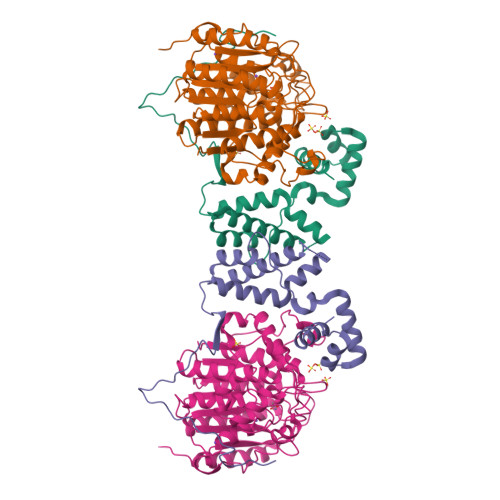
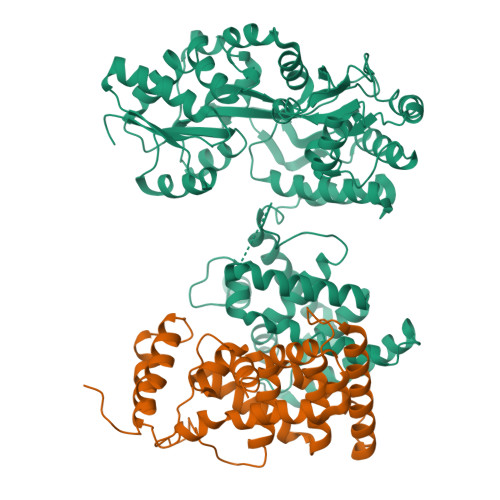
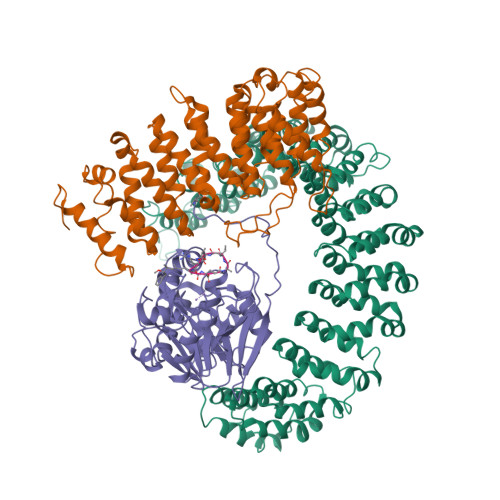
Serine/threonine-protein phosphatase 2A 65 kDa regulatory subunit A alpha isoform structureClick to view 3D structureSerine/threonine-protein phosphatase 2A 65 kDa regulatory subunit A alpha isoformQ76MZ3Mus musculusPredicted (SEA)
Prediction Confidence Score
0.2
Applicability Domain
0.2 Low confidence
Statistical Significance
1.70e-04
Supporting Reference Compounds
1
E-value
1.32344
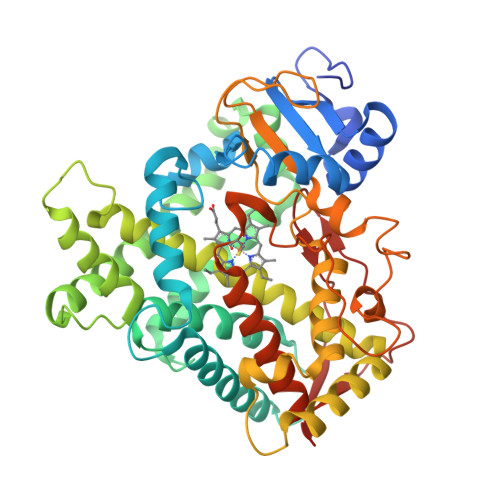
Cytochrome P450 2C9 structureClick to view 3D structureCytochrome P450 2C9P11712HumansPredicted (SEA)
Prediction Confidence Score
0.2
Applicability Domain
0.273 Low confidence
Statistical Significance
0.9362
Supporting Reference Compounds
1245
E-value
7288.32
Prostaglandin G/H synthase 2 structureClick to view 3D structureProstaglandin G/H synthase 2P35354HumansPredicted (SEA)
Prediction Confidence Score
0.199
Applicability Domain
0.29 Low confidence
Statistical Significance
0.4769
Supporting Reference Compounds
201
E-value
3712.4
NADH dehydrogenase [ubiquinone] 1 alpha subcomplex subunit 11 structureClick to view 3D structureNADH dehydrogenase [ubiquinone] 1 alpha subcomplex subunit 11Q8HXG6Bos taurusPredicted (SEA)
Prediction Confidence Score
0.197
Applicability Domain
0.197 Low confidence
Statistical Significance
0.0032
Supporting Reference Compounds
1
E-value
25.0674
Click to view 3D structureProstaglandin reductase 1P97584Rattus norvegicusPredicted (SEA)
Prediction Confidence Score
0.197
Applicability Domain
0.197 Low confidence
Statistical Significance
7.00e-05
Supporting Reference Compounds
1
E-value
0.544945
Kappa-type opioid receptor structureClick to view 3D structureKappa-type opioid receptorP41145HumansPredicted (SEA)
Prediction Confidence Score
0.196
Applicability Domain
0.275 Low confidence
Statistical Significance
0.7755
Supporting Reference Compounds
532
E-value
6037.44
Tegument protein VP16 structureClick to view 3D structureTegument protein VP16P06492Herpes simplex virus (type 1 / strain 17)Predicted (SEA)
Prediction Confidence Score
0.193
Applicability Domain
0.322
Statistical Significance
0.3308
Supporting Reference Compounds
75
E-value
2575.49
Vitamin D3 receptor structureClick to view 3D structureVitamin D3 receptorP11473HumansPredicted (SEA)
Prediction Confidence Score
0.192
Applicability Domain
0.214 Low confidence
Statistical Significance
0.1869
Supporting Reference Compounds
41
E-value
1454.69
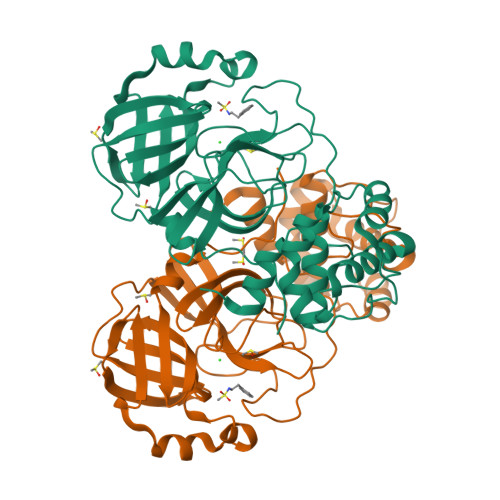
Replicase polyprotein 1ab structureClick to view 3D structureReplicase polyprotein 1abP0DTD1SARS-CoV-2Predicted (SEA)
Prediction Confidence Score
0.191
Applicability Domain
0.214 Low confidence
Statistical Significance
0.5299
Supporting Reference Compounds
215
E-value
4125.15
Concentrations
Not Available
External Links
DrugBank IDNot Available
HMDB IDHMDB0035906
FooDB IDFDB014691
Phenol Explorer IDNot Available
KNApSAcK IDC00012893
BiGG IDNot Available
BioCyc IDNot Available
METLIN IDNot Available
PDB IDNot Available
Wikipedia LinkHelenin
Chemspider ID21169333
ChEBI ID2540
PubChem Compound ID327378
Kegg Compound IDC09289
YMDB IDNot Available
ECMDB IDNot Available
References
Synthesis ReferenceNot Available
MSDSNot Available
General ReferencesNot Available