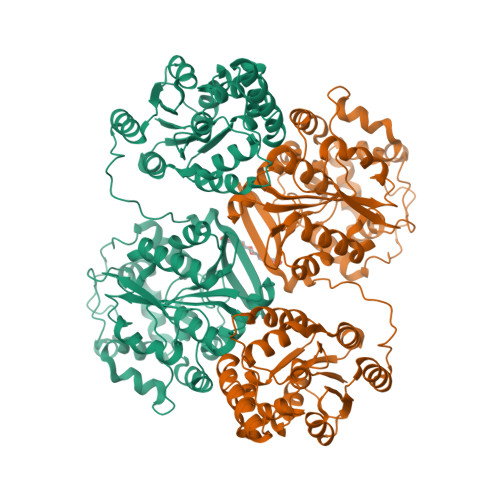
Oleoyl glycine (CED0004685)

Record Information
Version1.0
Creation Date2016-05-27 01:26:42 UTC
Update Date2026-04-17 16:22:47 UTC
SynCED IDCED0004685
Secondary Accession Numbers
  • CHEM041396
Identification
Common NameOleoyl glycine
ClassSmall Molecule
Description
Oleoyl glycine belongs to the amino acids, peptides, and analogues, a subclass of carboxylic acids and derivatives within the organic compounds. It has the formula C20H37NO3 and an average molecular weight of 339.51 g/mol. This compound is further classified under the superclass of organic acids and derivatives.
Contaminant TypeNot Available
Chemical Structure
Synonyms
ValueSource
Elmiric acidChEBI
EMA-1ChEBI
N-(9Z-Octadecenoyl)-glycineChEBI
ElmirateGenerator
(Z)-N-(1-oxo-9-Octadecenyl)glycineHMDB
Acylglycine 18:1(9Z)HMDB
NO-GlyHMDB
N-OleoylglycineMeSH
Chemical FormulaC20H37NO3
Average Molecular Mass339.513 g/mol
Monoisotopic Mass339.277 g/mol
CAS Registry Number2601-90-3
IUPAC Name2-[(9Z)-octadec-9-enamido]acetic acid
Traditional NameN-oleoyl glycine
SMILESCCCCCCCC\C=C/CCCCCCCC(=O)NCC(O)=O
InChI IdentifierInChI=1S/C20H37NO3/c1-2-3-4-5-6-7-8-9-10-11-12-13-14-15-16-17-19(22)21-18-20(23)24/h9-10H,2-8,11-18H2,1H3,(H,21,22)(H,23,24)/b10-9-
InChI KeyHPFXACZRFJDURI-KTKRTIGZSA-N
Chemical Taxonomy
Description Belongs to the class of organic compounds known as n-acyl-alpha amino acids. N-acyl-alpha amino acids are compounds containing an alpha amino acid which bears an acyl group at its terminal nitrogen atom.
KingdomOrganic compounds
Super ClassOrganic acids and derivatives
ClassCarboxylic acids and derivatives
Sub ClassAmino acids, peptides, and analogues
Direct ParentN-acyl-alpha amino acids
Alternative Parents
Substituents
  • N-acyl-alpha-amino acid
  • Fatty amide
  • N-acyl-amine
  • Fatty acyl
  • Carboxamide group
  • Secondary carboxylic acid amide
  • Carboxylic acid
  • Monocarboxylic acid or derivatives
  • Carbonyl group
  • Organonitrogen compound
  • Organooxygen compound
  • Hydrocarbon derivative
  • Organic oxide
  • Organopnictogen compound
  • Organic oxygen compound
  • Organic nitrogen compound
  • Aliphatic acyclic compound
Molecular FrameworkAliphatic acyclic compounds
External Descriptors
Biological Properties
StatusDetected and Not Quantified
OriginNot Available
Cellular LocationsNot Available
Biofluid LocationsNot Available
Tissue LocationsNot Available
ApplicationsNot Available
Biological RolesNot Available
Chemical RolesNot Available
Organoleptic EffectsNot Available
Physical Properties
StateNot Available
AppearanceNot Available
Experimental Properties
PropertyValue
Melting PointNot Available
Boiling PointNot Available
SolubilityNot Available
Predicted Properties
PropertyValueSource
Water Solubility0.00025 g/LALOGPS
logP6.68ALOGPS
logP5.68ChemAxon
logS-6.1ALOGPS
pKa (Strongest Acidic)4.05ChemAxon
pKa (Strongest Basic)-1.7ChemAxon
Physiological Charge-1ChemAxon
Hydrogen Acceptor Count3ChemAxon
Hydrogen Donor Count2ChemAxon
Polar Surface Area66.4 ŲChemAxon
Rotatable Bond Count17ChemAxon
Refractivity100.21 m³·mol⁻¹ChemAxon
Polarizability42.7 ųChemAxon
Number of Rings0ChemAxon
BioavailabilityNoChemAxon
Rule of FiveNoChemAxon
Ghose FilterNoChemAxon
Veber's RuleNoChemAxon
MDDR-like RuleNoChemAxon
Spectra
Spectra
Spectrum TypeDescriptionSplash KeyDeposition DateView
Predicted GC-MSPredicted GC-MS Spectrumsplash10-0fxx-9880000000-5ae1ba2d79b16bf75157Not AvailableView Spectrum
Predicted GC-MSPredicted GC-MS Spectrumsplash10-010u-9552000000-71bc6c116dd87ceeca79Not AvailableView Spectrum
Predicted GC-MSPredicted GC-MS SpectrumNot AvailableNot AvailableView Spectrum
Predicted LC-MS/MSPredicted LC-MS/MS Spectrumsplash10-0006-6079000000-9aca349fae181649423dNot AvailableView Spectrum
Predicted LC-MS/MSPredicted LC-MS/MS Spectrumsplash10-056r-9140000000-e6d406dd27867e8a8098Not AvailableView Spectrum
Predicted LC-MS/MSPredicted LC-MS/MS Spectrumsplash10-056r-9410000000-c014f50241b7c1cab5f7Not AvailableView Spectrum
Predicted LC-MS/MSPredicted LC-MS/MS Spectrumsplash10-000i-0019000000-c91936bf7faa6f7e252fNot AvailableView Spectrum
Predicted LC-MS/MSPredicted LC-MS/MS Spectrumsplash10-0079-7279000000-a948d894dd4aeb45947aNot AvailableView Spectrum
Predicted LC-MS/MSPredicted LC-MS/MS Spectrumsplash10-05fu-9010000000-70aba59d12b1777e20b6Not AvailableView Spectrum
Predicted LC-MS/MSPredicted LC-MS/MS Spectrumsplash10-000i-1009000000-30c3a690fbd89dd9372bNot AvailableView Spectrum
Predicted LC-MS/MSPredicted LC-MS/MS Spectrumsplash10-00di-9002000000-7b142c09660037254c26Not AvailableView Spectrum
Predicted LC-MS/MSPredicted LC-MS/MS Spectrumsplash10-00di-9000000000-25e5315d765107a9843aNot AvailableView Spectrum
Predicted LC-MS/MSPredicted LC-MS/MS Spectrumsplash10-002f-6019000000-83a9c5534ab2a3cdd674Not AvailableView Spectrum
Predicted LC-MS/MSPredicted LC-MS/MS Spectrumsplash10-004i-9121000000-3bd27eb556983ed36c17Not AvailableView Spectrum
Predicted LC-MS/MSPredicted LC-MS/MS Spectrumsplash10-0a6u-9100000000-e5ee0f1c1ddd84c6fe41Not AvailableView Spectrum
Toxicity Profile
Toxicity Values
Toxicity ValueOrganismDose DescriptorRoute of ExposurePredicted or ExperimentalToxicity RatingReference
6055.0 Log mg/kg [3400:11000]RatLD50oralpredictedNot AvailableNot Available
Toxicity / Toxin ClassNot Available
Mechanism of ToxicityNot Available
Carcinogenicity (IARC Classification)Not Available
Minimum Risk LevelNot Available
SymptomsNot Available
TreatmentNot Available
Health Effects
Health EffectRelationshipDirectionDescriptionReference
Exposure Sources
Source IDSourceSectorReference
CEDs000561Perfumes Within Detergents And Soaps?Perfumes within detergents and soaps are synthetic fragrance compounds added to enhance the sensory experience of cleaning products.Household cleaning & consumer productsPubChem
CEDs000563Soap Detergents?Soap detergents are synthetic surfactants designed to enhance the cleaning efficacy of water by reducing surface tension, allowing for better interaction with dirt and grease.Household cleaning & consumer productsPubChem
CEDs000696Nanotechnology?Nanotechnology involves the manipulation of materials at the molecular or atomic level, typically within the range of 1 to 100 nanometers.Industrial manufacturing & chemical processingPubChem
CEDs000739Inks?Inks are complex mixtures composed of pigments or dyes, solvents, resins, and additives used primarily for printing and writing applications.Paper, pulp & fiber productsPubChem
CEDs000740Paper?Paper production involves the processing of wood fibers and the use of various chemicals, which can lead to synthetic chemical contamination.Paper, pulp & fiber productsPubChem
CEDs01512Pancreatic JuiceFood, food processing & cookwarePMC12939614
Pathways
0 pathwaysPathway Source: PathBank

No pathways found

No metabolic pathways have been associated with this synthetic chemical

Targets
StructureProteinUniProt IDOrganismRelationshipDetails
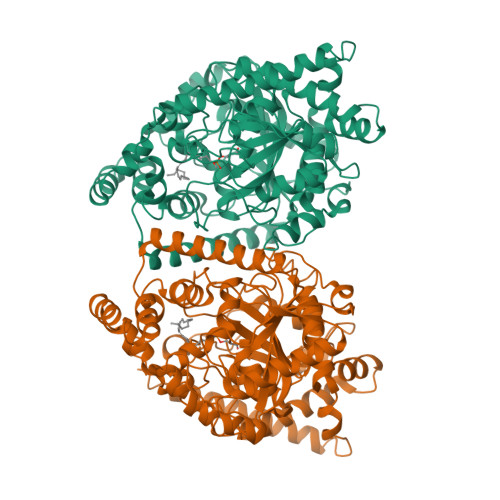
Click to view 3D structureCannabinoid receptor 1P20272Rattus norvegicusPredicted (SEA)
Prediction Confidence Score
0.669
Applicability Domain
0.818
Statistical Significance
1.30e-04
Supporting Reference Compounds
83
E-value
1.01204
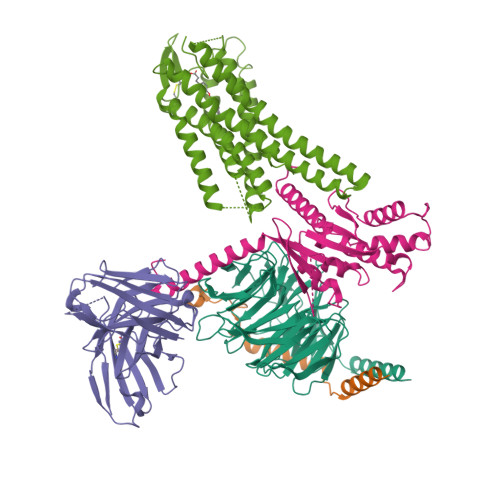
Cannabinoid receptor 1 structureClick to view 3D structureCannabinoid receptor 1P21554HumansPredicted (SEA)
Prediction Confidence Score
0.659
Applicability Domain
0.818
Statistical Significance
1.80e-04
Supporting Reference Compounds
200
E-value
1.40129
Peroxisome proliferator-activated receptor alpha structureClick to view 3D structurePeroxisome proliferator-activated receptor alphaQ07869HumansPredicted (SEA)
Prediction Confidence Score
0.655
Applicability Domain
0.686
Statistical Significance
9.00e-05
Supporting Reference Compounds
127
E-value
0.700643
Peroxisome proliferator-activated receptor delta structureClick to view 3D structurePeroxisome proliferator-activated receptor deltaQ03181HumansPredicted (SEA)
Prediction Confidence Score
0.655
Applicability Domain
0.686
Statistical Significance
6.00e-05
Supporting Reference Compounds
89
E-value
0.467095
Cannabinoid receptor 2 structureClick to view 3D structureCannabinoid receptor 2P34972HumansPredicted (SEA)
Prediction Confidence Score
0.643
Applicability Domain
0.818
Statistical Significance
1.30e-04
Supporting Reference Compounds
175
E-value
1.01204
Click to view 3D structureFatty-acid amide hydrolase 1O00519HumansPredicted (SEA)
Prediction Confidence Score
0.641
Applicability Domain
0.818
Statistical Significance
1.80e-04
Supporting Reference Compounds
106
E-value
1.40129
Transient receptor potential cation channel subfamily V member 2 structureClick to view 3D structureTransient receptor potential cation channel subfamily V member 2Q9WUD2Rattus norvegicusPredicted (SEA)
Prediction Confidence Score
0.627
Applicability Domain
0.686
Statistical Significance
1.00e-04
Supporting Reference Compounds
21
E-value
0.778492
Peroxisome proliferator-activated receptor gamma structureClick to view 3D structurePeroxisome proliferator-activated receptor gammaP37231HumansPredicted (SEA)
Prediction Confidence Score
0.627
Applicability Domain
0.677
Statistical Significance
1.40e-04
Supporting Reference Compounds
192
E-value
1.08989
Transient receptor potential cation channel subfamily V member 1 structureClick to view 3D structureTransient receptor potential cation channel subfamily V member 1Q8NER1HumansPredicted (SEA)
Prediction Confidence Score
0.589
Applicability Domain
0.686
Statistical Significance
1.30e-04
Supporting Reference Compounds
104
E-value
1.01204
Tyrosine-protein phosphatase non-receptor type 1 structureClick to view 3D structureTyrosine-protein phosphatase non-receptor type 1P18031HumansPredicted (SEA)
Prediction Confidence Score
0.561
Applicability Domain
0.677
Statistical Significance
3.80e-04
Supporting Reference Compounds
197
E-value
2.95827
Fatty-acid amide hydrolase 1 structureClick to view 3D structureFatty-acid amide hydrolase 1P97612Rattus norvegicusPredicted (SEA)
Prediction Confidence Score
0.514
Applicability Domain
0.632
Statistical Significance
6.20e-04
Supporting Reference Compounds
102
E-value
4.82665
Click to view 3D structureCannabinoid receptor 2P47936Mus musculusPredicted (SEA)
Prediction Confidence Score
0.504
Applicability Domain
0.564
Statistical Significance
4.10e-04
Supporting Reference Compounds
39
E-value
3.19182
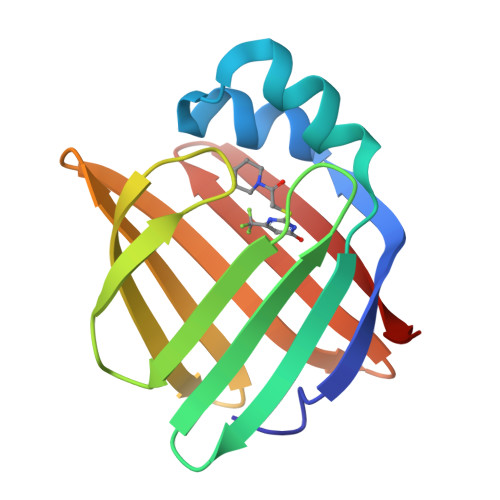
Fatty acid-binding protein, adipocyte structureClick to view 3D structureFatty acid-binding protein, adipocyteP15090HumansPredicted (SEA)
Prediction Confidence Score
0.491
Applicability Domain
0.677
Statistical Significance
8.00e-05
Supporting Reference Compounds
19
E-value
0.622794
Click to view 3D structureCannabinoid receptor 2Q9QZN9Rattus norvegicusPredicted (SEA)
Prediction Confidence Score
0.488
Applicability Domain
0.564
Statistical Significance
1.70e-04
Supporting Reference Compounds
20
E-value
1.32344
Transient receptor potential cation channel subfamily V member 1 structureClick to view 3D structureTransient receptor potential cation channel subfamily V member 1O35433Rattus norvegicusPredicted (SEA)
Prediction Confidence Score
0.479
Applicability Domain
0.564
Statistical Significance
2.10e-04
Supporting Reference Compounds
21
E-value
1.63483
Click to view 3D structureCannabinoid receptor 1P47746Mus musculusPredicted (SEA)
Prediction Confidence Score
0.476
Applicability Domain
0.564
Statistical Significance
1.60e-04
Supporting Reference Compounds
42
E-value
1.24559
Free fatty acid receptor 4 structureClick to view 3D structureFree fatty acid receptor 4Q5NUL3HumansPredicted (SEA)
Prediction Confidence Score
0.425
Applicability Domain
0.618
Statistical Significance
5.40e-04
Supporting Reference Compounds
63
E-value
4.20386
Free fatty acid receptor 1 structureClick to view 3D structureFree fatty acid receptor 1O14842HumansPredicted (SEA)
Prediction Confidence Score
0.424
Applicability Domain
0.618
Statistical Significance
9.40e-04
Supporting Reference Compounds
56
E-value
7.31783
Click to view 3D structureEsteraseA3QR02Chilo suppressalisPredicted (SEA)
Prediction Confidence Score
0.4
Applicability Domain
0.4
Statistical Significance
9.00e-05
Supporting Reference Compounds
1
E-value
0.700643
Click to view 3D structureHistone deacetylase 11Q96DB2HumansPredicted (SEA)
Prediction Confidence Score
0.398
Applicability Domain
0.484
Statistical Significance
0.0024
Supporting Reference Compounds
149
E-value
18.4503
Click to view 3D structureLysophosphatidic acid receptor 3Q9UBY5HumansPredicted (SEA)
Prediction Confidence Score
0.396
Applicability Domain
0.458
Statistical Significance
3.30e-04
Supporting Reference Compounds
21
E-value
2.56902
Click to view 3D structureOxoeicosanoid receptor 1Q8TDS5HumansPredicted (SEA)
Prediction Confidence Score
0.389
Applicability Domain
0.618
Statistical Significance
1.20e-04
Supporting Reference Compounds
4
E-value
0.934191
Click to view 3D structureLysophosphatidic acid receptor 4Q8BLG2Mus musculusPredicted (SEA)
Prediction Confidence Score
0.388
Applicability Domain
0.388
Statistical Significance
3.20e-04
Supporting Reference Compounds
1
E-value
2.49118
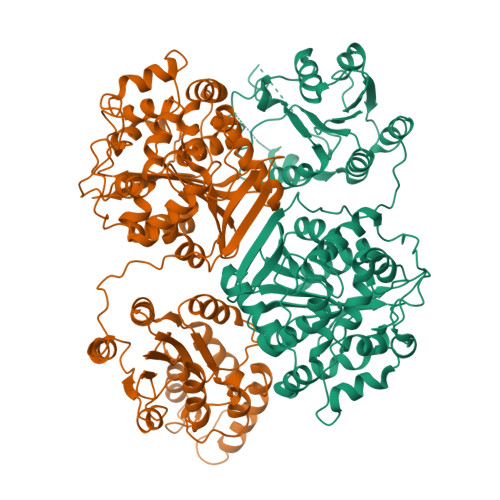
Bifunctional epoxide hydrolase 2 structureClick to view 3D structureBifunctional epoxide hydrolase 2P34914Mus musculusPredicted (SEA)
Prediction Confidence Score
0.377
Applicability Domain
0.595
Statistical Significance
8.20e-04
Supporting Reference Compounds
29
E-value
6.38364
Bifunctional epoxide hydrolase 2 structureClick to view 3D structureBifunctional epoxide hydrolase 2P34913HumansPredicted (SEA)
Prediction Confidence Score
0.377
Applicability Domain
0.595
Statistical Significance
0.0024
Supporting Reference Compounds
93
E-value
18.7617
Concentrations
Not Available
External Links
DrugBank IDNot Available
HMDB IDHMDB0013631
FooDB IDFDB029608
Phenol Explorer IDNot Available
KNApSAcK IDNot Available
BiGG IDNot Available
BioCyc IDNot Available
METLIN IDNot Available
PDB IDNot Available
Wikipedia LinkNot Available
Chemspider ID4941514
ChEBI ID73723
PubChem Compound ID6436908
Kegg Compound IDNot Available
YMDB IDNot Available
ECMDB IDNot Available
References
Synthesis ReferenceNot Available
MSDSNot Available
General ReferencesNot Available