2-butene-1,4-diyl bis(bromoacetate) (CED0090910)

Record Information
Version1.0
Creation Date2016-06-03 10:57:41 UTC
Update Date2026-03-26 20:37:02 UTC
SynCED IDCED0090910
Secondary Accession Numbers
  • CHEM043480
Identification
Common Name2-butene-1,4-diyl bis(bromoacetate)
ClassSmall Molecule
Description
2-butene-1,4-diyl bis(bromoacetate) belongs to the dicarboxylic acids and derivatives, a subclass of carboxylic acids and derivatives within the organic compounds. This compound has the formula C8H10Br2O4 and an average molecular weight of 329.97 g/mol. It is further classified under the superclass of organic acids and derivatives.
Contaminant TypeNot Available
Chemical Structure
Synonyms
ValueSource
But-2-ene-1,4-diyl bis(bromoacetate)MeSH
Bis(1,4-bromoacetoxy)-2-buteneMeSH
1,4-Bis(bromoacetoxy)-2-butene, (Z)-isomerMeSH
1,4-Bis(bromoacetoxy)-2-buteneMeSH
(2Z)-4-[(2-Bromoacetyl)oxy]but-2-en-1-yl 2-bromoacetic acidGenerator
Chemical FormulaC8H10Br2O4
Average Molecular Mass329.972 g/mol
Monoisotopic Mass327.895 g/mol
CAS Registry Number20679-58-7
IUPAC Name(2Z)-4-[(2-bromoacetyl)oxy]but-2-en-1-yl 2-bromoacetate
Traditional Name(2Z)-4-[(2-bromoacetyl)oxy]but-2-en-1-yl bromoacetate
SMILES[H]\C(COC(=O)CBr)=C(/[H])COC(=O)CBr
InChI IdentifierInChI=1S/C8H10Br2O4/c9-5-7(11)13-3-1-2-4-14-8(12)6-10/h1-2H,3-6H2/b2-1-
InChI KeySIHKVAXULDBIIY-UPHRSURJSA-N
Chemical Taxonomy
Description Belongs to the class of organic compounds known as dicarboxylic acids and derivatives. These are organic compounds containing exactly two carboxylic acid groups.
KingdomOrganic compounds
Super ClassOrganic acids and derivatives
ClassCarboxylic acids and derivatives
Sub ClassDicarboxylic acids and derivatives
Direct ParentDicarboxylic acids and derivatives
Alternative Parents
Substituents
  • Dicarboxylic acid or derivatives
  • Alpha-halocarboxylic acid or derivatives
  • Alpha-halocarboxylic acid derivative
  • Carboxylic acid ester
  • Organic oxygen compound
  • Organic oxide
  • Hydrocarbon derivative
  • Organooxygen compound
  • Organobromide
  • Organohalogen compound
  • Carbonyl group
  • Alkyl halide
  • Alkyl bromide
  • Aliphatic acyclic compound
Molecular FrameworkAliphatic acyclic compounds
External DescriptorsNot Available
Biological Properties
StatusDetected and Not Quantified
OriginNot Available
Cellular LocationsNot Available
Biofluid LocationsNot Available
Tissue LocationsNot Available
ApplicationsNot Available
Biological RolesNot Available
Chemical RolesNot Available
Organoleptic EffectsNot Available
Physical Properties
StateNot Available
AppearanceNot Available
Experimental Properties
PropertyValue
Melting PointNot Available
Boiling PointNot Available
SolubilityNot Available
Predicted Properties
PropertyValueSource
Water Solubility0.17 g/LALOGPS
logP2.55ALOGPS
logP1.65ChemAxon
logS-3.3ALOGPS
pKa (Strongest Basic)-6.9ChemAxon
Physiological Charge0ChemAxon
Hydrogen Acceptor Count2ChemAxon
Hydrogen Donor Count0ChemAxon
Polar Surface Area52.6 ŲChemAxon
Rotatable Bond Count8ChemAxon
Refractivity58.65 m³·mol⁻¹ChemAxon
Polarizability23.57 ųChemAxon
Number of Rings0ChemAxon
BioavailabilityYesChemAxon
Rule of FiveYesChemAxon
Ghose FilterYesChemAxon
Veber's RuleNoChemAxon
MDDR-like RuleNoChemAxon
Spectra
Spectra
Spectrum TypeDescriptionSplash KeyDeposition DateView
Predicted LC-MS/MSPredicted LC-MS/MS Spectrumsplash10-00bc-1907000000-b29635871f5f0019a43eNot AvailableView Spectrum
Predicted LC-MS/MSPredicted LC-MS/MS Spectrumsplash10-0006-2901000000-31da74e018ada4a08af0Not AvailableView Spectrum
Predicted LC-MS/MSPredicted LC-MS/MS Spectrumsplash10-0fkc-7900000000-0b97e8e79068d1193a4aNot AvailableView Spectrum
Predicted LC-MS/MSPredicted LC-MS/MS Spectrumsplash10-004r-0729000000-185cc9833ec98786afd1Not AvailableView Spectrum
Predicted LC-MS/MSPredicted LC-MS/MS Spectrumsplash10-00kr-0900000000-4ce5f36936e1244e9a05Not AvailableView Spectrum
Predicted LC-MS/MSPredicted LC-MS/MS Spectrumsplash10-000i-0900000000-a6498d9a5ff6c2a3a21eNot AvailableView Spectrum
Toxicity Profile
Toxicity Values
Toxicity ValueOrganismDose DescriptorRoute of ExposurePredicted or ExperimentalToxicity RatingReference
247.0 Log mg/kg [140:440]RatLD50oralpredictedNot AvailableNot Available
Toxicity / Toxin ClassNot Available
Mechanism of ToxicityNot Available
Carcinogenicity (IARC Classification)Not Available
Minimum Risk LevelNot Available
SymptomsNot Available
TreatmentNot Available
Health Effects
Health EffectRelationshipDirectionDescriptionReference
Exposure Sources
Source IDSourceSectorReference
CEDs000010Insecticides?Insecticides are synthetic chemicals designed to control or eliminate insect pests that threaten crops and other agricultural products.Agriculture & land managementPubChem
CEDs000181Ballast water?Ballast water, taken on by ships to maintain stability and balance, often contains a diverse array of microorganisms, including bacteria, viruses, and plankton.Marine, shipping & aquaculturePubChem
CEDs000182Bilge water?Bilge water is a byproduct generated from the accumulation of water in the lowest part of a ship's hull, which may include a mixture of seawater, oil, fuel residues, and various contaminants.Marine, shipping & aquaculturePubChem
CEDs000555Bleaching Agents?Bleaching agents are chemical substances used to whiten or lighten materials, often employed in various cleaning products for their stain removal and disinfecting properties.Household cleaning & consumer productsPubChem
CEDs000581Paper Making Machines?Paper making machines utilize various synthetic chemicals throughout the production process, including additives, coatings, and bleaching agents.Industrial manufacturing & chemical processingPubChem
CEDs000596Acaricides?Acaricides are synthetic chemicals specifically designed to target and control mite populations that can damage crops and plants.Agriculture & land managementPubChem
CEDs000597Chemosterilants?Chemosterilants are synthetic chemicals designed to induce sterility in target pest populations, thereby controlling their reproduction and mitigating damage to crops.Agriculture & land managementPubChem
CEDs000600Herbicides And Algicides?Herbicides and algicides are synthetic chemicals primarily used to control unwanted plants and algae in various environments.Agriculture & land managementPubChem
CEDs000602Molluscicides?Molluscicides are synthetic chemicals specifically designed to control and eliminate mollusks, such as snails and slugs, which can be detrimental to crops and agricultural productivity.Agriculture & land managementPubChem
CEDs000603Nematocides?Nematocides are synthetic chemicals specifically designed to control nematodes, which are microscopic roundworms that can cause significant damage to crops and plants.Agriculture & land managementPubChem
CEDs000604Pest Attractants?Pest attractants are synthetic chemicals designed to lure specific pests for monitoring or control purposes.Agriculture & land managementPubChem
CEDs000605Pest Repellants?Pest repellents, often formulated from synthetic chemicals, are widely used to protect crops from insect infestations and other pests.Agriculture & land managementPubChem
CEDs000606Plant Growth Regulators?Plant Growth Regulators (PGRs) are synthetic chemicals designed to influence the growth and development of plants.Agriculture & land managementPubChem
CEDs000607Rodenticides(1)?Rodenticides are synthetic chemicals specifically formulated to control rodent populations, serving as a crucial tool in managing pests that can damage crops and spread diseases.Agriculture & land managementPubChem
CEDs000608Rodenticides?Rodenticides are chemical substances specifically designed to control rodent populations by causing death through various mechanisms, including anticoagulation or neurotoxicity.Agriculture & land managementPubChem
CEDs000612Body Washing Or Cleaning Implements?Body washing or cleaning implements, such as synthetic sponges, loofahs, and washcloths, can be sources of synthetic chemical contamination due to the materials used in their production.Personal care & cosmeticsPubChem
CEDs000678Nitrogenous Fertilisers?Nitrogenous fertilizers are synthetic chemical compounds primarily used to enhance plant growth by supplying essential nitrogen, a crucial nutrient for photosynthesis and protein synthesis.Agriculture & land managementPubChem
CEDs000738Cooling Circuit Water?Cooling circuit water is utilized in various industrial processes to absorb and dissipate heat generated during operations.Industrial manufacturing & chemical processingPubChem
CEDs000740Paper?Paper production involves the processing of wood fibers and the use of various chemicals, which can lead to synthetic chemical contamination.Paper, pulp & fiber productsPubChem
CEDs000742Leather Tanning?Leather tanning is a process that transforms raw animal hides into durable leather through the application of various chemicals, including chromium salts, aldehydes, and vegetable tannins.Textiles, leather & furnishingsPubChem
CEDs000743Sludge Treatment?Sludge treatment involves the processing of waste materials generated from wastewater treatment plants, which often contain a variety of organic and inorganic substances.Wastewater, sanitation & biosolidsPubChem
CEDs000744Water, Wastewater, & Sewage Treatment?Water, wastewater, and sewage treatment processes are critical for managing and mitigating pollutants in water systems.Wastewater, sanitation & biosolidsPubChem
Pathways
0 pathwaysPathway Source: PathBank

No pathways found

No metabolic pathways have been associated with this synthetic chemical

Targets
StructureProteinUniProt IDOrganismRelationshipDetails
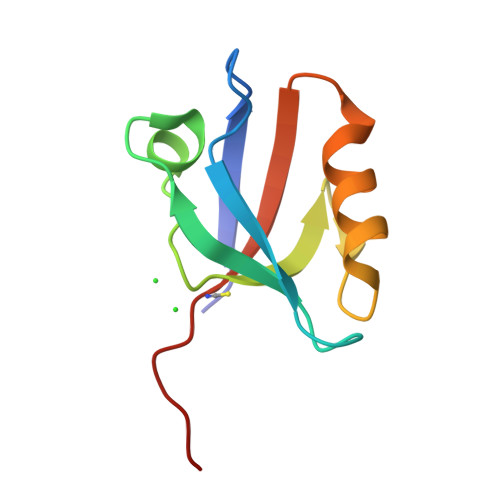
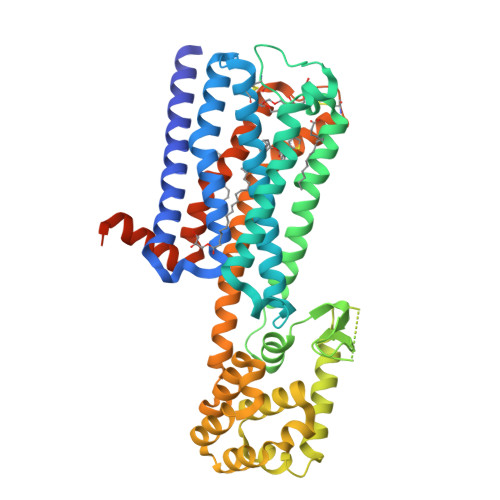
Click to view 3D structureMuscarinic acetylcholine receptor M2P10980Rattus norvegicusPredicted (SEA)
Prediction Confidence Score
0.159
Applicability Domain
0.182 Low confidence
Statistical Significance
0.7042
Supporting Reference Compounds
98
E-value
5482.14
Click to view 3D structureLysophosphatidic acid receptor 4Q99677HumansPredicted (SEA)
Prediction Confidence Score
0.159
Applicability Domain
0.189 Low confidence
Statistical Significance
0.045
Supporting Reference Compounds
9
E-value
350.633
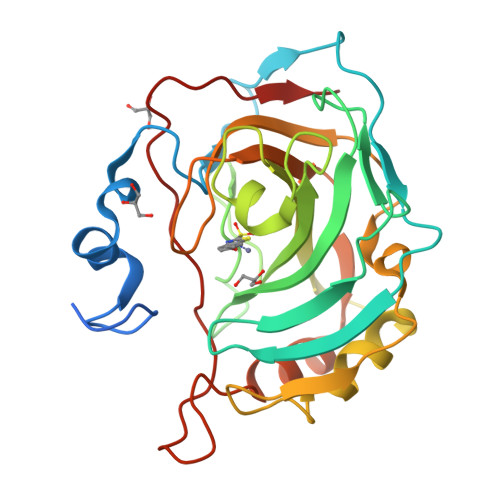
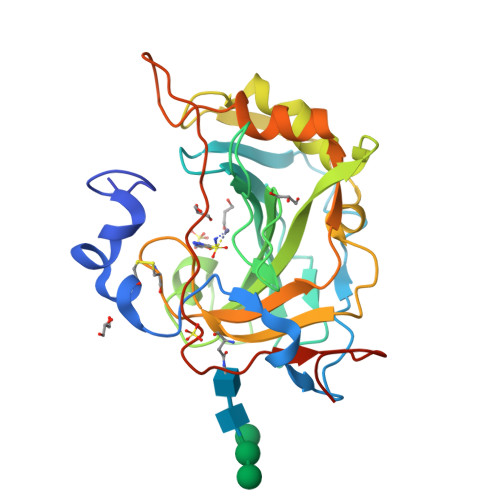
Carbonic anhydrase 7 structureClick to view 3D structureCarbonic anhydrase 7P43166HumansPredicted (SEA)
Prediction Confidence Score
0.158
Applicability Domain
0.171 Low confidence
Statistical Significance
0.8708
Supporting Reference Compounds
242
E-value
6779.27
Click to view 3D structureCytochrome P450 2C23P24470Rattus norvegicusPredicted (SEA)
Prediction Confidence Score
0.222
Applicability Domain
0.222 Low confidence
Statistical Significance
0.0013
Supporting Reference Compounds
1
E-value
10.1204
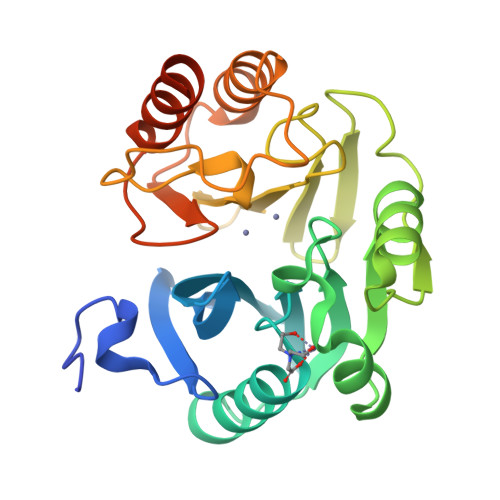
Click to view 3D structureHistidine biosynthesis bifunctional protein HisBP06987Escherichia coli O26:H11 str. CFSAN001629Predicted (SEA)
Prediction Confidence Score
0.2
Applicability Domain
0.2 Low confidence
Statistical Significance
0.0027
Supporting Reference Compounds
1
E-value
21.4085
Click to view 3D structureLysophosphatidic acid receptor 4Q8BLG2Mus musculusPredicted (SEA)
Prediction Confidence Score
0.188
Applicability Domain
0.188 Low confidence
Statistical Significance
0.0047
Supporting Reference Compounds
1
E-value
36.9005
Beta-lactamase VIM-1 structureClick to view 3D structureBeta-lactamase VIM-1Q9XAY4Pseudomonas aeruginosaPredicted (SEA)
Prediction Confidence Score
0.185
Applicability Domain
0.185 Low confidence
Statistical Significance
8.60e-04
Supporting Reference Compounds
1
E-value
6.69503
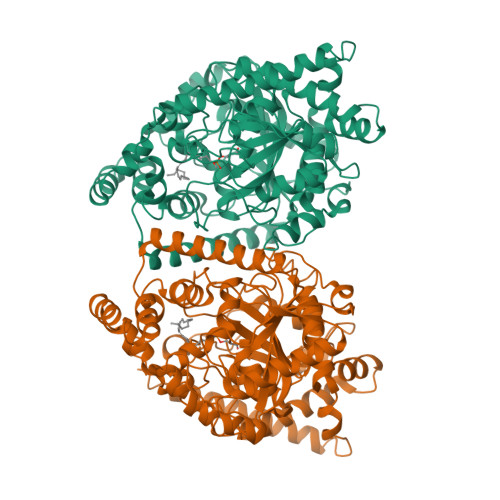
Click to view 3D structurePhospho-2-dehydro-3-deoxyheptonate aldolaseC3TIE2Escherichia coliPredicted (SEA)
Prediction Confidence Score
0.184
Applicability Domain
0.184 Low confidence
Statistical Significance
9.40e-04
Supporting Reference Compounds
1
E-value
7.31783
Click to view 3D structureLysophosphatidic acid receptor 3Q9UBY5HumansPredicted (SEA)
Prediction Confidence Score
0.18
Applicability Domain
0.189 Low confidence
Statistical Significance
0.0857
Supporting Reference Compounds
21
E-value
666.856
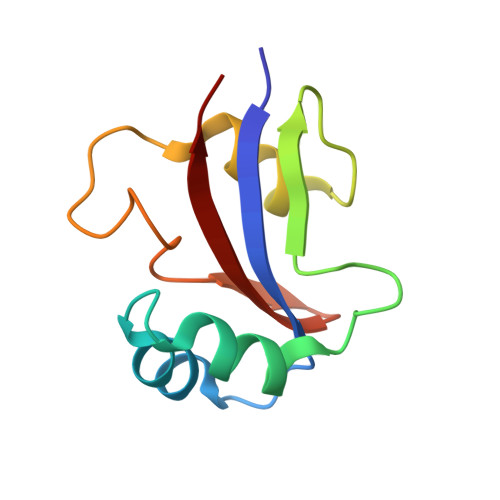
Peptidyl-prolyl cis-trans isomerase NIMA-interacting 4 structureClick to view 3D structurePeptidyl-prolyl cis-trans isomerase NIMA-interacting 4Q9Y237HumansPredicted (SEA)
Prediction Confidence Score
0.175
Applicability Domain
0.175 Low confidence
Statistical Significance
0.0352
Supporting Reference Compounds
1
E-value
273.874
Muscarinic acetylcholine receptor M1 structureClick to view 3D structureMuscarinic acetylcholine receptor M1P11229HumansPredicted (SEA)
Prediction Confidence Score
0.175
Applicability Domain
0.194 Low confidence
Statistical Significance
0.9178
Supporting Reference Compounds
385
E-value
7145.08
Muscarinic acetylcholine receptor M3 structureClick to view 3D structureMuscarinic acetylcholine receptor M3P20309HumansPredicted (SEA)
Prediction Confidence Score
0.175
Applicability Domain
0.194 Low confidence
Statistical Significance
0.8856
Supporting Reference Compounds
310
E-value
6894.09
Fatty-acid amide hydrolase 1 structureClick to view 3D structureFatty-acid amide hydrolase 1P97612Rattus norvegicusPredicted (SEA)
Prediction Confidence Score
0.174
Applicability Domain
0.2 Low confidence
Statistical Significance
0.627
Supporting Reference Compounds
102
E-value
4880.99
Lysophosphatidic acid receptor 1 structureClick to view 3D structureLysophosphatidic acid receptor 1Q92633HumansPredicted (SEA)
Prediction Confidence Score
0.174
Applicability Domain
0.189 Low confidence
Statistical Significance
0.2995
Supporting Reference Compounds
31
E-value
2331.43
Lysophosphatidic acid receptor 2 structureClick to view 3D structureLysophosphatidic acid receptor 2Q9HBW0HumansPredicted (SEA)
Prediction Confidence Score
0.173
Applicability Domain
0.189 Low confidence
Statistical Significance
0.2423
Supporting Reference Compounds
30
E-value
1886.13
Muscarinic acetylcholine receptor M2 structureClick to view 3D structureMuscarinic acetylcholine receptor M2P08172HumansPredicted (SEA)
Prediction Confidence Score
0.172
Applicability Domain
0.194 Low confidence
Statistical Significance
0.931
Supporting Reference Compounds
373
E-value
7247.45
Muscarinic acetylcholine receptor M5 structureClick to view 3D structureMuscarinic acetylcholine receptor M5P08912HumansPredicted (SEA)
Prediction Confidence Score
0.171
Applicability Domain
0.194 Low confidence
Statistical Significance
0.888
Supporting Reference Compounds
266
E-value
6913.09
Click to view 3D structureCannabinoid receptor 1P20272Rattus norvegicusPredicted (SEA)
Prediction Confidence Score
0.17
Applicability Domain
0.2 Low confidence
Statistical Significance
0.5326
Supporting Reference Compounds
83
E-value
4146.02
Muscarinic acetylcholine receptor M4 structureClick to view 3D structureMuscarinic acetylcholine receptor M4P08173HumansPredicted (SEA)
Prediction Confidence Score
0.167
Applicability Domain
0.194 Low confidence
Statistical Significance
0.9245
Supporting Reference Compounds
297
E-value
7197.39
Carbonic anhydrase 14 structureClick to view 3D structureCarbonic anhydrase 14Q9ULX7HumansPredicted (SEA)
Prediction Confidence Score
0.166
Applicability Domain
0.182 Low confidence
Statistical Significance
0.7111
Supporting Reference Compounds
172
E-value
5536.09
Peroxisome proliferator-activated receptor gamma structureClick to view 3D structurePeroxisome proliferator-activated receptor gammaP37231HumansPredicted (SEA)
Prediction Confidence Score
0.166
Applicability Domain
0.171 Low confidence
Statistical Significance
0.8625
Supporting Reference Compounds
192
E-value
6714.88
Peroxisome proliferator-activated receptor alpha structureClick to view 3D structurePeroxisome proliferator-activated receptor alphaQ07869HumansPredicted (SEA)
Prediction Confidence Score
0.166
Applicability Domain
0.171 Low confidence
Statistical Significance
0.785
Supporting Reference Compounds
127
E-value
6110.93
Peroxisome proliferator-activated receptor delta structureClick to view 3D structurePeroxisome proliferator-activated receptor deltaQ03181HumansPredicted (SEA)
Prediction Confidence Score
0.166
Applicability Domain
0.171 Low confidence
Statistical Significance
0.743
Supporting Reference Compounds
89
E-value
5783.89
Autotaxin structureClick to view 3D structureAutotaxinQ13822HumansPredicted (SEA)
Prediction Confidence Score
0.165
Applicability Domain
0.188 Low confidence
Statistical Significance
0.383
Supporting Reference Compounds
40
E-value
2981.7
Carbonic anhydrase 9 structureClick to view 3D structureCarbonic anhydrase 9Q16790HumansPredicted (SEA)
Prediction Confidence Score
0.16
Applicability Domain
0.171 Low confidence
Statistical Significance
0.9061
Supporting Reference Compounds
372
E-value
7054.07
Concentrations
Not Available
External Links
DrugBank IDNot Available
HMDB IDNot Available
FooDB IDNot Available
Phenol Explorer IDNot Available
KNApSAcK IDNot Available
BiGG IDNot Available
BioCyc IDNot Available
METLIN IDNot Available
PDB IDNot Available
Wikipedia LinkNot Available
Chemspider IDNot Available
ChEBI IDNot Available
PubChem Compound ID5355029
Kegg Compound IDNot Available
YMDB IDNot Available
ECMDB IDNot Available
References
Synthesis ReferenceNot Available
MSDSNot Available
General ReferencesNot Available