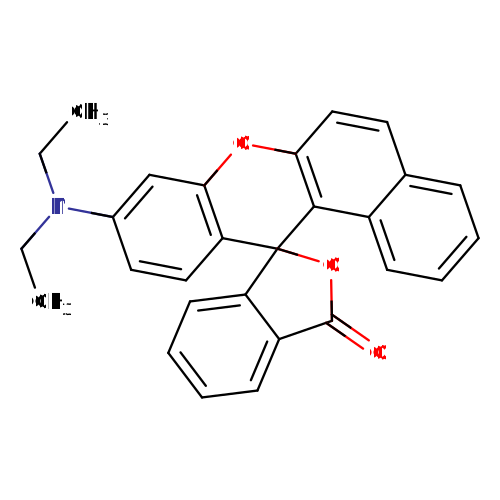
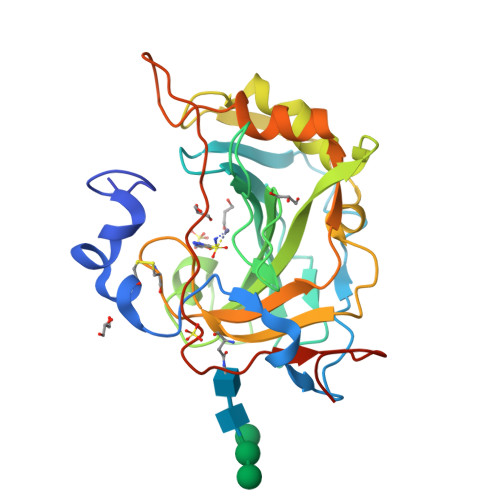
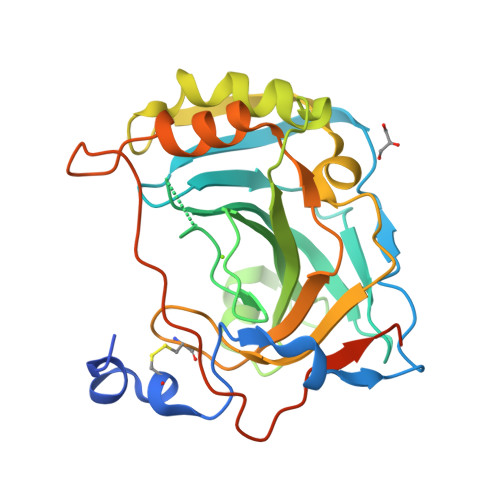
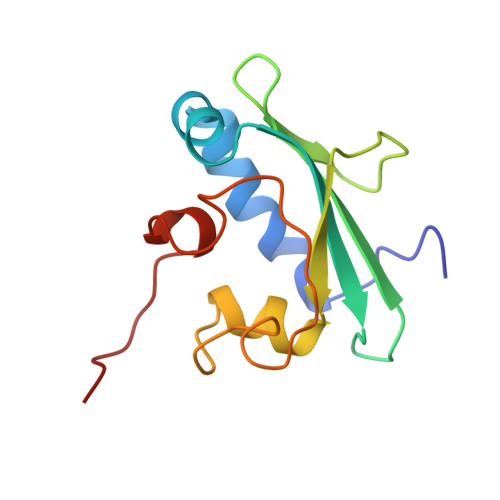
Spiro(12H-benzo(a)xanthene-12,1'(3'H)-isobenzofuran)-3'-one, 9-(diethylamino)- (CED0178094)

Record Information
Version1.0
Creation Date2016-06-03 11:50:44 UTC
Update Date2026-08-22 08:07:41 UTC
SynCED IDCED0178094
Secondary Accession Numbers
  • CHEM044176
Identification
Common NameSpiro(12H-benzo(a)xanthene-12,1'(3'H)-isobenzofuran)-3'-one, 9-(diethylamino)-
ClassSmall Molecule
Description
Spiro(12H-benzo(a)xanthene-12,1'(3'H)-isobenzofuran)-3'-one, 9-(diethylamino)- belongs to the 1-benzopyrans, a subclass of benzopyrans within the organic compounds. This organoheterocyclic compound has the chemical formula C28H23NO3 and an average molecular weight of 421.50 g/mol.
Contaminant TypeNot Available
Chemical Structure
SynonymsNot Available
Chemical FormulaC28H23NO3
Average Molecular Mass421.496 g/mol
Monoisotopic Mass421.168 g/mol
CAS Registry Number52636-82-5
IUPAC Name8'-(diethylamino)-3H-10'-oxaspiro[2-benzofuran-1,5'-tetraphene]-3-one
Traditional Name8'-(diethylamino)-10'-oxaspiro[2-benzofuran-1,5'-tetraphene]-3-one
SMILESCCN(CC)C1=CC2=C(C=C1)C1(OC(=O)C3=CC=CC=C13)C1=C(O2)C=CC2=CC=CC=C12
InChI IdentifierInChI=1S/C28H23NO3/c1-3-29(4-2)19-14-15-23-25(17-19)31-24-16-13-18-9-5-6-10-20(18)26(24)28(23)22-12-8-7-11-21(22)27(30)32-28/h5-17H,3-4H2,1-2H3
InChI KeyHMNGPLGXLQFPFN-UHFFFAOYSA-N
Chemical Taxonomy
Description Belongs to the class of organic compounds known as benzoxanthenes. These are organic compounds containing a benzene ring fused to a xanthene ring system. Xanthene is a tricyclic compound made up of two benzene rings linearly fused to each other through a pyran ring.
KingdomOrganic compounds
Super ClassOrganoheterocyclic compounds
ClassBenzopyrans
Sub Class1-benzopyrans
Direct ParentBenzoxanthenes
Alternative Parents
Substituents
  • Benzoxanthene
  • Isoflavonoid
  • Naphthopyran
  • Diaryl ether
  • Benzofuranone
  • Naphthalene
  • Isobenzofuranone
  • Phthalide
  • Isocoumaran
  • Isobenzofuran
  • Tertiary aliphatic/aromatic amine
  • Dialkylarylamine
  • Pyran
  • Benzenoid
  • Tertiary amine
  • Amino acid or derivatives
  • Lactone
  • Carboxylic acid ester
  • Carboxylic acid derivative
  • Ether
  • Oxacycle
  • Monocarboxylic acid or derivatives
  • Hydrocarbon derivative
  • Organic nitrogen compound
  • Organic oxide
  • Organopnictogen compound
  • Amine
  • Organic oxygen compound
  • Organooxygen compound
  • Organonitrogen compound
  • Aromatic heteropolycyclic compound
Molecular FrameworkAromatic heteropolycyclic compounds
External DescriptorsNot Available
Biological Properties
StatusDetected and Not Quantified
OriginNot Available
Cellular LocationsNot Available
Biofluid LocationsNot Available
Tissue LocationsNot Available
ApplicationsNot Available
Biological RolesNot Available
Chemical RolesNot Available
Organoleptic EffectsNot Available
Physical Properties
StateNot Available
AppearanceNot Available
Experimental Properties
PropertyValue
Melting PointNot Available
Boiling PointNot Available
SolubilityNot Available
Predicted Properties
PropertyValueSource
Water Solubility0.00022 g/LALOGPS
logP6.44ALOGPS
logP6.3ChemAxon
logS-6.3ALOGPS
pKa (Strongest Basic)4.31ChemAxon
Physiological Charge0ChemAxon
Hydrogen Acceptor Count2ChemAxon
Hydrogen Donor Count0ChemAxon
Polar Surface Area38.77 ŲChemAxon
Rotatable Bond Count3ChemAxon
Refractivity127.63 m³·mol⁻¹ChemAxon
Polarizability46.9 ųChemAxon
Number of Rings6ChemAxon
BioavailabilityYesChemAxon
Rule of FiveNoChemAxon
Ghose FilterNoChemAxon
Veber's RuleYesChemAxon
MDDR-like RuleNoChemAxon
Spectra
Spectra
Spectrum TypeDescriptionSplash KeyDeposition DateView
Predicted LC-MS/MSPredicted LC-MS/MS Spectrumsplash10-00di-0201900000-3534bbcf5bb5775523f5Not AvailableView Spectrum
Predicted LC-MS/MSPredicted LC-MS/MS Spectrumsplash10-00fv-3738900000-08602693fd943ee588e1Not AvailableView Spectrum
Predicted LC-MS/MSPredicted LC-MS/MS Spectrumsplash10-00kf-3900000000-58d672cceb9510bc3958Not AvailableView Spectrum
Predicted LC-MS/MSPredicted LC-MS/MS Spectrumsplash10-00di-0001900000-c0efddcf3931115b3771Not AvailableView Spectrum
Predicted LC-MS/MSPredicted LC-MS/MS Spectrumsplash10-00fr-0009400000-ec9231e50e3c98ae3f98Not AvailableView Spectrum
Predicted LC-MS/MSPredicted LC-MS/MS Spectrumsplash10-0002-1119000000-aa5d2d010e8140c04c18Not AvailableView Spectrum
Toxicity Profile
Toxicity Values
Toxicity ValueOrganismDose DescriptorRoute of ExposurePredicted or ExperimentalToxicity RatingReference
800.0 Log mg/kg [450:1400]RatLD50oralpredictedNot AvailableNot Available
Toxicity / Toxin ClassNot Available
Mechanism of ToxicityNot Available
Carcinogenicity (IARC Classification)Not Available
Minimum Risk LevelNot Available
SymptomsNot Available
TreatmentNot Available
Health Effects
Health EffectRelationshipDirectionDescriptionReference
Exposure Sources
Source IDSourceSectorReference
CEDs000618Lip Makeup Products?Lip makeup products, such as lipsticks, lip glosses, and lip liners, often contain a variety of synthetic chemicals, including pigments, preservatives, and emollients.Personal care & cosmeticsPubChem
CEDs000630Toys?Toys, particularly those made from synthetic materials such as plastics, can be a source of chemical contamination due to the presence of various additives and compounds used in their production.Recreation & sports surfacesPubChem
CEDs000632Apparel?Apparel production often involves the use of various synthetic chemicals, including dyes, finishing agents, and preservatives.Textiles, leather & furnishingsPubChem
CEDs000638Decorating Textiles?Decorating textiles often involves the use of synthetic chemicals such as dyes, finishes, and coatings.Textiles, leather & furnishingsPubChem
CEDs000640Embroidering And Tufting?Embroidering and tufting processes often involve the use of synthetic chemicals such as dyes, adhesives, and finishing agents.Textiles, leather & furnishingsPubChem
CEDs000647Multicolour Dyeing?Multicolour dyeing involves the application of multiple synthetic dyes to textiles and other materials to achieve vibrant, diverse color patterns.Textiles, leather & furnishingsPubChem
CEDs000696Nanotechnology?Nanotechnology involves the manipulation of materials at the molecular or atomic level, typically within the range of 1 to 100 nanometers.Industrial manufacturing & chemical processingPubChem
CEDs000702Blackboard Eraser?Blackboard erasers are commonly used tools for removing chalk from blackboards, and they often contain synthetic materials such as rubber, plastics, and adhesives.Paper, pulp & fiber productsPubChem
CEDs000703Blackboards?Blackboards, traditionally made from slate or coated wood, can also be produced using synthetic materials that may contain various chemicals.Paper, pulp & fiber productsPubChem
CEDs000710Chalks?Chalks, primarily composed of calcium carbonate, are commonly used in various industrial applications, including as fillers and coatings in the production of paper and related products.Paper, pulp & fiber productsPubChem
CEDs000711Coloured Pencils?Coloured pencils are commonly used tools for artistic expression and education, composed primarily of a wood casing and a core made from a mixture of pigments, binders, and waxes.Paper, pulp & fiber productsPubChem
CEDs000714Embossing Machines?Embossing machines are industrial devices used to create raised patterns or designs on materials, including paper and fiber products.Paper, pulp & fiber productsPubChem
CEDs000716Erasers?Erasers, commonly used in writing and drawing applications, are often made from synthetic rubber or thermoplastic materials, which can contain various additives such as plasticizers, fillers, and colorants.Paper, pulp & fiber productsPubChem
CEDs000717Fountain Pens?Fountain pens utilize a liquid ink that often contains synthetic chemicals, including dyes, pigments, and solvents, which can contribute to environmental contamination.Paper, pulp & fiber productsPubChem
CEDs000720Ink Reservoir Pens2?Ink reservoir pens are writing instruments that utilize a reservoir to store ink, which is often composed of synthetic dyes, solvents, and additives.Paper, pulp & fiber productsPubChem
CEDs000739Inks?Inks are complex mixtures composed of pigments or dyes, solvents, resins, and additives used primarily for printing and writing applications.Paper, pulp & fiber productsPubChem
CEDs000740Paper?Paper production involves the processing of wood fibers and the use of various chemicals, which can lead to synthetic chemical contamination.Paper, pulp & fiber productsPubChem
Pathways
0 pathwaysPathway Source: PathBank

No pathways found

No metabolic pathways have been associated with this synthetic chemical

Targets
StructureProteinUniProt IDOrganismRelationshipDetails
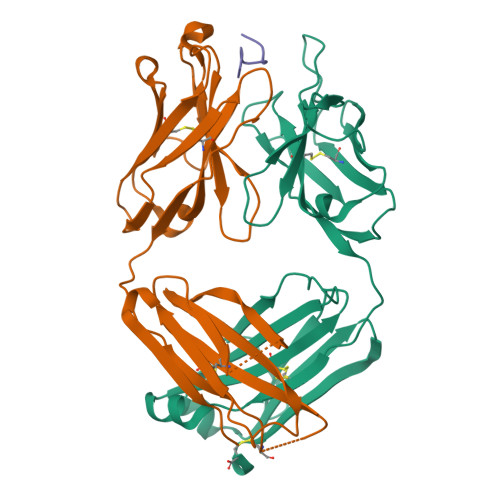
Click to view 3D structureThymidylate synthaseC3SWJ7Escherichia coliPredicted (SEA)
Prediction Confidence Score
0.345
Applicability Domain
0.361
Statistical Significance
9.10e-04
Supporting Reference Compounds
24
E-value
7.08428
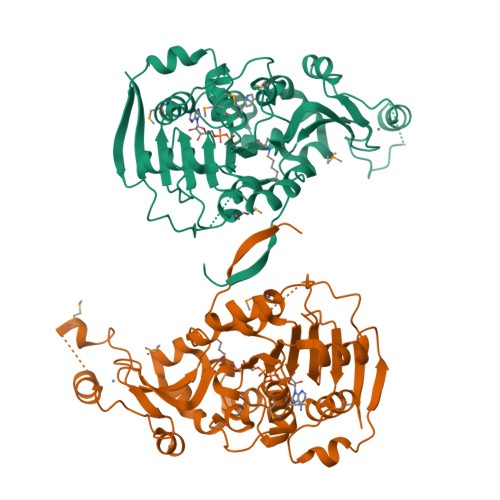
Thymidylate synthase structureClick to view 3D structureThymidylate synthaseP00469Lactobacillus caseiPredicted (SEA)
Prediction Confidence Score
0.338
Applicability Domain
0.359
Statistical Significance
0.0014
Supporting Reference Compounds
33
E-value
10.8989
Click to view 3D structureThymidylate synthaseP0CS13Cryptococcus neoformans var. neoformans B-3501APredicted (SEA)
Prediction Confidence Score
0.338
Applicability Domain
0.361
Statistical Significance
4.00e-05
Supporting Reference Compounds
7
E-value
0.311397
Thymidylate synthase structureClick to view 3D structureThymidylate synthaseP0A884Escherichia coli (strain K12)Predicted (SEA)
Prediction Confidence Score
0.303
Applicability Domain
0.333
Statistical Significance
5.00e-05
Supporting Reference Compounds
7
E-value
0.389246
Thymidylate synthase structureClick to view 3D structureThymidylate synthaseP04818HumansPredicted (SEA)
Prediction Confidence Score
0.292
Applicability Domain
0.328
Statistical Significance
0.0023
Supporting Reference Compounds
51
E-value
17.5939
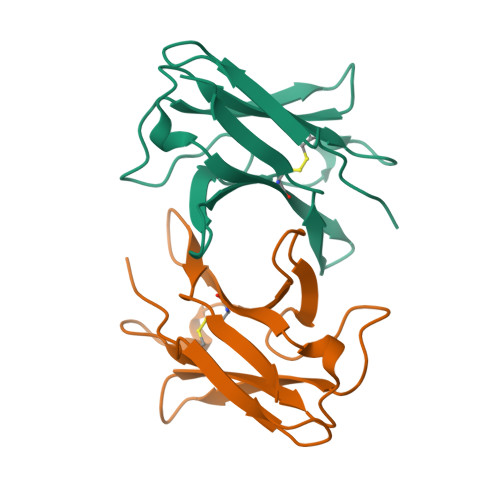
Immunoglobulin lambda variable 6-57 structureClick to view 3D structureImmunoglobulin lambda variable 6-57P01721HumansPredicted (SEA)
Prediction Confidence Score
0.269
Applicability Domain
0.306
Statistical Significance
4.10e-04
Supporting Reference Compounds
2
E-value
3.19182
Dihydrofolate reductase structureClick to view 3D structureDihydrofolate reductaseP00374HumansPredicted (SEA)
Prediction Confidence Score
0.268
Applicability Domain
0.348
Statistical Significance
0.0109
Supporting Reference Compounds
156
E-value
85.2449
NAD-dependent histone deacetylase SIR2 structureClick to view 3D structureNAD-dependent histone deacetylase SIR2P06700Saccharomyces cerevisiae S288cPredicted (SEA)
Prediction Confidence Score
0.259
Applicability Domain
0.259 Low confidence
Statistical Significance
3.40e-04
Supporting Reference Compounds
1
E-value
2.64687
Click to view 3D structureBeta LactamaseQ932Y6Pseudomonas aeruginosaPredicted (SEA)
Prediction Confidence Score
0.255
Applicability Domain
0.343
Statistical Significance
0.0211
Supporting Reference Compounds
91
E-value
164.34
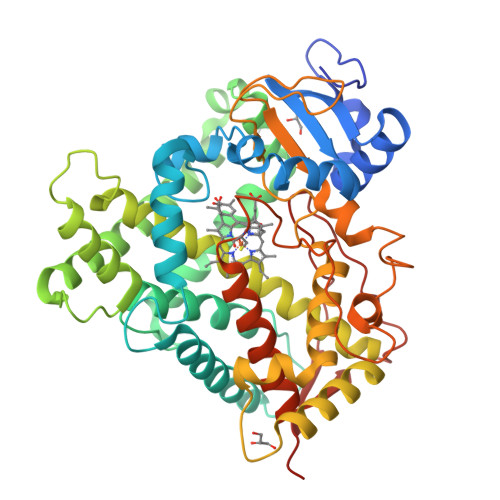
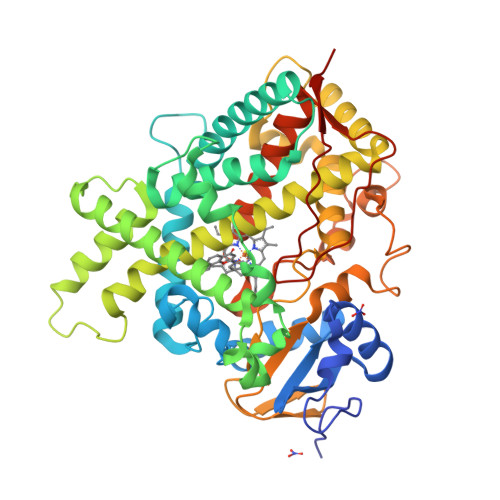
Cytochrome P450 2C19 structureClick to view 3D structureCytochrome P450 2C19P33261HumansPredicted (SEA)
Prediction Confidence Score
0.251
Applicability Domain
0.464
Statistical Significance
0.3502
Supporting Reference Compounds
825
E-value
2726.12
Carbonic anhydrase 9 structureClick to view 3D structureCarbonic anhydrase 9Q16790HumansPredicted (SEA)
Prediction Confidence Score
0.247
Applicability Domain
0.437
Statistical Significance
0.1454
Supporting Reference Compounds
372
E-value
1131.69
Carbonic anhydrase 7 structureClick to view 3D structureCarbonic anhydrase 7P43166HumansPredicted (SEA)
Prediction Confidence Score
0.247
Applicability Domain
0.437
Statistical Significance
0.0932
Supporting Reference Compounds
242
E-value
725.788
Cytochrome P450 1A2 structureClick to view 3D structureCytochrome P450 1A2P05177HumansPredicted (SEA)
Prediction Confidence Score
0.247
Applicability Domain
0.273 Low confidence
Statistical Significance
0.3835
Supporting Reference Compounds
793
E-value
2985.52
Cytochrome P450 1A1 structureClick to view 3D structureCytochrome P450 1A1P04798HumansPredicted (SEA)
Prediction Confidence Score
0.247
Applicability Domain
0.273 Low confidence
Statistical Significance
0.024
Supporting Reference Compounds
77
E-value
186.838
Click to view 3D structureCarboxylic ester hydrolaseA0A286ZKB1Sus scrofaPredicted (SEA)
Prediction Confidence Score
0.247
Applicability Domain
0.273 Low confidence
Statistical Significance
0.0015
Supporting Reference Compounds
9
E-value
11.5995
Cytochrome P450 1B1 structureClick to view 3D structureCytochrome P450 1B1Q16678HumansPredicted (SEA)
Prediction Confidence Score
0.243
Applicability Domain
0.273 Low confidence
Statistical Significance
0.0344
Supporting Reference Compounds
88
E-value
267.568
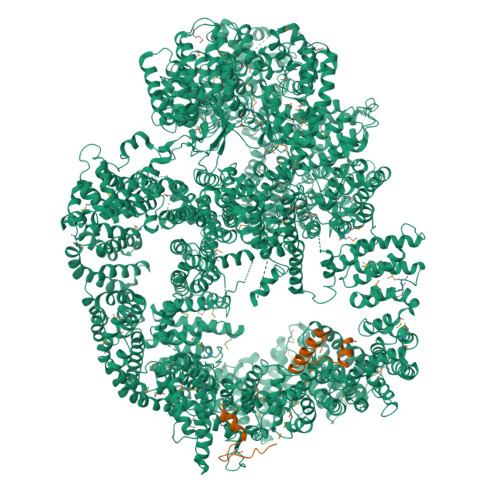
DNA-dependent protein kinase catalytic subunit structureClick to view 3D structureDNA-dependent protein kinase catalytic subunitP78527HumansPredicted (SEA)
Prediction Confidence Score
0.242
Applicability Domain
0.273 Low confidence
Statistical Significance
0.083
Supporting Reference Compounds
219
E-value
646.149
Carbonic anhydrase 14 structureClick to view 3D structureCarbonic anhydrase 14Q9ULX7HumansPredicted (SEA)
Prediction Confidence Score
0.24
Applicability Domain
0.437
Statistical Significance
0.0884
Supporting Reference Compounds
172
E-value
688.499
Click to view 3D structureCarbonic anhydrase 5B, mitochondrialQ9Y2D0HumansPredicted (SEA)
Prediction Confidence Score
0.239
Applicability Domain
0.437
Statistical Significance
0.0642
Supporting Reference Compounds
157
E-value
499.714
Carbonic anhydrase 12 structureClick to view 3D structureCarbonic anhydrase 12O43570HumansPredicted (SEA)
Prediction Confidence Score
0.238
Applicability Domain
0.437
Statistical Significance
0.172
Supporting Reference Compounds
332
E-value
1338.93
Carbonic anhydrase 6 structureClick to view 3D structureCarbonic anhydrase 6P23280HumansPredicted (SEA)
Prediction Confidence Score
0.238
Applicability Domain
0.437
Statistical Significance
0.0665
Supporting Reference Compounds
151
E-value
517.619
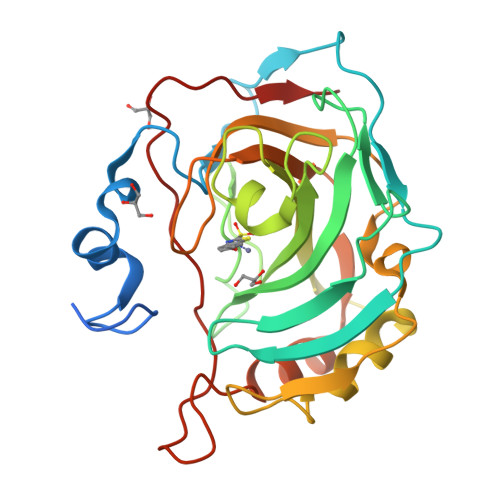
Carbonic anhydrase 2 structureClick to view 3D structureCarbonic anhydrase 2P00918HumansPredicted (SEA)
Prediction Confidence Score
0.236
Applicability Domain
0.437
Statistical Significance
0.2471
Supporting Reference Compounds
472
E-value
1924.04
Carbonic anhydrase 1 structureClick to view 3D structureCarbonic anhydrase 1P00915HumansPredicted (SEA)
Prediction Confidence Score
0.236
Applicability Domain
0.437
Statistical Significance
0.2087
Supporting Reference Compounds
407
E-value
1624.71
Click to view 3D structureCarbonic anhydrase 5A, mitochondrialP35218HumansPredicted (SEA)
Prediction Confidence Score
0.235
Applicability Domain
0.437
Statistical Significance
0.0984
Supporting Reference Compounds
165
E-value
766.036
Sterol carrier protein 2 structureClick to view 3D structureSterol carrier protein 2P22307HumansPredicted (SEA)
Prediction Confidence Score
0.233
Applicability Domain
0.233 Low confidence
Statistical Significance
0.0045
Supporting Reference Compounds
1
E-value
34.8764
Concentrations
Not Available
External Links
DrugBank IDNot Available
HMDB IDNot Available
FooDB IDNot Available
Phenol Explorer IDNot Available
KNApSAcK IDNot Available
BiGG IDNot Available
BioCyc IDNot Available
METLIN IDNot Available
PDB IDNot Available
Wikipedia LinkNot Available
Chemspider IDNot Available
ChEBI IDNot Available
PubChem Compound ID117321
Kegg Compound IDNot Available
YMDB IDNot Available
ECMDB IDNot Available
References
Synthesis ReferenceNot Available
MSDSNot Available
General ReferencesNot Available