7,7,9(or 7,9,9)-trimethyl-4,13-dioxo-3,14-dioxa-5,12-diazahexadecane-1,16-diyl bismethacrylate (CED0022469)

Record Information
Version1.0
Creation Date2016-06-03 12:15:54 UTC
Update Date2026-08-22 02:12:17 UTC
SynCED IDCED0022469
Secondary Accession Numbers
  • CHEM044456
Identification
Common Name7,7,9(or 7,9,9)-trimethyl-4,13-dioxo-3,14-dioxa-5,12-diazahexadecane-1,16-diyl bismethacrylate
ClassSmall Molecule
Description
7,7,9(or 7,9,9)-trimethyl-4,13-dioxo-3,14-dioxa-5,12-diazahexadecane-1,16-diyl bismethacrylate belongs to the dicarboxylic acids and derivatives, a subclass of carboxylic acids and derivatives within the organic compounds. This compound has the chemical formula C23H38N2O8 and an average molecular weight of 470.56 g/mol. In industrial applications, it is utilized as a hardener and as a monomer. The substance has been identified in six recorded sources, including household cleaning and consumer products such as non electric simulated smoking devices, as well as drinking water and water supply. It is also found in electrical and electronic equipment, specifically in magnets, television systems, still video cameras, and electric hearing aids. Regarding human exposure, the recorded route is oral.
Contaminant TypeNot Available
Chemical Structure
SynonymsNot Available
Chemical FormulaC23H38N2O8
Average Molecular Mass470.563 g/mol
Monoisotopic Mass470.263 g/mol
CAS Registry Number72869-86-4
IUPAC Name2-{[(6-{[hydroxy({2-[(2-methylprop-2-enoyl)oxy]ethoxy})methylidene]amino}-2,2,4-trimethylhexyl)-C-hydroxycarbonimidoyl]oxy}ethyl 2-methylprop-2-enoate
Traditional Name2-{[(6-{[hydroxy({2-[(2-methylprop-2-enoyl)oxy]ethoxy})methylidene]amino}-2,2,4-trimethylhexyl)-C-hydroxycarbonimidoyl]oxy}ethyl 2-methylprop-2-enoate
SMILESCC(CCN=C(O)OCCOC(=O)C(C)=C)CC(C)(C)CN=C(O)OCCOC(=O)C(C)=C
InChI IdentifierInChI=1S/C23H38N2O8/c1-16(2)19(26)30-10-12-32-21(28)24-9-8-18(5)14-23(6,7)15-25-22(29)33-13-11-31-20(27)17(3)4/h18H,1,3,8-15H2,2,4-7H3,(H,24,28)(H,25,29)
InChI KeyUEKHZPDUBLCUHN-UHFFFAOYSA-N
Chemical Taxonomy
Description Belongs to the class of organic compounds known as dicarboxylic acids and derivatives. These are organic compounds containing exactly two carboxylic acid groups.
KingdomOrganic compounds
Super ClassOrganic acids and derivatives
ClassCarboxylic acids and derivatives
Sub ClassDicarboxylic acids and derivatives
Direct ParentDicarboxylic acids and derivatives
Alternative Parents
Substituents
  • Dicarboxylic acid or derivatives
  • Alpha,beta-unsaturated carboxylic ester
  • Enoate ester
  • Carbamic acid ester
  • Carbonic acid derivative
  • Carboxylic acid ester
  • Organic nitrogen compound
  • Organic oxygen compound
  • Organopnictogen compound
  • Organic oxide
  • Hydrocarbon derivative
  • Organooxygen compound
  • Organonitrogen compound
  • Carbonyl group
  • Aliphatic acyclic compound
Molecular FrameworkAliphatic acyclic compounds
External DescriptorsNot Available
Biological Properties
StatusDetected and Not Quantified
OriginNot Available
Cellular LocationsNot Available
Biofluid LocationsNot Available
Tissue LocationsNot Available
ApplicationsNot Available
Biological Roles
Chemical RolesNot Available
Organoleptic EffectsNot Available
Physical Properties
StateNot Available
AppearanceNot Available
Experimental Properties
PropertyValue
Melting PointNot Available
Boiling PointNot Available
SolubilityNot Available
Predicted Properties
PropertyValueSource
Water Solubility0.0019 g/LALOGPS
logP2.94ALOGPS
logP5.31ChemAxon
logS-5.4ALOGPS
pKa (Strongest Acidic)4.12ChemAxon
pKa (Strongest Basic)2.94ChemAxon
Physiological Charge0ChemAxon
Hydrogen Acceptor Count8ChemAxon
Hydrogen Donor Count2ChemAxon
Polar Surface Area136.24 ŲChemAxon
Rotatable Bond Count19ChemAxon
Refractivity122.61 m³·mol⁻¹ChemAxon
Polarizability51.87 ųChemAxon
Number of Rings0ChemAxon
BioavailabilityNoChemAxon
Rule of FiveNoChemAxon
Ghose FilterNoChemAxon
Veber's RuleNoChemAxon
MDDR-like RuleNoChemAxon
Spectra
Spectra
Spectrum TypeDescriptionSplash KeyDeposition DateView
Predicted LC-MS/MSPredicted LC-MS/MS Spectrumsplash10-03xr-2229100000-23e0c6a64162428d41afNot AvailableView Spectrum
Predicted LC-MS/MSPredicted LC-MS/MS Spectrumsplash10-03dl-7957100000-e4c1045ff5134dc4f4adNot AvailableView Spectrum
Predicted LC-MS/MSPredicted LC-MS/MS Spectrumsplash10-0mi6-4923000000-edbf769f2b3859834f56Not AvailableView Spectrum
Predicted LC-MS/MSPredicted LC-MS/MS Spectrumsplash10-000i-5549100000-419cacb3f6b39cc6e7a9Not AvailableView Spectrum
Predicted LC-MS/MSPredicted LC-MS/MS Spectrumsplash10-03kl-9854000000-611421e6f72ed3eee084Not AvailableView Spectrum
Predicted LC-MS/MSPredicted LC-MS/MS Spectrumsplash10-000i-7911000000-e9a0e8f1439dd5e10feeNot AvailableView Spectrum
Toxicity Profile
Toxicity Values
Toxicity ValueOrganismDose DescriptorRoute of ExposurePredicted or ExperimentalToxicity RatingReference
8801.0 Log mg/kg [4900:16000]RatLD50oralpredictedNot AvailableNot Available
Toxicity / Toxin ClassNot Available
Mechanism of ToxicityNot Available
Carcinogenicity (IARC Classification)Not Available
Minimum Risk LevelNot Available
SymptomsNot Available
TreatmentNot Available
Health Effects
Health EffectRelationshipDirectionDescriptionReference
necrosisAssociated With?Not AvailableA disorder characterized as a form of cell injury which results in the premature death of cells in living tissue by autolysis.PMC9029723 , PMC13285881
allergic diseaseAssociated With?Not AvailableAllergic diseases, also known as allergies, are a number of conditions caused by hypersensitivity of the immune system to typically harmless substances in the environment. These diseases include hay fever, food allergies, atopic dermatitis, allergic asthma, and anaphylaxis. Symptoms may include red eyes, an itchy rash, sneezing, a runny nose, shortness of breath, or swelling. Common allergens include pollen and certain foods. Metals and other substances may also cause allergies. Food, insect stings, and medications are common causes of severe allergic reactions. Allergies can be due to both genetic and environmental factors. The underlying mechanism involves immunoglobulin E antibodies (IgE) binding to an allergen and then to a receptor on mast cells or basophils where it triggers the release of inflammatory chemicals such as histamine. Allergies are among the most common conditions in the world. In the developed world, about 20% of people are affected by allergic rhinitis, about 6% of people have at least one food allergy, and about 20% have atopic dermatitis at some point in time.PMC9735919
Oxidative StressAssociated With?increaseNot AvailablePMC8060203
DNA DamageAssociated With?Not AvailableNot AvailablePMC9029723
ApoptosisAssociated With?Not AvailableNot AvailablePMC9029723
Exposure Sources
Source IDSourceSectorReference
CEDs000081Sealants?Sealants are materials used to fill gaps, prevent leakage, and provide protection against environmental elements in various applications, particularly in the construction of buildings and infrastructure.Building & ConstructionPMC11053636
CEDs000115Drinking water?Drinking water can be a medium for synthetic chemical contamination, often originating from various industrial processes and agricultural practices.Drinking water & water supplyNot Available
CEDs000240Dental materials?Dental materials, including composites, adhesives, and dental amalgams, are widely used in restorative and preventive dental procedures.Healthcare, pharmaceuticals & veterinary productsPMC8196897 , PMC4784161
CEDs000516Electric Hearing Aids?Electric hearing aids are small electronic devices designed to amplify sound for individuals with hearing loss.Electrical & Electronic EquipmentPubChem
CEDs000518Electrically Stimulated Smoking Devices?Electrically stimulated smoking devices, commonly known as e-cigarettes or vape pens, utilize electrical components to heat a liquid solution, often containing nicotine, flavorings, and other additives, to produce an aerosol for inhalation.Electrical & Electronic EquipmentPubChem
CEDs000519Electrodes?Electrodes, used in various electrical and electronic applications, can be a source of synthetic chemical contamination due to the materials from which they are constructed and the processes involved in their manufacturing.Electrical & Electronic EquipmentPubChem
CEDs000524Hybrid Capacitors?Hybrid capacitors are energy storage devices that combine the properties of electrolytic and supercapacitors, utilizing a combination of electrochemical principles to achieve higher energy density and power density.Electrical & Electronic EquipmentPubChem
CEDs000527Magnets?Magnets, commonly used in various electrical and electronic applications, can be a source of synthetic chemical contamination due to the materials used in their production.Electrical & Electronic EquipmentPubChem
CEDs000534Still Video Cameras?Still video cameras, which capture images in digital format, can be a source of synthetic chemical contamination due to the materials and components used in their production and operation.Electrical & Electronic EquipmentPubChem
CEDs000537Television Systems?Television systems can be a source of synthetic chemical contamination due to the various materials and components used in their manufacture and operation.Electrical & Electronic EquipmentPubChem
CEDs000559Non Electric Simulated Smoking Devices?Non-electric simulated smoking devices, often designed to mimic the experience of smoking without combustion, can be sources of synthetic chemical contamination due to the materials and chemicals used in their construction and operation.Household cleaning & consumer productsPubChem
CEDs000561Perfumes Within Detergents And Soaps?Perfumes within detergents and soaps are synthetic fragrance compounds added to enhance the sensory experience of cleaning products.Household cleaning & consumer productsPubChem
CEDs000569Tobacco Smoke Filters?Tobacco smoke filters are designed to reduce the inhalation of harmful substances in cigarette smoke, including tar and other particulate matter.Household cleaning & consumer productsPubChem
CEDs000606Plant Growth Regulators?Plant Growth Regulators (PGRs) are synthetic chemicals designed to influence the growth and development of plants.Agriculture & land managementPubChem
CEDs000609Aftershave?Aftershave is a grooming product typically used to soothe and protect the skin following shaving.Personal care & cosmeticsPubChem
CEDs000611Anti Perspirants Or Body Deoderants?Antiperspirants and body deodorants commonly contain synthetic chemicals such as aluminum compounds, parabens, and synthetic fragrances.Personal care & cosmeticsPubChem
CEDs000615Eye Makeup Products?Eye makeup products, including mascaras, eyeliners, and eyeshadows, often contain a variety of synthetic chemicals such as pigments, preservatives, and film-forming agents.Personal care & cosmeticsPubChem
CEDs000617Lip Care Products?Lip care products, including lipsticks, balms, and glosses, often contain a variety of synthetic chemicals such as parabens, phthalates, and synthetic fragrances.Personal care & cosmeticsPubChem
CEDs000619Manicure Pedicure?Manicure and pedicure procedures often involve the use of various synthetic chemicals, including solvents, nail polishes, and nail adhesives.Personal care & cosmeticsPubChem
CEDs000632Apparel?Apparel production often involves the use of various synthetic chemicals, including dyes, finishing agents, and preservatives.Textiles, leather & furnishingsPubChem
CEDs000642Footwear?Footwear production often involves the use of various synthetic chemicals, such as adhesives, dyes, and treatments, which can contribute to environmental contamination.Textiles, leather & furnishingsPubChem
CEDs000684Cements?Cements are a composite material primarily used as a binding agent in construction applications, formed by the calcination of limestone and clay minerals at high temperatures.Building & ConstructionPubChem
CEDs000685Ceramics?Ceramics can be a source of synthetic chemical contamination through various additives and processing agents used in their production.Building & ConstructionPubChem
CEDs000686Clay Wares?Clay wares are ceramic products made from natural clay, often utilized in various construction applications such as tiles, bricks, and sanitary ware.Building & ConstructionPubChem
CEDs000688Glass Coatings?Glass coatings are synthetic chemical formulations applied to glass surfaces to enhance properties such as durability, UV resistance, and aesthetic appeal.Building & ConstructionPubChem
CEDs000692Silica Free Oxide Glass?Silica Free Oxide Glass is a type of glass that is produced using alternative materials to traditional silica-based formulations.Building & ConstructionPubChem
CEDs000693Silica Glass?Silica glass, primarily composed of silicon dioxide (SiO2), is widely used in various applications, including windows, glass facades, and insulation materials.Building & ConstructionPubChem
CEDs000696Nanotechnology?Nanotechnology involves the manipulation of materials at the molecular or atomic level, typically within the range of 1 to 100 nanometers.Industrial manufacturing & chemical processingPubChem
CEDs000698Jewellery?Jewellery production often involves the use of various synthetic chemicals during the extraction and processing of metals.Mining & metal processingPubChem
CEDs000727Printing Machines Or Presses?Printing machines or presses commonly utilize synthetic chemicals such as inks, solvents, and cleaning agents.Paper, pulp & fiber productsPubChem
CEDs000739Inks?Inks are complex mixtures composed of pigments or dyes, solvents, resins, and additives used primarily for printing and writing applications.Paper, pulp & fiber productsPubChem
CEDs000741Pigment Pastes?Pigment pastes are concentrated dispersions of pigments used to impart color and properties to materials.Paper, pulp & fiber productsPubChem
CEDs000744Water, Wastewater, & Sewage Treatment?Water, wastewater, and sewage treatment processes are critical for managing and mitigating pollutants in water systems.Wastewater, sanitation & biosolidsPubChem
CEDs01088Dental Resin CompositesHealthcare, pharmaceuticals & veterinary productsPMC11505629 , PMC12567253
CEDs01089Dental CompositesHealthcare, pharmaceuticals & veterinary productsPMC9029723 , PMC4788384
CEDs01110Dental ResinsHealthcare, pharmaceuticals & veterinary productsPMC12106941 , PMC12106941
CEDs01120Resin-based Dental MaterialsHealthcare, pharmaceuticals & veterinary productsPMC11053636
CEDs01128Dental Restorative MaterialsHealthcare, pharmaceuticals & veterinary productsPMC8197550 , PMC13101269
CEDs01129Dental ResinHealthcare, pharmaceuticals & veterinary productsPMC13453330
CEDs01879ResinIndustrial manufacturing & chemical processingPMC8196897 , PMC9657082
CEDs01886PlasticIndustrial manufacturing & chemical processingPMC12447060
CEDs01889Composite ResinIndustrial manufacturing & chemical processingPMC6400006
CEDs01890Composite ResinsIndustrial manufacturing & chemical processingPMC4873200 , PMC5039892
CEDs01912Resin MatrixIndustrial manufacturing & chemical processingPMC13390215 , PMC13158252
CEDs01921Resin MaterialsIndustrial manufacturing & chemical processingPMC8196897
CEDs01922Resin MatricesIndustrial manufacturing & chemical processingPMC8196897
CEDs01932Resin CompositesIndustrial manufacturing & chemical processingPMC12138672 , PMC6400006
CEDs01949Resin-based CompositesIndustrial manufacturing & chemical processingPMC10642279
CEDs01957Acrylic ResinIndustrial manufacturing & chemical processingPMC7961351 , PMC7961351
CEDs01968Resin CompositeIndustrial manufacturing & chemical processingPMC9735919 , PMC12395769
CEDs01977Photopolymer ResinIndustrial manufacturing & chemical processingPMC10820731 , PMC10820731
CEDs01979Resin SystemIndustrial manufacturing & chemical processingPMC6872577 , PMC6872577
CEDs01986Resin-based MaterialsIndustrial manufacturing & chemical processingPMC9735919 , PMC11053636
CEDs02255WaterAquatic systems & sedimentsPMC13285881 , PMC10298069
CEDs02739GlueBuilding & ConstructionPMC11837651 , PMC11837651
CEDs02749Resin CementBuilding & ConstructionPMC11837651 , PMC11837651
CEDs02770Universal AdhesivesBuilding & ConstructionPMC11734249
CEDs02773Resin-based sealantsBuilding & ConstructionPMC6023524 , PMC13409396
CEDs02797Adhesive SystemsBuilding & ConstructionPMC11468065
CEDs02810Orthodontic AdhesivesBuilding & ConstructionPMC12113458
Pathways
0 pathwaysPathway Source: PathBank

No pathways found

No metabolic pathways have been associated with this synthetic chemical

Targets
StructureProteinUniProt IDOrganismRelationshipDetails
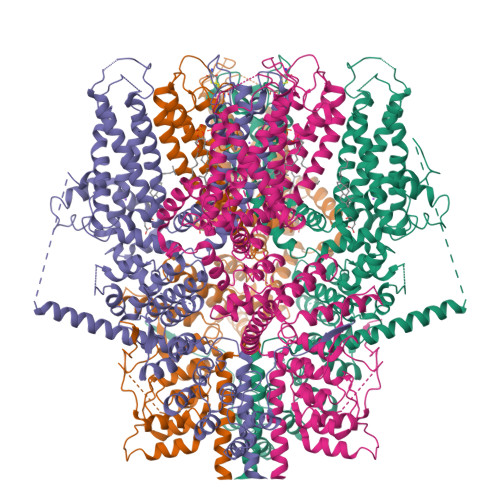
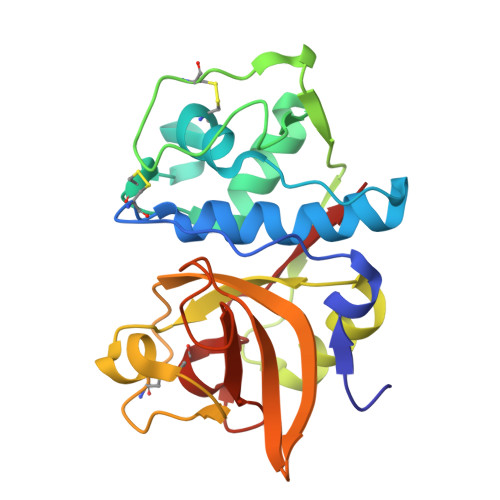
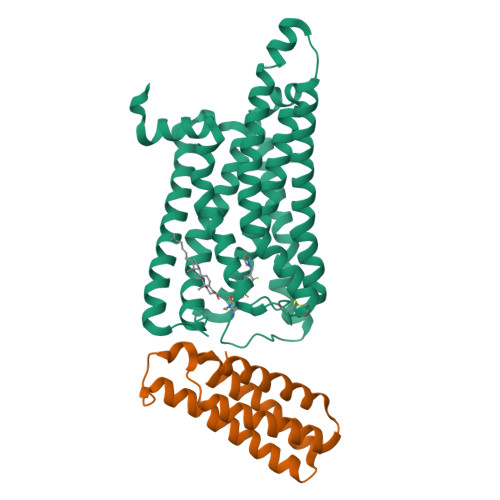
Muscarinic acetylcholine receptor M1 structureClick to view 3D structureMuscarinic acetylcholine receptor M1P11229HumansPredicted (SEA)
Prediction Confidence Score
0.176
Applicability Domain
0.196 Low confidence
Statistical Significance
0.9122
Supporting Reference Compounds
385
E-value
7101.09
Muscarinic acetylcholine receptor M3 structureClick to view 3D structureMuscarinic acetylcholine receptor M3P20309HumansPredicted (SEA)
Prediction Confidence Score
0.176
Applicability Domain
0.196 Low confidence
Statistical Significance
0.878
Supporting Reference Compounds
310
E-value
6834.85
Click to view 3D structureS-methylmethionine--homocysteine S-methyltransferase BHMT2Q9H2M3HumansPredicted (SEA)
Prediction Confidence Score
0.175
Applicability Domain
0.175 Low confidence
Statistical Significance
0.0029
Supporting Reference Compounds
1
E-value
22.8098
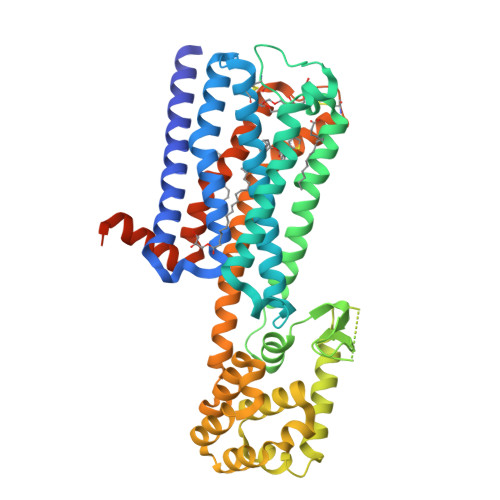
Short transient receptor potential channel 4 structureClick to view 3D structureShort transient receptor potential channel 4Q9QUQ5Mus musculusPredicted (SEA)
Prediction Confidence Score
0.173
Applicability Domain
0.196 Low confidence
Statistical Significance
0.7881
Supporting Reference Compounds
128
E-value
6135.14
Muscarinic acetylcholine receptor M5 structureClick to view 3D structureMuscarinic acetylcholine receptor M5P08912HumansPredicted (SEA)
Prediction Confidence Score
0.172
Applicability Domain
0.196 Low confidence
Statistical Significance
0.8784
Supporting Reference Compounds
266
E-value
6838.12
Muscarinic acetylcholine receptor M2 structureClick to view 3D structureMuscarinic acetylcholine receptor M2P08172HumansPredicted (SEA)
Prediction Confidence Score
0.171
Applicability Domain
0.176 Low confidence
Statistical Significance
0.9393
Supporting Reference Compounds
373
E-value
7312.61
Muscarinic acetylcholine receptor M4 structureClick to view 3D structureMuscarinic acetylcholine receptor M4P08173HumansPredicted (SEA)
Prediction Confidence Score
0.171
Applicability Domain
0.176 Low confidence
Statistical Significance
0.8996
Supporting Reference Compounds
297
E-value
7003.39
Click to view 3D structurePutative inactive group IIC secretory phospholipase A2Q5R387HumansPredicted (SEA)
Prediction Confidence Score
0.169
Applicability Domain
0.169 Low confidence
Statistical Significance
0.0187
Supporting Reference Compounds
1
E-value
145.578
Click to view 3D structurePancreatic alpha-amylaseP00689Rattus norvegicusPredicted (SEA)
Prediction Confidence Score
0.168
Applicability Domain
0.175 Low confidence
Statistical Significance
0.0673
Supporting Reference Compounds
2
E-value
524.315
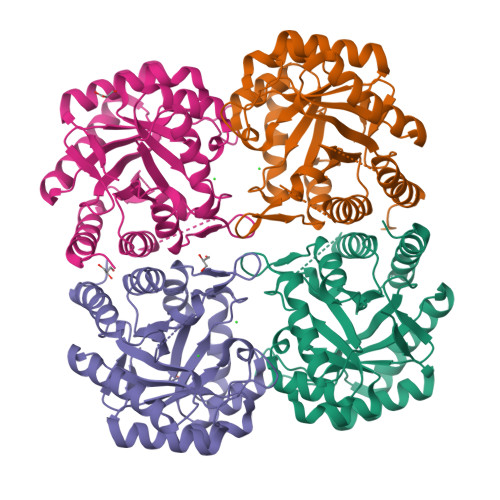
2-dehydro-3-deoxyphosphooctonate aldolase structureClick to view 3D structure2-dehydro-3-deoxyphosphooctonate aldolaseQ9JZ55Neisseria meningitidis serogroup B (strain MC58)Predicted (SEA)
Prediction Confidence Score
0.167
Applicability Domain
0.167 Low confidence
Statistical Significance
0.0032
Supporting Reference Compounds
1
E-value
24.6782
Click to view 3D structureMuscarinic acetylcholine receptor M2P10980Rattus norvegicusPredicted (SEA)
Prediction Confidence Score
0.166
Applicability Domain
0.175 Low confidence
Statistical Significance
0.6098
Supporting Reference Compounds
98
E-value
4747.63
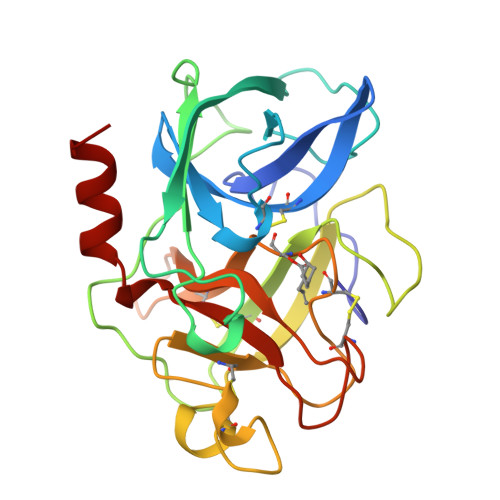
Cathepsin K structureClick to view 3D structureCathepsin KP43235HumansPredicted (SEA)
Prediction Confidence Score
0.166
Applicability Domain
0.181 Low confidence
Statistical Significance
0.7824
Supporting Reference Compounds
129
E-value
6091.08
Click to view 3D structureExcitatory amino acid transporter 3P51907Rattus norvegicusPredicted (SEA)
Prediction Confidence Score
0.164
Applicability Domain
0.164 Low confidence
Statistical Significance
0.0091
Supporting Reference Compounds
1
E-value
70.8428
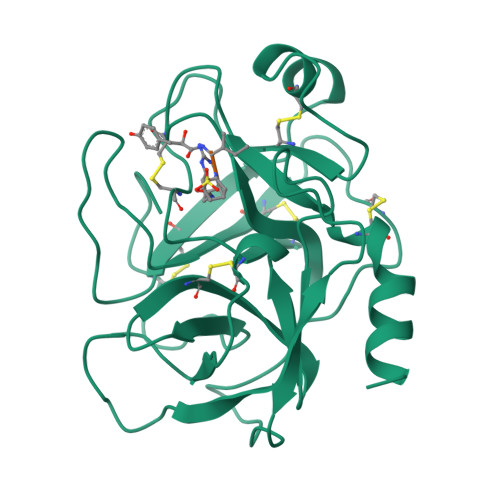
Cathepsin G structureClick to view 3D structureCathepsin GP08311HumansPredicted (SEA)
Prediction Confidence Score
0.163
Applicability Domain
0.176 Low confidence
Statistical Significance
0.6262
Supporting Reference Compounds
55
E-value
4874.76
Chymotrypsin-like elastase family member 2A structureClick to view 3D structureChymotrypsin-like elastase family member 2AP08419Sus scrofaPredicted (SEA)
Prediction Confidence Score
0.163
Applicability Domain
0.176 Low confidence
Statistical Significance
0.3041
Supporting Reference Compounds
23
E-value
2367.39
Cathepsin S structureClick to view 3D structureCathepsin SP25774HumansPredicted (SEA)
Prediction Confidence Score
0.162
Applicability Domain
0.169 Low confidence
Statistical Significance
0.8563
Supporting Reference Compounds
141
E-value
6666.62
Chymotrypsinogen B structureClick to view 3D structureChymotrypsinogen BP00767Bos taurusPredicted (SEA)
Prediction Confidence Score
0.159
Applicability Domain
0.176 Low confidence
Statistical Significance
0.1562
Supporting Reference Compounds
6
E-value
1216.39
Serine protease 1 structureClick to view 3D structureSerine protease 1P00760Bos taurusPredicted (SEA)
Prediction Confidence Score
0.159
Applicability Domain
0.176 Low confidence
Statistical Significance
0.6008
Supporting Reference Compounds
74
E-value
4677.1
Click to view 3D structureUDP-N-acetylmuramoyl-tripeptide--D-alanyl-D-alanine ligaseQ5HMD9Staphylococcus epidermidis (strain ATCC 35984 / RP62A)Predicted (SEA)
Prediction Confidence Score
0.159
Applicability Domain
0.159 Low confidence
Statistical Significance
0.0156
Supporting Reference Compounds
1
E-value
121.6
Click to view 3D structureATP-dependent molecular chaperone HSP82C4YTQ8Candida albicans (strain WO-1) (Yeast)Predicted (SEA)
Prediction Confidence Score
0.159
Applicability Domain
0.172 Low confidence
Statistical Significance
0.89
Supporting Reference Compounds
205
E-value
6928.97
Histamine H3 receptor structureClick to view 3D structureHistamine H3 receptorQ9Y5N1HumansPredicted (SEA)
Prediction Confidence Score
0.156
Applicability Domain
0.186 Low confidence
Statistical Significance
0.9637
Supporting Reference Compounds
294
E-value
7502.33
Click to view 3D structurePeptidyl-glycine alpha-amidating monooxygenaseP19021HumansPredicted (SEA)
Prediction Confidence Score
0.156
Applicability Domain
0.156 Low confidence
Statistical Significance
0.2188
Supporting Reference Compounds
1
E-value
1703.5
Serine protease 1 structureClick to view 3D structureSerine protease 1P07477HumansPredicted (SEA)
Prediction Confidence Score
0.156
Applicability Domain
0.176 Low confidence
Statistical Significance
0.829
Supporting Reference Compounds
112
E-value
6453.39
Chymase structureClick to view 3D structureChymaseP23946HumansPredicted (SEA)
Prediction Confidence Score
0.156
Applicability Domain
0.176 Low confidence
Statistical Significance
0.6206
Supporting Reference Compounds
35
E-value
4831.63
Peroxisome proliferator-activated receptor gamma structureClick to view 3D structurePeroxisome proliferator-activated receptor gammaP37231HumansPredicted (SEA)
Prediction Confidence Score
0.156
Applicability Domain
0.163 Low confidence
Statistical Significance
0.9265
Supporting Reference Compounds
192
E-value
7213.04
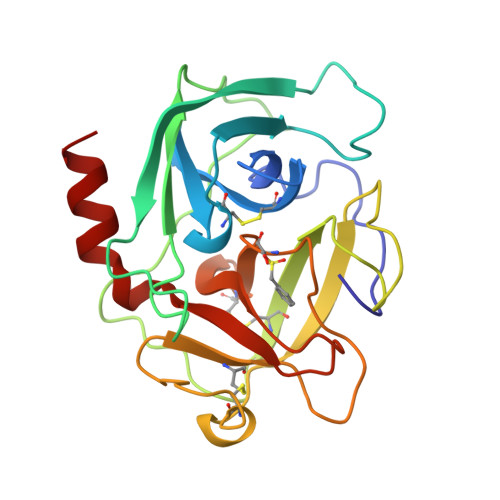
Caspase-3 structureClick to view 3D structureCaspase-3P42574HumansKnownNot Available
Concentrations
Not Available
External Links
DrugBank IDNot Available
HMDB IDNot Available
FooDB IDNot Available
Phenol Explorer IDNot Available
KNApSAcK IDNot Available
BiGG IDNot Available
BioCyc IDNot Available
METLIN IDNot Available
PDB IDNot Available
Wikipedia LinkNot Available
Chemspider IDNot Available
ChEBI IDNot Available
PubChem Compound ID170472
Kegg Compound IDNot Available
YMDB IDNot Available
ECMDB IDNot Available
References
Synthesis ReferenceNot Available
MSDSNot Available
General ReferencesNot Available