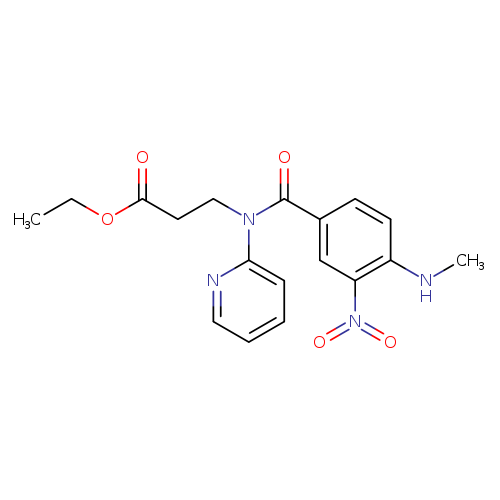
Click to view 3D structure | 5-hydroxytryptamine receptor 1A | P08908 | Humans | Predicted (SEA) | - Prediction Confidence Score
- 0.306
- Applicability Domain
- 0.365
- Statistical Significance
- 0.064
- Supporting Reference Compounds
- 953
- E-value
- 498.624
|
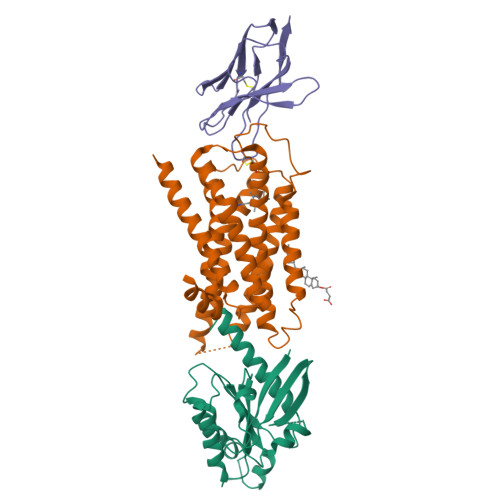 Click to view 3D structure | Alpha-1A adrenergic receptor | P35348 | Humans | Predicted (SEA) | - Prediction Confidence Score
- 0.303
- Applicability Domain
- 0.365
- Statistical Significance
- 0.0348
- Supporting Reference Compounds
- 376
- E-value
- 270.915
|
 Click to view 3D structure | Prothrombin | P00734 | Humans | Predicted (SEA) | - Prediction Confidence Score
- 0.299
- Applicability Domain
- 0.432
- Statistical Significance
- 0.0433
- Supporting Reference Compounds
- 331
- E-value
- 337.399
|
 Click to view 3D structure | DNA damage-inducible transcript 3 protein | P35639 | Mus musculus | Predicted (SEA) | - Prediction Confidence Score
- 0.286
- Applicability Domain
- 0.314
- Statistical Significance
- 0.0144
- Supporting Reference Compounds
- 226
- E-value
- 112.414
|
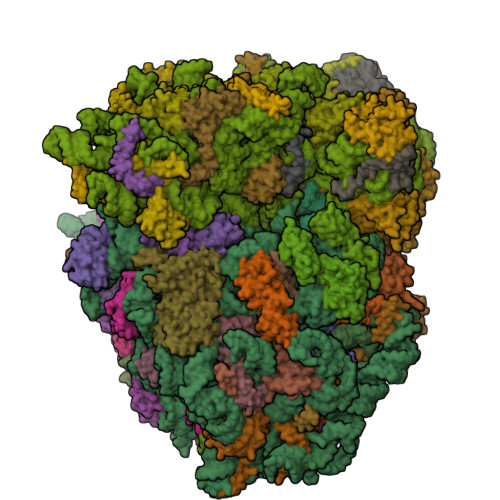 Click to view 3D structure | X-box-binding protein 1 | P17861 | Humans | Predicted (SEA) | - Prediction Confidence Score
- 0.286
- Applicability Domain
- 0.314
- Statistical Significance
- 0.0144
- Supporting Reference Compounds
- 227
- E-value
- 112.414
|
 Click to view 3D structure | Krueppel-like factor 10 | Q13118 | Humans | Predicted (SEA) | - Prediction Confidence Score
- 0.286
- Applicability Domain
- 0.286 Low confidence
- Statistical Significance
- 5.90e-04
- Supporting Reference Compounds
- 1
- E-value
- 4.5931
|
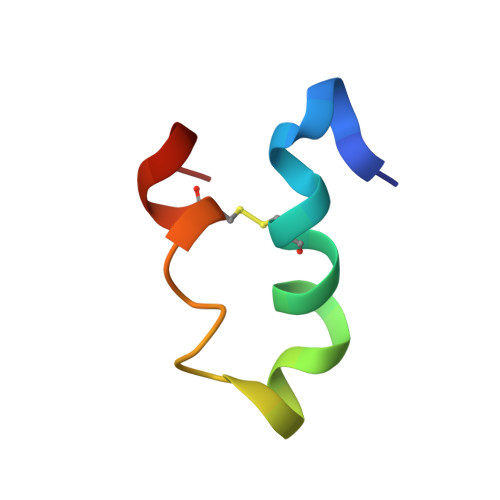 Click to view 3D structure | Sphingosine 1-phosphate receptor 4 | O95977 | Humans | Predicted (SEA) | - Prediction Confidence Score
- 0.283
- Applicability Domain
- 0.333
- Statistical Significance
- 0.0075
- Supporting Reference Compounds
- 117
- E-value
- 58.2312
|
| Click to view 3D structure | Heat shock factor protein 1 | P38532 | Mus musculus | Predicted (SEA) | - Prediction Confidence Score
- 0.278
- Applicability Domain
- 0.301
- Statistical Significance
- 0.0212
- Supporting Reference Compounds
- 166
- E-value
- 164.962
|
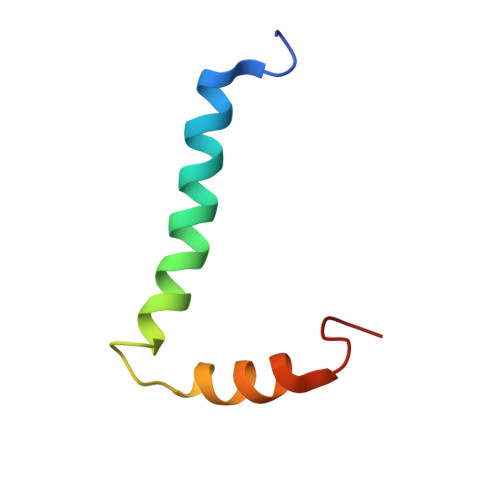 Click to view 3D structure | Toll-like receptor 9 | Q9NR96 | Humans | Predicted (SEA) | - Prediction Confidence Score
- 0.274
- Applicability Domain
- 0.301
- Statistical Significance
- 0.0092
- Supporting Reference Compounds
- 111
- E-value
- 71.5434
|
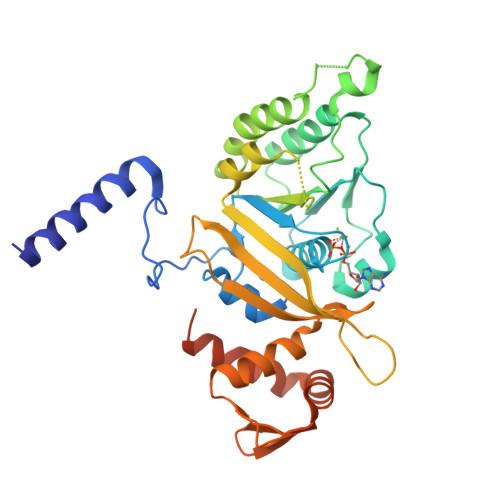 Click to view 3D structure | Protein RecA | P9WHJ3 | Mycobacterium tuberculosis | Predicted (SEA) | - Prediction Confidence Score
- 0.273
- Applicability Domain
- 0.276 Low confidence
- Statistical Significance
- 0.0375
- Supporting Reference Compounds
- 296
- E-value
- 291.701
|
| Click to view 3D structure | Streptokinase A | P10520 | Streptococcus pyogenes serotype M1 | Predicted (SEA) | - Prediction Confidence Score
- 0.273
- Applicability Domain
- 0.295 Low confidence
- Statistical Significance
- 0.0579
- Supporting Reference Compounds
- 425
- E-value
- 450.825
|
 Click to view 3D structure | Fatty acid synthase | P49327 | Humans | Predicted (SEA) | - Prediction Confidence Score
- 0.271
- Applicability Domain
- 0.308
- Statistical Significance
- 0.0159
- Supporting Reference Compounds
- 117
- E-value
- 123.936
|
| Click to view 3D structure | ATP-dependent molecular chaperone HSP82 | C4YTQ8 | Candida albicans (strain WO-1) (Yeast) | Predicted (SEA) | - Prediction Confidence Score
- 0.264
- Applicability Domain
- 0.314
- Statistical Significance
- 0.0355
- Supporting Reference Compounds
- 205
- E-value
- 276.053
|
 Click to view 3D structure | D(4) dopamine receptor | P21917 | Humans | Predicted (SEA) | - Prediction Confidence Score
- 0.263
- Applicability Domain
- 0.277 Low confidence
- Statistical Significance
- 0.1424
- Supporting Reference Compounds
- 524
- E-value
- 1108.26
|
| Click to view 3D structure | Nonstructural protein 1 | Q194T2 | Influenza A virus | Predicted (SEA) | - Prediction Confidence Score
- 0.262
- Applicability Domain
- 0.295 Low confidence
- Statistical Significance
- 0.011
- Supporting Reference Compounds
- 104
- E-value
- 85.6341
|
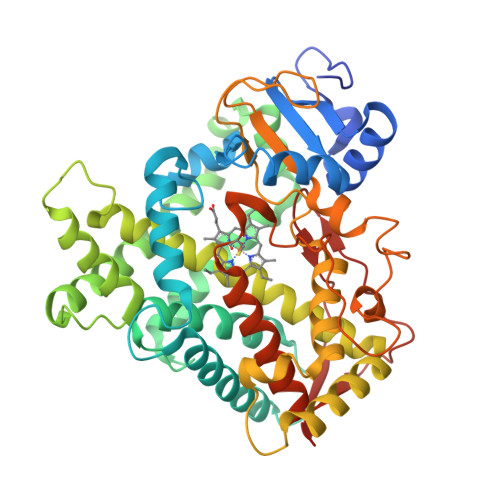 Click to view 3D structure | Cytochrome P450 2C9 | P11712 | Humans | Predicted (SEA) | - Prediction Confidence Score
- 0.261
- Applicability Domain
- 0.284 Low confidence
- Statistical Significance
- 0.3922
- Supporting Reference Compounds
- 1245
- E-value
- 3053.64
|
| Click to view 3D structure | Sentrin-specific protease 6 | Q9GZR1 | Humans | Predicted (SEA) | - Prediction Confidence Score
- 0.261
- Applicability Domain
- 0.286 Low confidence
- Statistical Significance
- 0.0177
- Supporting Reference Compounds
- 93
- E-value
- 137.715
|
 Click to view 3D structure | 5-hydroxytryptamine receptor 7 | P34969 | Humans | Predicted (SEA) | - Prediction Confidence Score
- 0.26
- Applicability Domain
- 0.28 Low confidence
- Statistical Significance
- 0.1373
- Supporting Reference Compounds
- 565
- E-value
- 1068.64
|
 Click to view 3D structure | Sphingosine 1-phosphate receptor 1 | P21453 | Humans | Predicted (SEA) | - Prediction Confidence Score
- 0.26
- Applicability Domain
- 0.333
- Statistical Significance
- 0.0369
- Supporting Reference Compounds
- 126
- E-value
- 287.186
|
 Click to view 3D structure | Kappa-type opioid receptor | P41145 | Humans | Predicted (SEA) | - Prediction Confidence Score
- 0.26
- Applicability Domain
- 0.269 Low confidence
- Statistical Significance
- 0.1633
- Supporting Reference Compounds
- 532
- E-value
- 1271.28
|
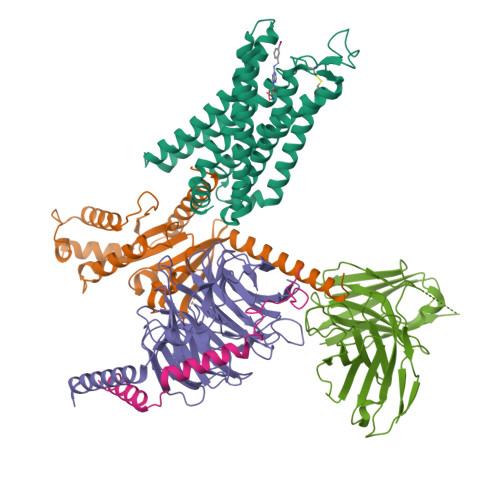 Click to view 3D structure | Adenosine receptor A3 | P0DMS8 | Humans | Predicted (SEA) | - Prediction Confidence Score
- 0.26
- Applicability Domain
- 0.284 Low confidence
- Statistical Significance
- 0.0865
- Supporting Reference Compounds
- 391
- E-value
- 673.396
|
| Click to view 3D structure | Alpha-1B adrenergic receptor | P35368 | Humans | Predicted (SEA) | - Prediction Confidence Score
- 0.256
- Applicability Domain
- 0.267 Low confidence
- Statistical Significance
- 0.096
- Supporting Reference Compounds
- 298
- E-value
- 747.041
|
 Click to view 3D structure | Lysine-specific demethylase 5B | Q9UGL1 | Humans | Predicted (SEA) | - Prediction Confidence Score
- 0.255
- Applicability Domain
- 0.333
- Statistical Significance
- 0.0064
- Supporting Reference Compounds
- 50
- E-value
- 49.7457
|
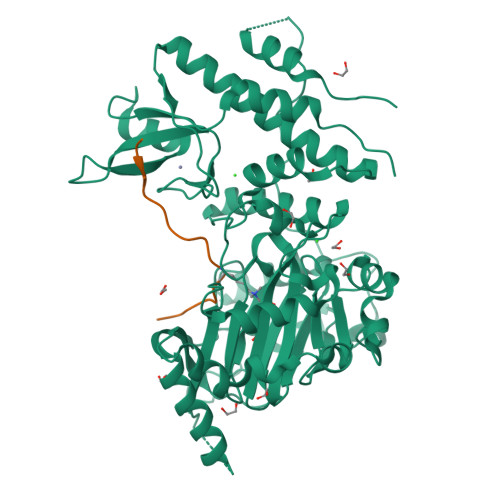 Click to view 3D structure | Lysine-specific demethylase 6A | O15550 | Humans | Predicted (SEA) | - Prediction Confidence Score
- 0.255
- Applicability Domain
- 0.333
- Statistical Significance
- 9.60e-04
- Supporting Reference Compounds
- 12
- E-value
- 7.47353
|
 Click to view 3D structure | Luciferin 4-monooxygenase | P08659 | Photinus pyralis | Predicted (SEA) | - Prediction Confidence Score
- 0.255
- Applicability Domain
- 0.272 Low confidence
- Statistical Significance
- 0.0524
- Supporting Reference Compounds
- 114
- E-value
- 408.008
|