(2S)-5-amino-2-[(aminoacetyl)amino]-5-oxopentanoic acid (CED0064015)

Record Information
Version1.0
Creation Date2016-06-03 12:24:17 UTC
Update Date2026-05-14 19:54:15 UTC
SynCED IDCED0064015
Secondary Accession Numbers
  • CHEM044593
Identification
Common Name(2S)-5-amino-2-[(aminoacetyl)amino]-5-oxopentanoic acid
ClassSmall Molecule
Description
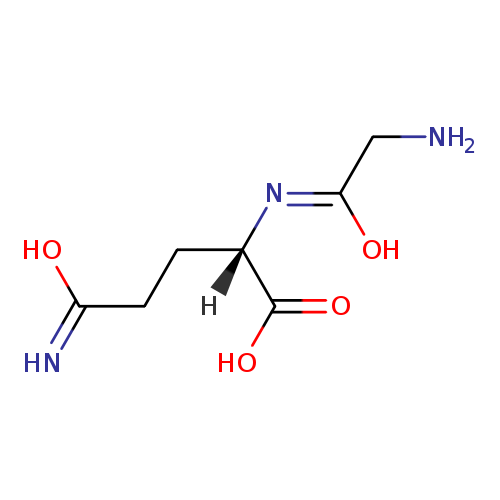
(2S)-5-amino-2-[(aminoacetyl)amino]-5-oxopentanoic acid belongs to the amino acids, peptides, and analogues, a subclass of carboxylic acids and derivatives within the organic compounds. This compound has the formula C7H13N3O4 and an average molecular weight of 203.20 g/mol. It has been identified in two recorded sources: drinking water (Drinking water & water supply) and the preparation of wort (Food, food processing & cookware). The recorded route of exposure for this substance is oral.
Contaminant TypeNot Available
Chemical Structure
Synonyms
ValueSource
Gly-L-GLNChEBI
Glycyl-glutamineChEBI
GlycylglutamineChEBI
GQChEBI
Gly-GLNMeSH
Chemical FormulaC7H13N3O4
Average Molecular Mass203.198 g/mol
Monoisotopic Mass203.091 g/mol
CAS Registry Number13115-71-4
IUPAC Name(2S)-2-[(2-amino-1-hydroxyethylidene)amino]-4-(C-hydroxycarbonimidoyl)butanoic acid
Traditional Name(2S)-2-[(2-amino-1-hydroxyethylidene)amino]-4-(C-hydroxycarbonimidoyl)butanoic acid
SMILES[H][C@@](CCC(O)=N)(N=C(O)CN)C(O)=O
InChI IdentifierInChI=1S/C7H13N3O4/c8-3-6(12)10-4(7(13)14)1-2-5(9)11/h4H,1-3,8H2,(H2,9,11)(H,10,12)(H,13,14)/t4-/m0/s1
InChI KeyPNMUAGGSDZXTHX-BYPYZUCNSA-N
Chemical Taxonomy
Description Belongs to the class of organic compounds known as peptides. Peptides are compounds containing an amide derived from two or more amino carboxylic acid molecules (the same or different) by formation of a covalent bond from the carbonyl carbon of one to the nitrogen atom of another.
KingdomOrganic compounds
Super ClassOrganic acids and derivatives
ClassCarboxylic acids and derivatives
Sub ClassAmino acids, peptides, and analogues
Direct ParentPeptides
Alternative Parents
Substituents
  • Alpha peptide
  • N-acyl-alpha-amino acid
  • N-acyl-alpha amino acid or derivatives
  • Alpha-amino acid or derivatives
  • Fatty acid
  • Amino acid or derivatives
  • Amino acid
  • Carboximidic acid
  • Carboximidic acid derivative
  • Carboxylic acid
  • Monocarboxylic acid or derivatives
  • Propargyl-type 1,3-dipolar organic compound
  • Organic 1,3-dipolar compound
  • Organic oxide
  • Organopnictogen compound
  • Organic oxygen compound
  • Primary aliphatic amine
  • Amine
  • Organic nitrogen compound
  • Organonitrogen compound
  • Organooxygen compound
  • Hydrocarbon derivative
  • Primary amine
  • Carbonyl group
  • Aliphatic acyclic compound
Molecular FrameworkAliphatic acyclic compounds
External Descriptors
Biological Properties
StatusDetected and Not Quantified
OriginNot Available
Cellular LocationsNot Available
Biofluid LocationsNot Available
Tissue LocationsNot Available
ApplicationsNot Available
Biological RolesNot Available
Chemical RolesNot Available
Organoleptic EffectsNot Available
Physical Properties
StateNot Available
AppearanceNot Available
Experimental Properties
PropertyValue
Melting PointNot Available
Boiling PointNot Available
SolubilityNot Available
Predicted Properties
PropertyValueSource
Water Solubility1.16 g/LALOGPS
logP-3.3ALOGPS
logP-6.4ChemAxon
logS-2.2ALOGPS
pKa (Strongest Acidic)-0.61ChemAxon
pKa (Strongest Basic)12.95ChemAxon
Physiological Charge0ChemAxon
Hydrogen Acceptor Count7ChemAxon
Hydrogen Donor Count5ChemAxon
Polar Surface Area139.99 ŲChemAxon
Rotatable Bond Count6ChemAxon
Refractivity57.37 m³·mol⁻¹ChemAxon
Polarizability19.43 ųChemAxon
Number of Rings0ChemAxon
BioavailabilityYesChemAxon
Rule of FiveYesChemAxon
Ghose FilterNoChemAxon
Veber's RuleNoChemAxon
MDDR-like RuleNoChemAxon
Spectra
Spectra
Spectrum TypeDescriptionSplash KeyDeposition DateView
Predicted LC-MS/MSPredicted LC-MS/MS Spectrumsplash10-0f80-2930000000-6eb6e576f6a1c954e02bNot AvailableView Spectrum
Predicted LC-MS/MSPredicted LC-MS/MS Spectrumsplash10-001i-6900000000-ba7e2a14840a47b581f6Not AvailableView Spectrum
Predicted LC-MS/MSPredicted LC-MS/MS Spectrumsplash10-001j-9400000000-9ba58a25592264436379Not AvailableView Spectrum
Predicted LC-MS/MSPredicted LC-MS/MS Spectrumsplash10-0udi-1790000000-158a5aac36bc6c8fa114Not AvailableView Spectrum
Predicted LC-MS/MSPredicted LC-MS/MS Spectrumsplash10-0k96-5910000000-8a26fdb7b6f264ec9d7eNot AvailableView Spectrum
Predicted LC-MS/MSPredicted LC-MS/MS Spectrumsplash10-0006-9100000000-d6a930851b3de6c0f17dNot AvailableView Spectrum
Toxicity Profile
Toxicity Values
Toxicity ValueOrganismDose DescriptorRoute of ExposurePredicted or ExperimentalToxicity RatingReference
3945.0 Log mg/kg [2200:7000]RatLD50oralpredictedNot AvailableNot Available
Toxicity / Toxin ClassNot Available
Mechanism of ToxicityNot Available
Carcinogenicity (IARC Classification)Not Available
Minimum Risk LevelNot Available
SymptomsNot Available
TreatmentNot Available
Health Effects
Health EffectRelationshipDirectionDescriptionReference
Exposure Sources
Source IDSourceSectorReference
CEDs000115Drinking water?Drinking water can be a medium for synthetic chemical contamination, often originating from various industrial processes and agricultural practices.Drinking water & water supplyNot Available
CEDs000518Electrically Stimulated Smoking Devices?Electrically stimulated smoking devices, commonly known as e-cigarettes or vape pens, utilize electrical components to heat a liquid solution, often containing nicotine, flavorings, and other additives, to produce an aerosol for inhalation.Electrical & Electronic EquipmentPubChem
CEDs000545Food Preservation?Food preservation often involves the use of synthetic chemicals, such as preservatives, flavor enhancers, and color additives, to extend shelf life and enhance the sensory qualities of food products.Food, food processing & cookwarePubChem
CEDs000550Preparation Of Wort?The preparation of wort involves the extraction of sugars from malted grains, a crucial step in the brewing process.Food, food processing & cookwarePubChem
CEDs000556Cigar Cigarettes?Cigar cigarettes are a source of synthetic chemical contamination due to the combustion of various tobacco blends and additives.Household cleaning & consumer productsPubChem
CEDs000569Tobacco Smoke Filters?Tobacco smoke filters are designed to reduce the inhalation of harmful substances in cigarette smoke, including tar and other particulate matter.Household cleaning & consumer productsPubChem
CEDs000580Manufacture Preparation Of Tobacco Products?The manufacture and preparation of tobacco products involve various processes that can result in the introduction of synthetic chemicals into the environment.Industrial manufacturing & chemical processingPubChem
CEDs000606Plant Growth Regulators?Plant Growth Regulators (PGRs) are synthetic chemicals designed to influence the growth and development of plants.Agriculture & land managementPubChem
CEDs000609Aftershave?Aftershave is a grooming product typically used to soothe and protect the skin following shaving.Personal care & cosmeticsPubChem
CEDs000610Aftersun Products?Aftersun products are designed to soothe and hydrate the skin after sun exposure, often containing various synthetic chemicals such as emollients, preservatives, and fragrances.Personal care & cosmeticsPubChem
CEDs000611Anti Perspirants Or Body Deoderants?Antiperspirants and body deodorants commonly contain synthetic chemicals such as aluminum compounds, parabens, and synthetic fragrances.Personal care & cosmeticsPubChem
CEDs000613Depilatories?Depilatories are products designed to remove unwanted hair through the application of synthetic chemicals that break down the protein structure of hair, facilitating its removal.Personal care & cosmeticsPubChem
CEDs000614Essential Oils Or Perfumes?Essential oils and perfumes are complex mixtures of volatile compounds derived from natural or synthetic sources, commonly used for their aromatic properties.Personal care & cosmeticsPubChem
CEDs000615Eye Makeup Products?Eye makeup products, including mascaras, eyeliners, and eyeshadows, often contain a variety of synthetic chemicals such as pigments, preservatives, and film-forming agents.Personal care & cosmeticsPubChem
CEDs000617Lip Care Products?Lip care products, including lipsticks, balms, and glosses, often contain a variety of synthetic chemicals such as parabens, phthalates, and synthetic fragrances.Personal care & cosmeticsPubChem
CEDs000618Lip Makeup Products?Lip makeup products, such as lipsticks, lip glosses, and lip liners, often contain a variety of synthetic chemicals, including pigments, preservatives, and emollients.Personal care & cosmeticsPubChem
CEDs000632Apparel?Apparel production often involves the use of various synthetic chemicals, including dyes, finishing agents, and preservatives.Textiles, leather & furnishingsPubChem
CEDs000662Yarns Or Threads?Yarns or threads used in textiles can be a source of synthetic chemical contamination due to the production processes and treatments they undergo.Textiles, leather & furnishingsPubChem
CEDs000679Phosphatic Fertilisers?Phosphatic fertilizers are synthetic chemical products primarily composed of phosphorus, which is essential for plant growth.Agriculture & land managementPubChem
CEDs000696Nanotechnology?Nanotechnology involves the manipulation of materials at the molecular or atomic level, typically within the range of 1 to 100 nanometers.Industrial manufacturing & chemical processingPubChem
CEDs000739Inks?Inks are complex mixtures composed of pigments or dyes, solvents, resins, and additives used primarily for printing and writing applications.Paper, pulp & fiber productsPubChem
CEDs000740Paper?Paper production involves the processing of wood fibers and the use of various chemicals, which can lead to synthetic chemical contamination.Paper, pulp & fiber productsPubChem
Pathways
0 pathwaysPathway Source: PathBank

No pathways found

No metabolic pathways have been associated with this synthetic chemical

Targets
StructureProteinUniProt IDOrganismRelationshipDetails
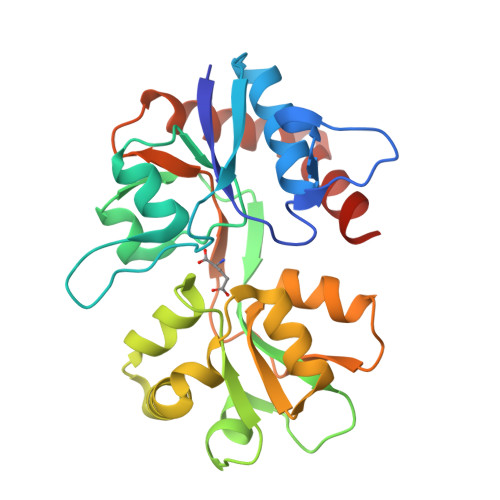
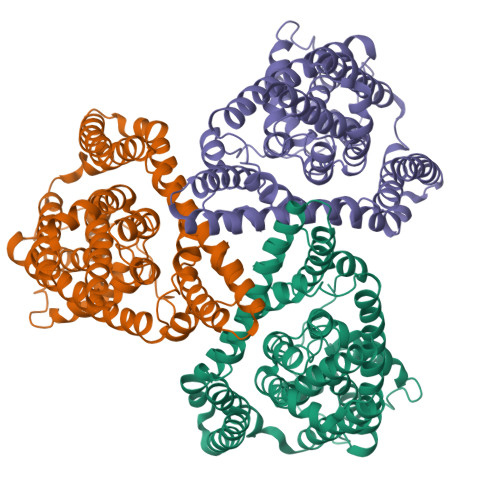
Click to view 3D structureMetabotropic glutamate receptor 8P47743Mus musculusPredicted (SEA)
Prediction Confidence Score
0.258
Applicability Domain
0.286 Low confidence
Statistical Significance
8.20e-04
Supporting Reference Compounds
2
E-value
6.38364
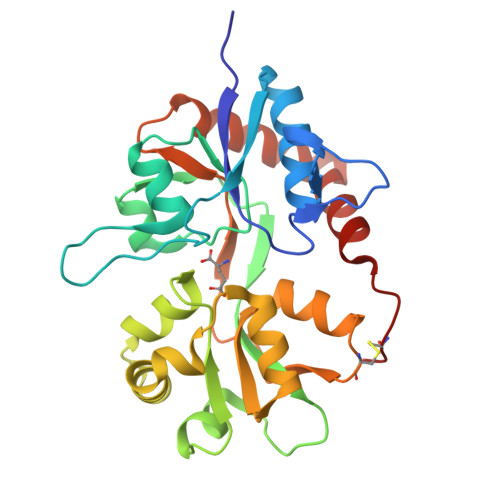
Click to view 3D structureMetabotropic glutamate receptor 2P31421Rattus norvegicusPredicted (SEA)
Prediction Confidence Score
0.258
Applicability Domain
0.286 Low confidence
Statistical Significance
0.01
Supporting Reference Compounds
53
E-value
77.6935
Click to view 3D structureMetabotropic glutamate receptor 6P35349Rattus norvegicusPredicted (SEA)
Prediction Confidence Score
0.24
Applicability Domain
0.286 Low confidence
Statistical Significance
0.0044
Supporting Reference Compounds
24
E-value
34.4872
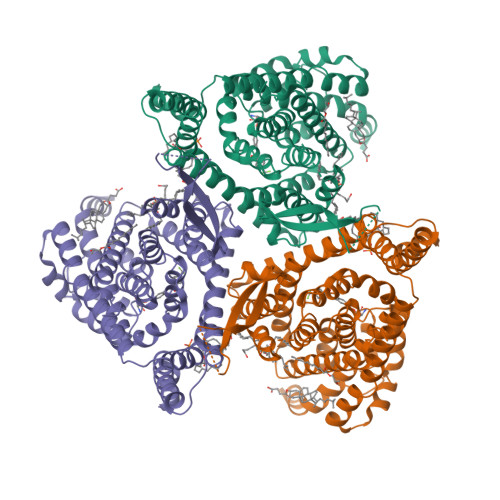
Glutamate receptor ionotropic, kainate 1 structureClick to view 3D structureGlutamate receptor ionotropic, kainate 1P22756Rattus norvegicusPredicted (SEA)
Prediction Confidence Score
0.239
Applicability Domain
0.286 Low confidence
Statistical Significance
0.0042
Supporting Reference Compounds
45
E-value
32.8524
Click to view 3D structureAsc-type amino acid transporter 1P63116RatPredicted (SEA)
Prediction Confidence Score
0.235
Applicability Domain
0.235 Low confidence
Statistical Significance
0.0011
Supporting Reference Compounds
2
E-value
8.25202
Click to view 3D structureSodium- and chloride-dependent GABA transporter 2P31646Rattus norvegicusPredicted (SEA)
Prediction Confidence Score
0.235
Applicability Domain
0.235 Low confidence
Statistical Significance
6.90e-04
Supporting Reference Compounds
1
E-value
5.3716
Excitatory amino acid transporter 3 structureClick to view 3D structureExcitatory amino acid transporter 3P43005HumansPredicted (SEA)
Prediction Confidence Score
0.235
Applicability Domain
0.286 Low confidence
Statistical Significance
0.0094
Supporting Reference Compounds
13
E-value
72.9447
Click to view 3D structureMetabotropic glutamate receptor 4P31423Rattus norvegicusPredicted (SEA)
Prediction Confidence Score
0.233
Applicability Domain
0.286 Low confidence
Statistical Significance
0.0342
Supporting Reference Compounds
38
E-value
265.933
Glutamate receptor ionotropic, kainate 3 structureClick to view 3D structureGlutamate receptor ionotropic, kainate 3P42264Rattus norvegicusPredicted (SEA)
Prediction Confidence Score
0.233
Applicability Domain
0.286 Low confidence
Statistical Significance
0.0037
Supporting Reference Compounds
26
E-value
28.4928
Glutamate receptor ionotropic, kainate 2 structureClick to view 3D structureGlutamate receptor ionotropic, kainate 2P42260Rattus norvegicusPredicted (SEA)
Prediction Confidence Score
0.233
Applicability Domain
0.286 Low confidence
Statistical Significance
0.0012
Supporting Reference Compounds
18
E-value
9.73115
Nitric oxide synthase, inducible structureClick to view 3D structureNitric oxide synthase, inducibleP35228HumansPredicted (SEA)
Prediction Confidence Score
0.231
Applicability Domain
0.262 Low confidence
Statistical Significance
0.0084
Supporting Reference Compounds
47
E-value
65.3933
Click to view 3D structureN-acetylaspartylglutamate synthase AQ8IXN7HumansPredicted (SEA)
Prediction Confidence Score
0.231
Applicability Domain
0.231 Low confidence
Statistical Significance
0.0025
Supporting Reference Compounds
1
E-value
19.618
Click to view 3D structureMetabotropic glutamate receptor 8P70579Rattus norvegicusPredicted (SEA)
Prediction Confidence Score
0.23
Applicability Domain
0.286 Low confidence
Statistical Significance
0.015
Supporting Reference Compounds
28
E-value
116.54
Click to view 3D structureMetabotropic glutamate receptor 6O15303HumansPredicted (SEA)
Prediction Confidence Score
0.228
Applicability Domain
0.286 Low confidence
Statistical Significance
0.0202
Supporting Reference Compounds
39
E-value
156.944
Betaine--homocysteine S-methyltransferase 1 structureClick to view 3D structureBetaine--homocysteine S-methyltransferase 1Q93088HumansPredicted (SEA)
Prediction Confidence Score
0.227
Applicability Domain
0.227 Low confidence
Statistical Significance
0.0011
Supporting Reference Compounds
1
E-value
8.32987
Arginase-2, mitochondrial structureClick to view 3D structureArginase-2, mitochondrialP78540HumansPredicted (SEA)
Prediction Confidence Score
0.226
Applicability Domain
0.262 Low confidence
Statistical Significance
9.90e-04
Supporting Reference Compounds
7
E-value
7.70707
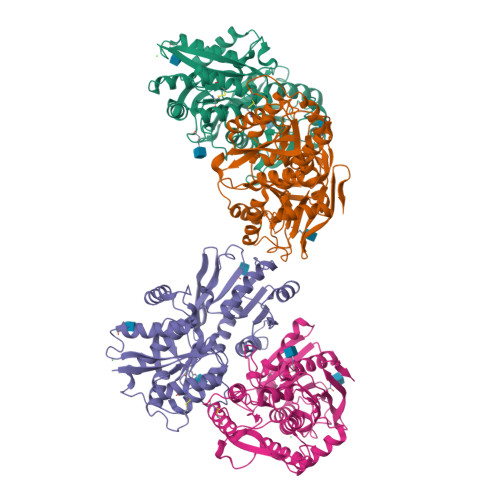
Metabotropic glutamate receptor 4 structureClick to view 3D structureMetabotropic glutamate receptor 4Q14833HumansPredicted (SEA)
Prediction Confidence Score
0.225
Applicability Domain
0.286 Low confidence
Statistical Significance
0.0796
Supporting Reference Compounds
69
E-value
619.602
Metabotropic glutamate receptor 8 structureClick to view 3D structureMetabotropic glutamate receptor 8O00222HumansPredicted (SEA)
Prediction Confidence Score
0.223
Applicability Domain
0.286 Low confidence
Statistical Significance
0.0183
Supporting Reference Compounds
48
E-value
142.308
Arginase structureClick to view 3D structureArginaseQ8I384Plasmodium falciparumPredicted (SEA)
Prediction Confidence Score
0.22
Applicability Domain
0.22 Low confidence
Statistical Significance
0.0012
Supporting Reference Compounds
1
E-value
9.26406
Metabotropic glutamate receptor 3 structureClick to view 3D structureMetabotropic glutamate receptor 3P31422Rattus norvegicusPredicted (SEA)
Prediction Confidence Score
0.218
Applicability Domain
0.286 Low confidence
Statistical Significance
0.0336
Supporting Reference Compounds
39
E-value
261.496
Glutamate receptor ionotropic, kainate 1 structureClick to view 3D structureGlutamate receptor ionotropic, kainate 1P39086HumansPredicted (SEA)
Prediction Confidence Score
0.214
Applicability Domain
0.286 Low confidence
Statistical Significance
0.0051
Supporting Reference Compounds
31
E-value
39.781
Metabotropic glutamate receptor 1 structureClick to view 3D structureMetabotropic glutamate receptor 1P23385Rattus norvegicusPredicted (SEA)
Prediction Confidence Score
0.213
Applicability Domain
0.286 Low confidence
Statistical Significance
0.0665
Supporting Reference Compounds
45
E-value
517.542
Metabotropic glutamate receptor 2 structureClick to view 3D structureMetabotropic glutamate receptor 2Q14416HumansPredicted (SEA)
Prediction Confidence Score
0.212
Applicability Domain
0.286 Low confidence
Statistical Significance
0.1324
Supporting Reference Compounds
85
E-value
1030.88
Arginase-1 structureClick to view 3D structureArginase-1P05089HumansPredicted (SEA)
Prediction Confidence Score
0.211
Applicability Domain
0.262 Low confidence
Statistical Significance
9.70e-04
Supporting Reference Compounds
8
E-value
7.55137
Glutamate transporter homolog structureClick to view 3D structureGlutamate transporter homologO59010Pyrococcus horikoshii (strain ATCC 700860 / DSM 12428 / JCM 9974 /NBRC 100139 / OT-3)Predicted (SEA)
Prediction Confidence Score
0.209
Applicability Domain
0.229 Low confidence
Statistical Significance
0.002
Supporting Reference Compounds
3
E-value
15.492
Concentrations
Not Available
External Links
DrugBank IDNot Available
HMDB IDNot Available
FooDB IDNot Available
Phenol Explorer IDNot Available
KNApSAcK IDNot Available
BiGG IDNot Available
BioCyc IDCPD-13394
METLIN IDNot Available
PDB IDNot Available
Wikipedia LinkNot Available
Chemspider IDNot Available
ChEBI ID73898
PubChem Compound ID123913
Kegg Compound IDNot Available
YMDB IDNot Available
ECMDB IDNot Available
References
Synthesis ReferenceNot Available
MSDSNot Available
General ReferencesNot Available