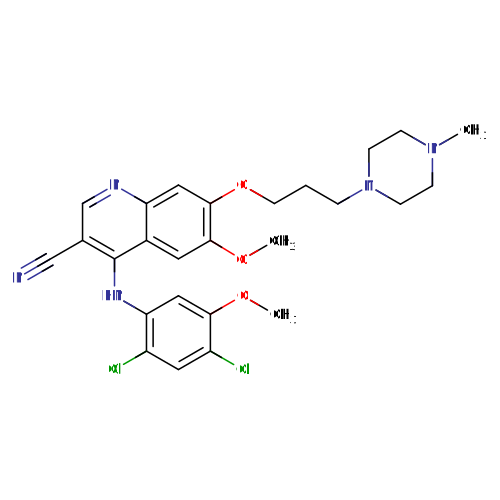
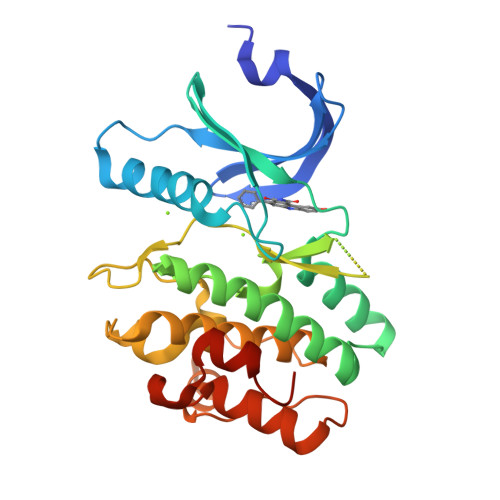
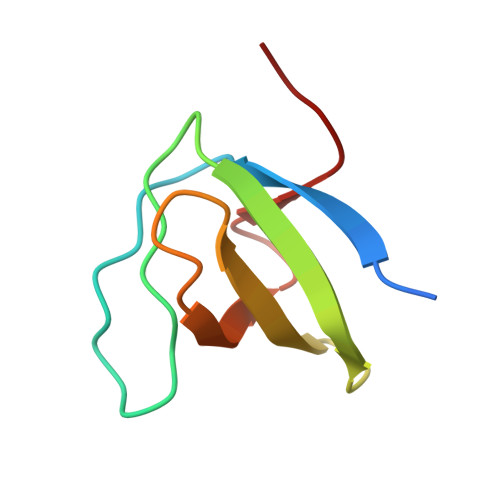
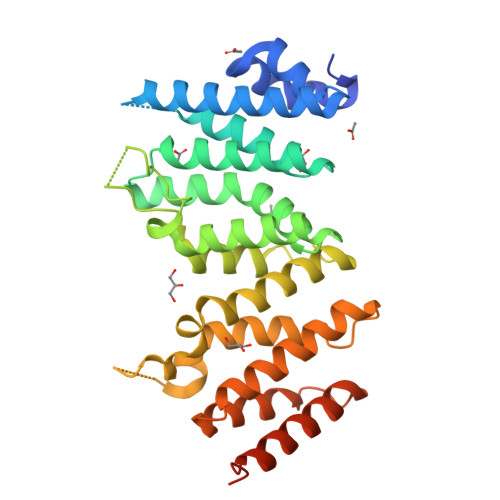
4-[(2,4-Dichloro-5-methoxyphenyl)amino]-6-methoxy-7-[3-(4-methyl-1-piperazinyl)propoxy]-3-quinolinecarbonitrile (CED0042850)

Record Information
Version1.0
Creation Date2016-06-03 12:27:52 UTC
Update Date2026-08-22 06:28:38 UTC
SynCED IDCED0042850
Secondary Accession Numbers
  • CHEM044668
Identification
Common Name4-[(2,4-Dichloro-5-methoxyphenyl)amino]-6-methoxy-7-[3-(4-methyl-1-piperazinyl)propoxy]-3-quinolinecarbonitrile
ClassSmall Molecule
Description
4-[(2,4-Dichloro-5-methoxyphenyl)amino]-6-methoxy-7-[3-(4-methyl-1-piperazinyl)propoxy]-3-quinolinecarbonitrile belongs to the aminoquinolines and derivatives, a subclass of quinolines and derivatives within the organic compounds. With an average molecular weight of 530.45 g/mol, 4-[(2,4-Dichloro-5-methoxyphenyl)amino]-6-methoxy-7-[3-(4-methyl-1-piperazinyl)propoxy]-3-quinolinecarbonitrile is a heavy molecule. This compound has the chemical formula C26H29Cl2N5O3. The substance is identified as an antineoplastic agent and is found in or released from 22 recorded sources. These include aquatic systems and sediments such as groundwater, surface water, seawater, and freshwater, as well as drinking water and water supply sources including tap water, bottled water, and desalinated water. It is also detected in wastewater, sanitation, and biosolids, specifically in industrial wastewater, mine wastewater, wastewater treatment effluent, and unspecified wastewater. Additional sources include appliances, HVAC, and refrigerants such as water heaters and water coolers, as well as marine, shipping, and aquaculture sources including bilge water and ballast water. Recorded exposure routes for this compound include oral, inhalation, and touch. Biologically, the compound interacts with 11 recorded protein targets. It acts as an inhibitor of Proto-oncogene tyrosine-protein kinase Src (SRC), Tyrosine-protein kinase Lyn (LYN), Tyrosine-protein kinase ABL1, and Dual specificity mitogen-activated protein kinase kinase 1 (MAP2K1), along with 7 other proteins.
Contaminant Type
  • PMT
Chemical Structure
Synonyms
ValueSource
4-((2,4-Dichloro-5-methoxyphenyl)amino)-6-methoxy-7-(3-(4-methyl-1-piperazinyl)propoxy)-3-quinolinecarbonitrileChEBI
SKI 606ChEBI
SKI-606ChEBI
BosulifHMDB
Chemical FormulaC26H29Cl2N5O3
Average Molecular Mass530.446 g/mol
Monoisotopic Mass529.165 g/mol
CAS Registry Number380843-75-4
IUPAC Name4-[(2,4-dichloro-5-methoxyphenyl)amino]-6-methoxy-7-[3-(4-methylpiperazin-1-yl)propoxy]quinoline-3-carbonitrile
Traditional Namebosutinib
SMILESCOC1=CC(NC2=C(C=NC3=CC(OCCCN4CCN(C)CC4)=C(OC)C=C23)C#N)=C(Cl)C=C1Cl
InChI IdentifierInChI=1S/C26H29Cl2N5O3/c1-32-6-8-33(9-7-32)5-4-10-36-25-13-21-18(11-24(25)35-3)26(17(15-29)16-30-21)31-22-14-23(34-2)20(28)12-19(22)27/h11-14,16H,4-10H2,1-3H3,(H,30,31)
InChI KeyUBPYILGKFZZVDX-UHFFFAOYSA-N
Chemical Taxonomy
Description Belongs to the class of organic compounds known as 4-aminoquinolines. These are organic compounds containing an amino group attached to the 4-position of a quinoline ring system.
KingdomOrganic compounds
Super ClassOrganoheterocyclic compounds
ClassQuinolines and derivatives
Sub ClassAminoquinolines and derivatives
Direct Parent4-aminoquinolines
Alternative Parents
Substituents
  • 4-aminoquinoline
  • Methoxyaniline
  • Aminophenyl ether
  • Anisole
  • 1,3-dichlorobenzene
  • Phenol ether
  • Aniline or substituted anilines
  • Methoxybenzene
  • Phenoxy compound
  • Alkyl aryl ether
  • N-alkylpiperazine
  • N-methylpiperazine
  • Aminopyridine
  • Chlorobenzene
  • Halobenzene
  • Aryl chloride
  • Benzenoid
  • Aryl halide
  • Pyridine
  • Piperazine
  • Monocyclic benzene moiety
  • 1,4-diazinane
  • Heteroaromatic compound
  • Tertiary aliphatic amine
  • Tertiary amine
  • Azacycle
  • Secondary amine
  • Ether
  • Carbonitrile
  • Nitrile
  • Organochloride
  • Organonitrogen compound
  • Organooxygen compound
  • Organopnictogen compound
  • Organic oxygen compound
  • Amine
  • Organohalogen compound
  • Hydrocarbon derivative
  • Organic nitrogen compound
  • Aromatic heteropolycyclic compound
Molecular FrameworkAromatic heteropolycyclic compounds
External Descriptors
Biological Properties
StatusDetected and Not Quantified
OriginNot Available
Cellular LocationsNot Available
Biofluid LocationsNot Available
Tissue LocationsNot Available
ApplicationsNot Available
Biological Roles
Chemical RolesNot Available
Organoleptic EffectsNot Available
Physical Properties
StateNot Available
AppearanceNot Available
Experimental Properties
PropertyValue
Melting PointNot Available
Boiling PointNot Available
SolubilityNot Available
Predicted Properties
PropertyValueSource
Water Solubility0.0095 g/LALOGPS
logP4.87ALOGPS
logP4.09ChemAxon
logS-4.8ALOGPS
pKa (Strongest Acidic)15.48ChemAxon
pKa (Strongest Basic)8.03ChemAxon
Physiological Charge1ChemAxon
Hydrogen Acceptor Count8ChemAxon
Hydrogen Donor Count1ChemAxon
Polar Surface Area82.88 ŲChemAxon
Rotatable Bond Count9ChemAxon
Refractivity142.12 m³·mol⁻¹ChemAxon
Polarizability56.02 ųChemAxon
Number of Rings4ChemAxon
BioavailabilityYesChemAxon
Rule of FiveNoChemAxon
Ghose FilterNoChemAxon
Veber's RuleNoChemAxon
MDDR-like RuleYesChemAxon
Spectra
Spectra
Spectrum TypeDescriptionSplash KeyDeposition DateView
LC-MS/MSLC-MS/MS Spectrumsplash10-014i-0092000000-68183c460c3cf8e08c01Not AvailableView Spectrum
LC-MS/MSLC-MS/MS Spectrumsplash10-001l-1900080000-86f44693fc4098040447Not AvailableView Spectrum
Predicted LC-MS/MSPredicted LC-MS/MS Spectrumsplash10-001i-0200190000-83ef66b0c2abb8e9b17aNot AvailableView Spectrum
Predicted LC-MS/MSPredicted LC-MS/MS Spectrumsplash10-03dl-2904330000-ee3bd613842432d7081bNot AvailableView Spectrum
Predicted LC-MS/MSPredicted LC-MS/MS Spectrumsplash10-08ml-9504200000-cb1df01119e14f605420Not AvailableView Spectrum
Predicted LC-MS/MSPredicted LC-MS/MS Spectrumsplash10-004i-0004090000-9c55d93dec61c52afac7Not AvailableView Spectrum
Predicted LC-MS/MSPredicted LC-MS/MS Spectrumsplash10-009j-3009240000-c553208a343087042f35Not AvailableView Spectrum
Predicted LC-MS/MSPredicted LC-MS/MS Spectrumsplash10-00di-1009000000-437a88d403cc82a326d3Not AvailableView Spectrum
Predicted LC-MS/MSPredicted LC-MS/MS Spectrumsplash10-001i-0000090000-1629a62e2e819fb0ea50Not AvailableView Spectrum
Predicted LC-MS/MSPredicted LC-MS/MS Spectrumsplash10-001i-0300590000-c9854475db68bc576d9cNot AvailableView Spectrum
Predicted LC-MS/MSPredicted LC-MS/MS Spectrumsplash10-0c00-3401920000-079555df03b2d8c82b35Not AvailableView Spectrum
Predicted LC-MS/MSPredicted LC-MS/MS Spectrumsplash10-004i-0000090000-6241b640c54394c3541cNot AvailableView Spectrum
Predicted LC-MS/MSPredicted LC-MS/MS Spectrumsplash10-004r-1108690000-356556ef25beb5e30365Not AvailableView Spectrum
Predicted LC-MS/MSPredicted LC-MS/MS Spectrumsplash10-00di-1106940000-950a9f00a3b8c654573bNot AvailableView Spectrum
Toxicity Profile
Toxicity Values
Toxicity ValueOrganismDose DescriptorRoute of ExposurePredicted or ExperimentalToxicity RatingReference
1279.0 Log mg/kg [720:2300]RatLD50oralpredictedNot AvailableNot Available
Toxicity / Toxin ClassNot Available
Mechanism of ToxicityNot Available
Carcinogenicity (IARC Classification)Not Available
Minimum Risk LevelNot Available
SymptomsNot Available
TreatmentNot Available
Health Effects
Health EffectRelationshipDirectionDescriptionReference
chronic myeloid leukemiaNot AvailableNot AvailableChronic myelogenous leukemia (CML), also known as chronic myeloid leukemia, is a cancer of the white blood cells. It is a form of leukemia characterized by the increased and unregulated growth of myeloid cells in the bone marrow and the accumulation of these cells in the blood. CML is a clonal bone marrow stem cell disorder in which a proliferation of mature granulocytes (neutrophils, eosinophils and basophils) and their precursors is found. It is a type of myeloproliferative neoplasm associated with a characteristic chromosomal translocation called the Philadelphia chromosome. CML accounts for 15–25% of all adult leukemias and 14% of leukemias overall (including the pediatric population, where CML is less common). CML is more common in males than in females (male to female ratio of 1.4:1) and appears more commonly in the elderly with a median age at diagnosis of 65 years.PMC12458683 , PMC5350610
acute lymphoblastic leukemiaNot AvailableNot AvailableAn acute lymphocytic leukemia characterized by a clonal expansion of immature lymphocytes in the bone marrow, lymph nodes, thymus , or spleen. Can be detected by numerous chromsome aberrations, such as the philadelphia chromsome or translocation of the band 11q23/MLL, and by fusion proteins such as BCR-ABL1 or MLL-AFF1 . (NCBI)PMC12458683
hematologic cancerNot AvailableNot AvailableNot AvailablePMC12458683
CardiotoxicityAssociated With?Not AvailableNot AvailablePMC13084601
Exposure Sources
Source IDSourceSectorReference
CEDs000003Irrigation water?Irrigation water can serve as a vector for synthetic chemical contamination due to its potential exposure to agricultural inputs such as fertilizers, pesticides, and herbicides.Agriculture & land managementNot Available
CEDs000027Water Coolers?Water coolers can be a source of synthetic chemical contamination due to various materials used in their construction and operation.Appliances, HVAC & refrigerantsNot Available
CEDs000043Water heaters?Water heaters can be a source of synthetic chemical contamination primarily through the materials and coatings used in their construction.Appliances, HVAC & refrigerantsNot Available
CEDs000050Groundwater?Groundwater serves as a vital resource for drinking water and agricultural irrigation but is increasingly susceptible to contamination from synthetic chemicals.Aquatic systems & sedimentsNot Available
CEDs000051Surface water?Surface water can serve as a significant vector for the introduction of synthetic chemical contaminants into aquatic ecosystems.Aquatic systems & sedimentsNot Available
CEDs000052Seawater?Seawater can serve as a significant reservoir for synthetic chemical contamination due to various industrial activities, including shipping, oil drilling, and coastal manufacturing.Aquatic systems & sedimentsNot Available
CEDs000053Freshwater?Freshwater bodies, including rivers, lakes, and reservoirs, can serve as significant sources of synthetic chemical contamination due to various anthropogenic activities.Aquatic systems & sedimentsNot Available
CEDs000070Stormwater runoff?Stormwater runoff refers to the flow of rainwater or melted snow that does not soak into the ground and instead collects pollutants as it travels over impervious surfaces such as roads and parking lots.Automotive & urban infrastructureNot Available
CEDs000088Waterproofing sprays?Waterproofing sprays are synthetic chemical formulations designed to create a protective barrier against moisture on various surfaces, including fabrics, wood, and masonry.Building & ConstructionNot Available
CEDs000115Drinking water?Drinking water can be a medium for synthetic chemical contamination, often originating from various industrial processes and agricultural practices.Drinking water & water supplyNot Available
CEDs000116Tap water?Tap water can be a potential source of synthetic chemical contamination due to various industrial processes and agricultural runoff.Drinking water & water supplyNot Available
CEDs000117Bottled water?Bottled water, while perceived as a safe and convenient alternative to tap water, can be a source of synthetic chemical contamination.Drinking water & water supplyNot Available
CEDs000118Desalinated water?Desalinated water, produced through processes such as reverse osmosis or distillation, is increasingly utilized to meet freshwater demands in various regions.Drinking water & water supplyNot Available
CEDs000181Ballast water?Ballast water, taken on by ships to maintain stability and balance, often contains a diverse array of microorganisms, including bacteria, viruses, and plankton.Marine, shipping & aquacultureNot Available
CEDs000182Bilge water?Bilge water is a byproduct generated from the accumulation of water in the lowest part of a ship's hull, which may include a mixture of seawater, oil, fuel residues, and various contaminants.Marine, shipping & aquacultureNot Available
CEDs000358Antineoplastic agents?Antineoplastic agents are a class of synthetic chemicals used primarily in the treatment of cancer.Healthcare, pharmaceuticals & veterinary productsNot Available
CEDs000468Industrial wastewater?Industrial wastewater is a byproduct generated during various manufacturing and processing activities, which often contains a complex mixture of organic and inorganic synthetic chemicals.Wastewater, sanitation & biosolidsNot Available
CEDs000470Wastewater treatment effluent?Wastewater treatment effluent is the liquid byproduct discharged from the treatment processes designed to remove contaminants from wastewater.Wastewater, sanitation & biosolidsNot Available
CEDs000475Mine wastewater?Mine wastewater refers to the liquid waste generated during the extraction and processing of minerals.Wastewater, sanitation & biosolidsNot Available
CEDs000477Wastewater, unspecified?Wastewater refers to water that has been adversely affected in quality by anthropogenic influence, typically through domestic, industrial, or agricultural activities.Wastewater, sanitation & biosolidsNot Available
CEDs000516Electric Hearing Aids?Electric hearing aids are small electronic devices designed to amplify sound for individuals with hearing loss.Electrical & Electronic EquipmentPubChem
CEDs000518Electrically Stimulated Smoking Devices?Electrically stimulated smoking devices, commonly known as e-cigarettes or vape pens, utilize electrical components to heat a liquid solution, often containing nicotine, flavorings, and other additives, to produce an aerosol for inhalation.Electrical & Electronic EquipmentPubChem
CEDs000537Television Systems?Television systems can be a source of synthetic chemical contamination due to the various materials and components used in their manufacture and operation.Electrical & Electronic EquipmentPubChem
CEDs000545Food Preservation?Food preservation often involves the use of synthetic chemicals, such as preservatives, flavor enhancers, and color additives, to extend shelf life and enhance the sensory qualities of food products.Food, food processing & cookwarePubChem
CEDs000559Non Electric Simulated Smoking Devices?Non-electric simulated smoking devices, often designed to mimic the experience of smoking without combustion, can be sources of synthetic chemical contamination due to the materials and chemicals used in their construction and operation.Household cleaning & consumer productsPubChem
CEDs000596Acaricides?Acaricides are synthetic chemicals specifically designed to target and control mite populations that can damage crops and plants.Agriculture & land managementPubChem
CEDs000611Anti Perspirants Or Body Deoderants?Antiperspirants and body deodorants commonly contain synthetic chemicals such as aluminum compounds, parabens, and synthetic fragrances.Personal care & cosmeticsPubChem
CEDs000615Eye Makeup Products?Eye makeup products, including mascaras, eyeliners, and eyeshadows, often contain a variety of synthetic chemicals such as pigments, preservatives, and film-forming agents.Personal care & cosmeticsPubChem
CEDs000632Apparel?Apparel production often involves the use of various synthetic chemicals, including dyes, finishing agents, and preservatives.Textiles, leather & furnishingsPubChem
CEDs000671Airplanes And Helicopters?Airplanes and helicopters are significant sources of synthetic chemical contamination primarily through the use of aviation fuels, lubricants, and de-icing agents.Aviation & AerospacePubChem
CEDs000696Nanotechnology?Nanotechnology involves the manipulation of materials at the molecular or atomic level, typically within the range of 1 to 100 nanometers.Industrial manufacturing & chemical processingPubChem
Pathways
2 pathwaysPathway Source: PathBank
Targets
StructureProteinUniProt IDOrganismRelationshipDetails
Proto-oncogene tyrosine-protein kinase Src structureClick to view 3D structureProto-oncogene tyrosine-protein kinase SrcP12931HumansPredicted (SEA)
Prediction Confidence Score
0.82
Applicability Domain
1.0
Statistical Significance
3.00e-05
Supporting Reference Compounds
1158
E-value
0.233548
Epidermal growth factor receptor structureClick to view 3D structureEpidermal growth factor receptorP00533HumansPredicted (SEA)
Prediction Confidence Score
0.767
Applicability Domain
1.0
Statistical Significance
1.00e-04
Supporting Reference Compounds
1301
E-value
0.778492
Cyclin-dependent kinase 4 structureClick to view 3D structureCyclin-dependent kinase 4P11802HumansPredicted (SEA)
Prediction Confidence Score
0.733
Applicability Domain
1.0
Statistical Significance
3.00e-05
Supporting Reference Compounds
233
E-value
0.233548
RAC-alpha serine/threonine-protein kinase structureClick to view 3D structureRAC-alpha serine/threonine-protein kinaseP31749HumansPredicted (SEA)
Prediction Confidence Score
0.713
Applicability Domain
1.0
Statistical Significance
1.20e-04
Supporting Reference Compounds
797
E-value
0.934191
Tyrosine-protein kinase ABL1 structureClick to view 3D structureTyrosine-protein kinase ABL1P00519HumansPredicted (SEA)
Prediction Confidence Score
0.704
Applicability Domain
1.0
Statistical Significance
3.30e-04
Supporting Reference Compounds
927
E-value
2.56902
Tyrosine-protein kinase Fyn structureClick to view 3D structureTyrosine-protein kinase FynP06241HumansPredicted (SEA)
Prediction Confidence Score
0.701
Applicability Domain
1.0
Statistical Significance
3.00e-04
Supporting Reference Compounds
707
E-value
2.33548
Dual specificity mitogen-activated protein kinase kinase 1 structureClick to view 3D structureDual specificity mitogen-activated protein kinase kinase 1Q02750HumansPredicted (SEA)
Prediction Confidence Score
0.653
Applicability Domain
1.0
Statistical Significance
1.60e-04
Supporting Reference Compounds
391
E-value
1.24559
Vascular endothelial growth factor receptor 2 structureClick to view 3D structureVascular endothelial growth factor receptor 2P35968HumansPredicted (SEA)
Prediction Confidence Score
0.651
Applicability Domain
1.0
Statistical Significance
0.0017
Supporting Reference Compounds
1660
E-value
13.6236
Voltage-gated inwardly rectifying potassium channel KCNH2 structureClick to view 3D structureVoltage-gated inwardly rectifying potassium channel KCNH2Q12809HumansPredicted (SEA)
Prediction Confidence Score
0.649
Applicability Domain
1.0
Statistical Significance
6.00e-04
Supporting Reference Compounds
1498
E-value
4.67095
3-phosphoinositide-dependent protein kinase 1 structureClick to view 3D structure3-phosphoinositide-dependent protein kinase 1O15530HumansPredicted (SEA)
Prediction Confidence Score
0.599
Applicability Domain
1.0
Statistical Significance
5.30e-04
Supporting Reference Compounds
591
E-value
4.12601
Receptor tyrosine-protein kinase erbB-2 structureClick to view 3D structureReceptor tyrosine-protein kinase erbB-2P04626HumansPredicted (SEA)
Prediction Confidence Score
0.597
Applicability Domain
1.0
Statistical Significance
0.0013
Supporting Reference Compounds
674
E-value
10.5096
Insulin-like growth factor 1 receptor structureClick to view 3D structureInsulin-like growth factor 1 receptorP08069HumansPredicted (SEA)
Prediction Confidence Score
0.586
Applicability Domain
1.0
Statistical Significance
0.0014
Supporting Reference Compounds
785
E-value
11.2881
Wee1-like protein kinase 2 structureClick to view 3D structureWee1-like protein kinase 2P0C1S8HumansPredicted (SEA)
Prediction Confidence Score
0.578
Applicability Domain
1.0
Statistical Significance
2.00e-05
Supporting Reference Compounds
79
E-value
0.155698
Membrane-associated tyrosine- and threonine-specific cdc2-inhibitory kinase structureClick to view 3D structureMembrane-associated tyrosine- and threonine-specific cdc2-inhibitory kinaseQ99640HumansPredicted (SEA)
Prediction Confidence Score
0.578
Applicability Domain
1.0
Statistical Significance
1.30e-04
Supporting Reference Compounds
115
E-value
1.01204
Wee1-like protein kinase structureClick to view 3D structureWee1-like protein kinaseP30291HumansPredicted (SEA)
Prediction Confidence Score
0.578
Applicability Domain
1.0
Statistical Significance
3.30e-04
Supporting Reference Compounds
162
E-value
2.56902
Tyrosine-protein kinase Lyn structureClick to view 3D structureTyrosine-protein kinase LynP07948HumansPredicted (SEA)
Prediction Confidence Score
0.576
Applicability Domain
1.0
Statistical Significance
0.0016
Supporting Reference Compounds
666
E-value
12.5337
Serine/threonine-protein kinase RIO3 structureClick to view 3D structureSerine/threonine-protein kinase RIO3O14730HumansPredicted (SEA)
Prediction Confidence Score
0.571
Applicability Domain
1.0
Statistical Significance
2.00e-05
Supporting Reference Compounds
78
E-value
0.155698
Serine/threonine-protein kinase mTOR structureClick to view 3D structureSerine/threonine-protein kinase mTORP42345HumansPredicted (SEA)
Prediction Confidence Score
0.568
Applicability Domain
1.0
Statistical Significance
0.0012
Supporting Reference Compounds
403
E-value
9.03051
Tyrosine-protein kinase Lck structureClick to view 3D structureTyrosine-protein kinase LckP06239HumansPredicted (SEA)
Prediction Confidence Score
0.56
Applicability Domain
1.0
Statistical Significance
0.0033
Supporting Reference Compounds
1130
E-value
25.3788
Mitogen-activated protein kinase kinase kinase 1 structureClick to view 3D structureMitogen-activated protein kinase kinase kinase 1Q13233HumansPredicted (SEA)
Prediction Confidence Score
0.535
Applicability Domain
1.0
Statistical Significance
1.70e-04
Supporting Reference Compounds
111
E-value
1.32344
Cyclin-G-associated kinase structureClick to view 3D structureCyclin-G-associated kinaseO14976HumansPredicted (SEA)
Prediction Confidence Score
0.535
Applicability Domain
1.0
Statistical Significance
6.90e-04
Supporting Reference Compounds
180
E-value
5.3716
Aurora kinase A structureClick to view 3D structureAurora kinase AO14965HumansPredicted (SEA)
Prediction Confidence Score
0.53
Applicability Domain
1.0
Statistical Significance
0.0035
Supporting Reference Compounds
996
E-value
27.1694
Aurora kinase B structureClick to view 3D structureAurora kinase BQ96GD4HumansPredicted (SEA)
Prediction Confidence Score
0.53
Applicability Domain
1.0
Statistical Significance
0.0034
Supporting Reference Compounds
1017
E-value
26.6244
Platelet-derived growth factor receptor beta structureClick to view 3D structurePlatelet-derived growth factor receptor betaP09619HumansPredicted (SEA)
Prediction Confidence Score
0.529
Applicability Domain
1.0
Statistical Significance
0.0028
Supporting Reference Compounds
597
E-value
21.5642
Angiopoietin-1 receptor structureClick to view 3D structureAngiopoietin-1 receptorQ02763HumansPredicted (SEA)
Prediction Confidence Score
0.529
Applicability Domain
1.0
Statistical Significance
0.0011
Supporting Reference Compounds
285
E-value
8.25202
Concentrations
Not Available
External Links
DrugBank IDDB06616
HMDB IDHMDB0240205
FooDB IDNot Available
Phenol Explorer IDNot Available
KNApSAcK IDNot Available
BiGG IDNot Available
BioCyc IDNot Available
METLIN IDNot Available
PDB IDNot Available
Wikipedia LinkBosutinib
Chemspider ID4486102
ChEBI ID39112
PubChem Compound IDNot Available
Kegg Compound IDNot Available
YMDB IDNot Available
ECMDB IDNot Available
References
Synthesis ReferenceNot Available
MSDSNot Available
General ReferencesNot Available