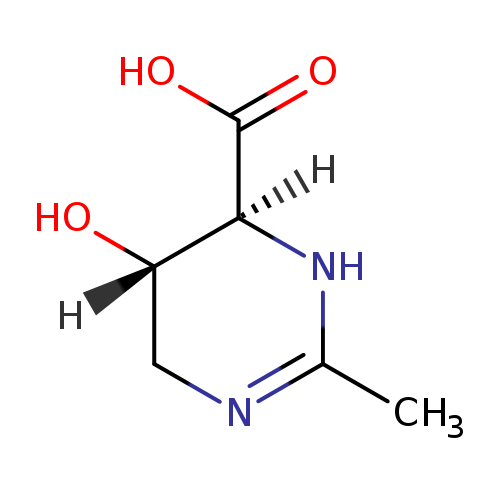
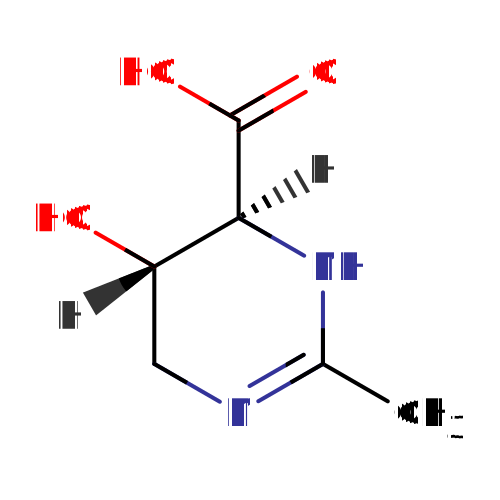
(4S,5S)-5-hydroxy-2-methyl-3,4,5,6-tetrahydropyrimidine-4-carboxylic acid (CED0102379)

Record Information
Version1.0
Creation Date2016-06-03 12:47:06 UTC
Update Date2026-03-31 17:39:01 UTC
SynCED IDCED0102379
Secondary Accession Numbers
  • CHEM045040
Identification
Common Name(4S,5S)-5-hydroxy-2-methyl-3,4,5,6-tetrahydropyrimidine-4-carboxylic acid
ClassSmall Molecule
Description
(4S,5S)-5-hydroxy-2-methyl-3,4,5,6-tetrahydropyrimidine-4-carboxylic acid belongs to the amino acids, peptides, and analogues, a subclass of carboxylic acids and derivatives within the organic compounds. This organic acid has the chemical formula C6H10N2O3 and an average molecular weight of 158.16 g/mol. In industrial applications, the compound is used as a pH regulating agent and as a softener and conditioner. It has been recorded in one source, specifically within indoor air, dust, and atmospheric transport. The recorded route of exposure for this substance is inhalation.
Contaminant TypeNot Available
Chemical Structure
Synonyms
ValueSource
(4S,5S)-2-Methyl-4-carboxy-5-hydroxy-3,4,5,6-tetrahydropyrimidineChEBI
(4S,5S)-5-HYDROXY-2-methyl-1,4,5,6-tetrahydropyrimidine-4-carboxylIC ACIDChEBI
(S,S)-2-Methyl-5-hydroxy-1,4,5,6-tetrahydropyrimidine-4-carboxylic acidChEBI
beta-HydroxyectoineChEBI
HydroxyectoineChEBI
(4S,5S)-5-HYDROXY-2-methyl-1,4,5,6-tetrahydropyrimidine-4-carboxylateGenerator
(S,S)-2-Methyl-5-hydroxy-1,4,5,6-tetrahydropyrimidine-4-carboxylateGenerator
b-HydroxyectoineGenerator
Β-hydroxyectoineGenerator
5-HydroxyectoineMeSH
Chemical FormulaC6H10N2O3
Average Molecular Mass158.155 g/mol
Monoisotopic Mass158.069 g/mol
CAS Registry Number165542-15-4
IUPAC Name(4S,5S)-5-hydroxy-2-methyl-3,4,5,6-tetrahydropyrimidine-4-carboxylic acid
Traditional Name5-hydroxyectoine
SMILES[H][C@]1(O)CN=C(C)N[C@]1([H])C(O)=O
InChI IdentifierInChI=1S/C6H10N2O3/c1-3-7-2-4(9)5(8-3)6(10)11/h4-5,9H,2H2,1H3,(H,7,8)(H,10,11)/t4-,5-/m0/s1
InChI KeyKIIBBJKLKFTNQO-WHFBIAKZSA-N
Chemical Taxonomy
Description Belongs to the class of organic compounds known as l-alpha-amino acids. These are alpha amino acids which have the L-configuration of the alpha-carbon atom.
KingdomOrganic compounds
Super ClassOrganic acids and derivatives
ClassCarboxylic acids and derivatives
Sub ClassAmino acids, peptides, and analogues
Direct ParentL-alpha-amino acids
Alternative Parents
Substituents
  • L-alpha-amino acid
  • Hydropyrimidine carboxylic acid derivative
  • Beta-hydroxy acid
  • Hydropyrimidine
  • 1,4,5,6-tetrahydropyrimidine
  • Hydroxy acid
  • Imidolactam
  • Secondary alcohol
  • Amidine
  • Carboxylic acid amidine
  • Carboxylic acid
  • Monocarboxylic acid or derivatives
  • Azacycle
  • Carboximidamide
  • Propargyl-type 1,3-dipolar organic compound
  • Organic 1,3-dipolar compound
  • Organoheterocyclic compound
  • Organic oxide
  • Hydrocarbon derivative
  • Organic nitrogen compound
  • Organonitrogen compound
  • Organooxygen compound
  • Carbonyl group
  • Alcohol
  • Organic oxygen compound
  • Organopnictogen compound
  • Aliphatic heteromonocyclic compound
Molecular FrameworkAliphatic heteromonocyclic compounds
External Descriptors
Biological Properties
StatusDetected and Not Quantified
OriginNot Available
Cellular LocationsNot Available
Biofluid LocationsNot Available
Tissue LocationsNot Available
ApplicationsNot Available
Biological RolesNot Available
Chemical RolesNot Available
Organoleptic EffectsNot Available
Physical Properties
StateNot Available
AppearanceNot Available
Experimental Properties
PropertyValue
Melting PointNot Available
Boiling PointNot Available
SolubilityNot Available
Predicted Properties
PropertyValueSource
Water Solubility17.7 g/LALOGPS
logP-1.1ALOGPS
logP-3.2ChemAxon
logS-0.95ALOGPS
pKa (Strongest Acidic)2.61ChemAxon
pKa (Strongest Basic)9.25ChemAxon
Physiological Charge0ChemAxon
Hydrogen Acceptor Count5ChemAxon
Hydrogen Donor Count3ChemAxon
Polar Surface Area81.92 ŲChemAxon
Rotatable Bond Count1ChemAxon
Refractivity36.14 m³·mol⁻¹ChemAxon
Polarizability14.78 ųChemAxon
Number of Rings1ChemAxon
BioavailabilityYesChemAxon
Rule of FiveYesChemAxon
Ghose FilterNoChemAxon
Veber's RuleNoChemAxon
MDDR-like RuleNoChemAxon
Spectra
Spectra
Spectrum TypeDescriptionSplash KeyDeposition DateView
Predicted GC-MSPredicted GC-MS SpectrumNot AvailableNot AvailableView Spectrum
Predicted LC-MS/MSPredicted LC-MS/MS Spectrumsplash10-052f-0900000000-abd891a4570682f765b3Not AvailableView Spectrum
Predicted LC-MS/MSPredicted LC-MS/MS Spectrumsplash10-03dl-1900000000-abe7f8ff0e73a01a76e1Not AvailableView Spectrum
Predicted LC-MS/MSPredicted LC-MS/MS Spectrumsplash10-0006-9000000000-961e39aabd5018ec55f9Not AvailableView Spectrum
Predicted LC-MS/MSPredicted LC-MS/MS Spectrumsplash10-0bt9-1900000000-d5dd239ec5b802cb7432Not AvailableView Spectrum
Predicted LC-MS/MSPredicted LC-MS/MS Spectrumsplash10-03di-5900000000-ae9f9da2de49174e2112Not AvailableView Spectrum
Predicted LC-MS/MSPredicted LC-MS/MS Spectrumsplash10-0ukc-9000000000-7f02ba344ab67a14b5d7Not AvailableView Spectrum
MSMS SpectrumNot AvailableNot AvailableView Spectrum
Toxicity Profile
Toxicity Values
Toxicity ValueOrganismDose DescriptorRoute of ExposurePredicted or ExperimentalToxicity RatingReference
2760.0 Log mg/kg [1600:4900]RatLD50oralpredictedNot AvailableNot Available
Toxicity / Toxin ClassNot Available
Mechanism of ToxicityNot Available
Carcinogenicity (IARC Classification)Not Available
Minimum Risk LevelNot Available
SymptomsNot Available
TreatmentNot Available
Health Effects
Health EffectRelationshipDirectionDescriptionReference
Exposure Sources
Source IDSourceSectorReference
CEDs000019Indoor air?Indoor air can be a significant reservoir for synthetic chemical contaminants, which often originate from various sources within enclosed environments.Air, dust & atmospheric transportNot Available
CEDs000545Food Preservation?Food preservation often involves the use of synthetic chemicals, such as preservatives, flavor enhancers, and color additives, to extend shelf life and enhance the sensory qualities of food products.Food, food processing & cookwarePubChem
CEDs000563Soap Detergents?Soap detergents are synthetic surfactants designed to enhance the cleaning efficacy of water by reducing surface tension, allowing for better interaction with dirt and grease.Household cleaning & consumer productsPubChem
CEDs000609Aftershave?Aftershave is a grooming product typically used to soothe and protect the skin following shaving.Personal care & cosmeticsPubChem
CEDs000610Aftersun Products?Aftersun products are designed to soothe and hydrate the skin after sun exposure, often containing various synthetic chemicals such as emollients, preservatives, and fragrances.Personal care & cosmeticsPubChem
CEDs000611Anti Perspirants Or Body Deoderants?Antiperspirants and body deodorants commonly contain synthetic chemicals such as aluminum compounds, parabens, and synthetic fragrances.Personal care & cosmeticsPubChem
CEDs000615Eye Makeup Products?Eye makeup products, including mascaras, eyeliners, and eyeshadows, often contain a variety of synthetic chemicals such as pigments, preservatives, and film-forming agents.Personal care & cosmeticsPubChem
CEDs000617Lip Care Products?Lip care products, including lipsticks, balms, and glosses, often contain a variety of synthetic chemicals such as parabens, phthalates, and synthetic fragrances.Personal care & cosmeticsPubChem
CEDs000618Lip Makeup Products?Lip makeup products, such as lipsticks, lip glosses, and lip liners, often contain a variety of synthetic chemicals, including pigments, preservatives, and emollients.Personal care & cosmeticsPubChem
CEDs000619Manicure Pedicure?Manicure and pedicure procedures often involve the use of various synthetic chemicals, including solvents, nail polishes, and nail adhesives.Personal care & cosmeticsPubChem
CEDs000630Toys?Toys, particularly those made from synthetic materials such as plastics, can be a source of chemical contamination due to the presence of various additives and compounds used in their production.Recreation & sports surfacesPubChem
CEDs000650Purses Luggage Hand Bags?Purses, luggage, and handbags are often manufactured using synthetic materials such as polyvinyl chloride (PVC), polyurethane, and various types of nylon.Textiles, leather & furnishingsPubChem
CEDs000678Nitrogenous Fertilisers?Nitrogenous fertilizers are synthetic chemical compounds primarily used to enhance plant growth by supplying essential nitrogen, a crucial nutrient for photosynthesis and protein synthesis.Agriculture & land managementPubChem
CEDs000679Phosphatic Fertilisers?Phosphatic fertilizers are synthetic chemical products primarily composed of phosphorus, which is essential for plant growth.Agriculture & land managementPubChem
CEDs000685Ceramics?Ceramics can be a source of synthetic chemical contamination through various additives and processing agents used in their production.Building & ConstructionPubChem
CEDs000696Nanotechnology?Nanotechnology involves the manipulation of materials at the molecular or atomic level, typically within the range of 1 to 100 nanometers.Industrial manufacturing & chemical processingPubChem
CEDs000730Contact Lens Cases?Contact lens cases are small containers designed to store contact lenses in a sterile environment, typically made from various synthetic materials including plastics such as polypropylene or polycarbonate.Healthcare, pharmaceuticals & veterinary productsPubChem
CEDs000738Cooling Circuit Water?Cooling circuit water is utilized in various industrial processes to absorb and dissipate heat generated during operations.Industrial manufacturing & chemical processingPubChem
CEDs000739Inks?Inks are complex mixtures composed of pigments or dyes, solvents, resins, and additives used primarily for printing and writing applications.Paper, pulp & fiber productsPubChem
CEDs000740Paper?Paper production involves the processing of wood fibers and the use of various chemicals, which can lead to synthetic chemical contamination.Paper, pulp & fiber productsPubChem
CEDs000741Pigment Pastes?Pigment pastes are concentrated dispersions of pigments used to impart color and properties to materials.Paper, pulp & fiber productsPubChem
CEDs000744Water, Wastewater, & Sewage Treatment?Water, wastewater, and sewage treatment processes are critical for managing and mitigating pollutants in water systems.Wastewater, sanitation & biosolidsPubChem
Pathways
0 pathwaysPathway Source: PathBank

No pathways found

No metabolic pathways have been associated with this synthetic chemical

Targets
StructureProteinUniProt IDOrganismRelationshipDetails
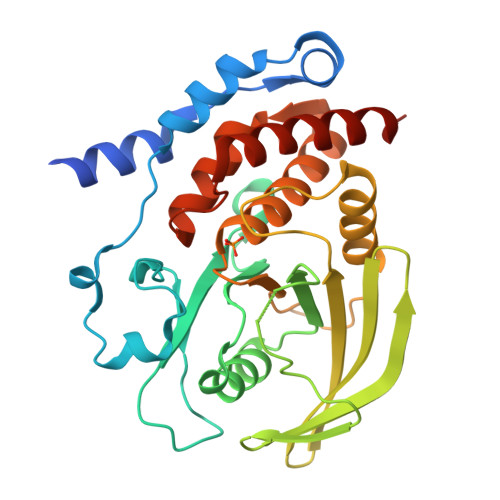
Click to view 3D structureFumarate hydratase, mitochondrialP10173Sus scrofaPredicted (SEA)
Prediction Confidence Score
0.357
Applicability Domain
0.357
Statistical Significance
1.00e-05
Supporting Reference Compounds
1
E-value
0.0778492
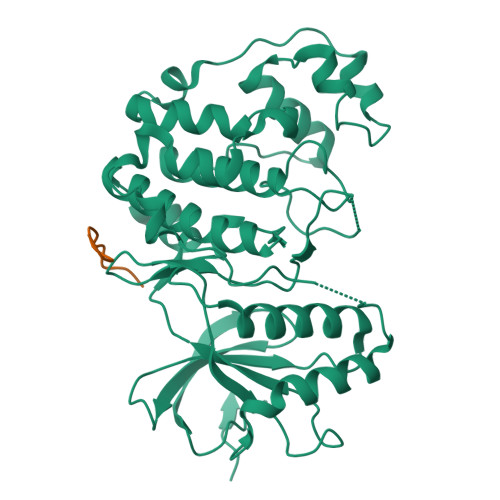
Tyrosine-protein phosphatase non-receptor type 7 structureClick to view 3D structureTyrosine-protein phosphatase non-receptor type 7P35236HumansPredicted (SEA)
Prediction Confidence Score
0.258
Applicability Domain
0.28 Low confidence
Statistical Significance
0.0279
Supporting Reference Compounds
130
E-value
217.277
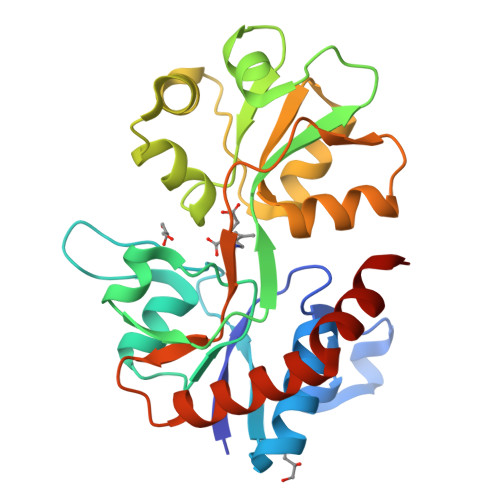
Heat shock 70 kDa protein 1A structureClick to view 3D structureHeat shock 70 kDa protein 1AP0DMV8HumansPredicted (SEA)
Prediction Confidence Score
0.258
Applicability Domain
0.28 Low confidence
Statistical Significance
1.30e-04
Supporting Reference Compounds
19
E-value
1.01204
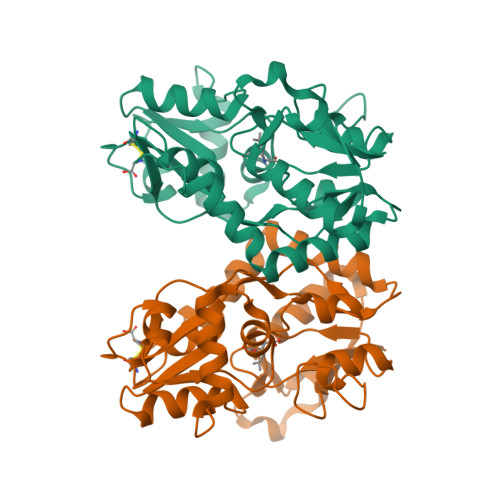
Dual specificity protein phosphatase 6 structureClick to view 3D structureDual specificity protein phosphatase 6Q64346Rattus norvegicusPredicted (SEA)
Prediction Confidence Score
0.255
Applicability Domain
0.28 Low confidence
Statistical Significance
0.0025
Supporting Reference Compounds
53
E-value
19.2288
Protein Tat structureClick to view 3D structureProtein TatP04608Human immunodeficiency virus type 1 group M subtype B (isolate HXB2)(HIV-1)Predicted (SEA)
Prediction Confidence Score
0.246
Applicability Domain
0.28 Low confidence
Statistical Significance
0.022
Supporting Reference Compounds
108
E-value
171.658
Nuclear receptor subfamily 4immunitygroup A member 1 structureClick to view 3D structureNuclear receptor subfamily 4immunitygroup A member 1P22736HumansPredicted (SEA)
Prediction Confidence Score
0.222
Applicability Domain
0.28 Low confidence
Statistical Significance
0.0342
Supporting Reference Compounds
39
E-value
266.556
Glutamate receptor ionotropic, kainate 4 structureClick to view 3D structureGlutamate receptor ionotropic, kainate 4Q01812Rattus norvegicusPredicted (SEA)
Prediction Confidence Score
0.22
Applicability Domain
0.244 Low confidence
Statistical Significance
6.00e-05
Supporting Reference Compounds
2
E-value
0.467095
Induced myeloid leukemia cell differentiation protein Mcl-1 structureClick to view 3D structureInduced myeloid leukemia cell differentiation protein Mcl-1Q07820HumansPredicted (SEA)
Prediction Confidence Score
0.219
Applicability Domain
0.28 Low confidence
Statistical Significance
0.28
Supporting Reference Compounds
343
E-value
2179.7
Glutamate receptor 4 structureClick to view 3D structureGlutamate receptor 4P19493Rattus norvegicusPredicted (SEA)
Prediction Confidence Score
0.215
Applicability Domain
0.244 Low confidence
Statistical Significance
0.0032
Supporting Reference Compounds
25
E-value
24.7561
Eukaryotic translation initiation factor 4E structureClick to view 3D structureEukaryotic translation initiation factor 4EP63073Mus musculusPredicted (SEA)
Prediction Confidence Score
0.213
Applicability Domain
0.28 Low confidence
Statistical Significance
0.0059
Supporting Reference Compounds
23
E-value
46.0867
Glutamate receptor ionotropic, kainate 2 structureClick to view 3D structureGlutamate receptor ionotropic, kainate 2P42260Rattus norvegicusPredicted (SEA)
Prediction Confidence Score
0.213
Applicability Domain
0.244 Low confidence
Statistical Significance
0.0021
Supporting Reference Compounds
18
E-value
16.1926
Glutamate receptor ionotropic, kainate 1 structureClick to view 3D structureGlutamate receptor ionotropic, kainate 1P22756Rattus norvegicusPredicted (SEA)
Prediction Confidence Score
0.206
Applicability Domain
0.244 Low confidence
Statistical Significance
0.0221
Supporting Reference Compounds
45
E-value
172.28
Sodium/iodide cotransporter structureClick to view 3D structureSodium/iodide cotransporterQ63008Rattus norvegicusPredicted (SEA)
Prediction Confidence Score
0.203
Applicability Domain
0.203 Low confidence
Statistical Significance
0.0494
Supporting Reference Compounds
1
E-value
384.964
Glutamate receptor ionotropic, kainate 3 structureClick to view 3D structureGlutamate receptor ionotropic, kainate 3P42264Rattus norvegicusPredicted (SEA)
Prediction Confidence Score
0.203
Applicability Domain
0.244 Low confidence
Statistical Significance
0.0115
Supporting Reference Compounds
26
E-value
89.9158
Click to view 3D structureGlutamate receptor ionotropic, kainate 5Q61626Mus musculusPredicted (SEA)
Prediction Confidence Score
0.202
Applicability Domain
0.203 Low confidence
Statistical Significance
6.00e-04
Supporting Reference Compounds
2
E-value
4.67095
Glutamate receptor 3 structureClick to view 3D structureGlutamate receptor 3P19492Rattus norvegicusPredicted (SEA)
Prediction Confidence Score
0.201
Applicability Domain
0.244 Low confidence
Statistical Significance
0.0122
Supporting Reference Compounds
30
E-value
94.9761
Glutamate receptor 1 structureClick to view 3D structureGlutamate receptor 1P19490Rattus norvegicusPredicted (SEA)
Prediction Confidence Score
0.201
Applicability Domain
0.244 Low confidence
Statistical Significance
0.0441
Supporting Reference Compounds
37
E-value
343.082
Glutamate receptor 2 structureClick to view 3D structureGlutamate receptor 2P19491Rattus norvegicusPredicted (SEA)
Prediction Confidence Score
0.201
Applicability Domain
0.244 Low confidence
Statistical Significance
0.0086
Supporting Reference Compounds
34
E-value
66.8725
Small ubiquitin-related modifier 1 structureClick to view 3D structureSmall ubiquitin-related modifier 1P63165HumansPredicted (SEA)
Prediction Confidence Score
0.2
Applicability Domain
0.28 Low confidence
Statistical Significance
0.257
Supporting Reference Compounds
95
E-value
2000.8
SH3 and multiple ankyrin repeat domains protein 3 structureClick to view 3D structureSH3 and multiple ankyrin repeat domains protein 3Q4ACU6Mus musculusPredicted (SEA)
Prediction Confidence Score
0.2
Applicability Domain
0.2 Low confidence
Statistical Significance
6.70e-04
Supporting Reference Compounds
1
E-value
5.2159
DNA dC->dU-editing enzyme APOBEC-3G structureClick to view 3D structureDNA dC->dU-editing enzyme APOBEC-3GQ9HC16HumansPredicted (SEA)
Prediction Confidence Score
0.197
Applicability Domain
0.28 Low confidence
Statistical Significance
0.1601
Supporting Reference Compounds
76
E-value
1246.13
DNA dC->dU-editing enzyme APOBEC-3A structureClick to view 3D structureDNA dC->dU-editing enzyme APOBEC-3AP31941HumansPredicted (SEA)
Prediction Confidence Score
0.197
Applicability Domain
0.28 Low confidence
Statistical Significance
0.0756
Supporting Reference Compounds
28
E-value
588.618
Click to view 3D structureThymidine phosphorylaseQ5FVR2Rattus norvegicusPredicted (SEA)
Prediction Confidence Score
0.196
Applicability Domain
0.196 Low confidence
Statistical Significance
0.0016
Supporting Reference Compounds
1
E-value
12.1445
Click to view 3D structureExtended-spectrum beta-lactamase PER-6D5HSX5Aeromonas allosaccharophilaPredicted (SEA)
Prediction Confidence Score
0.196
Applicability Domain
0.196 Low confidence
Statistical Significance
5.20e-04
Supporting Reference Compounds
1
E-value
4.04816
Click to view 3D structureADC-14 proteinQ0VTR6Acinetobacter genomosp. 3Predicted (SEA)
Prediction Confidence Score
0.196
Applicability Domain
0.196 Low confidence
Statistical Significance
5.20e-04
Supporting Reference Compounds
1
E-value
4.04816
Concentrations
Not Available
External Links
DrugBank IDNot Available
HMDB IDNot Available
FooDB IDNot Available
Phenol Explorer IDNot Available
KNApSAcK IDNot Available
BiGG IDNot Available
BioCyc IDNot Available
METLIN IDNot Available
PDB IDNot Available
Wikipedia LinkNot Available
Chemspider IDNot Available
ChEBI ID49432
PubChem Compound ID12011795
Kegg Compound IDC16432
YMDB IDNot Available
ECMDB IDM2MDB004879
References
Synthesis ReferenceNot Available
MSDSNot Available
General ReferencesNot Available